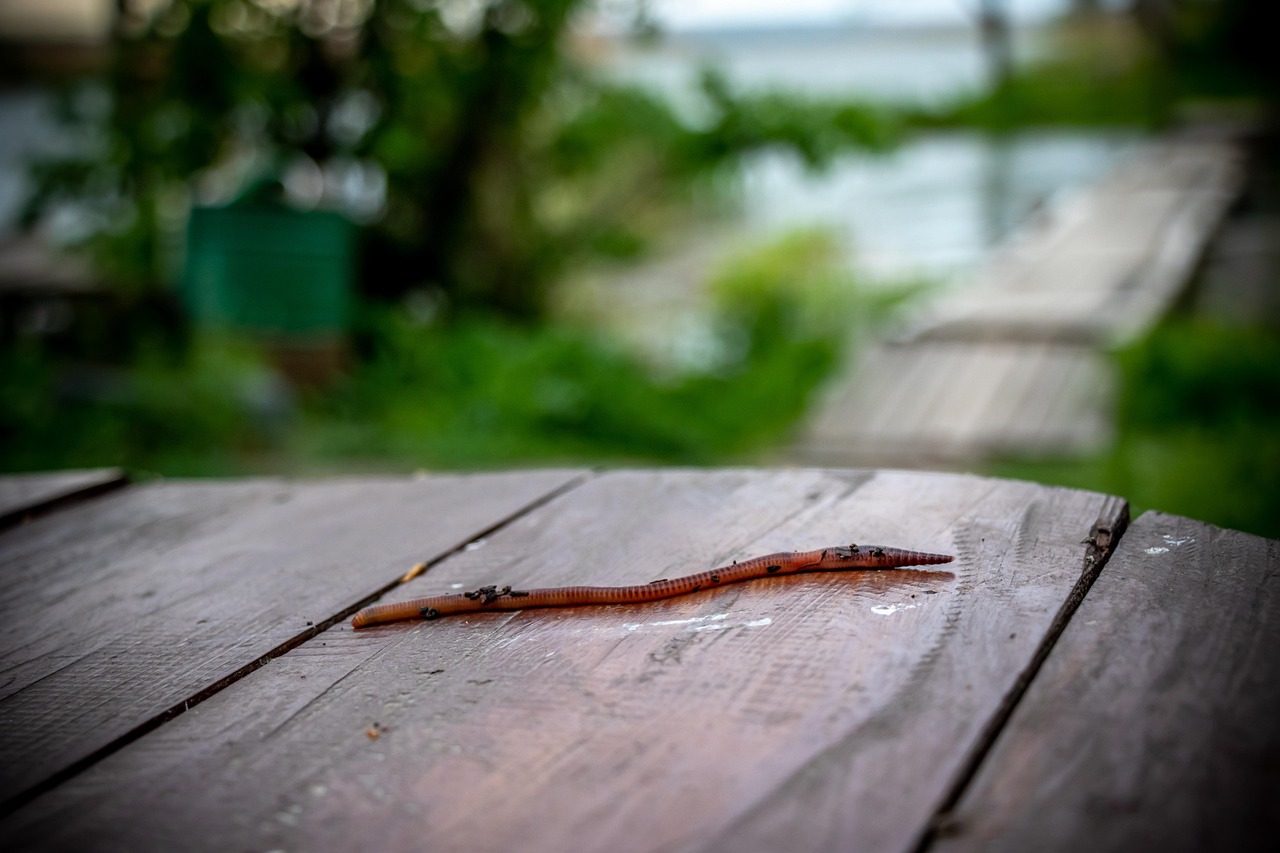
Armyworm Control: How to Get Rid of Armyworms Fast (24-48 Hour Plan)
 Marcus GreenTurf Management Pro | 18 Years
As an Amazon Associate we earn from qualifying purchases.
Armyworms are one of the few lawn pests that can turn a healthy yard into a patchy, brown mess almost overnight. They are not worms at all but the caterpillar stage of certain moths, and when populations spike they move in groups and devour turf very quickly.
In a heavy outbreak, armyworms can strip large sections of lawn in 24 to 72 hours. Homeowners often notice apparently healthy grass one evening and wake up to straw-colored patches the next day. Because of that speed, armyworm control is not a “next weekend” project. Getting rid of armyworms quickly, within hours rather than weeks, is what saves the turf you have.
This guide focuses on rapid identification, emergency actions in the first 24 to 48 hours, the best products for fast knockdown, and longer term prevention. It also covers when to call a professional and how to help damaged turf recover after the insects are gone. If you are dealing with other pests or issues, you may also want to review related topics like Grub Control for Lawns, Lawn Fungus Identification and Treatment, and When to Fertilize Your Lawn in Spring and Fall.
Tan or straw-colored patches that appeared within a day or two, with ragged, chewed blade tips where green meets damage, point to armyworms. Confirm with a soap flush: mix 2 tablespoons of dish soap in 1 gallon of water, pour it over a square foot or two at the edge of the damage, and watch for caterpillars wriggling to the surface within about 10 minutes.
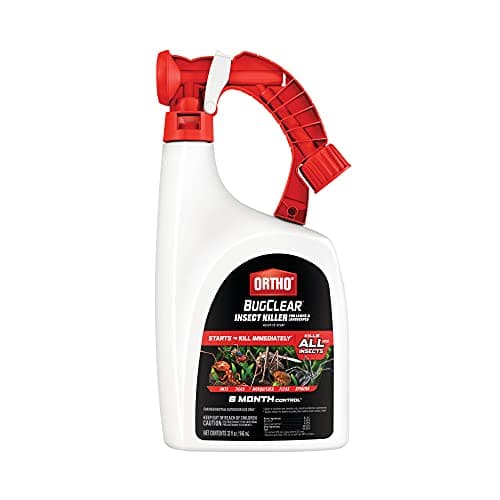
Treat the same evening with a bifenthrin ready-to-spray such as Ortho BugClear Insect Killer for Lawns and Landscapes, which lists armyworms on the label and covers about 5,300 square feet per bottle. Mow before you apply, not after, and leave the sprinklers off for 24 hours so the residue stays on the blades. Re-check with a soap flush in 3 to 5 days and re-treat only if live larvae are still feeding. Whether you spell them armyworms or army worms, the plan is the same: confirm, treat tonight, recheck.
Understanding Armyworms: The Basics You Must Know (Fast)
What Are Armyworms?
Armyworms are the larval or caterpillar stage of certain moth species, most notably the fall armyworm and the true armyworm. The term “armyworm” describes their behavior as much as their biology. When populations are high, larvae move across a lawn in groups, consuming almost everything green in their path like a small marching army.
The life cycle follows a simple pattern: eggs are laid on plants or objects, they hatch into larvae (the damaging armyworm stage), larvae feed and grow through several instars, then pupate in the soil before emerging as adult moths. In warm climates, there can be multiple generations per year. In colder areas, there are typically one or two main bursts of activity each growing season.
The larval stage is the only part of the life cycle that harms turf. These caterpillars have chewing mouthparts and feed on grass blades from the top down, leaving ragged edges and thinning the canopy. When enough larvae are present, they can consume the entire green portion of the plant, leaving only stems or crowns.
Species and Regions: Do You Actually Have Armyworms?
Across North America, two species cause most lawn damage: the fall armyworm (Spodoptera frugiperda) and the true armyworm (Mythimna unipuncta). Both feed on grasses but have slightly different regional patterns and preferred hosts.
Fall armyworm is most notorious in the South, Southeast, and parts of the Midwest, especially on bermuda and other warm-season grasses. It is also a major problem in overseeded cool-season ryegrass on golf courses and sports fields. True armyworm is more common in the northern and central states, often associated with small grains and pastures, but it will also move into home lawns with cool-season grasses like Kentucky bluegrass and fescue.
Seasonally, outbreaks can begin as early as late spring in the Deep South and as late as mid to late summer in the Midwest and North. A common window for major outbreaks in many regions is July through September, especially after mild winters and wet springs that favor survival. Warmer temperatures and milder winters in recent years have allowed fall armyworm populations to build earlier and survive farther north than in the past, so “armyworm season” is less predictable than it used to be.
Why Armyworms Are So Destructive
Armyworms are destructive for two main reasons: how they feed and how many of them feed at once. A single small caterpillar does limited damage, but when hundreds or thousands of larvae hatch in one area and start feeding together, their impact adds up very quickly. Their group movement across a lawn amplifies the effect, creating a distinct wave of damage.
They feed on many turf species. Common targets include warm-season grasses like bermuda, zoysia, centipede, and St. Augustine, as well as cool-season grasses like perennial ryegrass, tall fescue, and Kentucky bluegrass. Lawns overseeded with ryegrass in warm climates are especially attractive and can be defoliated very fast.
Newly seeded or recently sodded lawns are at the highest risk. Young grass plants have less stored energy in their roots and crowns. When armyworms strip away the green tissue, these new plants often lack the reserves to recover, which means the damage can be permanent without reseeding or resodding. Established lawns with deeper root systems are more likely to regrow once feeding stops, provided crowns and roots remain intact.
Fast Diagnosis: How to Confirm You Really Have Armyworms (Before You Treat)
Visual Symptoms in the Lawn
The first sign many homeowners notice is a sudden change in color. Armyworm damage typically appears as irregular tan, straw-colored, or brown patches that seem to appear almost overnight. Instead of a gradual fade, the transition from healthy to damaged can be very sharp, particularly along a moving front as the larvae march across the yard.
To separate armyworm damage from drought stress, pay attention to timing and pattern. Drought stress usually builds slowly over days or weeks, often starting in the hottest, driest areas like slopes or south-facing spots. Armyworm damage, on the other hand, often appears first in edges, near lights, or in areas of lush growth, and the damaged areas may expand noticeably from one day to the next.
Look closely at individual grass blades. Armyworms leave chewed, ragged, or notched edges. Blades may be eaten back from the tip, giving them a frayed look. If you see intact, dry blades that have simply turned tan without chew marks, that more often indicates drought, disease, or chemical injury.
It is also important to distinguish armyworms from other pests. Grubs feed on roots and create spongy turf that pulls up like a loose carpet. Chinch bugs suck sap at the base of the plant in hot, sunny spots and leave a more diffuse pattern. Fungal diseases usually show circular or irregular patches with characteristic patterns like rings or spots on blades. If you see a moving “line” of damage and ragged chewing, that typically points to armyworms, especially during mid to late summer.
Inspecting for Armyworms in the Turf
Once you suspect armyworms based on symptoms, the next step is to find the larvae. Timing matters. They are most active in the early morning and late evening and tend to hide in thatch or at the base of the grass during the heat of the day. Overcast or rainy days can keep them active longer at the surface.

Start your inspection along the border between healthy green turf and freshly damaged or thinning patches. This is the “front line” where larvae are often concentrated. Gently part the grass with your fingers and look down to the soil surface and thatch layer. You may see small caterpillars curled up near the crowns or slowly moving between plants.
Armyworms vary in size depending on their stage. Early instars may be only 1/4 inch long and pale green or tan, while older larvae can reach 1 to 1.5 inches long and show more distinct striping. Fall armyworm larvae commonly have a dark head capsule with a pale, inverted “Y” marking and four distinct spots in a square near the rear end. Along the body you may see dark and light stripes that help distinguish them from other caterpillars.
Check multiple spots, especially where damage seems freshest. If you find several larvae in a small area, you likely have a significant infestation. If you only find an occasional isolated caterpillar, that may not be enough to explain widespread damage and you should broaden your diagnostic search to include other pests or issues.
DIY “Soap Flush” Test for Confirmation
A simple soap flush test can confirm armyworms even when they are hiding. This method irritates insects in the thatch and soil surface so they crawl up where you can see them. It is a quick, low cost way to increase your certainty before you invest in treatment.
You will need a bucket, water, and a mild liquid dish soap that does not contain degreasers or bleach. Mix roughly 2 to 4 tablespoons of soap in 1 gallon of water. The exact ratio is not critical, but you want a noticeably soapy solution, not just lightly tinted water.
Choose a 1 to 2 square foot section of turf at the edge of damaged and healthy grass. Pour the soapy solution evenly over that area, allowing it to soak in. Wait 5 to 10 minutes and watch closely. If armyworms or other caterpillars are present, many of them will wriggle up to the surface or onto the blades as the soap irritates them.
A few scattered larvae are not always a reason to treat an entire lawn. A practical rule of thumb many turf managers use is that finding 3 to 4 or more armyworms per square foot, especially near expanding damage, justifies control. If you see 10 or more per square foot, that is a heavy infestation and treatment should be done within 24 hours to limit further loss.
If other insects surface, take note. Small, soft bodied insects may be harmless or beneficial, while larger white grubs or numerous chinch bugs suggest different problems that require other strategies. If you are unsure what you are seeing, collect a few specimens in a container for identification.
When to Call a Professional for Identification
For most homeowners, the visual inspection plus the soap flush test provide enough clarity to move forward confidently. However, there are situations where professional help is worth the time. Large properties, high value turf like sports fields or golf courses, or sites with mixed symptoms often benefit from expert identification before any large scale application.
If you are seeing both root level and leaf level damage, or if you suspect more than one insect may be involved, reach out to your local cooperative extension office or a licensed lawn care professional. Extension agents can often identify samples from photos or physical submissions and may know about current regional outbreaks and the most effective control products for your area.
For a broader view of pest diagnostics, a Lawn Pest Identification Guide is helpful for comparing symptoms and insect types. The more accurately you diagnose, the more targeted and cost effective your treatment will be.
- A common working threshold in maintained home turf is roughly 3 or more larvae per square foot with damage that is actively spreading. Thresholds are set locally and vary by region and grass type, so confirm the number that applies where you live with your cooperative extension office.
Armyworm Treatment: Start With a Bifenthrin Ready-to-Spray Tonight
If the soap flush turned up caterpillars, skip the comparison shopping. The fastest thing a homeowner can put down on a lawn that is being stripped right now is a bifenthrin ready-to-spray, and September is the month that matters for it. Fall armyworm moths lay eggs through several generations a year, and the late-summer to early-fall generation is the one that reaches home lawns in the South, Southeast, and lower Midwest. That generation is running now.
The Product, the Rate, and the Timing
What to buy. Ortho BugClear Insect Killer for Lawns & Landscapes Ready-to-Spray, 32 oz. is bifenthrin plus zeta-cypermethrin in a hose-end bottle, and armyworms are on the label. One 32 ounce bottle covers up to about 5,300 square feet of lawn, so measure your turf before you go to the store. A 7,000 square foot lawn needs two bottles, not one stretched thin.
The rate. The hose-end bottle meters itself, so your job is pace rather than measurement. Walk steadily and overlap each pass slightly so you do not leave untreated strips, and stop when the bottle is empty over the square footage it is rated for. If you are using a concentrate or a granular product instead, the rate is printed per 1,000 square feet on your label, and that number is the one to follow. Rates differ between pests on the same label, so read the caterpillar or armyworm line rather than the general lawn insect line.
The timing. Treat in the evening. Alabama Cooperative Extension is direct about it: apply insecticides early or late in the day, because fall armyworm larvae are most active on turf at those times. A midday application hits a lawn whose caterpillars are hiding down in the thatch, which is the single most common reason a correctly chosen product appears to fail.
Prep, in this order. Alabama Extension also recommends mowing before treatment if the lawn needs it, done early or late in the day, and notes that light irrigation several hours before treatment may help increase larval activity near the turf surface. So the sequence on treatment day is mow, water lightly in the afternoon, spray at dusk, and then leave the lawn alone.
Do not water it in. This is a foliar application aimed at caterpillars sitting on and near the blades, not a soil drench. Irrigating right after a liquid application washes the residue off the leaves. Leave the sprinklers off for at least 24 hours afterward unless your label specifically says otherwise. Granular products are the opposite case and do need a light watering in to move the active ingredient into the thatch, which is exactly why mixing up the two sets of instructions ruins applications.
What to Expect, and the Re-Treat Interval
Feeding usually slows within a few hours and most of the live larvae are gone within 24 hours. Many homeowners who spray at dusk find dead caterpillars on the surface the next morning. What will not happen is green-up. Eaten foliage does not grow back, so recovery depends entirely on whether the crowns and roots survived, and in an established lawn new growth typically becomes visible over the following one to two weeks.
Re-check with a soap flush 3 to 5 days after treatment. Eggs laid shortly before you sprayed can still hatch afterward, which is why a single application is not automatically the end of it. If you find more than two or three live larvae per square foot with fresh feeding damage, a second application is justified, following the minimum retreatment interval printed on your label. If you find only isolated caterpillars and no new damage, the population is collapsing and further spraying is wasted money.
Size matters more than count on the second decision. NC State Extension notes that insecticides are generally ineffective against large larvae and advises noting the size of the armyworms before making an application, since large larvae are about to burrow into the soil to pupate anyway. Full-grown inch-and-a-half caterpillars are not worth a second bottle. Quarter-inch ones are.
The Other Products, and When Each One Fits
Active ingredient matters far more than the brand on the bag. If the ready-to-spray above is not what you want, these cover the rest of the situations: granular knockdown over a large lawn, selective low-toxicity control, and season-long prevention. Always confirm that armyworms or caterpillars appear on the label of the specific bag or bottle you buy, and follow its rates and timing.
| Product | Active ingredient | Type | Speed | Best for |
|---|---|---|---|---|
| Ortho Bug B Gon Insect Killer for Lawns | Bifenthrin (0.20 percent) | Granule, contact | Fast once watered in | Large lawns treated with a broadcast spreader. Needs a light watering in, unlike the spray. The retail listing names cutworms rather than armyworms, so check the caterpillar line on the bag |
| Monterey Garden Insect Spray, 16 oz with Measuring Spoon | Spinosad | Spray, contact plus ingestion | Fast on actively feeding larvae | Effective control that is easier on beneficial insects |
| Monterey BT Bacillus Thuringiensis Concentrate (16 oz) | Bacillus thuringiensis (Bt) | Spray, ingestion only | Slower, larvae must eat treated blades | The most selective option, best on small early-stage caterpillars |
| Scotts GrubEx1 Season Long Grub Killer, 5,000 sq. ft. | Chlorantraniliprole | Granule, preventive | Not for emergencies, works ahead of the outbreak | Season-long prevention in lawns hit year after year (same active family as Acelepryn) |
If you would rather avoid broad-spectrum pyrethroids, spinosad and Bt are the selective routes and both work well when larvae are small and actively feeding. They are slower on large, late-stage armyworms, so they reward early detection. In a heavy outbreak with a lot of lawn already at risk, most homeowners still reach for a fast pyrethroid first to stop the loss, then move to selective products and preventive steps afterward.
Safety While You Apply
Wear long sleeves, long pants, and closed shoes while mixing or applying, and skip windy evenings to limit drift onto neighboring properties and flower beds. Keep pets and children off the lawn until the product has dried completely, or until your label's reentry interval has passed. With granular products that means waiting through the watering-in step and letting the surface dry. Label instructions override any general advice, including this article's.
- Alabama Cooperative Extension describes the soap flush for scouting as 2 tablespoons of liquid dishwashing soap in 1 gallon of water poured over a 1 to 2 square foot area, and recommends applying insecticides early or late in the day when larvae are most active on the turf.
- Treatment thresholds, legal rates, and reapplication intervals vary by state and product and are revised periodically. Your local cooperative extension office can tell you the threshold that applies where you live and which chemistries are performing locally.
- Rotating among insecticide classes rather than repeating one product helps manage resistance and protects beneficial insects, which matters in regions that see armyworm pressure several years running.
Not certain those caterpillars are armyworms, or whether the brown patch is something else entirely? Get a free photo diagnosis before you buy a bottle. It compares the damage against the pests and diseases actually active in your region and season, which on a lawn that is losing ground by the day is worth the thirty seconds.
After Treatment: Helping Your Lawn Recover
Assessing How Much Damage Is Reversible
Once the armyworms are controlled, focus shifts to recovery. The key question is whether the grass was only defoliated or actually killed. In many cases, especially in established lawns, the crowns and roots stay alive and can push new leaves once stress is reduced.
Use a simple tug test to assess live versus dead turf. Gently pull on the grass in damaged areas. If roots are still firmly anchored and you see white or off white tissue at the base of the plants, the grass is likely alive. If turf peels back easily like sod or you see brown, mushy crowns, those spots may be dead and will require reseeding or resodding.
Short Term Care: Watering, Mowing, and Fertilizing
For living but defoliated turf, consistent moisture is critical. Aim to supply around 1 to 1.5 inches of water per week from rainfall and irrigation combined, applied in 2 to 3 deep soakings rather than frequent light sprinkles. This supports root function and encourages new leaf growth without promoting disease.
Resume mowing once the lawn starts to green up again, but avoid scalp cuts. Keep mowing height in the recommended range for your grass type, often around 2.5 to 3.5 inches for many cool-season lawns and 1 to 2 inches for many warm-season grasses, unless your specific species requires otherwise. Never remove more than one third of the blade height at a time during recovery.
Light fertilization can help speed regrowth if soil nutrients are low. For many lawns, applying 0.5 to 0.75 pounds of actual nitrogen per 1,000 square feet using a balanced lawn fertilizer is enough to support recovery. Avoid heavy fertilization in hot weather or when the lawn is under drought stress, as that can increase disease risk. For overall nutrient timing, see When to Fertilize Your Lawn in Spring and Fall.
When and How to Reseed or Resod
If some areas are clearly dead, plan for renovation. For cool-season lawns in the North, early fall is often the best time to reseed or overseed armyworm damaged patches, since cooler temperatures and moist soils favor germination and establishment. For warm-season grasses in the South, late spring through early summer is typically the prime establishment window.
Prepare dead or severely thinned areas by removing loose debris, lightly loosening the top half inch of soil, and leveling low spots. For seeding, spread grass seed at the recommended rate for your species, lightly rake to incorporate, and keep the top layer of soil consistently moist until seedlings are established. For sodding, lay new sod tightly against existing turf, roll or press it in for good soil contact, and water thoroughly.
Long Term Prevention: Keeping Armyworms from Coming Back
Cultural Practices That Make Your Lawn Less Attractive
While you cannot guarantee that armyworms will never return, you can manage your lawn in ways that reduce the impact of future outbreaks. Healthy turf with strong roots and crowns tolerates defoliation better and recovers faster than thin, stressed lawns.
Maintain proper mowing height and frequency, avoid chronic under or over watering, and follow a fertilizer schedule suited to your grass type and region. Over fertilized, lush, and succulent turf can actually be more attractive to armyworms and some other pests, so balance is key.
Thatch management also matters. A moderate thatch layer less than about 1/2 inch thick is normal, but excessive thatch provides a sheltered habitat for larvae. Dethatching or core aeration as needed can limit this refuge and improve overall turf health.
Preventive Insecticide Use: Pros and Cons
Some homeowners and turf managers consider preventive insecticide applications in areas with a consistent history of serious outbreaks. Products that provide several weeks of residual surface activity can suppress early populations before they reach damaging levels. This is more common on high value turf like golf course fairways or athletic fields than in typical home lawns.
For most homeowners, a better strategy is vigilant monitoring during the typical outbreak season combined with rapid curative treatment only when needed. Routine preventive insecticide use on residential lawns can lead to unnecessary chemical inputs, higher costs, and collateral damage to beneficial insects. It can also contribute to resistance if the same products are used repeatedly without clear need.
Preventive Control with Chlorantraniliprole (Acelepryn)
If your lawn gets hit by armyworms year after year, the strongest preventive tool is chlorantraniliprole, sold to professionals as Acelepryn and to homeowners in products like Scotts GrubEx1. Applied in late spring to early summer and watered in, it provides weeks to months of residual protection against caterpillars and grubs while being notably gentle on bees and beneficial insects, which is why it is the standard answer on golf courses and sports fields with a history of outbreaks. The tradeoff is speed: it works on young larvae as they begin feeding, so it will not rescue a lawn already being stripped. Think of it as insurance you put down before armyworm season, not a fire extinguisher, and follow the label for the preventive application window in your region.
Monitoring and Seasonal Timing
Knowing when to watch more closely is a powerful tool. In the South and Southeast, start inspecting for early signs of armyworms from late spring onward, especially during warm, wet periods. In the Midwest and North, focus scouting from mid to late summer into early fall when migratory fall armyworms are most likely to arrive.
In addition to visual checks on your own lawn, pay attention to local reports. If neighbors, local golf courses, or extension bulletins report armyworm activity, increase your inspection frequency. A quick walk of the yard every few days during high risk periods, plus occasional soap flush tests in suspicious spots, can catch problems when larvae are still small and easier to control.
Integrating with Other Pest Management
Armyworms are only one of several important lawn pests. Grubs, chinch bugs, sod webworms, and fungal diseases can all cause brown patches. An integrated approach that includes correct identification, cultural management, and selective use of chemicals will usually give better long term results than reacting to each problem in isolation.
If you are already following a grub prevention program, refer to Grub Control for Lawns to avoid overlapping treatments or mis-timed applications. Similarly, if brown patches persist after armyworms are controlled, consider disease issues and review Lawn Fungus Identification and Treatment. Many symptoms overlap, so revisiting diagnostics periodically is useful.
What Other Guides Miss: Common Mistakes to Avoid
Many online guides discuss armyworm control in general terms but skip key details that affect real world results. Being aware of these gaps helps you avoid wasted effort and lingering damage.
One frequent omission is a clear diagnostic threshold. Some advice suggests treating at the first sign of any caterpillar. In reality, finding 1 or 2 larvae in a random square foot may not justify a blanket treatment. A more practical trigger is around 3 or more larvae per square foot with active, expanding damage, confirmed by a soap flush test. This approach reduces unnecessary chemical use while still protecting your lawn when it truly matters.
Timing mistakes are also common. Guides sometimes recommend watering immediately after any insecticide application without distinguishing between foliar and granular products. For foliar sprays aimed at caterpillars on blades, watering right away can wash off residues and significantly reduce effectiveness. The better practice is to follow the specific label guidance: generally, do not irrigate for 24 hours after foliar applications, but do apply a light watering after granular applications as directed to move the active ingredient into the thatch.
Another overlooked point is the need for follow up inspections. Some articles imply that a single treatment ends the problem permanently. Eggs laid shortly before your application may still hatch days later. Without a recheck 3 to 5 days after treatment, you might miss a second wave until damage resumes. By building in that follow up step and being ready for a targeted retreatment if necessary, you maintain control and protect your investment in the first application.
Finally, many guides underplay the importance of post treatment lawn care. Stopping the insects is only part of the job. Without appropriate watering, mowing, and light fertilization, recovery will be slow and thin spots may persist, inviting weeds. Integrating recovery steps into your armyworm control plan shortens the time from damage to a fully green, functional lawn.
Conclusion: Putting Your Armyworm Control Plan into Action
Armyworms are aggressive feeders, but they are also very manageable when you respond quickly and systematically. Confirming the problem with visual inspection and a soap flush test, treating with an appropriate contact insecticide at the right rate, and following good post treatment care will stop feeding within a day and set your lawn on the path to recovery.
From there, ongoing monitoring during peak season and sensible cultural practices will reduce the impact of any future outbreaks. If you suspect overlapping issues, such as grubs or disease, deepen your diagnostics with resources like Grub Control for Lawns and Lawn Fungus Identification and Treatment to make sure you are addressing the full picture.

When selecting products, look for insecticides that specifically list armyworms or lawn caterpillars on the label, offer clear rates per 1,000 square feet, and fit your comfort level regarding environmental impact. Combining that careful product choice with the fast response steps in this guide gives you a practical, repeatable system for getting rid of armyworms quickly whenever these pests show up. And if you arrived here searching for army worms, two words, welcome: same caterpillar, same 24-48 hour plan.
Free Lawn Care Tools
Armyworm damage shows up as irregular tan or straw-colored patches that can appear almost overnight, often with a sharp line between healthy and damaged grass. Drought stress usually develops slowly over days or weeks, starting in the hottest, driest spots. With armyworms, you’ll see chewed or ragged blade tips where green meets brown, while drought-stressed grass tends to have intact blades that simply turn tan and dry. Armyworm damage also tends to spread quickly from one day to the next, which is uncommon with drought.
The quickest way is to inspect the border between green and damaged areas in the early morning or evening, when larvae are most active. Look for caterpillars hiding in the thatch or at the base of the grass and check for ragged, chewed blade tips. A simple soap flush test can also help by forcing hidden caterpillars to the surface. Identifying live larvae before you treat helps ensure you’re targeting the right pest.
In a heavy outbreak, armyworms can strip large sections of lawn in 24 to 72 hours, so treatment is urgent. Control should be handled within hours, not put off to the next weekend, if you want to save existing turf. Rapid identification, followed by immediate use of a fast-acting contact insecticide, gives the best chance of stopping damage. Waiting even a couple of days can mean the difference between temporary thinning and large dead patches that need reseeding or resodding.
Established lawns with deeper root systems often recover once feeding stops, as long as the crowns and roots remain intact. The green blades may be gone, but if the plant base is alive, new growth can emerge over time. Newly seeded or recently sodded lawns are at higher risk of permanent damage because they have less stored energy to regrow after defoliation. In those cases, reseeding or resodding may be necessary to restore the lawn.
For fast knockdown in an active outbreak, a pyrethroid like bifenthrin (for example Ortho BugClear granules) stops feeding within hours. If you want something easier on beneficial insects, spinosad works quickly on actively feeding larvae, and Bacillus thuringiensis (Bt) is the most selective option for small, early-stage caterpillars. For prevention in lawns hit every year, chlorantraniliprole (Acelepryn, or GrubEx1 for homeowners) provides weeks of residual protection. Whatever you choose, make sure armyworms or lawn caterpillars are listed on the label.
Early morning or late evening, when the larvae are actively feeding at the turf surface. During the heat of the day they hide down in the thatch where a foliar spray cannot reach them. Treating in the evening also gives the product the whole overnight feeding period to work, which is why treating the same evening you confirm the infestation is the standard advice.
Eventually, yes. Each generation of larvae feeds for a few weeks and then pupates in the soil. The problem is what happens first: a heavy outbreak can strip large sections of lawn in 24 to 72 hours, long before the larvae finish their cycle, and adult moths may lay eggs for a second wave. Established lawns often regrow from intact crowns, but newly seeded or sodded lawns can be killed outright. If a soap flush turns up 3 or more larvae per square foot with spreading damage, treat rather than wait.
Photos: RDNE Stock project / Pexels, Anna Shvets / Pexels, Allan Mas / Pexels

Beat weeds and brown spots from your phone
Snap a photo, get the fix, and follow a plan timed to your soil and weather. Free on iPhone.