Avoid These Mistakes When Composting
 Sarah MitchellLawn Diagnostics Specialist | 12 Years
As an Amazon Associate we earn from qualifying purchases.
Composting can transform poor, compacted soil into a loose, biologically active foundation that supports a dense, resilient lawn and vigorous garden plants. However, the same compost pile can turn into a smelly, pest-attracting mess if you repeat the most common mistakes people make when composting at home.
This guide focuses on practical, real-world strategies to avoid these mistakes when composting, especially if your goal is producing high quality compost for lawn topdressing and garden beds. It is written for homeowners, lawn enthusiasts, and advanced gardeners who already understand the basics and want to optimize compost quality, speed, and safety.
You will learn how to diagnose and fix problem compost piles, how to match your composting method to your space and climate, and which shortcuts are not worth the risk. Strong composting practices connect directly to topics like building healthy lawn soil, overseeding your lawn the right way, and organic lawn fertilization strategies, where finished compost becomes one of the best tools you can use.
If your compost pile smells rotten, stays soggy, or never breaks down, the issue is almost always an imbalance of browns and greens, poor aeration, or incorrect moisture. Check for slimy grass clippings, strong ammonia or sour odors, and dense, matted layers. Then do a quick squeeze test: grab a handful of material from the middle of the pile and squeeze firmly. It should feel like a wrung-out sponge, not dripping wet or bone dry.
To fix most problem piles, add dry browns such as shredded leaves or straw, mix well to introduce oxygen, and adjust moisture by either watering lightly or leaving the pile uncovered during dry weather. Avoid dumping large loads of grass or kitchen scraps without browns, and do not add meat, oily foods, or diseased plants while you are troubleshooting. In normal conditions, a corrected hot compost pile will start heating again within 24 to 72 hours and can produce usable compost in 8 to 12 weeks, while a cool, passive pile may take 6 to 12 months to fully mature.
Composting Basics (Without the Usual Myths)
Even if you have composted before, it helps to revisit the fundamentals through a more advanced lens. Many persistent problems trace back to small misunderstandings about what composting actually is and what finished compost should be doing in your soil.
What Composting Actually Is (And What It Is Not)
Composting is controlled aerobic decomposition of organic materials. In a healthy pile, bacteria, fungi, and invertebrates such as worms and springtails break down plant-based materials in the presence of oxygen. The process releases heat, carbon dioxide, and water vapor while transforming raw ingredients into a stable, humus-like material.
This is very different from a random pile of rotting trash. When oxygen is limited, decomposition becomes anaerobic. That shift produces sour, sulfur-like odors and can generate compounds that are harmful to plant roots. A compost pile that smells like rotten eggs or sewage is not functioning aerobically and needs intervention, usually more aeration and more carbon rich material.
Finished compost is also not the same as mulch, topsoil, or fertilizer. Mulch is usually coarse material placed on the soil surface to reduce evaporation and moderate temperature. Topsoil is a blend of mineral particles and organic matter that makes up the upper soil horizon. Fertilizer is a concentrated source of plant nutrients, primarily nitrogen, phosphorus, and potassium, in specific ratios.
By contrast, mature compost is a biologically active soil amendment. It contains modest levels of nutrients, a wide range of beneficial microbes, and highly stable organic matter that improves structure and water holding capacity. You use it to improve the soil, not as a complete fertilizer or a structural soil replacement by volume.
The Ideal Composting Conditions: The Four Pillars
Every composting system, from a backyard pile to a municipal facility, relies on four core elements: carbon, nitrogen, moisture, and oxygen. When these are balanced, the pile heats up, material breaks down rapidly, and odors are minimal.
Carbon rich materials, or "browns", include dry leaves, straw, shredded cardboard, wood chips, and sawdust. These provide energy and structure. Nitrogen rich materials, or "greens", include fresh grass clippings, vegetable scraps, coffee grounds, and manure. These support rapid microbial growth. The often quoted carbon to nitrogen ratio of 25:1 to 30:1 by weight is useful, but in a lawn and garden context you can think more simply in terms of volume.
A functional rule of thumb is roughly 2 to 3 parts browns to 1 part greens by loose volume for a typical home compost pile. If the pile constantly smells like ammonia or looks slimy and compacted, you probably have too many greens. If nothing is happening, and the pile is dry and cool, you likely have too many browns or not enough moisture.
Temperature is a good indicator of conditions. A "hot" compost pile that reaches 130 to 150 degrees Fahrenheit in the center is breaking down quickly and will usually kill weed seeds and many plant pathogens. If you insert a compost thermometer and see temperatures in this range for several days after turning, microbial activity is vigorous. A "cool" pile that stays near ambient temperature still decomposes, but more slowly and with less sanitation. Either method can produce quality compost, but you need to align your expectations and management with the temperature behavior of your pile.
Choosing Your Composting Method (To Avoid Structural Mistakes)
Before you worry about ingredients, select a composting method that fits your space, climate, and labor preferences. Many persistent problems come from forcing the wrong method into the wrong situation rather than from the materials themselves.
Open piles or bays are simply mounded materials on the ground, sometimes contained by simple walls or pallets. They are inexpensive, flexible, and excellent for handling bulky materials like leaves and grass from a lawn. However, they are more prone to drying out in hot, windy conditions and may draw criticism from neighbors if not managed neatly.
Enclosed bins and tumblers provide structure and can reduce pest access and visual clutter. Tumblers, in particular, can make turning easier but usually have limited volume. Small tumblers often struggle to maintain hot temperatures because they simply do not hold enough mass. In addition, enclosed systems can get too wet if they do not drain well, so you must pay closer attention to moisture.
Trench composting involves burying kitchen scraps or garden waste directly in the soil. It is simple and can be very effective for gardens, but it is less useful if your primary goal is producing screened compost for lawn topdressing. Vermicomposting, or worm bins, uses specific worms like red wigglers to process food scraps in a controlled container. The end product, castings, is extremely concentrated biologically but usually produced in small quantities.
If your main focus is topdressing a lawn across hundreds or thousands of square feet, an open pile or multi bay system on the ground is usually best. It can handle large weekly inputs of grass clippings and autumn leaves and, with proper management, will produce enough compost to apply at rates around 0.25 to 0.5 inches over your lawn once or twice per year.
Planning Your Compost System So You Avoid Problems From Day One
Most composting headaches can be prevented with good planning. Site selection, pile sizing, and clear goals shape nearly every decision you make later, from what you add to how you manage moisture.
Site Selection: The First Big Decision People Get Wrong
Where you place your compost system determines how often it will cause problems or require extra work. A well chosen site simplifies everything else, while a poor site choice can lock you into ongoing drainage, odor, or neighbor complaints.
Sun exposure influences both temperature and moisture. In cooler climates, placing a pile where it receives some sun can help it warm quickly and dry out after rain. In hotter climates, full sun can dry piles too aggressively, forcing you to water more often. A balance, such as light shade or partial sun, is usually ideal. Watch your yard over a week and note where conditions align with the behavior you want.
Drainage is non negotiable. Placing a bin in a low, soggy area almost guarantees persistent anaerobic pockets, sludge like material at the base, and difficulty accessing the pile during wet weather. Choose a gently sloped or well drained area where water does not pool for more than a day after heavy rain. You want moisture to infiltrate the soil beneath the pile, not remain trapped.
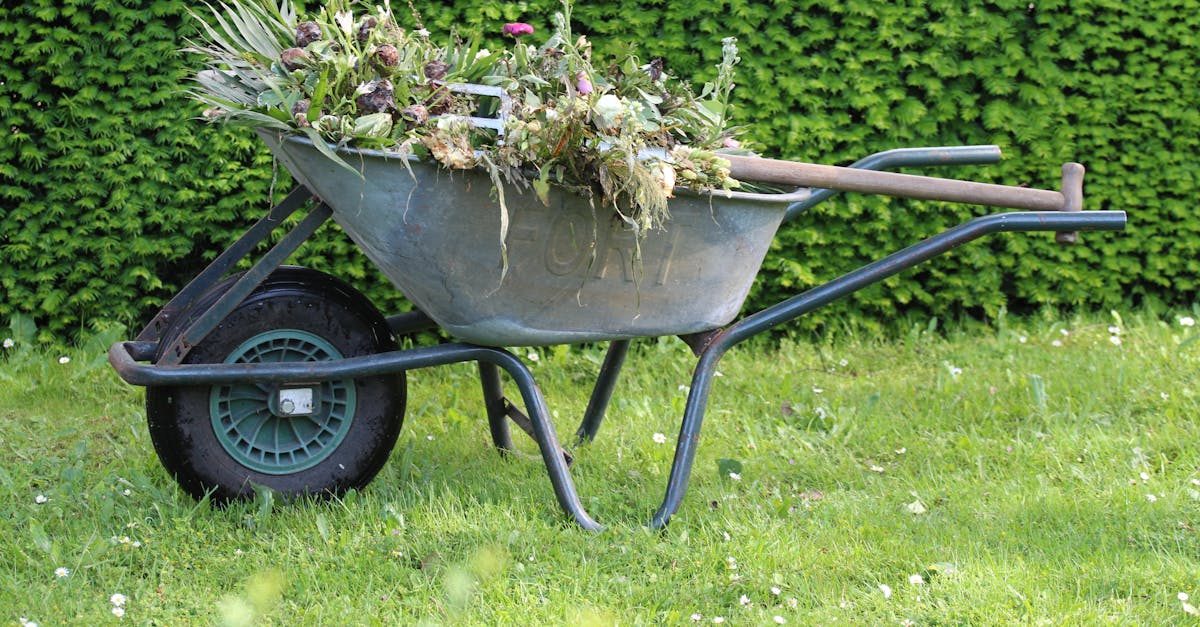
Access is another underappreciated factor. If the compost is far from your kitchen, garden, and lawn, you will be less consistent in adding materials and turning the pile. Ideally, place it within a short walk of your main material sources and with enough space around it to maneuver a wheelbarrow or cart. This matters when you are hauling finished compost to topdress your lawn or to fill raised beds.
Finally, consider neighbor and HOA guidelines. A neat, well contained system tucked behind a screen of shrubs is less likely to cause complaints. If local rules are strict, enclosed bins may be a better choice than open piles. Keeping odors under control through correct browns to greens balance and avoiding problematic materials is crucial for maintaining good relations.
Sizing Your Compost Pile Correctly
Size directly affects the ability of a pile to heat up and maintain aerobic conditions. Piles that are too small tend to be cool and slow, while those that are oversized can be hard to turn and manage.
For hot composting on the ground, a common minimum effective size is about 3 feet by 3 feet by 3 feet. At this volume, microbial activity can generate enough heat to raise the interior above 120 degrees Fahrenheit under typical conditions. Smaller piles often lose heat to the environment faster than they generate it, staying near ambient temperature.
On the upper end, a pile much larger than 5 or 6 feet across can become difficult to turn with hand tools. The core may also go anaerobic if you do not manage layering and aeration. Most homeowners are best served by one or more piles in the 3 to 5 foot range, or by a multi bay system where active, maturing, and finished compost can be separated.
Match your pile size to your input stream. If you routinely generate several bags of grass clippings per mowing on a 5,000 square foot lawn, plus fall leaves, you will need enough capacity to accept those bursts of input without burying them in a tiny bin. Conversely, if you only have kitchen scraps from an apartment balcony, a small tumbler or worm bin is more appropriate than a large open bay.
Setting Clear Goals for Your Compost
Your primary use for compost determines how strict you need to be about ingredients, screening, and curing. Without clear goals, you might unknowingly introduce weed seeds to your lawn or spread unfinished compost into planting holes where it ties up nutrients.
If you are composting mainly for lawn topdressing, focus on producing relatively fine, well cured material that can be spread in a thin layer over turf. That usually requires screening finished compost through a half inch or quarter inch mesh and allowing it to cure, or rest, for 2 to 4 weeks after active composting. Application rates for lawns are typically around 0.25 inches over the surface per application, which translates to roughly 0.75 cubic yards per 1,000 square feet.
For garden beds, you can tolerate slightly coarser compost, especially if you are applying it as a surface mulch or incorporating it into the top few inches of soil. You can also tailor ingredients to crop needs, for example including more manure based greens for vegetable beds that demand higher fertility.
Trees and shrubs often benefit from compost used as a mulch ring rather than mixed deeply into the root zone. In that case, a slightly woodier compost may be acceptable. However, for all uses, avoid spreading unfinished compost that still heats up significantly or smells strongly, as it may temporarily immobilize nitrogen or cause root stress.
Knowing whether your compost will primarily serve lawns, beds, or woody plants also helps you connect to other lawn care practices. For example, in a guide on how much compost to use when topdressing your lawn, the recommended rates assume mature, screened compost, not raw or half cured material.
Mistake #1: Getting the Browns and Greens Ratio Wrong
Incorrect balance of browns and greens is the most common mistake and the one that drives many of the other problems: odors, pests, and stalled decomposition. Understanding what counts as each category in real life is more reliable than memorizing a single ideal ratio.
Understanding Browns vs Greens in Real Life
In practice, browns are materials that are dry, rigid, and carbon rich. Typical browns in a lawn and garden context include dry autumn leaves, straw or hay (not green and fresh), shredded paper and cardboard, sawdust from untreated wood, and small wood chips. These materials tend to be light in color and do not compact easily when dry.
Greens, on the other hand, are moist, soft, and rich in nitrogen. Common greens include fresh grass clippings, pulled garden weeds without mature seeds, vegetable and fruit scraps, coffee grounds, tea leaves, and fresh manure from herbivores such as rabbits or horses. Even though coffee grounds look brown, they behave like a green in composting terms.
In most suburban yards, the imbalance is seasonal. During the growing season, you may have far more greens from frequent mowing. In fall, you suddenly have a surplus of browns from leaf drop. You want to think in terms of combining these flows rather than treating each in isolation.
Symptoms of Ratio Problems (And How to Confirm)
If you see a wet, matted layer of grass clippings that smells sour or like ammonia, typically this indicates too many greens and not enough structural browns. Confirm by pulling apart the layer. If it clumps like cooked spinach and you cannot see much coarse, dry material mixed in, your ratio is off. An ammonia smell, similar to strong urine, is a clear threshold indicator that nitrogen is volatilizing instead of being incorporated by microbes.
If your pile remains cool for weeks, does not shrink, and looks mostly like dry leaves or shredded paper with little change over time, it likely has too many browns or too little moisture. Confirm by doing the squeeze test. If the handful crumbles apart with almost no cohesion and your fingers do not feel damp at all, the moisture and effective greens content are too low for rapid composting.
Mixed symptoms, such as a wet, smelly core with dry, dusty outer layers, point to uneven mixing rather than just the overall ratio. In that case, the fix requires both adjusting ingredients and physically turning the pile so browns and greens are more evenly distributed.
How to Fix an Unbalanced Pile
To correct a pile that is too green and smelly, start by adding dry browns in thin layers, roughly one part browns for each part of existing wet material by volume. Shredded leaves are ideal because they absorb excess moisture and add air spaces. Mix thoroughly with a fork or shovel, lifting from the bottom to the top to reintroduce oxygen.
For a pile that is too brown and inactive, add moisture and greens. You can layer fresh grass clippings between existing dry material, water the pile until it reaches the wrung out sponge level, and then cover with a brown layer to retain moisture. Avoid simply soaking the pile without adding greens, because water alone will not provide the nitrogen needed for microbial growth.
Once you adjust the ratio, monitor temperature. In a responsive pile, you should see a noticeable rise in internal temperature within 24 to 72 hours after turning. If you do not, recheck your moisture and ratio visually and adjust again in smaller increments.
Mistake #2: Letting the Pile Get Too Wet or Too Dry
Water content is as important as carbon and nitrogen but is often ignored until the pile either smells foul or dries into a lifeless heap. Both extremes slow decomposition and can damage the surrounding environment.
Diagnosing Moisture Problems
Too wet compost often shows a few consistent features. If you step near the pile and water seeps out, or if a handful drips when squeezed, moisture is excessive. Odors become noticeable, and fruit flies or other pests may increase. The structure collapses, reducing air spaces and accelerating the shift to anaerobic conditions.
Too dry compost looks dusty and flaky. Materials may sit unchanged for months. If you insert a compost thermometer and it matches ambient air temperature even a day after turning and adding greens, dryness is a likely culprit. Microbes require a film of water around organic particles to function. Without it, they go dormant or die back.
How to Adjust Moisture the Right Way
If your pile is too wet, the solution is not just to wait. You need to restore porosity and absorb excess water. Add generous amounts of coarse browns such as straw or shredded, dry leaves, and turn the pile to distribute them. Also evaluate your site drainage and any cover. In very rainy climates, a breathable cover such as a tarp or piece of cardboard on top can reduce direct rainfall while still allowing gas exchange.
For a pile that is too dry, water slowly while turning so moisture penetrates evenly instead of just wetting the outer shell. A good target is that a handful from the interior feels like a wrung-out sponge, with no free water dripping but a consistent dampness. In many climates, checking moisture every 7 to 10 days during the active phase is enough to stay in the optimal range.
Be cautious about adding large amounts of very wet kitchen scraps without offsetting browns. It is better to mix kitchen waste with an equal or larger volume of dry leaves or shredded paper at the time of addition than to wait until the pile is already waterlogged.
Mistake #3: Ignoring Pile Aeration and Structure
Oxygen is the key factor that separates composting from rotting. Even if your ratio and moisture are correct, ignoring aeration and structure can stall decomposition and create odors.
Why Structure Matters
Well structured compost contains a mix of particle sizes that create natural air passages. Coarse materials such as twiggy branches, straw, and wood chips act like scaffolding around which finer materials accumulate. Without this structure, piles compact under their own weight, especially when dominated by fine, wet greens like grass or food waste.
As compaction increases, oxygen cannot diffuse into the core. Anaerobic microorganisms take over, creating foul smelling compounds while breaking down materials more slowly. The outer layer may still look fine, which is why turning is necessary to understand what is happening inside.
How and When to Turn the Pile
Turning introduces oxygen and rebalances structure. For a hot composting approach, turning every 7 to 14 days during the active phase is typical. A useful trigger is when internal temperature, after peaking between about 130 and 150 degrees Fahrenheit, starts to drop toward 100 degrees. Turning at that point mixes materials and reactivates microbes, often producing a second or third heat cycle.
When turning, move the outer material into the core and bring the inner layers to the outside. This evens out moisture and decomposition. Also take the opportunity to break up dense clumps of grass or kitchen waste and add small amounts of browns if any zones seem slimy.
If you cannot or do not want to turn frequently, focus on passive aeration strategies, such as building the pile on a base of coarse branches, incorporating some bulky browns throughout, or installing perforated pipes vertically to allow air movement. These methods will not replace turning entirely, but they can reduce the need for constant labor.
Mistake #4: Adding Problem Materials
Not everything organic belongs in a home compost pile, especially if you plan to use the finished product on a lawn or vegetable garden. Adding the wrong materials can introduce weeds, diseases, or chemical residues that are hard to undo later.
Materials That Commonly Cause Issues
Meat, dairy, and oily foods are the classic problem materials. They break down slowly, produce strong odors as they decompose, and attract rodents and other scavengers. While industrial compost facilities can handle them with managed high temperatures, most backyard systems cannot.
Weeds with mature seeds and aggressive perennial weeds such as bindweed, nutsedge, or quackgrass are also risky. If your pile does not maintain temperatures above about 130 degrees Fahrenheit for several days, many seeds and rhizomes will survive. When you spread the compost, you effectively reseed your lawn or beds with problem plants.
Diseased plant material, especially from fungal diseases like powdery mildew or blight, can potentially persist if composting conditions are not hot and uniform. Likewise, wood that has been treated, painted, or stained should never be composted, as it can contain heavy metals or synthetic chemicals.
Pesticide and Herbicide Residues
Materials contaminated with certain persistent herbicides pose a serious but often overlooked risk. Grass clippings from lawns treated with some long lasting broadleaf herbicides can retain active ingredients through the composting process, then damage sensitive garden crops months later. Symptoms typically include distorted, cupped leaves and stunted growth in tomatoes, beans, and other broadleaf plants.
If you use herbicides on your lawn, follow label instructions about composting clippings. Many labels specify a waiting period, such as one or two mowing cycles, before clippings are safe to compost. When in doubt, compost untreated clippings separately and test a small batch on noncritical plants before applying widely.
- Colorado State University Extension cautions that clopyralid and similar herbicides can persist through composting and damage garden plants at very low concentrations. They recommend verifying the herbicide type before composting treated grass.
Simple Screening Rules
A practical rule is to avoid adding any food that you would store in the refrigerator because of spoilage concerns, any plant that you strongly dislike in your yard due to weediness, and any material that might contain synthetic chemicals. If you are unsure about a specific input, such as manure from animals fed unknown hay, run a small bioassay.
To do this, mix some compost that includes the questionable material with potting soil, plant a few beans or peas, and grow them for 3 to 4 weeks. If they grow normally, the material is likely safe. If they show distorted growth compared to a control pot without the compost, you may be dealing with herbicide residue.
Mistake #5: Neglecting Temperature and Curing Time
Many people focus only on adding materials and forget to monitor the process itself. Ignoring temperature behavior and skipping curing are common errors that affect compost quality and safety.
Why Temperature Monitoring Matters
Checking temperature with a compost thermometer is one of the easiest ways to understand what is happening inside the pile. If the interior reaches at least about 130 degrees Fahrenheit for several days, the compost is more likely to be sanitized of common weed seeds and many plant pathogens. If temperatures stay below 100 degrees, the process is slower and less sanitary.
If you add a large batch of fresh greens and see no temperature rise after 48 hours, it indicates a problem with moisture, aeration, or C:N ratio. Instead of guessing, use the temperature reading as a trigger to adjust the pile. Conversely, if temperatures exceed about 160 degrees, microbial activity can actually decline, and the risk of spontaneous combustion in extremely large, dry piles increases, though this is rare in home systems. In that case, turning to release heat and adding some moisture can moderate conditions.
The Importance of Curing
Even after the active heating phase ends and the pile cools to near ambient temperature, the compost is not necessarily ready for use in sensitive contexts such as seed starting or direct root contact. Curing is the period during which remaining intermediate compounds are further broken down and microbial communities stabilize.
Using overly fresh compost can lead to nitrogen immobilization around plant roots, where microbes temporarily tie up available nitrogen to continue decomposition. It can also introduce residual heat or phytotoxic compounds that stress seedlings. A practical curing window is at least 2 to 4 weeks after the last significant heating event, during which the compost sits undisturbed, stays slightly moist, and continues to mature.
For lawn use, allowing compost to fully cure reduces the risk of burning or uneven nutrient release when you topdress. If you screen your compost, perform screening after the active phase but before or during curing so that any exposed smaller particles continue to stabilize.
Mistake #6: Poor Integration With Lawn and Garden Practices
Even excellent compost can be misused if application timing, rates, and integration with other lawn care practices are off. To get full benefit, you need to coordinate compost use with mowing, fertilization, seeding, and irrigation.
Applying the Wrong Amount at the Wrong Time
For lawns, excessively thick compost layers can smother grass, particularly if the compost is dense or holds a lot of water. A reasonable application rate is around 0.25 inches per event, which equals roughly 0.75 cubic yards per 1,000 square feet. Apply this once or twice per year depending on soil condition and goals. A simple confirmation step is that after raking in, you should still see grass blades emerging through the compost layer, not buried under it.
Timing depends on your grass type. For cool season grasses like Kentucky bluegrass or tall fescue, early fall and mid spring are optimal topdressing windows. For warm season grasses like bermudagrass or zoysia, late spring to early summer when the grass is actively growing is best. If you see thin, compacted turf and test with a screwdriver shows resistance at less than about 3 to 4 inches depth, combining compost topdressing with core aeration in the same season can be very effective.
Ignoring Nutrient Interactions
Compost is not a complete fertilizer, but it does supply nutrients and can alter how your soil retains them. Applying large amounts of compost year after year without soil testing can gradually increase phosphorus to excessive levels, especially in small gardens. High phosphorus can then interfere with micronutrient availability.
If you notice vigorous foliage but poor flowering or fruiting, or if a soil test reports phosphorus levels above the optimum range for your region, reduce compost rates and focus on carbon only amendments or cover crops until balance is restored. For lawns, integrate compost with a balanced fertilization plan instead of assuming it replaces all fertilizer inputs.
- NC State Extension recommends compost topdressing of 0.25 inches or less on established lawns and emphasizes soil testing every 2 to 3 years to monitor nutrient levels, especially phosphorus and potassium.
Missing Synergy With Other Practices
Compost interacts strongly with aeration, overseeding, and irrigation. After core aeration, brushing compost into the holes improves soil structure and creates a protected environment for grass roots. When overseeding, a thin layer of compost can enhance seed to soil contact and moisture retention, improving germination rates.
If your irrigation schedule is based on water penetrating quickly through sandy or compacted soil, adding compost will change infiltration rates. Monitor how long it takes to apply about 0.5 to 0.75 inches of water, using a rain gauge or shallow containers, and adjust run times accordingly after large compost applications.
Recommended products
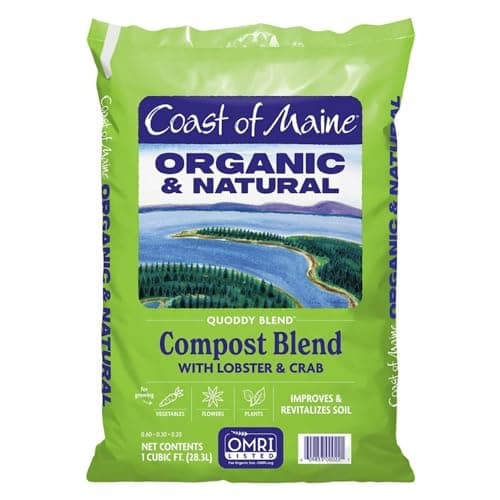
Coast of Maine Quoddy Blend Lobster Compost
A finished, screened compost for top dressing when your own pile is still curing.
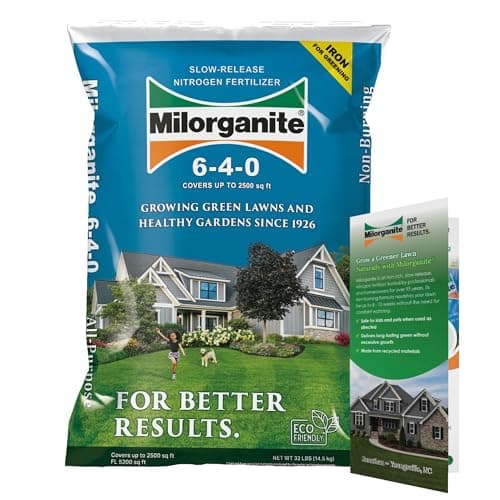
Milorganite 6-4-0 (32 lb)
A slow-release organic nitrogen that pairs with a compost top dressing, since finished compost is a soil builder rather than a fertilizer.
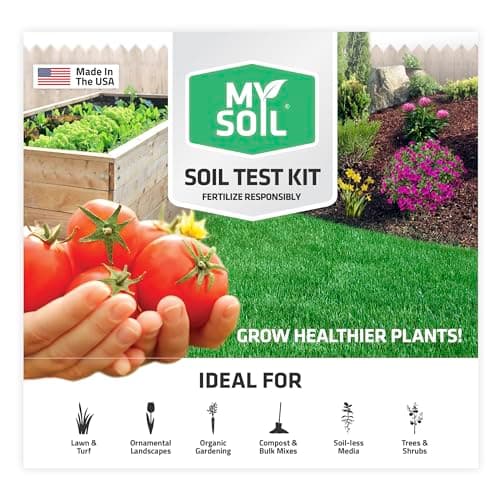
MySoil Soil Test Kit
A mail-in test that shows what your soil already has before you add compost year after year.
What Other Guides Miss
Many basic composting articles cover the idea of browns and greens but skip diagnostic confirmation steps and regional caveats. This prevents homeowners from confidently adjusting their systems when something goes wrong.
One commonly missed element is explicit moisture thresholds. Without a simple squeeze test described in actionable terms, people either keep their piles too dry out of fear of smells or saturate them trying to "feed" the microbes. Another gap is the lack of temperature guidance. Mentioning hot composting without specifying a typical active range like 130 to 150 degrees Fahrenheit leaves readers guessing whether their pile is functioning normally.
Guides also tend to gloss over herbicide carryover and its impact on compost safety. If you have a well maintained, weed free lawn treated with modern broadleaf herbicides, you might assume your grass clippings are ideal inputs. Without clear warnings and bioassay instructions, it is easy to unintentionally contaminate garden beds with persistent herbicides through compost.
Finally, many resources underemphasize the connection between compost management and specific lawn goals. For example, a guide on overseeding your lawn the right way will recommend a clean, screened, fully cured compost for seedbed preparation, not just any homemade material. Aligning compost quality with these targeted uses is a step often left out.
Putting It All Together: A Practical Composting Workflow
To avoid these mistakes when composting, it helps to think in terms of a repeatable workflow rather than one off fixes. The following sequence integrates planning, operation, and use in a way that supports lawn and garden health.
Start by choosing a well drained, accessible site and setting up a bin or bay system sized to your typical material flow. As you add materials, mentally count volumes of browns and greens, aiming for roughly 2 to 3 parts browns to 1 part greens. Shred or chop bulky items when practical, since smaller pieces break down more quickly.
Each time you add a significant batch of greens, such as grass clippings, cap it with a layer of browns to absorb moisture and deter pests. Every 7 to 14 days during active composting, check temperature and moisture with a thermometer and the squeeze test. Turn the pile when internal temperatures fall back near 100 degrees after a heating cycle, or any time you notice compaction or odors.
Keep a simple log of additions and observations. Note when you last turned, temperature peaks, and any odor issues. This record helps you identify patterns and refine your process season by season. When the pile no longer heats significantly after turning and materials are uniformly dark and crumbly, transfer the compost to a curing area for at least 2 to 4 weeks.
Before using compost for lawn topdressing or sensitive crops, screen it to remove large, undecomposed pieces. Apply at recommended rates aligned with your grass type and season, and adjust your fertilization and irrigation based on soil response. If your lawn density, color, and root depth improve over several months following compost applications, this confirms that your composting system is functioning as intended.
Conclusion: Turn Compost Mistakes Into Soil Improvements
Composting does not fail because it is complicated, but because small, overlooked decisions compound over time. By paying attention to brown and green balance, moisture, aeration, and material selection, you transform a potential source of odors and frustration into one of the most valuable soil amendments available for your lawn and garden.
Use the diagnostic steps in this guide to read what your pile is telling you, and adjust inputs and management accordingly. Over a single season, you can move from a slow, smelly heap to a reliable system that produces mature, screened compost ready for lawn topdressing, bed preparation, and long term soil building.
To integrate your improved compost into a complete lawn care program, check out our guide on organic lawn fertilization strategies and our detailed walkthrough on how much compost to use when topdressing your lawn. Combining high quality compost with proper mowing, watering, and overseeding will give you a thicker, healthier turf that reflects the work you have invested in composting correctly.
Top Picks
- MySoil Soil Test KitCheck price on Amazon
- The Andersons Professional PGF Complete 16-4-8 Fertilizer with 7% Humic DG (5,000 sq ft)Check price on Amazon
- GS Plant Foods Liquid Kelp FertilizerCheck price on Amazon
As an Amazon Associate we earn from qualifying purchases.
Free Lawn Care Tools
A compost pile that smells like rotten eggs or sewage has likely gone anaerobic because it lacks enough oxygen and is too wet or compacted. To fix it, break up dense, matted layers and mix the pile thoroughly to introduce air, then add more carbon-rich browns such as shredded leaves, straw, or cardboard. Adjust the moisture so the material feels like a wrung-out sponge rather than soggy. As oxygen returns and the balance of browns improves, the sour odors will fade.
For a typical home compost pile, a functional rule of thumb is about 2 to 3 parts carbon-rich browns to 1 part nitrogen-rich greens by loose volume. Too many greens often lead to slimy, compacted material and strong ammonia smells, while too many browns or too little water cause a dry, slow, cool pile. Balancing these ingredients keeps the compost breaking down efficiently with minimal odor.
Compost should be moist but not waterlogged, with the material in the middle of the pile feeling like a wrung-out sponge. A simple squeeze test works well: when you firmly squeeze a handful from the center, it should hold together without dripping water or crumbling apart completely. If it’s dripping, mix in dry browns and increase aeration; if it’s bone dry, water lightly and mix to distribute the moisture.
A well-managed hot compost pile that is properly balanced, aerated, and moist can produce usable compost in about 8 to 12 weeks. A cooler, more passive pile that is turned less often and doesn’t reach high temperatures typically takes 6 to 12 months to fully mature. The actual time depends on how often you turn the pile, the size of the materials, and how well you maintain the four core elements of carbon, nitrogen, moisture, and oxygen.
For producing enough compost to topdress a lawn across hundreds or thousands of square feet, an open pile or multi-bay system on the ground is usually the best choice. This setup can handle large weekly inputs of grass clippings and autumn leaves and can generate enough compost to apply about 0.25 to 0.5 inches over the lawn once or twice per year. Enclosed bins and tumblers are often too small to keep up with this volume.
A compost pile that stays cool usually has an imbalance of ingredients, not enough moisture, or insufficient volume. If the pile is dry and not breaking down, increase moisture slightly and make sure you have enough nitrogen-rich greens mixed with your browns. Very small tumblers or bins may also struggle to heat because they don’t hold enough mass, so using a larger open pile or bay system can help generate the 130–150°F temperatures associated with hot composting.

Beat weeds and brown spots from your phone
Snap a photo, get the fix, and follow a plan timed to your soil and weather. Free on iPhone.