Best Grass Types Tacoma
Tacoma’s cool, wet winters and dry summers demand specific cool-season grass mixes. Learn which grass types actually thrive here and how to keep them green.
Patchy, mossy, or summer-brown lawns in Tacoma usually indicate a mismatch between grass type and the local climate, not just "bad luck" or poor mowing. Tacoma sits in a cool, wet, maritime zone with mild temperatures and dry late summers, so some grasses thrive while others constantly struggle. Choosing the best grass types in Tacoma means matching your lawn to cool-season species that handle shade, moisture, and late-summer dryness without constant rescue work.
Homeowners commonly ask if they should plant cool-season or warm-season grass, why moss takes over in winter, and whether a low-maintenance but attractive lawn is realistic. The short answer is that cool-season grasses almost always perform better here, but you need the right mix: perennial ryegrass and turf-type tall fescue for traffic and drought, plus fine fescues and some Kentucky bluegrass in the right spots. This guide explains Tacoma’s climate and soils, then compares the main grass options and how to use each type in different yard conditions so your lawn stays greener for more of the year.
In Tacoma, the best grass types are cool-season mixes built around perennial ryegrass and turf-type tall fescue, often blended with fine fescues and a modest amount of Kentucky bluegrass. If your current lawn is patchy, mossy, or brown in late summer, that typically means you either have the wrong grass species for our climate or compacted, acidic soil that favors moss. You can do a quick check by testing how easily a screwdriver pushes 4-6 inches into the soil and looking for lots of moss in shady, damp spots.
The practical fix is to overseed in early fall (September to early October) with a Pacific Northwest-specific cool-season blend that lists perennial ryegrass and turf-type tall fescue as the first ingredients. Before seeding, mow short, rake out moss and thatch, and core aerate if the screwdriver test was difficult. Avoid planting warm-season grasses like bermudagrass or zoysia, and do not overwater in summer; aim for 1-1.5 inches of water per week total, including rainfall, applied deeply but infrequently.
With proper soil prep and overseeding, you usually see new grass emerging in 7-14 days and a noticeably thicker lawn in 4-6 weeks. Plan on a light spring overseed and consistent mowing at 2.5-3.5 inches to maintain density. Once the right species are established and soil issues are addressed, most Tacoma lawns can stay green through most of the year with moderate inputs instead of constant emergency repairs.
Tacoma sits in a Pacific Northwest maritime climate, which changes the rules compared to inland or Midwest lawns. You have cool to mild temperatures most of the year, long stretches of cloud cover, and a rainfall pattern that is very wet from fall through spring and relatively dry from late June into September. Summer highs are usually moderate compared to hotter parts of the country, but the soil can still dry out because rain nearly shuts off for several weeks.
These patterns strongly favor cool-season grasses. Cool-season species grow best between roughly 60-75°F, which aligns with Tacoma’s spring and fall conditions. Warm-season grasses, which prefer soil temperatures above about 65°F for active growth, rarely get enough consistent heat here to justify their long winter dormancy and slow spring green-up.
The combination of wet, cool months and frequent shade from trees and buildings makes Tacoma lawns vulnerable to moss and fungal diseases, especially in poorly drained or compacted soil. At the same time, the dry stretch in late summer tests shallow-rooted grasses. Any grass you select for Tacoma should tolerate moisture and shade in winter, then hold color and survive through several weeks of limited rainfall without turning completely brown.
Tacoma neighborhoods sit on a mix of glacial till, urban fill, and pockets of sandy or clayey soils. Many residential lots have compacted subsoil under a thin layer of topsoil from construction. Where glacial till is close to the surface, you may have rocky or gravely soil that drains quickly. Older neighborhoods sometimes have heavier, poorly drained spots where clay accumulates and water sits after storms.
Most Tacoma soils tend to be slightly acidic, especially under conifers or where organic matter has built up in damp shade. Acidic conditions and poor drainage are ideal for moss, which is why moss often appears in shaded, compacted areas even when grass seems to be doing reasonably well elsewhere in the yard. Nutrient deficiencies, particularly nitrogen, are also common where homeowners have never fertilized or have removed clippings for years.
Before you decide on the best grass types for Tacoma in your yard, a soil test is a useful diagnostic step. You can use a simple home pH kit to see if you are far below neutral (below about 5.5-5.8 often encourages moss), but a mail-in lab test through a regional lab or extension-connected service gives more detailed information on pH, organic matter, and nutrient levels.
For a quick, practical process:
The best grass types for Tacoma are not the same for every yard. The optimal choice depends on how you use the space, how much sun it gets, and how much maintenance you want to perform. In most cases, a blended cool-season seed mix will outperform any single species, but the proportions of each species matter.
Key criteria to evaluate include:
In diagnosing what is “best” for your Tacoma lawn, match these criteria to your yard’s conditions and your management style. If your primary issue is moss and shade, the solution is likely a fine fescue-dominant mix with soil improvement. If your issue is kids wearing out the turf, you likely need a ryegrass and tall fescue heavy mix with regular overseeding and aeration.
Most Tacoma lawns perform best with cool-season grasses adapted to the Pacific Northwest. The core grass categories to consider are:
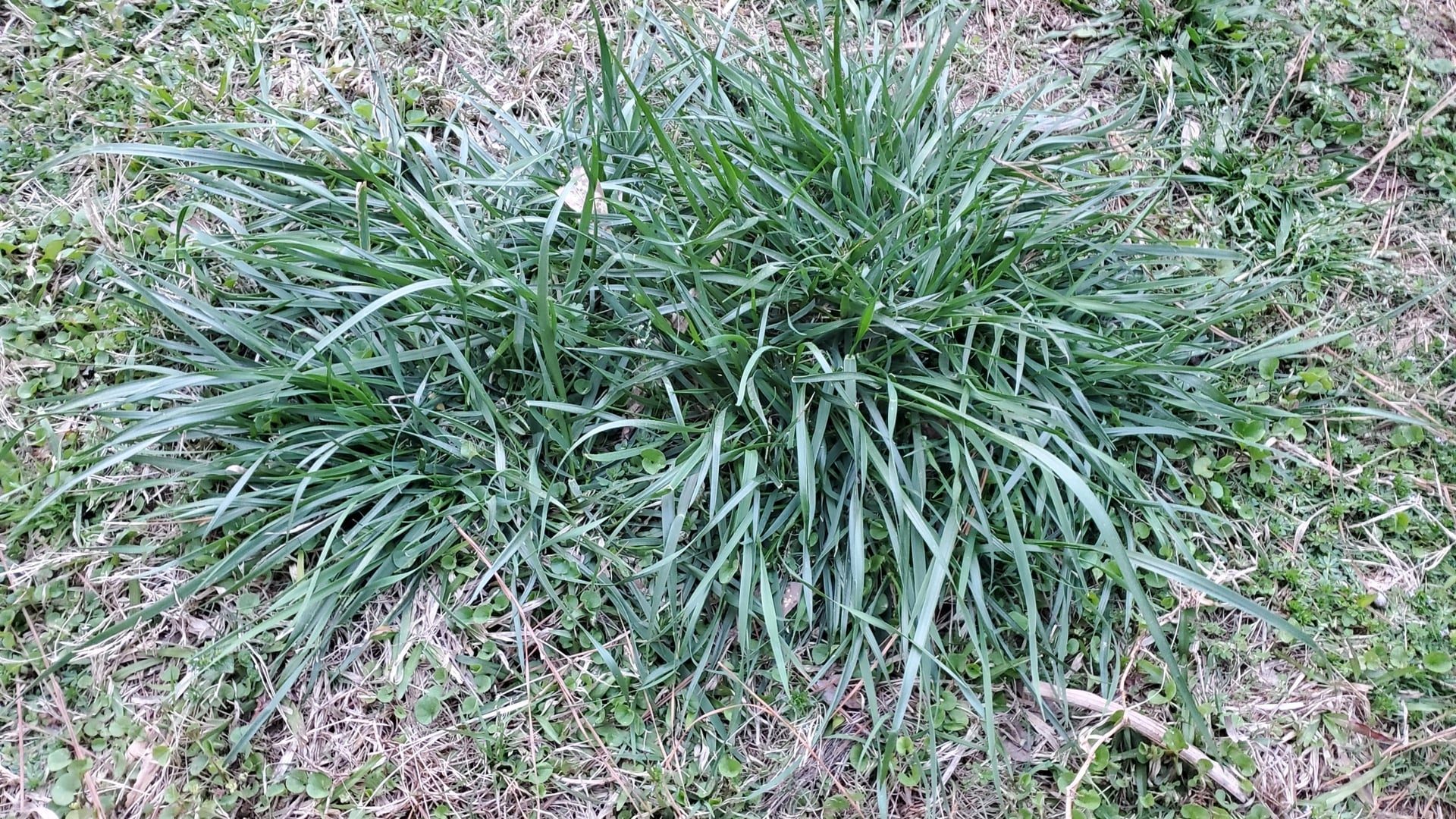
Perennial ryegrass is the workhorse cool-season species for this region. It germinates quickly, establishes fast in cool soils, and has good wear tolerance, which makes it valuable for new lawns and overseeding. It has a fine to medium texture and a rich green color, which contributes to curb appeal.
Turf-type tall fescue provides deeper roots and better drought tolerance than ryegrass, along with good wear resistance. Modern turf-type cultivars have finer blades than older “coarse” tall fescues and create an attractive lawn that stays greener longer into the dry season.
Fine fescues, including creeping red fescue, chewings fescue, and hard fescue, excel in shade and low fertility conditions. They have very fine blades and a soft feel underfoot. These grasses are ideal in Tacoma for shaded zones under trees or on north-facing slopes where full-sun grasses struggle.
Kentucky bluegrass is sometimes included in Tacoma seed blends, but it is rarely used as a pure stand. It spreads via rhizomes and can fill in small bare areas over time, but it has higher water and nitrogen needs and can be more disease prone in cool, wet conditions. In this region it functions best when it is a minority component (for example 10-20 percent) of a mix that is otherwise dominated by ryegrass or tall fescue.
Warm-season grasses like bermudagrass, zoysia, and St. Augustine are generally poor choices for Tacoma. They require higher summer soil temperatures for vigorous growth than the region typically provides and will enter a tan dormancy for many months each year. This long brown period, combined with slow spring green-up, makes them less desirable for residential lawns compared to cool-season options.
Because Tacoma lawns face multiple stress factors, including shade, damp soils, traffic, and late-summer dryness, blended seed mixes are typically more reliable than single-species lawns. A mix can take advantage of the strengths of each grass type and reduce the impact if one species suffers from disease or drought in a particular year.
The following summary helps match grass categories to typical Tacoma yard conditions:
Perennial ryegrass is often the backbone of the best grass types Tacoma blends. It germinates in as little as 5-10 days under suitable fall conditions (soil temperatures roughly 50-65°F), which is faster than most other cool-season species. This rapid establishment helps outcompete weeds and stabilize bare soil on new build lots or renovated lawns.
The grass has a fine to medium blade and a dense growth habit when fertilized and mowed correctly. It provides a rich, dark green color that many homeowners prefer, especially in front lawns. Perennial ryegrass is also known for strong wear tolerance, which makes it suitable for play areas, dog zones, and heavily used sections of the yard.
Compared to some other cool-season species, modern perennial ryegrass cultivars often have improved disease resistance, although they can still be affected by diseases like red thread or rust if fertility is very low or mowing practices are poor. In Tacoma’s cool, moist shoulder seasons, good air flow, proper mowing height, and avoiding overwatering are important to keep ryegrass healthy.
Perennial ryegrass is an especially good fit in Tacoma in several scenarios:
In practice, a Tacoma homeowner might overseed each fall with a mix that is 40-60 percent perennial ryegrass, 30-40 percent turf-type tall fescue, and a small percentage of fine fescues and Kentucky bluegrass. This structure allows ryegrass to establish quickly while tall fescue builds deeper roots over time.
When diagnosing whether ryegrass is appropriate, look at your sun exposure and usage. If the area is mostly sunny and sees frequent activity, ryegrass is usually part of the solution. If the area is heavily shaded and rarely used, a fine fescue dominant mix may be better.
Turf-type tall fescue has gained popularity in the Pacific Northwest because it addresses one of Tacoma’s key challenges: the summer dry period. It develops a deeper, more robust root system than perennial ryegrass or Kentucky bluegrass, which lets it access moisture deeper in the soil. In many cases, tall fescue can stay green longer with less supplemental irrigation when rainfall stops in July and August.

Modern turf-type tall fescues have much finer blades than older pasture types. They form a dense, reasonably soft turf that can look similar to other cool-season lawns when managed correctly. Tall fescue also tolerates moderate shade, traffic, and a range of soil types, including some of the compacted, urban soils common in Tacoma.
Tall fescue’s slightly lower thatch tendency also helps in Tacoma’s moist climate, where thatch buildup can trap moisture and increase disease pressure. While it is still important to mow properly and avoid excessive nitrogen, tall fescue is relatively forgiving in this regard compared to some bluegrasses.
Tall fescue is particularly effective in Tacoma for:
If you are converting an existing thirsty, uneven lawn to a lower water-use cool-season grass, a renovation to a tall fescue dominant mix is often effective. Plan this in early fall, with core aeration, aggressive dethatching if needed, and seeding at rates appropriate for your seed blend (commonly 6-8 pounds per 1,000 square feet for a renovation when tall fescue is the main component, depending on the product label).
Fine fescues are a group of cool-season grasses that include creeping red fescue, chewings fescue, and hard fescue. They share very fine leaf blades, a soft feel, and good shade performance compared to many other turf species. In Tacoma’s tree-lined neighborhoods and north-facing properties, fine fescues are often the most reliable choice for areas that receive limited direct sunlight.
Creeping red fescue spreads slowly via short rhizomes, which helps it fill small gaps in shaded areas. Chewings fescue is bunch forming, with good density under low to moderate mowing heights. Hard fescue is particularly tolerant of low fertility and drought, making it useful in low-input or naturalized lawn sections.
Fine fescues excel in Tacoma in the following situations:
However, fine fescues have limited wear tolerance. In diagnosing whether they are appropriate, consider traffic levels. If an area is mostly ornamental or lightly used, fine fescues are an excellent fit. If children or dogs frequently run across it, a blend that includes more ryegrass or tall fescue in those worn zones is advisable.
Kentucky bluegrass is widely known from lawns in the Midwest and Northeast, but in Tacoma it plays a supporting role rather than being the primary grass. Its strengths include a dense, high-quality turf appearance and the ability to spread via rhizomes. This spreading capability can help fill in small bare spots over time without reseeding, especially in sunny areas.
The tradeoffs are higher irrigation and nitrogen requirements and greater susceptibility to some diseases in cool, moist environments. Bluegrass is also more slow to germinate, typically taking 14-21 days under good conditions, which can leave areas vulnerable to weeds if mixed incorrectly.
In Tacoma-specific blends, Kentucky bluegrass is often present at 10-20 percent by seed weight. This gives you some of its self-repairing benefit in full sun, without committing the entire lawn to its higher input needs. Where bluegrass struggles, such as in dense shade or compacted, poorly drained soil, the other species in the blend carry the lawn.
Consider bluegrass as part of your best grass types Tacoma plan if:
For heavily shaded, wet, or low input sections, it is typically better to rely more on fine fescues or tall fescue and keep bluegrass to a minimum.
Warm-season grasses like bermudagrass, zoysia, and St. Augustine thrive in regions with long, hot summers and mild winters. They turn brown and go dormant when temperatures drop, and they need high soil temperatures to green up and grow strongly. Tacoma’s moderate summer highs, cool nights, and extended cool season limit warm-season grass performance significantly.
In Tacoma, warm-season grasses often stay brown for much of the year, sometimes from late October into May. Spring green-up can be very slow, leaving the yard looking dormant while neighbors with cool-season lawns enjoy green turf. Because they evolved for warmer climates, these grasses also experience stress and potential winter injury during particularly cold snaps.
Occasionally, homeowners install warm-season grasses in hopes of reduced mowing or water use. Some may inherit them from previous owners. If you see a lawn that is vibrant green only in mid-summer and straw brown for many months, that typically indicates a warm-season species. In most residential Tacoma settings, that pattern does not align with homeowners’ expectations for year-round yard appearance.

For most properties, the solution is not to try to force warm-season grasses to work, but to shift toward cool-season blends better matched to the maritime climate. If you suspect you have warm-season turf and are considering replacement, resources like How to Identify Your Grass Type by Look & Feel can help confirm what you have before planning a renovation.
For front or back yards with at least 6 hours of direct sun and frequent use by kids, pets, or gatherings, prioritize durability and recovery. A practical seed mix for Tacoma might be:
In these lawns, mow at 2.5-3.5 inches, fertilize 2-3 times per year using moderate nitrogen rates, and water during dry spells to provide roughly 1-1.5 inches of water per week total. If you see heavy wear spots (for example, dog paths or sports areas), overseed those localized sections each fall to maintain density.
For areas with 3-6 hours of sun or filtered light, fine fescues and tall fescue become more important. A shade-tolerant Tacoma mix might include:
In diagnosing whether a site has enough light for grass at all, consider this threshold: if you have dense tree shade with almost no dappled light, grass of any type will struggle. In those extreme cases, the solution may be to thin tree canopies, install mulch or groundcovers, or adjust expectations. Where at least some light reaches the ground, fine fescues can perform reasonably well with relatively low fertilizer and water inputs.
For homeowners aiming to reduce mowing and irrigation, a tall fescue and fine fescue mix is often appropriate. In these lawns, plan to mow higher, around 3-4 inches, and fertilize only once or twice per year. Watering can be reduced, but it is still advisable to provide supplemental irrigation during prolonged drought if you want to prevent full dormancy.
Fine fescues are particularly suitable in low-input zones, especially if traffic is minimal. Combining them with tall fescue in sunnier spots creates a yard-wide system where each area has species tuned to its conditions.
In Tacoma, early fall is the primary window for establishing or improving cool-season lawns. Soil temperatures remain warm enough for germination, air temperatures are cooler, and fall rains usually begin to provide regular moisture. Target September and early October for major seeding work. After mid-October, germination can slow, and new seedlings may be less established going into winter.
A typical fall renovation sequence looks like this:
As seedlings establish, gradually transition to deeper, less frequent watering. Avoid using pre-emergent herbicides during seeding, as these can inhibit grass germination.
Spring in Tacoma is a time for maintenance and minor repairs, not full renovations. As soil warms and grass resumes active growth, focus on:
If you see patchy green-up with some areas lagging, this can indicate winter damage or thin stands. Overseeding those spots with your established cool-season blend and keeping them moist until germination usually restores uniformity. Spring aeration can be beneficial on very compacted sites, but many Tacoma lawns see better results when major aeration is reserved for fall.
By late June into August, Tacoma’s rain often becomes infrequent. Lawns with shallow-rooted species or compacted soil show stress first, with wilting and a gray-green color before browning. To distinguish drought stress from other issues, check the soil moisture a few inches down. If you can barely push a screwdriver 2 inches into the soil and the blades feel crispy, drought is likely the primary factor.
The solution is to water deeply but infrequently, aiming for 1-1.5 inches of water per week during extended dry spells. Use a rain gauge or shallow containers to measure output. Watering in the early morning reduces evaporation and disease risk. Raise mowing height slightly in summer, often to 3-3.5 inches, which helps shade the soil and conserve moisture.
Many general guides on the best grass types Tacoma overlook that grass choice is only one part of the equation. If your soil is extremely compacted or pH is far out of range, even the ideal grass mix will struggle. A simple screwdriver test for compaction and a basic pH reading are diagnostic steps that should be performed before assuming you simply have the “wrong” grass.
Another common oversight is the light threshold for viable turf. If a site receives less than roughly 3 hours of direct sun or bright filtered light, grass of any type will be thin. In these extreme shade situations, the practical fix is usually pruning, selective tree removal, or switching part of the area to non-turf groundcovers, not continually reseeding with different grass species.
Some resources mention overseeding but do not emphasize timing. In Tacoma, seeding too late in fall or too late in spring produces weak results. When soil temperatures drop below about 50°F for extended periods in late fall, germination slows, and seedlings are vulnerable to winter stress. In late spring, seeding runs up against increasing heat and the upcoming summer dry period, which puts new seedlings at high risk without intensive irrigation.
Focusing major seeding in the September to early October window, and using smaller spot repairs in spring, typically produces far better establishment and long-term lawn performance than randomly timed seeding.
Choosing the best grass types Tacoma is primarily about working with the climate, not against it. Cool-season grasses dominate successful lawns here, with perennial ryegrass and turf-type tall fescue forming the backbone in sunny, high-use areas, fine fescues handling shade and low-input zones, and modest amounts of Kentucky bluegrass contributing spreading capacity where conditions allow.
By diagnosing your yard’s sun, traffic, soil, and water limitations, then selecting species and blends tuned to those conditions, you can significantly reduce moss, patchiness, and summer browning. Combine that with well-timed fall overseeding, appropriate mowing heights, and deep, infrequent summer watering, and your Tacoma lawn can remain attractive and functional for most of the year.
Ready to refine your choice even more? Check out the Complete Guide to Cool-Season Grass Types to compare individual species in greater detail and fine tune the perfect mix for your specific Tacoma yard.
Patchy, mossy, or summer-brown lawns in Tacoma usually indicate a mismatch between grass type and the local climate, not just "bad luck" or poor mowing. Tacoma sits in a cool, wet, maritime zone with mild temperatures and dry late summers, so some grasses thrive while others constantly struggle. Choosing the best grass types in Tacoma means matching your lawn to cool-season species that handle shade, moisture, and late-summer dryness without constant rescue work.
Homeowners commonly ask if they should plant cool-season or warm-season grass, why moss takes over in winter, and whether a low-maintenance but attractive lawn is realistic. The short answer is that cool-season grasses almost always perform better here, but you need the right mix: perennial ryegrass and turf-type tall fescue for traffic and drought, plus fine fescues and some Kentucky bluegrass in the right spots. This guide explains Tacoma’s climate and soils, then compares the main grass options and how to use each type in different yard conditions so your lawn stays greener for more of the year.
In Tacoma, the best grass types are cool-season mixes built around perennial ryegrass and turf-type tall fescue, often blended with fine fescues and a modest amount of Kentucky bluegrass. If your current lawn is patchy, mossy, or brown in late summer, that typically means you either have the wrong grass species for our climate or compacted, acidic soil that favors moss. You can do a quick check by testing how easily a screwdriver pushes 4-6 inches into the soil and looking for lots of moss in shady, damp spots.
The practical fix is to overseed in early fall (September to early October) with a Pacific Northwest-specific cool-season blend that lists perennial ryegrass and turf-type tall fescue as the first ingredients. Before seeding, mow short, rake out moss and thatch, and core aerate if the screwdriver test was difficult. Avoid planting warm-season grasses like bermudagrass or zoysia, and do not overwater in summer; aim for 1-1.5 inches of water per week total, including rainfall, applied deeply but infrequently.
With proper soil prep and overseeding, you usually see new grass emerging in 7-14 days and a noticeably thicker lawn in 4-6 weeks. Plan on a light spring overseed and consistent mowing at 2.5-3.5 inches to maintain density. Once the right species are established and soil issues are addressed, most Tacoma lawns can stay green through most of the year with moderate inputs instead of constant emergency repairs.
Tacoma sits in a Pacific Northwest maritime climate, which changes the rules compared to inland or Midwest lawns. You have cool to mild temperatures most of the year, long stretches of cloud cover, and a rainfall pattern that is very wet from fall through spring and relatively dry from late June into September. Summer highs are usually moderate compared to hotter parts of the country, but the soil can still dry out because rain nearly shuts off for several weeks.
These patterns strongly favor cool-season grasses. Cool-season species grow best between roughly 60-75°F, which aligns with Tacoma’s spring and fall conditions. Warm-season grasses, which prefer soil temperatures above about 65°F for active growth, rarely get enough consistent heat here to justify their long winter dormancy and slow spring green-up.
The combination of wet, cool months and frequent shade from trees and buildings makes Tacoma lawns vulnerable to moss and fungal diseases, especially in poorly drained or compacted soil. At the same time, the dry stretch in late summer tests shallow-rooted grasses. Any grass you select for Tacoma should tolerate moisture and shade in winter, then hold color and survive through several weeks of limited rainfall without turning completely brown.
Tacoma neighborhoods sit on a mix of glacial till, urban fill, and pockets of sandy or clayey soils. Many residential lots have compacted subsoil under a thin layer of topsoil from construction. Where glacial till is close to the surface, you may have rocky or gravely soil that drains quickly. Older neighborhoods sometimes have heavier, poorly drained spots where clay accumulates and water sits after storms.
Most Tacoma soils tend to be slightly acidic, especially under conifers or where organic matter has built up in damp shade. Acidic conditions and poor drainage are ideal for moss, which is why moss often appears in shaded, compacted areas even when grass seems to be doing reasonably well elsewhere in the yard. Nutrient deficiencies, particularly nitrogen, are also common where homeowners have never fertilized or have removed clippings for years.
Before you decide on the best grass types for Tacoma in your yard, a soil test is a useful diagnostic step. You can use a simple home pH kit to see if you are far below neutral (below about 5.5-5.8 often encourages moss), but a mail-in lab test through a regional lab or extension-connected service gives more detailed information on pH, organic matter, and nutrient levels.
For a quick, practical process:
The best grass types for Tacoma are not the same for every yard. The optimal choice depends on how you use the space, how much sun it gets, and how much maintenance you want to perform. In most cases, a blended cool-season seed mix will outperform any single species, but the proportions of each species matter.
Key criteria to evaluate include:
In diagnosing what is “best” for your Tacoma lawn, match these criteria to your yard’s conditions and your management style. If your primary issue is moss and shade, the solution is likely a fine fescue-dominant mix with soil improvement. If your issue is kids wearing out the turf, you likely need a ryegrass and tall fescue heavy mix with regular overseeding and aeration.
Most Tacoma lawns perform best with cool-season grasses adapted to the Pacific Northwest. The core grass categories to consider are:
Perennial ryegrass is the workhorse cool-season species for this region. It germinates quickly, establishes fast in cool soils, and has good wear tolerance, which makes it valuable for new lawns and overseeding. It has a fine to medium texture and a rich green color, which contributes to curb appeal.
Turf-type tall fescue provides deeper roots and better drought tolerance than ryegrass, along with good wear resistance. Modern turf-type cultivars have finer blades than older “coarse” tall fescues and create an attractive lawn that stays greener longer into the dry season.
Fine fescues, including creeping red fescue, chewings fescue, and hard fescue, excel in shade and low fertility conditions. They have very fine blades and a soft feel underfoot. These grasses are ideal in Tacoma for shaded zones under trees or on north-facing slopes where full-sun grasses struggle.
Kentucky bluegrass is sometimes included in Tacoma seed blends, but it is rarely used as a pure stand. It spreads via rhizomes and can fill in small bare areas over time, but it has higher water and nitrogen needs and can be more disease prone in cool, wet conditions. In this region it functions best when it is a minority component (for example 10-20 percent) of a mix that is otherwise dominated by ryegrass or tall fescue.
Warm-season grasses like bermudagrass, zoysia, and St. Augustine are generally poor choices for Tacoma. They require higher summer soil temperatures for vigorous growth than the region typically provides and will enter a tan dormancy for many months each year. This long brown period, combined with slow spring green-up, makes them less desirable for residential lawns compared to cool-season options.
Because Tacoma lawns face multiple stress factors, including shade, damp soils, traffic, and late-summer dryness, blended seed mixes are typically more reliable than single-species lawns. A mix can take advantage of the strengths of each grass type and reduce the impact if one species suffers from disease or drought in a particular year.
The following summary helps match grass categories to typical Tacoma yard conditions:
Perennial ryegrass is often the backbone of the best grass types Tacoma blends. It germinates in as little as 5-10 days under suitable fall conditions (soil temperatures roughly 50-65°F), which is faster than most other cool-season species. This rapid establishment helps outcompete weeds and stabilize bare soil on new build lots or renovated lawns.
The grass has a fine to medium blade and a dense growth habit when fertilized and mowed correctly. It provides a rich, dark green color that many homeowners prefer, especially in front lawns. Perennial ryegrass is also known for strong wear tolerance, which makes it suitable for play areas, dog zones, and heavily used sections of the yard.
Compared to some other cool-season species, modern perennial ryegrass cultivars often have improved disease resistance, although they can still be affected by diseases like red thread or rust if fertility is very low or mowing practices are poor. In Tacoma’s cool, moist shoulder seasons, good air flow, proper mowing height, and avoiding overwatering are important to keep ryegrass healthy.
Perennial ryegrass is an especially good fit in Tacoma in several scenarios:
In practice, a Tacoma homeowner might overseed each fall with a mix that is 40-60 percent perennial ryegrass, 30-40 percent turf-type tall fescue, and a small percentage of fine fescues and Kentucky bluegrass. This structure allows ryegrass to establish quickly while tall fescue builds deeper roots over time.
When diagnosing whether ryegrass is appropriate, look at your sun exposure and usage. If the area is mostly sunny and sees frequent activity, ryegrass is usually part of the solution. If the area is heavily shaded and rarely used, a fine fescue dominant mix may be better.
Turf-type tall fescue has gained popularity in the Pacific Northwest because it addresses one of Tacoma’s key challenges: the summer dry period. It develops a deeper, more robust root system than perennial ryegrass or Kentucky bluegrass, which lets it access moisture deeper in the soil. In many cases, tall fescue can stay green longer with less supplemental irrigation when rainfall stops in July and August.

Modern turf-type tall fescues have much finer blades than older pasture types. They form a dense, reasonably soft turf that can look similar to other cool-season lawns when managed correctly. Tall fescue also tolerates moderate shade, traffic, and a range of soil types, including some of the compacted, urban soils common in Tacoma.
Tall fescue’s slightly lower thatch tendency also helps in Tacoma’s moist climate, where thatch buildup can trap moisture and increase disease pressure. While it is still important to mow properly and avoid excessive nitrogen, tall fescue is relatively forgiving in this regard compared to some bluegrasses.
Tall fescue is particularly effective in Tacoma for:
If you are converting an existing thirsty, uneven lawn to a lower water-use cool-season grass, a renovation to a tall fescue dominant mix is often effective. Plan this in early fall, with core aeration, aggressive dethatching if needed, and seeding at rates appropriate for your seed blend (commonly 6-8 pounds per 1,000 square feet for a renovation when tall fescue is the main component, depending on the product label).
Fine fescues are a group of cool-season grasses that include creeping red fescue, chewings fescue, and hard fescue. They share very fine leaf blades, a soft feel, and good shade performance compared to many other turf species. In Tacoma’s tree-lined neighborhoods and north-facing properties, fine fescues are often the most reliable choice for areas that receive limited direct sunlight.
Creeping red fescue spreads slowly via short rhizomes, which helps it fill small gaps in shaded areas. Chewings fescue is bunch forming, with good density under low to moderate mowing heights. Hard fescue is particularly tolerant of low fertility and drought, making it useful in low-input or naturalized lawn sections.
Fine fescues excel in Tacoma in the following situations:
However, fine fescues have limited wear tolerance. In diagnosing whether they are appropriate, consider traffic levels. If an area is mostly ornamental or lightly used, fine fescues are an excellent fit. If children or dogs frequently run across it, a blend that includes more ryegrass or tall fescue in those worn zones is advisable.
Kentucky bluegrass is widely known from lawns in the Midwest and Northeast, but in Tacoma it plays a supporting role rather than being the primary grass. Its strengths include a dense, high-quality turf appearance and the ability to spread via rhizomes. This spreading capability can help fill in small bare spots over time without reseeding, especially in sunny areas.
The tradeoffs are higher irrigation and nitrogen requirements and greater susceptibility to some diseases in cool, moist environments. Bluegrass is also more slow to germinate, typically taking 14-21 days under good conditions, which can leave areas vulnerable to weeds if mixed incorrectly.
In Tacoma-specific blends, Kentucky bluegrass is often present at 10-20 percent by seed weight. This gives you some of its self-repairing benefit in full sun, without committing the entire lawn to its higher input needs. Where bluegrass struggles, such as in dense shade or compacted, poorly drained soil, the other species in the blend carry the lawn.
Consider bluegrass as part of your best grass types Tacoma plan if:
For heavily shaded, wet, or low input sections, it is typically better to rely more on fine fescues or tall fescue and keep bluegrass to a minimum.
Warm-season grasses like bermudagrass, zoysia, and St. Augustine thrive in regions with long, hot summers and mild winters. They turn brown and go dormant when temperatures drop, and they need high soil temperatures to green up and grow strongly. Tacoma’s moderate summer highs, cool nights, and extended cool season limit warm-season grass performance significantly.
In Tacoma, warm-season grasses often stay brown for much of the year, sometimes from late October into May. Spring green-up can be very slow, leaving the yard looking dormant while neighbors with cool-season lawns enjoy green turf. Because they evolved for warmer climates, these grasses also experience stress and potential winter injury during particularly cold snaps.
Occasionally, homeowners install warm-season grasses in hopes of reduced mowing or water use. Some may inherit them from previous owners. If you see a lawn that is vibrant green only in mid-summer and straw brown for many months, that typically indicates a warm-season species. In most residential Tacoma settings, that pattern does not align with homeowners’ expectations for year-round yard appearance.

For most properties, the solution is not to try to force warm-season grasses to work, but to shift toward cool-season blends better matched to the maritime climate. If you suspect you have warm-season turf and are considering replacement, resources like How to Identify Your Grass Type by Look & Feel can help confirm what you have before planning a renovation.
For front or back yards with at least 6 hours of direct sun and frequent use by kids, pets, or gatherings, prioritize durability and recovery. A practical seed mix for Tacoma might be:
In these lawns, mow at 2.5-3.5 inches, fertilize 2-3 times per year using moderate nitrogen rates, and water during dry spells to provide roughly 1-1.5 inches of water per week total. If you see heavy wear spots (for example, dog paths or sports areas), overseed those localized sections each fall to maintain density.
For areas with 3-6 hours of sun or filtered light, fine fescues and tall fescue become more important. A shade-tolerant Tacoma mix might include:
In diagnosing whether a site has enough light for grass at all, consider this threshold: if you have dense tree shade with almost no dappled light, grass of any type will struggle. In those extreme cases, the solution may be to thin tree canopies, install mulch or groundcovers, or adjust expectations. Where at least some light reaches the ground, fine fescues can perform reasonably well with relatively low fertilizer and water inputs.
For homeowners aiming to reduce mowing and irrigation, a tall fescue and fine fescue mix is often appropriate. In these lawns, plan to mow higher, around 3-4 inches, and fertilize only once or twice per year. Watering can be reduced, but it is still advisable to provide supplemental irrigation during prolonged drought if you want to prevent full dormancy.
Fine fescues are particularly suitable in low-input zones, especially if traffic is minimal. Combining them with tall fescue in sunnier spots creates a yard-wide system where each area has species tuned to its conditions.
In Tacoma, early fall is the primary window for establishing or improving cool-season lawns. Soil temperatures remain warm enough for germination, air temperatures are cooler, and fall rains usually begin to provide regular moisture. Target September and early October for major seeding work. After mid-October, germination can slow, and new seedlings may be less established going into winter.
A typical fall renovation sequence looks like this:
As seedlings establish, gradually transition to deeper, less frequent watering. Avoid using pre-emergent herbicides during seeding, as these can inhibit grass germination.
Spring in Tacoma is a time for maintenance and minor repairs, not full renovations. As soil warms and grass resumes active growth, focus on:
If you see patchy green-up with some areas lagging, this can indicate winter damage or thin stands. Overseeding those spots with your established cool-season blend and keeping them moist until germination usually restores uniformity. Spring aeration can be beneficial on very compacted sites, but many Tacoma lawns see better results when major aeration is reserved for fall.
By late June into August, Tacoma’s rain often becomes infrequent. Lawns with shallow-rooted species or compacted soil show stress first, with wilting and a gray-green color before browning. To distinguish drought stress from other issues, check the soil moisture a few inches down. If you can barely push a screwdriver 2 inches into the soil and the blades feel crispy, drought is likely the primary factor.
The solution is to water deeply but infrequently, aiming for 1-1.5 inches of water per week during extended dry spells. Use a rain gauge or shallow containers to measure output. Watering in the early morning reduces evaporation and disease risk. Raise mowing height slightly in summer, often to 3-3.5 inches, which helps shade the soil and conserve moisture.
Many general guides on the best grass types Tacoma overlook that grass choice is only one part of the equation. If your soil is extremely compacted or pH is far out of range, even the ideal grass mix will struggle. A simple screwdriver test for compaction and a basic pH reading are diagnostic steps that should be performed before assuming you simply have the “wrong” grass.
Another common oversight is the light threshold for viable turf. If a site receives less than roughly 3 hours of direct sun or bright filtered light, grass of any type will be thin. In these extreme shade situations, the practical fix is usually pruning, selective tree removal, or switching part of the area to non-turf groundcovers, not continually reseeding with different grass species.
Some resources mention overseeding but do not emphasize timing. In Tacoma, seeding too late in fall or too late in spring produces weak results. When soil temperatures drop below about 50°F for extended periods in late fall, germination slows, and seedlings are vulnerable to winter stress. In late spring, seeding runs up against increasing heat and the upcoming summer dry period, which puts new seedlings at high risk without intensive irrigation.
Focusing major seeding in the September to early October window, and using smaller spot repairs in spring, typically produces far better establishment and long-term lawn performance than randomly timed seeding.
Choosing the best grass types Tacoma is primarily about working with the climate, not against it. Cool-season grasses dominate successful lawns here, with perennial ryegrass and turf-type tall fescue forming the backbone in sunny, high-use areas, fine fescues handling shade and low-input zones, and modest amounts of Kentucky bluegrass contributing spreading capacity where conditions allow.
By diagnosing your yard’s sun, traffic, soil, and water limitations, then selecting species and blends tuned to those conditions, you can significantly reduce moss, patchiness, and summer browning. Combine that with well-timed fall overseeding, appropriate mowing heights, and deep, infrequent summer watering, and your Tacoma lawn can remain attractive and functional for most of the year.
Ready to refine your choice even more? Check out the Complete Guide to Cool-Season Grass Types to compare individual species in greater detail and fine tune the perfect mix for your specific Tacoma yard.
Common questions about this topic
Tacoma’s climate strongly favors cool-season grasses rather than warm-season types. The best-performing lawns here are usually seed mixes built around perennial ryegrass and turf-type tall fescue, often blended with fine fescues and a modest amount of Kentucky bluegrass. This combination handles Tacoma’s cool, wet months, shade, and late-summer dryness better than warm-season grasses.
Moss in Tacoma lawns usually points to compacted, acidic, or poorly drained soil, especially in shade. Slightly acidic conditions, constant moisture, and low fertility all give moss an advantage over grass. Improving drainage, relieving compaction, and correcting very low pH with lime (when a soil test recommends it) makes those areas more favorable for grass.
The ideal overseeding window in Tacoma is early fall, from September to early October. Soil temperatures are still warm enough for quick germination, and cooler air plus fall rains help new cool-season grasses establish. Overseeding in this period usually leads to noticeable thickening within 4–6 weeks.
Most Tacoma lawns do best with about 1–1.5 inches of water per week in summer, including any rainfall. Water deeply but infrequently rather than lightly every day, which encourages deeper roots and better drought survival. Overwatering in this climate can promote disease and shallow rooting, especially in already moist soils.
A simple screwdriver test works well: try pushing a screwdriver 4–6 inches into the soil. If it’s very difficult to push in, the soil is likely compacted, which hurts root growth and favors moss. In that case, core aeration before overseeding helps loosen the soil and improve grass performance.
Cool-season grasses in Tacoma generally perform best when mowed in the 2.5–3.5 inch range. This height supports deeper rooting, better drought tolerance, and improved summer color compared to short mowing. Keeping the grass a bit taller also helps shade the soil surface and reduce weed and moss pressure.
Subscribe for monthly lawn care tips and expert advice
Loading product recommendations...