How to Clean Your Yard
Introduction: Why a Clean Yard Matters More Than You Think When people say "clean your yard," they often think only about mowing, but a truly clean yard means clearing debris, managing plants,
When people say "clean your yard," they often think only about mowing, but a truly clean yard means clearing debris, managing plants, tidying hard surfaces, and making the space safe and functional. It covers everything you see when you step outside, from the grass to the patio and even the toys and furniture.
A clean yard directly affects curb appeal and perceived home value. Real estate agents often estimate that tidy landscaping can add 5 to 10 percent to a home's sale price, especially when the front yard is clearly maintained. Clean, debris-free turf also helps your lawn grow thicker by letting sunlight and water reach the soil, while cleared beds reduce competition from weeds and protect your plants. On the safety side, removing sticks, toys, holes, and slick algae on hardscapes cuts tripping and slipping risks and also helps discourage pests like rodents, snakes, and mosquitoes that hide in clutter or standing water.
This guide walks through how to clean your yard step-by-step, with beginner-friendly instructions that work whether you have a tiny city patch or a large suburban yard. You will see how to handle quick weekly tidying and deeper seasonal cleanups for spring, summer, fall, and even winter. If you want more detail on specific tasks, pair this with How to Mow Your Lawn the Right Way, Beginner’s Guide to Lawn Fertilizer, How to Get Rid of Weeds in Your Lawn, and Pet-Safe Lawn Care Basics.
If your yard looks messy, start diagnosis by walking the entire area and noting anything that blocks movement, holds water, or shades the grass where it should be open. Piles of leaves, sticks, toys, and pet waste typically point to a clutter problem, while slimy green patches on patios or driveways usually indicate algae or mildew buildup. Confirm by lightly scraping those green spots with a broom or brush - if it feels slippery even when dry, it needs cleaning.
The practical fix is to clear loose debris first, then tackle lawn, beds, and hard surfaces in that order so you are not redoing work. Do not mow wet grass, blow debris into streets or drains, or pressure wash fragile wood without testing a small area. In a typical yard, a focused 1 to 2 hours once per week is enough for basic cleanliness, while a full seasonal clean-up may take a half or full day per 5,000 square feet, especially after winter or heavy leaf drop.
Learning how to clean your yard starts with understanding the difference between a quick tidy and a deep yard clean-up. Basic tidying means picking up obvious trash, pet waste, and a few sticks, pushing toys into one area, and maybe blowing or sweeping the patio. Deep yard clean-up goes further by handling overgrown plants, built-up leaves, weedy beds, dirty hardscapes, and neglected corners that have not been touched in weeks or months.
There is also a difference between a one-time seasonal clean-up and ongoing maintenance. Seasonal clean-ups, like a full spring reset after the last frost or a fall clean-up before the first heavy snow, involve pruning, heavy raking, edging, and resetting beds. Weekly or biweekly maintenance, by contrast, keeps that big work from piling up. A good rule is that if you wait more than 4 weeks in peak growing season, you are likely looking at a deep clean instead of a light tidy.
A truly clean yard includes more than the lawn. The main components are the grass area, flower and garden beds, hardscapes like driveways, patios, and walkways, trees, shrubs, and hedges, and all outdoor furniture, play equipment, and structures like sheds. The step-by-step process below will guide you from planning, to gathering tools, to doing the work in a logical order that prevents you from creating extra mess as you go.
Before you touch a rake, walk your entire yard slowly and look at it like a home inspector would. You are trying to diagnose what kind of cleanup you need and where the worst problems are. Scan the lawn, beds, and all hard surfaces, not just the areas you usually use.
Use a simple mental checklist: trash and debris such as cans, bottles, or plastic; pet waste in grass or along fences; fallen branches and sticks that could damage mowers; overgrown grass and weeds along edges or in beds; any standing water that lasts more than 24 to 48 hours; and spots of mold, mildew, or algae on patios, decks, and walkways. If you see wet, shaded corners with green or black film, that often points to drainage challenges plus mildew buildup that needs cleaning.
Take a few quick photos from key angles. They help you track progress and can be useful if you later ask a pro for advice. Make notes of problem areas like thin, shady spots where grass struggles, high-traffic paths with compacted soil, or slopes where you see bare soil and small washouts. Those areas may need more than just cleaning in the long term, like overseeding or drainage improvements, but cleaning is the first step.
Your goal determines how much time and energy you should plan to invest. A one hour Saturday tidy might focus on trash pickup, quick raking, and sweeping main paths so the yard looks acceptable. A full spring clean-up after winter might mean dethatching, pruning shrubs, redefining bed edges, and cleaning all hardscapes. A pre-party or hosting clean-up usually sits in between but leans heavily on visible areas like the front yard, patio, and paths to the door.

Clarifying the goal affects which tools you grab, whether you need help, and how much you try to do in a single session. For example, if your grass is 8 inches high and full of sticks, the issue is beyond a quick tidy and you may want to split the work into two blocks or bring in a helper. If you only have 45 minutes before guests arrive, aim for high-impact tasks: clear clutter, pick up pet waste, blow or sweep the patio, and do a quick mow if the grass is not wet.
For larger or neglected yards, it can make sense to stage the work across days or weekends: day one for debris removal and rough mowing, day two for pruning and beds, and day three for detail work and hardscape cleaning. If you consistently feel overwhelmed, that is a sign the scope is closer to a professional spring or fall clean-up job rather than a casual DIY task.
Weather can make or break how efficiently you clean your yard. Dry weather is ideal for most tasks. Raking and leaf blowing are far easier when leaves are dry and crisp, not heavy and stuck together. Mowing wet grass leads to clumping, uneven cuts, and potential mower damage. Pressure washing also works better when surfaces can fully dry afterwards to prevent new mildew.
As for the time of day, early morning or late afternoon is usually best to avoid heat stress and intense midday sun. However, avoid mowing when grass is still wet with dew, which often means waiting until mid to late morning. In summer, aim to finish loud tasks like leaf blowing and mowing by early evening to be a good neighbor and to work in cooler temperatures.
Seasonal timing matters too. For spring clean-up, wait until after your region’s typical last frost date so new growth is more visible and less likely to be damaged by pruning and foot traffic. For fall clean-up, try to finish heavy raking and leaf removal before the first heavy snow or sustained freeze, usually once about 80 to 90 percent of leaves have fallen. During the main growing season, a weekly or biweekly light tidy keeps your yard from tipping into a major project.
The right tools make cleaning your yard faster and safer. At a minimum, most homeowners need a good rake, a broom, basic cutting tools, and some kind of mower. A leaf rake, with its flexible tines, is ideal for leaves and small debris on grass. A garden rake, with stiff metal tines, is better for gravel, leveling soil, and loosening thatch. A sturdy outdoor broom handles patios, decks, and driveways.
For plant cleanup, hand pruners handle small branches on shrubs and perennials, while loppers tackle thicker branches up to about 1 to 1.5 inches in diameter. If you have taller shrubs or many small tree limbs, loppers save time and strain. A trash grabber or picker is useful if bending is hard or if you are picking up a lot of litter along a fence line.
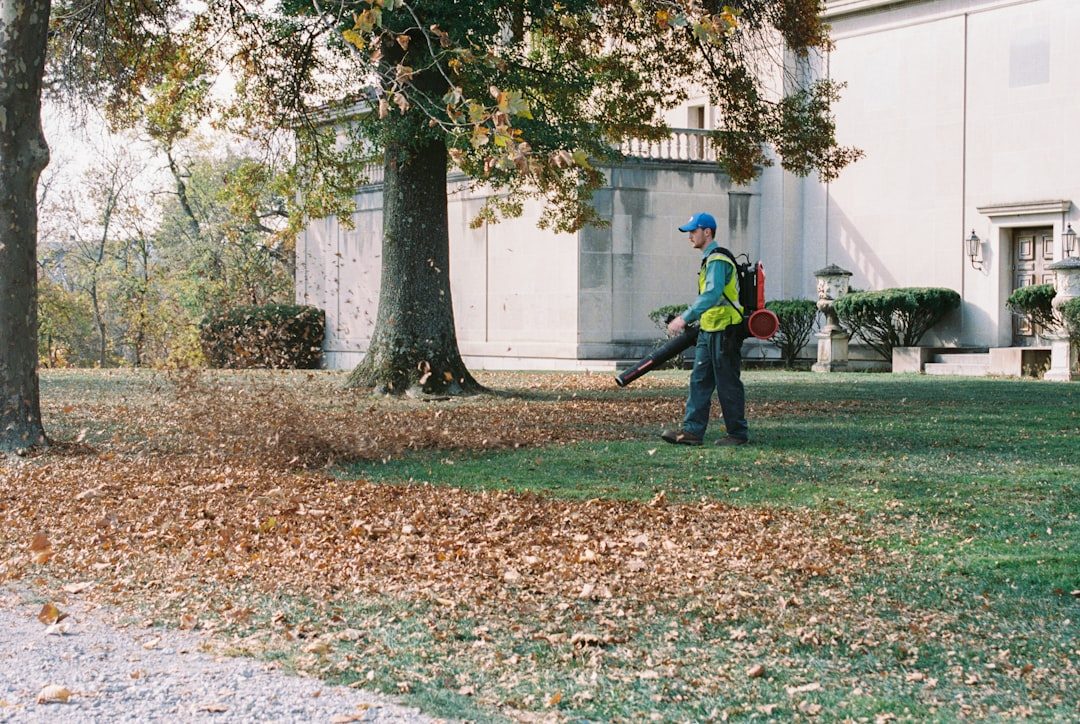
Common power tools include a lawn mower, string trimmer, and leaf blower. A mower is essential once grass consistently reaches more than about 3.5 to 4 inches, since letting it grow much taller then cutting too short stresses the lawn. A string trimmer, often called a weed whacker, cleans up edges along fences, beds, and tight corners. Leaf blowers move leaves off large areas quickly, but they can be noisy and, in some regions, restricted, so weigh that against a rake. Always wear work gloves, eye protection, closed-toe shoes, and a dust mask if you are sensitive to pollen or mold.
Beyond tools, you will need a way to collect and sort what you remove. Heavy-duty trash bags are best for general garbage, while tall paper yard waste bags work well for leaves and grass clippings in many municipal pick-up systems. Paper bags allow organic waste to break down more easily than plastic if they are going to a composting facility.
If you plan to compost, set up a compost bin or pile for leaves, grass clippings, and small plant trimmings that are disease free. Use buckets or plastic tubs to sort as you go: one for trash, one for recyclables like plastic bottles or cans, and one for compostable yard waste. Sorting during cleanup prevents re-handling and speeds disposal later.
For cleaning hard surfaces, have eco-friendly outdoor cleaners or a mild detergent and water ready, especially for patios, decks, and outdoor furniture. A soft brush or sponge plus a bucket of soapy water often fixes light mildew or dirt without needing strong chemicals. Always check labels to ensure any cleaner is safe for use near plants and lawns.
If you share the yard with pets, factor them into your cleaning plan. Pet waste left on the lawn causes burn spots due to concentrated nitrogen and salts, and it also adds bacteria to the yard. A useful threshold is to walk the yard at least every 2 to 3 days in active pet areas and remove all waste into a designated bag or pet waste system.
When using tools and cleaners, keep pets indoors or securely away from your work area. Many standard outdoor cleaners are not safe to lick or walk on while wet. Wait until surfaces are dry before allowing pets back. If you regularly apply lawn products, consider reviewing Pet-Safe Lawn Care Basics so your cleaning and maintenance routine stays compatible with your animals.
Start yard cleaning with the lawn because most debris ends up there and you do not want to sweep patios only to blow more leaves back on them later. Begin by picking up large debris by hand, including branches, toys, rocks, and visible trash. Anything more than about 1 inch thick should be removed before mowing to protect your mower blade.
Next, use a leaf rake to gather leaves and smaller debris into manageable piles. If the leaves are dry, you can either bag them or, in many cases, mulch them with a mower set to a mulching mode. Mulching small leaf pieces back into the lawn is often recommended as long as you are not leaving more than about half an inch of leaf material on top of the grass after mowing. If the layer is thicker than that, it can smother grass and should be removed or composted instead.
Once the lawn is relatively clear, mow at the correct height for your grass type. Many university extensions recommend a mowing height of 2.5 to 3.5 inches for most cool-season grasses and 1.5 to 2.5 inches for many warm-season grasses. Never remove more than one third of the grass height in a single mowing. If the grass is extremely tall, mow twice, raising the mower for the first pass, then lowering it a notch for a second cut a few days later.
As you mow and rake, keep an eye on any low areas where water collects or where the soil feels spongy or compacted. Standing water for more than 48 hours after normal rain usually points to drainage or compaction issues. Note those spots for later aeration or grading work, but for now, focus on getting them clean and debris free so you can see the bare ground.
Once the lawn is under control, move to flower beds and garden areas. Start by pulling obvious weeds, especially those that are flowering or going to seed, and discard them rather than composting, so you do not spread seeds. Grab loose sticks, dead annuals, and spent vegetable plants if the season is over.

Use hand pruners to remove dead or damaged stems on perennials and shrubs. For spring clean-up, cut back last year’s dead growth after you see new green shoots at the base so you know what to keep. In fall, many people cut back perennials, but leaving 4 to 6 inches of stem on some plants can protect crowns over winter and provide wildlife habitat, so tailor your cleanup to your preferences.
After removing debris and pruning, lightly cultivate or smooth the soil surface, then re-establish clean bed edges where grass meets beds. A crisp edge, even 2 to 3 inches deep, makes beds look neat and also helps reduce grass creeping into them. Finally, refresh mulch if needed, keeping mulch 1 to 2 inches deep and pulled back a couple of inches from plant stems and trunks to avoid rot.
Hard surfaces like driveways, patios, decks, and walkways are often what visitors notice first. Sweep or blow loose debris from these areas after you finish the bulk of your lawn and bed work so you are not cleaning them twice. Pay attention to corners where leaves and dirt accumulate and to any drains or downspouts that might be blocked.
If you see green or black growth that feels slick, you are likely dealing with algae or mildew, especially in shaded or damp spots. Start with a stiff broom and water. If that is not enough, use a mild outdoor cleaner or a detergent solution, scrub, then rinse. For large, durable surfaces like concrete, a pressure washer can speed things up, but always test a small area and avoid high pressure on soft wood or older brick to prevent damage.
Next, wipe down outdoor furniture and play equipment with soapy water. Remove cobwebs, pollen, and dust from tables, chairs, and railings. Check structures like sheds and fences for loose boards, exposed nails, or sharp edges you might miss when everything is covered in debris. Cleaning reveals minor repairs you can schedule later.
How to clean your yard effectively changes with the season. In spring, focus on clearing winter debris, dethatching if there is a thick, spongy layer, pruning dead wood, and preparing beds. Wait until soil is no longer soggy to avoid compaction, and try to complete spring cleanup and the first mow before grass consistently exceeds about 4 inches.
In summer, yard cleaning is more about weekly or biweekly light maintenance. Regularly pick up sticks, pet waste, and toys, mow at the recommended height, and spot weed beds. Clean patios and furniture as needed, especially after storms or heavy pollen fall. Avoid heavy raking or foot traffic on very dry, stressed turf during prolonged heat waves to reduce damage.
Fall is your big leaf management season. Once roughly 80 percent of leaves have dropped, plan a focused cleanup: rake or mulch leaves, prune dead or diseased branches, remove annuals, and do a final bed tidy. Try to finish before the first accumulating snow or when average daytime temperatures drop consistently below about 40 to 45 degrees Fahrenheit. In winter, cleaning is mostly about safety: keep walkways clear of ice and debris and occasionally pick up branches or trash that blow in.
Many guides on how to clean your yard skip diagnosis and jump straight to tools. The result is homeowners working in the wrong order or tackling the wrong problem first. A common mistake is cleaning patios and furniture before addressing the lawn and tree debris. The wind or your own work

Another frequent issue is mowing or raking when grass and leaves are wet. Wet conditions cause clumping, torn blades, and heavy bags of waste that are harder to move. Confirm moisture by squeezing a handful of leaves or grass. If water drips or your hand feels saturated, wait a few hours or until the next dry window. Similarly, many people ignore slippery algae or mildew until someone slips. If any part of your hardscape stays damp and looks green or black, test with a light scrape, and schedule cleaning within a few days instead of postponing it.
When people say "clean your yard," they often think only about mowing, but a truly clean yard means clearing debris, managing plants, tidying hard surfaces, and making the space safe and functional. It covers everything you see when you step outside, from the grass to the patio and even the toys and furniture.
A clean yard directly affects curb appeal and perceived home value. Real estate agents often estimate that tidy landscaping can add 5 to 10 percent to a home's sale price, especially when the front yard is clearly maintained. Clean, debris-free turf also helps your lawn grow thicker by letting sunlight and water reach the soil, while cleared beds reduce competition from weeds and protect your plants. On the safety side, removing sticks, toys, holes, and slick algae on hardscapes cuts tripping and slipping risks and also helps discourage pests like rodents, snakes, and mosquitoes that hide in clutter or standing water.
This guide walks through how to clean your yard step-by-step, with beginner-friendly instructions that work whether you have a tiny city patch or a large suburban yard. You will see how to handle quick weekly tidying and deeper seasonal cleanups for spring, summer, fall, and even winter. If you want more detail on specific tasks, pair this with How to Mow Your Lawn the Right Way, Beginner’s Guide to Lawn Fertilizer, How to Get Rid of Weeds in Your Lawn, and Pet-Safe Lawn Care Basics.
If your yard looks messy, start diagnosis by walking the entire area and noting anything that blocks movement, holds water, or shades the grass where it should be open. Piles of leaves, sticks, toys, and pet waste typically point to a clutter problem, while slimy green patches on patios or driveways usually indicate algae or mildew buildup. Confirm by lightly scraping those green spots with a broom or brush - if it feels slippery even when dry, it needs cleaning.
The practical fix is to clear loose debris first, then tackle lawn, beds, and hard surfaces in that order so you are not redoing work. Do not mow wet grass, blow debris into streets or drains, or pressure wash fragile wood without testing a small area. In a typical yard, a focused 1 to 2 hours once per week is enough for basic cleanliness, while a full seasonal clean-up may take a half or full day per 5,000 square feet, especially after winter or heavy leaf drop.
Learning how to clean your yard starts with understanding the difference between a quick tidy and a deep yard clean-up. Basic tidying means picking up obvious trash, pet waste, and a few sticks, pushing toys into one area, and maybe blowing or sweeping the patio. Deep yard clean-up goes further by handling overgrown plants, built-up leaves, weedy beds, dirty hardscapes, and neglected corners that have not been touched in weeks or months.
There is also a difference between a one-time seasonal clean-up and ongoing maintenance. Seasonal clean-ups, like a full spring reset after the last frost or a fall clean-up before the first heavy snow, involve pruning, heavy raking, edging, and resetting beds. Weekly or biweekly maintenance, by contrast, keeps that big work from piling up. A good rule is that if you wait more than 4 weeks in peak growing season, you are likely looking at a deep clean instead of a light tidy.
A truly clean yard includes more than the lawn. The main components are the grass area, flower and garden beds, hardscapes like driveways, patios, and walkways, trees, shrubs, and hedges, and all outdoor furniture, play equipment, and structures like sheds. The step-by-step process below will guide you from planning, to gathering tools, to doing the work in a logical order that prevents you from creating extra mess as you go.
Before you touch a rake, walk your entire yard slowly and look at it like a home inspector would. You are trying to diagnose what kind of cleanup you need and where the worst problems are. Scan the lawn, beds, and all hard surfaces, not just the areas you usually use.
Use a simple mental checklist: trash and debris such as cans, bottles, or plastic; pet waste in grass or along fences; fallen branches and sticks that could damage mowers; overgrown grass and weeds along edges or in beds; any standing water that lasts more than 24 to 48 hours; and spots of mold, mildew, or algae on patios, decks, and walkways. If you see wet, shaded corners with green or black film, that often points to drainage challenges plus mildew buildup that needs cleaning.
Take a few quick photos from key angles. They help you track progress and can be useful if you later ask a pro for advice. Make notes of problem areas like thin, shady spots where grass struggles, high-traffic paths with compacted soil, or slopes where you see bare soil and small washouts. Those areas may need more than just cleaning in the long term, like overseeding or drainage improvements, but cleaning is the first step.
Your goal determines how much time and energy you should plan to invest. A one hour Saturday tidy might focus on trash pickup, quick raking, and sweeping main paths so the yard looks acceptable. A full spring clean-up after winter might mean dethatching, pruning shrubs, redefining bed edges, and cleaning all hardscapes. A pre-party or hosting clean-up usually sits in between but leans heavily on visible areas like the front yard, patio, and paths to the door.

Clarifying the goal affects which tools you grab, whether you need help, and how much you try to do in a single session. For example, if your grass is 8 inches high and full of sticks, the issue is beyond a quick tidy and you may want to split the work into two blocks or bring in a helper. If you only have 45 minutes before guests arrive, aim for high-impact tasks: clear clutter, pick up pet waste, blow or sweep the patio, and do a quick mow if the grass is not wet.
For larger or neglected yards, it can make sense to stage the work across days or weekends: day one for debris removal and rough mowing, day two for pruning and beds, and day three for detail work and hardscape cleaning. If you consistently feel overwhelmed, that is a sign the scope is closer to a professional spring or fall clean-up job rather than a casual DIY task.
Weather can make or break how efficiently you clean your yard. Dry weather is ideal for most tasks. Raking and leaf blowing are far easier when leaves are dry and crisp, not heavy and stuck together. Mowing wet grass leads to clumping, uneven cuts, and potential mower damage. Pressure washing also works better when surfaces can fully dry afterwards to prevent new mildew.
As for the time of day, early morning or late afternoon is usually best to avoid heat stress and intense midday sun. However, avoid mowing when grass is still wet with dew, which often means waiting until mid to late morning. In summer, aim to finish loud tasks like leaf blowing and mowing by early evening to be a good neighbor and to work in cooler temperatures.
Seasonal timing matters too. For spring clean-up, wait until after your region’s typical last frost date so new growth is more visible and less likely to be damaged by pruning and foot traffic. For fall clean-up, try to finish heavy raking and leaf removal before the first heavy snow or sustained freeze, usually once about 80 to 90 percent of leaves have fallen. During the main growing season, a weekly or biweekly light tidy keeps your yard from tipping into a major project.
The right tools make cleaning your yard faster and safer. At a minimum, most homeowners need a good rake, a broom, basic cutting tools, and some kind of mower. A leaf rake, with its flexible tines, is ideal for leaves and small debris on grass. A garden rake, with stiff metal tines, is better for gravel, leveling soil, and loosening thatch. A sturdy outdoor broom handles patios, decks, and driveways.
For plant cleanup, hand pruners handle small branches on shrubs and perennials, while loppers tackle thicker branches up to about 1 to 1.5 inches in diameter. If you have taller shrubs or many small tree limbs, loppers save time and strain. A trash grabber or picker is useful if bending is hard or if you are picking up a lot of litter along a fence line.
Common power tools include a lawn mower, string trimmer, and leaf blower. A mower is essential once grass consistently reaches more than about 3.5 to 4 inches, since letting it grow much taller then cutting too short stresses the lawn. A string trimmer, often called a weed whacker, cleans up edges along fences, beds, and tight corners. Leaf blowers move leaves off large areas quickly, but they can be noisy and, in some regions, restricted, so weigh that against a rake. Always wear work gloves, eye protection, closed-toe shoes, and a dust mask if you are sensitive to pollen or mold.
Beyond tools, you will need a way to collect and sort what you remove. Heavy-duty trash bags are best for general garbage, while tall paper yard waste bags work well for leaves and grass clippings in many municipal pick-up systems. Paper bags allow organic waste to break down more easily than plastic if they are going to a composting facility.
If you plan to compost, set up a compost bin or pile for leaves, grass clippings, and small plant trimmings that are disease free. Use buckets or plastic tubs to sort as you go: one for trash, one for recyclables like plastic bottles or cans, and one for compostable yard waste. Sorting during cleanup prevents re-handling and speeds disposal later.
For cleaning hard surfaces, have eco-friendly outdoor cleaners or a mild detergent and water ready, especially for patios, decks, and outdoor furniture. A soft brush or sponge plus a bucket of soapy water often fixes light mildew or dirt without needing strong chemicals. Always check labels to ensure any cleaner is safe for use near plants and lawns.
If you share the yard with pets, factor them into your cleaning plan. Pet waste left on the lawn causes burn spots due to concentrated nitrogen and salts, and it also adds bacteria to the yard. A useful threshold is to walk the yard at least every 2 to 3 days in active pet areas and remove all waste into a designated bag or pet waste system.
When using tools and cleaners, keep pets indoors or securely away from your work area. Many standard outdoor cleaners are not safe to lick or walk on while wet. Wait until surfaces are dry before allowing pets back. If you regularly apply lawn products, consider reviewing Pet-Safe Lawn Care Basics so your cleaning and maintenance routine stays compatible with your animals.
Start yard cleaning with the lawn because most debris ends up there and you do not want to sweep patios only to blow more leaves back on them later. Begin by picking up large debris by hand, including branches, toys, rocks, and visible trash. Anything more than about 1 inch thick should be removed before mowing to protect your mower blade.
Next, use a leaf rake to gather leaves and smaller debris into manageable piles. If the leaves are dry, you can either bag them or, in many cases, mulch them with a mower set to a mulching mode. Mulching small leaf pieces back into the lawn is often recommended as long as you are not leaving more than about half an inch of leaf material on top of the grass after mowing. If the layer is thicker than that, it can smother grass and should be removed or composted instead.
Once the lawn is relatively clear, mow at the correct height for your grass type. Many university extensions recommend a mowing height of 2.5 to 3.5 inches for most cool-season grasses and 1.5 to 2.5 inches for many warm-season grasses. Never remove more than one third of the grass height in a single mowing. If the grass is extremely tall, mow twice, raising the mower for the first pass, then lowering it a notch for a second cut a few days later.
As you mow and rake, keep an eye on any low areas where water collects or where the soil feels spongy or compacted. Standing water for more than 48 hours after normal rain usually points to drainage or compaction issues. Note those spots for later aeration or grading work, but for now, focus on getting them clean and debris free so you can see the bare ground.
Once the lawn is under control, move to flower beds and garden areas. Start by pulling obvious weeds, especially those that are flowering or going to seed, and discard them rather than composting, so you do not spread seeds. Grab loose sticks, dead annuals, and spent vegetable plants if the season is over.

Use hand pruners to remove dead or damaged stems on perennials and shrubs. For spring clean-up, cut back last year’s dead growth after you see new green shoots at the base so you know what to keep. In fall, many people cut back perennials, but leaving 4 to 6 inches of stem on some plants can protect crowns over winter and provide wildlife habitat, so tailor your cleanup to your preferences.
After removing debris and pruning, lightly cultivate or smooth the soil surface, then re-establish clean bed edges where grass meets beds. A crisp edge, even 2 to 3 inches deep, makes beds look neat and also helps reduce grass creeping into them. Finally, refresh mulch if needed, keeping mulch 1 to 2 inches deep and pulled back a couple of inches from plant stems and trunks to avoid rot.
Hard surfaces like driveways, patios, decks, and walkways are often what visitors notice first. Sweep or blow loose debris from these areas after you finish the bulk of your lawn and bed work so you are not cleaning them twice. Pay attention to corners where leaves and dirt accumulate and to any drains or downspouts that might be blocked.
If you see green or black growth that feels slick, you are likely dealing with algae or mildew, especially in shaded or damp spots. Start with a stiff broom and water. If that is not enough, use a mild outdoor cleaner or a detergent solution, scrub, then rinse. For large, durable surfaces like concrete, a pressure washer can speed things up, but always test a small area and avoid high pressure on soft wood or older brick to prevent damage.
Next, wipe down outdoor furniture and play equipment with soapy water. Remove cobwebs, pollen, and dust from tables, chairs, and railings. Check structures like sheds and fences for loose boards, exposed nails, or sharp edges you might miss when everything is covered in debris. Cleaning reveals minor repairs you can schedule later.
How to clean your yard effectively changes with the season. In spring, focus on clearing winter debris, dethatching if there is a thick, spongy layer, pruning dead wood, and preparing beds. Wait until soil is no longer soggy to avoid compaction, and try to complete spring cleanup and the first mow before grass consistently exceeds about 4 inches.
In summer, yard cleaning is more about weekly or biweekly light maintenance. Regularly pick up sticks, pet waste, and toys, mow at the recommended height, and spot weed beds. Clean patios and furniture as needed, especially after storms or heavy pollen fall. Avoid heavy raking or foot traffic on very dry, stressed turf during prolonged heat waves to reduce damage.
Fall is your big leaf management season. Once roughly 80 percent of leaves have dropped, plan a focused cleanup: rake or mulch leaves, prune dead or diseased branches, remove annuals, and do a final bed tidy. Try to finish before the first accumulating snow or when average daytime temperatures drop consistently below about 40 to 45 degrees Fahrenheit. In winter, cleaning is mostly about safety: keep walkways clear of ice and debris and occasionally pick up branches or trash that blow in.
Many guides on how to clean your yard skip diagnosis and jump straight to tools. The result is homeowners working in the wrong order or tackling the wrong problem first. A common mistake is cleaning patios and furniture before addressing the lawn and tree debris. The wind or your own work

Another frequent issue is mowing or raking when grass and leaves are wet. Wet conditions cause clumping, torn blades, and heavy bags of waste that are harder to move. Confirm moisture by squeezing a handful of leaves or grass. If water drips or your hand feels saturated, wait a few hours or until the next dry window. Similarly, many people ignore slippery algae or mildew until someone slips. If any part of your hardscape stays damp and looks green or black, test with a light scrape, and schedule cleaning within a few days instead of postponing it.
Common questions about this topic
During the main growing season, aim for a light tidy every week or every other week to prevent tasks from piling up into a major project. If you wait more than about 4 weeks in peak growth, you’re usually looking at a deeper clean instead of a quick spruce-up. Plan more intensive seasonal cleanups in spring after the last frost and in fall before heavy snow or hard freezes.
A quick tidy focuses on obvious tasks like picking up trash and pet waste, gathering a few sticks, pushing toys into one area, and blowing or sweeping main hard surfaces. A deep cleanup tackles overgrown plants, built-up leaves, weedy beds, dirty patios and walkways, and neglected corners that haven’t been touched in weeks or months. Seasonal cleanups also layer in heavier work like pruning, edging, and resetting garden beds.
For most average-sized yards, setting aside 1 to 2 focused hours once a week is enough to maintain basic cleanliness. A full seasonal cleanup is more time-intensive and can take a half to a full day per 5,000 square feet, especially after winter or heavy leaf drop. Larger or badly neglected yards may need to be broken into multiple days, with debris and rough mowing first, then pruning and beds, and finally detail work and hardscapes.
Walk your entire yard slowly and check for trash, pet waste, fallen branches, and overgrown grass or weeds, especially along edges and in beds. Look for standing water that lingers more than 24–48 hours and for green or black film on patios, decks, and walkways that signals mildew or algae. Also note thin, shady spots, compacted high-traffic areas, and bare slopes, which may need long-term fixes after the initial cleanup.
Start by clearing loose debris like trash, sticks, toys, and pet waste so you don’t run over anything with a mower or blower. Then move to the lawn, followed by flower and garden beds, and finish with hard surfaces like patios, driveways, and walkways. Working in this order prevents you from blowing or knocking new mess onto areas you’ve already cleaned.
Dry weather is ideal because raking and blowing are much easier with dry leaves, and mowing wet grass leads to clumps and potential mower problems. Aim for early morning after the dew dries or late afternoon to avoid the hottest part of the day and reduce heat stress. In spring, wait until after the last frost for major cleanups, and in fall try to finish heavy leaf work before the first big snow or sustained freeze.
Subscribe for monthly lawn care tips and expert advice
Loading product recommendations...