10 DIY Lawn Care Tips That Actually Save You Money (2026)
 James ThorntonLawn Equipment & Maintenance Expert | 20 Years
As an Amazon Associate we earn from qualifying purchases.
Brown patches, weeds, and thin turf fall into two categories: short term appearance problems or signs your lawn system is off track. Affordable lawn care means fixing the system so you are not paying for the same problems every year. It is about spending smart on timing, soil, and mowing instead of chasing every new product on the shelf.
Many homeowners get stuck between expensive lawn services, confusing recommendations at the garden center, and DIY experiments that give uneven results. This guide cuts through that by laying out 10 DIY tips for affordable lawn care that balance cost, time, and long term lawn health. You will see how doing fewer things, but doing them at the right time and rate, saves more money than buying cheaper products and guessing.
This article is for you if you are a homeowner who wants to manage your own yard, if you have tried quick fixes but still see patches and weeds, or if you are an advanced DIYer trying to refine your lawn care calendar. We will stress seasonal planning, low cost diagnostic steps like soil tests, and using basic tools like a spreader and mower to their full potential. For deeper dives on specific topics, see related pieces such as How Often Should You Mow Your Lawn, Best Lawn Fertilizer Schedule for Beginners, Overseeding for a Thicker Lawn, Lawn Care by Region: A Seasonal Guide, and Choosing the Best Grass Seed for Your Yard.
If your lawn looks weak, the first step is to decide if the issue is mostly soil, watering, or mowing. If grass is thin all over yet weeds thrive, that usually points to soil and nutrient problems. Confirm by doing a simple soil test through your local extension and by checking mowing height, blade sharpness, and weekly watering depth with a tuna can or rain gauge.
The affordable fix is to adjust what you already do before buying more products. Raise mowing height to 3 to 4 inches for most grasses, water deeply but only 1 to 1.5 inches per week, and apply fertilizer based on your soil test instead of a random 4 step program. Avoid piling on extra weed and feed or seeding heavily in midsummer, both of which often fail and waste money.
Within 3 to 4 weeks of correcting mowing and watering, you should see denser growth and fewer new weeds. When you add targeted fertilizing and fall overseeding using the right grass type for your region, the lawn usually thickens noticeably over one growing season. By the second season, your costs often drop because a healthy, dense lawn needs fewer herbicides, repairs, and emergency products.
Understanding “Affordable Lawn Care”: Spend Less, Get More
Affordable lawn care is not about choosing the cheapest bag of fertilizer or skipping maintenance entirely. It is about understanding what truly drives costs over a full season, then designing your routine so each dollar does real work. If you can cut out unnecessary applications, badly timed seeding, and chronic overwatering, you can often reduce your annual spend dramatically while the lawn improves.
Think of your yard as a system where soil, grass type, watering, and mowing either support each other or fight each other. When they work together, you need fewer products and less labor to keep the lawn thick. When they are out of sync, you tend to double up on chemicals and repairs year after year. The goal of these 10 DIY tips for affordable lawn care is to get that system aligned.
What Actually Drives Lawn Care Costs
The biggest cost driver for many households is labor. Paying a full service company to mow, fertilize, and treat weeds can easily exceed several hundred dollars per season. Doing it yourself reduces cash outlay but shifts the cost to your time. The key is to use that time efficiently by focusing on the few tasks that give the largest payoff: correct mowing, water management, and targeted fertilizing based on soil testing.
Next are product costs, including fertilizer, grass seed, weed control, and soil amendments like lime. The irony is that many people waste more money on poorly chosen or poorly timed products than they would spend on a tailored plan with fewer applications. For example, applying a crabgrass preventer when soil is still cold wastes coverage; spreading high nitrogen fertilizer during summer stress often causes burn or disease rather than growth.
Equipment is another cost category, but for most homeowners it is relatively stable. A reliable mower, a broadcast spreader, and a simple hand or pump sprayer are usually enough. The more important factor is maintenance, such as sharpening blades and cleaning equipment, which protects your investment and improves lawn quality. Water and utilities finish the list. Overwatering is expensive and often leads to shallow roots and disease. Using a simple rain gauge and setting a goal of 1 to 1.5 inches of water per week, including rainfall, controls both water bills and lawn stress.
Across all these categories, poor timing and guesswork are what really waste money. Applying the right product 3 weeks too early or at twice the recommended rate does far less good than a modest, well timed application. That is why diagnosis and planning are the foundation of affordable lawn care.
The Long Game Mindset: Why Cheap Shortcuts Cost More
There are two basic approaches to lawn care: fast green shortcuts and soil focused, long game strategies. Fast green methods rely on frequent high nitrogen applications, lots of weed and feed, and heavy use of quick fix products. These can make grass look greener for a few weeks but often build thatch, encourage disease, and weaken roots. Over time you spend more on fungicides, reseeding, and extra herbicide because the lawn cannot defend itself.
The long game approach focuses on soil health, appropriate fertilization, correct mowing, and matching grass species to the site. Healthy soil with balanced pH, adequate phosphorus and potassium, and some organic matter supports deeper roots. Deep roots reach water better, tolerate heat, and recover faster after stress. A dense, vigorous lawn naturally shades out many weeds and tolerates light pest pressure without major damage.
From a budget standpoint, investing in a soil test and slow, steady improvements to pH and organic matter often pays back quickly. Instead of three or four heavy fertilizer applications per year, you may only need one or two moderate applications at the right times. Instead of reseeding the entire yard every spring, you can focus on a fall overseeding that actually establishes. Cheap shortcuts often create a cycle of emergency fixes, while sustainable practices reduce your annual product list.
Identify Your Lawn Type and Region (So You Stop Guessing)
Before you can apply any of the 10 DIY tips for affordable lawn care with confidence, you need to know your grass type and climate category. Cool season grasses like Kentucky bluegrass, perennial ryegrass, and tall fescue grow best in northern and transition zones. They thrive in spring and fall when temperatures are cooler and often struggle in hot midsummer. Warm season grasses such as bermuda, zoysia, St. Augustine, and centipede grass prefer warmer climates and hit their stride in late spring through summer.
The difference matters because timing and mowing heights change with grass type. For example, core aeration and overseeding for cool season lawns typically work best in early fall, when soil is still warm but air temperatures cool down. Warm season lawns respond better to major work like dethatching and topdressing in late spring or very early summer when growth is active.
Sun and shade patterns also influence affordability. Trying to grow full sun grass in dense shade under mature trees almost always fails, no matter how much fertilizer or seed you buy. You are more likely to succeed, and spend less, by choosing shade tolerant varieties, thinning trees slightly to allow more light where appropriate, or even converting the shadiest areas to mulch beds or groundcovers.
Climate and regional differences determine how much irrigation you will realistically need and what diseases or weeds are likely. Humid regions often deal with fungal diseases, while arid climates face more drought stress and salty irrigation water. That is why guides like Lawn Care by Region: A Seasonal Guide and Choosing the Best Grass Seed for Your Yard are helpful companions to this article. Once you know your grass type and general region, you can adjust the tips here to your local conditions.
Tip 1: Start With a Soil Test Instead of Random Products
A professional soil test is the single most affordable upgrade you can make to your lawn care plan. Many chronic problems like thin grass, weeds, and disease susceptibility trace back to soil that is too acidic or alkaline, or short on key nutrients like phosphorus and potassium. If your pH is off by more than about 0.5 from the ideal range for your grass, fertilizer will never be fully effective. You could spend years applying products that cannot fix the underlying imbalance.
A typical lab soil test from a university extension or private lab often costs less than one bag of premium fertilizer, yet it can save you from years of guesswork. Without a test, homeowners frequently add lime when it is not needed, or skip lime in acidic soils where it would unlock nutrients. In a single season, unnecessary or misapplied products can easily cost 50 to 100 dollars or more, compared with a soil test that runs 15 to 30 dollars.
How to Do a DIY Soil Test Step by Step
Start by choosing where to send the sample. Your local cooperative extension office usually offers soil testing with region specific recommendations. Many state universities process residential lawn samples, and there are reputable online labs that mail you a kit. These labs generally provide much more reliable data than inexpensive color strip test kits, which can be influenced by water quality and user interpretation. If a strip kit is all you can afford, treat the results as rough guidance and retest with a lab when possible.
To collect the sample, you will need a clean trowel or soil probe, a plastic bucket, a zip top bag or the lab's sample container, and a marker for labeling. Walk your lawn and take multiple small cores or slices of soil from 2 to 4 inches deep, avoiding obvious contamination like pet areas, compost piles, or spots recently fertilized within the last few weeks. Aim for 10 to 15 cores across the area, more if your yard is very large or has distinct zones you want tested separately.
Mix the soil thoroughly in the bucket to create a uniform sample, then remove rocks, sticks, and thatch. Many labs ask you to air dry the soil overnight on newspaper before packaging, which helps standardize moisture levels for the test. Place the recommended amount, often about 1 to 2 cups, in the labeled bag or container and fill out the lab's form. Indicate that the intended crop is "home lawn turf" and specify whether it is cool season or warm season grass if the form allows. Soil testing every 2 to 3 years is enough for most lawns, or after major renovations when you have changed the soil significantly.
Reading the Results and Making Affordable Adjustments
When your report arrives, focus on a few key metrics: soil pH, phosphorus (P), potassium (K), and organic matter. For most turfgrasses, a pH between about 6.0 and 7.0 is ideal, though some warm season grasses tolerate slightly more acidic soils. If your pH is below roughly 5.8, the lab will often recommend lime to gradually raise it. If it is above about 7.5, they may suggest sulfur or simply caution against adding any more lime.
Use a simple decision path. If pH is too low, prioritize lime instead of chasing more fertilizer. If pH is high, avoid lime and consider organic matter additions, which can moderate nutrient availability. If phosphorus is low, a starter type fertilizer used sparingly during seeding or early growth may be justified. If potassium is low, choose a fertilizer formulation with a higher third number on the label and follow the lab's rate. Organic matter in the 3 to 5 percent range is common for many lawns; if it is much lower, regular mulching of clippings and occasional compost topdressing can improve it over time.
Make changes gradually. Applying more lime or fertilizer than the lab's recommended rate will not speed up correction and can cause new issues. Most reports indicate a pounds per 1,000 square feet rate. Break that into a few seasonal applications if the recommended amount is large. Within one to two years, you can usually bring pH and key nutrients into a solid range, which makes every other lawn care dollar more effective.
- Penn State Extension recommends soil testing every 2 to 3 years and targeting a pH of 6.0 to 7.0 for most home lawns, noting that proper pH can increase fertilizer use efficiency significantly.
Tip 2: Mow Correctly To Reduce Weeds and Inputs
Mowing is often treated as a chore instead of a powerful tool. Yet mowing height, frequency, and blade sharpness all have a direct impact on costs and lawn health. Cutting too short forces the plant to use stored energy to regrow leaves, which weakens roots and opens space for weeds. Cutting at the correct height allows a deeper root system and creates shade at the soil surface that suppresses weed germination.
If you see lots of crabgrass or other annual weeds in thin spots, there is a good chance your mowing height is too low. Combine that with dull blades that tear rather than cut, and you get frayed leaf tips that dry out, inviting disease. Adjusting your mower and sharpening the blade at least once per season are inexpensive steps that can reduce the need for herbicides and fungicides.
Set the Right Mowing Height
For most cool season lawns, a mowing height of 3 to 4 inches is ideal. Tall fescue, for example, does well around 3 to 3.5 inches, while Kentucky bluegrass and perennial ryegrass often perform well from 2.5 to 3.5 inches, with the higher end favored in hot, dry periods. Many warm season grasses like bermuda and zoysia can be kept shorter, often around 1 to 2 inches, but should still follow the one third rule to avoid shock.

The one third rule is a simple threshold: never remove more than one third of the grass blade in a single mowing. If your target height is 3 inches, you should mow when the lawn reaches about 4.5 inches. Removing more than that at once stresses the plant and can lead to temporary browning and thin spots. In practical terms, most lawns need mowing every 5 to 7 days during peak growth, and less often during slow growth or drought.
Sharpen Blades and Mulch Clippings
Dull blades tear grass, leaving fuzzy, brown tips that not only look bad but can dry out or host disease. If you notice white or brownish streaks on the leaf tips a day after mowing, that often indicates dullness. You can confirm by inspecting a blade up close. A clean cut has a crisp edge. A ragged edge signals it is time to sharpen.
Sharpen the mower blade at least once at the start of the growing season and again midseason if you mow heavily. Many hardware stores and mower shops offer inexpensive sharpening services. While you are there, make sure the blade is balanced so it does not cause vibration and uneven cutting.
Whenever possible, mulch clippings back into the lawn instead of bagging them. Contrary to a common misconception, mulched clippings do not significantly contribute to thatch when mowing is done regularly. They return nitrogen and organic matter to the soil, which reduces fertilizer needs over time. The key is to mow frequently enough that clippings are small and can filter down to the soil surface instead of clumping.
Tip 3: Water Deeply, Not Daily
Water is one of the most mismanaged and expensive aspects of lawn care. Many homeowners water every day for a short time, which keeps only the top inch of soil moist. This encourages shallow roots that are more vulnerable to heat and drought. In contrast, infrequent but deep watering trains roots to grow downward, where soil stays cooler and more stable.
A typical lawn needs about 1 to 1.5 inches of water per week from rain and irrigation combined. The exact amount varies with soil type, grass species, and weather, but this range is a useful starting point. Watering more than this rarely helps and often leads to disease and wasted money. Watering less, if done too shallowly, can cause stress.
Measure How Much You Are Really Applying
To manage water affordably, you first need to know how much you are putting down. Place several tuna cans or shallow containers around the yard and run your sprinklers for a set time, for example 20 minutes. Measure the depth of water in the cans with a ruler. If they contain about 0.25 inches after 20 minutes, you know it takes roughly 80 minutes to apply 1 inch.
Armed with that information, you can schedule 1 or 2 deep waterings per week rather than short daily bursts. In sandy soils that drain quickly, you might split the weekly total into two sessions of 0.5 to 0.75 inches each. In heavier clay soils, one inch at a time may be fine, as long as water does not puddle or run off. Avoid watering so quickly that water flows into the street, which indicates the application rate is faster than the soil's infiltration rate.
Water at the Right Time of Day
Early morning is typically the best time to water. Starting between about 4 a.m. and 9 a.m. allows the lawn to dry through the day, which reduces disease risk while giving plants time to absorb moisture before heat peaks. Watering at midday wastes more to evaporation, especially in hot, windy conditions. Watering late in the evening can leave blades wet overnight, which favors fungal diseases in many regions.
If you see wilted, dull colored patches that do not bounce back after a deep watering, you may be dealing with other issues like compaction or insects rather than simple drought. In that case, use a screwdriver or soil probe to test how easily it penetrates the soil. If you cannot push it 6 inches deep with moderate force in moist areas, compaction is likely and you should consider aeration within the next few weeks during your lawn's active growth period.
Tip 4: Use Fertilizer Strategically, Not Habitually
Fertilizer is often treated as a schedule driven product instead of a tool guided by soil tests and grass needs. Many "4 step" programs encourage applications every few weeks regardless of weather, soil levels, or grass type. That can lead to excessive growth, higher mowing frequency, and potential runoff or leaching. Strategic fertilizing reduces both product cost and labor while maintaining healthy color and density.
Once you have soil test results, you can choose the right fertilizer analysis and number of applications. If soil nitrogen is routinely low and organic matter is modest, you might still need 2 or 3 applications per year. If your soil is naturally fertile and clippings are returned, you may be able to cut back to 1 or 2 light applications, especially if you focus on the most responsive times of the year.
Time Fertilizer to Your Grass Type
Cool season lawns benefit most from fertilizer in early fall and late fall, with a lighter application in spring if needed. For many regions, early fall means roughly September to early October, while late fall or "winterizer" applications occur when top growth slows but the lawn is still green, often around late October to early November. Avoid heavy nitrogen in midsummer heat, as it tends to stress the grass and can increase disease pressure.
Warm season lawns, in contrast, prefer their main fertilizer doses in late spring and early summer when they are fully green and growing, often when soil temperatures stay above about 65 degrees Fahrenheit. Fertilizing too early, while they are still greening up, or too late in fall can encourage growth that is vulnerable to cold damage.
Choose the Right Rate and Source
Check the label on any fertilizer for the recommended rate in pounds per 1,000 square feet. Many consumer products suggest around 0.75 to 1 pound of actual nitrogen per 1,000 square feet per application. You can calculate this by multiplying the bag's nitrogen percentage (the first number in the N-P-K analysis) by the pounds of product applied. For example, a 24-0-10 product applied at 4.2 pounds per 1,000 square feet delivers about 1 pound of nitrogen.
Using the lower end of recommended rates is often more affordable and safer, especially if you are also recycling clippings. Slow release nitrogen sources cost more per bag but can be cost effective by feeding over several weeks and reducing the need for frequent applications. Avoid stacking products with overlapping ingredients, such as combining a weed and feed with a separate preemergent herbicide, unless you have confirmed it is needed and safe for your grass type.
- Michigan State University Extension notes that most home lawns perform well with a total of 2 to 4 pounds of nitrogen per 1,000 square feet per year, split into 2 or 3 applications timed to grass type and season.
Recommended products
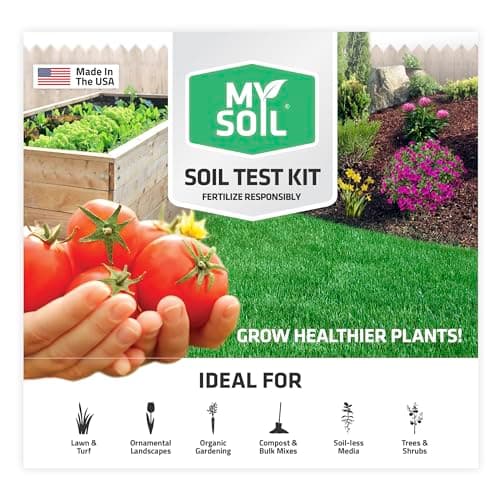
MySoil Soil Test Kit
A mail-in lab test that stops you from buying nutrients the soil already has.
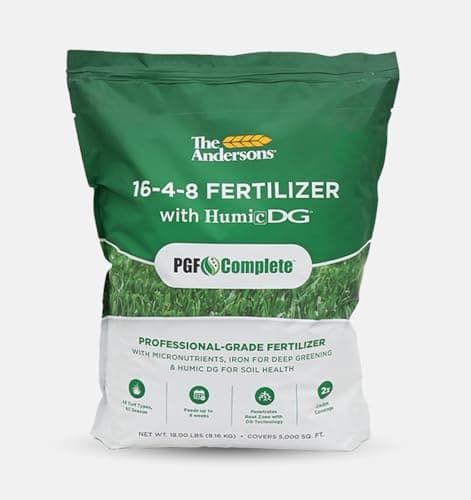
The Andersons PGF Complete 16-4-8
A fine-particle 16-4-8 with humic acid that spreads evenly and feeds slowly.
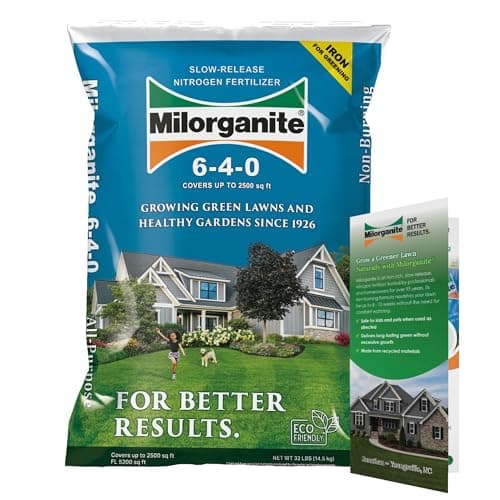
Milorganite 6-4-0
A slow-release organic nitrogen that is hard to burn a lawn with and works on any grass type.
Tip 5: Overseed Smart, Not Often
Overseeding is a powerful way to thicken a lawn and crowd out weeds, but it is often done at the wrong time or with the wrong seed. Spreading seed in late spring or midsummer, when temperatures are high and weeds are most aggressive, usually leads to poor germination and waste. Seeding every year without addressing underlying issues like compaction, shade, or soil pH also limits results.
To keep costs low, focus on overseeding at the best window for your grass type and choose quality seed matched to your conditions. Paying a little more for certified, weed free seed that is appropriate for your sun, shade, and region can save money by avoiding repeated failures. Always check the seed label for the percentage of pure live seed, weed seed content, and varieties included.
Pick the Right Time and Prep
For cool season lawns, the best overseeding window is typically early fall, roughly late August through September in many regions. Soil is warm for fast germination, air temperatures are cooling, and weed pressure is declining. Warm season lawns are usually overseeded in late spring to early summer if as needed, though many warm season yards do not require overseeding every year unless there are bare patches from winter damage or construction.
Before overseeding, mow the existing lawn lower than usual, often around 2 inches for cool season turf, and bag clippings for this one mow to expose soil. Rake out thatch and debris to improve soil contact. In compacted areas, core aeration before seeding can significantly improve germination and root development. After spreading seed at the recommended rate, lightly rake again or roll to press seed into the soil surface and keep it consistently moist until established.
Choose Seed That Matches Your Site
Select cultivars based on sun exposure, irrigation capability, and your willingness to mow. For example, tall fescue is more drought tolerant and deeper rooted than many bluegrasses, making it a good choice for low input lawns in many regions. Fine fescues tolerate shade better and can work under light to moderate tree cover. Kentucky bluegrass offers good recovery but usually needs more consistent moisture and fertility.
Read the tag on any mix to avoid cheap "filler" species that do poorly in lawns, like annual ryegrass for long term turf or coarse agricultural varieties. Seed mixes developed specifically for your region are often worth the modest extra cost. Related guides like Choosing the Best Grass Seed for Your Yard and Overseeding for a Thicker Lawn go into more detail on matching species and blends to your site.
Tip 6: Prioritize Weeds Strategically Instead of Chasing Every One
Weed control can quickly become one of the biggest expenses if you chase every new product or apply herbicides over the entire lawn for a few scattered invaders. An affordable approach focuses on prevention through density, then targets problem weeds in a way that is proportional to their actual threat.
If weeds are scattered and relatively few, spot treating with a pump sprayer is much cheaper and more environmentally sensible than broadcast applications. When weeds are dense across large areas, it indicates underlying issues such as thin turf, incorrect mowing, or poor fertility that must be fixed to avoid ongoing costs.
Decide When to Spot Treat vs Broadcast
Walk the yard and estimate how much of the area is actively weedy. If you see weeds primarily in isolated clusters, spot spraying with a selective herbicide for broadleaf weeds is usually sufficient. Follow the product label closely and apply when temperatures are in the recommended range, often between about 60 and 85 degrees Fahrenheit, to maximize effectiveness and minimize turf stress.
If more than roughly 30 to 40 percent of the lawn is weeds, it can be more practical to broadcast treat or even consider a renovation of the worst sections. In that case, it is even more critical to pair weed control with improved mowing, fertilizing, or overseeding, so the lawn can fill in the space that herbicide opens.
Use Preemergents Where They Give the Best Return
Preemergent herbicides are most effective against annual grassy weeds like crabgrass that germinate from seed each spring. If you had significant crabgrass the previous year and your mowing height was already appropriate, a preemergent product in early spring can be a cost effective preventive measure. Apply near the time when soil temperatures at 2 inches reach about 55 degrees Fahrenheit for several days, which often coincides loosely with forsythia bloom in many temperate regions.
Do not apply a typical crabgrass preemergent in areas you plan to overseed within the next few months unless the product is specifically labeled as seeding safe. The barrier that stops weed seeds will also stop your grass seed. That is a common way people waste both seed and herbicide. If you face a choice between preemergent and overseeding in the same area, prioritize whichever will give greater long term benefit and adjust your schedule to separate them by the label required interval, often at least 8 to 12 weeks.
Tip 7: Address Compaction and Thatch Only When Needed
Core aeration and dethatching are helpful tools, but doing them annually regardless of need costs money and time without always improving the lawn. Affordable lawn care means diagnosing when compaction or thatch is truly limiting growth, then acting at the right time for your grass type.
Compaction tends to be worst in high traffic areas, along routes where people and pets walk, or in yards with heavy clay soils. Thatch is a layer of undecomposed stems and roots between the soil surface and grass blades. A thin layer, less than about 0.5 inch, is not a problem and can even cushion traffic. Thicker thatch, more than about 0.75 inch, can block water, air, and nutrients, and sometimes harbors pests.
Test for Compaction and Thatch
To assess compaction, use a long screwdriver or soil probe and push it into the ground in several areas after a good rain or irrigation. If it will not penetrate at least 4 to 6 inches without excessive effort, the soil is likely compacted. Damaged, thin turf in those zones reinforces the diagnosis. In compacted areas, core aeration during active growth can improve root depth and water infiltration.
Check thatch by cutting a small wedge of turf and measuring the spongy brown layer between green grass and soil. If that layer is under about half an inch, you probably do not need aggressive dethatching. If it is over three quarters of an inch and the lawn feels spongy underfoot, occasional dethatching or more frequent core aeration may be helpful. Aeration removes cores of soil, which encourages microbial activity that breaks down thatch over time.
Time Aeration to Growth
Schedule aeration when your grass is actively growing so it can heal quickly. For cool season lawns, that usually means early fall or, second best, spring. Early fall aeration has the added advantage of pairing well with overseeding. For warm season lawns, late spring through early summer is usually best, once the turf is fully green and growing.
Renting a core aerator for a half day is often more affordable than hiring a service, especially if you share the cost with a neighbor. Make two passes at right angles over compacted areas for best effect. There is usually no need to remove the pulled plugs; let them dry and break down naturally, or break them up with a rake or mower. Avoid aeration during drought or extreme heat, when the added stress can slow recovery.
Tip 8: Use Simple Organic Practices to Stretch Your Budget
Organic and low input practices are not only about environmental benefits. They often reduce long term fertilizer needs and improve water efficiency. You do not have to go fully organic to benefit. Integrating a few simple practices that build soil life and structure reduces dependency on synthetic inputs over time.
The two most accessible strategies for most homeowners are leaving clippings on the lawn, as covered earlier, and occasional compost topdressing in key areas. Others include using a mulching mower on leaves in fall and reducing chemical inputs once the lawn is dense and stable.
Topdress Key Areas with Compost
Topdressing involves spreading a thin layer of compost over the lawn surface, typically about 0.25 inch thick. This can be especially helpful in compacted or poor soil areas where turf struggles. You do not need to cover the entire yard every year. Focusing on trouble spots and high traffic zones is a more affordable approach.
Choose a finished, screened compost that is free of large sticks or clumps. Spread it evenly with a shovel and rake or a purpose built compost spreader, then rake lightly so it settles into the canopy without smothering grass. Combined with aeration, topdressing greatly improves root environment and can gradually raise organic matter, which improves water holding capacity and nutrient retention.
Mulch Fall Leaves Instead of Bagging
Instead of raking and bagging leaves each fall, run a mulching mower over them in several passes to shred them into small pieces. Research in various regions has shown that modest amounts of mulched leaves do not harm lawns and can even improve soil quality. This practice saves the cost of leaf removal and yard waste bags, while adding organic material slowly.
The key is volume. If leaf cover is so deep that shredded material forms a mat over the grass, remove some of it or mulch in several sessions as leaves fall. Aim for the shredded layer to be thin enough that you can still see grass between pieces. Over winter, soil organisms pull that material down, further building organic matter.
Tip 9: Plan a Simple Seasonal Calendar So You Stop Overdoing It
Many costs in lawn care come from doing too much, too often. A simple written calendar limits impulse purchases and helps you avoid redundant applications. You do not need a complex spreadsheet. A one page seasonal checklist for your lawn type and region is usually enough.
Break the year into four periods: early season, peak growing season, late season, and dormancy. In each period, list only the essential tasks. For a cool season lawn, early spring might include equipment tune up, first mowing when grass reaches correct height, and a light fertilizer only if the lawn is pale after winter. Peak season in late spring and early summer emphasizes proper mowing and watering. Early fall focuses on core aeration if needed, overseeding, and main fertilizing. Late fall might include a final fertilizer and mowing until growth stops.
Use Thresholds, Not Dates
Instead of strict calendar dates, use condition based triggers. For example, rather than saying "fertilize April 1," use "fertilize in early fall when daytime highs drop into the 60s and growth is steady." For preemergents, use soil temperature or plant cues like forsythia bloom. For irrigation, use the rule of 1 to 1.5 inches per week and the screwdriver test to confirm soil moisture.
This approach makes your schedule more accurate for year to year weather variation, which directly affects cost. It also builds discipline. If an action is not on your seasonal checklist or the condition triggers have not been met, you skip it instead of reacting to advertising or a neighbor's routine. Over a few years, this habit can cut unnecessary purchases dramatically.
Tip 10: Track What Works So You Spend Less Next Year
The final affordable lawn care strategy is to treat your yard as a small experiment. Keep basic records of what you applied, when you applied it, and what you observed. A simple notebook or phone note is enough. Over time you will see which products and timings give visible results and which seem to do little.
If you notice that a fall fertilizer at 0.75 pound nitrogen per 1,000 square feet produces good color for 6 to 8 weeks, but adding an extra spring application yields little improvement, you can cut the spring dose in future years. If your soil test shows stable nutrient levels and your lawn stays healthy with fewer applications, you learn that your earlier program was more than your yard really needed.
What to Record and Review
Key items to record include date, product name and rate, weather conditions, and any notable changes like improvement in color, weed reduction, or appearance of disease. Also note non product actions like aeration, overseeding, or major mowing height changes. In late fall or winter, review your notes and identify 1 or 2 actions that clearly helped and 1 or 2 that seemed unnecessary.
Use that review to simplify next year's plan. Often, you will discover that a few well timed, well executed steps produce 80 percent of the improvement, while the rest have marginal benefit. Focusing your budget and time on those high payoff actions is the essence of affordable lawn care.
What Other Guides Miss: Common Mistakes to Avoid
Many lawn care articles list products and generic schedules but skip confirmation steps and regional nuance. One common oversight is telling everyone to apply preemergent herbicide or multiple fertilizers without asking whether the lawn actually needs them. Before adding any new product, check simple thresholds: do you see more than a third of the lawn in weeds, or is color pale even after correcting mowing and watering? If not, you may not need that extra treatment.
Another frequent gap is ignoring grass type and climate when recommending mowing height and timing. Advice that works for a cool season tall fescue lawn in a temperate climate does not translate directly to bermuda in a hot, dry region. Misapplied guidance can lead to cutting warm season turf too high or fertilizing cool season grasses heavily in midsummer, both of which increase costs and stress.
Finally, many guides underemphasize soil testing and simple field checks like the screwdriver test for compaction or the tuna can test for irrigation. These diagnostics provide objective data to guide your spending. If you see thin turf and suspect grubs, for example, do not apply a grub killer automatically. Instead, peel back a 1 square foot section of sod in the worst area. If you find more than about 10 grubs per square foot, treatment is justified. If numbers are lower, look for other causes and save the cost of insecticide.
Conclusion: Build an Affordable Lawn System, Not a Product Collection
Affordable lawn care comes from building a simple, evidence based system instead of reacting to every problem with another product. By starting with a soil test, mowing higher with sharp blades, watering deeply but infrequently, and fertilizing based on grass type and real need, you create a lawn that resists weeds and stress on its own. Overseeding at the right time, addressing compaction where it actually exists, and weaving in basic organic practices stretch every dollar further.
Over one or two seasons, these 10 DIY tips for affordable lawn care usually reduce both your spending and the number of weekend hours tied up in emergency fixes. If you want to refine the timing and rates for your specific region and turf type, check out Best Lawn Fertilizer Schedule for Beginners and Lawn Care by Region: A Seasonal Guide. Use those resources together with this guide to create a lean, effective plan that keeps your lawn healthy without draining your budget.
Free Lawn Care Tools
Start by diagnosing whether the main issue is soil, watering, or mowing instead of buying more products. Check soil health with a simple test from your local extension service, confirm you are mowing at the right height with sharp blades, and measure weekly water with a tuna can or rain gauge. Adjusting these basics usually improves density and color within a few weeks. This approach costs very little and prevents you from wasting money on random fertilizers and weed killers.
Aim for 1 to 1.5 inches of water per week, including rainfall, applied in deeper, less frequent soakings rather than daily light watering. Use a simple rain gauge or a tuna can to measure how much water your sprinklers actually deliver. This encourages deeper roots, reduces disease, and cuts both water bills and stress on the lawn. Overwatering not only wastes money but often leads to shallow roots and more problems.
For most common lawn grasses, a mowing height of 3 to 4 inches works best. Taller grass shades the soil, reduces weed germination, and helps the lawn tolerate heat and drought, which means you spend less on herbicides and emergency repairs. Keep mower blades sharp so each cut is clean, which lowers disease risk and improves appearance. Correct mowing is one of the highest-value, lowest-cost lawn care tasks.
A soil test shows pH, nutrient levels, and sometimes organic matter, so you know exactly what your lawn needs instead of guessing. With that information, you can apply only the fertilizers and amendments that are truly necessary, and at the right rates. This lets you often cut back from three or four heavy fertilizer applications to one or two well-timed ones. Spending a little on a soil test can quickly save money by eliminating unnecessary products.
Applying even the right product at the wrong time wastes coverage and can damage the lawn. For example, putting down crabgrass preventer when soil is still too cold or using high nitrogen fertilizer during summer stress often leads to poor results or burn. Planning treatments around your grass type and season allows each application to do more work, so you need fewer of them. Good timing reduces both product costs and the need for follow-up fixes.
Long-term soil health is usually cheaper over a full season and beyond. Heavy use of quick green products and weed-and-feed can give short bursts of color but often increases thatch, disease, and the need for reseeding and extra herbicides. Building balanced pH, adequate nutrients, and organic matter supports deeper roots and a denser lawn that naturally resists weeds. Over time, that means fewer chemicals, fewer repairs, and a lower annual lawn care budget.
Photos: Adarsh Bhimani / Pexels

Beat weeds and brown spots from your phone
Snap a photo, get the fix, and follow a plan timed to your soil and weather. Free on iPhone.