5 Ways to Cut Your Lawn Care Costs
 James ThorntonLawn Equipment & Maintenance Expert | 20 Years
As an Amazon Associate we earn from qualifying purchases.
Rising fertilizer prices, higher hourly rates for lawn crews, and stricter watering rules are all pushing lawn care budgets higher. Many homeowners are stuck between paying too much for a decent lawn or cutting back and watching turf decline.
If you are searching for 5 ways to cut your lawn care costs or how to lower lawn care costs without killing your grass, the goal is clear: spend less while keeping the lawn healthy and presentable. In many yards, thoughtful changes in how you mow, water, fertilize, and design your landscape can reduce yearly costs significantly without sacrificing quality.
This guide breaks those savings into five practical levers:
- Smarter mowing and basic maintenance that trade time for money in a smart way
- Optimized watering that cuts your water bill while keeping roots deep and strong
- Rethinking fertilizer and weed control so you are not overapplying products
- Using equipment and tools more cost effectively over their full life cycle
- Long term lawn redesign choices that permanently reduce your maintenance burden
You will find step by step strategies, notes for different climates and grass types, and some advanced tactics even many pros overlook. If you want to go deeper on specific topics later, resources like How Often Should You Mow Your Lawn, Best Lawn Mower Maintenance Checklist, and Cool-Season vs Warm-Season Grasses Explained can help fine tune your plan.
Most homeowners overspend on lawns by mowing too often or too short, overwatering, and applying more fertilizer and weed control than the grass actually needs. If your lawn is generally green but thin, with frequent weeds and high water bills, this usually indicates shallow roots, stressed turf, and wasted inputs. Confirm by checking mowing height with a tape measure and doing a screwdriver test; if you cannot push a screwdriver at least 6 inches into moist soil, the roots are likely shallow and the soil compacted.
To cut lawn care costs quickly without harming the lawn, raise your mowing height into the recommended range for your grass type, switch to watering deeply but only once or twice per week until you reach about 1 to 1.5 inches of water total, and begin grasscycling by leaving short clippings on the lawn. Do not scalp the lawn to "mow less often," and do not completely stop watering during hot spells if you want to avoid permanent damage. Within about 3 to 6 weeks, you should see thicker turf, fewer weeds, and lower water and product use, which sets you up for more advanced cost savings like reduced fertilizer applications and targeted herbicide use.
1. Get Strategic with Mowing to Slash Recurring Costs
Mowing seems like the most basic lawn task, but it has a huge impact on how much you spend on everything else. Cutting your lawn properly can reduce water use, fertilizer needs, and weed pressure. Cutting it poorly forces you to spend more on repairs, reseeding, and chemicals.
Since mowing is usually your most frequent lawn job, small changes in how and when you mow compound into large yearly savings in both time and money.
1.1 Understand How Mowing Height Impacts Lawn Health and Costs
The first way to cut your lawn care costs is to manage mowing height correctly. The "mow high" principle is one of the most important and most overlooked ideas in lawn care. Taller grass blades shade the soil surface, which reduces evaporation, keeps soil temperatures cooler, and helps crowd out weeds.
Different grass types have different ideal heights. Cool season grasses like Kentucky bluegrass, perennial ryegrass, and fescues generally perform best at about 2.5 to 4 inches. Warm season grasses like Bermuda, zoysia, centipede, and St. Augustine usually prefer around 1 to 3 inches depending on the specific variety and whether you are using a rotary mower or reel mower.
If you are not sure what you have, the guide Cool-Season vs Warm-Season Grasses Explained can help you identify your grass type and climate zone so you can choose the right range. As a general rule, err toward the higher end of the recommended range if you want a more drought tolerant, low input lawn.
Taller grass supports deeper roots. When roots can grow 4 to 6 inches deep instead of staying in the top 1 to 2 inches, the plant can pull moisture from deeper soil layers. This reduces how often you must irrigate and helps the lawn ride out short dry spells without going brown.
There is also a strong weed control benefit. Weed seeds need light and bare soil to germinate. A dense, taller canopy creates shade at the soil surface and physically crowds out new seedlings. When you reduce weed germination by improving mowing height, you automatically cut the number of herbicide applications or hand weeding sessions you need each season.
In short, mowing a bit higher can save you money in at least three ways: less water, fewer weed products, and fewer repairs from scalping and stress. It also improves the lawn's resilience so that when stressful weather hits, you are not forced into emergency fixes.
Along with height, follow the "one third rule": never remove more than one third of the grass blade in a single mowing. If your target height is 3 inches, you should mow when the grass is about 4.5 inches tall. Cutting off more than one third at once stresses the plant, slows root growth, and increases the chance of brown, ragged tips.
This rule also helps you schedule mowing by season. In spring and early summer, cool season grasses grow quickly and may need mowing every 5 to 7 days to stay within that one third window. In summer heat, their growth slows and you may stretch intervals to 7 to 14 days, especially if rain is scarce. For warm season lawns, the peak mowing period is usually late spring through mid summer, with reduced mowing in early spring and fall.
- Penn State Extension recommends maintaining most cool-season home lawns at 2.5 to 3.5 inches and following the one-third rule to reduce stress and weed invasion.
1.2 Decide: DIY Mowing vs Professional Lawn Service
The second major lever in controlling mowing costs is deciding who actually does the work. Many people either automatically mow themselves or automatically hire a service without doing the math. A simple cost comparison can reveal where your money is best spent.
DIY mowing has upfront equipment costs and smaller recurring costs. You may already own a mower and trimmer, but if not, a basic residential push mower may range from about the low hundreds for a gas model to higher for a battery model. Add a string trimmer, safety glasses, hearing protection, and fuel or batteries, and your initial investment might be in the several hundred dollar range.
Recurring annual DIY costs include fuel or electricity, oil changes, air filters, spark plugs, occasional blade sharpening, and perhaps a small storage solution. For a small to medium sized lawn, it is common to spend tens of dollars per season in fuel and routine maintenance if you do some work yourself. If you pay a shop for annual service, that cost rises but may still be less than a full season of professional mowing.
Professional mowing services typically charge per visit. Rates vary by region, property size, and access, but for a typical suburban lot you might see prices from roughly 30 to 70 dollars per cut. Over a 26 to 30 week growing season, that could be 780 to 2,100 dollars or more per year if they visit weekly.
To compare, build a simple worksheet:
- Estimate how many weeks per year your lawn actively needs mowing. Many cool season lawns need at least 24 weeks, some up to 32 depending on your climate.
- Multiply that by your local per visit rate at weekly and every other week frequencies.
- On the DIY side, total your one time equipment cost spread over 5 to 7 years (the typical life of an entry level mower if maintained) plus your estimated annual operating and maintenance costs.
If your annual service cost exceeds your DIY cost by a few hundred dollars or more and you have time, DIY mowing is usually the better financial choice. If your schedule is tight or you dislike yard work, paying for mowing and focusing your own time on more strategic tasks like irrigation adjustments and fertilization planning might offer better value.
There are also hybrid strategies that control costs. You might mow weekly yourself but hire pros for spring and fall cleanups, aeration, or overseeding. You might also partner with neighbors to negotiate a group rate with a local company. When a crew can service multiple adjacent properties, they often reduce travel time and are sometimes willing to pass part of that savings on in a discount.
This hybrid approach keeps core mowing costs low, but ensures that periodic heavy tasks are done correctly and on schedule, which helps maintain long term lawn health.
1.3 Optimize Your Mowing Frequency for Cost and Lawn Health
Mowing too often costs more than it needs to. Every unneeded pass adds fuel or electricity use, extra wear on equipment, and your time. It also keeps the grass in a state of constant recovery, which can weaken the plant and make it more vulnerable to disease and heat stress.
Mowing too infrequently is just as costly in the long run. Letting the lawn grow very tall before cutting increases the chance of scalping, where you remove most of the leaf tissue at once and expose stems and soil. Scalped areas often turn brown and thin out, opening space for weeds. Very tall grass also creates long, heavy clippings that tend to mat or clump, increasing the risk of fungal problems and requiring extra cleanup time.
The most cost effective mowing rhythm balances these extremes using the one third rule and your lawn's actual growth rate instead of the calendar alone. Growth accelerates after rain and fertilizer, and slows during hot, dry spells. Pay more attention to grass height than the day of the week.
As a starting cheat sheet:
- Cool season lawns: in spring and early summer, plan on mowing about once per week if the lawn is actively growing. In the hottest part of summer, many cool season lawns slow down and may only need mowing every 7 to 14 days if you are not heavily irrigating or fertilizing. In fall, growth usually picks up again and weekly mowing often returns until dormancy.
- Warm season lawns: growth tends to ramp up later in spring as soil temperatures consistently exceed about 65 degrees Fahrenheit. Peak mowing usually occurs from late spring through mid summer, often at least weekly. Frequency tapers off again as day length shortens in late summer and early fall.
A useful confirmation step is to walk your lawn twice per week and visually assess height. If the grass is still within one third above your target height, you can delay mowing. If it has clearly exceeded that threshold, it is time to mow even if you would prefer to wait. This habit keeps you from slipping into under-mowing that triggers reseeding costs later.
Remember that you can also adjust fertilizer rates and watering schedules to moderate growth if you are routinely forced to mow more often than you can manage. Less nitrogen and less frequent irrigation will slow top growth, while still supporting root development if managed correctly.
1.4 Use Grasscycling to Cut Fertilizer Costs
Grasscycling is one of the most effective and low effort ways to cut lawn care costs. It simply means leaving finely chopped grass clippings on the lawn after mowing instead of bagging and removing them.
When you grasscycle correctly, clippings decompose quickly and return nutrients, especially nitrogen, back to the soil. Research commonly estimates that grasscycling can supply about 20 to 30 percent of the nitrogen your lawn needs each year. That means if your lawn normally requires 3 pounds of nitrogen per 1,000 square feet annually, grasscycling might replace roughly 0.5 to 1 pound of that, letting you reduce purchased fertilizer accordingly.
This practice also cuts costs in other ways. You save time and labor because you are not stopping to empty bags or hauling clippings to the curb or compost facility. If your municipality charges yard waste fees or you pay for extra trash capacity, grasscycling can reduce or eliminate those expenses.
To do grasscycling properly, you need sharp mower blades that produce short, finely chopped clippings. Dull blades tear the grass and create long strands that are more likely to clump. Mow when the grass is dry and again, avoid cutting off more than one third of the height at once. Short, dry clippings sift down into the canopy and disappear within a few days.
Homeowners often worry that clippings cause thatch, but thatch is primarily made of roots and stems, not leaf blades. If you see a spongy layer more than about 0.5 inches thick between the soil and the green blades, that indicates a thatch issue, but grasscycling is usually not the main cause. More often, excessive thatch comes from overfertilization, heavy watering, and certain aggressive grass species.
By combining proper mowing height, the one third rule, and grasscycling, you create a nutrient recycling loop that keeps more money in your pocket and more organic matter in your soil.
2. Optimize Water Use to Lower Bills and Stress
Water is often the single largest variable cost in lawn care, especially in regions with metered water or drought restrictions. Overwatering not only wastes money, it also encourages shallow roots, disease, and nutrient leaching, which then forces you to spend more on fertilizers and fungicides.
The goal is to give the lawn exactly what it needs: enough water to maintain healthy roots and moderate color, but not so much that you are paying for runoff and wasted moisture.
2.1 Know How Much Water Your Lawn Actually Needs
Most established lawns need about 1 to 1.5 inches of water per week from rain, irrigation, or a combination of both during active growing periods. This is a useful range, not a rigid rule. Cool season grasses may prefer closer to 1 to 1.25 inches in moderate climates, while warm season grasses that are more drought tolerant often do well toward the lower end, especially if you are comfortable with some light browning during peak heat.
A common mistake is to run sprinklers daily for short periods, which encourages roots to stay near the surface where soil dries out fastest. A more cost effective method is deep, infrequent watering. Apply that 1 to 1.5 inches over one or two irrigation days per week rather than five or six light applications. This allows water to penetrate 6 inches or more into the soil, encouraging deeper roots that can access stored moisture between waterings.
To verify how much water your sprinklers deliver, use the "tuna can test" or any set of straight sided containers. Place several cans or cups around your lawn, run your system for 15 to 20 minutes, and then measure the depth in each container. If they average 0.25 inches in 20 minutes, you know it takes about 80 minutes to apply 1 inch. Adjust run times accordingly, splitting the total among multiple zones if needed to avoid runoff.
Also pay attention to your soil type. Sandy soils drain quickly and may require the higher end of the range but shorter, repeated cycles in the same morning to avoid runoff. Heavy clay soils absorb water slowly and are prone to puddling if you run sprinklers too long at once. On clays, use "cycle and soak": run the zone until water starts to pool, turn it off for 30 to 60 minutes to let water soak in, then repeat until you reach your target depth.
2.2 Time Irrigation for Maximum Efficiency
When you apply water matters almost as much as how much you apply. Watering in the early morning, roughly between 4 a.m. and 9 a.m., is usually most efficient. Winds are lighter, temperatures are cooler, and less water is lost to evaporation. Grass blades also have time to dry during the day, which reduces disease pressure compared to nighttime watering.
Watering in the heat of the afternoon is less efficient because more water evaporates before it reaches the roots. Watering late in the evening regularly can keep grass blades wet overnight and in many climates increases disease risk, which then adds costs in fungicides or damaged turf recovery.
Use your irrigation timer to concentrate watering into one or two mornings per week. Combine that with weekly rainfall observations to decide whether to skip an irrigation cycle. If your area receives 0.5 inches of rain in a given week, you might only need to add another 0.5 to 1 inch by irrigation depending on your grass type and soil.
A simple diagnostic step is to track your water meter readings before and after several weeks of adjusted irrigation. If you reduce run times and consolidate watering into fewer days while keeping the lawn reasonably healthy, you should see a clear drop in usage on your utility bill.
2.3 Use Sensors, Nozzles, and Simple Upgrades
There are cost effective upgrades that help you avoid watering when it is not needed. At the simple end, installing a rain sensor on an automatic system prevents watering shortly after a rainfall. This inexpensive device can pay for itself quickly in saved water.
For more advanced control, smart irrigation controllers and soil moisture sensors can adjust watering schedules based on weather data and actual soil moisture levels. While these have upfront costs, they often reduce water use significantly in the first season by preventing unnecessary cycles during cool, cloudy, or rainy periods.
Another overlooked source of waste is uneven coverage from worn or poorly adjusted sprinkler heads and nozzles. If you see dry spots next to very wet zones, that usually indicates an application problem, not a need to increase total runtime. Check each zone, look for tilted or clogged heads, and adjust arcs and distances so that each area gets even coverage. Often replacing a handful of outdated nozzles with modern, lower flow rotary nozzles reduces runoff and evens distribution, letting you water less overall without harming the lawn.
By combining proper scheduling, measurement, and minor hardware upgrades, you can usually reduce irrigation costs by 20 percent or more while keeping turf at acceptable quality levels.
3. Rethink Fertilizer and Weed Control Strategies
Fertilizers and weed control products are another major recurring cost in lawn care. Many homeowners apply more than the lawn can use or apply at the wrong times, which wastes money and can harm the environment. A more targeted strategy can maintain good color and density for less.
3.1 Feed Based on Soil Test Results, Not Assumptions
The first step in a cost effective fertilizer program is a soil test. Without it, you are guessing about nutrient needs. Soil tests reveal levels of phosphorus, potassium, pH, and sometimes organic matter. They also help you avoid buying nutrients your lawn already has in sufficient or excessive amounts.
If you apply a balanced fertilizer with phosphorus every year without testing, you might be building up phosphorus that the lawn does not need. Many states now restrict phosphorus on lawns for this reason. Likewise, your soil may already have adequate potassium, and your real limitation is pH or organic matter, which require different solutions.
Most cooperative extension offices or local labs offer inexpensive soil tests. You typically collect small plugs from 10 to 15 spots in the lawn to a depth of about 3 to 4 inches, mix them, and send a composite sample. Results often include specific fertilizer recommendations in pounds of nutrient per 1,000 square feet per year.
- Michigan State University Extension recommends soil testing every 3 to 5 years and adjusting nitrogen rates within a range of about 2 to 4 pounds per 1,000 square feet annually, depending on lawn use and desired appearance.
With those numbers, you can buy only what you need and plan applications around the most responsive times of year for your grass type. This alone can cut fertilizer spending by 25 percent or more in many yards.
3.2 Time Nitrogen for Maximum Effect
Nitrogen is usually the main driver of lawn color and growth. Cool season and warm season grasses respond best to nitrogen at different times. For cool season lawns, the most efficient nitrogen applications are typically in early fall and sometimes late fall rather than heavy spring feedings. Fall applications promote root growth and denser turf, which reduce weed invasion and winter injury.
If you are currently doing three or four heavy feedings scattered across spring and summer, you can often shift some of that nitrogen into the fall and reduce the total amount used. For example, instead of 4 pounds of nitrogen per 1,000 square feet per year across four applications, you might apply about 0.75 to 1 pound in early fall and 0.5 to 0.75 in late fall, and limit spring feeding to a light 0.5 pound rate only where needed.
Warm season lawns generally benefit from nitrogen when they are fully green and actively growing, typically from late spring through mid summer, and much less or not at all as they approach dormancy in fall. Feeding too early in spring when soil is still cool or too late in fall can waste product and encourage disease instead of useful growth.
The fix is to adjust your schedule so that most nitrogen goes down when the grass can use it efficiently. This reduces the number of applications, keeps growth more even, and cuts back on extra mowing, which itself saves time and fuel.
3.3 Target Weeds Instead of Blanket Sprays
Weed control products are often applied across the entire lawn when only certain areas are heavily infested. This broad approach increases chemical costs and can stress desirable turf unnecessarily.
Instead, use a targeted method. For annual weeds that germinate from seed, a preemergent herbicide in early spring can be cost effective if you have a history of problems like crabgrass. However, if you only see minor crabgrass in sunny curb strips, you may not need to treat the entire lawn. Focus preemergent only where weed pressure is consistently high.
For broadleaf weeds like dandelions, clover, and plantain, spot spraying is usually more cost effective than broadcast spraying. Use a pump or handheld sprayer and apply herbicide directly to patches or clusters of weeds instead of the whole yard. Over a few seasons, as turf density improves through proper mowing and fertilization, you should see fewer weeds and can further reduce product use.
A practical threshold: if more than about 20 to 25 percent of the lawn area is covered in broadleaf weeds, a broadcast treatment may be more efficient as a one time reset. But once weeds are under control, shift to spot treatment to maintain results at lower cost.
Always combine chemical control with cultural improvements. Poor mowing height, compacted soil, and thin turf are the underlying conditions that allow weeds to thrive. Fixing these reduces your long term herbicide needs and costs.
Recommended products
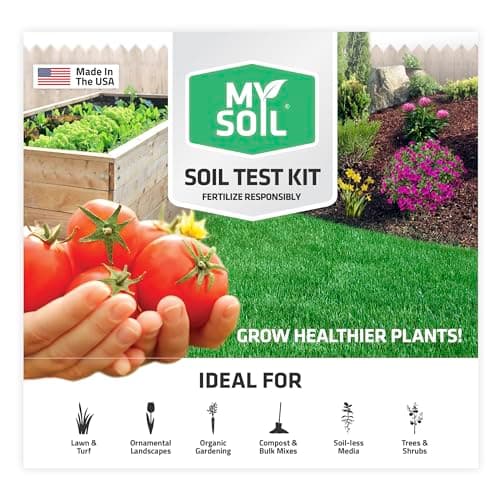
MySoil Soil Test Kit
A mail-in lab test that stops you buying nutrients the soil already holds.

Milorganite 6-4-0 (32 lb)
A slow-release organic nitrogen with a low cost per pound of nitrogen and almost no burn risk.
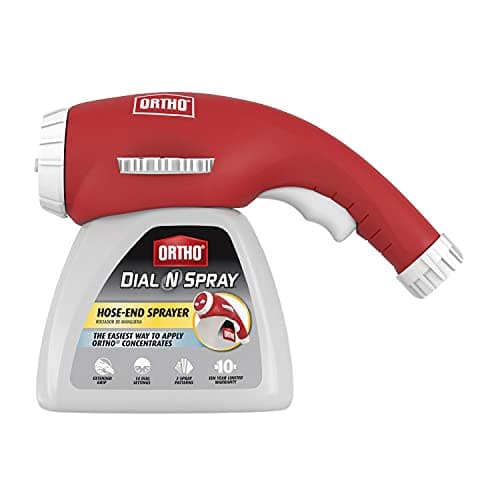
Ortho Dial N Spray Hose-End Sprayer
A hose-end sprayer with fourteen dilution settings for mixing concentrates yourself.
4. Use Equipment and Tools More Cost Effectively
Equipment is a significant investment, whether you go the DIY route or hire professionals who incorporate their equipment costs into their pricing. Using tools wisely, maintaining them, and choosing the right level of equipment for your lawn size can reduce both short term and long term expenses.
4.1 Match Equipment to Lawn Size and Complexity
A small urban lawn of 2,000 square feet does not require the same mower as a 1 acre property. Buying more mower than you need ties up money and can increase fuel and maintenance costs. On the other hand, using an underpowered push mower on a large or complex lot can consume so much time and effort that you end up hiring help anyway.
As a loose guideline, for lawns under about 5,000 square feet, a quality walk behind mower is usually sufficient. Between 5,000 and 15,000 square feet, a self propelled mower can save time and effort. For larger properties, a lawn tractor or zero turn mower may make sense if you plan to maintain the property yourself for several years.
Also consider obstacles and slopes. Steep or intricate lawns are sometimes better suited to smaller, more maneuverable mowers, even if total area is larger. The goal is to minimize the total time and effort per mowing session while avoiding overspending on commercial grade machines you do not need.
For many homeowners, sharing or renting specialized equipment like aerators, dethatchers, or slice seeders is far more cost effective than buying. These machines are used once or twice per year at most, and storing and maintaining them adds hidden costs. Check rental options or coordinate with neighbors to split rental fees on days when several of you plan to perform the same task.
4.2 Maintain Equipment to Extend Life
Maintenance is one of the most reliable ways to reduce lawn care costs over time. A mower that receives regular oil changes, air filter replacements, blade sharpening, and spark plug checks can last years longer and run more efficiently than one that is neglected.
At minimum, perform the following each season:
- Change the oil on gas mowers according to the owner's manual, often after the first few hours and then every 25 to 50 hours of use.
- Clean or replace the air filter at least once per season, more often in dusty conditions.
- Sharpen the blade at least once or twice per season, and more often if you notice torn grass tips or dull cutting performance.
- Check tire pressure, belts, and cables for wear and adjust as needed.
For battery powered equipment, proper charging habits and off season storage have similar importance. Avoid leaving batteries in extreme heat or cold, and store them partially charged if recommended by the manufacturer.
The article Best Lawn Mower Maintenance Checklist can give you a detailed seasonal plan. By following it, you reduce failures that might force emergency repairs or replacement during peak season when equipment and service prices are often highest.
4.3 Balance Buying vs Hiring Specialty Services
Certain tasks, such as core aeration, overseeding, and large tree pruning, require equipment or expertise that is not worth buying for most homeowners. However, hiring these services every year out of habit can also add up.
Consider aeration as an example. If your screwdriver test shows you can still push a screwdriver 6 inches into moist soil without excessive resistance, severe compaction is unlikely, and annual aeration may not be necessary. Every 2 to 3 years might be sufficient in many home lawns, especially if you are not using heavy equipment and you manage thatch and organic matter levels.
Overseeding frequency should also depend on diagnosis. If large bare or thin areas remain even after adjusting mowing and watering, overseeding can be justified. But repeatedly overseeding a lawn that is thin because of shade or poor drainage is throwing money at symptoms, not causes. Fixing tree pruning, drainage, or soil issues may give better long term return.
By evaluating the actual condition of the lawn each year instead of following a fixed "four step program", you can schedule specialty services only when they are likely to make a measurable difference.
5. Redesign Your Lawn for Lower Long Term Maintenance
The final and often most powerful of the 5 ways to cut your lawn care costs is to change what needs care in the first place. Not every square foot of your yard has to be high input turfgrass. Strategic redesign can permanently lower mowing, watering, and chemical needs.
5.1 Reduce Lawn Area in Hard to Maintain Zones
Some parts of a typical yard are inherently difficult and expensive to maintain as lawn: narrow strips along driveways, steep slopes, deeply shaded corners, and areas between closely spaced trees. These spaces often dry out quickly, receive heavy foot traffic or salt from winter deicing, or suffer from dense shade.
Instead of fighting these conditions with constant reseeding, extra watering, and weed control, consider converting them to lower maintenance plantings. Options include mulched beds with shrubs, groundcovers like pachysandra or vinca in shade, or non turf native plantings suited to your region.
While there is an upfront cost for plants and materials, the long term savings in water, seed, fertilizer, and labor can be substantial. Once established, many native plantings and groundcovers require minimal mowing and far fewer inputs than cool season turf in a problem spot.
5.2 Choose Grass Types Suited to Your Site
Many cost problems start because the wrong grass is trying to grow in the wrong place. Sun loving species struggle in dense shade and shade tolerant varieties dislike full, reflected heat. High end cultivars that demand heavy fertilization and irrigation are overkill for a casual family lawn.
If you are planning to renovate, choose grass types that match your sun, soil, and use levels. For example, in cooler climates with shade, fine fescues often require less nitrogen and water than Kentucky bluegrass and tolerate shade better. In warm climates with full sun, a drought tolerant species like Bermuda or zoysia can reduce irrigation needs compared to cool season species.
Consult resources like Cool-Season vs Warm-Season Grasses Explained or your local extension recommendations when selecting seed or sod. Choosing a more appropriate species may reduce your annual fertilizer requirement by 1 or more pounds of nitrogen per 1,000 square feet and cut your irrigation demand, all while improving lawn performance.
5.3 Embrace a "Good Enough" Lawn Standard
Finally, consider adjusting your expectations. A golf course style lawn requires professional level inputs: frequent mowing, heavy fertilization, precise irrigation, and often fungicides and insecticides. Maintaining that standard at home is expensive and time consuming.
Many homeowners can save significant money by aiming for a "good enough" standard: a lawn that is mostly green and reasonably weed free, but not perfect. This might mean accepting some dormant browning in late summer, tolerating a small percentage of low growing weeds, or allowing slightly uneven color between fertilizer applications.
If you reduce your nitrogen rate, water less frequently but more deeply, and eliminate one or two broad spectrum weed control passes per year, your lawn might drop from "showcase" to "solidly presentable" while your budget benefits. Adjusting this expectation is a powerful mental shift that enables all the tactical changes described above.
What Other Guides Miss: Common Mistakes to Avoid
Many online guides about ways to cut your lawn care costs list generic tips like "water less" or "mow higher" but skip key details that make or break results. Here are some common oversights and how to avoid them.
First, not verifying soil conditions. Advice on watering and fertilizing is only accurate if it matches your soil type and compaction level. If you never perform a screwdriver test or soil test, you might follow a schedule optimized for loam on a heavy clay or sand, leading to poor results and wasted inputs. Always confirm compaction and nutrient levels every few years so you can adjust programs instead of blindly following product labels.
Second, ignoring regional climate and grass type. A schedule designed for cool season lawns in the Midwest does not translate directly to warm season lawns in the Southeast. If you apply heavy nitrogen to Bermuda in early spring because a generic guide says "fertilize in April," you may waste product and encourage weeds. Always anchor timing to your grass type's active growing season and local soil temperatures, not just the calendar.
Third, overcutting in an attempt to mow less often. Some guides casually advise mowing shorter to "extend the interval" between cuts. This causes scalping, weakens the turf, and ultimately increases weeds and repair costs. Stick to the recommended mowing height range and the one third rule. If you cannot keep up, reduce fertilizer and rethink your expectations rather than lowering the deck drastically.
Fourth, skipping equipment maintenance while trying to economize. Neglecting oil changes or blade sharpening to avoid small expenses leads to larger repairs and earlier replacement. Use a simple checklist like Best Lawn Mower Maintenance Checklist to preserve engine life and cutting quality so you are not forced into big purchases prematurely.
Finally, treating weed control as separate from cultural practices. Some guides frame weed killers as the main solution, but persistent weeds almost always trace back to mowing, watering, fertility, or soil issues. If you do not address those, you will keep buying more herbicide every year. Use chemicals when needed, but prioritize building a dense, competitive turf that naturally suppresses weeds and reduces your chemical budget.
Conclusion: Build a Lower Cost Lawn System
Cutting lawn care costs without sacrificing a healthy yard comes down to building a system, not chasing isolated tips. When you raise your mowing height, follow the one third rule, and grasscycle, you reduce fertilizer and weed pressure. When you calibrate irrigation to deliver about 1 to 1.5 inches of water per week in deep, infrequent cycles, you cut water bills and strengthen roots. When you base fertilization on soil tests and time nitrogen for your grass type, you use fewer products for better results.
Add smart equipment decisions, proper maintenance, thoughtful use of specialty services, and some long term design changes like shrinking problem lawn areas or choosing more appropriate grasses, and your yearly lawn budget can drop substantially while your lawn becomes easier to care for. You do not need to chase perfection to achieve a durable, attractive, and affordable yard.
If you want to refine one of these levers further, a good next step is to review How Often Should You Mow Your Lawn and adjust your mowing plan for your specific grass type and climate. From there, layer in the other strategies outlined here and track your water, product, and time investments season by season so you can see your savings compound.
Top Picks
- Segway Navimow i210 AWD Robot Lawn MowerCheck price on Amazon
- EGO POWER+ Self-Propelled Cordless Lawn Mower (Select Cut, LM2135SP)Check price on Amazon
- Outsidepride Maya (Blackjack II) Bermuda Grass Seed (5 lb)Check price on Amazon
As an Amazon Associate we earn from qualifying purchases.
Free Lawn Care Tools
Keeping grass a bit taller reduces evaporation, keeps soil cooler, and shades out weed seedlings, so you spend less on water and weed control. Cool-season grasses typically do best at 2.5–4 inches, while warm-season grasses often prefer 1–3 inches depending on variety and mower type. Taller grass also supports deeper roots, which means fewer repairs and less frequent emergency watering during dry spells. Over time, that combination directly cuts your fertilizer, herbicide, and water bills.
The one-third rule means you never remove more than one-third of the grass blade in a single mowing. For example, if your target height is 3 inches, you mow when the grass reaches about 4.5 inches. Following this rule keeps the turf less stressed, encourages deeper roots, and reduces brown, damaged spots that would otherwise need extra water, seed, or products to fix. That healthier baseline lawn lets you spend less on corrective treatments over the season.
Switching from frequent, shallow watering to deeper, less frequent watering builds roots 4–6 inches deep instead of just in the top couple of inches of soil. When roots tap deeper moisture, the lawn can go longer between irrigations, so you use less water overall. Aiming for about 1–1.5 inches of total water per week, delivered in one or two deep sessions, also helps the grass handle short dry spells without browning. This reduces both your water bill and the need for rescue treatments.
Raise your mowing height into the recommended range for your grass type and start following the one-third rule so you are not scalping the lawn. Shift to watering deeply once or twice per week until you reach roughly 1–1.5 inches of water instead of frequent light sprinklings. Begin grasscycling by leaving short clippings on the lawn to return nutrients and moisture to the soil. Within 3–6 weeks, these changes typically produce thicker turf, fewer weeds, and lower water and product use.
Grasscycling simply means leaving short clippings on the lawn instead of bagging them. Those clippings break down quickly and return nutrients, especially nitrogen, back to the soil, which can reduce how much fertilizer you need to buy and apply. Because the lawn stays better fed and retains more moisture, it tends to be denser and healthier, which also cuts down on weed problems and repair work. Over a full season, that translates into real savings in both products and time.
DIY mowing usually has higher upfront costs for equipment but much lower per-season operating costs, often just tens of dollars for fuel and basic maintenance on a small to medium lawn. Professional mowing is charged per visit, with typical suburban rates around $30–$70 per cut, which can add up to $780–$2,100 or more over a 26–30 week season. Building a simple worksheet that compares your expected weekly mowing needs with local service rates and your equipment costs will show which option saves more for your situation. In many cases, doing your own mowing and basic maintenance is significantly cheaper over several years.
Photos: icon0 com / Pexels

Beat weeds and brown spots from your phone
Snap a photo, get the fix, and follow a plan timed to your soil and weather. Free on iPhone.