Best Crabgrass Killer: Top Products & Diy Methods
 James ThorntonLawn Equipment & Maintenance Expert | 20 Years
As an Amazon Associate we earn from qualifying purchases.
Brown, patchy lawns with wiry, sprawling weeds typically point to crabgrass taking hold. The challenge is that by the time you see it, crabgrass has often been growing for weeks and is already building a seed bank that can haunt your lawn for several years. The issue is not only killing what is visible, but also breaking the cycle of new seeds germinating every spring.
Crabgrass control depends on timing, herbicide choice, and fixing the lawn conditions that let it in. If you confirm crabgrass by its coarse, wide blades and sprawling, low habit with finger-like seed heads, the fix usually requires a pre-emergent in early spring when soil hits roughly 55-60°F, plus a selective post-emergent for any escapees in late spring or early summer. Avoid blanket "weed and feed" or non-selective weed killers on the whole lawn, which can injure desirable grass and slow recovery.
Expect visible crabgrass to decline within 7-14 days after a good post-emergent spray, and seed pressure to drop significantly after 2-3 seasons of consistent pre-emergent and overseeding. In the meantime, raise mowing height, water 1-1.5 inches per week in growing season, and thicken bare spots so crabgrass has no room to move in. This combined approach is the real "best crabgrass killer" for long term control, not a single miracle product.
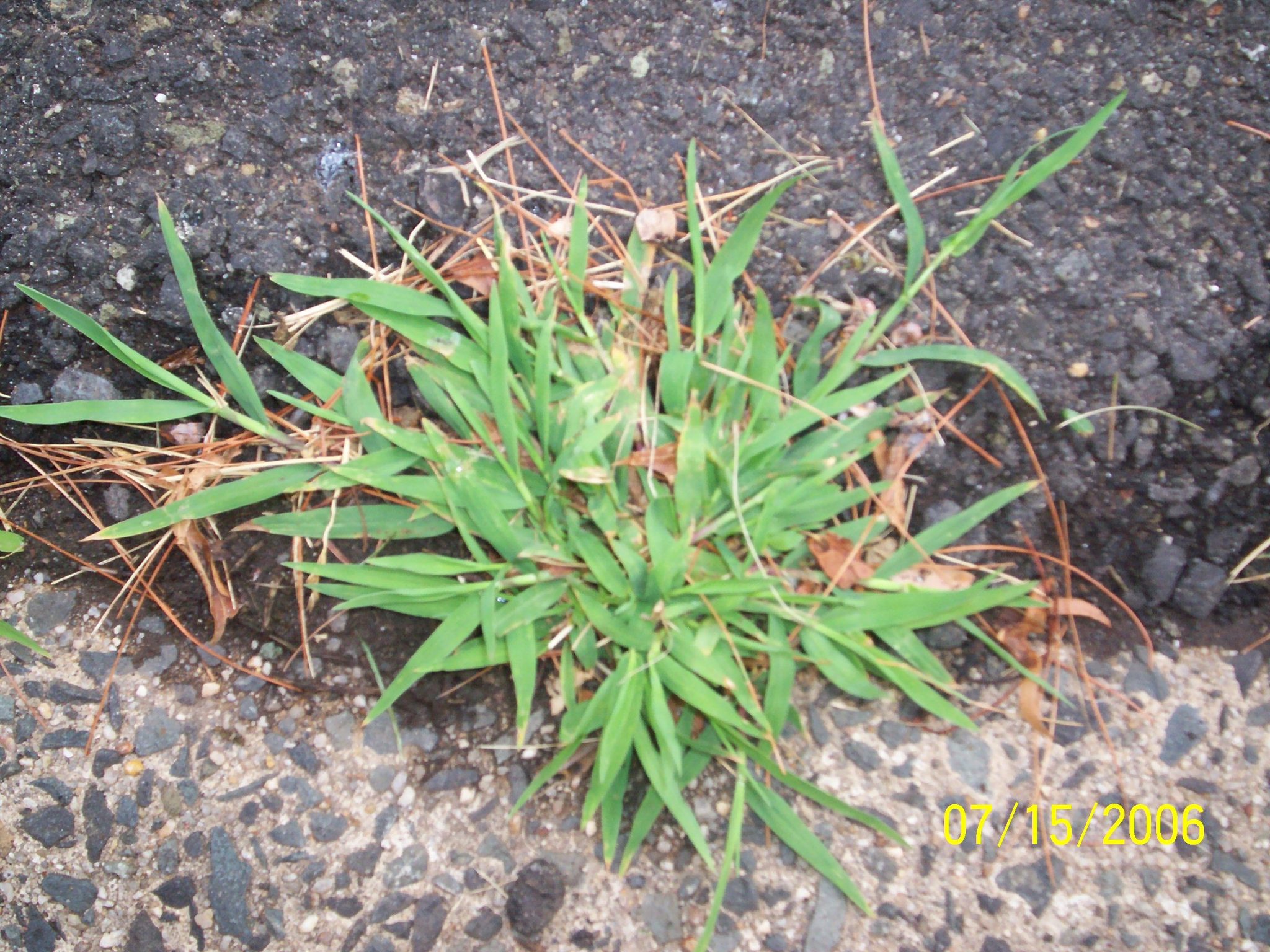
If you see low, spreading clumps with wide, coarse blades and sometimes purple-tinged stems, that typically points to crabgrass, not your regular lawn grass. Confirm by looking for the distinctive "starburst" shape at the base and finger-like seed heads that rise above the lawn in mid to late summer. If the plant pulls up easily in a single clump with a shallow root system, you are usually dealing with crabgrass, not perennial turf.
The fastest fix for existing crabgrass is a selective post-emergent herbicide labeled for grassy weeds in your specific turf type, applied when plants are young and actively growing. Avoid using non-selective products like straight glyphosate on the entire lawn, since they kill desirable grass as well as weeds and leave bare soil crabgrass will recolonize. Instead, spot spray crabgrass, then overseed thinned areas once the label allows so you replace weeds with dense turf.
In the longer term, apply a pre-emergent crabgrass preventer in early spring, just before soil reaches 55-60°F for several consecutive days, to stop new seedlings from emerging. Combine that with mowing your lawn at 3-4 inches for cool-season grasses or about 2-3 inches for warm-season grasses, and watering deeply but infrequently, so your turf shades the soil and competes better. With consistent pre-emergent use and improved lawn care practices, most homeowners see a major reduction in crabgrass within 1-2 years and near-complete control by year 3.
Crabgrass looks like a simple weed problem, but it behaves more like a long game of attrition. It is an annual grass that germinates each spring, grows aggressively in summer heat, and sets thousands of seeds before frost. Those seeds sit in the soil for years, ready to sprout as soon as conditions allow. That is why one bad summer of neglect can create a crabgrass problem that lasts several seasons.
Unlike your lawn grass, which you want to preserve, crabgrass thrives on disturbance, heat, and open soil. It loves thin turf, compaction, and drought stress. Once crabgrass plants mature, they are tougher to kill and can produce seed even if they are partially damaged. That is why the "best crabgrass killer" is rarely one bottle or one application. Effective control is a strategy that matches products, timing, and better lawn care practices to the weed's lifecycle.
Most homeowners searching for the best crabgrass killer fall into a few groups. Some need a quick fix for visible weeds in summer. Others are looking for pet safe options, or trying to avoid heavy chemical use. Many want to know if they can handle crabgrass themselves with DIY methods instead of hiring a lawn care company. This guide is designed to speak to all of those needs, while still being grounded in what actually works based on turf science.
We will cover the top crabgrass killer products by situation, including both pre-emergent and post-emergent options, plus selective and more natural approaches. We will unpack science backed DIY methods that do not rely only on chemicals, such as mowing, overseeding, and soil improvement. You will see how timing shifts by region, what to do each season, and how to prevent crabgrass from coming back year after year.
Before diving in, it is important to set realistic expectations and basic safety rules. Most crabgrass infestations are not solved in a single season and usually require multiple years of pre-emergent applications and lawn thickening. Always follow label directions on any herbicide, especially around children, pets, and sensitive grass species, and give products enough time to work before reapplying. With that in mind, let us look at what crabgrass is and why it is so persistent.
Understanding Crabgrass: Identification, Lifecycle, and Why It Keeps Coming Back
What Is Crabgrass? (And How It Differs from Your Lawn Grass)
Crabgrass is an annual warm season grassy weed, most commonly large crabgrass (Digitaria sanguinalis) and smooth crabgrass (Digitaria ischaemum) in home lawns. It grows as a low, spreading plant that sends out multiple stems from a central point, which often looks like a flattened rosette or starburst. Its growth pattern is very different from the upright, clumping or spreading growth of most turfgrasses used in lawns.
Compared to Kentucky bluegrass or fine fescue, crabgrass has much wider, coarser leaf blades. It often appears a lighter, lime green and feels rougher underfoot. Kentucky bluegrass has finer leaves and forms a dense sod through rhizomes. Tall fescue has a clumpier habit with longer, more upright leaves, while perennial ryegrass has shiny leaves and a more uniform growth pattern. In warm season lawns like bermuda or zoysia, crabgrass still tends to stand out as coarser, taller, and more open in structure.
Several features help confirm you are looking at crabgrass. The leaves are relatively wide and may have sparse hairs near the base. Stems can show a purplish coloration, especially near the soil line. As the plant matures, it produces seed heads that resemble multiple "fingers" or spikes radiating from the top of a stem, often rising above the surrounding lawn. These seed heads are a major clue in mid to late summer that you are dealing with crabgrass.
Misidentification is common, so it is worth being precise. Tall fescue clumps in a bluegrass lawn are sometimes mistaken for crabgrass because they are coarser and darker, but they do not have the same flat, sprawling pattern or finger-like seed heads. Goosegrass is another grassy weed that looks similar, but its stems tend to be more flattened and silver at the base. Foxtail has distinctive brushy seed heads rather than the open fingers of crabgrass. Nimblewill, a creeping perennial, is finer textured and often forms wiry mats rather than coarse rosettes. Correctly identifying the weed matters, because some products that kill crabgrass will not control those other species, and vice versa.
Crabgrass Lifecycle: The Secret to Choosing the Best Killer
Crabgrass is an annual, which means each individual plant lives only one growing season. It survives from year to year solely through its seed. Those seeds germinate in spring once the soil warms, grow vigorously through summer, produce seed in late summer and fall, then the plants die with the first hard frost. The seeds remain viable in the soil and can persist for several years.
Germination typically starts when soil temperatures at a depth of 1-2 inches reach roughly 55-60°F for several consecutive days. In many regions this aligns with forsythia bloom or early spring tree leaf-out, but a soil thermometer is more accurate than plant cues. Germination continues as soils warm into the 60s and 70s, with heavy flushes when conditions are moist and the soil surface is open and sunny.
Because crabgrass must start from seed each year, the most efficient control method is to prevent seedlings from emerging in the first place. Pre-emergent herbicides form a barrier in the upper soil layer that disrupts root development of germinating seeds. If applied before germination and properly watered in, they can dramatically reduce the number of new plants. This is why timing is critical. Applying a pre-emergent several weeks after soil has already been 60°F, when many seeds have already sprouted, will allow a strong first wave of crabgrass to escape control.
Each mature crabgrass plant can produce thousands of seeds, so letting a patch run to seed in late summer can significantly replenish the soil seed bank. That is why crabgrass control is often a multi-year effort. Even if you stop new seeds this year, old seeds may still emerge next spring. This is also why mowing and post-emergent control aimed at seed producing plants can still help even late in the season, by preventing replenishment of the seed bank.
How Crabgrass Takes Over Your Lawn
Crabgrass does not typically invade dense, healthy turf on its own. It takes advantage of weaknesses in the lawn. Thin areas, bare patches, compacted soil along sidewalks or driveways, and drought stressed turf are all prime sites where crabgrass tends to appear. Its seeds need light and open soil contact to germinate well, so any place where you see bare dirt or very sparse grass is a risk zone.
Mowing height plays a major role in crabgrass pressure. When lawns are cut too short, under about 2.5 inches for cool season grasses, more light reaches the soil surface and promotes crabgrass germination. Short mowing also stresses the desirable turf, making it less competitive. Raising mowing height to 3-4 inches for cool season lawns and around 2-3 inches for many warm season lawns allows your grass to shade the soil and develop deeper roots, which in turn helps it outcompete crabgrass seedlings.
Irrigation patterns can either favor or suppress crabgrass. Frequent, shallow watering encourages shallow rooted weeds and weak turf roots. Deep, infrequent watering that delivers about 1-1.5 inches per week in the growing season encourages deeper roots in your lawn and dries out the surface more between waterings. This pattern tends to give desirable grass a competitive edge while making surface conditions less favorable for crabgrass. One hot, dry summer where the lawn is not watered and thins out badly often results in a surge of crabgrass that can be seen for years, because that stress opens space and triggers more of the seed bank to germinate.
Types of Crabgrass Control: Pre-Emergent vs Post-Emergent vs Non-Chemical
Pre-Emergent Crabgrass Killers: Stopping It Before It Sprouts
Pre-emergent herbicides are the backbone of most crabgrass control programs. They work by forming a chemical barrier in the upper inch or so of soil that affects newly germinating seeds. Many pre-emergents inhibit root growth so seedlings cannot establish. When applied at the correct time and rate, they can prevent a high percentage of crabgrass seeds from ever becoming visible plants.
Common active ingredients for pre-emergent crabgrass control in home lawns include prodiamine, dithiopyr, and pendimethalin. Some products are sold as straight herbicides, while others are combined with fertilizer in "crabgrass preventer" or "weed and feed" formulations. The herbicide component needs to be applied before crabgrass germination and then watered in with about 0.25 to 0.5 inches of irrigation or rainfall to activate the barrier in the soil zone where seeds are germinating.
Pre-emergents have clear pros and cons. On the pro side, they stop most of the problem before it starts, reduce the need for repeated spot treatments, and keep lawns looking cleaner throughout the summer. Visual damage to existing turf is minimal or absent when used correctly, since they target germinating seeds rather than established grass. On the con side, timing is critical, and missing the window can reduce effectiveness. Many pre-emergents also affect desirable grass seed, so they cannot be used in areas where you plan to overseed or repair bare spots right away. Their barrier effect gradually breaks down over time, so long season regions may need split applications.
The best use cases for pre-emergent crabgrass killers are lawns with a known history of crabgrass, large properties where hand removal is impractical, and homeowners who prefer preventive maintenance to emergency fixes. If your lawn is generally healthy but you see crabgrass in the same hot, sunny areas every year, a pre-emergent targeted to those zones in early spring can dramatically cut your workload later in the season.
Post-Emergent Crabgrass Killers: What to Use Once It Is Visible
Post-emergent herbicides are used on crabgrass that has already emerged and is actively growing. These products are typically selective, meaning they are designed to kill certain grassy weeds like crabgrass while leaving desirable turfgrass relatively unharmed when used as directed. They are an essential tool when pre-emergents are missed, when some crabgrass "breaks through," or when you move into a property that already has a heavy infestation.
Common active ingredients for post-emergent crabgrass control include quinclorac, fenoxaprop, mesotrione, and topramezone, often in combination with other broadleaf herbicides. Some are labeled primarily for cool season grasses like Kentucky bluegrass, fescue, and ryegrass, while others can be used safely in some warm season lawns. Always check the label to confirm your grass type is listed as tolerant and crabgrass is listed as controlled.
The pros of post-emergent crabgrass killers are clear: you can see what you are treating, spot treat only affected areas, and use them even if you missed the pre-emergent window. Many will show visible yellowing or decline in crabgrass within 5-10 days when applied under the right conditions. The cons are that multiple applications are often needed, especially on mature crabgrass with multiple tillers, and effectiveness is highly temperature dependent. Many products work best when daytime highs are between about 65 and 85°F. Spraying in cold or very hot conditions can reduce results or increase turf injury.
You would choose post-emergent control over pre-emergent in several scenarios. If crabgrass is already well established when you notice it, the pre-emergent window has passed, so a post-emergent is required. If you need to seed or overseed an area in spring or fall, pre-emergents can interfere with desirable seed germination, so you might rely on post-emergent control later instead. Post-emergents are also helpful for spot treating along sidewalks, driveways, and thin patches where crabgrass shows up despite a general pre-emergent treatment.
Non-Chemical & Organic-Oriented Approaches
For homeowners who want to minimize synthetic herbicide use, or those dealing with small areas, non-chemical and organic oriented methods can play a significant role. While they rarely provide complete control by themselves in a heavily infested lawn, they are valuable components of an integrated plan and are essential for long term prevention.
Physical removal is the most direct non-chemical option. Hand pulling or using a weeding tool to remove crabgrass plants, roots and all, can be very effective for individual clumps or small patches. It works best when the soil is moist and plants are young, before they have produced seed. If you see crabgrass starting to flower and set seed, removing and bagging those plants can prevent thousands of seeds from entering the soil. For severe infestations, removal may need to be combined with overseeding and soil improvement to prevent the area from simply being recolonized.
Smothering and overseeding strategies aim to replace crabgrass with dense turf. For example, in a thin, sunny area that fills with crabgrass each summer, you might scalp and remove existing weeds at the end of the season, rough up the soil, and overseed with a high quality grass mix suited to your region. Applying a thin layer of compost or using a light straw mulch can help protect the seed and shade the soil. Over time, a thick stand of turf will reduce the open soil space crabgrass needs to germinate.
Corn gluten meal is often marketed as a natural pre-emergent weed control. It does have some pre-emergent activity, but realistic expectations are essential. It must be applied at relatively high rates, around 20 pounds per 1,000 square feet, watered in and then allowed to dry. Research has shown inconsistent results, and its effectiveness is highly dependent on timing and environmental conditions. It also adds nitrogen to the lawn, which can promote both turf and weed growth. If you choose to use corn gluten meal, treat it as a supplemental tool, not a stand alone crabgrass killer.
Ultimately, soil health and cultural practices function as biological herbicides by making your lawn a hostile environment for crabgrass. Aeration to relieve compaction, balanced fertilization, proper mowing height, and irrigation that supports deep roots all tilt the competition in favor of desirable turf. Over time, a dense, vigorous lawn is the most "organic" crabgrass control method available.
Best Crabgrass Killer Products: Top Picks by Situation
How to Choose the Best Crabgrass Killer for Your Lawn
Choosing the best crabgrass killer: top products & DIY methods for your specific lawn starts with one key question: what grass do you have? Cool season grasses like Kentucky bluegrass, perennial ryegrass, and tall fescue tolerate different herbicides than warm season grasses like bermuda, zoysia, centipede, or St. Augustine. Some active ingredients that are safe on cool season turf can severely injure or kill certain warm season species. If you are unsure, use a guide on identifying your grass type or contact your local extension office before purchasing a product.
Next, consider the size and severity of the infestation. If you have a few scattered patches, a small bottle of ready to spray post-emergent herbicide for spot treatments may be all you need. For larger areas, a granular pre-emergent applied with a spreader is more efficient. Also factor in whether you plan to seed or overseed. If you intend to seed within the next 8-12 weeks, many pre-emergents will not be appropriate, and you may need to adjust timing or choose a product labeled as safe for use at or near seeding, such as mesotrione in some cool season situations.
Safety and environmental concerns are also decision factors. If you have children and pets using the lawn, look for products that list clear re-entry times, often once sprays have dried or granules have been watered in and the lawn has dried. Some homeowners prefer herbicides with lower use rates or newer active ingredients that degrade more quickly in the environment. For a lower input approach, you might combine a smaller, targeted herbicide program with non-chemical methods like overseeding and soil improvement, rather than relying entirely on products.
Top Pre-Emergent Crabgrass Killers (and When to Use Them)
Among pre-emergent options, prodiamine based products are popular for long residual control. They are often sold as professional grade concentrates or as granular products blended with fertilizer. Prodiamine is effective on crabgrass and many other annual grassy weeds and can provide several months of control when applied at the labeled rate. It is best used when you do not plan to seed for at least several months, as it can interfere with grass seed germination.
Dithiopyr is another widely used pre-emergent that not only prevents crabgrass germination but also provides early post-emergent control on very young crabgrass seedlings. This makes it a good choice if you are slightly late with your application, since it has some "reach back" activity. It is commonly found in retail crabgrass preventers. Like other pre-emergents, it must be applied before or very early in the germination window and watered in to be effective.
Pendimethalin is an older active ingredient still found in some combination products. It is effective on crabgrass but tends to have a somewhat shorter residual than prodiamine, which can be an issue in longer growing seasons. For homeowners in regions with extended summers, split applications can help maintain control, such as applying half the recommended annual rate in early spring and the other half 6-8 weeks later, following label instructions.
The best time to use pre-emergent products is early spring, when soil temperatures are approaching 55°F but before they have been consistently above 60°F for several days. In practical terms, this is often late March to mid April in many northern states, and late February to early March in parts of the South, but local conditions vary. Using a soil thermometer or watching local soil temperature reports is more accurate than relying on the calendar alone. If your region experiences very long summers, a second, lighter application may be needed to maintain control into late summer.
- Penn State Extension recommends applying crabgrass pre-emergent when soil temperatures reach about 55°F at a 2 inch depth for several days, and cautions that waiting until after crabgrass has emerged will significantly reduce effectiveness.
Top Post-Emergent Crabgrass Killers (and How to Apply Them)
For post-emergent control, quinclorac based products are a common choice on cool season lawns. Quinclorac is selective for many turfgrasses and controls crabgrass at various stages of growth, especially when plants are still relatively young and actively growing. It is often mixed with surfactants to improve leaf penetration and may be combined with broadleaf herbicides in retail products labeled as "crabgrass and weed killer." It can cause temporary discoloration in some turf types, so checking the label for your specific grass is important.
Fenoxaprop is another active ingredient effective on crabgrass in cool season lawns. It is often marketed under specialty product names and may have more specific use sites or application intervals. Some formulations have restrictions on use in newly seeded turf or in high temperatures, so label timing guidance must be followed. In warm season lawns, specialized products containing topramezone or other newer actives may be labeled for crabgrass control in certain species like bermuda or zoysia, but not in more sensitive species like St. Augustine or centipede.
Mesotrione is somewhat unique in that it can be used both as a pre-emergent and post-emergent on certain cool season grasses and is sometimes used at seeding. It can provide suppression of crabgrass seedlings while allowing desirable grass to establish, particularly in Kentucky bluegrass and perennial ryegrass. Its use is more specialized and it can cause temporary whitening of turf, but it is useful for projects that combine seeding and weed suppression.
Applying post-emergent herbicides correctly is as important as choosing the right product. Most labels specify that crabgrass should be treated when it has 1-3 tillers, often when plants are 2-4 inches in diameter, for best results. Older, heavily tillered plants are harder to control and may require repeat applications 10-14 days apart. The lawn should not be stressed at the time of treatment, so avoid spraying during drought, extreme heat, or right after mowing. A good rule of thumb is to avoid mowing 1-2 days before and after application to maximize leaf area for uptake and minimize mechanical removal of treated tissue.
Pet-Safe and Low-Input Options
For households with pets, one of the most common questions is how to balance effective crabgrass control with safety. Most lawn herbicides are considered safe for pets once they have dried on the leaf surface or been watered in and the lawn has dried, but that still means planning applications when you can keep pets off the treated area for several hours. Ready to spray spot treatments allow targeted use in areas where pets do not spend most of their time, which reduces overall exposure.
If you prefer to minimize synthetic herbicides, a low-input program might focus on a single, well timed pre-emergent application in the highest risk areas, combined with non-chemical methods elsewhere. For example, you might treat only the sunny front lawn and along sidewalks with pre-emergent, then rely on hand pulling and overseeding in the backyard where pets play. Organic fertilizers and compost can be used to build soil health and support turf vigor, which indirectly suppress crabgrass.
Another pet conscious approach is to choose herbicides with shorter soil persistence and lower use rates. Some newer actives are applied at grams per 1,000 square feet rather than ounces or pounds, which reduces the total chemical load. Always read the "precautionary statements" and "re-entry" instructions on the label and follow them strictly. If you remain uncertain, err on the side of using physical control and lawn renovation in the highest use areas.
DIY Methods: Step-by-Step Crabgrass Control Without Wasting Time or Money
Step 1: Confirm It Is Really Crabgrass
Before spending money on crabgrass killer products, confirm that the weed you are fighting is actually crabgrass. If you see coarse, low growing plants radiating from a central point, with wide blades and sometimes a purplish base, you most likely have crabgrass. In mid to late summer, look for those characteristic finger-like seed heads. If the weed forms tight clumps with very tall leaves and no starburst base, you may be dealing with tall fescue or another species instead.
If you are unsure, take a clear close up photo of the plant, including the base and seed heads if present, and compare it to reliable extension resources or bring a sample to your local garden center. Correct ID affects which products will work. For example, some broadleaf weed killers have no impact on crabgrass at all, and some grassy weed killers will not control goosegrass or nimblewill. Spending a few minutes on identification can save weeks of frustration.
Step 2: Time Your Pre-Emergent Application
If you have had crabgrass in past years, plan on a pre-emergent application in early spring. Use a soil thermometer inserted 2 inches deep in a sunny area of your lawn. Once average soil temperatures are approaching 55°F and before they have been consistently above 60°F for several days, apply your chosen pre-emergent at the labeled rate. For most products, this timing aligns with early leaf-out of trees and blooming of forsythia in many regions.
Spread granular products evenly using a calibrated broadcast spreader. Follow the label for the correct pound per 1,000 square feet setting. Immediately after application, water the lawn with about 0.25 to 0.5 inches of irrigation to move the herbicide into the upper soil layer. If rain is forecast within a day, you may allow that to do the work for you, but relying on a known irrigation depth is more predictable. Avoid disturbing the soil with raking or core aeration after application, as this can break the barrier and reduce control.
Step 3: Spot Treat Breakthroughs with Post-Emergent
Even with a well timed pre-emergent, some crabgrass may break through, especially along borders, in thin areas, or where the product was not applied evenly. Begin scouting the lawn in late spring and early summer. If you see small crabgrass plants, treat them early with a selective post-emergent labeled for your turf. Follow the label mix rates and add any recommended surfactant to improve adhesion to the leaf surface.
Spray on a calm day with temperatures in the recommended range, typically 65-85°F, and ensure the foliage is dry. Do not mow for 1-2 days before treatment so there is enough leaf area to absorb the herbicide. After application, avoid watering or rainfall for at least 24 hours unless the label specifies otherwise. Check treated areas after 7-10 days. If plants are only partially injured, a second application may be needed after the interval specified on the label, often 10-14 days.
Step 4: Overseed and Repair Thin Areas
Crabgrass thrives in thin, bare spots, so repairing these areas is central to any DIY crabgrass control plan. For cool season lawns, early fall is usually the best time to overseed, when soil is warm, air temperatures are cooler, and weed pressure is lower. For warm season lawns, late spring to early summer can be appropriate, depending on the species. Choose a high quality grass seed blend matched to your region and existing turf type. Timing that repair alongside the season's other jobs is easier with a fall lawn care schedule and checklist.
Before seeding, loosen the top half inch of soil with a rake or dethatching tool, remove debris, and level low spots. Spread seed at the rate recommended on the bag, often in the range of 3-5 pounds per 1,000 square feet for overseeding, then lightly rake to ensure good soil contact. Water lightly but frequently to keep the top layer consistently moist until germination and early establishment. Once new grass reaches mowing height, gradually shift to deeper, less frequent watering. Note that if you used a strong pre-emergent in spring, you may need to delay seeding until the label indicates it is safe.
Step 5: Adjust Mowing and Watering to Favor Turf
Adjusting mowing and irrigation practices is a DIY step that costs little but dramatically affects crabgrass pressure. Set your mower to the highest recommended setting for your grass type, typically 3-4 inches for cool season lawns and around 2-3 inches for many warm season species. Mowing high increases leaf area for photosynthesis, helps shade the soil surface, and encourages deeper roots. Avoid cutting off more than one third of the grass blade at a time to reduce stress.
Water deeply and infrequently instead of shallow, frequent watering. Aim for about 1-1.5 inches of total water (rain plus irrigation) per week during active growth. Use a rain gauge or a tuna can test to measure how much water your sprinklers deliver in 15-20 minutes, then adjust run times accordingly. This pattern encourages turf roots to grow deeper, making your lawn more drought tolerant and less prone to thinning that would invite crabgrass.
Seasonal Timing: When to Attack Crabgrass in Different Regions
Cool-Season Regions (North, Midwest, Upper Northeast)
In cool season regions, the main lawn grasses are Kentucky bluegrass, perennial ryegrass, and tall fescue. Crabgrass is a warm season annual that germinates as these grasses are greening up in spring. The key timing window for pre-emergent application is typically from late March to mid April, depending on local temperatures. Use soil temperature as your guide rather than the calendar alone, aiming for application before soil stays above about 60°F.
Post-emergent crabgrass sprays are most effective from late May through early July, when crabgrass is small and actively growing. If you apply too early, before much has germinated, you may miss later seedlings. If you apply too late, when plants are large and tillered, control becomes more difficult. Overseeding and lawn repairs are best done in early fall, from late August through September, when soil is still warm but air temperatures are cooler and crabgrass is declining.
Transition Zone and Warm-Season Regions (Mid-South, Southeast, Southwest)
In the transition zone and warm climates, many lawns are bermuda, zoysia, centipede, or St. Augustine. These warm season grasses green up later in spring and grow most vigorously in summer, overlapping more with crabgrass. Soil warms earlier, so the pre-emergent window shifts earlier as well. In many areas, pre-emergent should be applied from late February to mid March, again targeting the 55°F soil temperature threshold.
Post-emergent control in warm season lawns is more complex because some crabgrass killers for cool season turf are not safe for warm season species. You must choose products labeled specifically for your grass type. Applications are usually made from late spring through mid summer when crabgrass is small and the turf is actively growing. For warm season grasses, summer is also prime time for renovation and thickening, so combining targeted crabgrass control with fertilization and proper mowing can help your turf spread and fill in thin spots.
In very hot regions, it is essential to avoid spraying herbicides during extreme heat or drought stress. Applying during milder periods in the morning or evening, when temperatures are lower than midday highs, helps reduce turf injury and improve efficacy. Fall overseeding with cool season grasses into warm season lawns, which is common in some southern regions for winter color, must be coordinated with pre-emergent timing so that the new seed can establish.
- Contact your local extension office for region specific crabgrass control calendars that match your climate and lawn grass type.
Long-Term Prevention: Building a Lawn that Resists Crabgrass
Soil Health and Fertility
Long term crabgrass control depends heavily on soil health. Compacted, low fertility soils encourage thin, weak turf that cannot hold its ground against aggressive weeds. Conducting a soil test every 3-4 years provides data on pH and nutrient levels. If your soil is too acidic or alkaline for your grass type, or if key nutrients like phosphorus or potassium are deficient, correcting those imbalances will support stronger turf growth.
Core aeration once a year or every other year in compacted lawns helps increase air and water movement into the soil and promotes deeper rooting. Combining aeration with topdressing using a thin layer of compost and overseeding can rapidly improve soil structure and turf density. Balanced fertilization, using either synthetic or organic sources, at the correct rates and times for your grass type, ensures that your lawn has enough nutrients to grow thick and competitive.
Mowing, Watering, and Traffic Management
As mentioned earlier, mowing at the correct height is a powerful, underused weed control tool. Maintaining a higher cut reduces light at the soil surface, which crabgrass needs for germination. If your mower has a habit of scalping uneven areas, consider leveling those spots or raising the deck slightly to avoid exposing soil. Keeping mower blades sharp reduces tearing and stress, which also contributes to a healthier, denser stand of turf.
Water management should aim to reduce stress while avoiding excessive surface moisture. Deep, infrequent irrigation, combined with avoiding watering at night in humid climates, reduces the conditions favorable for both weeds and disease. Managing foot traffic by rotating play areas, using stepping stones, or adding mulch paths in heavy use zones prevents constant compaction and wear that thin the grass and invite crabgrass.
Integrating Pre- and Post-Emergent with Cultural Practices
The most resilient crabgrass control plans integrate herbicides with improved lawn care, rather than relying on one or the other exclusively. A typical multi year strategy in a cool season lawn might look like this: Year 1, apply a well timed pre-emergent, spot treat crabgrass escapes, and begin raising mowing height and improving watering habits. In early fall, core aerate, overseed, and fertilize based on a soil test. Year 2, repeat pre-emergent in spring, with possible reduced rates in areas where turf has thickened, and continue to spot spray escapes. Overseed again in any remaining thin zones. By Year 3, many lawns see only scattered crabgrass that can be managed mostly with cultural practices and occasional spot treatments.
In warm season regions, the pattern may shift. Spring pre-emergent is followed by active summer fertilization and proper mowing to encourage bermuda or zoysia to fill in. Post-emergent spot treatments are used as needed, but the focus is on helping the desired grass spread and create a dense canopy. Over time, the need for heavy herbicide use declines as the lawn itself suppresses crabgrass.
What Other Guides Miss: Common Mistakes to Avoid
Many online guides focus heavily on listing products but gloss over key pitfalls that determine whether those products work. One common mistake is missing the soil temperature window for pre-emergent application. Applying "sometime in spring" without checking temperatures often means treatment goes down after a significant flush of crabgrass has already germinated. Verify timing with a soil thermometer or local extension guidance rather than the calendar alone.
Another frequent oversight is not matching products to grass type. Using a crabgrass killer labeled only for cool season grasses on a warm season lawn like St. Augustine or centipede can cause serious injury. Always confirm that your turf species appears under the "tolerant" or "safe for use on" list, not just that crabgrass is listed as a "weed controlled." If you are unsure of your grass species, take the time to identify it accurately before purchasing herbicides.
A third mistake is expecting a single treatment to solve a multi year seed bank problem. Even the best crabgrass killer products will not eliminate years of accumulated seed in one season. If you see some crabgrass later in the year despite a spring pre-emergent, this does not necessarily mean the product "failed." It may indicate that coverage, timing, or residual length was not perfect, or simply that the existing seed bank is heavy. The fix is to adjust application practices and stick with the program for multiple seasons while building turf density.
Finally, many guides underemphasize the importance of mowing height and lawn density. If you continue mowing too short and allowing bare spots, crabgrass control will always feel like a losing battle. Think of herbicides as tools that buy your turf time and space to fill in. Without the cultural side of the program, you will likely end up in a cycle of repeated spraying with diminishing returns.
Conclusion: Turning Crabgrass Control Into a Long-Term Win
Crabgrass is persistent because its biology is perfectly tuned to exploit stressed, open lawns and warm summer weather. It is not a sign that your lawn is doomed, but it is a clear indicator that timing, turf density, or cultural practices need adjustment. The real "best crabgrass killer: top products & diy methods" approach combines a correctly timed pre-emergent, targeted post-emergent for visible plants, and steady improvements in mowing, watering, and soil health.
If you confirm crabgrass by its coarse texture and sprawling habit, start with a soil temperature based pre-emergent schedule, then back it up with spot treatments and overseeding where the lawn is thin. Expect meaningful improvement within a season or two and near dominance over crabgrass within about three years of consistent practice. For the next step in strengthening your lawn against weeds of all types, check out our guide on fall fertilizer timing and overseeding strategies so you can build a thicker, more resilient turf that naturally keeps crabgrass in check.
Top Picks
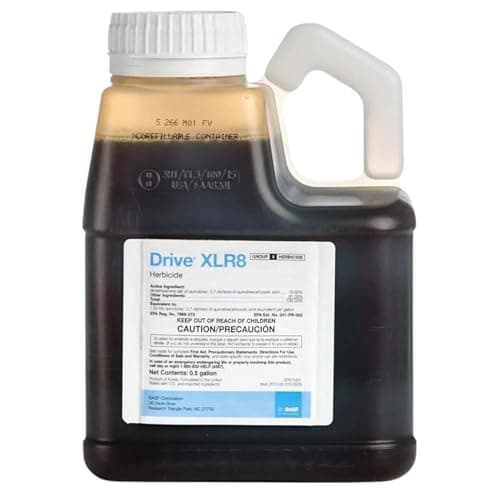
 BASF Drive XLR8 Crabgrass KillerCheck price on Amazon
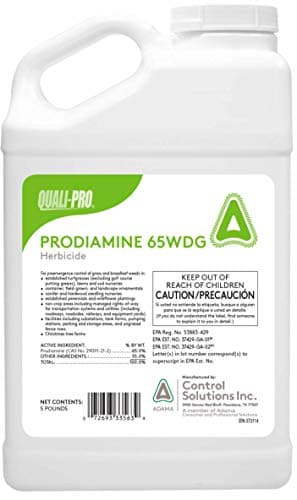
 Prodiamine 65 WDG (Generic Barricade)Check price on Amazon
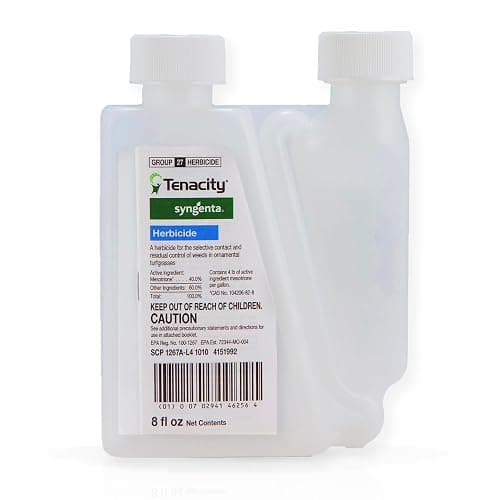
 Tenacity Turf Herbicide 8 ozCheck price on Amazon
As an Amazon Associate we earn from qualifying purchases.
Free Lawn Care Tools
Crabgrass is an annual warm season grassy weed, most commonly large crabgrass (Digitaria sanguinalis) and smooth crabgrass (Digitaria ischaemum) in home lawns. It grows as a low, spreading plant that sends out multiple stems from a central point, which often looks like a flattened rosette or starburst. Its growth pattern is very different from the upright, clumping or spreading growth of most turfgrasses used in lawns.
With a properly chosen selective post-emergent herbicide, visible crabgrass usually starts to decline within 7–14 days. The key is to spray when plants are young and actively growing, then give the product enough time to work before reapplying. Mature plants are tougher to kill, so early treatment in late spring or early summer gives the best results.
The ideal time is early spring, just before crabgrass seeds start to germinate. Apply when soil temperatures reach roughly 55–60°F for several consecutive days. Hitting this window blocks new seedlings before they emerge, which is crucial for reducing crabgrass pressure each year.
Most lawns need 2–3 seasons of consistent pre-emergent use and overseeding to significantly reduce crabgrass. Many homeowners see a major reduction within 1–2 years and near-complete control by year 3. Because crabgrass seeds can sit in the soil for years, staying consistent is more important than any single application.
Raising your mowing height, watering deeply but infrequently, and thickening bare spots all help crowd out crabgrass. For cool-season grasses, aim for a mowing height of 3–4 inches; for warm-season grasses, about 2–3 inches works well. Keeping the lawn dense and healthy shades the soil, reduces open spaces, and makes it harder for crabgrass to establish.
Blanket applications of weed and feed or non-selective herbicides over the entire lawn are not recommended for crabgrass control. Non-selective products like straight glyphosate kill desirable grass along with weeds, leaving bare soil that crabgrass can quickly recolonize. A better approach is to use a selective post-emergent for spot treating crabgrass and then overseed any thinned areas so healthy turf fills in.
Photos: Christopher Machicoane-Hurtaud / Unsplash, Q. Hưng Phạm / Pexels, David Brown / Pexels

Beat weeds and brown spots from your phone
Snap a photo, get the fix, and follow a plan timed to your soil and weather. Free on iPhone.