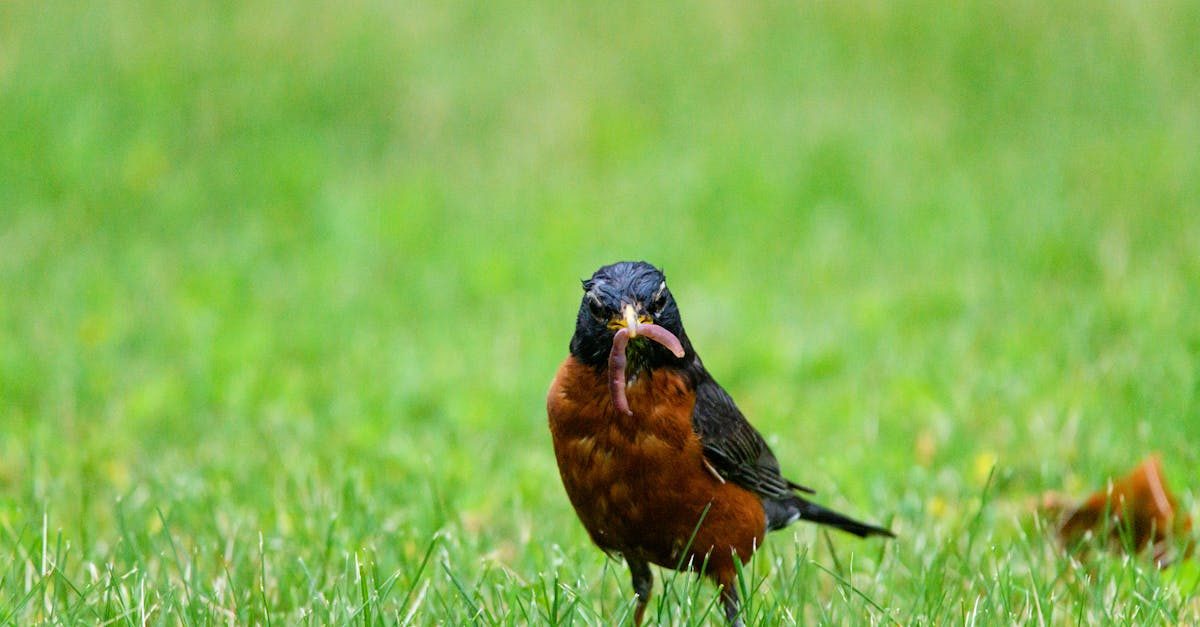
How to Deal with Earthworm Castings
 Sarah MitchellLawn Diagnostics Specialist | 12 Years
As an Amazon Associate we earn from qualifying purchases.
Earthworm castings on a lawn signal two things at once: highly active, healthy soil biology, and a surface that can feel lumpy, messy, and hard to mow. Homeowners generally want to know how to deal with earthworm castings without killing worms or sacrificing turf quality. This guide explains exactly that.
This article defines what earthworm castings are, explains why worms benefit your lawn, and then shows how to manage the downside: the muddy piles that cover turf, clog mower decks, and create bumpy footing. You get fast clean-up tactics, long-term soil and turf strategies, and clear thresholds for when to intervene versus when to simply accept castings as part of a healthy lawn.
If you later want deeper dives into related issues, see topics like How to Get Rid of Worms in Lawn, How to Level a Bumpy Lawn, and How to Improve Clay Soil for Grass. Those cover broader soil and grading work. Here, the focus stays on how to deal with earthworm castings in a targeted, research-based way.
If you notice small, dark, crumbly piles on your lawn after a rainy night, you're likely dealing with earthworm castings. These castings are a sign of healthy soil, as worms improve aeration and nutrient cycling. To confirm, check that the piles are 0.5 to 2 inches wide and coincide with moist conditions, which lure worms to the surface.
To manage earthworm castings without harming your lawn, start by regularly mowing your grass at a higher setting, around 3 inches, to minimize visibility. Use a lawn roller to flatten larger castings, ideally during spring and fall when worm activity peaks. Expect improvements in lawn smoothness within a few weeks, while maintaining a balance that supports soil health.
Understanding Earthworm Castings and Their Impact
What Are Earthworm Castings?
Earthworm castings are the digested mix of soil particles, organic matter, and microorganisms that pass through a worm’s gut and exit as small pellets or coils on the soil surface. In simple terms, castings are worm poop made from your soil and organic debris.
On lawns, castings usually appear as:
- Small, cone-shaped or crumbly piles, 0.5 to 2 inches across
- Muddy or granular in texture, especially after rain or irrigation
- Dark in color, often darker than the surrounding soil
They are most visible when the grass is short or when moisture brings worms to the surface. After a rainy night in spring or fall, a lawn can show hundreds or thousands of tiny piles seemingly overnight.
According to Penn State Extension, turfgrass soils often host several functional groups of earthworms:
- Epigeic (surface-dwelling) species that live in thatch and upper soil and generate many surface castings.
- Endogeic (topsoil burrowers) that move horizontally and vertically in the top 6 to 12 inches, mixing soil and organic matter.
- Anecic (deep burrowers) that create vertical burrows several feet deep and pull surface litter into those burrows.
Most problematic lawn castings come from surface-dwelling and shallow-burrowing species that feed near the top 2 to 3 inches of the profile.
Why Earthworms Are (Mostly) Good for Your Lawn
Before you fight the castings, it helps to remember why the worms making them are worth keeping. Active earthworms are one of the clearest signs of healthy soil: they aerate the profile, improve drainage and water infiltration, cycle nutrients into a natural slow-release fertilizer, and break down thatch, all of which build stronger, more drought-tolerant turf over time. That is why the goal here is to manage the surface mess, not kill the worms.
For the full breakdown of how worms build better soil, and whether they eat grass, see our companion guide on why earthworms are good for your lawn.
The Downsides: Why Earthworm Castings Can Be a Problem
Despite all those benefits, earthworm castings create specific surface and appearance problems that many homeowners and grounds managers want to control.
1. Aesthetic issues
On a uniform lawn, the scattered, muddy piles can look messy or dirty. The contrast is particularly obvious on:
- Fine turf species such as bentgrass or low-cut fine fescue
- Golf tees, fairways, and greens
- Showpiece home lawns cut at 1 to 2 inches
As castings dry, they can look like tiny clumps of soil or rough "pimples" on the lawn surface. For many homeowners, this conflicts with the goal of a clean, smooth, manicured appearance.
2. Functional and mowing problems
Castings interfere with routine mowing when they are abundant:
- They create a bumpy ride and irregular cutting height.
- High piles cause mower scalping, which injures the grass crown and leaves brown patches.
- Wet castings smear and pack down into the turf, contributing to surface compaction.
- Excess soil on the blades and deck accelerates wear and requires more frequent cleaning.
On sports fields and heavily used lawns, compacted smears of soil from castings can eventually form a thin crust that reduces infiltration, offsetting some of the structural benefits from worm channels below.
3. Safety and playability concerns
On sports turf, particularly soccer and football fields, heavy casting can create slippery conditions when wet. These surfaces increase the risk of slips and falls and interfere with ball roll. For golf courses, castings on putting greens and fairways disrupt ball roll and are considered unacceptable.
In home lawns, safety issues are usually minor, but in high-traffic zones like kids' play areas or heavily used walkways, wet castings underfoot feel slick and messy.
4. When the downsides outweigh the benefits
The practical threshold for concern is different for each site. In general, heavy earthworm casting is a significant problem when:
- You maintain grass at less than about 1.5 inches and need a smooth, uniform surface.
- You manage a high-traffic play lawn or sports area where footing and ball performance matter.
- You have fine ornamental lawns, formal gardens, or display properties where visual perfection is a core goal.
For many typical residential lawns cut at 2.5 to 4 inches, light to moderate casting is mainly a cosmetic annoyance and can usually be managed with simple practices rather than aggressive control.
Earthworm Mounds and Holes in Your Lawn
A lot of people search for earthworm mounds, earthworm holes in lawn, or small bumps that appear out of nowhere, and what they are usually seeing is the same earthworm castings in lawn turf described above. The little raised piles are the mounds, and the tiny openings beside them are the burrow entrances worms use to travel between the surface and the soil below. When castings dry and crumble away, those open burrows can leave behind pencil-thick holes scattered across the lawn.
These earthworm mounds and holes are almost always harmless. Unlike grub damage or animal digging, the turf around them stays rooted and green, and the holes are small, vertical, and clean rather than torn or collapsed. If you press a finger into the soil next to a mound, you will usually feel a firm, intact root zone, which confirms worms are the cause rather than a pest.
You do not need to fill the holes or flatten every mound. Once worm activity slows in summer heat or winter cold, the surface settles on its own, and the burrows actually help water and air reach grass roots. If the bumps bother you, wait for the castings to dry, then drag a stiff broom or leveling rake across the area to knock the mounds back into the turf, which smooths the surface without harming the worms below.
Why Earthworm Castings Make a Bumpy Lawn
The most common complaint behind searches for earthworms and a bumpy lawn is simple: hundreds of small castings, each one a little mound of soil, add up to an uneven, lumpy surface. On their own, individual piles are tiny, but when worms are casting heavily across the whole lawn in spring and fall, the cumulative effect is a bumpy lawn that feels rough underfoot and rides unevenly under the mower.
Two things make the bumpiness worse over time. First, mowing or walking over wet castings smears and packs them into the turf canopy instead of letting them weather away, which builds up small hardened lumps. Second, repeated heavy casting on top of an already uneven grade exaggerates every existing low and high spot. So a lawn that was slightly uneven to begin with can feel noticeably more bumpy once earthworm castings accumulate on the surface.
The fix for a bumpy lawn caused by castings is the same toolkit covered throughout this guide: let castings dry before dispersing them, raise your mowing height, and use light topdressing plus aeration over a season or two to even out the surface. If the unevenness clearly comes from grading rather than castings, How to Level a Bumpy Lawn covers the heavier leveling work.
Are Earthworms Good or Bad for Your Lawn?
On balance, earthworms are good for your lawn, not bad. The worms themselves aerate soil, improve drainage, cycle nutrients, and break down thatch; it is only the surface castings they leave behind that are sometimes a cosmetic or mowing nuisance. There is no such thing as a harmful earthworm infestation, so the honest answer is to keep the worms and simply manage the mess on top. For the full case on their soil benefits, see why earthworms are good for your lawn.
Diagnosing Earthworm Casting Problems Properly
Confirming You Are Dealing with Earthworm Castings (Not Pests)
Before planning how to deal with earthworm castings, confirm that the piles really come from worms and not from ants, moles, or other soil-disturbing pests. Misdiagnosis leads to wasted effort and, in some cases, unnecessary pesticide use.
Use these diagnostic cues.
1. Visual appearance
- Earthworm castings appear as small, irregular, crumbly or coiled piles, typically 0.5 to 1 inch tall and wide. They are usually moist and dark right after formation.
- Ant mounds tend to be drier, more granular, often with a central hole. They can be flatter or slightly volcano shaped, and the material is usually a bit coarser or sandier than worm castings.
- Mole hills are much larger, 4 to 12 inches across and several inches high, with more soil volume and a rough, conical heap.
- Grub or rodent galleries are usually not visible as small piles, but as raised tunnels or collapsed patches when probed.
2. Location and pattern in the lawn
- Earthworm castings are scattered, individual piles across the surface, often more concentrated in moist, shaded, or high organic matter zones.
- Ant mounds often cluster along edges, near pavement, or in sunny, drier spots.
- Mole hills appear as a line or network of larger mounds connected by subsurface tunnels.
3. Simple investigation below the surface
Use a hand trowel or soil knife to inspect below an area with several piles:
- Earthworm activity shows vertical or irregular channels, often 1/8 to 1/4 inch in diameter, sometimes containing organic fragments.
- Grub damage shows C-shaped larvae in the root zone and turf that pulls up easily like a carpet.
- Mole tunnels appear as hollow runs under the sod that collapse when stepped on.
If you see healthy roots, intact turf, and the only disturbance is small surface piles with moist, granular soil, you are dealing with earthworm castings, not a destructive pest.
How Severe Is Your Casting Problem?
Not all casting situations require the same response. Evaluate severity in terms of coverage, lawn use, and mowing height.
1. Light, moderate, or heavy casting
- Light casting: Occasional piles in low-traffic areas, maybe a few dozen across the visible lawn. Mowing is not significantly affected.
- Moderate casting: Frequent piles on much of the lawn, possibly several per square yard after rain. Mowing becomes somewhat bumpy, and the mower deck accumulates more mud.
- Heavy casting: Dense coverage to the point where the turf surface looks spotted or rough everywhere. Mowing is difficult, and castings reform quickly after each rainfall.
On heavily casted turf, the soil surface can be more castings than visible leaf tissue at times, especially in the early morning when everything is wet.
2. Lawn type and mowing height
Severity also depends on grass species and cutting height:
- On lawns cut at 0.5 to 1 inch, even light casting can affect cut quality and surface smoothness.
- On typical home lawns cut at 2.5 to 4 inches, moderate casting may be tolerable from a playability standpoint but still a visual concern.
- On athletic fields or golf surfaces, even small amounts of casting in critical areas require management to maintain playability and safety.
According to Michigan State University Extension turf recommendations, decreasing mowing height increases the visibility and impact of surface irregularities, including castings. Raising mowing height is one of the simplest adjustments for homeowners dealing with frequent worm castings.
3. Soil type and moisture factors
Worms thrive in moist, organic-rich soils. Casting problems are most severe where:
- Soil is heavy clay or silt, which stays wetter for longer after rain.
- Organic matter or thatch levels are high, providing abundant food.
- Drainage is imperfect, so the upper profile remains near field capacity.
In contrast, sandy, well-drained soils usually show fewer castings, even when worms are present, because worms move deeper or remain below the surface during dry periods.
4. Seasonal peaks
Earthworm activity follows temperature and moisture patterns. According to Ohio State University Extension, earthworms are most active in soils between about 50 and 70 degrees Fahrenheit with consistent moisture.
This means:
- Spring and fall show peak casting in cool-season regions when conditions are cool and moist.
- Summer activity drops in hot, dry conditions, with worms moving deeper in the soil.
- Winter activity slows sharply when soils are frozen or near freezing.
Homeowners often see casting as an acute spring or fall problem that then recedes for several months.
Key Principles: How to Deal with Earthworm Castings Without Harming Your Lawn
Mindset Shift: Manage, Not Eradicate
The most important principle is that you are managing the symptoms, not trying to eliminate earthworms. Eradicating worms removes one of the most beneficial soil organisms from your lawn ecosystem and creates more long-term problems than it solves.
There are three reasons to avoid trying to kill earthworms:
- Legal and environmental concerns: Many chemicals historically used to target worms are no longer labeled for that purpose, or they create serious environmental risks. Using unapproved pesticides against worms is not compliant with label law.
- Soil health loss: Removing worms reduces aeration, slows organic matter breakdown, and can increase compaction and thatch in the long term.
- Unintended side effects: Chemicals strong enough to kill worms often harm beneficial microbes and, in some cases, turfgrass roots.
Your management goals instead are:
- Minimize messy surface castings in high-visibility or high-use areas.
- Protect turf quality and root function.
- Influence worms to feed and cast slightly deeper in the profile rather than directly on the surface.
These goals are achievable with cultural practices, surface management, and targeted soil adjustments.
Factors That Influence Earthworm Casting Activity
Before outlining specific tactics, understand the main drivers that increase or decrease casting on turf.
1. Soil moisture
Worms need moist skin for gas exchange, so they move to the surface when the upper soil is moist and retreat deeper when it dries. Over-irrigation, poorly timed watering, and poor drainage all keep worms very close to the surface and increase casting frequency.
2. Organic matter and thatch
High thatch or abundant surface organic debris creates a large food supply. Worm populations respond to that food source. Lawns with heavy clippings, leaves, and thatch accumulation support more worms and therefore more castings.
3. Soil pH and chemistry
Earthworms perform best in neutral to slightly alkaline soils. According to University of Minnesota Extension, worm populations tend to drop in very acidic conditions below pH 5.0, then increase sharply between pH 6.0 and 7.0.
Most turfgrass also prefers pH 6.0 to 7.0, so adjusting pH downward just to reduce worms is not practical. However, liming very acidic soil to bring pH into the ideal turf range may actually increase worm populations and therefore casting in the short term. This does not mean you should avoid liming when needed; rather, you should plan casting management alongside pH corrections.
4. Mowing height and frequency
Low mowing height exposes castings and magnifies their impact. Slightly higher cutting and regular mowing help chop and redistribute castings, which reduces visible piles.
5. Traffic and use patterns
High traffic compacts soil and can reduce worm numbers, but it also smears castings and creates a rough, crusted surface. The goal is not to compact worms out of existence, but to use cultural practices that keep soil open while minimizing visible mess.
Practical Strategies: How to Deal with Earthworm Castings on Your Lawn
Short-Term, Low-Effort Tactics (What to Do This Week)
Homeowners usually want to know what they can do immediately when castings appear overnight. These short-term tactics reduce mess without harming worms.
1. Let castings dry, then disperse them gently
Never smear fresh, wet castings with your mower or shoes. This action compacts soil into the turf canopy and can suffocate grass crowns. Instead:
- Wait 24 to 48 hours after rain or irrigation, until castings dry and become crumbly.
- Use the back of a leaf rake, a stiff broom, or a drag mat to knock and spread dried castings back into the turf.
- For small lawns, even a light push with a flat shovel or tool edge can break them apart.
This process reincorporates the nutrient-rich soil into the profile and restores a smoother surface.
2. Adjust mowing schedule
According to Iowa State University Extension mowing guidelines, mowing when the lawn surface is wet increases compaction and turf damage. Apply that rule directly to casting management:
- Avoid mowing immediately after heavy rain when castings are fresh and soft.
- Schedule mowing 1 to 2 days after significant moisture events to allow castings to dry.
- If mowing must occur, use a sharp blade and a slightly higher cutting height to reduce scalping of small piles.
Even a 0.25 to 0.5 inch increase in cutting height can reduce the visual impact of castings on each pass.
3. Use collection or mulching strategically
If clippings and castings together create a heavy layer on the surface, consider:
- Bagging clippings temporarily on the heaviest casting days to reduce material left on the surface.
- Using a mulching deck with sharp blades so that any castings the mower does hit are finely broken up, not smeared.
Mulching works best when castings are dry enough to crumble. Bagging is a temporary approach if the lawn surface becomes overloaded.
Medium-Term Cultural Adjustments (What to Do This Season)
Beyond immediate clean-up, several cultural practices reduce the frequency and impact of castings over a 1 to 3 month period.
1. Fine-tune irrigation
Excess moisture near the surface drives casting. According to University of Nebraska-Lincoln Extension, most established cool-season lawns require about 1 to 1.5 inches of water per week during active growth, including rainfall. Apply that in 1 or 2 deep, infrequent irrigations rather than frequent light watering.
To reduce casting while still meeting turf needs:
- Water only when the top 1 to 2 inches of soil begin to dry and footprints remain visible in the grass.
- Use a rain gauge or tuna can test to confirm that each irrigation delivers about 0.5 to 0.75 inches, then stop.
- Avoid daily or every-other-day sprinkling, which keeps the surface constantly moist and encourages worms to stay shallow.
Within 2 to 4 weeks of changing irrigation habits, you typically see a decline in the number of new castings, especially during warmer weather.
2. Manage thatch and surface organic matter
Thatch thicker than about 0.5 inch creates a reservoir of organic material that supports large worm populations. If your lawn has a heavy thatch layer or recurring leaf buildup, set a 1 to 2 month plan to clean it up:
- Week 1 to 2: Assess thatch by cutting a small wedge of turf. If the spongy, tan layer between green shoots and soil is more than 0.5 inch thick, schedule dethatching.
- Week 2 to 4: Use a vertical mower, power rake, or mechanical dethatcher during active grass growth. Remove and compost excess material.
- Week 4 to 8: Resume regular mowing with mulching blades, but manage leaves promptly in fall with mowing or collection so they do not accumulate heavily.
Over the following season, less surface organic material slightly reduces worm food at the surface and encourages deeper feeding.
3. Raise mowing height within the recommended range
For cool-season lawns, most universities, including Rutgers and Michigan State, recommend maintaining mowing heights in these ranges:
- Kentucky bluegrass: 2.5 to 3.5 inches for home lawns
- Perennial ryegrass: 2 to 3 inches
- Tall fescue: 3 to 4 inches
If you currently mow at the low end of the range, increasing height by 0.5 to 1 inch immediately reduces the visibility and impact of castings. Taller leaf blades also protect crowns from minor scalping caused by small piles.
4. Light topdressing to smooth the surface
For lawns with chronic, moderate casting, a light topdressing program improves surface smoothness. Topdressing involves spreading a thin layer of sand, compost, or soil mix over the turf, then brushing it into the canopy.
A practical home schedule is:
- Apply 0.125 to 0.25 inch of screened compost or sand-lean topdressing mix once or twice per year, ideally in spring and/or fall.
- Use a shovel, spreader, or topdressing cart to distribute evenly, then drag with a leveling rake or mat.
Over 1 to 3 years, this practice fills micro depressions and improves surface uniformity, so individual castings are less disruptive. If your soil is heavy clay, combine this with the strategies from How to Improve Clay Soil for Grass to gain broader structural benefits.
Long-Term Strategies (6 to 24 Month Outlook)
For lawns with severe or chronic casting where aesthetic and functional standards are high, combine the seasonal practices above with longer-term adjustments.
1. Soil structure improvement and drainage
Persistent surface moisture and high organic content at the top of the profile are core drivers of casting. According to Kansas State University Extension, repeated core aeration combined with topdressing and proper mowing gradually improves soil structure and drainage, which modifies worm behavior.
Plan a one to two year program:
- Spring of Year 1: Core aerate when soil is moist but not saturated, extracting cores 2 to 3 inches deep. Leave plugs on the surface to break down.
- Immediately after aeration: Apply a thin topdressing of compost or a sand-compost blend and drag it into the cores.
- Fall of Year 1: Repeat core aeration and topdressing if compaction is still significant.
- Year 2: Aerate once in fall, and continue appropriate irrigation and mowing practices.
Over time, better drainage encourages worms to use deeper channels and reduces the volume of casting right at the surface while keeping worm populations healthy.
2. Grass selection and lawn use zoning
If you are renovating or overseeding, consider grass species and where you actually need a perfect surface.
- Use more traffic-tolerant, coarser grasses in high use areas where slight unevenness is less noticeable.
- Reserve the finest, lowest-mown turf only for small, showcase sections where you can commit to more intensive casting management.
For example, a tall fescue lawn maintained at 3 to 3.5 inches is more forgiving of casting than a low-cut bluegrass or ryegrass lawn at 1.5 inches. Zoning your lawn this way concentrates your casting management where it matters most.
3. Accepting beneficial worm activity in low-priority zones
On the back edges of your property, under trees, or in areas rarely used for play or visual focus, earthworm castings often cause little functional harm. Leaving those areas largely unmanaged for castings preserves worm populations and their soil benefits while you focus interventions in front yards, patios, and play zones.
What Not to Do: Common Mistakes with Earthworm Castings
Several tactics appear attractive but create more problems than they solve.
1. Smearing wet castings with a mower
This habit compacts soil into the turf canopy, increases thatch-like layers, and can damage grass crowns. It also fails to reduce casting; worms simply rebuild the piles after the next rain.
2. Overusing pesticides intended for other pests
Some homeowners apply insecticides or other chemicals hoping to reduce worms indirectly. This approach is ineffective and undesirable. According to Penn State Extension, most insecticides registered for turf pests do not target earthworms specifically, and broad-spectrum products can disrupt beneficial soil life and increase thatch and disease pressure over time.
3. Drastically acidifying soil
Lowering pH well below turfgrass optimum to discourage worms harms the grass as much or more than the worms. Very acidic soil (below pH 5.0) limits nutrient availability and root growth. Follow soil test recommendations and maintain turf-compatible pH.
4. Ignoring underlying moisture issues
Trying to manage casting solely with raking or mowing, while ignoring chronic over-irrigation or poor drainage, never resolves the problem. The issue is surface conditions, so long-term solutions must address water management and soil structure.
Recommended products
Greenworks 13 Amp Corded Electric Dethatcher
A powered dethatcher that breaks up dried castings and pulls the thatch layer worms feed in. Run it when the surface is dry so castings crumble instead of smearing.
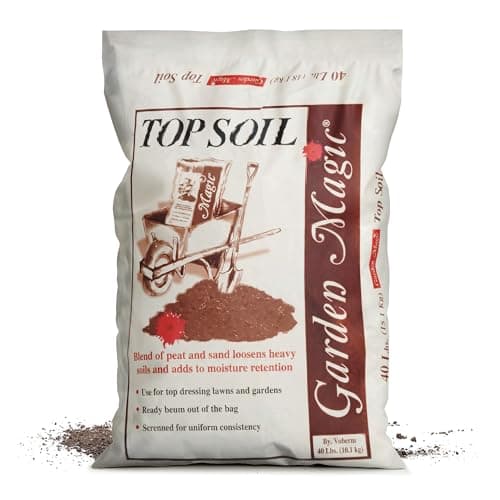
Michigan Peat Garden Magic Organic Top Soil
A fine screened topdressing for leveling the bumpy surface castings leave.

MySoil Soil Test Kit
A soil test that reports pH and nutrient levels for the top few inches.
Special Situations: High-Standard Turf and Problem Areas
High-Standard Home Lawns and Showpiece Areas
If you maintain a near golf-course appearance in visible sections, you likely have lower tolerance for even moderate casting. In those zones, combine multiple tactics:
- Maintain mowing height at the lower end of recommended range, but not extreme golf green levels, to balance appearance and resilience.
- Use frequent light brushing or drag mats to disperse castings after they dry.
- Topdress one to three times per year to keep the surface as even as possible.
- Optimize irrigation with careful monitoring, possibly using soil moisture sensors or smart controllers.
Scheduling matters. For example, in a cool-season climate, structure this kind of plan:
- Early spring (soil 50 to 60 F): Core aerate, topdress, adjust irrigation, and calibrate your mower height.
- Late spring: Monitor casting after rains, disperse as needed, and maintain mowing height.
- Fall: Repeat aeration and topdressing, then clean leaves promptly so they do not feed extra worm activity on the surface.
Sports Fields and Play Areas
On sports turf, safety and performance override aesthetics. Earthworm castings here are mainly a traction and ball behavior issue.
Key strategies include:
- Scheduling brushing or drag mat passes on mornings after moisture events, before practices or games.
- Maintaining dense turf cover with proper fertility and overseeding so that soil from castings does not dominate the surface.
- Using more frequent core aeration to improve drainage and encourage deeper rooting and worm channels.
- Coordinating irrigation with field schedules, avoiding unnecessary watering before use.
Castings on sports fields require more active management, but the principles remain the same as for home lawns: adjust moisture, manage surface conditions, and protect the beneficial role of worms in the soil.
When to Simply Leave Earthworm Castings Alone
In some cases, the best response is to tolerate earthworm castings and take no significant action.
Leaving castings alone is a reasonable strategy when:
- Casting is light and mainly in low-visibility or low-use areas.
- Mowing height is 3 inches or more and castings do not significantly affect cut quality.
- You are building long-term soil health and want maximum worm activity.
In these settings, the piles naturally weather away in sun and rain within days, and their nutrient contribution enhances turf density. Any minor unevenness is a small trade-off for improved resilience and reduced dependence on fertilizers and mechanical aeration.
If you prefer a smoother surface in a few key zones while accepting roughness elsewhere, combine tolerance in side and back areas with targeted management in your highest priority spaces. Over time, this balance provides both a functional, attractive lawn and a robust soil ecosystem.

Putting It All Together: A Practical Action Plan
To make the guidance concrete, here is a sample implementation timeline for a homeowner dealing with moderate to heavy casting on a cool-season lawn.
Weeks 1 to 2
- Confirm that the piles are earthworm castings, not ant mounds or mole hills, by visual inspection and shallow digging.
- Adjust mowing schedule so you cut 1 to 2 days after rain, not immediately after.
- Raise mowing height by 0.5 to 1 inch within the recommended grass range.
- Begin dispersing dried castings with a rake or broom once or twice per week in the worst areas.
Weeks 3 to 6
- Audit irrigation: use a rain gauge to verify weekly totals of about 1 to 1.5 inches of water, including rainfall, and shift from frequent light watering to deeper, less frequent cycles.
- Test soil if you have not done so in the last 3 years, to check pH and organic matter. Follow recommendations for fertilization and pH adjustment without targeting worms specifically.
- If thatch exceeds 0.5 inch, plan and execute a dethatching operation during active growth.
Months 2 to 6
- Schedule core aeration and light topdressing in spring or fall, depending on your current season, to improve drainage and surface smoothness.
- Continue mowing at the adjusted height and dispersing castings as needed after they dry.
- Monitor changes in casting levels, especially after adjustments to irrigation and thatch.
Year 2
- Repeat aeration and topdressing once or twice, focusing on compacted or heavily casted zones.
- Refine zoning of your lawn, recognizing where near-perfect smoothness is necessary and where some casting is acceptable.
- Maintain proper irrigation, fertilization, and mowing as long-term cultural practices.
Within one growing season many lawns show noticeably fewer disruptive castings, especially in high-use areas, while worms continue to provide soil benefits below the surface.
Conclusion
Earthworm castings present a classic lawn care paradox: they signal excellent soil biology, yet they create visible and functional issues on the turf surface. The issue is not that worms are present, but that surface conditions encourage them to cast where the mess interferes with mowing, appearance, and play.
The solution is to manage, not eradicate. Confirm you are actually dealing with earthworm castings, then adjust mowing schedule and height, fine-tune irrigation, manage thatch, and consider aeration and topdressing. In high-standard areas, combine brushing and surface smoothing with careful water and nutrient management. In lower-priority zones, accept castings as part of a healthy lawn ecosystem.

If surface unevenness from castings exposes deeper grading or soil issues, explore How to Level a Bumpy Lawn and How to Improve Clay Soil for Grass for structural improvements. For broader concerns about worm populations, see How to Get Rid of Worms in Lawn for additional context and options. With the right balance of cultural practices, you can keep the benefits of earthworms while keeping your lawn functional, safe, and attractive.
Before you fight the worms, see why earthworms are good for your lawn: the aeration, drainage, and free fertility they provide usually outweigh the bumps.
Top Picks
- PetraTools Liquid Nitrogen Fertilizer 28-0-0Check price on Amazon
- Premium Lawn Top Dressing Coco Coir MixCheck price on Amazon
- Simple Lawn Solutions Superior 15-0-15 Liquid FertilizerCheck price on Amazon
As an Amazon Associate we earn from qualifying purchases.
Free Lawn Care Tools
Earthworm castings are the digested mix of soil particles, organic matter, and microorganisms that pass through a worm’s gut and exit as small pellets or coils on the soil surface. In simple terms, castings are worm poop made from your soil and organic debris.
Earthworm castings are mostly good for your lawn because they act like a natural, slow‑release fertilizer and improve soil structure, aeration, and drainage. They boost nutrient availability, help break down thatch and organic debris, and support deeper turfgrass roots. The “bad” part is mainly cosmetic and functional: the piles can look messy, make mowing harder, and create bumpy or slippery spots when they’re heavy. The key is managing the surface mess without trying to get rid of worms altogether.
Castings become most visible when moisture brings worms closer to the soil surface. After a rainy night in spring or fall, worms are more active near the top 2 to 3 inches of soil and deposit their castings as small, dark, muddy piles. Short grass makes these piles stand out even more. That’s why a lawn can seem to “suddenly” be covered with castings overnight in wet weather.
Earthworms feed on organic debris such as leaf litter, grass clippings, and thatch. They pull this material down into the soil, shred it, and consume the associated microbes, which speeds up decomposition. Over time, that dead plant material is converted into stable soil organic matter instead of forming a water‑resistant thatch layer. This is especially helpful on compacted or clay soils where thatch can otherwise block water infiltration.
Castings become a real concern when they interfere with how you use and maintain the lawn, not just when you notice a few piles. They are a problem if you keep grass under about 1.5 inches and need a very smooth surface, or if you manage high‑traffic play areas or sports turf where footing and ball roll matter. Formal, showpiece lawns and display areas are also more sensitive because scattered piles ruin the uniform look. In those cases, it makes sense to actively manage castings rather than simply ignore them.
Yes, earthworms are good for your lawn. They aerate the soil, improve drainage and water infiltration, cycle nutrients into a natural slow-release fertilizer, and break down thatch and organic debris. A lawn with active earthworms is usually a sign of healthy, living soil rather than a pest problem. The only real downside is cosmetic: the castings they leave on the surface can make the lawn look messy or bumpy, so the goal is to manage the surface mess rather than get rid of the worms.
To fix a bumpy lawn caused by earthworm castings, let the castings dry for a day or two after rain, then drag a stiff broom, leveling rake, or drag mat across the surface to break the mounds apart and spread them back into the turf. Avoid mowing or walking over wet castings, which packs them into hard lumps. Over a season or two, light topdressing and core aeration will even out the surface and reduce how much the castings bump up the lawn, all without harming the worms.
Earthworm mounds are simply the castings worms deposit at the surface as they feed and burrow near the top few inches of soil. They show up most after rain or irrigation in spring and fall, when cool, moist conditions bring worms close to the surface. Heavy clay or silty soils, thick thatch, and frequent watering all keep worms shallow and increase how many mounds and holes appear. The mounds are a sign of active, healthy soil, not a pest infestation.
There is really no such thing as a harmful earthworm infestation, so you should not try to get rid of the worms themselves. Earthworms are beneficial, and killing them removes natural aeration, drainage, and nutrient cycling while increasing compaction and thatch over time. Many products that target worms are also no longer legal for that use. Instead of eradicating them, manage the surface castings with higher mowing, better irrigation timing, dry-then-disperse raking, and occasional topdressing and aeration.
Photos: Karola G / Pexels, Magic K / Pexels, Bruce Squiers / Pexels

Beat weeds and brown spots from your phone
Snap a photo, get the fix, and follow a plan timed to your soil and weather. Free on iPhone.