French Drain Benefits: What They Do and What They Cost
 Sarah MitchellLawn Diagnostics Specialist | 12 Years
As an Amazon Associate we earn from qualifying purchases.
Quick answer: A French drain moves water away from where it collects, protecting your foundation, drying out soggy turf, and preventing basement moisture. Standard yard installs run $20 to $40 per linear foot ($40 to $80 for deep foundation perimeter drains), far below the $3,000 to $10,000 cost of interior drainage repairs it helps you avoid. All six benefits, installation basics, and alternatives are covered below.
Standing water, recurring basement dampness, and soft, uneven turf all signal the same underlying issue: your property is not moving water away fast enough. Once grading, gutters, and simple fixes are maxed out, a French drain is usually the next tool a professional uses to control that water.
This guide explains the core benefits of French drains for lawns, foundations, and landscapes, and it does so in practical, research-based terms. It is written for homeowners, DIYers, and property managers who see problems such as:
- Water pooling in low spots for more than a day after rain
- Mushy lawn areas that rut when walked or mowed
- Persistent basement or crawl space moisture and musty odors
- Erosion paths around patios, walks, or driveways
Below you will find a clear explanation of what a French drain is, how it works, when it is appropriate, and how it protects foundations and improves lawn health. You will also see installation basics, cost ranges, maintenance needs, how French drains compare to other drainage options, and how climate and seasons affect performance and timing.
If you're noticing water pooling in your yard for more than a day after rainfall or experiencing persistent dampness in your basement, it's a sign your property isn't draining water effectively. To verify, check for soggy patches or erosion around your home after a rainstorm, these are indicators that a French drain could be beneficial.
Installing a French drain can redirect excess water away from your home, protecting your foundation and improving your lawn's health. Typically, the installation involves creating a trench 12 to 24 inches deep with a perforated pipe and gravel, which can be completed in a few days. Expect clearer lawns and drier basements once it's in place.
Understanding French Drains: The Basics
What Is a French Drain?
A French drain is a gravel-filled trench with a perforated pipe that collects excess water in the soil and redirects it to a safer discharge point. The concept is simple: give water an easier path to travel horizontally, away from where it causes damage.
A typical residential French drain includes four main components:
1. The trench
Contractors adjust dimensions to the site, but most residential trenches follow these ranges:
- Depth: 12 to 24 inches for lawn drainage, 24 to 48 inches for foundation relief drains
- Width: 6 to 12 inches, sometimes wider near foundations or in very wet soils
- Slope: at least 1 percent pitch (1 inch of drop per 8 feet of run) to keep water moving
According to North Carolina State University Extension, drainage systems that rely on gravity work reliably when they maintain a continuous slope of 0.5 to 1 percent or higher, because stagnant sections allow sediment buildup and clogging.
2. The perforated pipe
At the bottom of the trench sits a perforated pipe that captures water moving through the gravel. Common specifications include:
- Material: flexible corrugated HDPE or rigid PVC SDR-35 or similar
- Diameter: usually 4 inches for residential yards and foundation drains
- Perforations: slits or holes that face down or to the sides, depending on design and manufacturer
Rigid PVC holds grade more accurately over long runs, which is important when you need to maintain a consistent slope. Corrugated pipe is easier to install around curved beds or obstacles but is more prone to sags if not bedded carefully.
3. Gravel or rock backfill
The trench is filled, usually from the pipe up to near the surface, with clean, angular aggregate. Typical choices are:
- #57 stone or similar 0.75 to 1 inch crushed rock
- Clean pea gravel where aesthetics or surface use demands smoother stone
Crushed rock provides more void space than rounded stone, which increases the volume of water that can move through the trench. Purdue University Extension notes that larger, clean aggregate creates higher infiltration and conveyance rates than fine or mixed aggregate because fines reduce pore space and can clog the system.
4. Filter fabric and surface layer
Most modern French drains include a geotextile filter fabric lining or wrapping around the gravel to prevent surrounding soil from migrating into the rock and clogging the system. Above that, the installer typically places:
- A few inches of topsoil and sod, if you want the drain invisible under the lawn
- Decorative stone or a dry creek bed look, if the drain is part of a visible landscape feature
Surface vs. subsurface French drains
Two general categories show up in residential landscapes:
- Surface (shallow) French drains sit closer to the surface, often 12 to 18 inches deep, and target standing water and soggy lawn areas. They commonly connect to catch basins or channel drains that intercept visible runoff.
- Subsurface (deep) French drains run deeper, along foundations or at the toe of slopes, to intercept groundwater that moves through the soil profile. These drains directly protect basements, crawl spaces, and retaining walls.
Both types use the same basic components and physics; the difference is depth, location, and the primary problem they address.
Where French drains are commonly installed
Typical placements around a home or property include:
- Along the uphill side of a house foundation to intercept water before it reaches basement walls
- At the base of a slope where runoff concentrates and saturates a flat lawn area
- In chronically soggy sections of yard that remain wet long after the rest of the lawn has dried
- Behind retaining walls or along patios and driveways where water collects and causes heaving or erosion
How French Drains Work (In Simple Terms)
French drains operate on two basic principles: water follows the path of least resistance, and gravity moves water from higher to lower points when a slope exists.
Path of least resistance
Soil, especially heavy clay, contains tiny pores that hold water tightly. Clean gravel contains large, open voids. When saturated soil sits next to a gravel-filled trench, water naturally migrates into the gravel because it can move more freely in that space than in compacted soil. The perforated pipe at the bottom of the trench then collects that water and carries it away.
Gravity and slope
For the pipe to move water instead of letting it sit, the trench must have a consistent downward slope toward the outlet. A common rule is 1 inch of fall for every 8 to 10 feet of run, although in long runs installers sometimes work with as little as 0.5 percent (0.5 inches drop per 8 feet) if the layout demands it.
According to Ohio State University Extension drainage guidance, gravity systems that fall below about 0.5 percent slope are significantly more prone to sediment deposition and reduced capacity, which shortens the service life of the installation.
What happens to the water
Where the water goes after it leaves the French drain depends on the site and local codes. Common discharge options include:
- Dry wells - underground, rock-filled pits or manufactured chambers designed to accept water and let it slowly soak into surrounding soil. These work well where no storm sewer or downhill outlet exists.
- Storm drains - direct connection to a municipal stormwater system, when local regulations permit tie-ins and backflow protections are in place.
- Daylight outlets - pipe outlets that emerge at a lower point on the property or hillside, allowing water to exit the pipe and flow across the surface in a controlled manner.
- Rain gardens or swales - landscaped depressions or shallow, vegetated channels that accept water from the drain and use plants and soil to slow, filter, and infiltrate it.
When correctly designed, the system moves water from saturated problem zones to locations where the soil can safely accept it or where controlled surface discharge does not harm structures, neighbors, or local waterways.
When You Should Consider a French Drain
Not every drainage issue needs a French drain. Sometimes rerouting a downspout or minor grading corrects the problem. However, specific symptoms indicate that a subsurface drainage solution is appropriate.
Key signs of poor yard drainage
- Puddles that linger more than 24 to 48 hours after rain signal that infiltration capacity is too low or that water has nowhere to go. USDA soil surveys show that clay soils with low infiltration rates can stay saturated for days, which suffocates grass roots and encourages disease.
- Squishy, sponge-like turf underfoot indicates soil saturation in the root zone. When footprints remain visible or mower wheels sink, you are dealing with chronic wetness.
- Water moving toward the house instead of away means grading or hardscape layout is wrong. If regrading is difficult due to structures or property lines, a French drain along the foundation usually provides a better path.
- Mildew or musty odors in the basement or crawl space show that moisture is entering or accumulating against subgrade walls. Efflorescence (white mineral deposits) on interior walls is another indicator that water is seeping through masonry.
- Cracks in foundation walls or patios from freeze-thaw cycles often originate in saturated soils. Water in the soil or within cracks freezes, expands, and exerts pressure that worsens structural defects.
Self-assessment checklist
A quick diagnostic checklist helps decide whether to investigate a French drain solution:
- Is your soil predominantly clay or heavy loam, as indicated by slow drainage in a simple hole test (fill a 12 inch deep hole with water and see if it drains in less than 24 hours)?
- Is your property lower than adjacent yards, causing runoff from neighbors to collect on your lawn?
- Do you see water stains, damp spots, or peeling paint on the inside of basement or crawl space walls?
- Does your sump pump run repeatedly for hours or days after a rainfall event?
If you answer yes to two or more of these questions, and simple fixes like extending downspouts 10 feet away from the house and correcting obvious low spots have not solved the issue, a French drain usually provides a stronger, longer term solution.
Core Benefits of French Drains for Your Property
1. Protecting Your Home’s Foundation
Your foundation interacts directly with the surrounding soil. When that soil stays saturated, it exerts hydrostatic pressure on foundation walls and slabs, and it delivers water into cracks and joints. French drains at or near the footing level relieve that pressure and redirect water away before it accumulates.
How hydrostatic pressure builds
Hydrostatic pressure is the force that standing water exerts against a surface. In soil, it appears when pore spaces are filled with water and that water cannot escape. As rain and runoff percolate down, the water level around a basement wall rises. At a certain point, water pressure against the wall exceeds the resistance of the concrete or masonry, and seepage or cracking occurs.
According to guidance from Iowa State University Extension on wet basements, water pressure against a foundation wall increases with the height of saturated soil. A saturated soil column 6 feet deep exerts several hundred pounds of lateral force per linear foot of wall, enough to bow or crack improperly reinforced walls.
How French drains relieve pressure
A properly installed French drain along the footing collects water before the soil fully saturates. It behaves like an underdrain for the foundation:
- Water that would otherwise accumulate against the wall instead enters the gravel and pipe system.
- The pipe, sloped toward an outlet or sump, transports water away from the foundation zone.
- The water table directly next to the wall remains lower, reducing hydrostatic pressure.
This pressure relief has two primary benefits:
- Reduced risk of foundation cracks and movement. When lateral pressure decreases, walls bow and crack less. Over time, this stabilizes the structure and slows progression of existing hairline cracks.
- Lower likelihood of seepage into basements. With less water pushed against the wall, fewer leaks appear at cold joints, tie-rod holes, and other weak points.
French drains vs. gutters and downspouts alone
Gutters and downspouts handle roof runoff, which is important, but they do not address groundwater moving through the soil profile. When the soil itself has a high seasonal water table or receives lateral flow from uphill properties, water reaches the foundation even if every downspout is perfectly extended.
According to Michigan State University Extension, managing roof runoff reduces the volume of water near foundations, but subsurface drainage is still required on sites with high groundwater or poor surface drainage. French drains fill that gap by handling water that gutters cannot touch.
Long term cost savings
Foundation repairs are consistently among the most expensive home maintenance items. National cost surveys show:
- Minor crack injections: often $500 to $1,000 per crack
- Interior drain systems and sump installations: $3,000 to $10,000
- Structural underpinning or wall replacement: $10,000 to $40,000 or more
In contrast, a typical exterior French drain around part of a foundation often costs less than a major interior system. While local prices range widely, homeowners generally see:
- $20 to $40 per linear foot for standard yard French drains
- $40 to $80 per linear foot or more for deep foundation perimeter drains due to excavation difficulty
When installed before structural damage progresses, a French drain frequently prevents or delays far more expensive repair work.
2. Eliminating Standing Water and Soggy Lawns
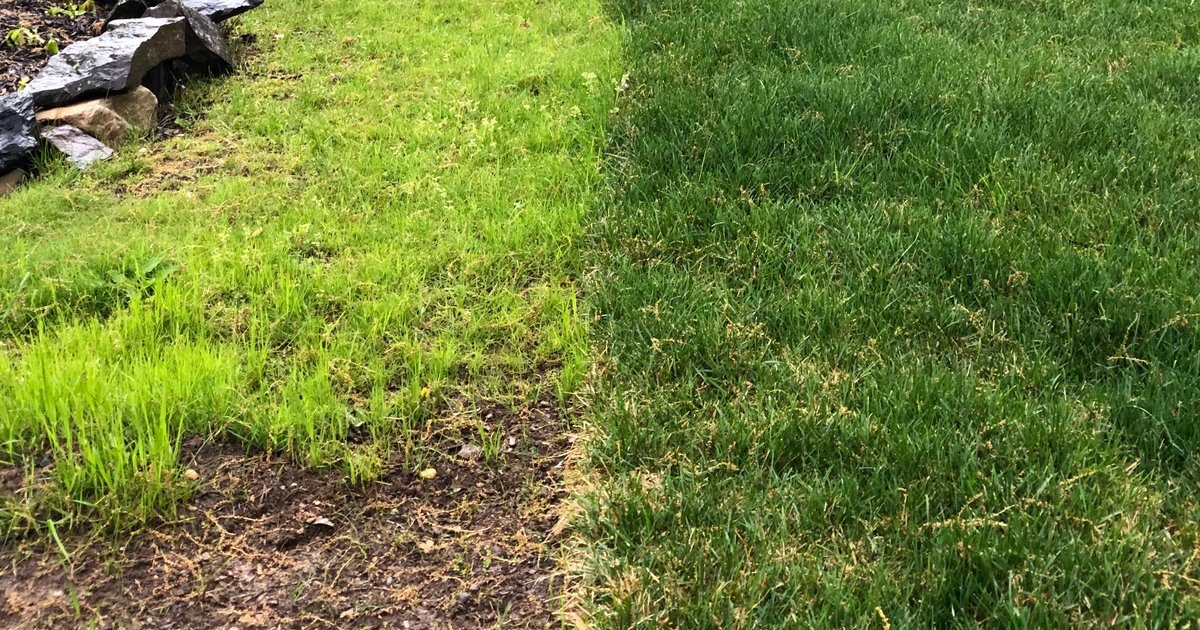
From a turf management standpoint, chronic wetness is as damaging as chronic drought. Grass roots require oxygen, and waterlogged soils displace that oxygen. Soggy lawns also compact easily under foot and mower traffic, which worsens drainage over time.

Why standing water damages turf
According to Penn State Extension turfgrass management research, most cool season grasses perform best when soil in the root zone holds 50 to 70 percent of its pore space in water and the rest in air. When pores fill completely with water for more than 24 to 48 hours, roots suffocate and begin to die back.
The consequences in a lawn include:
- Root suffocation and die off. Saturated conditions prevent roots from taking up oxygen, weakening the plant and reducing stress tolerance.
- Increased moss and algae growth. Wet, compacted, shaded areas favor moss and surface algae, which compete with grass and create slick surfaces.
- Soil compaction. Wet soil compresses under weight, reducing pore space, which further reduces drainage and root growth. This sets up a feedback loop of worsening conditions.
How French drains improve lawn health
A French drain installed across or adjacent to a chronically wet area captures excess water and lowers the soil moisture level to a healthier range more quickly after rainfall. The key benefits for turf include:
- Faster drying after rain. Instead of standing water for days, water drains into the trench, and the surface becomes firm sooner. This allows earlier mowing and reduces ruts.
- Deeper root growth and thicker turf. As soil oxygen levels stabilize, roots penetrate deeper. Deeper roots translate to better drought resistance and a denser, more resilient lawn.
- Reduced lawn disease pressure. Many lawn fungi, including Pythium and brown patch pathogens, thrive in wet, poorly drained soils. Iowa State University Extension notes that improved drainage is one of the key cultural controls for several common turf diseases.
When drainage improves, other lawn care practices such as aeration and overseeding become more effective. Core aeration relieves surface compaction and increases gas exchange, but if the entire profile stays saturated, aeration alone cannot solve the issue. A French drain tackles the water source so that aeration, topdressing, and overseeding produce durable results.
Integration with lawn leveling and renovation
Homeowners often consider French drains while addressing uneven or bumpy lawns. A realistic sequence for a problem area looks like this:
- Week 1: Diagnose drainage and plan the layout. Observe where water collects after a 1 inch or greater rain event, sketch the low spots, and identify potential outlets.
- Week 2: Install the French drain. Excavate the trench, lay filter fabric, place the pipe with proper slope, backfill with gravel, and restore the surface.
- Week 3 to 4: Allow settling and monitor performance. After a few rains, confirm that water now moves toward the drain and no longer pools.
- Week 5 to 6: Level and renovate turf. Use topsoil or sand blends to level minor depressions, then overseed or sod as needed while the soil is now better drained.
This sequence ensures you do not invest time and seed into a surface that will remain waterlogged and hostile to grass roots.
3. Preventing Basement and Crawl Space Moisture Problems
Basement dampness and crawl space moisture often originate outside, in saturated soils. Once water reaches the wall or footing level, it finds small openings and capillary paths into the structure. A French drain intercepts this water before it arrives at those vulnerable points.
How water enters basements and crawl spaces
According to guidance from University of Minnesota Extension on wet basements, water reaches below grade spaces in several primary ways:
- Through wall cracks and joints. Shrinkage cracks, cold joints between pours, and mortar joints in block walls provide paths for water under pressure.
- Through the cove joint. The joint where the wall meets the footing is a frequent entry point when water pressure builds below slab level.
- By capillary action. Masonry and some backfill soils draw moisture upward, which then evaporates into the basement or crawl space air.
When the soil around the house remains saturated, these entry modes stay active for long periods after each rain event. The result is chronic moisture rather than occasional leaks.
French drains within a moisture management system
No single component controls all moisture; the strategy is layered. A French drain integrates with other measures to produce a dry interior.
- Foundation grading. The ground surface should fall away from the foundation at least 6 inches over the first 10 feet, according to most building codes and extension guidance. Where regrading is limited by property lines or existing hardscape, a French drain can substitute as a subsurface slope for water.
- Gutters and downspouts. Roof runoff should be collected and discharged at least 5 to 10 feet from the foundation. A French drain can accept downspout water in some designs, provided capacity and cleanouts are adequate.
- Sump pump systems. In high water table areas, a French drain sometimes terminates in a sump basin. The pump then discharges water to a safe location above grade or to a storm drain where permitted.
Together, these elements reduce both the volume of water reaching the foundation and the pressure with which it arrives.
Moisture problems mitigated by French drains
Keeping soil around the structure drier yields several measurable benefits:
- Reduced mold and mildew growth. University of Florida IFAS Extension states that mold growth on building materials begins when relative humidity in adjacent air stays above 60 percent for prolonged periods. By cutting off water infiltration, French drains help keep basement and crawl space humidity below this threshold when combined with ventilation or dehumidification.
- Less musty odor. Musty smells result from microbial activity on damp surfaces. Drier walls and floors break that cycle.
- Slower rot in wood components. Floor joists, sill plates, and beams in crawl spaces are vulnerable to high moisture. Keeping foundation soils drier reduces wood equilibrium moisture content, which slows fungal decay.
From an indoor air quality perspective, these improvements also reduce the movement of mold spores and moisture into living spaces above, because basements and crawl spaces interact with home air through the stack effect.
Additional Benefits, Costs, Installation, and Seasonal Considerations
4. Protecting Hardscapes and Landscapes from Erosion
Water that does not move through the soil often moves over it. Concentrated surface runoff erodes soil next to patios, walkways, driveways, and retaining walls. A French drain intercepts that flow, stabilizing both hardscape and planting beds.
By capturing lateral water behind retaining walls and under pavements, French drains:
- Reduce freeze-thaw lifting of pavers and slabs
- Prevent washouts under sidewalks and driveways
- Limit soil loss at the base of slopes and around structures
These benefits extend the life of outdoor surfaces and reduce the need for frequent re-leveling or re-compacting of base materials.
5. Increasing Usable Yard Space
When parts of a yard stay wet for days, homeowners often avoid those areas, or they cannot safely place play sets, sheds, or seating there. After a functional French drain system is in place and the soil stabilizes, formerly unusable sections become reliable ground for everyday use.
This is particularly significant on small urban and suburban lots where every square foot of usable yard matters. By recovering marginal land and turning it into firm, dry turf, a French drain effectively increases the functional size of the property.
6. Enhancing Plant Health in Beds and Gardens
Not just turf suffers from saturated soils. Many ornamental shrubs, perennials, and trees decline in heavy, waterlogged soils. While some species tolerate wet feet, most landscape plants prefer moist but well drained conditions.
A French drain placed upslope of a planting bed or integrated within a constructed bed can:
- Prevent root rot in sensitive species
- Allow a broader palette of plants, not just wet-tolerant varieties
- Improve oxygen availability in the root zone for deeper, healthier roots
When combined with raised beds or amended planting soil, French drains form part of a complete soil environment tailored to plant needs. For further guidance on matching plants to site conditions, see resources like How to Choose Plants for Wet and Dry Areas in Your Yard.
Basic Installation Overview and Timing
A full installation guide goes beyond this article, but a high level overview helps you understand the work involved and how it aligns with lawn care schedules.
Key steps in a typical French drain installation
- Survey and layout. Mark existing utilities, confirm property lines, identify outlets, and mark the intended trench route with paint or flags.
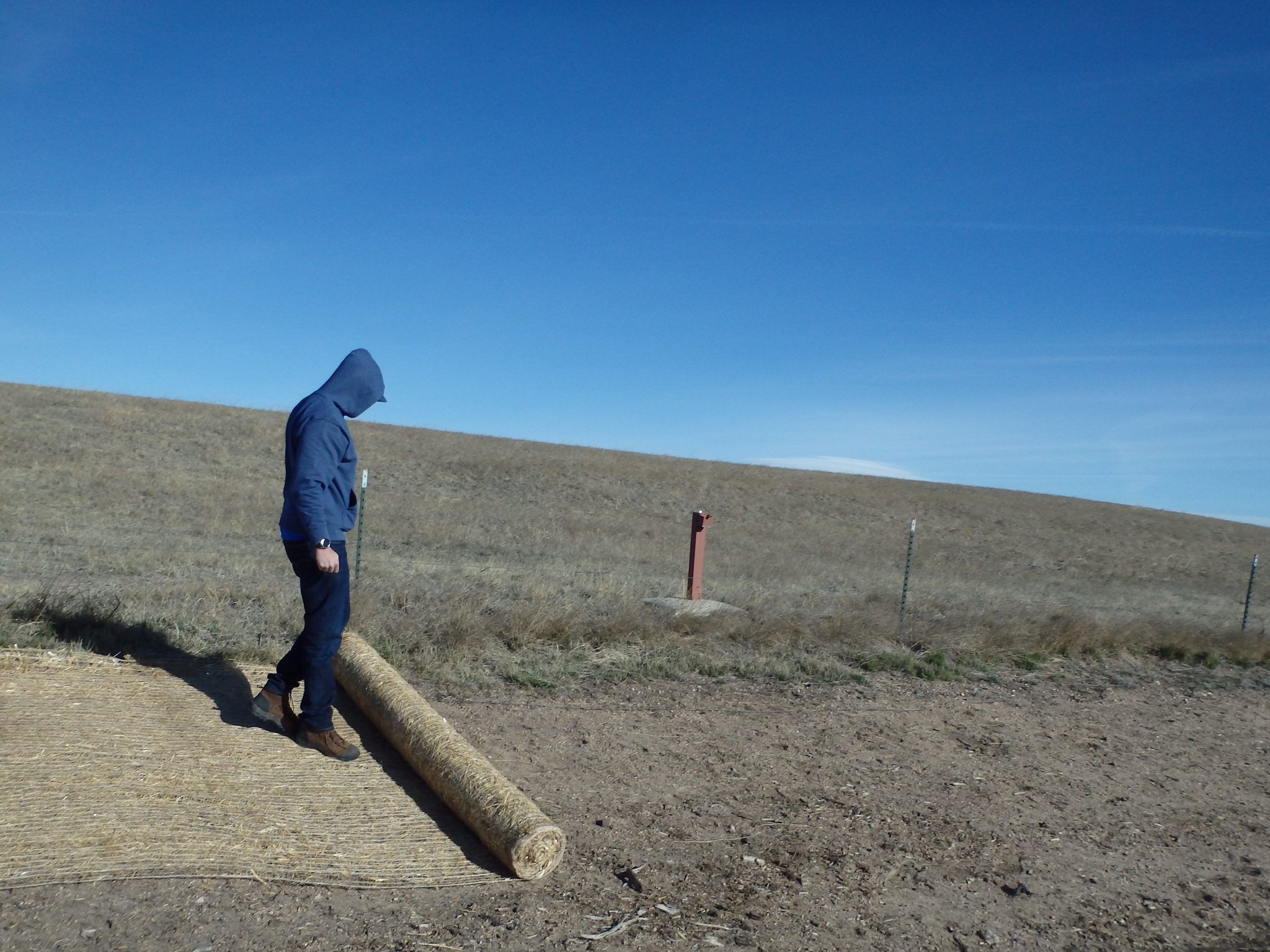
- Excavation. Use a trenching machine or manual digging to remove soil to the planned depth and width, maintaining a continuous slope.
- Fabric and bedding. Place geotextile fabric along the trench bottom and sides, then add a thin gravel bedding if specified.
- Pipe placement. Lay the perforated pipe, ensuring perforations are oriented according to manufacturer guidance, and verify slope with a level or laser.
- Backfilling with gravel. Fill around and above the pipe with clean stone to a point 2 to 6 inches below the final grade.
- Wrapping and surface restoration. Fold fabric over the top of the gravel, then cover with topsoil and sod, or decorative rock, depending on the design.
Seasonal timing and climate considerations
Installation timing affects both ease of work and restoration quality:
- Spring and fall provide moderate temperatures and moist but not frozen soil, ideal for trenching and lawn recovery. Turfgrass establishment also performs best when soil temperatures range between 50 and 65 degrees Fahrenheit, which aligns with these seasons in many climates.
- Summer installations are feasible but require more irrigation to re-establish sod or seed and more attention to erosion control in disturbed areas.
- Winter work is difficult or impossible where soil freezes deeply. In milder climates, winter can work if heavy rains are avoided and erosion controls are in place.
In regions with significant frost, placing the pipe below typical frost depth reduces frost heave risk. Local building departments or extension offices provide frost depth data by region.
Costs, Lifespan, and Maintenance
Typical cost ranges
Costs depend heavily on trench length, depth, accessibility, and disposal of excavated soil. Broad averages for professional installation are:
- Standard yard French drain: often $20 to $40 per linear foot
- Deep foundation drain with challenging access: $40 to $80 per linear foot or more
DIY installations lower labor costs but require equipment rental and a realistic assessment of excavation challenges, especially near utilities and structures.
Expected lifespan
With proper design and high quality materials, French drains commonly function for 20 to 30 years or longer. System life depends on:
- Use of clean, washed aggregate versus mixed or dirty stone
- Presence of filter fabric to prevent soil migration
- Maintenance of vegetation and erosion control at outlets
- Protection from heavy loads that crush or deform the pipe
Clogging usually starts at weak points: poorly protected inlets, sags in the pipe where sediment collects, or outlets that become buried or obstructed.
Basic maintenance tasks
French drains are relatively low maintenance compared to surface drainage features, but some periodic checks preserve function:
- Inspect outlets twice per year. Confirm that outlet pipes are clear of leaves, sediment, and animal nests. Clean debris and maintain a firm, erosion resistant pad where water discharges.
- Monitor performance after heavy rains. If water begins pooling again where it was previously controlled, or if soggy areas reappear, troubleshooting may be required.
- Maintain surface turf or stone. Keep sod healthy above buried drains to stabilize soil, or rake stone surfaces to avoid compaction and silt buildup.
Some designs incorporate cleanouts at key points along the pipe run. These vertical access points allow flushing or jetting if sediment build up occurs, significantly extending system lifespan.
French Drains vs. Alternative Drainage Solutions
French drains are powerful tools but not the only drainage option. In some cases, other methods are more appropriate, or a combination yields the best result.
Surface grading and swales
Where space allows, reshaping the surface to direct water away from structures is the simplest and most cost effective approach. Shallow, grassed swales move water across the surface with minimal excavation. However, when property boundaries, obstacles, or existing hardscape prevent adequate surface slope, subsurface drains provide a solution without major re-landscaping.
Catch basins and channel drains
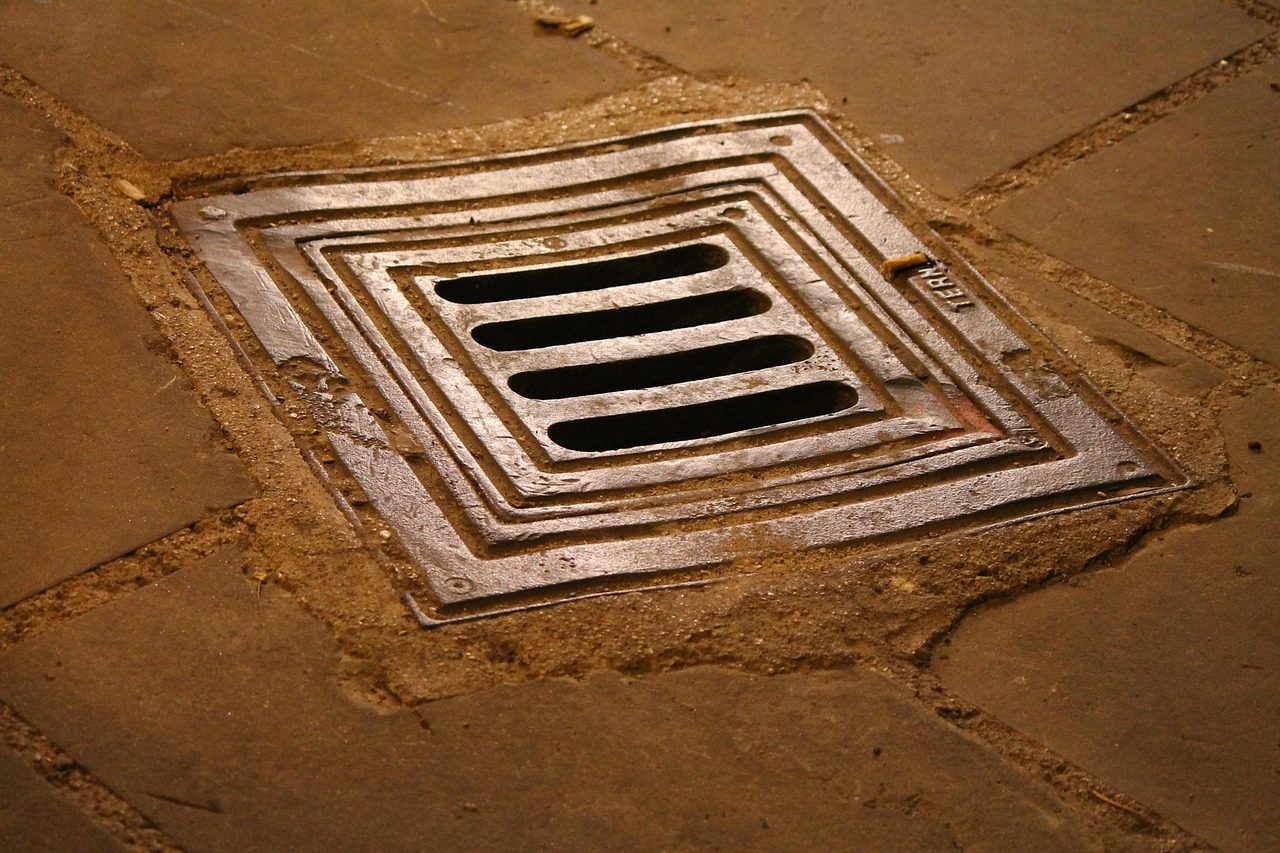
Catch basins collect surface runoff at low points and connect to pipes that carry water to outlets. Channel drains intercept sheet flow across paved areas. These are ideal when visible runoff is the main problem, such as driveway or patio flooding, but they do little for saturated soils unless combined with French drains that address subsurface water.
Rain gardens and infiltration basins
Where soil infiltration is reasonable and space exists, rain gardens and infiltration basins absorb and filter runoff. These are strong tools for stormwater management and ecological benefits. French drains sometimes feed rain gardens, moving water from tight spots to a planting area designed to handle it.
Sump pumps and interior drains
If exterior excavation is not possible, interior drain systems and sump pumps capture water that has already reached the inside perimeter. These protect interior finishes but do not reduce water pressure on the exterior wall the same way an outside French drain does. Ideally, exterior and interior systems complement each other on high water table sites.
Seasonal Performance and Troubleshooting
Wet seasons and spring thaw
During spring snowmelt or long periods of rain, groundwater levels rise. A correctly installed French drain functions continuously during these wet seasons, reducing the duration of saturated conditions and the risk of foundation and lawn damage.
If your drain seems less effective at these times, the issue often relates to:
- Insufficient outlet capacity for extreme events
- Partial clogging at the outlet or within low spots of the pipe run
- Additional runoff sources that were not accounted for in the original design
Winter freezing
In cold climates, outlets exposed to air can freeze if water stands in the final section of pipe. To reduce this risk:
- Keep outlet sections sloped and as short as practical
- Use daylight outlets in sun exposed locations when possible
- Ensure the main pipe is below frost depth where feasible
Systems that terminate in dry wells below frost depth typically experience fewer freezing issues, provided those wells are correctly sized and placed in soils that accept infiltration.
Common performance issues and fixes
- Persistent ponding near the drain route. This signals an inadequate trench depth or slope, or insufficient capture of the contributing area. The fix involves checking elevations, possibly installing additional branches or intercept drains, and correcting any sags in the pipe.
- Outlet discharging cloudy or sediment laden water. This indicates soil is infiltrating the drain, usually because filter fabric is missing or torn, or because fine material entered during construction. Over time this can clog the system. Short term, clear outlet debris; long term, adding a sediment trap or reworking sections with fabric may be necessary.
- Vegetation decline above the drain. Extremely free draining conditions right above a large, deep French drain can dry out soil faster than surrounding areas in summer. Adjust irrigation in that strip and consider deeper, drought tolerant turf varieties if needed.
Recommended products
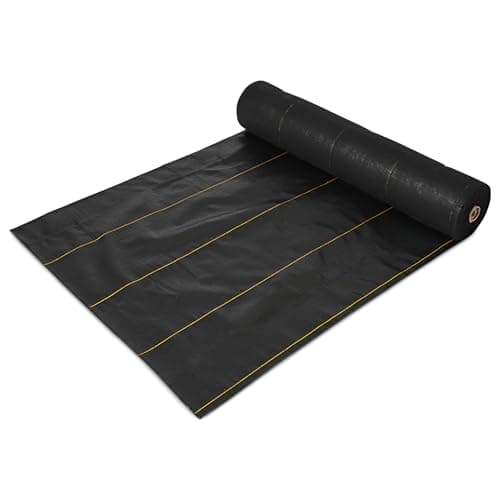
Dewitt Pro-5 Weed Barrier Fabric
A 5 oz woven fabric for lining the trench so soil fines do not clog the gravel and pipe.
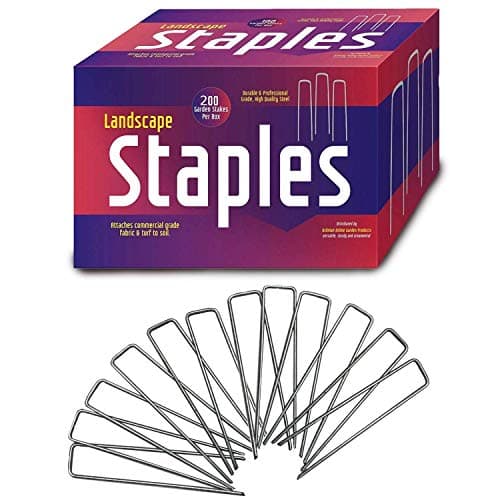
Ashman Galvanized Landscape Staples
Six inch galvanized staples for pinning fabric flat while gravel goes in. A 200 pack covers a long run with spares.
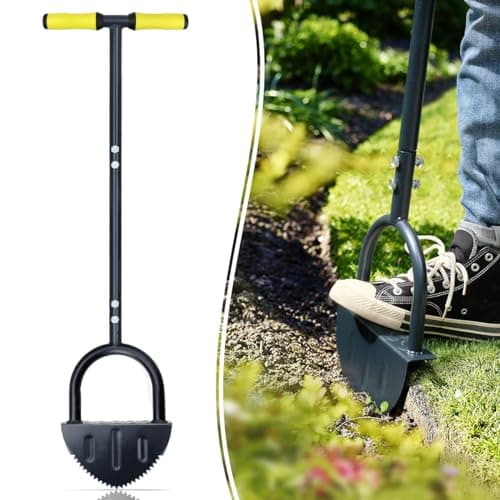
Colwelt Saw-Tooth Half Moon Lawn Edger
A 38 inch half moon edger for cutting a clean trench line and restoring turf edges afterward.
Conclusion: Are the Benefits of French Drains Right for Your Yard?
French drains provide a structured, long term way to handle water that lingers where it should not. By redirecting excess groundwater and surface water, they protect foundations, dry out soggy lawns, stabilize hardscapes, and prevent many common moisture problems in basements and crawl spaces.
If your property shows consistent signs of poor drainage, a systematic assessment is the next step. Start by mapping where water collects, checking existing grading and downspout extensions, and performing a simple infiltration test. Then consider whether a French drain, alone or combined with grading, rain gardens, or sump systems, aligns with your site conditions and budget.

For deeper planning support, explore related resources such as How to Assess Your Yard’s Drainage, Lawn Leveling and Grading Basics, and How to Plan a Rain Garden for Runoff. With the right design and installation, you can convert persistent wet spots into healthy turf and protect your home’s structure for decades.
Top Picks
- MySoil Soil Test KitCheck price on Amazon
- The Andersons Professional PGF Complete 16-4-8 Fertilizer with 7% Humic DG (5,000 sq ft)Check price on Amazon
- GS Plant Foods Liquid Kelp FertilizerCheck price on Amazon
As an Amazon Associate we earn from qualifying purchases.
Free Lawn Care Tools
A French drain is a gravel-filled trench with a perforated pipe that collects excess water in the soil and redirects it to a safer discharge point. The concept is simple: give water an easier path to travel horizontally, away from where it causes damage.
For most lawns, French drains are typically dug 12 to 24 inches deep to target surface water and soggy areas. Around foundations, they usually go deeper, in the 24 to 48 inch range, to intercept groundwater before it reaches basement or crawl space walls. Depth is adjusted to the specific site and problem being solved. The key is maintaining enough depth and slope so water can move freely to the discharge point.
Residential French drains commonly use a 4-inch perforated pipe made of flexible corrugated HDPE or rigid PVC SDR-35. Clean, angular crushed rock like #57 stone (about 0.75 to 1 inch) is typically used because it has more void space for water than rounded or fine aggregate. Pea gravel can be used near the surface where looks or foot traffic matter more. Whatever material is chosen, it should be clean and free of fines to prevent clogging.
French drains are often placed along the uphill side of a house to intercept water before it reaches the foundation. They’re also installed at the base of slopes where runoff concentrates, in low, chronically soggy lawn areas, and behind retaining walls, patios, or driveways where water collects and causes erosion or heaving. The ideal location is wherever water naturally accumulates and needs a controlled path away from structures and high-use areas.
A French drain needs a consistent downward slope so gravity can keep water moving through the pipe. A common rule of thumb is at least a 1 percent pitch, which is about 1 inch of drop for every 8 to 10 feet of run. Some systems can function with as low as a 0.5 percent slope, but anything flatter is more prone to sediment buildup and loss of capacity. Maintaining an even grade along the whole trench is more important than making it extremely steep.
Water collected by a French drain is redirected to a safe discharge point designed for slow release or controlled flow. Depending on site conditions and local codes, it may flow into a dry well, connect to a storm drain, exit at a daylight outlet on a lower part of the property, or be directed into a rain garden or vegetated swale. The goal is to move water away from problem areas to locations where the soil and landscape can handle it without causing damage.
Photos: Karola G / Pexels, Creative Vix / Pexels

Beat weeds and brown spots from your phone
Snap a photo, get the fix, and follow a plan timed to your soil and weather. Free on iPhone.