Lawn Care 101: The Complete Beginner’s Guide to a Healthy Green Yard
 Sarah MitchellLawn Diagnostics Specialist | 12 Years
As an Amazon Associate we earn from qualifying purchases.
Patchy color, uneven growth, and thin turf all point to the same underlying issue: the lawn is not matched to its grass type, soil, and climate, and basic maintenance is out of balance. Lawn Care 101: the Complete Beginner’s Guide to a Healthy Green Yard explains how to correct that mismatch so grass can grow dense, healthy, and reliably green.
This guide walks through what a beginner needs to understand and do, in a structured, research-based way. It covers grass types, soil and climate, realistic goal setting, and a clear first step: diagnosing the current condition of the lawn. It also introduces the year-round mindset that keeps a healthy green yard stable through spring, summer, fall, and winter.
Lawn Care 101: the Complete Beginner’s Guide to a Healthy Green Yard focuses on three core ideas: match the grass to the site, supply what the soil and plant actually need, and maintain with consistent, correct practices. When those three pieces align, turf thickens, weeds decline, and the lawn functions as a durable outdoor surface instead of a constant headache.
A healthy, green yard is not only a cosmetic upgrade. A dense turf area changes how a property looks, feels, and functions:
Curb appeal and property value. Purdue University Extension notes that well-maintained landscapes, including healthy lawns, increase perceived home value and buyer interest. A uniform green lawn frames the house, hides soil irregularities, and signals overall property care. For resale, this visual signal influences first impressions as much as exterior paint or roofing.
Outdoor living and play space. Healthy turfgrass behaves like a living outdoor carpet. It cushions falls, tolerates foot traffic, and creates a flexible space for kids, pets, and gatherings. According to Penn State Extension, dense turf reduces mud tracking, stabilizes soil under swings and play equipment, and recovers from moderate wear when properly fertilized and watered.
Environmental benefits. Turf has measurable environmental functions when it is kept healthy, not stressed:
- Erosion control: Root systems bind soil, limiting runoff and sediment loss, especially on slopes.
- Cooling effect: NC State Extension reports that actively growing turf can be 10-14°F cooler than bare soil and significantly cooler than concrete on summer days.
- Dust and noise reduction: Dense grass traps dust and particulate matter and slightly dampens noise in residential neighborhoods.
Beginners often misinterpret lawn problems and respond with quick fixes that do not address underlying causes.
Common beginner challenges and misconceptions include:
“Grass is just grass.” Treating all lawns the same ignores major differences between cool-season and warm-season turf. This leads to wrong mowing heights, fertilizer timing, and overseeding schedules that hold the lawn back year after year.
Overwatering and overfertilizing as default fixes. When color fades or patches appear, many homeowners immediately add more water or fertilizer. According to Ohio State University Extension, excess nitrogen or constant moisture increases disease pressure and weakens root systems, which intensifies problems instead of correcting them.
Thinking mowing is only about height. Beginners often fixate on “How short can I cut it?” instead of “How sharp is the blade?” and “How often should I mow?” Purdue Extension emphasizes that mowing too low, with dull blades or on an irregular schedule, stresses turf more than almost any other basic practice.
This guide is structured so beginners can read it end-to-end one time, then return to individual sections as reference for specific tasks like watering, mowing, or troubleshooting. It includes both foundational Lawn Care 101 information and several intermediate tips that produce a noticeably higher quality result once basics are in place. It also emphasizes a year-round approach, so the lawn receives what it needs in spring, summer, fall, and winter instead of only during short bursts of attention.
To start diagnosing your lawn problems, look for signs like patchy color or thin turf, which often indicate mismatched grass type and site conditions. Verify the type of grass you have by checking its growth pattern and color, especially during peak growth months like May for cool-season grasses. Understanding these basics helps you identify if your grass is struggling due to improper soil or climate conditions.
Once you've identified the issues, focus on matching your grass type to your local climate and soil conditions. Begin by testing your soil pH and nutrient levels, which can be done with a simple at-home kit or through local extension services. Expect to see improvements in turf density and color within 6-8 weeks as you adjust watering, mowing, and fertilization to meet your lawn's specific needs.
What are the best lawn care tips for beginners?
Where do you start when the lawn looks thin and you don't know why? Start with the checks, then build the habits. These are the lawn care tips for beginners that fix the most problems, in the order I'd work through them.
- Identify your grass first. Is it cool-season or warm-season? That one answer sets your mowing height, your feeding months, and your seeding window. If you're unsure, identify your grass from a photo.
- Test the soil before you buy fertilizer or lime. Most turfgrasses perform best between pH 6.0 and 7.0, and Penn State Extension notes that below 5.5, phosphorus and several micronutrients become less available. A soil test tells you where you stand and what to add.
- Mow at the right height for your grass. Penn State Extension notes that cutting cool-season lawns shorter than 2 inches weakens root systems and opens space for weeds. Look up your species in our mowing height by grass type guide.
- Keep the blade sharp and the schedule steady. Purdue Extension notes that mowing too low, with dull blades, or on an irregular schedule stresses turf more than almost any other basic practice.
- Water deeply and measure it. Ohio State research shows turf performs best when total weekly water, rain included, lands in the 1 to 1.5 inch range for most lawns. Does your sprinkler put down that much? Set a few straight-sided cans on the lawn during one run and check.
- Feed when your grass is actively growing. Cool-season grasses get most of their fertilizer in fall and early spring. Warm-season grasses get it in late spring and summer, once soil temperatures pass about 65°F at a 4-inch depth, per NC State Extension.
- Hold off on extra water and fertilizer when color fades. Ohio State University Extension warns that excess nitrogen or constant moisture raises disease pressure and weakens roots. If the lawn is yellowing, run the diagnosis checks below first.
- Repair thin areas in the right window. Overseed cool-season turf in late summer or early fall. Plug or sprig warm-season lawns from late spring into early summer, when the soil is warm enough for fast spread.
- Follow a calendar. Most beginner mistakes are timing mistakes. Our month-by-month lawn care calendar lays out when each task happens.
Does your lawn have a problem these habits don't explain, like a spreading brown patch or a weed you can't name? The diagnosis steps below narrow it down, and a photo through our lawn diagnosis tool can point you to the likely cause.
Understanding Your Lawn: The Foundation of Lawn Care 101
Every successful lawn plan begins with an accurate understanding of what is already in place. That includes grass type, climate, soil, and sun exposure. Lawn Care 101: the Complete Beginner’s Guide to a Healthy Green Yard treats this information as non-negotiable, because all later decisions depend on it.
The Role of Grass Type in a Healthy Green Yard
Grass type controls optimal mowing height, fertility schedule, water needs, and even the best repair method after damage. Turfgrasses in home lawns fall into three broad geographic categories: cool-season, warm-season, and transition zone mixes.
Cool-season grasses. These grasses prefer cooler temperatures and remain green in spring and fall, with stress during hot summers:
- Kentucky bluegrass: Fine to medium texture, rich color, spreads by rhizomes, recovers well from damage. Ideal mowing height 2.5-3.5 inches.
- Perennial ryegrass: Very quick to germinate, fine-textured and glossy, often used in mixes for fast cover. Ideal mowing height 2-3 inches.
- Tall fescue: Coarser blades, deep roots, strong tolerance for heat and drought. Ideal mowing height 3-4 inches.
- Fine fescues: Very fine texture, good shade tolerance, often used in low-input or shady areas. Ideal mowing height 2.5-3.5 inches.
Warm-season grasses. These grasses thrive in heat and go dormant brown in cool winters. Common warm-season lawn species include:
- Bermudagrass: Very aggressive spreading, excellent heat and wear tolerance, common in southern lawns and sports fields. Ideal mowing height 1-2 inches with a rotary mower, shorter with a reel mower when managed as a low-cut turf.
- Zoysiagrass: Dense, relatively slow to establish, good heat and wear tolerance. Ideal mowing height 1-2.5 inches depending on variety.
- St. Augustinegrass: Coarse texture, thrives in warm, humid climates, moderate shade tolerance. Ideal mowing height 3-4 inches.
- Centipedegrass: Low fertility requirements, slower growth, often used as a low-maintenance option in the Southeast. Ideal mowing height 1.5-2 inches.
- Bahia grass: Coarse, drought tolerant, used often in coastal or sandy soils. Ideal mowing height 3-4 inches.
Transition zone lawns. In the transition zone (roughly from Kansas east to Virginia, including parts of Missouri, Kentucky, and Tennessee), both cool-season and warm-season grasses appear. According to Kansas State University Extension, summers are too hot for Kentucky bluegrass to perform perfectly without irrigation, but winters are cold enough to stress many warm-season species. Lawns here often use tall fescue, zoysia, or blends managed carefully for local conditions.
How to identify your existing lawn. It is not necessary to know the exact cultivar, but distinguishing cool-season from warm-season turf and recognizing general texture sets mowing and care strategy correctly.
Look at:
- Texture: Thin blades and soft feel indicate fine fescue or Kentucky bluegrass. Coarse, wide blades suggest tall fescue, St. Augustine, Bahia, or centipede.
- Color and growth habit: Rhizome or stolon spreading that creates a dense mat often signals Kentucky bluegrass, bermuda, or zoysia. Bunch-forming clumps that do not spread laterally indicate tall fescue or perennial ryegrass.
- Climate and dormancy pattern: If the lawn is naturally green in summer but turns brown in winter, the grass is warm-season. If it stays green into late fall, browns in extreme heat, then recovers in cooler weather, it is cool-season.
When turf is a weak mix of several species, homeowners sometimes ask whether to replace it completely. Full replacement is warranted when more than half the lawn consists of species poorly suited to the climate or use pattern, such as cool-season grasses in full sun deep South yards or weedy, thin stands that have almost no desirable turf left. Otherwise, it is usually more efficient to improve what exists through overseeding with compatible varieties, fertilization, and cultural corrections.
How grass type affects core care decisions.
Mowing height. Grass type sets the target height range. According to Penn State Extension, cutting cool-season lawns shorter than 2 inches and warm-season lawns shorter than their recommended range weakens root systems and opens space for weeds. Lawn Care 101 always starts by aligning mowing height and frequency with grass type.
Watering needs. Warm-season grasses such as bermuda and zoysia tolerate more drought and often require 0.75-1 inch of water per week to stay actively green, while cool-season grasses often need 1-1.5 inches per week during hot spells to prevent dormancy. Deep, infrequent watering aligns with both groups, but the threshold where dormancy begins differs by species and season.
Fertilizer timing. Cool-season grasses receive most fertilizer in fall and early spring when they are actively growing in mild weather. Warm-season grasses receive fertilizer during late spring and summer when soil temperatures exceed about 65°F at a 4-inch depth. According to NC State Extension, fertilizing cool-season grasses heavily in midsummer or warm-season grasses in late fall increases disease risk and winter injury.
Overseeding and renovation schedules. Overseeding cool-season turf works best when daytime highs drop into the 60s and 70s, typically late summer or early fall, which provides 6-8 weeks of good growth before winter. Warm-season turf renovation and plugging or sprigging are scheduled for late spring into early summer, when soil temperatures promote rapid spread.
Know Your Climate, Soil, and Sun Exposure
Once grass type is understood, the next foundation of Lawn Care 101 is the site itself: climate, sunlight, and soil conditions. These factors define what the lawn can realistically do.
Climate zone and local weather patterns. The USDA Hardiness Zone map is a useful reference, but turf management depends more on frost dates, summer highs, and rainfall distribution.
Key climate data to note:
- Average last spring frost and first fall frost: These dates define the primary growing season for cool-season species and the active window for warm-season turf.
- Typical summer highs: Repeated days above 85-90°F stress cool-season grasses and shift expectations toward summer dormancy or irrigation support.
- Rainfall patterns: Regions with frequent light rains require different watering schedules than regions with infrequent but heavy storms. Extension research from Ohio State shows that turf performs best when total weekly water, including rain, is measured and adjusted to the 1-1.5 inch per week range for most lawns, rather than relying on guesswork.
Sun exposure. Grass requires significant light to photosynthesize enough energy for dense growth. Lawns are typically classified by sun exposure:
- Full sun: At least 6 hours of direct sun daily.
- Partial shade: 3-6 hours of direct sun or filtered light much of the day.
- Deep shade: Less than 3 hours of direct sun or heavy tree canopy cover.
Even shade-tolerant grasses struggle in deep shade, especially under mature trees competing for water and nutrients. In these areas, adjusting expectations is critical. According to University of Minnesota Extension, turf in heavy shade often thins no matter how it is fertilized or watered. Converting deep shade zones to mulched beds, ground covers, or seating areas usually produces better results than repeatedly overseeding grass that cannot perform there.
Soil basics for beginners. Soil quality determines how well roots can grow, how long water stays available, and how nutrients move to the plant. Three basic soil descriptors are most useful in Lawn Care 101: texture, drainage/compaction, and pH.
Texture. Texture describes the proportion of sand, silt, and clay particles.
- Sandy soils: Large particles, fast drainage, low water and nutrient holding capacity.
- Clay soils: Very small particles, slow drainage, greater compaction risk but higher nutrient holding capacity.
- Loam: A balanced mix of sand, silt, and clay, considered ideal for turf because it drains adequately but retains moisture.
Drainage and compaction. Poor drainage and compacted soils restrict root growth and limit oxygen, which causes shallow rooting and increased drought stress. The screwdriver test, described later, provides a simple compaction check.
pH and nutrient availability. Soil pH controls how available nutrients are to plants. Most turfgrasses perform best when pH ranges between 6.0 and 7.0. According to Penn State Extension, when pH falls below 5.5, phosphorus and several micronutrients become less available, and aluminum toxicity can occur. When pH rises above 7.5, iron and other micronutrients lock up, creating chlorosis (yellowing) despite adequate nutrients on soil tests.
Why a soil test is Lawn Care 101. A basic soil test provides pH, phosphorus (P), potassium (K), sometimes nitrogen (N) recommendations, and often organic matter content. This single step prevents guesswork and misapplication of fertilizer and lime.
Key points for soil testing:
- What a test tells you: Extension labs report current pH, buffer pH (for lime recommendations), available P and K, sometimes calcium and magnesium, and organic matter percentage. They then provide specific lime and fertilizer recommendations based on turf species.
- How to collect samples: Gather 10-15 small cores or slices from the top 3-4 inches of soil across the lawn, avoiding fertilizer bands, compost piles, or unusual spots. Mix in a clean bucket, let dry if wet, and send about 1 cup to the lab in the provided container.
- Interpreting results: Extension reports rank nutrients as low, medium, high, or very high and list how many pounds per 1,000 square feet of N, P2O5, K2O, or lime to apply. When results are confusing, local Extension offices or reputable garden centers can help interpret them.
Soil testing once every 3 years is usually sufficient for established lawns. For new lawns on disturbed or fill soil, testing both before establishment and again after 2-3 years captures large changes as organic matter builds.
Setting Realistic Lawn Goals (And Matching Them to Your Lifestyle)
Lawn Care 101: the Complete Beginner’s Guide to a Healthy Green Yard does not assume that every homeowner wants a golf course surface. The best lawn plan fits both the site and the owner’s time, budget, and preferences.
Different “lawn personalities.”
Low-maintenance “good enough green.” This homeowner wants a generally green yard with some weeds tolerated, minimal inputs, and simple routines. The plan emphasizes correct mowing height, 1-2 well-timed fertilizer applications per year, and basic watering during extreme drought only.
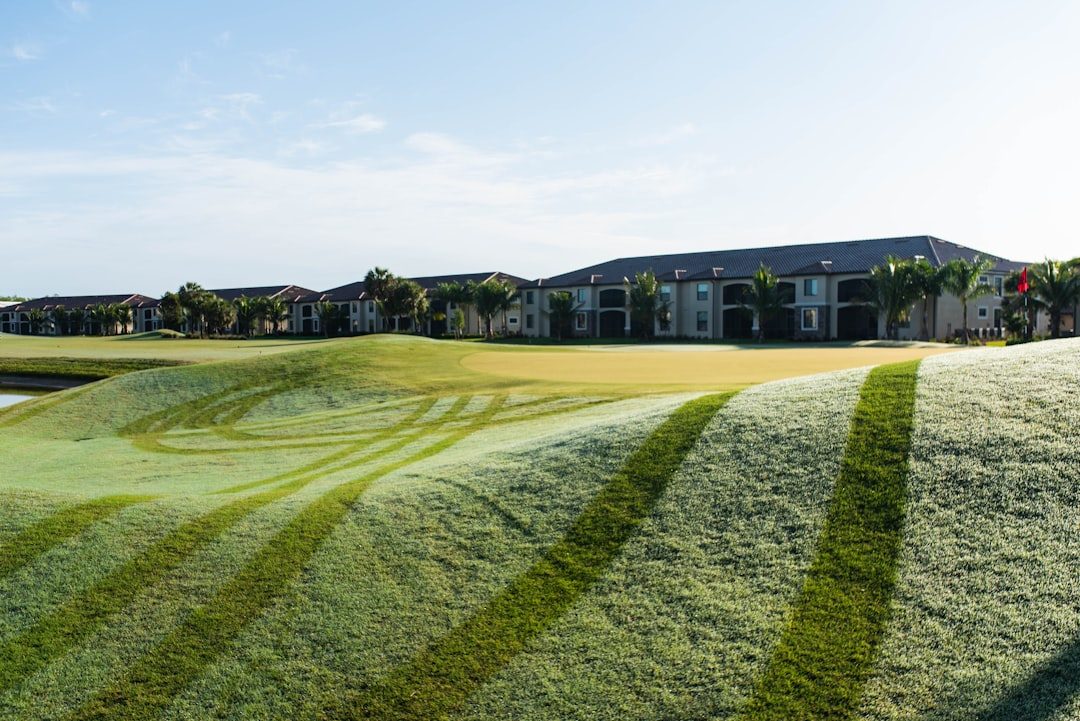
High-performance “golf course” look. This approach targets very dense, uniform turf with minimal weeds and sharp striping. It requires frequent mowing, precise fertilization, consistent irrigation, and regular overseeding or renovation. According to Purdue Extension, achieving this quality in cool-season lawns typically involves 3-5 fertilizer applications per year and a weekly time commitment of several hours during peak season.
Kid- and pet-friendly durability focus. Here, wear resistance and rapid recovery matter more than absolute visual perfection. The plan uses tough grass species (such as tall fescue or bermuda in suitable climates), slightly higher mowing heights, and targeted overseeding or repair in high-traffic zones.
Eco-friendly, low-input yard. This model prioritizes reduced irrigation, limited fertilizer and pesticide use, and biodiversity. It may include clover mixed into the turf, native grasses, or smaller lawn areas blended with beds and groundcovers. Fertility inputs are low and focused on soil building through compost and proper mowing.
Time, budget, and tools check. An honest assessment of available time and money prevents frustration later.
Questions to answer:
- How many hours per week can you reliably spend from April to October? One hour supports a basic “good enough green” approach on a small to medium lawn. Three or more hours support higher performance goals.
- What budget is available annually for fertilizer, seed, and occasional services such as aeration? Even modest budgets can support a healthy lawn when inputs are targeted with soil test data.
- Which tools are already available?
Starter tool checklist:
- Quality mower with sharp, easily sharpened blades
- Hose and sprinkler or in-ground irrigation system
- Spreader (broadcast or drop) for fertilizer and seed
- Rake and basic hand tools (shovel, hand cultivator)
Nice-to-have tools:
- Core aerator (rental once per year is sufficient for most lawns)
- Soil probe or hand auger for inspection
- Mulching mower or mulching blade insert
- Leaf blower or vacuum for fall cleanup without smothering turf
When a mixed landscape is better than wall-to-wall turf. Some sites cannot support a perfect full-lawn plan because of deep shade, steep slopes, poor soil, or a desire for more biodiversity. In those cases, blending turf with other elements improves both performance and aesthetics.
Options include:
- Ground covers: Low-growing plants like creeping thyme, vinca, or native sedges that tolerate partial shade or slopes better than grass.
- Native plant beds: Perennial beds with native species that require less irrigation once established and provide pollinator habitat.
- Mulched play or seating areas: Wood chips or rubber mulch under playsets, gravel or stone seating pads, which reduce turf wear and compaction.
Focusing turf in areas where it performs best, and using other plantings or materials elsewhere, often produces a landscape that functions better and requires less intensive management than a 100 percent grass yard.
Step 1: Diagnose Your Current Lawn Health
Before changing mowing height, buying fertilizer, or setting up a new watering schedule, Lawn Care 101 instructs homeowners to diagnose the current condition of the lawn. This prevents repeating ineffective practices and directs attention to root causes rather than symptoms.
Quick Lawn Health Assessment Checklist
A systematic walk-through of the yard, performed slowly and with attention to detail, provides critical insight. This assessment works best during the active growing season, when grass is not completely dormant.
Visual signs to inspect.
Color uniformity and density. Stand back and view the yard from multiple angles. A healthy lawn shows relatively uniform color and an even, carpet-like surface without large gaps. Color variations that align with fertilizer application patterns, sprinkler coverage, or shade patterns point to specific problems:
- Dark green stripes or patches following spreader paths indicate uneven fertilizer distribution.
- Paler areas near the edges of sprinkler coverage signal inconsistent watering.
- Duller, thinner spots under trees show shade and root competition.
Bare spots, thinning areas, and weeds. Walk through the lawn and note areas where soil shows through or where turf feels sparse. Also observe weed types:
- Broadleaf weeds like dandelion often dominate where turf density is poor and fertility is low.
- Grassy weeds such as crabgrass appear in thin, open soil, especially along edges, sidewalks, and driveways where heat and compaction are higher.
A lawn with more than 50 percent weed coverage in large areas typically requires some level of renovation or overseeding, not only spot treatment, to restore turf dominance.
Compacted, hard soil or standing water. Look for areas where water puddles after rain or irrigation. Soil that feels hard underfoot, especially along traffic paths, indicates compaction. According to Ohio State University Extension, compaction reduces pore space, limiting water infiltration and oxygen availability. This condition leads to shallow roots and increased stress during heat or drought.
Thatch buildup. Thatch is a layer of dead and living stems, roots, and organic debris between green vegetation and the soil surface. A thin thatch layer (less than 0.5 inch) is normal and beneficial. Thicker thatch restricts water, air, and nutrient movement.
To check thatch, cut a small wedge of turf 3-4 inches deep using a trowel or shovel. Measure the spongy, brownish layer between the green shoots and soil surface. According to University of Kentucky Extension, thatch thicker than 0.5 inch can interfere with water infiltration and is a candidate for mechanical dethatching or core aeration in appropriate seasons.
Simple at-home tests.
Screwdriver or shovel test for compaction. Push a long screwdriver or a narrow shovel blade into moist soil. In a relatively loose, healthy soil, the tool penetrates easily to 4-6 inches. If significant force is needed and depth is shallow, compaction is present. Perform this test in several locations to map where aeration would help most.
Jar test for soil texture. For a basic texture estimate, collect soil from the top 3-4 inches at several spots, remove stones and organic debris, and place about 1 cup in a clear jar. Add water and a small amount of non-foaming dish soap, shake vigorously, and let the jar sit undisturbed for 24-48 hours. Sand settles first, then silt, then clay. The thickness of each layer shows the relative proportions. While not as precise as a lab analysis, this test gives enough information to distinguish sandy, loamy, or clay-heavy soils and adjust practices accordingly.
DIY infiltration test for drainage. Dig a small hole about 6 inches deep and 6 inches wide, fill it with water, and let it drain completely. Immediately refill the hole and time how long the second filling takes to drain. According to NC State Extension guidelines, a percolation rate of roughly 1-2 inches per hour indicates good drainage. Much faster drainage indicates sandy soils that dry quickly, and much slower drainage indicates poor drainage or high clay content, both of which influence watering schedules and aeration needs.
By combining visual inspection and these simple tests, homeowners gain a clear picture of the lawn’s starting condition, which directs the next steps in Lawn Care 101.
Common Lawn Problems Beginners Face (and What They Indicate)
Several recurring patterns show up in beginner lawns. Recognizing what each pattern means allows targeted solutions instead of generic quick fixes.
Thin, patchy turf.
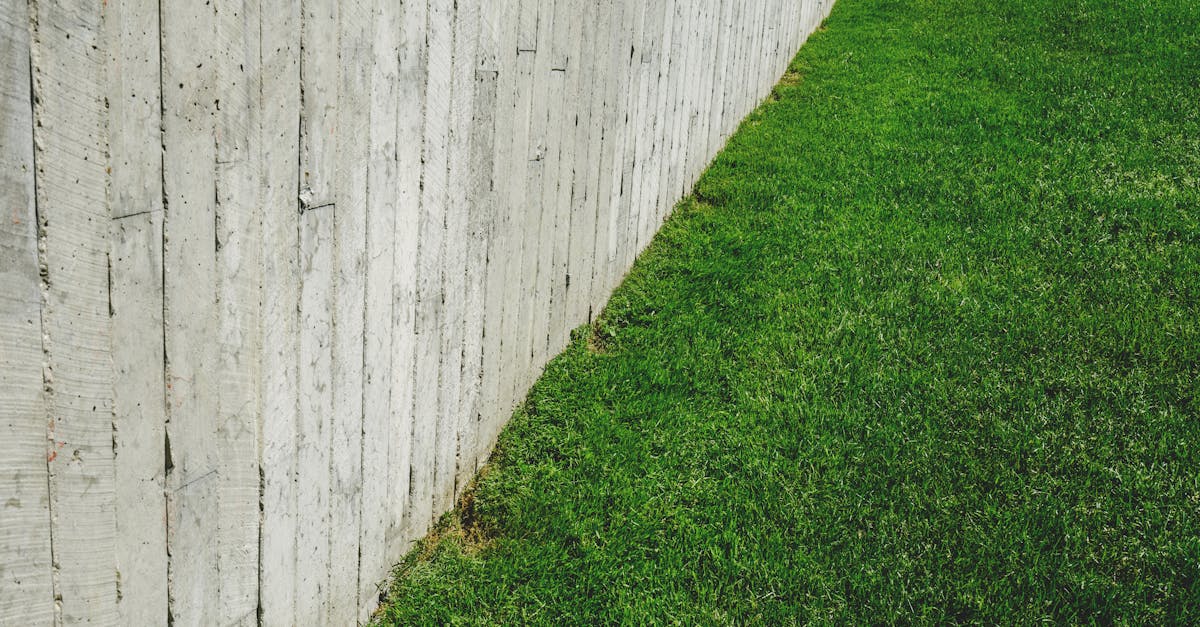
Thin turf with visible soil, scattered grass plants, and frequent weed invasion indicates that the grass is losing the competition for resources. The underlying issues fall into several categories:
Shade and root competition. Under trees or beside buildings, reduced light and tree root competition limit turf growth. Even high-quality seed struggles when sunlight is below the minimum for the species. In these zones, overseeding with shade-tolerant fine fescues in cool-season regions or selecting more shade-tolerant warm-season species such as St. Augustine where appropriate helps, but full coverage still requires adequate light. In heavy shade, converting to mulch or groundcovers, as discussed earlier, often provides a more stable surface.
Compaction and traffic. Areas along sidewalks, between driveways and front doors, or where children and pets run repeatedly often show thinning grass with hardened soil. The screwdriver test in these regions usually confirms resistance to penetration. According to Purdue Extension, core aeration performed in the active growing season of the grass (fall for cool-season, late spring for warm-season) relieves compaction and increases rooting depth. Re-routing traffic with paths or stepping stones in severe cases preserves turf health.
Poor soil and low fertility. Lawns on newly constructed lots, fill soil, or naturally infertile subsoils frequently exhibit thin, slow-growing turf. A soil test often shows low phosphorus, low potassium, or low organic matter. The solution is to follow soil test recommendations for fertilizer and to gradually increase organic matter over several years with topdressing and mulch mowing. According to Ohio State University Extension, increasing soil organic matter from 1 percent to 3 percent significantly improves moisture retention and nutrient availability, which supports thicker turf.
Improper mowing. Cutting grass too short or infrequently so that large amounts of leaf tissue are removed at once stresses the plants and reduces carbohydrate reserves. The one-third rule, supported by multiple Extension sources including NC State, states that no more than one-third of the grass blade height should be removed in a single mowing. When grass is scalped below the recommended height for its species, thin, patchy turf and weed invasion follow.
Incorrect grass species for conditions. In some situations, the grass itself is poorly matched to site and climate. For instance, Kentucky bluegrass in an un-irrigated, full-sun, hot-summer location in the lower transition zone often remains thin and drought stressed. Tall fescue or zoysia performs better in those conditions. When repeated overseeding and proper care still produce thin turf, evaluating species selection is necessary.
Yellow or pale green lawn.
A widespread yellow or pale green cast indicates that green chlorophyll is reduced or diluted. The pattern, distribution, and context determine the cause.
Nitrogen deficiency. A uniform, light green color with slow growth across the lawn, especially in spring or early summer, usually signifies nitrogen deficiency. According to Penn State Extension research, nitrogen is the primary nutrient controlling turf color and density. Applying a balanced turf fertilizer according to soil test and label rates, typically 0.5-1 pound of actual nitrogen per 1,000 square feet per application, restores normal color within 7-14 days when conditions are favorable.
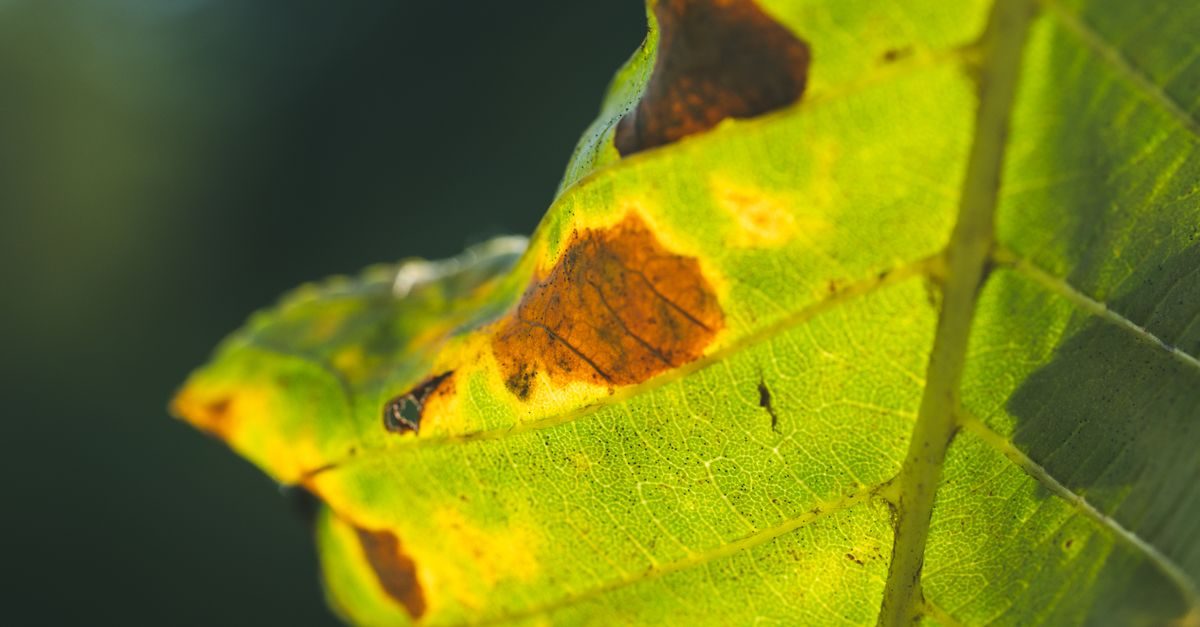
Iron deficiency (chlorosis). When leaves appear yellow but veins remain relatively green, especially in high pH soils, iron deficiency is indicated. This is common on high-lime soils with pH above 7.5. In this situation, adding more nitrogen does not solve the underlying issue. Short-term correction with iron sulfate or chelated iron improves color, but long-term improvement depends on lowering pH if practical or selecting turf species more tolerant of high pH conditions.
Overwatering. Constantly soggy soil or daily shallow irrigation leads to yellowing from oxygen deprivation in the root zone and increased disease activity. According to NC State Extension, turf receives adequate water when soil is moistened to a depth of 4-6 inches once or twice per week, then allowed to dry slightly between irrigations. Daily light watering keeps roots shallow and encourages disease organisms.
pH issues. Very low or very high pH values reduce nutrient availability even when total nutrient levels are adequate. For example, in acidic soils below pH 5.5, phosphorus becomes less available, contributing to poor color and stunted growth. Lime applications based on soil test recommendations gradually raise pH into the optimal 6.0-7.0 range over several months. According to University of Georgia Extension, applying the full recommended lime rate may take 3-6 months to fully adjust pH in the topsoil, so improvements appear gradually, not instantly.
By linking symptoms such as thinning, patchiness, and yellowing to underlying causes, homeowners transition from guessing to evidence-based lawn care. That shift is the core purpose of Lawn Care 101: the Complete Beginner’s Guide to a Healthy Green Yard.
Recommended products
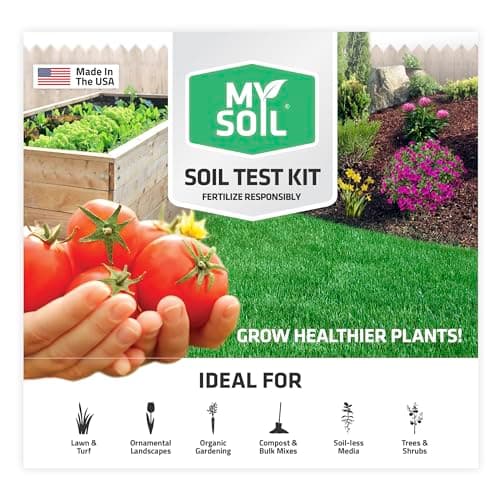
MySoil Soil Test Kit
A mail in soil test that reports pH and thirteen nutrients with lawn specific rates.
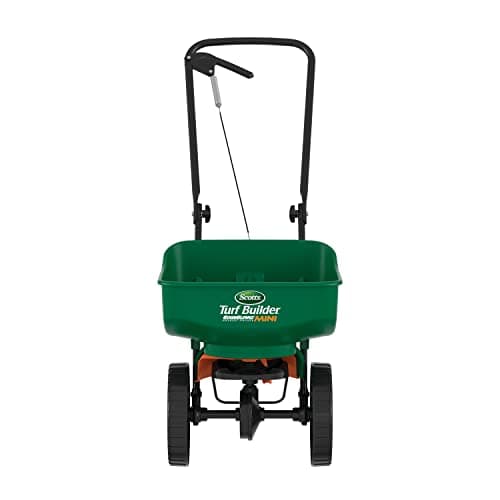
Scotts Turf Builder EdgeGuard Mini Spreader
A compact broadcast spreader sized for lawns under 5,000 square feet.
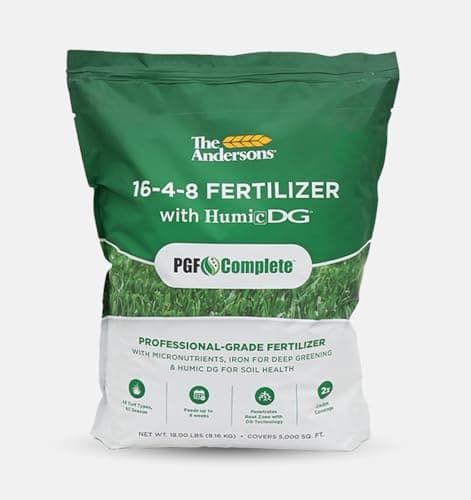
The Andersons PGF Complete 16-4-8
A slow release 16-4-8 granular with humic acid that works on any grass type.
Conclusion: Turning Diagnosis into a Year-Round Lawn Plan
A healthy, green yard results from accurate diagnosis, correct matching of grass and site, and disciplined execution of simple practices through the year. Once the lawn’s grass type, soil conditions, sun exposure, and current health are understood, the next steps become straightforward: choose appropriate mowing heights and schedules, fertilize based on soil test data and grass growth cycles, water deeply but infrequently, and schedule aeration and overseeding in the correct seasons.
To build on this Lawn Care 101 foundation, start by ordering a soil test, identifying your grass type, and walking your yard with the assessment checklist in hand. Then develop a seasonal action plan, such as a spring cleanup and fertilization, summer mowing and irrigation schedule, fall aeration and overseeding, and winter equipment maintenance. For more focused detail on specific tasks, explore resources such as How to Identify Your Grass Type, Seasonal Lawn Care Calendar, or Overseeding Cool-Season Lawns. With each improvement aligned to the real conditions in your yard, your lawn steadily shifts from patchy and unpredictable to a consistently healthy green yard.
Top Picks
- Pennington Full Season Lawn Fertilizer 32-0-5Check price on Amazon
- Jonathan Green (10322) Black Beauty Ultra Grass Seed - Cool Season Lawn Seed (7 lb)Check price on Amazon
- Simple Lawn Solutions - Ryan Knorr - Lawn Essentials Bundle BoxCheck price on Amazon
As an Amazon Associate we earn from qualifying purchases.
Free Lawn Care Tools
Patchy, thin turf usually means the grass type, soil, and climate are out of sync and basic maintenance is unbalanced. Simply adding more water or fertilizer often makes things worse by stressing roots and increasing disease pressure. Matching the grass type to your site and adjusting mowing, watering, and feeding to that grass are the keys to thick, even growth.
Start by looking at how your lawn behaves through the year: cool-season grasses stay green in spring and fall but struggle in hot summers, while warm-season grasses thrive in heat and often turn brown and dormant in cooler winters. Blade texture also helps—finer, softer blades often indicate Kentucky bluegrass or fine fescue, while coarser, wider blades suggest tall fescue, St. Augustine, Bahia, or centipede. Identifying this category sets the right mowing height, watering pattern, and repair methods.
A dense, healthy lawn boosts curb appeal and can increase perceived property value by framing the house and signaling overall care. It also acts like a living outdoor carpet, cushioning falls, reducing mud, and tolerating play and foot traffic. Environmentally, healthy turf helps control erosion, cools the area compared to bare soil or concrete, and can trap dust and slightly reduce neighborhood noise.
Each grass type has an ideal mowing height range, and cutting shorter than that stresses the plant and weakens the root system. Very low mowing, especially with dull blades or irregular timing, is one of the fastest ways to damage turf and invite weeds. Staying within the recommended height for your specific grass helps it stay dense, resilient, and naturally more weed-resistant.
Many beginners assume “grass is just grass” and treat all lawns the same, ignoring differences between cool-season and warm-season turf. They often respond to pale color or bare spots with more water and fertilizer, which can increase disease and weaken roots instead of solving the problem. Focusing only on how short to cut the lawn, rather than blade sharpness and mowing frequency, is another frequent and damaging mistake.
Lawns need consistent, seasonally appropriate care instead of short bursts of attention in just one season. By thinking in terms of spring, summer, fall, and winter needs, you can keep the lawn supplied with what it actually requires at the right times, from mowing and watering to fertilizing and repairs. This steady approach helps turf stay thick and healthy so it can better handle heat, cold, and everyday use.
Photos: RDNE Stock project / Pexels

Beat weeds and brown spots from your phone
Snap a photo, get the fix, and follow a plan timed to your soil and weather. Free on iPhone.