When Is the Best Time to Apply Fungicide to Lawn
 Sarah MitchellLawn Diagnostics Specialist | 12 Years
As an Amazon Associate we earn from qualifying purchases.
Patchy brown turf during humid weather, gray spots on blades after rain, or snow mold circles in early spring all signal the same underlying issue: fungal disease active at the wrong time. The critical variable is not only what fungicide you use, but precisely when you apply it.
Timing fungicide applications correctly protects the lawn before infections explode, limits how much product you need, and shortens recovery time. Poor timing, even with an excellent product, allows disease to get ahead of you and causes lasting thinning or death of turf.
This guide explains when is the best time to apply fungicide to lawn areas in a practical, research-based way. It covers whether fungicide should be applied before or after you see symptoms, how timing changes for cool-season and warm-season grasses, and how often you should treat through the year. By the end, you will know how to align fungicide timing with your specific grass type, climate, and disease history.
To determine if your lawn needs fungicide, look for patchy brown areas, especially during humid weather, or gray spots on grass blades after rain. These are signs of fungal disease, which thrives when nighttime temperatures exceed 65°F and leaves stay wet for over 10 hours. To verify, check if these conditions align with your recent weather patterns.
Apply fungicide proactively before or at the first sign of infection to protect your lawn. For cool-season grasses, aim for early spring or late summer applications, while warm-season grasses benefit from late spring treatments. This timing helps prevent disease spread and minimizes damage, ensuring your lawn stays lush and healthy throughout the season.
Understanding Lawn Fungus and Fungicides (Foundation for Timing)
What Is Lawn Fungus?
Lawn fungus refers to a group of plant diseases caused by fungal or fungal-like organisms that infect turfgrass leaves, crowns, and sometimes roots. According to Penn State Extension, most serious lawn diseases occur when a susceptible grass species, an active pathogen, and favorable environmental conditions occur together for several days or weeks.
Common lawn diseases homeowners encounter include:
- Brown patch (Rhizoctonia solani), which causes circular brown areas in cool-season lawns during warm, humid weather.
- Dollar spot, recognized by small silver-dollar-sized spots that merge into larger patches, common on low-nitrogen lawns.
- Snow mold (pink and gray types), appearing in early spring as matted, bleached, or pinkish patches after snow melts.
- Rust, which coats blades with orange spores that rub off on shoes and mowers.
- Leaf spot and melting out, which start as small leaf lesions and can progress to thinning turf in spring and early summer.
- Pythium blight, a water mold disease that rapidly kills patches of turf in hot, wet conditions.
- Summer patch, a root-infecting disease where fungicide works best as a preventive application timed to soil warming, not after symptoms appear.
These fungi spread by spores or mycelium. They thrive when moisture remains on leaves for extended periods and when temperatures fall within each pathogen’s preferred range. For example, NC State Extension reports that brown patch is most aggressive when nighttime temperatures stay above 65°F and leaf surfaces remain wet for 10 or more hours.
This environmental dependence is the core reason timing matters. If you know when conditions favor each pathogen, you can schedule fungicide applications before or at the very start of infection instead of reacting after severe damage appears.
How Fungicides Work (And Why Timing Is Critical)
Fungicides control lawn diseases by interfering with fungal growth, spore germination, or infection inside the plant. They do not revive dead grass tissue; they protect healthy tissue and stop the disease from advancing.
Two key concepts drive timing decisions: preventive versus curative activity, and contact versus systemic movement.
Preventive vs curative fungicides
- Preventive fungicides stop infection before it occurs. They form a protective barrier on leaves or within plant tissue so spores that land cannot successfully infect.
- Curative fungicides slow or stop very early infections that have already begun but have not yet caused extensive damage.
According to Purdue University Extension, most fungicides work best when used preventively or at the first appearance of symptoms. Once more than 5 to 10 percent of the lawn area is severely affected, even strong curative products only limit further spread; they do not reverse what is already dead.
Contact vs systemic fungicides
- Contact fungicides remain on the surface of leaves and stems. They protect by killing spores on contact or by preventing germination. Good coverage of the leaf canopy is essential, and they are more prone to being washed off or degraded over time.
- Systemic fungicides are absorbed into the grass blade and sometimes the crown and root. They move within the plant and provide internal protection for a defined period. Some systemic products have both preventive and early curative activity.
Systemic fungicides generally provide longer protection intervals (often 21 to 28 days) than pure contact products (typically 7 to 14 days). However, both depend on application before disease pressure reaches a high level. If you wait until large dead areas appear, the fungicide only protects the remaining green turf around the edges of those patches.
Why preventive timing is more effective
Extension research from Ohio State University demonstrates that preventive fungicide applications reduce disease severity and total number of required treatments compared to strictly curative programs. When fungicides are applied just before or at the earliest visible signs of disease, they shield healthy tissue and allow the lawn to maintain density. Later, heavy curative applications often require more product, more repeat treatments, and longer recovery periods.
This is why knowing when is the best time to apply fungicide to lawn areas is central. You are not simply reacting to damage, you are aligning treatments with the disease cycle.
Key Factors That Influence the Best Time to Apply Fungicide
Timing is not identical in every yard. Several site-specific factors change when you should apply fungicide and how often.
Grass type
Cool-season grasses (tall fescue, Kentucky bluegrass, perennial ryegrass) have their main growth periods in spring and fall and experience peak disease pressure during cool, wet or warm, humid windows. Warm-season grasses (bermudagrass, zoysia, St. Augustine, centipede) grow most actively in late spring through summer and face their worst disease threats when soil and air temperatures are higher. The same product used in May on a New York tall fescue lawn might be best used in March or April on a Georgia bermuda lawn.
Local climate and weather patterns
Regions with frequent summer thunderstorms, high humidity, and warm nights generate more consistent fungal pressure than arid climates. Micro-climate differences, such as coastal versus inland, or valley versus hilltop, also influence disease timing. Watching local weather patterns, especially nighttime low temperatures and dew persistence, is as important as watching the calendar.
Disease history of your lawn
If brown patch or dollar spot appears in the same areas every year, that history is one of the strongest predictors for future outbreaks. Extension turf programs emphasize that repeated infections signal a site or management issue that needs attention, and they also justify more targeted preventive fungicide use. You can time the first application just ahead of when those familiar symptoms appear each year.
Cultural practices
Watering at night, mowing too low, or overapplying nitrogen in warm, humid weather all increase disease risk. Conversely, proper mowing height, morning irrigation, and balanced fertilization reduce disease pressure and can sometimes reduce or eliminate the need for fungicides. When cultural conditions are poor, disease arrives earlier and more aggressively, which forces earlier and more frequent fungicide treatments.
Microclimates within the yard
Shaded areas, low spots that stay wet, and zones with poor air circulation often develop disease earlier than sunny, well-drained areas. It is common to need spot treatments or earlier applications in those microclimates. Timing should be based on the earliest risk zones, not only on the healthiest parts of the lawn.
Best Time to Apply Fungicide by Grass Type and Climate
Cool-Season Lawns (Fescue, Bluegrass, Ryegrass)
Cool-season grasses dominate in the Northern United States, upper Midwest, Northeast, Pacific Northwest, and much of the transition zone. Their main stress periods involve heat and humidity in late spring and summer and snow cover in winter.
According to University of Minnesota Extension and Penn State Extension guides, the key disease windows for cool-season turf include:
- Late spring to early summer for brown patch and dollar spot when nighttime lows consistently reach the mid 60s°F with frequent rainfall or heavy dew.
- Late summer heat waves, particularly when drought stress or over-irrigation leads to leaf wetness overnight.
- Early spring after snow melt for snow mold and early season leaf spot.
For cool-season lawns, the best time to apply fungicide generally aligns with the start of these windows, guided by temperature and moisture thresholds rather than a fixed date.
General fungicide timing guidelines for cool-season turf
- Apply preventive fungicide when nighttime temperatures stay in the low to mid 60s°F with leaf surfaces remaining wet into the morning on several consecutive days, especially if you have a history of brown patch or dollar spot.
- Use early curative applications at the first visible signs of typical diseases, such as small brown patches or dollar-sized spots, rather than waiting for large areas to thin.
- Adjust intervals according to label instructions, often 14 to 28 days, and shorten the interval if conditions remain highly favorable for disease.
Calendar-Based Overview for Cool-Season Lawns
The following calendar overview provides a practical framework. Actual timing should always be adjusted based on local weather and your lawn’s disease history.

Early spring
Typical timing: From snow melt until consistent active growth begins, often March to April in northern states and February to March in some transition-zone regions.
Primary disease concern: Snow mold in areas with extended snow cover, and early leaf spot in some regions.
Snow mold often appears as matted, straw-colored patches, sometimes with pink or gray fungal growth when the lawn first emerges from snow. According to University of Wisconsin Extension, most home lawns recover from light to moderate snow mold without fungicides if they are gently raked and allowed to dry.
When to skip fungicide in early spring:
- If patches are limited, turf crowns are still firm and not mushy, and the lawn has a history of recovering each spring.
In these situations, the best approach is usually:
- Gently rake matted areas to open the canopy and improve air flow.
- Resume proper fertilization and mowing schedules.
- Overseed thin patches in late spring or early fall if recovery is incomplete.
When spring fungicide can be justified:
- If snow mold causes severe damage year after year, particularly on high-value turf such as fine fescue or Kentucky bluegrass lawns with dense shade.
- When large areas (more than 15 to 20 percent of the lawn) are affected and turf crowns feel soft or dead.
In those recurrent severe cases, fungicides are typically applied in late fall before snow cover rather than in early spring. For early spring issues on home lawns, cultural recovery is usually the recommended first step.
Late spring to early summer
Typical timing: May to early June in the northern tier, April to May in the transition zone.
Primary diseases: Brown patch, dollar spot, leaf spot and melting out.
This period is often the single most important window when homeowners ask when is the best time to apply fungicide to lawn areas of cool-season grass. Overwintered turf is lush, nitrogen levels may be high from spring fertilization, and humidity starts to rise.
Optimal preventive timing:
- Monitor nighttime low temperatures. When they consistently reach 60 to 65°F and do not drop lower for several nights, disease risk escalates quickly.
- Watch dew. If leaves stay wet until late morning, risk is higher. If this pattern persists for several days, a preventive fungicide becomes justified on lawns with a known history of brown patch or dollar spot.
- Apply fungicide just before a forecast of several warm, humid nights or at the very first sign of small, circular brown or bleached patches.
NC State Extension emphasizes starting brown patch programs when nighttime lows reach 65°F and high humidity is present, particularly for tall fescue. Following that guidance, the first application should typically occur just before that threshold is reached in high-risk lawns.
Mid to late summer
Typical timing: Late June through August in the north, May through August in the transition zone.
Primary diseases: Continued brown patch and dollar spot activity, Pythium blight during hot, wet periods, rust in low fertility lawns.
By this stage, cool-season grasses are under heat stress. The turf grows more slowly, and recovery from damage takes longer. Fungicide timing focuses on maintaining protection in stressed zones.
Key timing principles include:
- Continue follow-up fungicide applications at label intervals (usually 14 to 28 days) through prolonged hot, humid stretches if disease pressure remains high and the lawn has a strong history of issues.
- Prioritize fungicide on high-risk microclimates, such as shaded, poorly drained, or irrigated at night areas, rather than blanket treating the entire yard if pressure is localized.
- Watch for rapid, greasy-looking patches during very hot, wet weather, which signals Pythium blight. For Pythium, preventive or extremely early curative applications are critical; once severe, turf loss is extensive.
When heat breaks and nighttime lows drop back into the 50s°F, disease pressure on cool-season grasses decreases, and fungicide intervals can be lengthened or stopped if symptoms subside.
Fall
Typical timing: September through November, depending on region.
Disease concerns: Some late-season brown patch, rust, and leaf spot, though severity often declines as temperatures cool.
Fall is primarily a recovery and renovation period for cool-season lawns. Aeration, overseeding, and fertilization in fall build density and root reserves, which in turn reduce disease severity the following year.
Fungicides are usually less necessary in fall, but they can still be useful when:
- Late-season brown patch or leaf spot remains active in warm autumn weather and threatens new seedlings from fall overseeding.
- Rust is extremely heavy and causes significant thinning or aesthetic issues, especially on low-nitrogen lawns.
Instead of routine fall fungicide, most extension programs recommend focusing on:
- Proper timing and rate of fall fertilization.
- Aeration and overseeding to improve density.
- Leaf removal to prevent extended moisture and snow mold risk.
Strong fall cultural care often reduces or eliminates the need for mid-summer fungicide programs in subsequent years.
Warm-Season Lawns (Bermuda, Zoysia, St. Augustine, Centipede)
Warm-season grasses grow best in the Southern United States, coastal areas, and much of the lower transition zone. Their primary growth occurs from late spring through summer, and they go dormant or semi-dormant in winter.
Common disease timeframes for warm-season turf, as summarized by Texas A&M and University of Georgia Extension, include:
- Late winter to early spring for large patch or zoysia patch, which infects sheaths in cool, wet conditions.
- Late spring to early summer for brown patch on St. Augustinegrass and various leaf spot diseases.
- Mid to late summer for gray leaf spot, rust, and other foliar diseases during warm, wet weather.
For warm-season lawns, the best time to apply fungicide often aligns with specific soil temperature thresholds and early green-up timing.
General fungicide timing guidelines for warm-season turf
- Time the first fungicide application as soil temperatures at 2 inch depth consistently reach the disease-specific threshold, often around 50 to 70°F depending on the disease.
- Focus preventive applications on late winter or early spring for patch diseases like large patch and zoysia patch, because infection occurs when air is cool but turf is just starting or ending growth.
- For foliar diseases such as gray leaf spot, begin preventive or early curative treatments when daily highs and humidity align with the known risk period and you observe early leaf spotting.
NC State Extension notes that large patch of warm-season grasses typically becomes active when soil temperatures are between 50 and 70°F during wet weather in spring and fall. That means fungicides need to be applied before symptoms fully appear, often in early spring and again in fall for high-risk sites.
Timing Fungicide for Specific Warm-Season Diseases
Large patch / zoysia patch
This disease primarily affects bermudagrass, zoysia, and St. Augustinegrass. Symptoms often show in spring as large, circular patches of yellow, orange, or brown turf, but infection usually started in the previous fall or early spring during cool, wet weather.
Best timing guidelines include:
- Apply a preventive fungicide in fall when soil temperatures drop into the 60°F range and frequent rainfall occurs, especially on lawns with a history of large patch.
- Repeat in early spring as soil temperatures rise back through this same range, if past disease has been severe.
- Do not wait until patches are fully developed and turf has already thinned extensively; by then, fungicides only limit further expansion.
Brown patch on St. Augustinegrass
Brown patch on St. Augustine has similar environmental preferences to brown patch on cool-season grasses: warm, humid weather with extended leaf wetness. According to Texas A&M AgriLife Extension, activity increases when nighttime lows are above 70°F with wet leaves.
Best timing involves:
- Initiating preventive fungicide when warm, humid nights are forecast and the lawn has a history of brown patch.
- Applying at first sign of small, circular, yellow or brown patches if you did not apply preventively.
- Maintaining label-recommended intervals through extended warm, wet periods.
Gray leaf spot
Gray leaf spot is especially problematic on St. Augustinegrass and some ryegrasses in warm, rainy summers. Symptoms start as small, water-soaked spots that enlarge to gray or tan lesions.
Timing principles include:
- Begin preventive or early curative sprays in mid to late summer when extended warm, wet weather is expected and the lawn has a known history of gray leaf spot.
- Inspect leaves weekly for early spotting and apply fungicide immediately when lesions are first detected.
Seasonal Timeline for Warm-Season Lawns
Late winter to early spring (February to April, depending on region)
As warm-season grasses begin to green up, the main focus is large patch and zoysia patch in areas with previous problems.
- Monitor soil temperature at 2 inch depth using a soil thermometer. When it ranges between 50 and 65°F with frequent rain or high soil moisture, apply a preventive fungicide if large patch has been an issue.
- A second application 21 to 28 days later, if conditions remain favorable and the lawn has a history of severe outbreaks, further reduces risk.
Late spring to early summer (April to June)
Warm-season grasses move into full growth. Brown patch on St. Augustine and various leaf spot diseases become more common as humidity rises.
- If nighttime temperatures consistently stay above 65 to 70°F with heavy dew or irrigation, consider preventive brown patch fungicide treatments for susceptible warm-season species with a history of issues.
- Apply fungicide at first symptom appearance if you skipped preventive treatment.
Mid to late summer (June to September)
This period favors gray leaf spot, rust, and continued brown patch activity in humid climates.
- Inspect high-risk areas weekly for early symptoms, especially lower, shaded, or heavily irrigated zones.
- Continue or begin fungicide programs when daily highs and humidity are high and disease history indicates risk.
Fall (September to November)
Warm-season turf begins slowing growth, but large patch activity may resume in cool, wet fall conditions. Just as in spring, fungicide timing for large patch focuses on the 50 to 70°F soil temperature range.
- Apply a preventive fungicide in early to mid fall when soil temperatures fall through the mid 60s°F range and rain increases, particularly for lawns with recurring large patch.
- Combine fungicide use with improved drainage and reduced fall nitrogen to further lower risk.
Should You Apply Fungicide Before or After You See Disease?
A central question behind when is the best time to apply fungicide to lawn care is whether to treat preventively or wait until symptoms appear. University extension programs consistently advise that the most effective control comes from preventive or very early curative applications, especially on lawns with a strong disease history.
When preventive fungicide makes sense
Preventive fungicide applications are appropriate when all of the following conditions are present:
- The lawn had moderate to severe disease in the same season over multiple previous years.
- Weather forecasts and temperature thresholds indicate the disease is about to become active.
- Cultural corrections (mowing height, irrigation timing, fertility) have been implemented but disease remains a recurring problem.
In these situations, applying fungicide shortly before typical symptom onset usually reduces total disease severity, the number of applications required, and the amount of turf thinning. For example, a tall fescue lawn that suffers brown patch every June and July is a good candidate for preventive fungicide starting in late May or when nighttime lows reach the mid 60s°F, according to NC State guidance.
When early curative fungicide is appropriate
Many homeowners do not want to apply fungicide until they know disease is present. In that case, the goal shifts to identifying early symptoms quickly and applying at the first sign of infection.
Early curative timing is effective when:
- You discover small patches of disease affecting a limited portion of the lawn.
- Weather conditions have just recently turned favorable for that disease.
- The infected grass still has living tissue in the crowns and surrounding plants are mostly healthy.
Under these conditions, a curative fungicide stops further expansion and protects nearby unaffected turf. It is critical to combine that with corrections in watering, mowing, or thatch management to remove the underlying cause of excessive leaf wetness.
When fungicide is too late to be useful
Fungicide timing becomes ineffective when:
- Large sections of turf (more than 25 to 30 percent) are already dead, not just discolored.
- Grass crowns are soft, mushy, or missing, indicating death, not temporary leaf injury.
- The main disease-favorable weather window has already passed and conditions have turned dry and cool.
In these cases, the solution is reestablishing grass by overseeding or resodding and correcting cultural issues rather than applying fungicide to dead tissue.
How Often Should You Apply Fungicide?
Fungicide frequency depends on disease pressure, product persistence, and label instructions. Overuse increases cost and risk of fungicide resistance in pathogens, while underuse fails to protect turf.
Typical intervals
- Contact fungicides often require reapplication every 7 to 14 days during high disease pressure.
- Systemic fungicides with residual activity often protect for 14 to 28 days, depending on the active ingredient and application rate.
Always follow the specific interval on the product label. University of Kentucky Extension stresses that extending intervals beyond label recommendations during high-pressure periods leads to breakthrough infections, while shortening intervals below label minimums provides little added benefit and raises cost and resistance risk.
Seasonal program planning
A practical approach is to limit fungicide programs to the highest-risk 6 to 10 week window for your main disease, rather than applying continuously all year. For example:
- A cool-season tall fescue lawn with chronic brown patch may receive 2 to 4 fungicide applications from late May through July, then none for the rest of the year.
- A zoysia lawn with large patch issues may receive 1 to 2 applications in fall and 1 to 2 in early spring, focused only on that disease window.
Outside those windows, focus on cultural practices to minimize disease. This targeted approach aligns fungicide use with actual risk and reduces unnecessary exposure.
Practical Step-by-Step Timeline for a Season
The following example timeline shows how a homeowner with a cool-season tall fescue lawn in a humid climate might structure fungicide timing across a year. You can adapt it to your region and grass type using the principles above.
Late winter to early spring (Week 1 to 4)
- Inspect for snow mold after snow melt.
- Gently rake matted spots to encourage drying and recovery.
- No fungicide unless there is a severe, repeated snow mold history and a late fall preventive application is part of your program.
Mid spring (Week 5 to 8)
- Apply balanced fertilizer according to soil test.
- Set mowing height to 3 to 4 inches for tall fescue or Kentucky bluegrass.
- Begin watching nighttime low temperatures and humidity.
Late spring (Week 9 to 12)
- When nighttime lows reach 60 to 65°F for several days with heavy dew, schedule first preventive brown patch fungicide application if the lawn has a history of this disease.
- Apply fungicide in the cool of the day, follow label rate, and irrigate lightly if the product requires watering in for systemic activity.
Early to mid summer (Week 13 to 20)
- Repeat fungicide at 14 to 28 day intervals while hot, humid conditions persist and disease remains active.
- Monitor for new symptoms between applications and adjust interval if necessary within label guidelines.
- Water in the early morning only, deeply and infrequently, to reduce nighttime leaf wetness.
Late summer to early fall (Week 21 to 28)
- As nighttime temperatures drop below the mid 60s°F and humidity decreases, discontinue fungicide once disease pressure clearly subsides.
- Plan core aeration and overseeding for early fall to thicken turf and improve recovery from any summer thinning.
Fall (Week 29 to 36)
- Aerate and overseed as needed.
- Apply fall fertilization to build root reserves.
- Remove leaves promptly to limit moisture and snow mold risk.
- Fungicides only if late-season disease significantly threatens new seedlings.
For warm-season lawns, a similar calendar can be built around early spring and fall large patch windows and summer foliar disease periods, with soil temperature measurements helping to fine-tune timing.
Cultural Practices That Improve Fungicide Timing and Reduce Need
Fungicides work best as part of an integrated program that reduces disease pressure through management practices. These practices do not change when is the best time to apply fungicide to lawn areas, but they reduce how often you need to apply and how severe outbreaks become.
Mowing height and frequency
According to Rutgers University Extension, mowing cool-season lawns at 3 to 4 inches reduces disease incidence compared to very low mowing. Taller grass maintains deeper roots and better stress tolerance. Avoid removing more than one-third of the blade at a time to prevent injury that predisposes turf to infection.

Irrigation timing and amount
Water deeply and infrequently, supplying about 1 to 1.5 inches of water per week, including rainfall, in most climates. Apply water early in the morning so leaves dry quickly after sunrise. Avoid evening watering that leaves grass wet overnight, which is a primary driver for diseases like brown patch and Pythium.
Fertilization balance
Excess nitrogen before or during hot, humid periods increases succulent growth that is highly vulnerable to diseases. Follow soil test recommendations and your grass type’s seasonal fertility guidelines. For cool-season turf, shift most nitrogen into fall applications. For warm-season turf, moderate nitrogen during peak summer while avoiding heavy late-fall applications that can promote large patch.
Thatch management and aeration
Thick thatch holds moisture against the crown and lowers effective mowing height. Periodic core aeration, and dethatching when thatch exceeds about 0.5 inch, improves air flow and drainage. Better oxygen and less surface moisture decrease disease severity and can extend fungicide intervals.
Shade and air movement
Prune low branches, thin shrubs, or adjust fencing where possible to improve air circulation and sunlight penetration to the turf. Increased air flow shortens leaf wetness duration, which weakens many fungal pathogens.
Choosing Products and Applying Them Correctly
While this article focuses on timing, product selection and application technique also influence how successfully you control disease at the right time.
Active ingredient rotation
Repeatedly using the same fungicide active ingredient through the season encourages fungicide resistance. University of Nebraska Extension recommends rotating among different fungicide FRAC (Fungicide Resistance Action Committee) groups through a season, especially when multiple applications are needed. Check labels for FRAC code numbers and plan a rotation when building your seasonal schedule.
Application method
- For foliar diseases (brown patch, dollar spot, leaf spots), apply fungicides in enough water volume to thoroughly coat leaf surfaces.
- For crown and root diseases or large patch, follow label instructions for watering in the product so it moves to the zone where the pathogen is active.
Uniform coverage is essential. Use a calibrated sprayer or spreader and avoid skipping passes. Mistimed, patchy applications leave gaps where disease can continue to spread.
Weather considerations at application
Apply fungicides in cooler parts of the day with low wind. Avoid application immediately before heavy rainfall that could wash product away, unless the label specifically states that watering in is needed and you use controlled irrigation instead of relying on storms.
Putting It All Together: Answering the Core Timing Questions
To directly answer the most common questions about fungicide timing:
- When is the best time to apply fungicide to lawn? The best time is just before or at the very earliest signs of disease during the known risk window for your grass type and region. For cool-season lawns, this usually means late spring and early summer when nighttime temperatures enter the mid 60s°F with high humidity. For warm-season lawns, it often means early spring and fall for large patch and warm, wet summer periods for foliar diseases.
- Should you apply fungicide before or after you see disease? Preventive application is most effective on lawns with a history of serious disease and when environmental conditions are favorable. Early curative application at first symptoms is the minimum effective timing. Waiting until patches are large and turf is dead is too late.
- How often should you apply fungicides? Follow label intervals, typically 7 to 14 days for contact products and 14 to 28 days for systemic products, but limit applications to the main 6 to 10 week disease risk window rather than all year.
- What season should you focus on? For cool-season grasses, focus on late spring through mid summer. For warm-season grasses, focus on early spring and fall for large patch and on summer for foliar leaf diseases, guided by soil and air temperature thresholds.
For more help refining your timing by species, see resources such as How to Identify Your Grass Type and seasonal lawn care calendars for your region, which help align fungicide use with other lawn care steps like fertilizing and overseeding.
Conclusion
Fungicide effectiveness in home lawns depends far more on timing than on brand name. Aligning applications with disease development stages, temperature and moisture thresholds, and your lawn’s history prevents major damage, reduces overall chemical use, and supports faster turf recovery.
Assess your grass type, track local weather patterns, review past disease problems, and then design a focused fungicide schedule that targets only the highest-risk weeks. Pair that schedule with improved mowing, irrigation, fertilization, and aeration, and you can keep fungal diseases in check with fewer treatments.
To refine your plan, consider using a personalized lawn analysis tool, and explore detailed guides such as How to Identify Lawn Diseases and Seasonal Lawn Care Schedule by Region so every fungicide application occurs at the right time, on the right lawn, for the right reason.
Top Picks
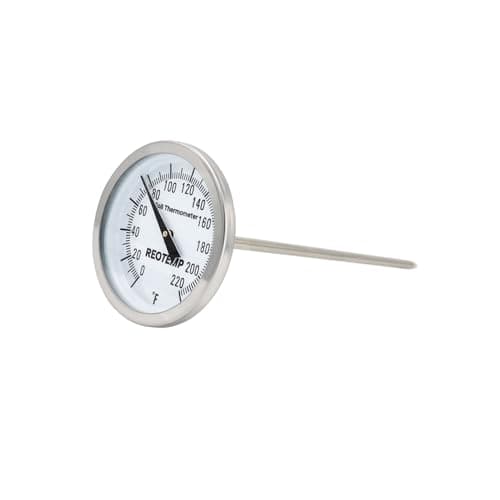
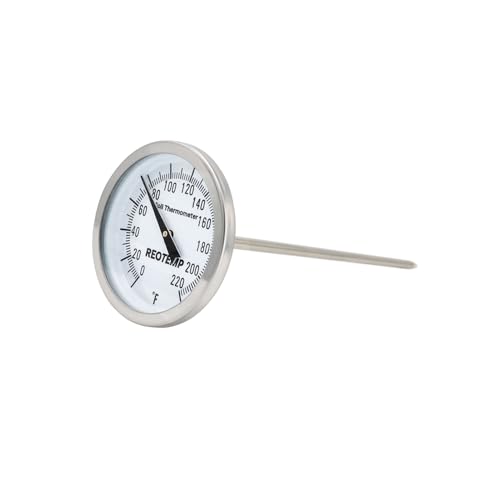 REOTEMP Waterproof Soil Thermometer, 5" StemCheck price on Amazon
 Scotts DiseaseEx Lawn FungicideCheck price on Amazon
 BioAdvanced Fungus Control for Lawns - 32 fl oz BottleCheck price on Amazon
As an Amazon Associate we earn from qualifying purchases.
Free Lawn Care Tools
Lawn fungus refers to a group of plant diseases caused by fungal or fungal-like organisms that infect turfgrass leaves, crowns, and sometimes roots. According to Penn State Extension, most serious lawn diseases occur when a susceptible grass species, an active pathogen, and favorable environmental conditions occur together for several days or weeks.
Fungicide works best when it is applied preventively or at the very first sign of symptoms, not after damage is widespread. Once more than 5–10% of the lawn is severely affected, fungicides can only protect remaining healthy grass and limit further spread, not revive dead areas. Timing applications just ahead of or at the earliest symptoms keeps turf dense and reduces total damage.
Cool-season grasses like tall fescue, Kentucky bluegrass, and perennial ryegrass usually need fungicide during cool, wet periods in spring and fall, or in warm, humid summer windows. Warm-season grasses like bermuda, zoysia, St. Augustine, and centipede typically face peak disease pressure in late spring and summer when soil and air temperatures are higher. The same disease can occur at different calendar times in different climates, so grass type plus location both influence timing.
Application frequency depends on whether the fungicide is contact or systemic and how strong the disease pressure is. Contact products typically protect for about 7–14 days, while systemic fungicides often last 21–28 days. In periods of high disease pressure or when conditions stay favorable for several weeks, repeat applications within these intervals are often needed to maintain protection.
Preventive fungicide is especially valuable on lawns with a history of recurring diseases like brown patch or dollar spot. When applied just before conditions favor those diseases, preventive programs reduce overall disease severity, limit how many treatments are needed, and help the lawn maintain thickness. Relying only on curative treatments after damage appears usually requires more product and leads to longer recovery times.
The right time is when weather patterns match the conditions that favor common lawn diseases, such as extended leaf wetness and temperatures in each pathogen’s preferred range. For example, brown patch becomes aggressive when nighttime temperatures stay above 65°F and grass blades stay wet for 10 or more hours. Watching nighttime lows, humidity, dew, and rainfall patterns helps you time fungicide before infections surge.
Photos: Blue Bird / Pexels, FOX ^.ᆽ.^= ∫ / Pexels

Beat weeds and brown spots from your phone
Snap a photo, get the fix, and follow a plan timed to your soil and weather. Free on iPhone.
Related Articles
 Lawn Care Tips
Scotts DiseaseEx Instructions: Rates, Spreader Settings, and Timing
Sep 13, 2026•5 min read Lawn Care Tips
Large Patch in Zoysia and St. Augustine: Fall Identification and Treatment
Sep 13, 2026•6 min read Lawn Care Tips
The Best Fungicide for St. Augustine Grass: How to Pick by Disease
Sep 13, 2026•6 min read