

Snow Mold on Grass: How to Identify, Treat, and Prevent It
 James ThorntonLawn Equipment & Maintenance Expert | 20 Years
As an Amazon Associate we earn from qualifying purchases.
Snow Mold on Grass: Why It Deserves Your Attention
Winter lawn mold is a group of fungal diseases that attack grass under cold, wet conditions, most often when snow sits on the lawn for weeks. It behaves very differently from summer diseases like brown patch, and if you misdiagnose it, you can waste time and money on treatments that do not work. Snow mold prevention should be part of every cool climate lawn care plan if you want a dense, consistent lawn in spring.
Homeowners usually notice problems in late winter or early spring when the snow recedes. Instead of uniformly green turf, they see light brown or straw colored circles, sometimes with gray or pinkish edges, and matted, slimy blades that do not stand up when raked. These patches can look alarming, especially if they appear in clusters across the yard.
Two main culprits are responsible for most winter lawn mold issues. The first is snow mold, which includes gray snow mold (Typhula blight) and pink snow mold (Microdochium patch under snow). The second group includes other cold weather molds and patch diseases that occur in cool, wet, often snow free climates, especially in coastal or maritime regions.
This guide focuses on practical winter lawn mold: prevention & treatment. You will see how to correctly identify mold types, understand the weather and lawn conditions that trigger them, and use targeted prevention before and during winter. You will also learn what to do in late winter and spring to help your lawn recover, how to decide whether fungicides are necessary, and which advanced lawn care practices build long term mold resistance. Finally, we will cover common mistakes most guides ignore, like over fertilizing in fall or leaving leaves matted on the lawn under early snows.
If you see circular, straw colored patches with matted blades right after snow melt, especially with a grayish web or faint pink ring, it typically points to winter lawn mold. Confirm by checking when the damage appeared (right after thaw), looking for slimy or cottony growth on cool, damp mornings, and gently tugging the blades to ensure the crowns are still anchored in the soil.
The fix starts with physical cleanup, not chemicals. Rake the matted areas lightly to let air and sunlight in, then let the lawn dry. In many cases, especially with gray snow mold, new growth will fill in within 3 to 6 weeks as temperatures warm. Do not rush to re seed or apply high nitrogen fertilizer; wait until late spring to assess thin spots, then overseed and apply a balanced fertilizer if needed.
Prevention begins in fall: mow to the recommended height right up until growth stops, avoid heavy nitrogen fertilization within 4 to 6 weeks of the ground freezing, remove thick leaf layers, and manage thatch and compaction. If you have a history of severe pink snow mold, consider a preventive fungicide application in late fall, timed when soil temperatures are around 45 to 50 °F and forecast shows permanent snow or extended cool, wet weather.
Understanding Snow Mold: Basics and Types
What Is Snow Mold?
Winter lawn mold is a set of fungal diseases that thrive in cold, moist environments where turf stays wet and air circulation is limited. Unlike many fungi that shut down once temperatures drop, these pathogens remain active at temperatures near freezing. Under a blanket of snow or persistent drizzle, they slowly colonize grass leaves and sometimes crowns, leading to discolored patches that show up when snow melts or soils start to warm.
Several conditions drive winter mold development. Extended snow cover on unfrozen or lightly frozen soil is the classic trigger for snow mold. When snow sits for 60 days or more, covers matted grass, or lies on top of unfrozen ground, it creates an insulated, moist microclimate ideal for fungal growth. Saturated or poorly drained soils also contribute, because grass stays wet for long periods and oxygen levels around roots drop, lowering turf vigor and natural defenses. Dense thatch and compacted turf trap moisture at the soil surface and prevent air flow, which lets mold hyphae spread more easily between leaves.
Winter lawn mold interacts differently with cool season and warm season grasses. Cool season species like Kentucky bluegrass, perennial ryegrass, and fine fescues are most affected because they remain semi active in cool weather and are commonly grown in snowy or wet winter regions. Warm season grasses, such as bermudagrass or zoysia, go fully dormant and are less prone to classic snow mold, though they can suffer from other winter related stress and opportunistic fungi in milder climates.
Types of Snow Mold You Are Likely to See
In most home lawns, two primary types of winter mold dominate: gray snow mold (Typhula blight) and pink snow mold (Microdochium patch). Both can appear after snow melt, but they differ in color, environmental preferences, and severity.
Gray snow mold typically shows as light tan to grayish circles ranging from a few inches to a foot or more in diameter. It is almost always associated with a history of prolonged snow cover on unfrozen soil, such as in northern and high elevation climates. Pink snow mold, in contrast, produces tan patches with a pink or salmon colored border, particularly along the edges of active lesions during cool, wet weather. It does not require snow to develop and often appears in coastal, rainy regions where winter temperatures hover above freezing.
A quick way to think about these types is in terms of color, weather, and risk. Gray snow mold is usually gray to bleached white, prefers long lasting snow with temperatures just above freezing under the snow, and tends to be mostly cosmetic; grass often recovers once conditions dry and warm. Pink snow mold has visible pinkish or coral mycelium at the patch edge in humid conditions, thrives in cool, wet weather with or without snow, and can damage or kill crowns, which means recovery may be slower and require reseeding.
Gray Snow Mold (Typhula Blight)
Gray snow mold, caused by several Typhula species, is strongly linked to deep or persistent snow cover. It shows up as circular, bleached patches after snow melt, often 3 to 12 inches in diameter, though they can merge into larger irregular areas. Within each patch, the grass blades are matted down, straw colored to gray, and may be covered with grayish white, cottony mycelium in the morning when humidity is high.
Conditions that favor gray snow mold are fairly specific. The disease becomes active when temperatures under the snow stay between about 30 and 40 °F, combined with continual moisture and low air movement. The highest risk occurs when snow falls on unfrozen, somewhat moist ground in late fall and stays in place for more than 60 to 90 days. Thick thatch, excessive fall nitrogen, and tall grass going into winter intensify the problem because they hold moisture and create dense, matted canopies.
The impact of gray snow mold on most home lawns is often more cosmetic than structural. The fungus generally attacks leaf tissue, not the crown or roots, which means the plant can push out new blades from surviving crowns once the soil warms and dries. Cool season grasses like Kentucky bluegrass and fine fescues are susceptible but also recover well if they were healthy going into winter. Recovery from gray snow mold commonly occurs within 3 to 6 weeks after consistent spring growth begins, provided you help the area dry out and resume normal mowing and fertilization schedules.
Pink Snow Mold (Microdochium Patch)
Pink snow mold, also known as Microdochium patch when it develops in snow free conditions, is caused by the fungus Microdochium nivale. It tends to be more destructive than gray snow mold because it can damage both leaves and crowns, leading to actual turf loss rather than temporary discoloration. Visually, it appears as tan to light brown patches with a distinct pinkish or salmon colored ring, most visible at the advancing margin during cool, humid, overcast periods.
Unlike gray snow mold, pink snow mold does not require snow, though snow cover can intensify it. It is favored by temperatures between about 32 and 45 °F combined with extended leaf wetness from rain, fog, or melting snow. High nitrogen in late fall, poor drainage, and dense, lush turf going into winter are strong risk factors. Lawns that receive heavy late season fertilization, particularly quick release nitrogen within 4 to 6 weeks of the first hard freeze, are especially prone to pink snow mold outbreaks.
Pink snow mold is more serious because it can kill the crown - the growing point at the base of the plant. When crowns are damaged, affected areas do not simply green back up with warmer weather; you may see persistent bare or very thin patches well into late spring. In those cases, overseeding or patch repair becomes necessary. Perennial ryegrass, Kentucky bluegrass, and some bentgrasses are particularly susceptible. In high value turf like golf greens and sports fields, preventive fungicides are routine where Microdochium patch pressure is known to be heavy.
Other Winter Related Lawn Fungal Issues
Not all winter fungal problems fit neatly into the snow mold category. In areas with cool, wet winters but little consistent snow, such as the Pacific Northwest or climates similar to the UK, Microdochium patch behaves like a general cold weather disease. It can cause spots and patches from fall through early spring whenever temperatures are cool and leaf blades stay wet for 8 hours or more at a time.
Other fungi can mimic snow mold symptoms under cold, wet conditions. Some leaf spot and melting out diseases can begin in late winter, especially on stressed turf, creating patchy thinning that homeowners may attribute to snow mold. As temperatures rise into the 50s and 60s °F, leaf spot and melting out take over as the more common problems. True brown patch and dollar spot come later, once days are consistently in the 80s. Distinguishing these diseases matters because their optimal treatment windows and prevention strategies differ.
This overlap is one reason it is useful to have a broader disease identification framework and to reference more comprehensive resources such as Brown patch vs snow mold: how to tell fungal lawn diseases apart. For a year round view of turf health, it is also helpful to frame winter mold in the context of the Spring Lawn Preparation Checklist, Summer Lawn Care: Heat & Drought Strategies, Fall Lawn Overseeding & Prep Guide, Winter Lawn Protection & Care, and a Monthly Lawn Care Calendar.
How to Identify Snow Mold on Your Lawn
Recognizing Symptoms After Snow Melt
Accurate diagnosis of winter lawn mold starts with timing and appearance. The most critical inspection period is the first major thaw, when snow cover recedes enough to expose most of the lawn. Plan to walk your yard once large patches of ground are visible and daytime highs consistently reach the mid 30s to low 40s °F.
As you inspect, look for circular or irregular patches that differ clearly from the surrounding turf. Winter mold patches are usually tan, straw colored, or grayish, between 3 inches and 12 inches across, sometimes merging into large blotches. The grass blades inside the patch are often flattened, matted, or stuck together, and may feel slimy or damp when touched. On cool, humid mornings you may see a thin, cottony web across the blades. A faint pink, salmon, or coral tint along the edge indicates pink snow mold, while a dull gray or white covering suggests gray snow mold.
It is important to distinguish winter mold from other common winter damage. Salt damage from sidewalks and roads typically appears as irregular, linear streaks or bands along edges where deicing salt runs off, with totally dead, crisp, brown turf and exposed soil in severe cases. Dog urine spots are usually smaller (2 to 6 inches), more concentrated, and may have a green ring where extra nitrogen fertilizes surrounding turf. Winter desiccation or drought damage appears on exposed, windy areas and slopes, often with blades that are dry, shredded, and not matted. Mechanical damage from snow plows or shovels leaves gouges, ruts, or displaced turf rather than circular, fuzzy patches.
Confirmation Tests and Simple At Home Checks
Visual inspection usually provides a strong indication, but simple confirmation tests can increase your confidence and help you decide between observation only and active treatment. One useful check is the pull test. Gently tug on the grass blades in the affected area. If the blades break off easily but the crown and roots remain firmly anchored, the fungus most likely damaged only leaf tissue. This pattern is typical of gray snow mold and mild pink snow mold, and in many cases the lawn will regrow. If entire clumps pull up with little resistance and crowns are mushy or dark, the damage is more severe and reseeding will likely be required.
Another at home check uses magnification. Use a simple jeweler's loupe or the zoom function on your phone camera to look closely at leaf blades early in the morning when dew is present. With winter mold, you may see fine, threadlike mycelium across or between blades, often glistening in the light. Pink snow mold may show slightly tinted pinkish tufts or small fruiting bodies near the lesion margins. If the grass looks dry and clean under magnification, and there is no webbing or fungal threads, the issue may be non fungal.
A quick moisture and smell assessment can also help. Winter mold patches are usually damp or even wet to the touch for several days after snow melt, and the thatch may smell musty or earthy when disturbed. Purely abiotic damage (such as salt burn or desiccation) tends to feel dry or brittle and does not carry a musty odor. If you are still uncertain after these checks, or you have widespread damage across a high value lawn, consider sending a sample to your local extension service or turf diagnostic lab for confirmation.
- For an accurate diagnosis, most university plant disease clinics ask for a turf sample about 4 inches square and 2 to 3 inches deep, cut from the edge of an active patch so it includes both damaged and still healthy grass.
How to Prevent Snow Mold Before Winter
Effective winter lawn mold: prevention & treatment starts well before the first snowflake falls. The condition of your turf in late fall largely determines how vulnerable it is to snow mold and other cold season fungi. A dense, well drained, appropriately fertilized and mowed lawn is far less likely to develop severe outbreaks.
Adjusting Fall Mowing Practices
Mowing height going into winter is a key but often overlooked factor. Grass that is left excessively tall, particularly over 4 inches for most cool season lawns, tends to bend, mat, and hold moisture under snow. Conversely, scalping the lawn very short can stress plants and expose crowns to cold injury. A practical target for most home lawns using Kentucky bluegrass, perennial ryegrass, or tall fescue is to maintain a mowing height of about 2.5 to 3 inches for the final two or three cuts in fall.
Continue mowing as long as the grass is growing, even if it slows significantly. Many homeowners stop mowing too early, leaving a flush of late fall growth that becomes floppy and matted under the first snow. A good rule of thumb is to mow whenever growth reaches about one third above your target height. For example, if you maintain 3 inches, mow when it gets to around 4 inches, even if that means a final mowing in late October or early November in northern climates.
Bagging clippings is not usually necessary in fall if growth is moderate and you mow regularly, but if the lawn produces heavy clippings that form clumps or layers, collect or disperse them. Thick clump build up can create perfect sites for snow mold development because the dense plant material prevents air movement and traps moisture.
Smart Fall Fertilization
- Michigan State University Extension recommends limiting late fall nitrogen to about 0.5 to 0.75 lb N per 1,000 sq ft on lawns with a history of snow mold, applied after the last mowing but before the ground freezes, to balance winter hardiness against disease risk.
Nitrogen fertilization timing and rate have a strong influence on winter mold risk, especially pink snow mold. The goal is to feed the lawn enough in fall to promote root growth and carbohydrate storage, without pushing lush, succulent leaf growth late in the season. Excessive or late nitrogen creates soft tissue that fungi colonize easily.

For cool season lawns, extension recommendations for total annual nitrogen usually range from about 1 to 4 pounds of nitrogen per 1000 square feet, split across spring and fall applications. The right number depends heavily on species, roughly 0.5 to 2 pounds for fine fescue, 2 to 3 for tall fescue, and 2 to 4 for Kentucky bluegrass. Several states also cap annual rates by regulation, so check your local guidance. Within that, a common fall program includes 1 to 1.5 pounds of nitrogen per 1000 square feet in early fall (around September in many northern regions) and another 0.5 to 1 pound in late fall, timed before the ground freezes but after top growth has slowed.
The key prevention point is timing: avoid heavy quick release nitrogen applications within 4 to 6 weeks of the average date when soil freezes or when consistent snow cover begins in your region. Slow release fertilizers can be used later, but even then, aim for modest rates. If your lawn has a history of pink snow mold, lean toward the lower end of fall nitrogen rates and shift more of your annual nitrogen into late spring and early summer instead.
Leaf Cleanup and Debris Management
Thick layers of leaves or debris left on the lawn going into winter are prime contributors to winter mold. Wet leaves mat down, reduce air flow, and hold snow longer, which creates pockets of constant moisture and reduced temperature fluctuation where fungi thrive. Even in areas with minimal snow, matted leaves during cool, rainy periods can encourage Microdochium patch.
Plan to remove or mulch leaves regularly in fall, especially under trees and in low spots where they accumulate. Light layers of dry leaves can be mulched with a mower into small pieces that fall between grass blades. When leaves cover more than about 50 percent of the grass blade surface or form a visible layer after mowing, bag or rake them instead. This threshold may change after storms, so reassess every 7 to 10 days during peak leaf drop.
Other debris such as thatched clippings from earlier dethatching, straw from fall seeding, or yard waste piles can also contribute. Avoid keeping compost or brush piles directly on the lawn through winter, and if you overseeded with straw cover, remove or thin it once seedlings are well established so it does not form a dense mat under snow.
Thatch, Compaction, and Drainage
Thatch layers thicker than about 0.5 inch create a sponge like zone at the soil surface that stays wet and poorly aerated, which favors fungal growth. If your lawn has significant thatch buildup, plan mechanical dethatching or core aeration in early fall when the turf is actively growing, not right before winter. Removing plugs of soil and thatch improves water infiltration and oxygen levels, reducing conditions that snow mold and other fungi exploit.
Compacted soils hold water near the surface and restrict root growth, which makes turf less resilient to winter stresses. A simple screwdriver test can help identify compaction. If you cannot push a screwdriver blade at least 4 to 6 inches into moist soil with moderate pressure, compaction is significant and core aeration within the next growing season is advisable.
Poor drainage also extends wetness after snow melt or winter rains. If you see large areas where water pools for more than 24 to 48 hours after thaw, consider grading adjustments, French drains, or at least aeration and topdressing with compost to improve soil structure over time.
Resistant Grass Species and Overseeding Strategy
Grass species vary in susceptibility to winter molds. Tall fescue generally shows better tolerance to snow mold than perennial ryegrass or Kentucky bluegrass. Fine fescues are the opposite: they are among the most snow mold susceptible cool season grasses, so they are a poor choice for lawns with a history of the disease, and a particularly poor one in shade where snow lingers longest. In regions with chronic snow mold issues, overseeding with a blend that includes more tolerant species can be a long term prevention strategy.
If your lawn experiences severe snow mold several winters in a row, consider adjusting your seed mix during fall overseeding. For instance, shifting a full sun lawn toward tall fescue can reduce future disease severity. If you go that route, use a blend that is at least 90 percent tall fescue, since lower percentages leave you with a clumpy, two texture lawn. Avoid leaning on fine fescue in shaded, snow prone spots, which is where pink snow mold does its worst damage. Make these changes during the primary seeding window in late summer or early fall, when soil temperatures are above 55 °F and there is enough time for establishment before winter.
Recommended products
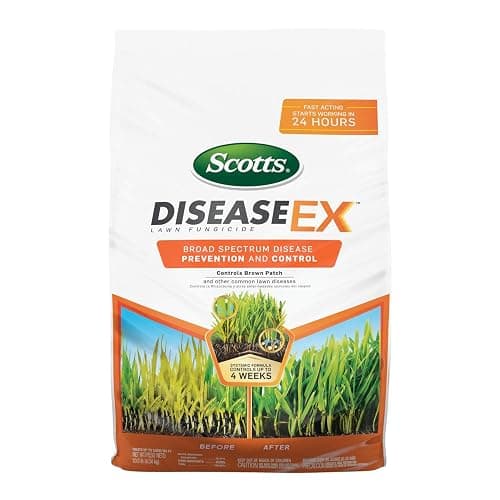
Scotts DiseaseEx Lawn Fungicide
A granular fungicide for a late-fall preventive application on lawns with a history of snow mold.
Greenworks 13 Amp Corded Electric Dethatcher and Scarifier
A corded dethatcher for stripping the thatch layer that holds moisture against the crowns all winter.
Reducing Snow Mold Risk Under Snow Cover
Once winter arrives, you have fewer tools, but some practical actions can still reduce mold risk or limit damage patterns.
Snow Management and Traffic Control
Snow piles and drifts are common starting points for snow mold patches because they melt slowly and keep grass wet for days or weeks longer than surrounding areas. When you shovel or plow, try to distribute snow as evenly as possible instead of creating very large, deep piles on the lawn. If you must pile snow, choose paved areas or spots with poor turf quality rather than high visibility lawn sections.
Foot traffic on snowy or partially thawed lawns can compact snow and turf, flattening grass and increasing matting. Repeated walking along the same path, such as to a shed or compost bin, often leads to pronounced mold streaks in spring. Whenever possible, use consistent walkways and avoid shortcuts across the lawn when snow covered or very soft.
Snow blower discharge that repeatedly hits one area can also compact snow excessively. Adjust your pattern occasionally to avoid overbuilding drifts in delicate sections of the lawn. The goal is not perfection, but reducing the number of micro sites that stay saturated and insulated for extended periods.
Managing Ice and Deicing Products
While deicing salts do not cause mold directly, they can weaken turf along sidewalks and drives, making it more vulnerable to fungal invasion. Use calcium chloride or magnesium products where possible, and apply only the minimum effective amount. Try to shovel promptly before ice forms to reduce the need for heavy salt applications.
Avoid piling heavily salted snow onto high quality turf areas. If you notice suspicious damage along hardscape edges in spring, consider whether the primary issue is salt burn or snow mold, since the treatment approach differs. Where salt is the main culprit, leaching the area with extra irrigation in spring and adding gypsum may help move sodium through the soil profile.
Snow Mold Treatment and Spring Recovery
By late winter and early spring, your focus shifts from prevention to treatment and recovery. Winter lawn mold: prevention & treatment differs from summer disease response because environmental conditions change rapidly as temperatures rise.
Immediate Post Thaw Actions
As soon as the lawn is mostly thawed and firm enough to walk on without leaving deep footprints, begin gentle mechanical cleanup of affected areas. Use a leaf rake or spring tine rake to lightly fluff matted grass. The objective is to lift blades, break up fungal mycelium, and increase air and light penetration to the soil surface. Do not rake aggressively to the point of tearing out large chunks of turf, especially when soil is soft.
In many cases, especially with gray snow mold, this simple raking plus a stretch of dry, breezy weather will halt active fungal growth. As the soil temperature rises above roughly 45 to 50 °F and daytime highs reach the 50s °F, turf growth resumes and new leaves begin to mask damaged tissue. Avoid rolling or compacting the turf during this period; keep foot traffic minimal until the ground is firm.
When and Whether to Use Fungicides
If snow mold comes back severely year after year despite good cultural practices, a preventive fungicide can be justified. Timing matters more than product choice: applications go down in late fall, just before permanent snow cover, not after you are already looking at damage. Fungicides prevent snow mold, they do not cure patches that have already formed.
The active ingredients realistically available to homeowners are propiconazole and azoxystrobin. Rotating between different actives across seasons reduces the risk of the fungus developing resistance. Labels specify rates per 1,000 square feet along with annual limits, re-entry intervals, and pet safety guidance, and you should not exceed any of them. Registration varies by state, so confirm a product is cleared for residential turf where you live before buying it.
Do not spray on spec. Applying without a documented history of the disease encourages resistance and harms non-target organisms, and for the large majority of home lawns the raking and patience approach above genuinely is enough.
For most home lawns, fungicides are not required in spring for winter mold treatment. By the time you see symptoms, the environmental conditions that favored disease are usually fading, and fungicides cannot resurrect already damaged tissue. Their primary role in winter mold management is preventive, with applications made in late fall on lawns with a history of severe outbreaks, especially from pink snow mold.

You might consider a curative or early season application only if you see active mycelium and expansion of patches during an extended cool, wet period in late winter or early spring, and you have high value turf you want to protect. Even then, consult local extension recommendations for appropriate fungicides and timing. Typical guidance suggests one or two fall applications, spaced 21 to 28 days apart, starting when soil temperatures decline through about 50 °F and snow cover is predicted within several weeks.
- Michigan State University Extension notes that single fall fungicide applications are most effective when applied just before permanent snow cover on sites with a known history of severe snow mold.
Always follow label rates and precautions, and rotate fungicide classes if repeat applications are needed to reduce resistance risk. For homeowners with moderate mold pressure, investing in cultural practices like mowing, leaf removal, and thatch control usually provides more cost effective and sustainable benefit than relying on fungicides.
Fertilization, Watering, and Mowing During Recovery
In early spring, it can be tempting to apply a heavy dose of nitrogen to "jump start" recovery, but this often does more harm than good. High early spring nitrogen, particularly before steady growth is established, pushes rapid leaf growth at the expense of roots and can encourage other diseases such as leaf spot. A more measured approach is to wait until your lawn has been mowed once or twice, typically when soil temperatures have stabilized around 50 to 55 °F and grass is actively growing, before applying a modest spring fertilizer rate.
A common recommendation is 0.5 to 1 pound of nitrogen per 1000 square feet in spring, adjusted based on how much nitrogen you applied in fall. If the lawn went into winter well fed and appears reasonably vigorous despite mold damage, lean toward the lower end. Apply fertilizer evenly, then water lightly to move nutrients into the root zone if rainfall is not expected within 24 hours.
Watering needs in early spring are often minimal because soils remain moist from snow melt and rain. As the season progresses and top layers begin to dry, transition to deep, infrequent watering that provides about 1 to 1.5 inches of water per week (from rain plus irrigation) during active growth. This range encourages deep rooting and reduces extended leaf wetness compared to frequent shallow watering, which can predispose turf to disease.
Resume regular mowing once the lawn reaches about one third above your normal height. Mow with sharp blades to reduce tearing, and avoid removing more than one third of the blade at a time. Consistent mowing promotes lateral spreading of grasses like Kentucky bluegrass, helping them fill in mild mold damaged areas naturally.
Overseeding and Repairing Severely Damaged Patches
If, by late spring, certain patches remain very thin or bare despite good recovery elsewhere, the molds likely killed crowns in those zones. At this point, overseeding or patch repair is the main treatment option. The ideal timing for cool season overseeding is early fall, when soil is warm and weed pressure is lower, but you can also perform spot seeding in spring if aesthetics or erosion are concerns.
For spring repair, wait until soil temperatures reach at least 55 °F and the risk of hard frost is low. Loosen the top half inch of soil in the damaged area with a rake, remove dead thatch, and level the surface. Spread seed at the recommended rate for your grass type, typically 3 to 5 pounds per 1000 square feet for overseeding cool season lawns, adjusting proportionally for small areas. Lightly rake to ensure seed to soil contact, then keep the area consistently moist with light, frequent watering until germination and early establishment.
If you can wait for optimal results, plan a more extensive overseeding in late summer or early fall when nights cool into the 50s °F and soil is still warm. Integrate more disease tolerant species as discussed earlier, especially if snow mold is a recurring issue. Coordinate this with core aeration to enhance soil contact and reduce thatch.
Advanced Practices for Snow Mold Resistant Turf
Beyond basic mowing and fertilization, a few advanced practices make turf inherently more resistant to winter mold and many other stresses.
Integrated Year Round Disease Management
Winter lawn mold does not exist in isolation. Lawns weakened by summer drought, compaction, or poor nutrition are more vulnerable to winter diseases. Conversely, a well designed annual program reduces overall disease pressure and can often eliminate the need for fungicides. Using a Monthly Lawn Care Calendar tailored to your region helps time aeration, dethatching, fertilization, overseeding, and weed control so that each supports the next season's needs.
For instance, addressing compaction with fall core aeration improves drainage for winter and reduces standing water after snow melt. Following the Fall Lawn Overseeding & Prep Guide strengthens turf density, which competes against opportunistic fungi and weeds. Adopting practices from Summer Lawn Care: Heat & Drought Strategies, such as proper summer mowing heights and irrigation, prevents chronic stress that would otherwise roll into winter.
Soil Health and Organic Matter Management
Healthy soils with good structure, adequate organic matter, and balanced nutrients support deeper roots and more resilient turf. Topdressing with a thin layer (about 0.25 inch) of quality compost after core aeration every year or two can gradually improve soil structure, increase microbial diversity, and help water move through the profile rather than staying on the surface where mold activity is highest.
Regular soil testing every 2 to 3 years guides lime and fertilizer decisions and helps avoid overapplication of nitrogen and other nutrients. Keep pH in the optimal range for your grass species, often between 6.0 and 7.0 for most cool season lawns, so that plants can access nutrients efficiently and maintain strong immune responses to pathogens.
Selective Use of Fungicide Programs in High Risk Sites
In some high risk situations, such as shaded lawns in very snowy regions or fine turf surfaces like putting greens, cultural practices alone may not prevent severe snow mold every year. In these cases, a targeted fungicide program can be justified as part of a snow mold prevention plan.
Work with local extension recommendations to choose the right active ingredients and timing. Rotate fungicide classes (FRAC codes) when possible to delay resistance. Avoid blanket applications to the entire property if only certain problem areas consistently show mold. Spot treating historically affected zones can reduce chemical use while still protecting turf.
What Other Guides Miss: Common Mistakes to Avoid
Many winter mold articles cover the basics but miss some practical, real world details that determine whether your lawn actually improves.
One common oversight is lack of confirmation steps. Not every brown patch after snow melt is snow mold. Without checking for matted, slimy blades, mycelium in the morning, and crown integrity through a pull test, you might treat salt burn or dog damage as disease. This can lead to unnecessary fungicide use or misplaced cultural changes. Always pair visual diagnosis with at least one confirmation test.
Another frequent mistake is mis timing fertilizer. Some guides encourage heavy "winterizer" fertilizer very late in the season without clarifying that timing must be tied to local soil temperatures and growth patterns. Applying 1 pound or more of quick release nitrogen within 2 to 3 weeks of the ground freezing, or when top growth has not yet slowed, is a setup for pink snow mold and other issues. Fertilizer programs should be customized to your region and lawn history, ideally informed by soil testing.
Guides also tend to underemphasize leaf removal and thatch management. In practice, many severe snow mold cases occur exactly where leaves piled up in October and November or where thatch exceeded half an inch but was never addressed. Treat fall cleanup and occasional aeration as essential parts of disease prevention, not optional extras.
Finally, some advice either overstates or understates the role of fungicides. On one side, homeowners are told to spray at the first sign of mold, even though post thaw fungicides rarely change outcomes. On the other side, some resources dismiss fungicides entirely, even for lawns that suffer catastrophic mold year after year. The balanced view is this: use cultural practices as your foundation, reserve fungicides mainly for fall prevention on proven high risk lawns, and rely on local extension guidance for specifics.
Conclusion: Building a Lawn That Resists Snow Mold
Winter lawn mold is a clear signal that your lawn and microclimate create conditions fungi can exploit during cold, wet months. Circular, matted, gray or pink tinged patches after snow melt usually point to gray or pink snow mold, but careful inspection and simple confirmation tests ensure an accurate diagnosis. In many cases, especially with gray snow mold, gentle raking and patience are enough for full recovery within a few weeks of active spring growth.
Long term success comes from prevention instead of reaction. Proper fall mowing height, well timed fertilization, leaf and debris removal, thatch and compaction management, and smart overseeding choices all work together to limit mold development. When conditions and history justify it, preventive fungicides applied in late fall can protect high value turf, provided they are used according to extension based recommendations.
If you want to integrate winter mold control into a complete, season by season plan, check out Winter Lawn Protection & Care along with the Spring Lawn Preparation Checklist. Combined with a Monthly Lawn Care Calendar, they give you a framework so winter lawn mold: prevention & treatment becomes a routine part of a healthier, more resilient lawn year after year.
Top Picks
- BioAdvanced Fungus Control for LawnsCheck price on Amazon
- Scotts DiseaseEx Lawn FungicideCheck price on Amazon
As an Amazon Associate we earn from qualifying purchases.
Free Lawn Care Tools
Winter lawn mold is a set of fungal diseases that thrive in cold, moist environments where turf stays wet and air circulation is limited. Unlike many fungi that shut down once temperatures drop, these pathogens remain active at temperatures near freezing. Under a blanket of snow or persistent drizzle, they slowly colonize grass leaves and sometimes crowns, leading to discolored patches that show up when snow melts or soils start to warm.
Winter lawn mold usually shows up right after snow melts as circular, straw-colored or light brown patches with matted, slimy blades that don’t stand up when raked. You may see a grayish webbing or faint pinkish edges, especially on cool, damp mornings. Damage that appears later in warm weather or looks dry and brittle instead of slimy is more likely a different disease or stress issue. Gently tug the blades; if the crowns are still anchored and firm, the lawn often can recover from winter mold.
In many cases, especially with gray snow mold, the damage is mostly to the leaf tissue, not the crown, so the grass can regrow once conditions warm and dry out. With basic cleanup and normal spring care, lawns often fill back in within 3 to 6 weeks after steady growth begins. Pink snow mold can be more severe and may kill some crowns, so recovery can be slower and may require overseeding bare spots later in spring. Waiting until late spring to judge which areas truly need reseeding prevents unnecessary work.
Start with gentle physical cleanup rather than chemicals. Lightly rake the matted areas to lift the blades, improve air flow, and let sunlight reach the soil surface so it dries faster. Avoid heavy traffic on soft, saturated turf so you don’t compact the soil or tear up weakened grass. Once the area has dried and spring growth resumes, return to a normal mowing and balanced fertilizing routine.
Prevention starts in fall by keeping grass at the recommended mowing height right up until growth stops, so it doesn’t go into winter too tall and matted. Avoid heavy nitrogen fertilization within 4 to 6 weeks of the ground freezing, because lush, tender growth under snow is more vulnerable to mold. Remove thick layers of leaves and manage thatch and compaction so moisture doesn’t stay trapped at the surface. These steps help create a drier, better-aerated canopy that is less hospitable to winter fungi.
Fungicides are most useful for lawns with a history of severe pink snow mold, not for mild, cosmetic outbreaks. The ideal timing is in late fall when soil temperatures are around 45–50 °F and the forecast points to permanent snow cover or an extended stretch of cool, wet weather. Applying too early or without a clear risk wastes product and does little for long-term control. Even with fungicides, good cultural practices like proper mowing, thatch control, and fall cleanup are still essential.
Photos: Geraldine Geraldine / Pexels

Beat weeds and brown spots from your phone
Snap a photo, get the fix, and follow a plan timed to your soil and weather. Free on iPhone.
Related Articles
 Seasonal Care
Managing Salt Damage on Lawns Winter Recovery and Prevention Strategies
Dec 23, 2025•10 min read Seasonal Care
Fix Patchy Lawn Spots After Winter Easy Solutions
Mar 24, 2026•11 min read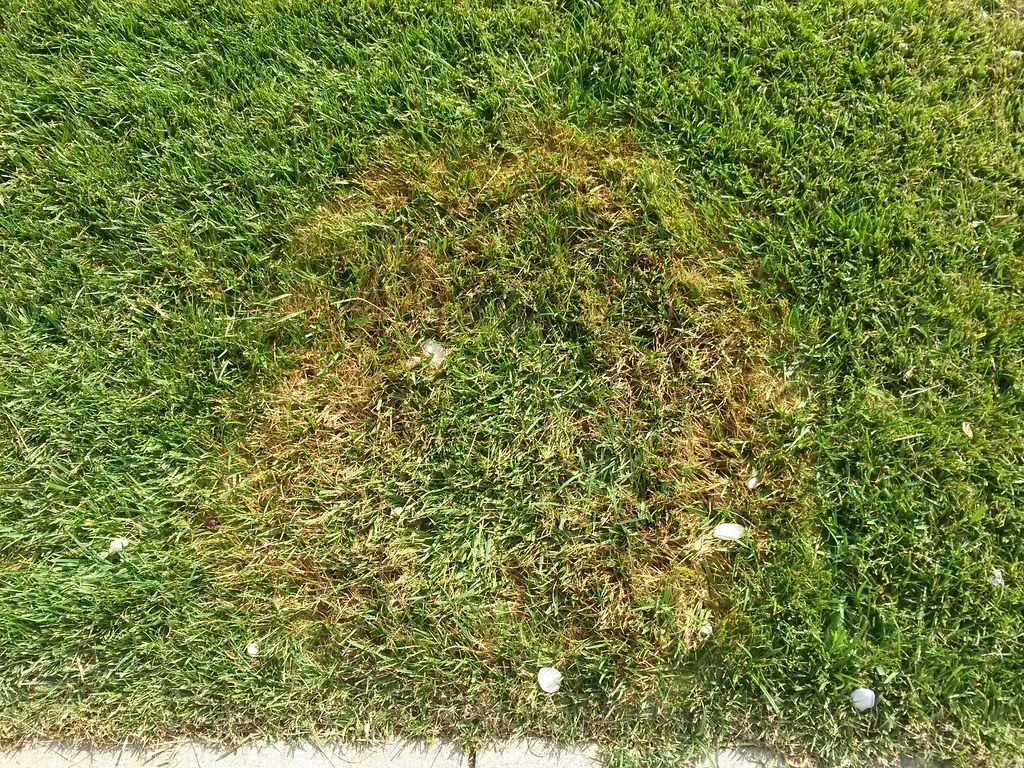 Seasonal Care
Preventing Spring Dead Spot in Winter Essential Steps for a Healthy Lawn
Feb 22, 2026•13 min read

