Core or Spike Aeration
 James ThorntonLawn Equipment & Maintenance Expert | 20 Years
As an Amazon Associate we earn from qualifying purchases.
Core or Spike Aeration: Choosing the Right Method for Your Lawn
Compacted soil and thinning grass usually fall into two categories: lawns that need a full core aeration and lawns where light spike aeration is enough. Knowing which one your yard needs can save you time, rental costs, and frustration.
Core aeration removes small plugs of soil, while spike aeration simply pokes or slices holes without removing material. Both improve air and water movement in the soil, but they do it in very different ways. The real question is not "Should I aerate?" but "Do I need core aeration, or will spike aeration be sufficient for my conditions?"
This guide is for homeowners who see water puddling, thin patches, or hard ground, and for DIY lawn enthusiasts trying to decide whether to rent a heavy core aerator or just use spike tools or aeration shoes. We will walk through the science of compaction, compare core vs spike aeration side by side, give timing recommendations by season and region, and provide step-by-step instructions with pro-level tips other guides skip.
If your screwdriver will not push at least 4 to 6 inches into moist soil, your lawn is likely compacted enough that core aeration is needed. Hard ground, water puddling, and thinning turf in high-traffic or clay soil areas usually point to core aeration, while light compaction in sandy soil or cosmetic improvement needs can often be handled with spike aeration.
The most reliable fix for moderate to severe compaction is core aeration in the growing season for your grass, followed by overseeding and watering about 1 inch per week. Avoid aerating during summer stress for cool-season lawns or during winter dormancy, and do not rely on spike shoes as your only solution for compacted clay. Expect to see better water infiltration immediately, with visible thickening of the lawn in 4 to 8 weeks if you also seed and fertilize correctly.
If you are unsure, do the screwdriver test after a good irrigation or rain. If the tool still stops in the top 2 to 3 inches, schedule core aeration within 2 weeks during your lawn's active growth window. If it slides in 6 inches easily and your lawn only shows minor issues, spike aeration or a slicer/seeder pass combined with proper mowing and watering is usually enough.
Understanding Lawn Aeration Fundamentals
What Is Lawn Aeration?
Lawn aeration is the process of creating openings in the soil profile to improve gas exchange between the soil and the atmosphere. In practical terms, you are helping oxygen move down to the roots and carbon dioxide and other gases move up and out. This simple physical change has a big impact on how well your grass grows.
When soil is compacted, pores between soil particles collapse. That reduces the amount of space available for air and water, which in turn limits root growth. Aeration recreates or enlarges those pores. Core aeration does this by removing small cylinders of soil, while spike aeration does it by pushing solid tines or blades into the ground.
Better air movement improves oxygen supply to roots, which is critical for root respiration and energy production. It also improves water infiltration so irrigation and rain can move into the root zone instead of running off the surface. That means your fertilizer and other lawn care products are more likely to end up where they are useful, rather than washing away.
Aeration also supports soil biology. More oxygen and moisture in the root zone boosts microbial activity, including the microbes that break down thatch. If you are planning projects like overseeding a lawn, dethatching a lawn, or topdressing a lawn with compost, aeration is a key supporting step that helps all of those practices work better.
Why Lawns Become Compacted
Soil compaction is a physical problem, not a fertilizer problem. It usually results from pressure that squeezes soil particles closer together, collapsing the pores that should hold air and water. Some lawns are prone to this from the start, others become compacted over time.
Common causes of compaction include regular foot traffic from kids, pets, and people walking the same paths across the yard. Driveways that are too narrow lead to car tires occasionally crossing turf, which applies heavy pressure. Mowers and landscape equipment add weight too, especially on wet soil that is already vulnerable. Lawns on clay-heavy soil compact faster than those on sandy soils because clay particles are very small and pack tightly.
New construction lawns are frequent victims. Heavy graders and trucks drive over the soil repeatedly, then thin topsoil is spread on top. The result is a dense, hard layer just a few inches down. Even if the surface looks fine at first, roots often struggle to penetrate, and you begin to see issues in the second or third year.
There are several visible and tactile clues that your lawn is compacted. Water that consistently pools in low spots or runs off quickly instead of soaking in is one. Thinning turf, bare patches, and moss emerging in shady compacted areas are others. If the soil surface feels hard and crusty, and you struggle to push a screwdriver or soil probe more than a few inches deep, compaction is likely part of the problem.
To confirm, do a simple at-home test after a thorough irrigation or a good rain. Try pushing a long screwdriver or metal rod straight into the soil. If it stops in the top 2 to 3 inches or you need to lean your weight on it, the soil is compacted enough that core aeration should be on your near-term to-do list. If it slides in 6 or more inches with only light pressure, your compaction level is lower and spike aeration might be adequate for maintenance rather than repair.
Core vs Spike Aeration: Key Differences
What Is Core Aeration?
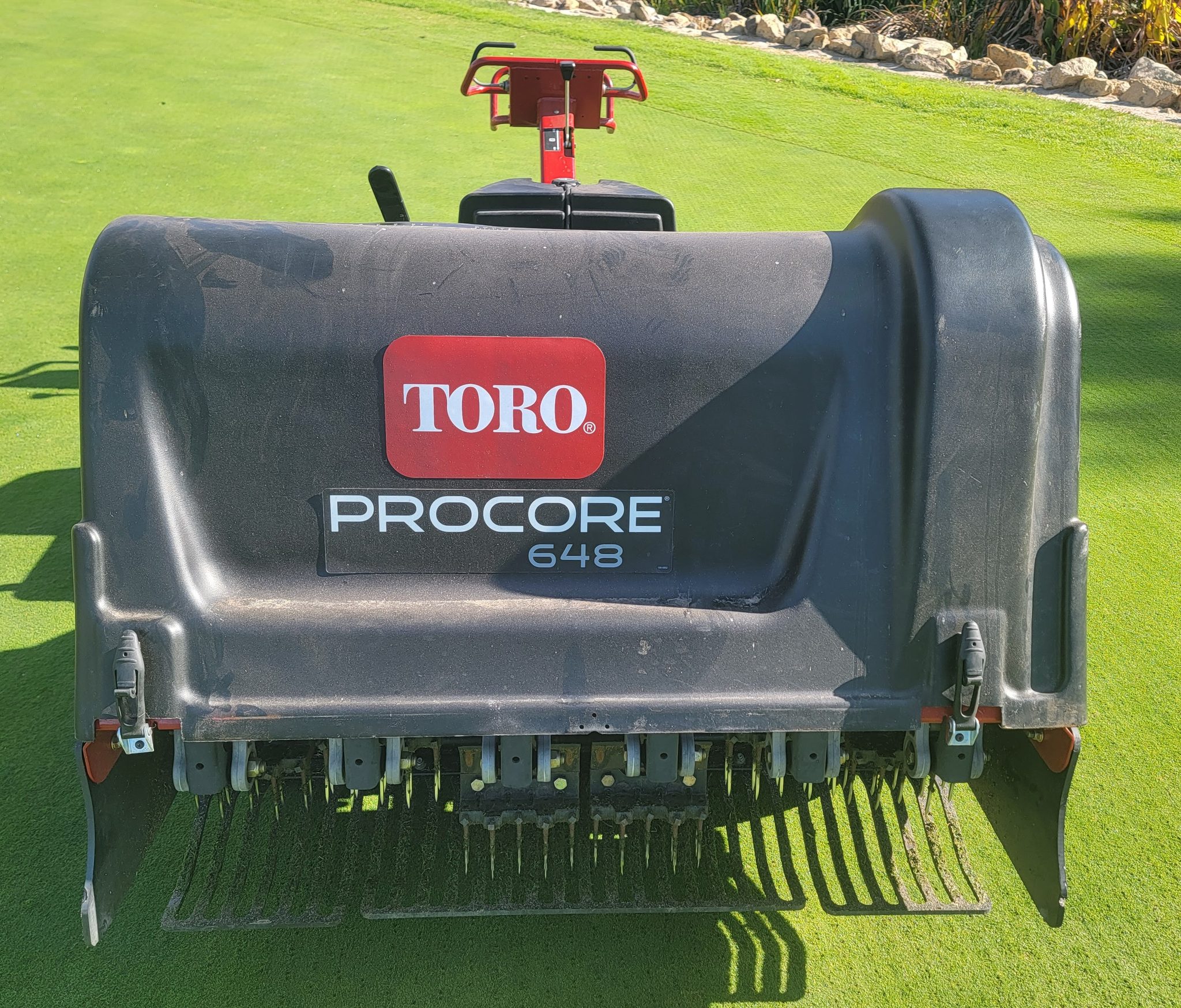
Core aeration, sometimes called plug aeration, physically removes small cylindrical plugs of soil, thatch, and organic matter from the lawn. These plugs are usually about 0.5 to 0.75 inches in diameter and 2 to 4 inches long, depending on the machine and soil conditions. When you are finished, you see a grid of small holes in the turf and hundreds or thousands of little soil plugs on the surface.
Core aerators use hollow tines mounted on a rotating drum or wheel. As the machine moves forward, the tines push into the soil and pull out cores. Typical machines space the tines so you get a hole every 2 to 4 inches along the path, and you overlap passes to increase coverage. The penetration depth is usually set between 2 and 3 inches, which is deep enough to reach the active root zone for most lawns without bringing up subsoil.
There are several types of core aerators. Professional lawn care companies often use heavy walk-behind or stand-on units powered by gasoline engines. These are efficient and penetrate hard soil well, but they are harder to maneuver and transport. Homeowners can rent similar walk-behind units from equipment rental centers, which is often the best option for a standard suburban yard.
For larger properties, there are tow-behind core aerators designed to be pulled behind a lawn tractor or ATV. These units usually rely on added weight to drive the tines into the soil, and they work well on open areas without many obstacles. Manual core aeration tools, such as step-on core aerators with two or three hollow tines, are useful for small areas or tight spots where machines cannot reach, like along fences or around landscaping.
After core aeration, the lawn temporarily looks messy, with soil plugs scattered across the surface. Over a few weeks, rainfall, mowing, and microbial activity break those plugs down and return the soil and organic matter back into the turf. The open channels left by the tines remain for some time, providing improved air and water movement and excellent spots for grass seed and fertilizer to settle.
What Is Spike Aeration?
Spike aeration creates holes or slits in the soil without actually removing soil. Instead of hollow tines, spike aerators use solid pegs, knives, or discs to push soil aside. The resulting voids improve water entry in the short term, and can slightly relieve surface compaction, but they do not reduce the total volume of soil.
There are many spike aeration tools available to homeowners. Handheld forks or spiking tools with several long solid tines can be used to aerate small compacted spots like path edges or high-traffic corners. Spike shoes or sandals, which strap onto your regular shoes and have small spikes on the bottom, are marketed as a way to aerate while you walk across the lawn. Push or tow-behind spike aerators use wheels or drums studded with spikes that puncture the soil as they roll.
Some lawn overseeding equipment, such as slicer/seeders or slit seeders, also perform a form of spike aeration. These machines use vertical blades to cut narrow grooves into the soil and drop seed into the slits. While their main purpose is overseeding a lawn, they do offer some of the same benefits as spike aeration by cutting through surface compaction and thatch.
The visual outcome of spike aeration is more subtle than core aeration. You will see small holes, slits, or cuts in the turf, but you will not see soil plugs on top of the lawn. Because soil is pushed aside rather than removed, the compaction relief is more limited and often more short lived, especially on dense clay soils.
Pros and Cons: Core or Spike Aeration
Advantages of Core Aeration
Core aeration is the most effective way for homeowners to relieve moderate to severe soil compaction. By physically removing small plugs of soil, it reduces bulk density and increases the amount of pore space in the root zone. This is something spike aeration simply cannot match, because spike tools displace soil instead of taking any out.
For lawns with thick thatch layers more than about 0.5 inches, core aeration is especially useful. The hollow tines punch through the thatch and pull it up in the plugs, creating direct channels from the surface into the soil. Those channels encourage microbial activity and help thatch break down over time. If you are also dethatching a lawn, combining that with core aeration multiplies the effect.
Improved water infiltration is another major benefit. After core aeration, water moves more easily down through the holes and into the root zone, which reduces puddling and runoff. Because water is not sitting on the surface as long, your risk of shallow rooting and some moisture related diseases can decrease. Fertilizer efficiency also improves, since nutrients can reach roots instead of being lost to runoff.
Core aeration also sets up ideal conditions for overseeding and topdressing. Grass seed dropped right after aeration tends to fall into the open holes and make good soil contact, which improves germination rates. If you are topdressing a lawn with compost or high quality soil, the material can work into the holes and mix with the native soil, slowly improving structure.
The impact of a thorough core aeration can last months to a year on many lawns, especially if you follow it with good cultural practices like proper mowing, watering 1 to 1.5 inches per week, and avoiding traffic when the soil is saturated. For high traffic or clay soil lawns, core aeration once or twice a year is often recommended to keep compaction under control.
Disadvantages of Core Aeration
The main tradeoff with core aeration is effort and cost. The machines are heavier and more complex than spike tools, and rental rates are usually higher. You will need a vehicle that can transport the machine or arrange delivery. Operating a walk behind core aerator can be physically demanding, particularly on uneven yards or slopes.
Core aeration temporarily makes your lawn look messy. The plugs on the surface can be unsightly and may track onto patios or walkways. This is why it is not ideal to schedule core aeration right before a big outdoor event or party. It also creates a slightly uneven footing for a short time, which might matter if you have kids running or playing sports.
In rare cases, core aeration can damage shallow underground utilities, invisible dog fences, or irrigation lines if the tines reach them. This is usually avoidable by marking these systems beforehand and adjusting tine depth, but it is a risk to be aware of. Very sandy or loose soils may not benefit as much from core aeration, because they are less prone to severe compaction in the first place.
One more consideration is timing. If you aerate at the wrong time of year, for example, in the heat of midsummer on cool season grass, you can increase stress rather than reduce it. Core aeration opens the canopy and soil, which is good when grass is actively growing and can recover, but is not ideal when it is already under heat or drought stress.
Advantages of Spike Aeration
Spike aeration tools are generally inexpensive, lightweight, and easy to use. For lawns with only mild compaction, especially in sandy or loam soils, spike aeration can be a simple way to improve surface infiltration and help water get past a slight crust on top. It is also useful for small spot treatments in high traffic areas or along paths where you just need a bit of relief.
Because spike aeration does not pull plugs, the lawn looks cleaner afterward. There is no temporary "plug mess" on the surface, so it is less disruptive if you are trying to keep things neat. Some tools, like slicer or slit seeders, combine the benefits of spike aeration with overseeding a lawn, which can be a very efficient way to thicken turf.
Spike tools also fit where large core aerators cannot. Handheld spikers and narrow tools are good for tight spaces around landscaping, along retaining walls, or between garden beds. Spike shoes, while not a complete solution, can be useful as a supplement, especially near edges and entryways where you are walking often anyway.
Disadvantages of Spike Aeration
The main limitation of spike aeration is that it does not actually remove soil, so it does not significantly reduce bulk density in compacted clay. In very tight soils, pushing a solid tine into the ground can even compress soil sideways and slightly increase compaction right around the hole. Any improvement is usually shallow and short lived, which is why spike aeration is best viewed as a light maintenance tool, not a cure for serious compaction.
Spike shoes are often oversold as a full alternative to proper aeration. In reality, they create very shallow, narrow holes that mostly disturb the thatch and uppermost soil. On a heavily compacted yard, walking around with spike shoes will not address the root problem. Relying only on spikes when the screwdriver test shows severe resistance is a common reason lawns stay thin despite a lot of effort.
Another downside is that spike tools can cause some surface heaving or smoothing-over effects if the soil is too wet or too dry. If you spike wet clay, the tines may smear and seal the sides of the holes, which limits long term benefit. If the soil is rock hard and dry, spikes might not penetrate enough to matter, or you might damage turf crowns by forcing them in.
Which Is Better: Core or Spike Aeration?
For most compacted home lawns, core aeration is the more effective and longer lasting option. It physically relieves compaction, improves water and air movement, and creates ideal conditions for seeding and topdressing. Spike aeration, by comparison, is best reserved for light compaction relief, quick surface improvement, or as a supplemental practice alongside good mowing and watering.
That said, the "better" method always depends on your soil type, traffic level, and goals. If you have clay or silt loam soil, significant foot traffic, or thatch over about 0.5 inches, core aeration at least once a year is usually recommended. If you have sandy soil, low traffic, and only minor issues with infiltration, spike aeration combined with other good practices may be all you need.
Use the screwdriver test and your observation of water behavior as your main decision points. If you cannot easily push a screwdriver 4 to 6 inches into moist soil, and water is pooling or running off, core aeration is the right tool. If the screwdriver slides in and the lawn is only slightly tired, spike aeration is a fine maintenance step.
Seasonal and Regional Recommendations for Core or Spike Aeration
Aeration Timing by Grass Type
The best time to aerate is when your grass is actively growing and can quickly heal the small injuries created by tines or spikes. Cool season grasses, such as Kentucky bluegrass, perennial ryegrass, and tall fescue, grow most strongly in spring and fall. Warm season grasses, such as Bermuda, zoysia, St. Augustine, and centipede, grow best in late spring through summer.
For cool season lawns in northern and transition zone regions, early fall is typically the prime window for core aeration. Aim for roughly late August through October, depending on your climate, when daytime highs are below about 80 F and grass is coming out of summer stress. Spring aeration, from about April to early June, can also be helpful, but fall is usually more effective because it aligns with ideal overseeding conditions.
For warm season lawns in southern regions, the best time for core aeration is late spring through early summer, when the grass is green and fully out of dormancy. Soil temperatures should be above about 65 F, and there should be several months of growing season left so turf can recover. Avoid core aeration in early spring when the grass is just waking up or in late fall when it is preparing to go dormant.
- Purdue Extension recommends core aeration for cool-season lawns in late summer to early fall, often combined with overseeding and fertilization, noting that soil should be moist but not saturated for best results.
Climate and Soil Considerations
Climate affects both how often your lawn compacts and how quickly it recovers from aeration. In regions with heavy rainfall and fine-textured soils, such as parts of the Midwest, compaction can occur more easily and frequently. These lawns often benefit from annual core aeration, especially if they see regular foot traffic.
In arid or semi-arid regions with sandy or decomposed granite soils, such as parts of the West, natural compaction may be less severe. Here, spike aeration can sometimes be enough, especially when paired with consistent irrigation and mulching mowers that return organic matter to the soil. However, new construction or high use areas can still require periodic core aeration.
Soil type is one of the strongest drivers of your decision between core or spike aeration. Clay and silt loam soils hold water and nutrients well, but they compact quickly under pressure. In these soils, spike aeration offers only short term improvement. Core aeration that removes 10 to 20 plugs per square foot and reaches 2 to 3 inches deep is typically needed at least every 1 to 2 years.
Sandy soils drain quickly and resist compaction better. For these lawns, a light spike aeration once a year, or a slicer seeding pass when overseeding a lawn, may be sufficient. If you still see runoff or shallow roots in sand, the issue is usually low organic matter or poor watering habits, and core aeration should be combined with topdressing a lawn with compost rather than relied on by itself.
How Often to Aerate
How often you aerate depends on traffic, soil, and performance. For most clay soil home lawns with moderate to heavy use, core aeration once a year is a good baseline. If the lawn gets heavy foot traffic from sports, kids, or pets, or if it sits on very dense clay fill from construction, twice a year (spring and fall for cool season grass or late spring and late summer for warm season) might be justified.
For sandy or loam soils with low to moderate traffic, core aeration every 2 to 3 years may be sufficient, with occasional spike aeration or slicer passes in between. Some homeowners choose to core aerate only before major renovation projects, like overseeding a lawn after summer stress or correcting bare spots.
Use performance thresholds rather than a rigid calendar. If your screwdriver test shows you can still push 6 inches into moist soil without leaning your full weight, and water is soaking in well, you can delay core aeration. If that same test quickly becomes difficult and puddling or runoff appears again, it is time to schedule a core aeration within the next 2 to 4 weeks in your local growing season window.
Step by Step: How to Do Core Aeration Correctly
Preparation Before Core Aeration
Proper preparation ensures your effort pays off. Start by mowing your lawn slightly shorter than usual, about 0.5 inch below your regular mowing height, but not scalped. This helps the aerator tines penetrate more easily and allows seed and fertilizer to reach the soil afterward. Remove sticks, toys, and any debris that could catch in the machine.
Water the lawn thoroughly 1 or 2 days before aeration, or plan the job for the day after a soaking rain. The goal is moist, not muddy, soil. If you can form a crumbly ball in your hand but it does not smear like putty, conditions are about right. Dry, rock hard soil will resist penetration and strain the machine, while saturated soil will smear and create less effective holes.
Mark underground hazards before you start. Use flags or paint to locate sprinkler heads, valve boxes, shallow irrigation lines, invisible dog fence wires, and shallow utility lines. Many irrigation components are within the top 3 inches of soil, which is also the typical aeration depth, so knowing where they are helps avoid damage.
Operating a Core Aerator
If you are using a walk behind core aerator, take a moment to familiarize yourself with the controls, including how to engage and disengage the tines. Most machines are self propelled or assisted, but they still require firm handling. Start in an open area to get a feel for the balance and turning radius.
Make your first pass in straight lines across the lawn, similar to mowing. Overlap each pass slightly to ensure full coverage. After completing one direction, make a second set of passes at a 90 degree angle to the first. This cross pattern helps you reach the target of roughly 20 to 40 holes per square foot in heavily compacted areas and more even coverage across the yard.
On slopes, operate the machine horizontally across the hill rather than straight up and down whenever possible, to maintain control. Avoid tight turns with the tines engaged, since that can tear turf. If the aerator has adjustable depth, aim for 2 to 3 inches of penetration in most home lawns. Do not worry if every single core is not exactly the same depth, but if you are barely scratching the surface, conditions are too dry or settings need adjustment.
What to Do With the Plugs
After core aeration, you will see soil plugs scattered across the lawn. Unless you are dealing with a severe thatch problem and plan to rake and remove debris, it is usually best to leave these plugs in place. Over the next 1 to 3 weeks, rainfall, irrigation, and mowing will break them apart and return soil and microbes back into the upper profile.
If you dislike the appearance, you can speed the process by dragging a mat or section of chain link fence lightly over the lawn after the plugs have dried for a day or two. This breaks them into smaller pieces and spreads them more evenly. Avoid aggressive raking that might tear up grass crowns.
This is also the ideal moment to overseed a lawn and apply fertilizer or compost. Seed falls into the aeration holes and has protected contact with soil. A starter fertilizer applied at the recommended rate, often around 0.5 to 1 pound of nitrogen per 1,000 square feet for a single application, helps new seedlings establish. If you are topdressing a lawn with compost, a light layer about 0.25 inches deep can be spread and brushed into the holes.
Post Aeration Care and Timeline
After core aeration, keep the soil surface consistently moist if you have applied seed. This usually means light irrigation once or twice a day for the first 7 to 14 days, then gradually reducing to deeper, less frequent watering of about 1 inch per week as seedlings mature. If you did not overseed, resume your normal deep and infrequent watering schedule immediately.
Hold off on applying most weed control products when you are overseeding. Many broadleaf herbicides and pre emergent crabgrass controls can interfere with grass seed germination. Check product labels carefully. If you must control weeds, plan to aerate and seed first, then wait the labeled number of weeks before applying herbicides, or choose products specifically labeled as safe during seeding.
You should notice better water infiltration and less puddling immediately after core aeration. Grass recovery in the aerated holes typically takes 2 to 4 weeks in good growing conditions. If you have overseeded, visible thickening of the lawn usually occurs within 4 to 8 weeks, with full integration of new grass over one full growing season.
How to Use Spike Aeration Effectively
Best Uses for Spike Aeration
Spike aeration shines as a maintenance tool rather than a repair method. It is useful when you have relatively healthy turf and simply want to improve surface water entry or break up a mild crust. For example, if you notice water beading on the surface of a sandy lawn after a light rain but your screwdriver test still reaches 6 inches, a quick spike aeration pass is reasonable.
It is also helpful for spot treatments. High traffic zones near gates, along sidewalks, and at driveway edges often show compaction sooner than the rest of the yard. Using a handheld spike tool or fork to aerate just those strips can extend the interval between full core aerations. When overseeding a lawn in localized bare patches, spiking just that area and then topdressing can improve seed to soil contact.
When you rent or use a slit seeder, you are essentially doing a specialized form of spike aeration combined with seed delivery. This is often a very effective way to thicken thin cool season lawns in fall. The blades cut down through thatch and into soil, creating grooves that function similarly to aeration slits while also planting seed at the correct depth.
How to Spike Aerate Without Making Compaction Worse
To get benefit from spike aeration without accidentally increasing compaction around the holes, pay close attention to soil moisture, tool design, and coverage. Soil should be moist enough for tines or blades to penetrate 1.5 to 3 inches with modest pressure, but not so wet that the sides of the holes smear and seal. Test a small area first and inspect the holes. If the walls are shiny and smeared, conditions are too wet.
Use spike tools with longer, narrower tines rather than very short, stubby pegs. Longer tines that reach 2 inches or more can bypass the extreme surface layer and allow water to move deeper. When using tow behind spike units, add just enough weight for solid penetration without overcompressing the soil. Make multiple light passes at different angles rather than a single pass with excessive weight.
When walking with spike shoes, limit use to lightly compacted areas or as a supplement to core aeration, not as a replacement. Walking back and forth over the same path many times with spike shoes on very clayey soil can press soil sideways and undo some gains. Treat spike shoes as a way to add a bit of aeration while performing other tasks, such as moving sprinklers or inspecting the lawn, rather than your primary compaction strategy.
Integrating Aeration With Overseeding, Dethatching, and Topdressing
Aeration and Overseeding
Core aeration and overseeding a lawn are often paired because they address compaction and thin turf at the same time. After aeration, the holes act as mini planting pockets. When you spread seed, many of the seeds fall into these holes and enjoy better seed to soil contact and slightly more moisture, which improves germination.
For cool season lawns, the classic renovation sequence in early fall is: mow low, core aerate, overseed at a rate appropriate for your grass (often 3 to 5 pounds of tall fescue per 1,000 square feet or 1 to 3 pounds of Kentucky bluegrass blends), then fertilize lightly. Keep the surface consistently moist as described earlier. Spike aeration can be used before overseeding for minor thinning, but core aeration tends to provide better results in compacted lawns.
Aeration and Dethatching
Thatch is a layer of undecomposed stems, roots, and organic material between the soil surface and the green grass blades. A thin thatch layer, under about 0.5 inches, is normal and even helpful. When thatch builds thicker than that, it can restrict water and air movement. If your thatch layer is more than 0.5 inches thick, dethatching a lawn with a rake or power dethatcher before or in combination with core aeration can be beneficial.

Core aeration alone will not remove a very thick thatch layer, but it will punch holes through it and help microbes break it down over time. A good sequence for a thatchy, compacted lawn is: dethatch to remove the bulk of the layer, core aerate to relieve compaction and create channels, then overseed and fertilize as needed. Spike aeration is less effective in heavy thatch because spikes can get hung up in the organic layer rather than penetrating into soil.
Aeration and Topdressing
Topdressing a lawn with compost or quality soil is a powerful way to improve soil structure over time. Aeration, especially core aeration, pairs extremely well with topdressing because it creates voids that can be filled with the added material. When compost settles into aeration holes and mixes with the existing soil, it increases organic matter and helps bind fine particles into more stable aggregates.
For compacted clay lawns, a program of annual core aeration followed by a 0.25 inch layer of compost topdressing can gradually transform the soil. Over several years, you will notice better drainage, fewer puddles, and deeper roots. Spike aeration followed by topdressing offers some benefit too, but it does not integrate compost as deeply into the profile as core aeration does.
- Ohio State University Extension notes that combining core aeration with topdressing using 0.25 to 0.5 inches of compost annually can significantly improve the structure of heavy clay soils over several seasons.
Recommended products
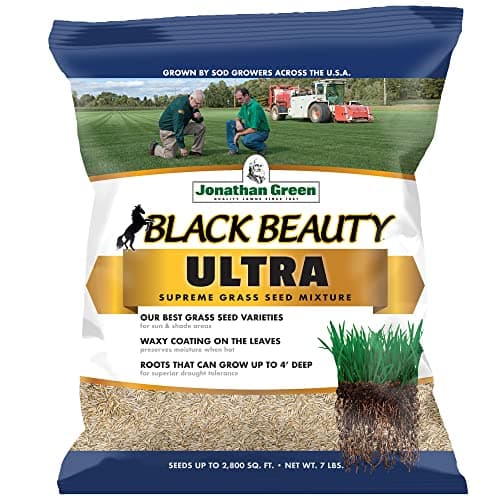
Jonathan Green Black Beauty Ultra Grass Seed (7 lb)
A tall fescue blend with bluegrass and ryegrass that drops neatly into fresh core holes.
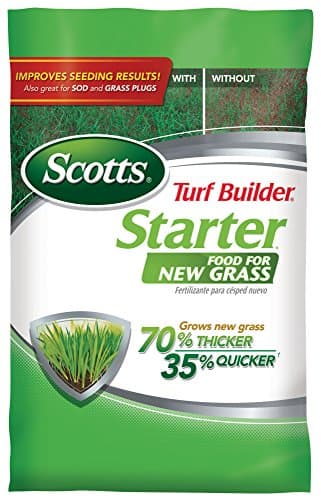
Scotts Turf Builder Starter Food for New Grass
A starter fertilizer for the seed going into those holes.
Greenworks 13 Amp Corded Electric Dethatcher
A powered dethatcher for lawns carrying more than half an inch of thatch.
What Other Guides Miss: Common Mistakes to Avoid
Ignoring Diagnosis Before Choosing Core or Spike
Many guides jump straight to recommending core or spike aeration without teaching you how to confirm compaction. This often leads homeowners to spike aerate year after year on severely compacted clay, with little visible improvement. Always perform the screwdriver test in moist soil and observe water behavior after a moderate rainfall. If you cannot push 4 to 6 inches or water consistently runs off instead of soaking in, spike aeration alone is not the right tool.
Aerating at the Wrong Time of Year
A common mistake is aerating cool season lawns in midsummer or warm season lawns too early in spring or late in fall. This leaves turf trying to heal during its weakest growth periods. Aeration should align with active growth: fall and sometimes spring for cool season grass, late spring through summer for warm season grass. If you missed the window, it is usually better to wait until the next suitable period than to force it.
Overreliance on Spike Shoes
Spike shoes are frequently advertised as a complete solution for compaction, but they are not. They can be part of a maintenance routine on relatively loose soil, but they do not substitute for a true core aeration when bulk density is high. If your lawn has puddles after a 0.5 inch rain and your screwdriver test fails, plan a real core aeration and use spike shoes only as an occasional supplement around high traffic edges.
Skipping Follow Up Practices
Aeration opens the door for improvement, but what you do afterward matters just as much. Skipping overseeding on thin lawns, neglecting proper watering, or applying broad spectrum weed killers right after seeding are all mistakes that waste the opportunity created by aeration. Integrate aeration with a full plan that includes overseeding a lawn when needed, topdressing a lawn with compost in poor soils, and adjusting mowing and watering to support deeper roots.
Conclusion: How to Decide Between Core or Spike Aeration
Deciding between core or spike aeration starts with a simple diagnostic: check soil penetration and watch how water behaves. If you cannot push a screwdriver 4 to 6 inches into moist soil and see frequent puddling, core aeration is the right choice. Combine it with overseeding a lawn and consistent watering for the next 4 to 8 weeks to turn compaction relief into a thicker, healthier turf.
If your soil allows easy penetration, drains well, and your grass is generally dense with only light wear, spike aeration or a slit seeding pass can be a convenient maintenance tool. Use spike aeration for spot treatments, minor crusting, and as a complement to other practices, not as your only defense against compaction in clay or high traffic lawns.

For a deeper dive into timing and recovery after aeration, check out our guide on overseeding a lawn in fall so you can pair your aeration work with the best possible seeding window and get maximum benefit from your effort.
Top Picks
- Simple Lawn Solutions Liquid Soil LoosenerCheck price on Amazon
- Manual Core Aerator Lawn ToolCheck price on Amazon
- Jonathan Green (10322) Black Beauty Ultra Grass Seed - Cool Season Lawn Seed (7 lb)Check price on Amazon
As an Amazon Associate we earn from qualifying purchases.
Free Lawn Care Tools
Lawn aeration is the process of creating openings in the soil profile to improve gas exchange between the soil and the atmosphere. In practical terms, you are helping oxygen move down to the roots and carbon dioxide and other gases move up and out. This simple physical change has a big impact on how well your grass grows.
Core aeration, sometimes called plug aeration, physically removes small cylindrical plugs of soil, thatch, and organic matter from the lawn. These plugs are usually about 0.5 to 0.75 inches in diameter and 2 to 4 inches long, depending on the machine and soil conditions. When you are finished, you see a grid of small holes in the turf and hundreds or thousands of little soil plugs on the surface.
Spike aeration creates holes or slits in the soil without actually removing soil. Instead of hollow tines, spike aerators use solid pegs, knives, or discs to push soil aside. The resulting voids improve water entry in the short term, and can slightly relieve surface compaction, but they do not reduce the total volume of soil.
For most compacted home lawns, core aeration is the more effective and longer lasting option. It physically relieves compaction, improves water and air movement, and creates ideal conditions for seeding and topdressing. Spike aeration, by comparison, is best reserved for light compaction relief, quick surface improvement, or as a supplemental practice alongside good mowing and watering.
Do the screwdriver test after a good rain or thorough watering: push a long screwdriver or metal rod straight into the soil. If it stops in the top 2–3 inches or you have to lean your weight on it, the soil is compacted and core aeration should be on your short-term to‑do list. Signs like hard, crusty soil, water puddling or running off, and thinning turf in high‑traffic or clay areas also point to core aeration. If the tool slides in 6 inches with light pressure and issues are minor, spike aeration is usually enough for maintenance.
The best time to aerate is during the active growing season for your type of grass so it can quickly recover and fill in the holes. For cool‑season lawns, avoid peak summer stress and aim for spring or early fall; for warm‑season lawns, avoid winter dormancy and aerate in late spring through early summer. After aeration, overseeding and watering about 1 inch per week help the lawn thicken in 4–8 weeks.
Photos: Jean-Paul Wettstein / Pexels, Jay Brand / Pexels

Beat weeds and brown spots from your phone
Snap a photo, get the fix, and follow a plan timed to your soil and weather. Free on iPhone.