

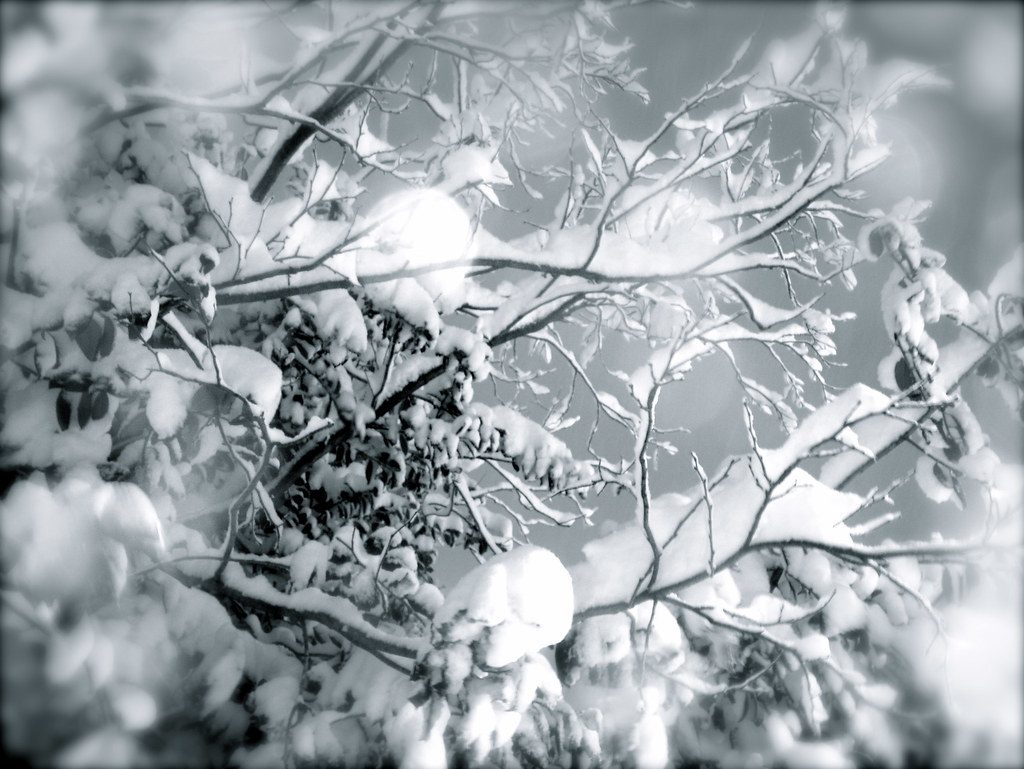
Unexpected Spring Frosts and Your Lawn 5 Quick Protection Tips
 James ThorntonLawn Equipment & Maintenance Expert | 20 Years
As an Amazon Associate we earn from qualifying purchases.
Browned tips and patchy turf after a chilly April morning usually point to one culprit: an unexpected spring frost hitting actively growing grass. These events are very different from predictable winter cold, and the damage they cause often surprises even experienced homeowners.
Unlike mid-winter freezes, when your lawn is mostly dormant and hardened off, late or surprise frosts strike right when grass is pumping water and nutrients through fresh, tender growth. That active growth makes spring turf more vulnerable to cellular damage, especially in low spots and exposed areas. Cool-season and warm-season grasses respond differently, but both can suffer if frost protection steps are not timed correctly.
In this guide on unexpected spring frosts and your lawn 5 quick protection tips, you will see how these events work, how they actually damage turf at the microscopic level, and how to read frost risk from real-world weather data. Then we will walk through practical, science-backed steps you can take the day before and the morning of a frost to limit injury in both cool-season and warm-season lawns.
If your grass suddenly shows whitish or gray blades at sunrise that turn dark and limp by midday, especially after a clear chilly night, that typically points to frost injury. Confirm by looking closely at the crown area at soil level: if the base of the plant is still firm and off-white, the turf is stressed but usually alive, while mushy or brown crowns often indicate more severe damage.
The immediate fix is mostly protective, not corrective: avoid walking or mowing frozen grass, lightly water the lawn after sunrise to help thaw ice more evenly, and resume normal care once daytime highs are consistently above 45 to 50°F. Do not scalp, heavy-rake, or overfertilize in reaction to frost burn, since that can stress already injured plants. In most cases, light frost damage recovers within 10 to 21 days, while severe crown injury may take until late spring or require spot overseeding when soil temperatures reach about 55°F.
Understanding Spring Frosts and Lawn Damage (Before You Act)
Before changing watering schedules or throwing out frost blankets, it helps to understand what is actually happening during a spring frost and why some lawns sail through while others look torched the next day. This section covers the terms, the science, and how different grasses respond so your later decisions are targeted instead of guesswork.
What Is a Spring Frost, Really?
People often use frost, freeze, and hard freeze interchangeably, but they describe different levels of cold stress. A light frost typically occurs when the air at ground level dips to around 32 to 36°F (0 to 2°C) and moisture in the air condenses and freezes on surfaces. Grass blades can have visible ice crystals even when the official air temperature reads a degree or two above freezing, because the surface itself cools faster than the air.
A freeze generally refers to air temperatures dropping between 28 and 32°F (-2 to 0°C) long enough to freeze plant tissues, while a hard freeze is when temperatures fall below about 28°F (-2°C) for several hours. Hard freezes are more likely to damage crowns and roots, especially in warm-season grasses that are just breaking dormancy. For lawn care decisions, a forecast low of 30°F or below is the main threshold where protection strategies become worth considering, especially if your grass is actively growing.
Humidity, dew point, and wind also matter. On calm, clear nights, the ground radiates heat back to the sky, the surface cools quickly, and air near the turf can fall below freezing even if a thermometer on your house reads higher. This type of event is called radiation frost and is very common in spring lawns. On windy, cold nights with a strong cold front, the whole air mass cools down, which is called advective frost. Radiation frost is usually more localized and responsive to backyard-level strategies like soil moisture and covers.
How Frost Damages Grass at the Cellular Level
Frost injury is basically a freezing and dehydration problem inside plant tissues. When the temperature at the leaf surface falls below 32°F, ice crystals form on the outside of the blade and, with enough cold, inside the cells. As water freezes, it expands and can rupture membranes. Even when cells do not burst, ice formation pulls liquid water out of the cells, leaving them dehydrated and damaged when they thaw.
Light injury often shows up as leaf-tip burn - the upper half inch or so of the blade turns tan or bleached while the lower part remains green. This is mostly cosmetic and the plant will usually regrow. More serious damage occurs when the crown, the white-ish growing point at soil level where leaves and roots connect, is injured. Crown injury disrupts new leaf growth and can kill whole plants, leading to thinning and bare patches.
Root damage from spring frost is less common but can occur if a hard freeze follows a period of shallow rooting and saturated soil. In these cases, ice can form in the upper soil profile and injure fine roots, which may show later as slow green-up and poor drought tolerance. The key takeaway is that the more active the plant is at the time of the frost, the more water is moving in tissues and the higher the risk of internal damage.
Cool-Season vs Warm-Season Lawns in Spring Frost
Cool-season grasses like Kentucky bluegrass, perennial ryegrass, tall fescue, and fine fescue are better adapted to cold. They often remain semi-green all winter in northern climates and can tolerate light frost with minimal injury. However, during early spring green-up, even these grasses can suffer if a rapid warm-up in March is followed by a sudden hard freeze in April. New, lush growth with high water content is less cold hardy than hardened winter tissue.
Warm-season grasses like Bermuda, Zoysia, St. Augustine, centipedegrass, and Bahia are much more sensitive once they start transitioning out of dormancy. As these grasses wake up in late winter or early spring, their cellular fluids lose some of the natural antifreeze compounds present in full dormancy. A ground temperature dip below about 28 to 30°F at this stage can cause significant crown injury, especially in the transition zone where lawns may break dormancy early and then be hit by late cold snaps.
Regional patterns matter. In the transition zone, a warm February followed by a March hard freeze often leads to patchy green and brown in Bermuda or Zoysia lawns. In northern lawns with cool-season turf, an unusually warm March that pushes growth, followed by several nights in the upper 20s in April, can result in widespread leaf burn but usually less crown death. Recognizing your grass type and climate band is the first step in choosing the right level of protection. If you are unsure, resources like a Spring Lawn Preparation Checklist or a Monthly Lawn Care Calendar can help you match grass type to seasonal risk.
How to Read Frost Risk Like a Pro
Most people glance at the nightly low on a weather app and stop there, but that number alone can be misleading. The "feels like" temperature is irrelevant for frost; what matters is the actual air temperature near the ground and whether conditions favor radiation cooling. A forecast low of 34°F with clear skies and calm winds can still produce frost at the grass surface, while 32°F with heavy clouds and a breeze might not.
Understanding microclimates in your yard is just as important. Cold air is heavier than warm air, so it drains into low spots where it can pool. These pockets might be 2 to 4°F colder than the rest of the yard, which is enough to turn a marginal event into damaging frost. Areas near pavement, house walls, and fences often stay slightly warmer because those surfaces store heat during the day. Lawns near water features can also behave differently because water moderates temperature swings.
Pay attention to official alerts too. A frost advisory usually means temperatures are expected to drop into the 33 to 36°F range with conditions suitable for frost formation, often for one night. A freeze warning means 32°F or below is likely for several hours, and a hard freeze warning generally signals temps below 28°F. Multiple-night frost events are more stressful on lawns than a single night, because plants have less time to repair tissue between hits.
Quick Protection Tip #1: Water Timing and Frost Protection (Done Right)
Using water as a frost protection tool sounds counterintuitive, but when done correctly it can slightly buffer temperature swings in the upper soil and reduce stress on crowns. The key is understanding when water helps and when it creates a bigger problem. Lawn owners sometimes copy orchard frost protection, which involves running sprinklers through the freezing period, but that method is usually not appropriate for turf.
The physics behind frost protection with water involve the latent heat of fusion. When water freezes, it releases heat, which can keep plant tissue at or just above 32°F even when air is colder. On orchards, continuous overhead irrigation maintains a film of freezing water on blossoms, releasing heat as it turns to ice. On lawns, however, prolonged overhead watering in freezing conditions can create heavy ice layers on the canopy, increasing physical damage and suffocating grass.
For turf, the more reliable approach focuses on soil moisture ahead of the event. Slightly moist soil stores and radiates more heat at night than very dry or waterlogged soil. This is because water has a higher heat capacity than air. When the sun warms the ground during the day, a moderately moist soil holds some of that heat and releases it slowly overnight, raising the temperature right at the crown where it matters most.
Why Water Can Help (and When It Makes Things Worse)
Water helps mainly by improving the soil's daytime heat storage, not by icing the grass itself. If the soil is bone dry within the top 3 to 4 inches, it does not store as much warmth, and the crown area can drop below damaging thresholds more quickly. By contrast, saturated soil can conduct cold into the root zone and promote ice formation around roots if a hard freeze follows.

Problems arise when homeowners water in the evening just before a frost or leave sprinklers running overnight hoping to mimic orchard techniques. In lawn settings, this often leads to a thin ice shell over the grass blades that persists into mid-morning. Walking or mowing on that ice increases mechanical breakage and crown compaction. It also reduces oxygen diffusion to the crown and can extend the time tissues remain frozen, raising the risk of internal damage.
So, the guiding principle is simple: use irrigation to achieve even, moderate moisture in the upper soil before a frost, but avoid adding free water to leaves when temperatures are actually at or below freezing.
How to Use Water Safely Before a Spring Frost
Timing is crucial. The most effective window for pre-frost watering is the morning or early afternoon on the day before a predicted event. That gives the soil time to absorb the water and warm up under daylight, maximizing heat storage. If the forecast shows lows at or below 32°F within the next 24 to 36 hours and your soil is dry in the top few inches, a short, even irrigation cycle can be beneficial.
Avoid watering at dusk or after temperatures start dropping below about 40°F. At that point, evaporation cools the turf surface, which can actually lower the leaf temperature and increase frost risk. It also leaves more free moisture on blades that can freeze overnight. Your target is slightly moist soil, not wet foliage going into the coldest part of the night.
To gauge soil moisture, use a simple hand test. In an out-of-the-way spot, dig down 3 to 4 inches with a trowel. Grab a small handful of soil and squeeze. If it falls apart immediately and feels dusty, it is too dry. If it forms a tight, shiny ball and water oozes, it is too wet. The "just right" zone is when it forms a loose ball that holds together but crumbles with a light poke. In general, that corresponds to having watered enough to add around 0.25 to 0.4 inches of water, depending on your soil type.
Step-by-Step Checklist for Water-Based Frost Protection
Use this simple process whenever a frost advisory or freeze warning is issued during active spring growth:
- Step 1: Check the 48-hour forecast. Look for lows at or below 32°F, clear skies, and calm winds. Prioritize action if multiple frost nights are expected or if your warm-season lawn is just greening up.
- Step 2: Spot-check soil moisture. Test 3 to 5 locations in different microclimates: a low spot, a sunny slope, near pavement, and in shaded turf. Use the hand-squeeze test at 3 to 4 inches depth.
- Step 3: Run a shortened irrigation cycle. If the soil is dry, run your sprinklers mid-morning or early afternoon for a shorter duration than a full watering, usually about 30 to 50 percent of your normal runtime. For example, if you usually water 20 minutes per zone to deliver 0.5 inches, run 8 to 10 minutes for a light 0.2 inches.
- Step 4: Confirm no standing water. After watering, check for puddling or soft, squishy areas. If you see these, you watered too much. Try to correct compaction issues later in the season with aeration rather than skipping protection altogether.
- Step 5: Avoid evening irrigation. Once the sun is low and temperatures fall below about 45°F, stop watering and let the lawn dry so the canopy is not wet going into the night.
If you are unsure whether your timing aligns with local conditions, your state extension service can help refine this approach.
- Purdue Extension notes that moderately moist soil can be 2 to 3°F warmer at the surface during a radiation frost than very dry soil, reducing crown injury risk.
Recommended products
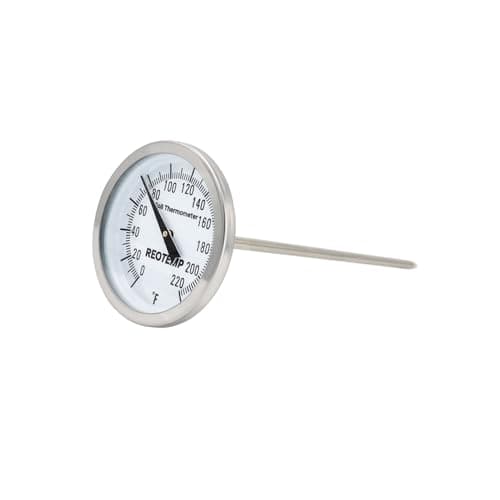
REOTEMP Waterproof Soil Thermometer
A waterproof dial thermometer with a 5 inch stem for tracking soil warmth through spring.

RAINPOINT 3-in-1 WiFi Soil Moisture Sensor
A WiFi probe that reports soil moisture and temperature to your phone.
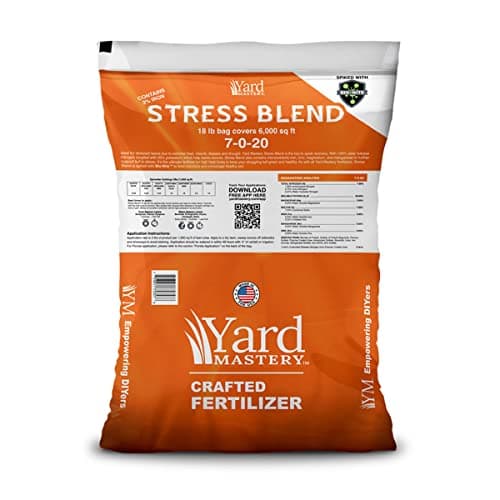
Yard Mastery Stress Blend 7-0-20 (18 lb)
A low-nitrogen, high-potassium granular for cold and stress tolerance.
What Other Guides Miss: Common Mistakes to Avoid
Many online tips about unexpected spring frosts and your lawn focus on covers or vague advice to "water before frost" without explaining the thresholds or confirmation steps. That lack of detail often leads to counterproductive actions that do not match your grass type or climate.
One frequent mistake is walking, playing, or mowing on frozen grass in the morning. If you see a white or silver sheen on the lawn at sunrise and the temperature is near or below 32°F, any traffic can crush brittle, ice-filled blades and crowns. Confirm by gently nudging an area with your toe. If blades feel stiff and crackly, stay off until they thaw, usually once air temps reach at least 36 to 38°F and the sheen disappears.
Another oversight is the reaction after damage appears. Many homeowners immediately scalp the lawn, heavy-rake, or apply high-nitrogen fertilizer trying to "wake it up." This usually stresses plants that are already spending energy repairing cells. A better approach is to wait 7 to 10 days, reassess color and density, and then, if crowns are firm but the lawn is thin, follow practices in a Spring Lawn Preparation Checklist or Monthly Lawn Care Calendar when temperatures are favorable. Only when crowns are clearly dead and bare patches persist should you consider re-sodding or patch seeding.
Finally, regional nuance is often missing. Warm-season lawns in the transition zone may need more conservative protection, such as delaying spring scalping or aggressive dethatching until the 10-day forecast shows no lows below 40°F. Cool-season lawns in northern regions, on the other hand, can usually tolerate a single light frost with minimal long-term impact, as long as you avoid traffic on frozen turf and resume normal watering (about 1 to 1.5 inches per week combined rain and irrigation) once the weather stabilizes.
Conclusion: Protecting Your Lawn From the Next Surprise Frost
Unexpected spring frosts and your lawn do not have to be a disaster if you know how frost forms, which temperatures matter most, and how your specific grass type responds. Light, transient frost usually causes superficial leaf burn that recovers in a couple of weeks, while repeated freezes near or below 28°F are the events most likely to injure crowns, especially in warm-season turf that is just waking up.
Use targeted actions instead of panicked reactions: read your forecast carefully, tune soil moisture with mid-day watering before the event, avoid traffic on frozen turf, and give the lawn time to rebound before making big renovation decisions. If you want to build a year-round plan that reduces stress from all extremes - not just late cold snaps - check out resources like Summer Lawn Care: Heat & Drought Strategies and Winter Lawn Protection & Care to round out your seasonal playbook.
Top Picks
- Jonathan Green (10322) Black Beauty Ultra Grass Seed - Cool Season Lawn Seed (7 lb)Check price on Amazon
- Simple Lawn Solutions Advanced 16-4-8 Liquid FertilizerCheck price on Amazon
- Pennington Full Season Lawn Fertilizer 32-0-5Check price on Amazon
As an Amazon Associate we earn from qualifying purchases.
Free Lawn Care Tools
People often use frost, freeze, and hard freeze interchangeably, but they describe different levels of cold stress. A light frost typically occurs when the air at ground level dips to around 32 to 36°F (0 to 2°C) and moisture in the air condenses and freezes on surfaces. Grass blades can have visible ice crystals even when the official air temperature reads a degree or two above freezing, because the surface itself cools faster than the air.
Look for whitish or gray grass blades at sunrise that turn dark, limp, or water-soaked by midday after a clear, chilly night. Check the crown at soil level: if it feels firm and off-white, the plant is usually still alive, but a mushy or brown crown suggests more serious injury. Damage often appears first in low spots and exposed areas. Light damage usually shows as tip burn, while severe damage leads to thinning or dead patches.
Avoid walking or mowing on frozen grass, because the brittle blades can shatter and worsen injury. After the sun is up and temperatures rise, lightly water the lawn to help thaw ice more evenly and reduce cellular stress. Skip scalping, heavy raking, or high-dose fertilizer right after frost, since those actions can stress damaged plants further. Once daytime highs stay above about 45 to 50°F, resume normal maintenance and monitor recovery.
Most light frost damage, such as leaf-tip burn, recovers within about 10 to 21 days as new growth pushes out injured tissue. More serious crown damage can take until late spring to fill in, especially in warm-season grasses waking from dormancy. If crowns are badly injured and bare spots remain, plan on spot overseeding once soil temperatures reach around 55°F. Patience and consistent, gentle care are key during the recovery period.
Cool-season grasses like Kentucky bluegrass, ryegrass, and fescue tolerate cold better and often suffer mostly cosmetic leaf burn from typical spring frosts. Warm-season grasses such as Bermuda, Zoysia, and St. Augustine are more vulnerable when they are just coming out of dormancy, and a hard freeze below about 28 to 30°F can injure or kill crowns. In the transition zone, warm-season lawns often show patchy green and brown after a warm spell followed by a hard freeze. Recognizing which type of grass you have helps you judge how aggressive your protection and recovery steps should be.
Don’t rely only on the forecast low; pay attention to clear skies, calm winds, and low humidity, which all increase the chance of radiation frost at the grass surface. Frost can form on turf even when the reported temperature is 34°F if the ground radiates heat and cools a few degrees below the air reading. Low spots in the yard can be 2 to 4°F colder than surrounding areas, making them frost-prone microclimates. When a forecast low is around 30°F or below under clear, still conditions and your grass is actively growing, it’s time to consider protection measures.
Photos: Anton Atanasov / Pexels

Beat weeds and brown spots from your phone
Snap a photo, get the fix, and follow a plan timed to your soil and weather. Free on iPhone.
Related Articles
 Seasonal Care
Dormant Seeding: How to Seed Your Lawn in Late Fall for Spring Germination
Jul 17, 2026•11 min read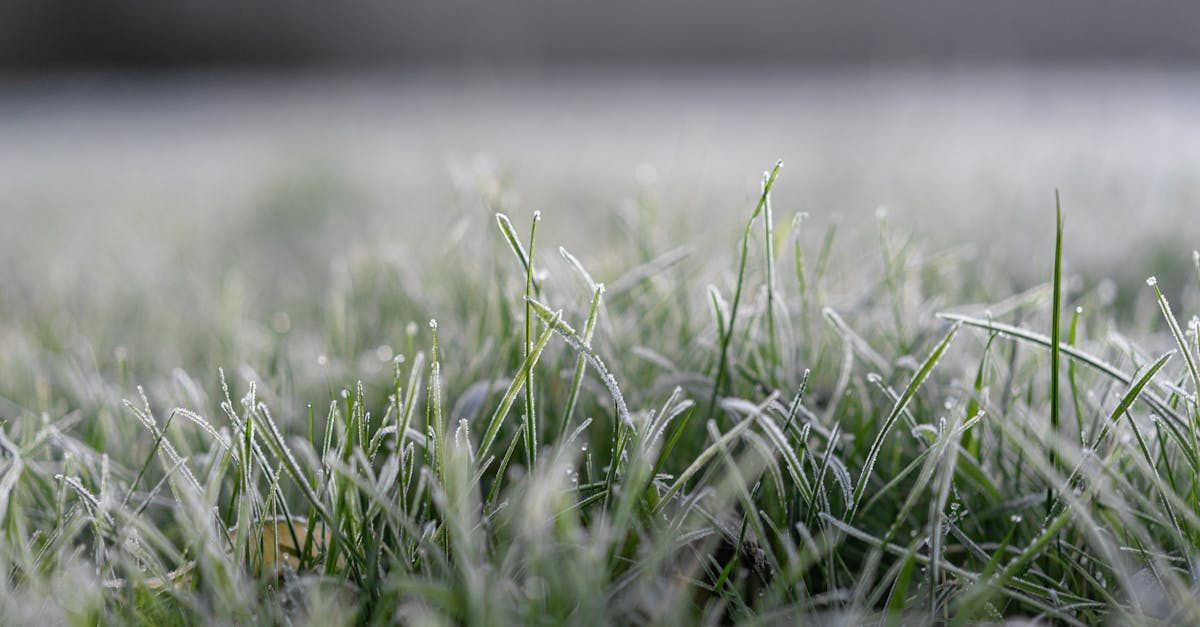 Seasonal Care
How to Protect Grass in Winter: Winterization and Damage Prevention
Dec 10, 2025•11 min read Seasonal Care
Bermuda Grass Spring Green-up: When It Starts and How to Speed It Up
Mar 30, 2026•7 min read

