Essential Lawn Care Tools Every Homeowner Needs: The Complete Equipment Guide
Here's the truth about lawn care: having the right tools isn't just about convenience
Here's the truth about lawn care: having the right tools isn't just about convenience – it's the secret to achieving that lush, healthy lawn you've always wanted. While your neighbor might struggle with patchy grass and uneven cuts using inadequate equipment, you can achieve professional-quality results with the proper lawn care tools in your arsenal.
The difference between a mediocre lawn and an exceptional one often comes down to equipment quality and technique. The right essential lawn tools don't just save you time and effort; they prevent damage that can set your lawn back months. A sharp mower blade creates clean cuts that heal quickly, while a dull blade tears grass and invites disease. Quality spreaders ensure even fertilizer distribution, preventing burn spots and nutrient deficiencies.
In this comprehensive guide, we'll explore the best lawn care equipment every homeowner should consider, from basic necessities to specialized tools that can transform your lawn maintenance routine. Whether you're managing a small suburban yard or several acres, understanding which tools to invest in – and which ones you can skip – will save you money and deliver better results.
We'll cover must-have tools for every lawn care task, explain when and how to use each piece of equipment effectively, and provide practical buying advice to help you make informed decisions. By the end of this guide, you'll have a clear roadmap for building a tool collection that makes lawn care more efficient and enjoyable.
Before diving into specific tools, make sure you understand the fundamentals by reading our Beginner's Guide to Lawn Care and How to Start a Lawn from Scratch for comprehensive background knowledge.
Every successful lawn care routine starts with three fundamental tools that form the backbone of regular maintenance. These aren't optional accessories – they're absolute necessities that you'll use regularly throughout the growing season.
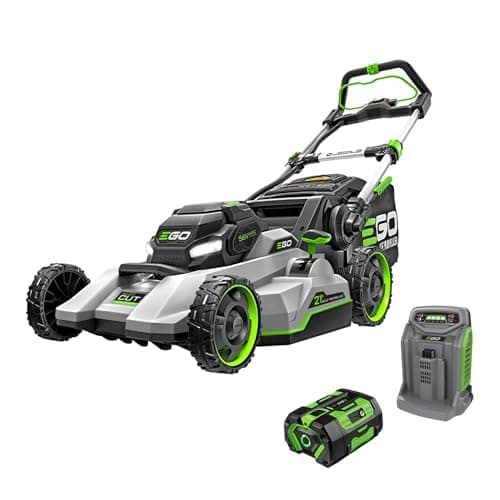
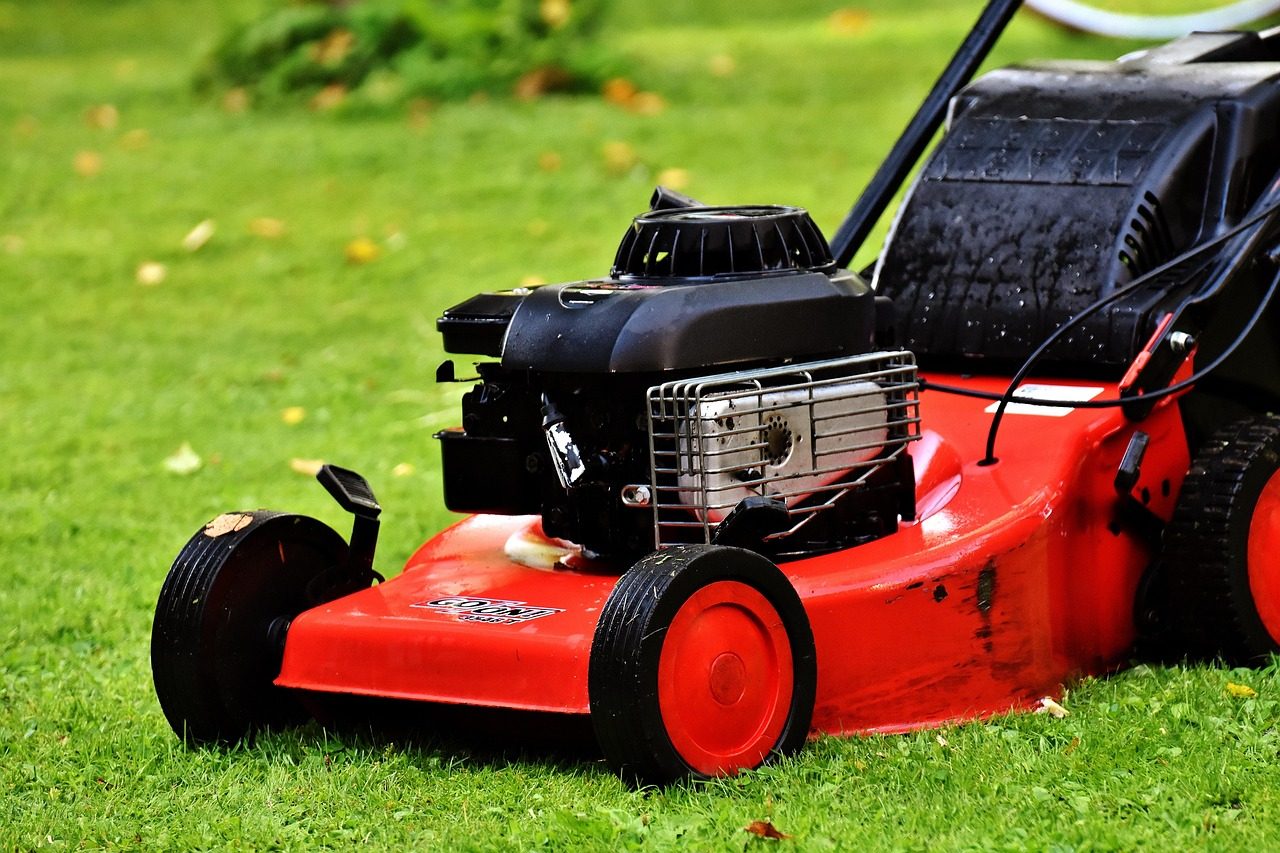
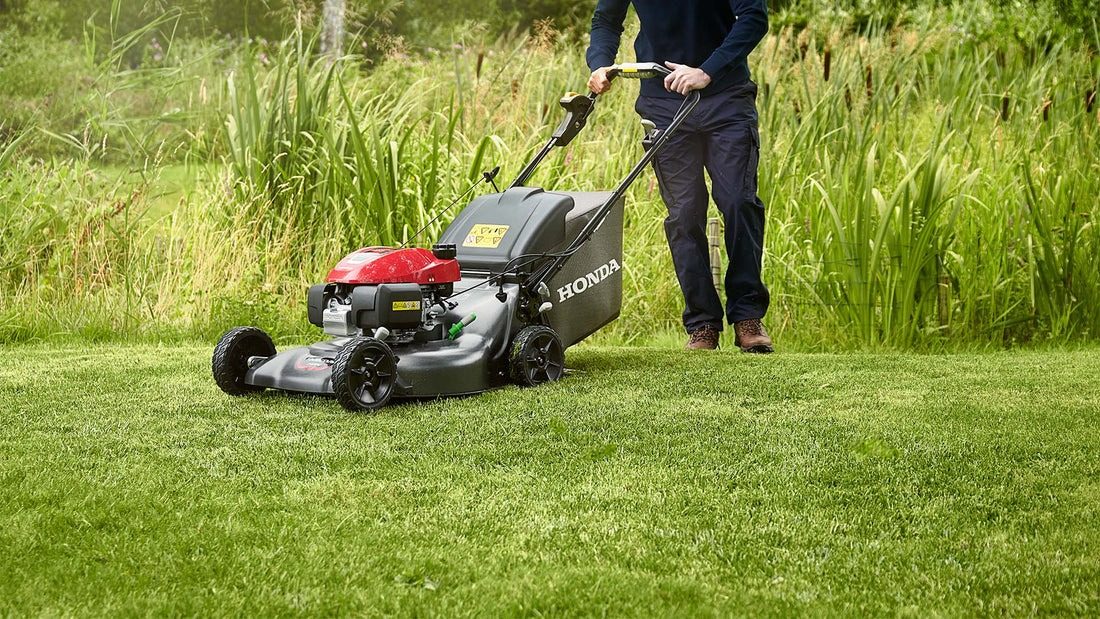
The best lawn mower for homeowners depends on lawn size, terrain, and personal preferences, but understanding your options helps you make the right choice:
Push Mowers:
Self-Propelled Mowers:
Riding Mowers:
Mulching Mower Benefits: Modern mulching mowers offer significant advantages over traditional side-discharge models:
A quality string trimmer handles areas your mower can't reach, creating professional-looking results:
Gas-Powered Trimmers:
Electric Corded Trimmers:
Battery-Powered Trimmers:
Pro Tip: Choose a best string trimmer with a straight shaft rather than curved – it provides better reach under shrubs and around obstacles, plus allows for brush blade attachments.
The humble leaf rake is essential year-round, not just for autumn cleanup:
Metal Tine Rakes:
Plastic Tine Rakes:
Leaf Rake vs Garden Rake Distinction:
These three basic tools handle 80% of regular lawn maintenance tasks. Invest in quality versions that match your lawn size and usage patterns – they'll serve you well for years and make every other lawn care task more effective.
Beyond basic maintenance, maintaining optimal lawn health requires specialized tools that address soil conditions and grass growth patterns. These tools help you move from simply cutting grass to actively improving your lawn's long-term health and appearance.
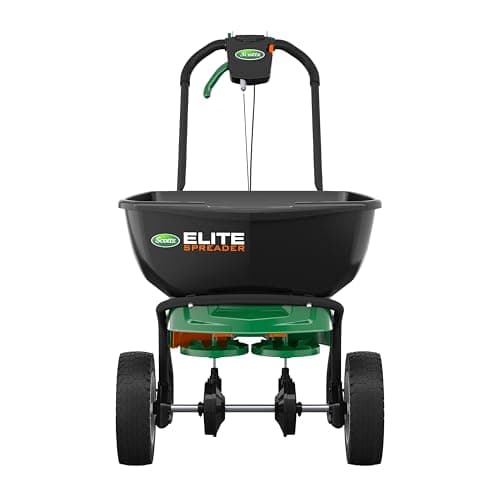
A quality lawn spreader ensures uniform application of seeds, fertilizer, and soil amendments – the difference between professional results and patchy, inconsistent coverage.
Broadcast Spreaders:
Drop Spreaders:
Key Features in the Best Lawn Spreader:
Broadcast Spreader vs Drop Spreader Decision Matrix:
Compacted soil prevents water, nutrients, and oxygen from reaching grass roots. A lawn aerator addresses this fundamental problem that affects lawn health more than most homeowners realize.
Manual Core Aerators:
Plug Aerators (Recommended):
Spike Aerators (Not Recommended):
Benefits of Lawn Aeration:
When to Aerate:
Understanding your soil's condition through regular lawn soil test analysis eliminates guesswork and prevents costly mistakes in fertilization and pH management.
DIY Test Kit Options:
Professional Soil Testing:
Key Soil Parameters to Monitor:
Understanding Soil pH for Grass:
These health-focused tools represent the difference between maintaining existing grass and actively improving your lawn's condition over time. While the initial investment may seem significant, the long-term benefits in terms of reduced fertilizer costs, improved disease resistance, and overall lawn performance make them essential for serious lawn care.
Proper irrigation is fundamental to lawn health, but effective watering requires more than just turning on a sprinkler. The right watering tools ensure efficient water use, uniform coverage, and optimal grass growth while preventing common problems like overwatering and fungal diseases.
A quality garden hose system forms the backbone of your watering toolkit:
Hose Selection Criteria:
Essential Nozzle Features:
Practical Applications:
Choosing the best sprinkler for lawn depends on your yard's size, shape, and water pressure:
Oscillating Sprinklers:
Rotary/Impact Sprinklers:
Stationary Sprinklers:
Smart Sprinkler Controllers:
Oscillating vs Rotary Sprinkler Comparison:
| Feature | Oscillating | Rotary |
|---|---|---|
| Best lawn shape | Rectangular | Circular/Irregular |
| Coverage area | Medium-Large | Large |
| Wind resistance | Lower | Higher |
| Water distribution | Very even | Good |
| Durability | Moderate | High |
| Price range | $20-60 | $15-80 |
While seemingly old-fashioned, a quality watering can serves specific purposes that sprinklers and hoses cannot:
When to Use a Watering Can:
Selection Features:
Professional Watering Tips:
Water Efficiency Best Practices:
Effective watering tools and techniques can reduce water consumption by 30-50% while improving lawn health. The key is matching your equipment to your specific lawn conditions and developing consistent, efficient watering practices.
As your lawn care skills develop, certain specialized tools can elevate your results from good to exceptional. These aren't everyday tools, but they address specific lawn improvement tasks that generic equipment can't handle effectively.
A lawn roller serves specific purposes in lawn establishment and maintenance, but proper use is crucial to avoid soil compaction problems:
When to Use a Lawn Roller:
Types of Lawn Rollers:
Proper Rolling Technique:
Common Rolling Mistakes:
Thatch – the layer of dead grass and organic matter between soil and green grass – becomes problematic when it exceeds 1/2 inch thickness. A lawn dethatcher removes excess thatch to improve water and nutrient penetration.
Manual Dethatching Rake:
Powered Dethatcher:
Power Rake vs Dethatcher:
When Dethatching is Needed:
Dethatching Schedule:
Clean, defined edges transform a lawn's appearance from amateur to professional. The right edger creates crisp borders that frame your lawn beautifully:
Manual Half-Moon Edger:
Powered Lawn Edger:
Edging Techniques for Best Results:
Edging Maintenance Schedule:
Creative Edging Applications:
Pro Tip: For the most professional appearance, maintain consistent depth and angle throughout your edging. Uneven edges are more noticeable than no edges at all.
These specialty tools represent investments in long-term lawn quality rather than basic maintenance needs. Consider renting before purchasing to determine which tools provide the most value for your specific lawn care goals and usage patterns.
Professional lawn care isn't just about having the right primary tools – it's also about the supporting equipment that keeps you safe, organized, and efficient. These often-overlooked accessories can make the difference between frustrating, dangerous work and smooth, enjoyable lawn care sessions.
Personal Protective Equipment (PPE):
Work Gloves:
Safety Glasses:
Hearing Protection:
Foot Protection:
Fuel Management for Gas Equipment:
Approved Fuel Containers:
Fuel Stabilizers:
Oil and Maintenance Supplies:
Tool Storage Systems:
Garden Shed Organization:
Mobile Storage Options:
Seasonal Storage Considerations:
Cleaning and Maintenance Supplies:
Cleaning Tools:
Blade Maintenance:
Lubrication and Protection:
Work Comfort Items:
Time-Saving Accessories:
Weather Protection:
These accessories and safety items represent relatively small investments that provide significant returns in safety, efficiency, and equipment longevity. Building a comprehensive collection of supporting equipment creates a professional-grade lawn care operation that produces consistently excellent results while protecting your health and investment in primary tools.
Making smart purchasing decisions for lawn care tools can save thousands of dollars over time while ensuring you get equipment that truly meets your needs. The key is understanding how to evaluate options, time purchases strategically, and balance upfront costs with long-term value.
Small Lawns (Under 1/4 Acre):
Medium Lawns (1/4 to 1/2 Acre):
Large Lawns (1/2 to 2 Acres):
Terrain Considerations:
Gas-Powered Equipment:
Advantages:
Disadvantages:
Electric Corded Equipment:
Advantages:
Disadvantages:
Battery-Powered Equipment:
Advantages:
Disadvantages:
Power Source Decision Matrix:
| Lawn Size | Gas | Electric Corded | Battery |
|---|---|---|---|
| Under 1/4 acre | Optional | Excellent | Excellent |
| 1/4 - 1/2 acre | Good | Limited | Excellent |
| 1/2 - 1 acre | Excellent | Not practical | Good* |
| Over 1 acre | Excellent | Not practical | Limited |
*With multiple batteries or commercial-grade systems
Best Times to Buy:
End of Season Sales (September-October):
Early Season Sales (February-March):
Holiday Sales (Black Friday, Memorial Day):
Off-Season Opportunities:
When to Invest in Premium Tools:
Where Budget Options Work:
Red Flags in Budget Equipment:
Choosing Reliable Brands:
Dealer Relationships:
Online vs. Local Purchase:
Investing in quality electric vs gas lawn tools is just the beginning – proper care and maintenance determine whether your equipment provides years of reliable service or becomes an expensive source of frustration. These professional-grade maintenance practices will maximize your tool investment.
Post-Use Cleaning Protocol: Develop a consistent routine after each use to prevent long-term problems:
Disease Prevention Through Tool Sanitization: Lawn diseases spread easily through contaminated equipment:
Lubrication Schedules: Proper lubrication prevents premature wear and ensures smooth operation:
Recognizing Dull Blades: Sharp blades are crucial for lawn health – dull blades tear grass rather than cutting cleanly:
Sharpening Options:
Professional Sharpening:
DIY Sharpening:
Blade Balancing Importance: Unbalanced blades cause vibration, engine damage, and poor cut quality:
Pre-Storage Preparation: Proper winterization prevents costly spring repairs and ensures reliable startup:
Fuel System Maintenance:
Engine Preparation:
Battery-Powered Equipment Storage:
Proper Usage Techniques: Using tools correctly extends their lifespan significantly:
Environmental Protection: Protecting tools from weather and environmental damage:
Replacement Parts Strategy:
Professional Service Scheduling: Some maintenance tasks require professional expertise:
These maintenance practices represent the difference between tools that last 3-5 years and those that provide decades of reliable service. The time invested in proper care pays for itself many times over through extended tool life, reduced repair costs, and consistently excellent performance.
Building a comprehensive collection of essential lawn care tools transforms lawn maintenance from a frustrating chore into an efficient, enjoyable process that delivers professional-quality results. The right equipment doesn't just save time – it protects your lawn from damage, ensures even application of treatments, and allows you to address problems before they become expensive disasters.
Starting with the fundamental trio of a quality mower, string trimmer, and rake provides the foundation for regular maintenance. Adding health-focused tools like spreaders, aerators, and soil testing kits elevates your capabilities from basic mowing to active lawn improvement. Specialized tools for seeding, dethatching, and edging complete a toolkit that can handle any lawn care challenge.
Remember that lawn tools for homeowners are investments, not expenses. Quality equipment properly maintained can provide decades of reliable service while producing consistently superior results. The difference in cost between budget and premium tools often represents just pennies per use over the tool's lifetime, making quality equipment an exceptional value.
The key to success lies not just in having the right tools, but in understanding when and how to use them effectively. Sharp mower blades, properly calibrated spreaders, and well-maintained equipment work together to create the healthy, lush lawn that increases your property value and provides endless enjoyment for your family.
As your lawn care knowledge and skills develop, you'll discover which tools provide the most value for your specific conditions and goals. Start with quality basics, add specialized tools as needs arise, and never underestimate the importance of proper maintenance and storage.
Your lawn care journey doesn't end with acquiring the right tools – it's an ongoing process of learning, adjusting, and refining your approach. Ready to take the next step in your lawn care education? Explore our comprehensive Lawn Care Month-by-Month Calendar to learn exactly when and how to use your new tools throughout the growing season.
Invest in quality tools, maintain them properly, and enjoy the satisfaction of a beautiful lawn that reflects your care and attention to detail.
What are the most essential lawn care tools for beginners? The three must-have tools for any homeowner are a quality lawn mower (appropriate for your lawn size), a string trimmer for edges and detail work, and a leaf rake for debris cleanup. These handle 80% of regular lawn maintenance tasks and provide the foundation for more advanced lawn care.
Should I buy gas or electric lawn tools? Battery-powered tools offer the best balance of convenience, performance, and environmental impact for most homeowners. Choose gas for large properties (over 1/2 acre) or heavy-duty applications, electric corded for small lawns near power sources, and battery for the optimal combination of power and convenience.
How much should I budget for lawn care tools? Expect to invest $800-1,500 for a basic toolkit for small lawns, $1,500-3,000 for medium lawns with comprehensive equipment, and $3,000+ for large properties requiring professional-grade tools. Quality tools last decades, making the cost per use very reasonable.
When is the best time to buy lawn care equipment? The best deals occur during end-of-season sales (September-October) with 30-50% discounts, early season promotions (February-March), and major holiday sales. Avoid peak season purchases when selection is limited and prices are highest.
How often should I sharpen my mower blades? Sharpen mower blades 2-3 times per growing season or whenever you notice brown, frayed grass tips after mowing. Dull blades tear grass rather than cutting cleanly, leading to disease problems and poor lawn appearance. Professional sharpening costs $10-20 and includes balancing.
Here's the truth about lawn care: having the right tools isn't just about convenience – it's the secret to achieving that lush, healthy lawn you've always wanted. While your neighbor might struggle with patchy grass and uneven cuts using inadequate equipment, you can achieve professional-quality results with the proper lawn care tools in your arsenal.
The difference between a mediocre lawn and an exceptional one often comes down to equipment quality and technique. The right essential lawn tools don't just save you time and effort; they prevent damage that can set your lawn back months. A sharp mower blade creates clean cuts that heal quickly, while a dull blade tears grass and invites disease. Quality spreaders ensure even fertilizer distribution, preventing burn spots and nutrient deficiencies.
In this comprehensive guide, we'll explore the best lawn care equipment every homeowner should consider, from basic necessities to specialized tools that can transform your lawn maintenance routine. Whether you're managing a small suburban yard or several acres, understanding which tools to invest in – and which ones you can skip – will save you money and deliver better results.
We'll cover must-have tools for every lawn care task, explain when and how to use each piece of equipment effectively, and provide practical buying advice to help you make informed decisions. By the end of this guide, you'll have a clear roadmap for building a tool collection that makes lawn care more efficient and enjoyable.
Before diving into specific tools, make sure you understand the fundamentals by reading our Beginner's Guide to Lawn Care and How to Start a Lawn from Scratch for comprehensive background knowledge.
Every successful lawn care routine starts with three fundamental tools that form the backbone of regular maintenance. These aren't optional accessories – they're absolute necessities that you'll use regularly throughout the growing season.
The best lawn mower for homeowners depends on lawn size, terrain, and personal preferences, but understanding your options helps you make the right choice:
Push Mowers:
Self-Propelled Mowers:
Riding Mowers:
Mulching Mower Benefits: Modern mulching mowers offer significant advantages over traditional side-discharge models:
A quality string trimmer handles areas your mower can't reach, creating professional-looking results:
Gas-Powered Trimmers:
Electric Corded Trimmers:
Battery-Powered Trimmers:
Pro Tip: Choose a best string trimmer with a straight shaft rather than curved – it provides better reach under shrubs and around obstacles, plus allows for brush blade attachments.
The humble leaf rake is essential year-round, not just for autumn cleanup:
Metal Tine Rakes:
Plastic Tine Rakes:
Leaf Rake vs Garden Rake Distinction:
These three basic tools handle 80% of regular lawn maintenance tasks. Invest in quality versions that match your lawn size and usage patterns – they'll serve you well for years and make every other lawn care task more effective.
Beyond basic maintenance, maintaining optimal lawn health requires specialized tools that address soil conditions and grass growth patterns. These tools help you move from simply cutting grass to actively improving your lawn's long-term health and appearance.
A quality lawn spreader ensures uniform application of seeds, fertilizer, and soil amendments – the difference between professional results and patchy, inconsistent coverage.
Broadcast Spreaders:
Drop Spreaders:
Key Features in the Best Lawn Spreader:
Broadcast Spreader vs Drop Spreader Decision Matrix:
Compacted soil prevents water, nutrients, and oxygen from reaching grass roots. A lawn aerator addresses this fundamental problem that affects lawn health more than most homeowners realize.
Manual Core Aerators:
Plug Aerators (Recommended):
Spike Aerators (Not Recommended):
Benefits of Lawn Aeration:
When to Aerate:
Understanding your soil's condition through regular lawn soil test analysis eliminates guesswork and prevents costly mistakes in fertilization and pH management.
DIY Test Kit Options:
Professional Soil Testing:
Key Soil Parameters to Monitor:
Understanding Soil pH for Grass:
These health-focused tools represent the difference between maintaining existing grass and actively improving your lawn's condition over time. While the initial investment may seem significant, the long-term benefits in terms of reduced fertilizer costs, improved disease resistance, and overall lawn performance make them essential for serious lawn care.
Proper irrigation is fundamental to lawn health, but effective watering requires more than just turning on a sprinkler. The right watering tools ensure efficient water use, uniform coverage, and optimal grass growth while preventing common problems like overwatering and fungal diseases.
A quality garden hose system forms the backbone of your watering toolkit:
Hose Selection Criteria:
Essential Nozzle Features:
Practical Applications:
Choosing the best sprinkler for lawn depends on your yard's size, shape, and water pressure:
Oscillating Sprinklers:
Rotary/Impact Sprinklers:
Stationary Sprinklers:
Smart Sprinkler Controllers:
Oscillating vs Rotary Sprinkler Comparison:
| Feature | Oscillating | Rotary |
|---|---|---|
| Best lawn shape | Rectangular | Circular/Irregular |
| Coverage area | Medium-Large | Large |
| Wind resistance | Lower | Higher |
| Water distribution | Very even | Good |
| Durability | Moderate | High |
| Price range | $20-60 | $15-80 |
While seemingly old-fashioned, a quality watering can serves specific purposes that sprinklers and hoses cannot:
When to Use a Watering Can:
Selection Features:
Professional Watering Tips:
Water Efficiency Best Practices:
Effective watering tools and techniques can reduce water consumption by 30-50% while improving lawn health. The key is matching your equipment to your specific lawn conditions and developing consistent, efficient watering practices.
As your lawn care skills develop, certain specialized tools can elevate your results from good to exceptional. These aren't everyday tools, but they address specific lawn improvement tasks that generic equipment can't handle effectively.
A lawn roller serves specific purposes in lawn establishment and maintenance, but proper use is crucial to avoid soil compaction problems:
When to Use a Lawn Roller:
Types of Lawn Rollers:
Proper Rolling Technique:
Common Rolling Mistakes:
Thatch – the layer of dead grass and organic matter between soil and green grass – becomes problematic when it exceeds 1/2 inch thickness. A lawn dethatcher removes excess thatch to improve water and nutrient penetration.
Manual Dethatching Rake:
Powered Dethatcher:
Power Rake vs Dethatcher:
When Dethatching is Needed:
Dethatching Schedule:
Clean, defined edges transform a lawn's appearance from amateur to professional. The right edger creates crisp borders that frame your lawn beautifully:
Manual Half-Moon Edger:
Powered Lawn Edger:
Edging Techniques for Best Results:
Edging Maintenance Schedule:
Creative Edging Applications:
Pro Tip: For the most professional appearance, maintain consistent depth and angle throughout your edging. Uneven edges are more noticeable than no edges at all.
These specialty tools represent investments in long-term lawn quality rather than basic maintenance needs. Consider renting before purchasing to determine which tools provide the most value for your specific lawn care goals and usage patterns.
Professional lawn care isn't just about having the right primary tools – it's also about the supporting equipment that keeps you safe, organized, and efficient. These often-overlooked accessories can make the difference between frustrating, dangerous work and smooth, enjoyable lawn care sessions.
Personal Protective Equipment (PPE):
Work Gloves:
Safety Glasses:
Hearing Protection:
Foot Protection:
Fuel Management for Gas Equipment:
Approved Fuel Containers:
Fuel Stabilizers:
Oil and Maintenance Supplies:
Tool Storage Systems:
Garden Shed Organization:
Mobile Storage Options:
Seasonal Storage Considerations:
Cleaning and Maintenance Supplies:
Cleaning Tools:
Blade Maintenance:
Lubrication and Protection:
Work Comfort Items:
Time-Saving Accessories:
Weather Protection:
These accessories and safety items represent relatively small investments that provide significant returns in safety, efficiency, and equipment longevity. Building a comprehensive collection of supporting equipment creates a professional-grade lawn care operation that produces consistently excellent results while protecting your health and investment in primary tools.
Making smart purchasing decisions for lawn care tools can save thousands of dollars over time while ensuring you get equipment that truly meets your needs. The key is understanding how to evaluate options, time purchases strategically, and balance upfront costs with long-term value.
Small Lawns (Under 1/4 Acre):
Medium Lawns (1/4 to 1/2 Acre):
Large Lawns (1/2 to 2 Acres):
Terrain Considerations:
Gas-Powered Equipment:
Advantages:
Disadvantages:
Electric Corded Equipment:
Advantages:
Disadvantages:
Battery-Powered Equipment:
Advantages:
Disadvantages:
Power Source Decision Matrix:
| Lawn Size | Gas | Electric Corded | Battery |
|---|---|---|---|
| Under 1/4 acre | Optional | Excellent | Excellent |
| 1/4 - 1/2 acre | Good | Limited | Excellent |
| 1/2 - 1 acre | Excellent | Not practical | Good* |
| Over 1 acre | Excellent | Not practical | Limited |
*With multiple batteries or commercial-grade systems
Best Times to Buy:
End of Season Sales (September-October):
Early Season Sales (February-March):
Holiday Sales (Black Friday, Memorial Day):
Off-Season Opportunities:
When to Invest in Premium Tools:
Where Budget Options Work:
Red Flags in Budget Equipment:
Choosing Reliable Brands:
Dealer Relationships:
Online vs. Local Purchase:
Investing in quality electric vs gas lawn tools is just the beginning – proper care and maintenance determine whether your equipment provides years of reliable service or becomes an expensive source of frustration. These professional-grade maintenance practices will maximize your tool investment.
Post-Use Cleaning Protocol: Develop a consistent routine after each use to prevent long-term problems:
Disease Prevention Through Tool Sanitization: Lawn diseases spread easily through contaminated equipment:
Lubrication Schedules: Proper lubrication prevents premature wear and ensures smooth operation:
Recognizing Dull Blades: Sharp blades are crucial for lawn health – dull blades tear grass rather than cutting cleanly:
Sharpening Options:
Professional Sharpening:
DIY Sharpening:
Blade Balancing Importance: Unbalanced blades cause vibration, engine damage, and poor cut quality:
Pre-Storage Preparation: Proper winterization prevents costly spring repairs and ensures reliable startup:
Fuel System Maintenance:
Engine Preparation:
Battery-Powered Equipment Storage:
Proper Usage Techniques: Using tools correctly extends their lifespan significantly:
Environmental Protection: Protecting tools from weather and environmental damage:
Replacement Parts Strategy:
Professional Service Scheduling: Some maintenance tasks require professional expertise:
These maintenance practices represent the difference between tools that last 3-5 years and those that provide decades of reliable service. The time invested in proper care pays for itself many times over through extended tool life, reduced repair costs, and consistently excellent performance.
Building a comprehensive collection of essential lawn care tools transforms lawn maintenance from a frustrating chore into an efficient, enjoyable process that delivers professional-quality results. The right equipment doesn't just save time – it protects your lawn from damage, ensures even application of treatments, and allows you to address problems before they become expensive disasters.
Starting with the fundamental trio of a quality mower, string trimmer, and rake provides the foundation for regular maintenance. Adding health-focused tools like spreaders, aerators, and soil testing kits elevates your capabilities from basic mowing to active lawn improvement. Specialized tools for seeding, dethatching, and edging complete a toolkit that can handle any lawn care challenge.
Remember that lawn tools for homeowners are investments, not expenses. Quality equipment properly maintained can provide decades of reliable service while producing consistently superior results. The difference in cost between budget and premium tools often represents just pennies per use over the tool's lifetime, making quality equipment an exceptional value.
The key to success lies not just in having the right tools, but in understanding when and how to use them effectively. Sharp mower blades, properly calibrated spreaders, and well-maintained equipment work together to create the healthy, lush lawn that increases your property value and provides endless enjoyment for your family.
As your lawn care knowledge and skills develop, you'll discover which tools provide the most value for your specific conditions and goals. Start with quality basics, add specialized tools as needs arise, and never underestimate the importance of proper maintenance and storage.
Your lawn care journey doesn't end with acquiring the right tools – it's an ongoing process of learning, adjusting, and refining your approach. Ready to take the next step in your lawn care education? Explore our comprehensive Lawn Care Month-by-Month Calendar to learn exactly when and how to use your new tools throughout the growing season.
Invest in quality tools, maintain them properly, and enjoy the satisfaction of a beautiful lawn that reflects your care and attention to detail.
What are the most essential lawn care tools for beginners? The three must-have tools for any homeowner are a quality lawn mower (appropriate for your lawn size), a string trimmer for edges and detail work, and a leaf rake for debris cleanup. These handle 80% of regular lawn maintenance tasks and provide the foundation for more advanced lawn care.
Should I buy gas or electric lawn tools? Battery-powered tools offer the best balance of convenience, performance, and environmental impact for most homeowners. Choose gas for large properties (over 1/2 acre) or heavy-duty applications, electric corded for small lawns near power sources, and battery for the optimal combination of power and convenience.
How much should I budget for lawn care tools? Expect to invest $800-1,500 for a basic toolkit for small lawns, $1,500-3,000 for medium lawns with comprehensive equipment, and $3,000+ for large properties requiring professional-grade tools. Quality tools last decades, making the cost per use very reasonable.
When is the best time to buy lawn care equipment? The best deals occur during end-of-season sales (September-October) with 30-50% discounts, early season promotions (February-March), and major holiday sales. Avoid peak season purchases when selection is limited and prices are highest.
How often should I sharpen my mower blades? Sharpen mower blades 2-3 times per growing season or whenever you notice brown, frayed grass tips after mowing. Dull blades tear grass rather than cutting cleanly, leading to disease problems and poor lawn appearance. Professional sharpening costs $10-20 and includes balancing.
Common questions about this topic
Every homeowner should begin with a quality lawn mower, a reliable spreader, and basic hand tools such as a rake. The mower handles regular cutting, the spreader ensures even distribution of fertilizer and other products, and the hand tools help with cleanup and detail work. These core tools form the backbone of a regular lawn care routine. Without them, it’s very hard to maintain a healthy, attractive lawn.
The right mower depends mostly on your lawn size and terrain. Push mowers work best for small, flat lawns under 1/4 acre, while self-propelled mowers are better for medium lawns up to about 1/2 acre or yards with slopes. For lawns over 1/2 acre or complex terrain, a riding mower is typically the most efficient and comfortable option. Your budget, storage space, and physical ability should also factor into the decision.
A sharp mower blade makes clean cuts that help grass heal quickly and stay healthy. Dull blades tear and shred the grass tips, which stresses the lawn and makes it more vulnerable to disease. Over time, this can lead to brown, ragged-looking turf and weak growth. Keeping the blade sharp is one of the simplest ways to improve lawn appearance and health.
Self-propelled mowers are easier to maneuver, especially on slopes or larger yards, because the drive system does most of the pushing for you. They often come with variable speed control, which reduces fatigue and makes mowing more comfortable. The tradeoff is a higher cost and more maintenance compared to basic push mowers. They’re best for homeowners who want less physical strain and have medium-sized lawns.
A riding mower is worth considering if you have more than 1/2 acre of grass or a yard with complex terrain that would take a long time to mow on foot. Riding mowers cover ground quickly and offer a more comfortable experience, and many can handle attachments for additional yard tasks. They do require more storage space, higher upfront cost, and more maintenance. For large properties, though, they can save significant time and effort over the long term.
Quality tools help prevent common lawn problems that can be expensive to fix, like disease from torn grass blades or fertilizer burn from uneven spreading. Efficient equipment also reduces the time and effort required for routine maintenance, making it easier to stay consistent. By investing in the right mower, spreader, and other essentials, you can avoid repeated purchases of cheap tools that break or underperform. Over time, a well-chosen tool set leads to a healthier lawn and fewer costly repairs or replacements.
Subscribe for monthly lawn care tips and expert advice
Loading product recommendations...