How to Start a Lawn from Scratch: The Complete Step-by-Step Guide for 2026
 Marcus GreenTurf Management Pro | 18 Years
As an Amazon Associate we earn from qualifying purchases.
There's something deeply satisfying about watching a barren patch of dirt transform into a lush, emerald carpet that becomes the envy of your neighborhood. Starting a lawn from scratch might seem daunting, but it's actually one of the most rewarding ways to create the greenest, healthiest lawn possible – and it's more achievable than you might think.
Whether you're dealing with a bare yard after new construction, replacing a completely dead lawn, or upgrading your existing landscaping, starting fresh gives you complete control over every aspect of your lawn's foundation. Unlike patching or overseeding existing grass, starting a lawn from scratch allows you to address soil issues, choose the perfect grass type for your conditions, and establish proper growing conditions from day one.
However, success doesn't happen overnight. Growing grass from seed requires careful planning, the right materials, and consistent care over several months. The good news? Follow this proven 10-step process, and you'll have the knowledge and confidence to create a lawn that will thrive for decades.
This comprehensive lawn installation guide will walk you through everything from initial site assessment to your first mowing, ensuring you avoid common mistakes that can set back your progress by months. Ready to transform your outdoor space? Let's dig in.
Ready to get started? First, check out our Beginner's Guide to Lawn Care to understand the fundamentals.
To start a lawn from scratch, begin by assessing your site's unique conditions. Walk your yard at different times to identify areas with at least 6 hours of sunlight or those in constant shade. Dig test holes about 6 inches deep to verify soil composition and drainage; water should not stand for over 24 hours after rain.
Once you've assessed your site, choose a grass type suited to your sunlight and soil conditions. Plan to plant grass seeds in early spring or fall for optimal growth. With consistent watering and care, expect to see seedlings in about 2 to 3 weeks, setting the foundation for a lush lawn by summer.
Step 1: Assess Your Site & Plan Your Approach
Before you buy a single seed or tool, successful lawn planning starts with understanding your unique growing conditions. This initial assessment will determine everything from which grass type you choose to when you should plant, making it the most critical step in the entire process.
Evaluate Your Sunlight Exposure
Walk your property at different times throughout the day and note how much direct sunlight each area receives:
- Full Sun Areas: 6+ hours of direct sunlight daily – ideal for most grass types
- Partial Shade: 4-6 hours of direct sunlight – requires shade-tolerant varieties
- Full Shade: Less than 4 hours of direct sunlight – very limited grass options
Most homeowners are surprised to discover their "sunny" yard actually has significant shade patterns cast by trees, buildings, or fences. Take photos at 9 AM, noon, and 3 PM to document these patterns accurately.
Check Your Soil Condition and Drainage
Examine your existing soil by digging several test holes 6-8 inches deep across your property. Look for:
- Soil composition: Sandy, clay, or loamy soil
- Compaction levels: Can you easily dig, or is the soil rock-hard?
- Drainage issues: Do low spots collect water after rain?
- Existing root systems: Are there tree roots or old vegetation to remove?
Poor drainage kills more new lawns than almost any other factor. If water stands for more than 24 hours after heavy rain, you'll need to address this before planting.
Consider Climate and Seasonal Timing
Your location determines both the best grass for your area and the optimal planting window:
- Cool-season grasses (fescue, bluegrass, ryegrass): Best planted in early fall or early spring
- Warm-season grasses (Bermuda, Zoysia, St. Augustine): Best planted in late spring through early summer
Check your USDA hardiness zone and local frost dates to time your project perfectly.
Decide: Seed vs. Sod vs. Plugs
Each grass seed vs sod option has distinct advantages:
Grass Seed:
- Most economical option
- Widest variety selection
- Best for large areas
- Takes 2-3 months for establishment
Sod:
- Instant lawn appearance
- Best for slopes and erosion control
- Higher upfront cost
- Establishes in 2-3 weeks
Plugs:
- Good for warm-season grasses
- Moderate cost
- Takes 6-12 months for full coverage
Pro Tip: Use a soil thermometer to track soil temperature. Cool-season grass seeds germinate best when soil reaches 50-65°F, while warm-season varieties need 65-70°F for optimal germination.
Step 2: Test & Improve Your Soil
Your grass is only as healthy as the soil it grows in. Soil testing for lawns isn't just recommended – it's essential for long-term success. Most lawn failures can be traced back to poor soil conditions that were never addressed.
How to Perform a Comprehensive Soil Test
While DIY test kits are available, professional soil testing provides the most accurate results. Here's how to get the best data:
- Collect samples from 6-8 different spots across your lawn area
- Remove surface debris and dig 4-6 inches deep
- Mix samples together in a clean bucket for a composite sample
- Send to your local extension office or use a certified lab
Your test results should include:
- pH levels (acidity/alkalinity)
- Nutrient levels (nitrogen, phosphorus, potassium)
- Organic matter percentage
- Soil texture analysis
- Micronutrient levels
Understanding and Adjusting Soil pH
Most grasses thrive in slightly acidic to neutral soil with a pH between 6.0 and 7.0. Here's why this matters:
- Below 6.0 (too acidic): Nutrients become unavailable; grass appears yellow and thin
- Above 7.5 (too alkaline): Iron and other micronutrients are locked up; grass develops chlorosis
Adjusting pH:
- To raise pH (reduce acidity): Apply agricultural lime at recommended rates (typically 50-100 lbs per 1,000 sq ft)
- To lower pH (reduce alkalinity): Apply elemental sulfur (typically 10-20 lbs per 1,000 sq ft)
pH changes take 3-6 months, so test and adjust well before planting.
Adding Organic Matter and Soil Amendments
Even if your pH is perfect, most soils benefit from compost for lawn applications. Organic matter improves:
- Water retention in sandy soils
- Drainage in clay soils
- Nutrient availability through slow-release feeding
- Soil structure and root penetration
Apply 1-2 inches of high-quality compost across your entire lawn area and work it into the top 6 inches of soil. This single improvement can transform even the most challenging soils into a thriving growing medium.
Additional Soil Amendments:
- Peat moss: Improves water retention (use sparingly)
- Perlite or coarse sand: Enhances drainage in clay soils
- Aged manure: Adds nutrients and organic matter
- Mycorrhizal inoculants: Establish beneficial soil fungi
Step 3: Clear the Area and Prepare the Ground
This step often determines the difference between a good lawn and a great one. Proper lawn preparation eliminates competition from weeds and creates the ideal foundation for your new grass to establish quickly and thrive.
Remove Existing Weeds, Debris, and Old Turf
Start with a clean slate by removing everything that could compete with your new grass:
Manual Removal:
- Use a sod cutter or sharp spade to remove existing turf
- Pull large weeds by hand, getting as much root system as possible
- Remove rocks, sticks, construction debris, and other obstacles
- Best for small areas or when avoiding chemicals
Herbicide Application:
- Apply non-selective herbicide (glyphosate-based) to kill existing vegetation
- Wait 7-14 days for complete kill before proceeding
- More efficient for large areas with heavy weed pressure
- Follow all label directions and safety precautions
The Solarization Method (Warm Climates):
- Cover cleared area with clear plastic sheeting
- Secure edges and leave in place for 6-8 weeks during hot weather
- Soil temperatures reach 140°F+, killing weed seeds and pathogens
- Chemical-free option that sterilizes soil naturally
Level Uneven Ground and Address Drainage
Walk your entire lawn area and identify:
- Low spots that collect water
- High spots that will be scalped when mowing
- Slopes steeper than 30 degrees (may need terracing)
- Compacted areas from foot traffic or machinery
Grading Guidelines:
- Maintain a 2-3% slope away from buildings for drainage
- Fill low spots with quality topsoil, not just sand or clay
- Remove high spots gradually to avoid creating drainage issues
- Consider French drains for persistent wet areas
Tools You'll Need:
- Landscape rake
- Garden rake
- Shovel and wheelbarrow
- String line and stakes for checking grades
- Plate compactor for large areas
The extra time spent on proper grading pays dividends later – you'll never regret having a perfectly level, well-draining lawn base.
Pro Tip: After clearing but before final grading, irrigate the area thoroughly and wait a few days. This reveals hidden drainage problems and allows you to address them before planting.
Step 4: Choose the Right Grass Seed or Sod
Selecting the best grass seed for beginners can feel overwhelming with dozens of varieties available. However, understanding the basic categories and your specific needs simplifies this decision dramatically.
Cool-Season vs. Warm-Season Grass Types
The most fundamental choice is between cool-season grass and warm-season grass varieties:
Cool-Season Grasses (grow best in 60-75°F):
- Tall Fescue: Extremely drought tolerant, handles heavy traffic, slower to establish
- Fine Fescue: Shade tolerant, low maintenance, not suitable for high traffic
- Perennial Ryegrass: Quick germination, excellent traffic tolerance, may struggle in extreme heat
- Kentucky Bluegrass: Creates dense, beautiful lawn, requires more water and maintenance
Warm-Season Grasses (grow best in 80-95°F):
- Bermuda Grass: Extremely durable, fast spreading, goes dormant in winter
- Zoysia Grass: Dense, weed-resistant, slow to establish, excellent once mature
- St. Augustine: Shade tolerant, thick texture, susceptible to chinch bugs
- Centipede: Low maintenance, thrives in acidic soil, slow growing
Factors to Consider for Your Selection
Beyond climate, consider these crucial factors:
Foot Traffic Levels:
- High traffic: Tall fescue, perennial ryegrass, Bermuda grass
- Moderate traffic: Kentucky bluegrass, Zoysia
- Low traffic: Fine fescue, centipede grass
Maintenance Preferences:
- Low maintenance: Fine fescue, centipede, buffalo grass
- Moderate maintenance: Tall fescue, Zoysia
- High maintenance: Kentucky bluegrass, St. Augustine
Water Requirements:
- Drought tolerant: Tall fescue, buffalo grass, Bermuda grass
- Moderate water: Perennial ryegrass, Zoysia
- High water: Kentucky bluegrass, St. Augustine
Quality Seed vs. Budget Options
The quality difference between premium and budget grass seed is significant:
High-Quality Seed Characteristics:
- Higher germination rates (85%+)
- Better genetic varieties with improved disease resistance
- Minimal weed seeds and inert matter
- Often includes seed treatments for better establishment
Red Flags in Budget Seed:
- Germination rates below 80%
- High percentage of "other crop seed" or "inert matter"
- Generic variety names without specific cultivar information
- Extremely low prices that seem too good to be true
Seed Blends vs. Single Varieties: Most experts recommend blends because they:
- Provide insurance against disease or pest problems
- Adapt to varying conditions across your lawn
- Create more resilient, long-lasting lawns
Sod Selection Tips
If choosing sod for instant results:
- Buy from reputable farms with good local reputation
- Check freshness: Sod should be harvested within 24 hours
- Examine root development: Healthy white roots, not brown or slimy
- Match your conditions: Don't buy sun sod for shaded areas
- Plan installation: Install within 24 hours of delivery
Dive deeper into grass selection with our detailed guides: Cool-Season vs Warm-Season Grass Guide and Best Grass Seed for High-Traffic Lawns.
Recommended products

Jonathan Green Black Beauty Ultra Grass Seed
A tall fescue blend that handles sun, moderate shade, and drought once established.

Outsidepride Maya Bermuda Grass Seed
A seeded bermuda for the warm-season half of this decision, from the Gulf Coast through the lower transition zone.
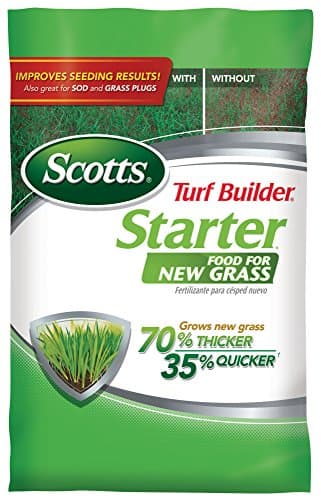
Scotts Turf Builder Starter Food for New Grass
A starter fertilizer formulated for seedlings rather than established turf.
Step 5: Prepare the Final Soil Bed
With your site cleared and grass type selected, it's time for the final lawn soil preparation. This step creates the perfect growing environment that allows seeds to germinate quickly and establish strong root systems.
Rototilling and Loosening Compacted Soil
Compacted soil is the enemy of healthy grass. Roots need oxygen, water, and room to grow, which compacted soil can't provide.
When to Rototill:
- Soil compaction is severe (you can't easily push a screwdriver 6 inches deep)
- You're adding significant amendments like compost
- Clay soil needs structural improvement
- Starting with extremely poor soil conditions
Rototilling Best Practices:
- Soil moisture: Work when soil is at proper moisture (crumbles in your hand but doesn't stick)
- Depth: Till to 6-8 inches deep for best results
- Multiple passes: Make 2-3 passes in different directions
- Timing: Till amendments in immediately after application
Alternative to Rototilling:
- Core aeration: Less disruptive, good for moderately compacted soil
- Broadfork: Manual tool that loosens soil without mixing layers
- Adding organic matter: Can improve soil structure over time
Adding Starter Fertilizer
Starter fertilizer for grass seed provides the essential nutrients seedlings need during their most vulnerable growth period. Unlike regular lawn fertilizer, starter fertilizers have specific characteristics:
Ideal Starter Fertilizer Ratios:
- High phosphorus for root development (examples: 18-24-12, 12-12-12)
- Moderate nitrogen to avoid burning young seedlings
- Balanced potassium for overall plant health
Application Guidelines:
- Apply 1-2 pounds per 1,000 square feet
- Work into top 2-3 inches of soil
- Apply just before seeding for maximum effectiveness
- Don't use high-nitrogen "weed and feed" products
Organic Alternatives:
- Bone meal: High phosphorus, slow release
- Compost: Balanced nutrients plus soil improvement
- Fish emulsion: Quick-acting organic nutrients
Creating the Perfect Seedbed
The final raking and preparation determines how well your seeds will germinate:
Seedbed Characteristics:
- Texture: Fine and smooth, like coarse sand
- Firmness: Firm enough that you don't sink in, but not compacted
- Level: Smooth surface without clods or depressions
- Clean: Free of debris, rocks larger than ½ inch
Raking Technique:
- Rough rake to break up clods and level high/low spots
- Fine rake to create smooth, even surface
- Remove debris including rocks, sticks, and large clods
- Final grade check using string lines or a long board
Testing Seedbed Quality:
- Walk across the area – your foot should sink no more than ½ inch
- The surface should be smooth enough that you could comfortably lie down on it
- No standing water should remain 24 hours after watering
This attention to detail in soil preparation often makes the difference between a lawn that struggles for years and one that establishes quickly into a thick, healthy carpet.
Step 6: Planting Your New Lawn
This is the moment you've been working toward! Proper planting technique, whether you're using seed or sod, determines how quickly your lawn establishes and how evenly it grows. The key is ensuring excellent seed-to-soil contact and proper spacing.
Planting with Grass Seed
Equipment for Even Distribution:
- Broadcast spreader: Best for large areas, provides consistent coverage
- Drop spreader: More precise, better for smaller areas or along edges
- Hand seeding: Acceptable for small patches, requires experience for even coverage
Step-by-Step Seeding Process:
- Calculate seed quantity: Follow package directions (typically 2-8 lbs per 1,000 sq ft depending on grass type)
- Divide seed in half: Apply half walking north-south, half walking east-west for even coverage
- Calibrate spreader: Test on driveway first to ensure proper application rate
- Apply seed systematically: Overlap passes slightly, maintain consistent walking speed
- Cover seed lightly: Use a leaf rake to gently work seed into soil surface (¼ inch deep maximum)
- Roll for contact: Use a water-filled roller (1/3 full) to ensure seed-to-soil contact without compaction
Critical Seeding Tips:
- Don't bury seed too deep: Most grass seed needs light to germinate
- Avoid windy days: Seeds will distribute unevenly
- Keep some seed in reserve: For touching up thin spots later
Installing Sod for Instant Results
Sod installation requires different techniques but offers immediate gratification:
Pre-Installation Checklist:
- Soil is moist but not muddy
- All tools are ready and clean
- Help is available (sod is heavy and time-sensitive)
- Irrigation system is ready to use immediately
Sod Installation Process:
- Start along straight edges: Begin at longest straight line (driveway, sidewalk, etc.)
- Lay in staggered rows: Like bricks – avoid long seams that can separate
- Butt joints tightly: No gaps between pieces, but don't overlap
- Use a sharp knife: Cut around obstacles cleanly with utility knife
- Roll immediately: Light rolling ensures good soil contact
- Water within 30 minutes: Sod begins deteriorating quickly without water
Common Sod Mistakes to Avoid:
- Stretching sod: This creates thin spots that brown out
- Leaving gaps: Weeds will establish in open areas
- Installing on dry soil: Poor root contact delays establishment
- Walking on fresh sod: Can cause shifting and poor contact
Pro Tip: How to plant grass seed most effectively? The "topdressing method" works exceptionally well: apply seed, then lightly topdress with ¼ inch of quality compost. This provides perfect seed-to-soil contact, retains moisture, and adds nutrients.
Step 7: Watering for Successful Germination
Watering new grass is both an art and a science. Too little water, and seeds won't germinate or seedlings will die. Too much water, and you'll encourage fungal diseases that can kill your entire lawn. Getting this balance right is crucial for success.
The Critical First Two Weeks
During germination, grass seeds are incredibly vulnerable. They need consistent moisture but can't tolerate waterlogged conditions:
Initial Watering Schedule:
- Frequency: 2-3 times daily for the first 2 weeks
- Duration: Light sprinklings, 5-10 minutes per zone
- Timing: Early morning, midday, and evening (avoid nighttime watering)
- Goal: Keep soil surface consistently moist but never soggy
Signs You're Watering Correctly:
- Soil surface stays dark and moist between waterings
- No standing water or runoff
- Seeds don't wash away or collect in low spots
- Germination occurs evenly across the lawn
Adjusting Your Watering Schedule as Grass Grows
As seedlings establish, gradually shift from frequent light watering to less frequent deep watering:
Weeks 2-4 (Seedling Stage):
- Frequency: Once daily, preferably early morning
- Duration: 10-15 minutes, depending on sprinkler output
- Depth: Water should penetrate 2-3 inches deep
- Goal: Encourage deeper root growth
Weeks 4-8 (Establishment Stage):
- Frequency: Every other day or as needed
- Duration: 15-30 minutes for deep soaking
- Depth: Water should reach 4-6 inches deep
- Goal: Develop drought-resistant root system
The Watering Schedule for Germination by Grass Type
Different grasses have varying water requirements:
Cool-Season Grasses:
- Germinate in 7-21 days
- Need consistent moisture during cool, potentially wet weather
- Risk: Overwatering and fungal diseases
Warm-Season Grasses:
- Germinate in 14-30 days
- Need more frequent watering in hot weather
- Risk: Seedlings drying out quickly
Avoiding Common Watering Mistakes
Overwatering Signs:
- Fungal growth on soil surface
- Musty odor from lawn area
- Seeds floating or washing away
- Seedlings yellowing or damping off
Underwatering Signs:
- Soil surface cracks or becomes crusty
- Seeds fail to germinate evenly
- Seedlings wilt during heat of day
- Brown, dry patches appear
Water Testing Technique: Push a screwdriver into the soil after watering. It should penetrate easily to the desired depth. If it meets resistance, you need to water longer. If water runs off before penetrating, you're watering too quickly.
Step 8: Your First Mowing – Timing and Technique
Mowing new grass requires patience and precision. Cutting too early or too aggressively can set back your lawn's development by weeks, while waiting too long can lead to other problems. Here's how to time and execute that crucial first cut.
When to Mow: The One-Third Rule
The golden rule for when to mow new lawn: wait until grass reaches one-third higher than your desired final height, then cut no more than one-third of the blade length.
Timing by Grass Type:
- Cool-season grasses: Typically 3-4 weeks after germination
- Warm-season grasses: Usually 4-6 weeks after germination
- Sod: 10-14 days after installation (when roots have begun establishing)
Height Guidelines:
- If you want 2-inch grass: Wait until it reaches 3 inches, then cut to 2 inches
- If you want 2.5-inch grass: Wait until 3.75 inches, cut to 2.5 inches
- If you want 3-inch grass: Wait until 4.5 inches, cut to 3 inches
Preparing for the First Cut
Before you mow, ensure your lawn and equipment are ready:
Lawn Readiness Check:
- Grass blades are dry (never mow wet grass)
- Soil is firm enough to walk on without sinking
- Root system is established (gently tug a few plants – they should resist)
- No bare or extremely thin areas that could be damaged
Equipment Preparation:
- Sharpen mower blades: Dull blades tear grass, creating brown tips and disease entry points
- Clean mower deck: Remove old grass clippings and debris
- Check mower height: Set to proper cutting height before starting
- Fuel and oil: Ensure mower is properly maintained
First Mowing Technique
Your technique during the first few mowings sets the stage for your lawn's long-term health:
Mowing Pattern:
- Change direction each time you mow to prevent soil compaction
- Use overlapping passes to ensure even cutting
- Take your time – rushing leads to uneven cuts
What to Do with Clippings:
- Light clippings: Leave on lawn for natural fertilization
- Heavy clippings: Remove to prevent smothering young grass
- Mulching mowers: Ideal for chopping clippings finely
Post-Mowing Care:
- Resume normal watering schedule
- Watch for signs of stress (browning, wilting)
- Avoid heavy foot traffic for 24-48 hours
Common First-Mowing Mistakes
Cutting Too Short (Scalping):
- Removes too much photosynthetic area
- Stresses young plants
- Allows weeds to establish
- Creates brown, patchy appearance
Mowing Too Early:
- Disturbs developing root systems
- Can pull seedlings from soil
- Sets back establishment timeline
Using Dull Blades:
- Creates ragged cuts that turn brown
- Increases disease susceptibility
- Makes grass look unhealthy despite proper care
The reward for patience and proper technique is a lawn that responds well to mowing and develops the thick, even appearance you're working toward.
Step 9: Fertilizing & Early Lawn Care
Once your grass has been mowed for the first time, it's transitioning from vulnerable seedlings to an establishing lawn. This phase requires fertilizing new grass and implementing basic care practices that will determine your lawn's long-term success.
When and How to Apply First Fertilizer
If you applied starter fertilizer before seeding, your first post-establishment feeding should occur 4-6 weeks after germination:
Timing Indicators:
- Grass has been mowed 2-3 times
- Root system is well-established
- Active growth is visible
- No stress signs from heat, drought, or disease
Choosing the Right Fertilizer:
Balanced Starter Fertilizer (Continued Use):
- NPK ratios like 12-12-12 or 16-16-16
- Provides steady nutrition without overwhelming young grass
- Apply at 1 pound per 1,000 square feet
Transitioning to Regular Fertilizer:
- Lower phosphorus content (5-10% max)
- Higher nitrogen for growth and color
- Slow-release formulations preferred
Application Best Practices:
- Water lightly before application if grass is drought-stressed
- Apply when grass is dry but soil is moist
- Water in thoroughly within 24 hours
- Use spreader for even distribution
Weed Prevention in Early Stages
Weed control for new lawns requires a delicate balance – you want to prevent weeds without harming your establishing grass.
Pre-Emergent Herbicides:
- Wait minimum 8-10 weeks after seeding before applying
- Exception: Some products are labeled safe for new grass (read labels carefully)
- Target: Prevent crabgrass and other annual weeds from germinating
Post-Emergent Weed Control:
- Hand pulling: Most effective for scattered weeds
- Spot treatments: Use herbicides sparingly on individual weeds
- Avoid: Broad applications of herbicides on young grass
Natural Weed Prevention:
- Thick grass: The best weed prevention is dense, healthy turf
- Proper mowing: Correct height reduces weed pressure
- Good nutrition: Well-fed grass outcompetes weeds
Establishing Long-Term Care Routines
This early period is perfect for establishing the habits that will keep your lawn healthy:
Watering Transition:
- Week 8-12: Reduce frequency to 2-3 times per week
- Deep watering: 1 inch per week including rainfall
- Morning watering: Reduces disease pressure
Mowing Routine:
- Weekly mowing: During active growing season
- Consistent height: Don't vary cutting height dramatically
- Sharp blades: Maintain equipment regularly
Monitoring and Record Keeping:
- Photo documentation: Track progress with monthly photos
- Problem identification: Learn to spot issues early
- Seasonal adjustments: Adapt care to changing conditions
Early Problem Recognition:
Fungal Diseases:
- Brown patch: Circular brown areas, common in hot, humid weather
- Dollar spot: Small, silver-dollar-sized dead spots
- Prevention: Proper watering timing, good air circulation
Insect Issues:
- Grubs: White C-shaped larvae that eat roots
- Chinch bugs: Small insects that cause irregular brown patches
- Monitoring: Regular inspection during peak activity periods
The care you provide during this establishment phase creates the foundation for years of lawn enjoyment. Consistent, appropriate care now prevents major problems later.
Step 10: Ongoing Maintenance & Troubleshooting
Congratulations! Your lawn is establishing well, but the journey isn't over. This final step covers the new lawn care tips that will carry your grass through its first full year and help you address any issues that arise.
Adjusting Care as Your Lawn Matures
As grass roots deepen and the lawn fills in, your maintenance approach needs to evolve:
Watering Adjustments (Months 3-12):
- Frequency: 1-2 times per week maximum
- Amount: 1-1.5 inches per week total (including rainfall)
- Deep watering: 30-45 minutes to reach 6-8 inch depth
- Seasonal changes: Reduce in fall, increase during summer stress periods
Fertilization Schedule:
- Cool-season grasses: Heavy feeding in fall, lighter in spring
- Warm-season grasses: Primary feeding in late spring/early summer
- Frequency: 3-4 applications per year maximum
- Soil testing: Annual tests to adjust nutrient programs
Mowing Evolution:
- Height adjustment: Gradually raise cutting height during hot weather
- Frequency: May need twice-weekly mowing during peak growth
- Equipment: Consider upgrading to larger mower as lawn establishes
Seasonal Overseeding for Thickness
How to overseed your lawn becomes important for maintaining density over time:
When to Overseed:
- Cool-season lawns: Early fall for best results
- Warm-season lawns: Late spring when soil warms
- Frequency: Annually for first 2-3 years, then as needed
Overseeding Process:
- Mow short: Cut grass shorter than normal
- Light dethatching: Remove excess dead material
- Apply seed: Use 1/2 the rate of new seeding
- Light topdressing: Thin layer of compost or topsoil
- Consistent watering: Daily light watering until germination
Common Problems and Solutions
Even well-established lawns can face challenges. Here's how to address the most common issues:
Bare Spots and Thin Areas:
Causes:
- Heavy foot traffic
- Pet damage
- Disease recovery
- Poor growing conditions
Solutions:
- Spot seeding: Follow mini-version of original process
- Improve conditions: Address underlying soil or drainage issues
- Traffic management: Create pathways or use stepping stones
Fungal Diseases:
Prevention:
- Morning watering only
- Proper air circulation
- Avoid over-fertilizing with nitrogen
- Remove fallen leaves promptly
Treatment:
- Fungicide applications: Use as last resort, follow label directions
- Cultural controls: Adjust watering and mowing practices
- Resistant varieties: Consider when overseeding
Pest Problems:
Grubs:
- Detection: Brown patches that lift easily, grubs visible in soil
- Treatment: Beneficial nematodes or targeted insecticides
- Prevention: Maintain healthy soil biology
Surface Insects:
- Chinch bugs, armyworms: Cause irregular brown patches
- Treatment: Insecticidal soap or targeted treatments
- Monitoring: Regular inspection during peak seasons
Fixing Bare Spots in Lawn: Quick Repair Guide
For small problem areas that develop:
- Identify cause: Address underlying issue first
- Prepare area: Remove dead grass, loosen soil
- Apply seed: Use same variety as existing lawn
- Cover and water: Light mulch, frequent watering
- Protect: Avoid traffic until established
First-Year Timeline Expectations
Set realistic expectations for your lawn's development:
Month 1-2: Germination and early establishment Month 3-4: First mowing, initial fertilization Month 5-8: Filling in, developing density Month 9-12: Seasonal transitions, mature care routines
Patience Pays Off:
- Full establishment: 6-12 months depending on grass type
- Mature appearance: 12-18 months for thick, lush lawn
- Peak performance: 2-3 years for fully developed root system
Conclusion
Starting a lawn from scratch is one of the most rewarding home improvement projects you can undertake. While it requires patience and attention to detail, following this proven 10-step process gives you everything needed to create a beautiful, healthy lawn that will be the pride of your neighborhood.
Remember the three pillars of success: proper soil preparation, choosing the correct grass type for your conditions, and consistent early care. These fundamentals matter more than any expensive product or shortcut you might encounter.
Your new lawn won't reach its full potential overnight – lush, magazine-worthy lawns take months to establish and years to fully mature. But with each passing week, you'll see progress as bare soil transforms into green coverage, then thickens into the dense carpet you envisioned.
The investment in time and effort you make now pays dividends for decades. A properly established lawn increases property value, provides a safe play area for families, and creates outdoor living space that enhances your quality of life.
Ready to dive deeper into lawn care mastery? Continue your journey with our Lawn Care Month-by-Month Calendar to stay on top of seasonal maintenance tasks that will keep your new lawn thriving year-round.
Start your lawn transformation today – your future self will thank you for taking the time to do it right the first time.
Top Picks
- Scotts Turf Builder Starter Fertilizer for New GrassCheck price on Amazon
- Pennington Full Season Lawn Fertilizer 32-0-5Check price on Amazon
- Simple Lawn Solutions - Ryan Knorr - Lawn Essentials Bundle BoxCheck price on Amazon
As an Amazon Associate we earn from qualifying purchases.
Free Lawn Care Tools
The best time depends on whether you’re planting cool-season or warm-season grass. Cool-season grasses like fescue, bluegrass, and ryegrass do best when seeded in early fall (August to September) or early spring (March to April). Warm-season grasses like Bermuda, Zoysia, and St. Augustine should be planted from late spring through early summer (May to June), when soil temperatures consistently reach 65 to 70°F. Always check your USDA hardiness zone and local frost dates to fine-tune your timing.
Walk your property at different times of day and note where the sun hits. Full sun areas get 6 or more hours of direct sunlight, partial shade areas get 4–6 hours, and full shade spots get less than 4 hours of direct sun. Taking photos around 9 AM, noon, and 3 PM helps you see how trees, fences, and buildings cast shade throughout the day. This sunlight map is key for choosing the right grass type.
Dig several test holes about 6–8 inches deep around your yard and check what you find. Look at the soil type (sandy, clay, or loamy), how hard it is to dig (compaction), and whether you run into roots or old vegetation. Pay special attention to drainage: if water stands in low spots for more than 24 hours after a heavy rain, the soil and grading need work before you plant grass.
Any low areas where water pools for more than a day after rainfall need to be corrected because standing water can kill new grass. You may need to regrade the soil to move water away from problem spots or improve soil structure so water can soak in better. Addressing drainage before seeding gives roots oxygen, prevents disease, and helps your lawn establish faster. Skipping this step often leads to thin, patchy grass and repeated failures.
Overseeding adds new grass seed to an existing lawn to improve density, while starting from scratch means complete soil preparation and planting on bare ground. Starting from scratch lets you correct underlying problems that overseeding can’t fix, like compacted soil, poor drainage, or the wrong grass type for your conditions. You get full control over soil preparation, grading, and seed choice, so the lawn is built on a strong foundation. This approach creates a healthier, more resilient lawn that can thrive for years instead of constantly struggling.
Start with your climate, using your USDA hardiness zone to decide between cool-season and warm-season grasses. Then match specific varieties to your sunlight conditions: most grasses love full sun, but partial shade areas need shade-tolerant types, and full shade has very limited options. Combine this with what you learned from your soil and drainage checks to pick a grass that fits your yard instead of fighting against it.
Germination typically happens within 7 to 30 days depending on grass type, but full establishment takes much longer. Expect a mature-looking lawn in 6 to 12 months, with peak performance after 2 to 3 years as the root system fully develops.
Avoid foot traffic on newly seeded areas until after the second or third mowing. For sod, wait 2 to 3 weeks after installation. Light foot traffic is fine once the grass is well established, but avoid heavy use during the first growing season.
Costs vary a lot by region and method, but expect $0.50 to $2.00 per square foot for seed and soil preparation, or $1.50 to $3.00 per square foot for sod installation. A typical 5,000 square foot lawn costs $2,500 to $10,000 including soil amendments and professional installation.

Beat weeds and brown spots from your phone
Snap a photo, get the fix, and follow a plan timed to your soil and weather. Free on iPhone.