Quick Fixes for Common Lawn Problems
 James ThorntonLawn Equipment & Maintenance Expert | 20 Years
As an Amazon Associate we earn from qualifying purchases.
You mow, water, and fertilize, but your lawn still has brown spots, weeds, or thin areas staring back at you. It is frustrating, especially when you feel like you are doing everything right and your neighbor’s lawn somehow looks like a golf course. The good news is that many common lawn problems have surprisingly simple fixes you can start this week, without buying expensive equipment or becoming a turfgrass expert.
Most lawn issues come down to a few root causes: weather extremes, compacted soil, improper watering, poor mowing habits, or bad timing with products. If you only treat the symptoms, the problem usually comes right back. When you understand why your lawn is struggling, quick fixes suddenly become a lot more effective.
In this guide, you will learn fast solutions for the most common lawn problems: brown and yellow patches, weed invasions, thinning or bare spots, and compacted or bumpy turf. Each section focuses on practical, step-by-step lawn care fixes that an average homeowner can handle with basic tools. When it makes sense, you will also see when a quick fix is enough and when you should start a longer-term plan.
If you want a deeper dive into overall lawn health, take a look at How to Tell if Your Lawn is Healthy and Common Lawn Care Mistakes Beginners Make. For now, this article will help you triage the obvious problems so your yard looks better in days, not months.
To quickly diagnose brown patches in your lawn, examine the affected areas closely. If the spots are irregular and appear during hot, dry weather, they might be due to heat stress or drought. A simple way to verify is to stick a screwdriver into the soil; if it doesn’t go in easily, the soil is likely compacted and dry.
For a fast fix, water the affected areas deeply, ensuring about 1 inch of water per week, including rainfall. Aerate the soil to relieve compaction, which will help roots grow stronger and absorb more nutrients. Within a week or two, you should see healthier, more resilient grass emerging where those unsightly brown patches once were.
Understanding the Root Cause of Lawn Problems
You can throw seed, fertilizer, and weed killer at your yard all season, but if you only treat symptoms, your results will not last. Brown spots, weeds, and thinning grass often share underlying issues like compacted soil, shallow watering, cutting too short, or poor timing with products.
Start with a quick lawn health check. Look at color, density, and weed pressure. Healthy grass should appear mostly uniform in color, reasonably thick, and have weeds here and there, not everywhere. Check for thatch buildup by pushing your fingers into the turf. A thin layer of spongy material is fine, but more than about half an inch can block water and nutrients. Press a screwdriver or soil probe into the ground to feel soil moisture and compaction.
Season matters too. Many lawn problems look worse in stress periods such as summer heat, drought, or during seasonal transitions in spring and fall. Cool-season grasses like Kentucky bluegrass and fescue struggle more in hot, dry weather. Warm-season grasses like Bermuda and zoysia can look brown when they go dormant in cooler months.
Use this quick assessment together with a deeper resource like How to Tell if Your Lawn is Healthy. Once you know the pattern, the fixes in the next sections will work faster and last longer.
Quick Fix #1: Brown or Yellow Patches in the Lawn
Identify What’s Causing the Discoloration
Brown or yellow patches are one of the most common lawn problems. Before you fix them, you need to know what you are dealing with. Several different lawn issues create similar symptoms, so pay attention to patterns, timing, and how the grass responds when you touch it.
Common causes of discolored patches include drought stress, dog urine or pet damage, fungal disease, fertilizer burn, insect damage like grubs, and seasonal heat or winter injury. Each one leaves clues.
Use a simple tug test. Grab a small handful of grass in the affected area and gently pull. If the turf lifts up easily like a loose carpet and you see chewed-off roots or C-shaped white grubs, you may have an insect or severe root issue. If the grass stays firmly rooted but looks faded or crunchy, drought or heat stress is more likely.
Patterns are another big clue. Random, small, round spots often point to pet urine. Larger, uniform areas that follow sprinkler patterns usually mean watering or heat problems. Ring or “smoke ring” shaped patches often signal fungus. Streaky lines where a spreader overlapped or skipped can point to fertilizer burn.
If you applied fertilizer recently and saw discoloration within a few days, suspect product burn. If patches show up during humid, warm periods and you notice spots or lesions on the blades, fungus jumps higher on the list.
Quick Fixes for Brown and Yellow Spots
Once you have a likely cause, you can pick the right lawn care fix and get faster results.
Drought or heat stress
Grass under drought stress often looks bluish gray or dull and does not spring back when walked on. Quick fixes focus on better watering and less stress.
- Water deeply 1 to 2 times per week instead of a quick daily sprinkle. Aim for about 1 inch of water per week from rain and irrigation combined.
- Use a screwdriver test to check moisture 6 inches deep. If the screwdriver is hard to push in or comes out dry, you need more water.
- Raise your mowing height by half an inch to an inch. Taller grass shades the soil and helps roots stay cooler and deeper.
Most lightly stressed areas will perk up within 7 to 10 days once they receive consistent moisture.
Pet urine spots
Dog urine causes small, round, often very bright green areas with a dead brown center. Fresh spots are easiest to fix.
- Rinse fresh urine spots with water as soon as possible to dilute the salts and nitrogen.
- For dead patches, rake out the dead grass and lightly loosen the soil with a hand rake or cultivator.
- Apply a thin layer of compost or topsoil, then overseed with the same grass type you already have.
For a full step-by-step repair, check out How to Repair Bare Patches in Your Lawn. Long term, try to train pets to use one area or a mulched section instead of the main lawn.
Fertilizer burn
Fertilizer burn leaves streaks or patches of brown where too much product concentrated. The salts pull moisture out of the grass blades.
- Water the affected area heavily for several days to help dilute and move fertilizer salts deeper into the soil.
- Skip any additional fertilizer until the grass shows signs of recovery and active growth.
If the crowns are still alive, the lawn may recover in a few weeks. If the area stays completely dead, treat it like a bare patch and reseed.
Possible fungus or disease
Fungal problems usually show up in warm, humid weather. You might see circular patches, greasy or water-soaked looking blades, or distinct spots and lesions on the grass.
Quick actions that help right away include reducing evening irrigation, mowing with a sharp blade, and bagging clippings in visibly infected zones to prevent spreading spores. Avoid walking from infected areas into healthy sections when the grass is wet.
If patches keep expanding or you see the same disease every year, consider a fungicide labeled for your grass type and disease, or call a lawn care professional. Correct watering and mowing habits usually reduce future outbreaks.
Prevention Tips for Future Color Problems
Once brown and yellow spots improve, prevent new ones with a few simple habits:
- Always follow fertilizer label directions and calibrate your spreader to avoid over-application.
- Water deeply and infrequently, not lightly every day. Avoid watering late in the evening when leaves stay wet overnight.
- Maintain the proper mowing height for your grass type. Most cool-season lawns do best at 3 to 4 inches, while many warm-season lawns prefer 1 to 2.5 inches depending on species.
These small adjustments reduce stress, which makes your lawn more resistant to discoloration, disease, and heat.
Quick Fix #2: Weeds Taking Over Your Lawn
Know Your Enemy: Types of Lawn Weeds
Weeds are a top lawn problem because they are so visible. When they appear everywhere, most homeowners assume they need more weed killer. In reality, weeds are often a symptom of thin, stressed grass or bare soil.
Start by grouping weeds into basic categories rather than memorizing plant names. This helps you select the right product and approach.
Broadleaf weeds, such as dandelion, clover, and plantain, usually have wider leaves and are easy to spot against grass. Grassy weeds, like crabgrass and goosegrass, look more like grass but have different growth patterns or textures. Sedges, such as nutsedge, look like grass but have triangular stems and prefer wet areas.
Perennial weeds come back year after year from roots, while annual weeds sprout from seed, grow, and die within one season. Most quick fixes focus on controlling visible weeds this season while you strengthen the turf so fewer weed seeds can sprout in the future.
Fast Weed Control Options That Work
You can tackle a light to moderate weed problem quickly using a combination of spot treatment and simple cultural fixes. The best approach depends on the weed type and how dense the invasion is.
For scattered broadleaf weeds in an otherwise healthy lawn, use a ready-to-spray or hose-end broadleaf herbicide and treat only the weeds, not the entire yard. Follow the label, avoid windy days, and do not mow right before or immediately after application so the product has contact with the leaves.
For patches of crabgrass or other annual grassy weeds, post-emergent crabgrass killers can help if applied while the weeds are still young and actively growing. Hand pulling works well for isolated clumps if you remove the roots.
When weeds are thick or dominate a whole section, a one-time renovation may be faster than constant spot treatments. In those cases, some homeowners choose to kill off a small area, then reseed correctly. The guide How to Start a Lawn from Scratch can walk you through that full process if a section is beyond saving.
Regardless of the product you choose, read the label carefully to confirm it is safe for your grass type and that temperatures are within the recommended range. Many herbicides can stress turf if applied during extreme heat or drought.
How to Prevent Weeds From Coming Right Back
Quick weed control is satisfying, but weed seeds are always waiting in the soil. Prevention focuses on making your lawn so dense and healthy that weeds have fewer open spots to invade.
- Overseed thin areas in the appropriate season for your grass type so turf can fill in bare soil.
- Mow at the higher end of the recommended height range. Taller grass shades the soil and reduces weed seed germination.
- Consider a pre-emergent herbicide in early spring to stop annual weeds such as crabgrass before they sprout.
- Maintain balanced fertilization based on a soil test so grass grows thick roots and shoots that outcompete weeds.
If you are not sure where to start with equipment and tools, the guide Essential Lawn Care Tools Every Homeowner Needs can help you build a simple, effective setup without overspending.
Quick Fix #3: Thin or Bare Areas in the Lawn
Why Grass Thins Out Over Time
Thin grass or bare patches make any weed or brown spot stand out more. Over time, lawns thin due to shade, traffic, dull mower blades, improper mowing height, soil compaction, or simply aging grass plants. Many cool-season grasses benefit from regular overseeding because older plants naturally decline after several years.
Thin turf is not just a cosmetic problem. Bare soil heats up faster, dries out quicker, and creates ideal conditions for weeds. Fixing thin areas is one of the fastest ways to improve the overall look and resilience of your yard.
Simple Overseeding and Patch Repair Steps
You can repair most small to medium bare spots yourself with basic tools and a bag of quality seed. For a step-by-step deep dive, see How to Repair Bare Patches in Your Lawn, but the core process is straightforward.
- Prep the area. Rake out dead grass, rocks, and debris. Loosen the top half inch to inch of soil with a hand rake or garden cultivator so new roots can penetrate easily.
- Improve the seedbed. If your soil is very hard or poor, mix in a thin layer of compost or topsoil. This improves germination and moisture retention.
- Spread seed. Use the same grass type or a compatible mix for your region. Apply at the overseeding or bare spot rate on the package, not heavier, since too much seed leads to weak seedlings.
- Press seed into contact. Lightly rake again or step on the area to ensure good seed-to-soil contact. You should still see most of the seed on the surface.
- Keep it moist. Water lightly once or twice a day to keep the top layer consistently damp until seedlings are established. Avoid heavy watering that washes seed away.
New grass will typically appear in 7 to 21 days depending on the species and soil temperature. Wait until the new turf reaches mowing height before you cut it, and use a sharp blade.
When You Need More Than a Quick Patch
If your lawn is thin everywhere, not just in spots, a simple overseeding of the entire yard may be a better quick fix than repeating small repairs. Choose the right seed for your climate and existing grass, mow low, rake thoroughly, then broadcast seed evenly and water carefully.
If more than half the lawn is weeds or bare dirt, a full renovation might be the most efficient route. In that case, How to Start a Lawn from Scratch will give you a clear, step-by-step plan from soil prep to first mow.
Recommended products
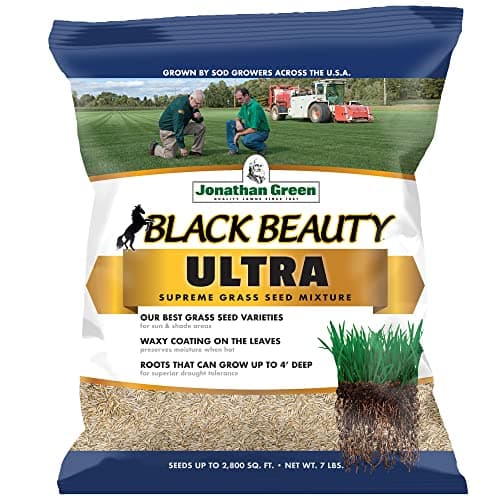
Jonathan Green Black Beauty Ultra Grass Seed (7 lb)
A cool-season overseeding blend with deep roots and good shade tolerance for thinning areas.
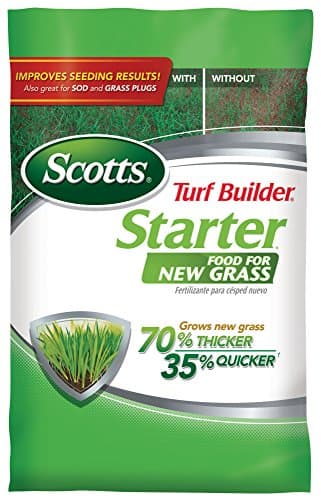
Scotts Turf Builder Starter Food for New Grass
A starter fertilizer that supports seedlings through their first few weeks in thin turf.
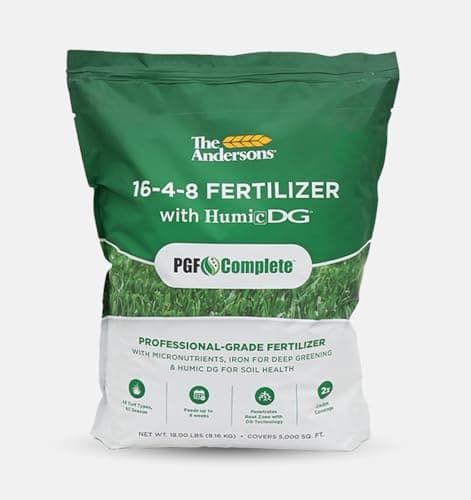
The Andersons PGF Complete 16-4-8
A slow-release 16-4-8 for building density across the whole lawn once the bare spots are seeded.
Quick Fix #4: Compacted, Hard, or Bumpy Lawns
Signs Your Soil Is Working Against You
Compacted soil is a hidden cause behind many lawn issues. When soil is hard and dense, roots struggle to grow, water runs off instead of soaking in, and grass thins out. High traffic, heavy clay, and constant mowing when the lawn is wet all contribute to compaction.
Signs of compaction include standing water after rain, hard soil that resists a screwdriver, shallow roots, and persistent thin or bare areas. Bumpy lawns often result from a mix of compaction, settling, and past repair work.
Fast Relief: Aeration and Simple Leveling
Core aeration is one of the fastest ways to relieve moderate compaction. A core aerator pulls small plugs of soil from the lawn, which creates channels for air, water, and nutrients.
While hiring a pro or renting a machine gives the best results for large areas, you can still get some benefits with manual tools. A manual core aerator or even a garden fork can be used on the worst spots. Focus on areas with heavy traffic, such as along walkways or where kids play.
For small bumps or minor uneven spots, topdressing is a simple fix. Spread a thin layer of sand, soil, or a sand and compost mix over low spots and rake it to blend into the existing turf. Do not bury the grass entirely, and repeat gradually over time instead of trying to fix major unevenness in one application.
In severe cases, where mower scalping is constant or water collects in low areas, regrading a section might be necessary. That is a bigger project, closer to the scope of How to Start a Lawn from Scratch.
Habits That Keep Soil Healthier Long Term
To avoid undoing your hard work, adopt habits that protect soil structure:
- Avoid heavy traffic on wet soil and stay off the lawn after heavy rain when possible.
- Use the same mowing pattern too often can create ruts, so change directions regularly.
- Leave grass clippings on the lawn to add organic matter and support soil life.
- Consider annual or biannual aeration if you have heavy clay soil or a high-traffic yard.
Healthier soil supports deeper roots, which means fewer lawn problems, faster recovery from stress, and less need for constant quick fixes.
Conclusion: Quick Fixes Today, Stronger Lawn Tomorrow
Many of the most frustrating lawn problems have simple, practical solutions that do not require a professional crew or a trailer full of equipment. Brown or yellow patches can often be traced to water, pets, fertilizer, or fungus. Weeds usually signal thin or stressed turf. Bare spots and compaction are invitations for more problems until you address them.
By learning to read the signs and match them with the right lawn care fixes, you can turn things around quickly. Deepen your understanding with resources like How to Tell if Your Lawn is Healthy and Common Lawn Care Mistakes Beginners Make, then use guides such as How to Repair Bare Patches in Your Lawn, Essential Lawn Care Tools Every Homeowner Needs, and How to Start a Lawn from Scratch if you decide to tackle larger projects.
Start with one or two quick fixes from this guide that match your current lawn issues. Once those visible problems improve, keep building better habits with watering, mowing, and soil care. That combination of fast action today and smarter maintenance over time is what turns an average yard into a healthy, resilient, and great-looking lawn.
Top Picks
As an Amazon Associate we earn from qualifying purchases.
Free Lawn Care Tools
Start by looking at patterns, timing, and how the grass responds when you touch it. Use a tug test: if the grass lifts up easily like loose carpet and you see grubs or chewed roots, insects or root damage are likely. Small round spots often point to pet urine, ring-shaped areas can indicate fungus, and streaky lines after fertilizing suggest product burn. Also consider recent weather, watering, and any products you applied in the last few days.
Switch from frequent light watering to deep watering 1–2 times a week, aiming for about 1 inch of water per week from rain and irrigation combined. Use a screwdriver test to make sure moisture is reaching about 6 inches deep. Raising your mowing height by half an inch to an inch will also help shade the soil and protect roots. Lightly stressed areas usually recover within 7–10 days once watering is corrected.
Push your fingers into the turf to feel for thatch; a thin, spongy layer is fine, but more than about half an inch can block water and nutrients. Then press a screwdriver or soil probe into the ground—if it is hard to push in or comes out dry, soil compaction or lack of moisture may be an issue. Compacted soil and heavy thatch often go hand in hand with thinning grass and persistent brown areas. These underlying issues need attention or quick fixes will not last.
Start by looking at overall color, density, and weed pressure across the yard. Healthy grass should be mostly uniform in color, reasonably thick, and have only scattered weeds. Check for thatch by feeling for a spongy layer and test the soil with a screwdriver to gauge moisture and compaction. Noting the season and recent weather will also help you understand whether heat, drought, or dormancy are playing a role.
Cool-season grasses like Kentucky bluegrass and fescue tend to struggle most during hot, dry summer weather, showing more brown or stressed areas. Warm-season grasses like Bermuda and zoysia can turn brown when they go dormant in cooler months, even if they are otherwise healthy. Many problems look worse during stress periods such as summer heat, drought, or seasonal transitions in spring and fall. Knowing your grass type and the time of year helps you decide whether you are seeing damage or normal seasonal change.
Focus on the root causes first by checking for compaction, poor watering, or mowing too short. Adjusting to deeper, less frequent watering and slightly higher mowing can help existing grass thicken up on its own. For small bare spots, overseeding after addressing those issues can fill them in more quickly. Pairing these quick fixes with a longer-term plan gives better, longer-lasting results.

Beat weeds and brown spots from your phone
Snap a photo, get the fix, and follow a plan timed to your soil and weather. Free on iPhone.