And the 12 to skip. Real picks for cool-season and warm-season lawns. No affiliate listicles, no sponsored top-tens.

On lawns our team manages, not vendor demos.
Named cultivars with replicated trial data.
Spot-checked on Amazon each update.
Rank cannot be bought. Ever.
Cross-checked against extension research from Cornell, Penn State, Purdue, Rutgers, UMN, NC State, UF, UGA, Texas A&M, OSU, and CSU. Sources linked in Trusted resources.

Slow-release nitrogen, not the cheap stuff
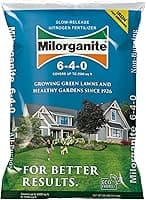
Cheap bagged fertilizer dumps fast-release urea, gives you two weeks of green, and burns out. Better products use slow-release nitrogen sources (methylene urea, polymer-coated urea, biosolids) that feed steadily for weeks (polymer-coated urea ~8–14 weeks, methylene urea longer). Cool-season lawns need nitrogen mostly in spring and fall. Warm-season lawns get it all summer.
Spot-spray, not blanket spray
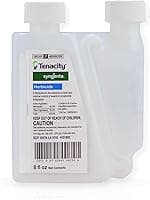
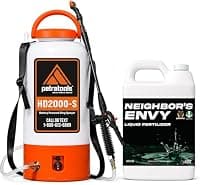
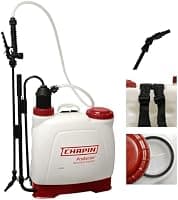
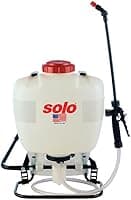
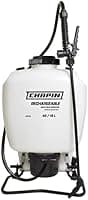
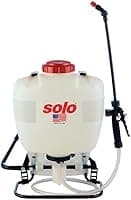
Pre-emergent is preventative. Post-emergent kills what got through. The trick is matching the herbicide to your grass type, because most herbicides that nuke broadleaf weeds will also nuke your warm-season turf. Spot-spray with a backpack or pump sprayer; never blanket-apply unless you genuinely have weeds everywhere.
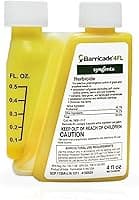
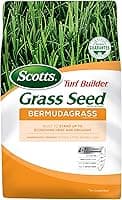
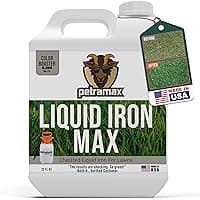
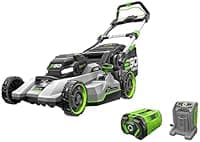
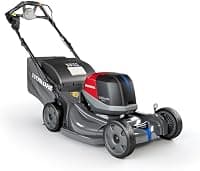
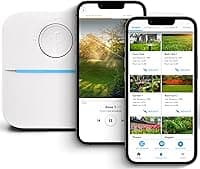
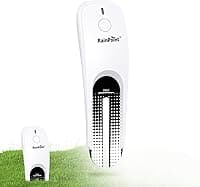
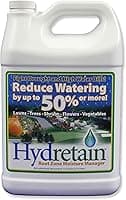
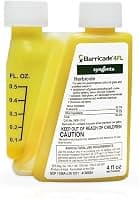
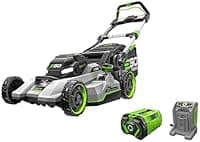
You haven't seen Barricade 4FL (the best dollar in lawn care), SOLO 425, MySoil, EGO LM2156SP, PetraTools Iron, Rachio 3, Hydretain, NightShift seed, GrubEx — plus the full 2026 calendar and the 12 to skip.
The university research we cross-check these picks against
Every link below points to a university cooperative extension program. These are the same materials professional turfgrass programs train from, written by the people who run the regional cultivar trials and run the diagnostic labs your state's pros submit samples to. If a pick on this page disagrees with one of these sources, the source wins.
Before you buy any product on this page, figure out what's actually wrong. These three diagnostic tools are how university extension agents triage homeowner questions.
Photo-matched diagnosis for weeds, insects, diseases, and abiotic damage. The strongest single 'what's wrong with my lawn?' tool that exists.
Michigan State's weed ID library and extension factsheets. (Replaces the old msuturfweeds.net, which is now a squatted domain.)
Interactive weed key from UC Davis. Best Western-US counterpart to the MSU library.
Northern lawns (KBG, tall fescue, ryegrass, fine fescue). Establishment, fertilization, weed management, and renovation from the strongest cool-season turf programs in the country.
Northeast cool-season homeowner guide with month-by-month almanac. Cornell's whole turfgrass library lives at turf.cals.cornell.edu.
Peter Landschoot's program. Best establishment and renovation publications for the Mid-Atlantic and lower Northeast.
Home of the NTEP cultivar trials that rank every reputable seed blend on the market.
Northern cool-season care with a pollinator-friendly bent and clear nitrogen guidance.
Southern and transition lawns (bermuda, zoysia, St. Augustine, centipede, bahiagrass, tall fescue). Per-species calendars and fertilizer windows that vary by state.
The authoritative transition-zone and tall-fescue/bermuda homeowner monograph.
Per-species maintenance calendars for bermuda, zoysia, centipede, St. Augustine, and tall fescue.
St. Augustine nitrogen windows, slow-release rates, and guidance on Florida fertilizer ordinances.
Texas turfgrass selection, weed ID, and insect management for all warm-season species.
Reduced-input pathways, native lawns, and regional climates that don't fit the cool-vs-warm dichotomy.
Practical organic transition factsheet. Cited across the no-synthetic community.
The most credible single resource on native, low-water lawns. Essential reading west of the 100th meridian.
The Pacific Northwest reference. Marine-climate fertilizer windows, moss management, and species selection.
Links go to .edu and university extension sources. We get no compensation for sending you there — they're listed because they're the best free turf education on the internet.
Send it to a friend who's still buying Scotts 4-Step.
Run the calculators with your actual lawn size and grass type for exact rates and timing.