

Cool season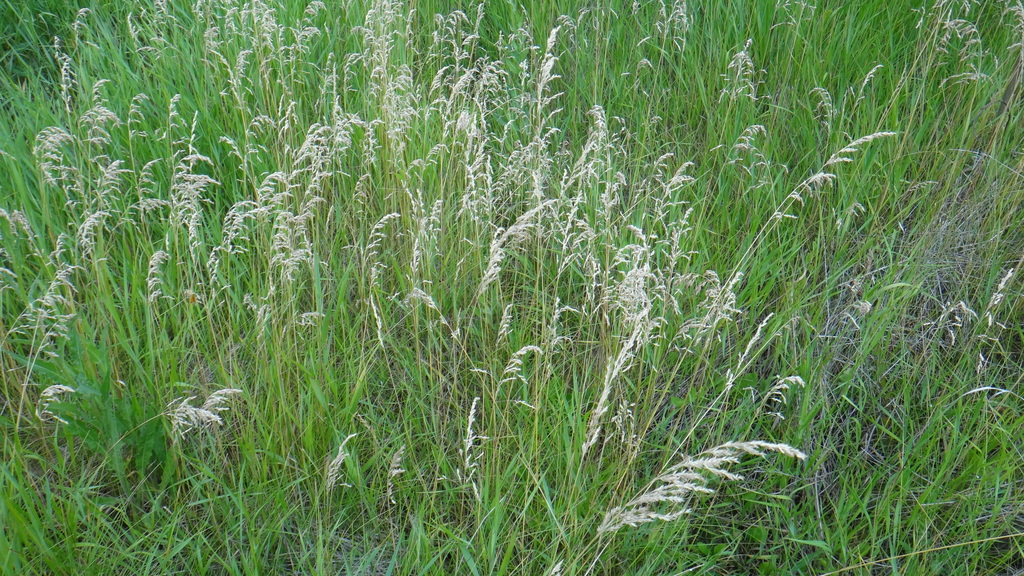
Kentucky Bluegrass
The gold standard of cool-season lawns. Dense, self-repairing turf with a distinctive blue-green color that thrives in northern climates.
Zones3 to 7
MaintenanceHigh
View guideRead the Kentucky Bluegrass guide
A few ways to dig in. Pick your grass type for a plan tuned to your species and climate, jump to a care task guide (fertilizing, watering, mowing, weed control) for the how-to and the math, or browse a guide built for your city. However you start, you land on expert guidance that actually fits your lawn.
Not sure what grass you have? Upload a photo and our AI identifies it in seconds.
The gold standard of cool-season lawns. Dense, self-repairing turf with a distinctive blue-green color that thrives in northern climates.
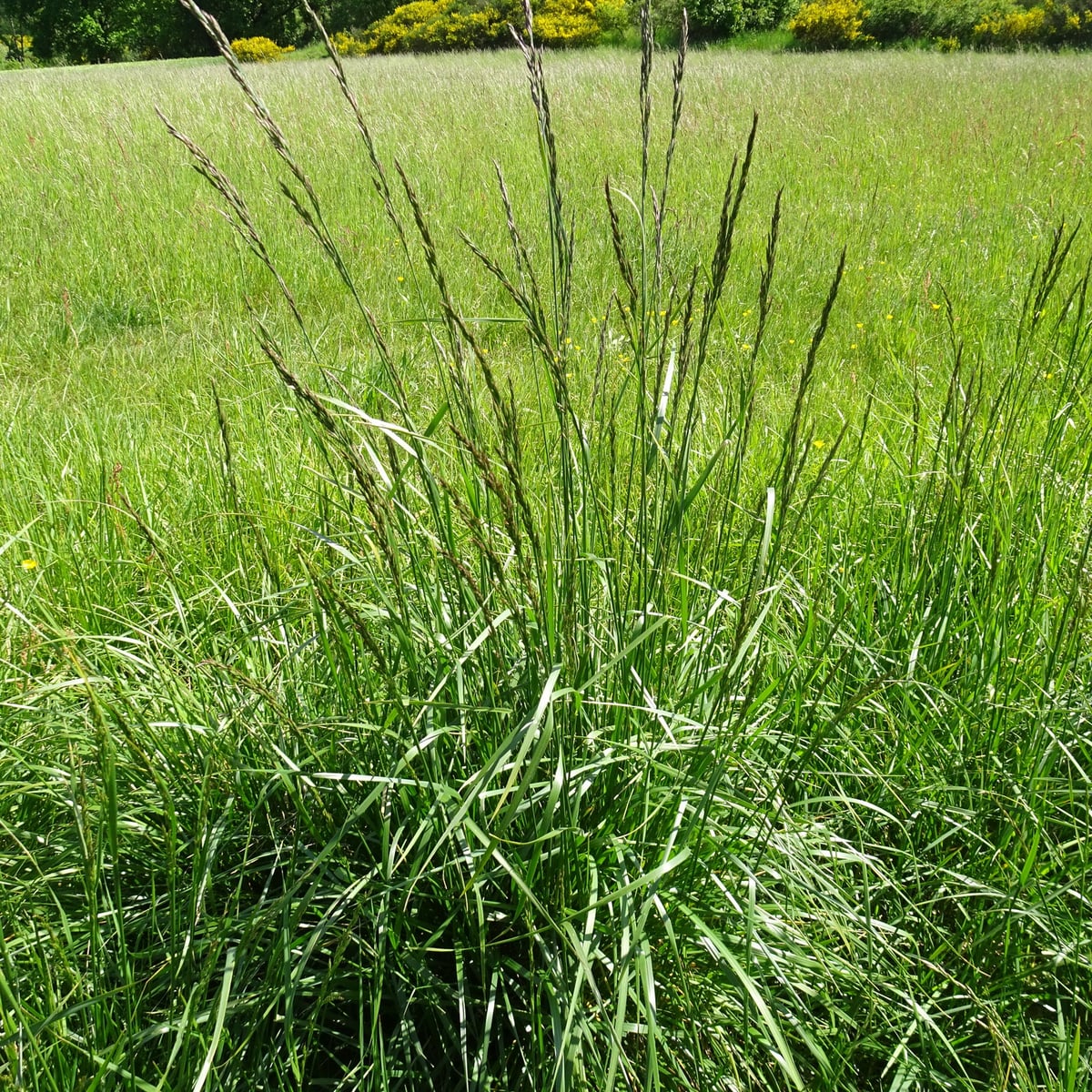
A tough, drought-tolerant cool-season grass with deep roots. Excellent for transition zones and low-maintenance lawns.
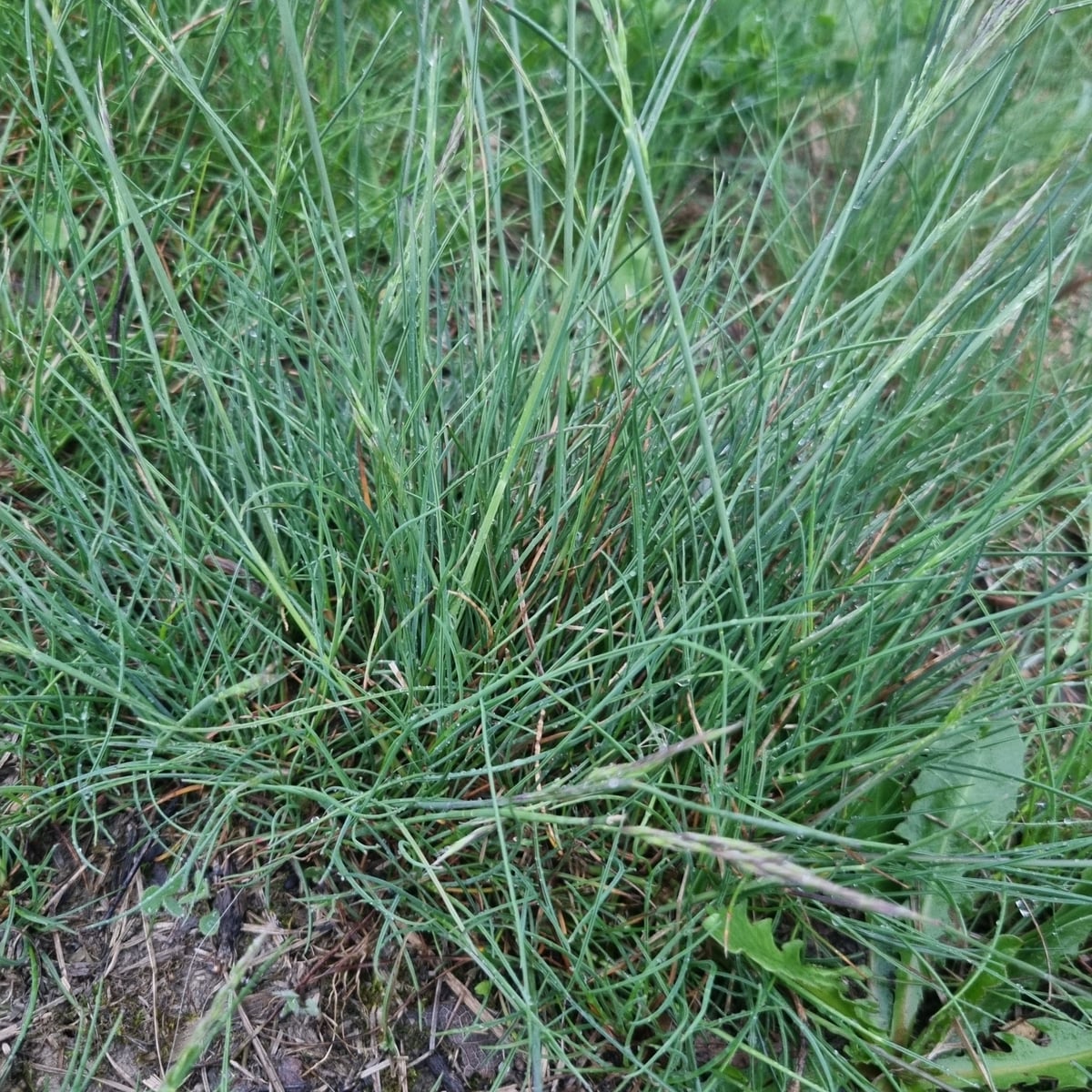
A fine-textured, shade-tolerant grass perfect for low-traffic areas. Includes creeping red, chewings, hard, and sheep fescue varieties.
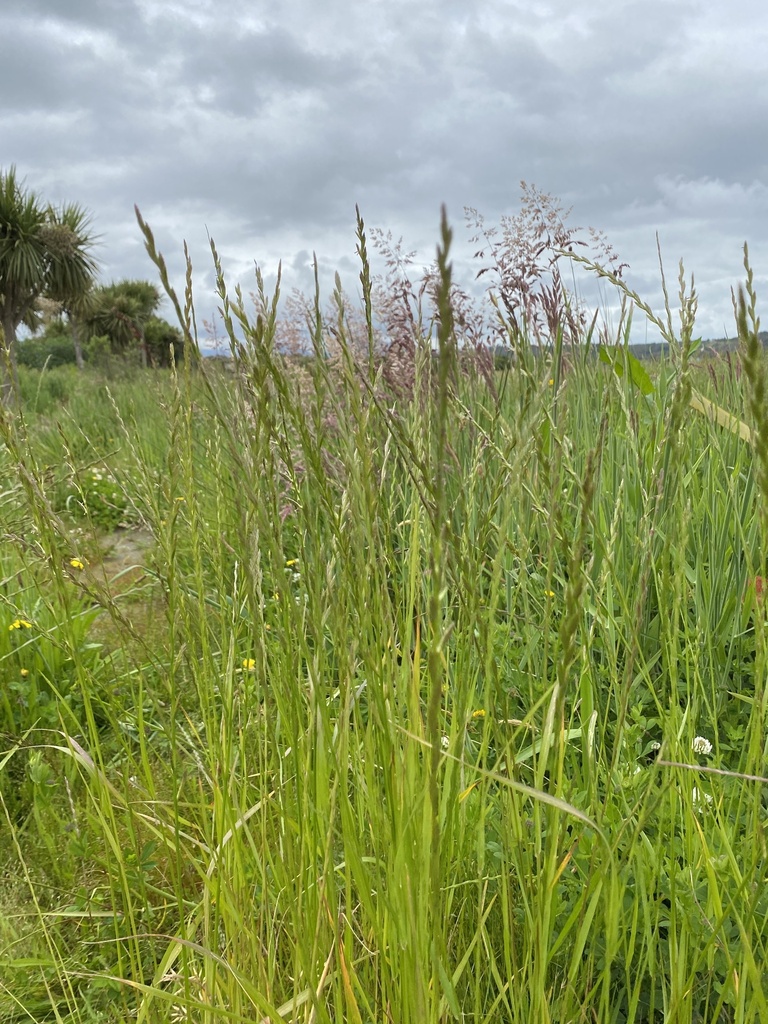
Fast-germinating, wear-resistant cool-season grass with a glossy dark green appearance. Great for overseeding and quick establishment.
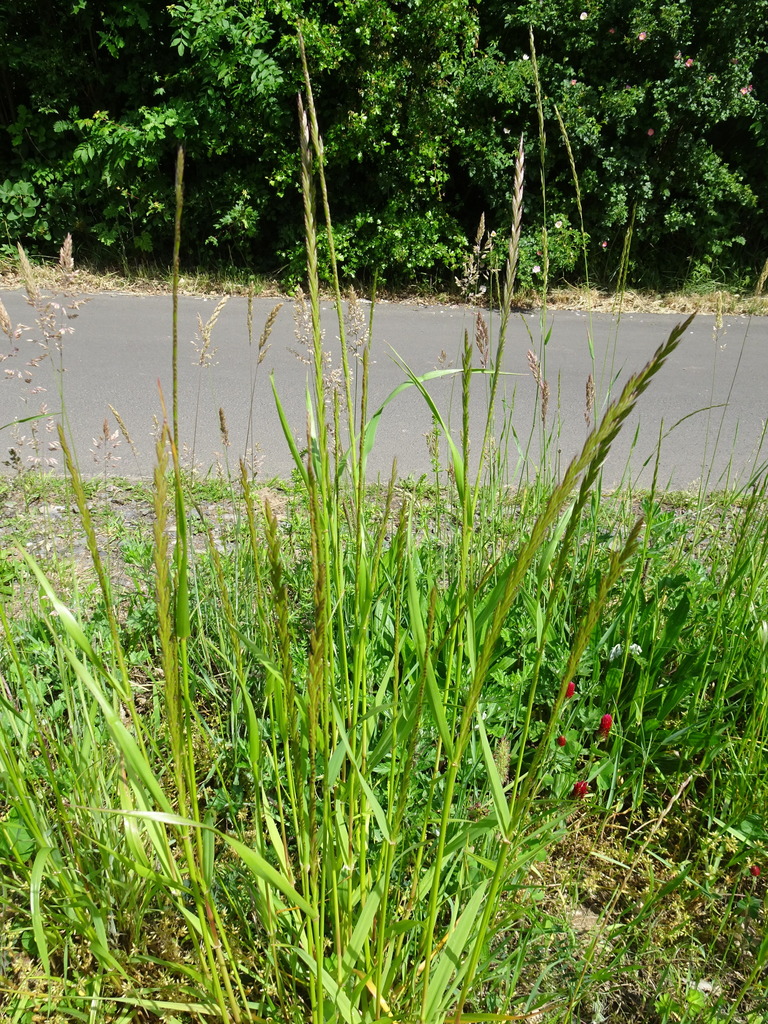
A fast-germinating cool-season annual used to keep southern lawns green through winter, then give way as warm-season turf returns.
A practical northern lawn mix of bluegrass, ryegrass, and fescue that balances quick establishment, durability, and seasonal resilience.
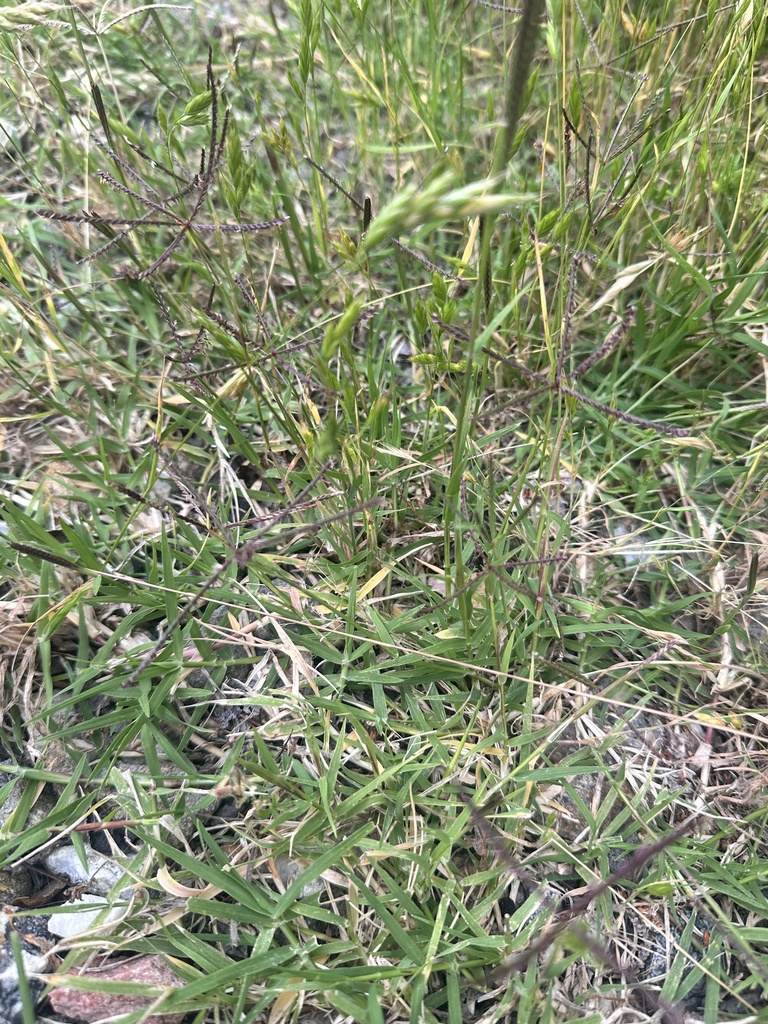
The most popular warm-season grass in America. Aggressive, heat-loving, and incredibly durable for high-traffic southern lawns.
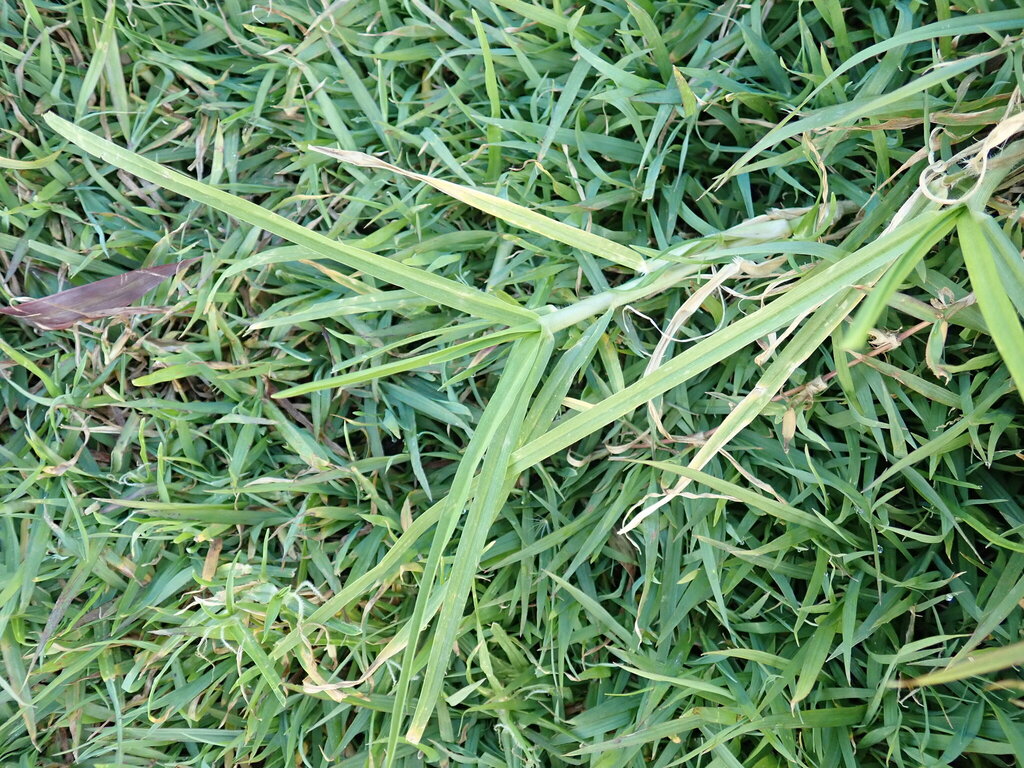
An aggressive, fast-repairing warm-season grass built for mild coastal climates, especially Southern California lawns.
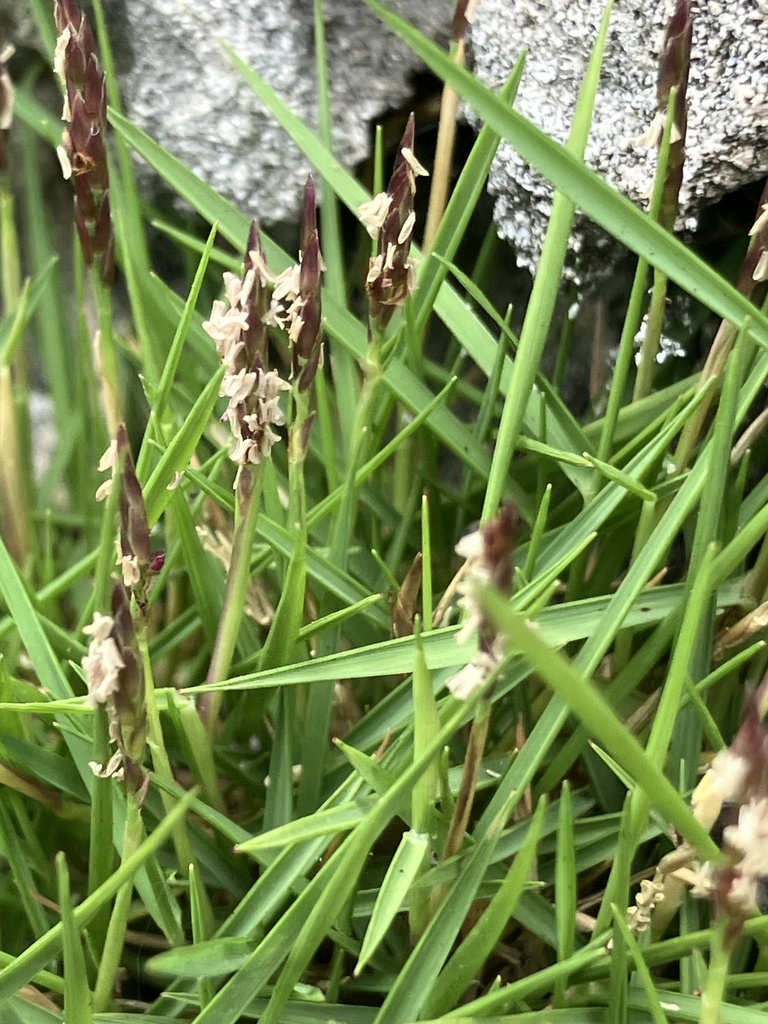
A dense, carpet-like warm-season grass with excellent cold tolerance for its class. Slow to establish but low-maintenance once mature.
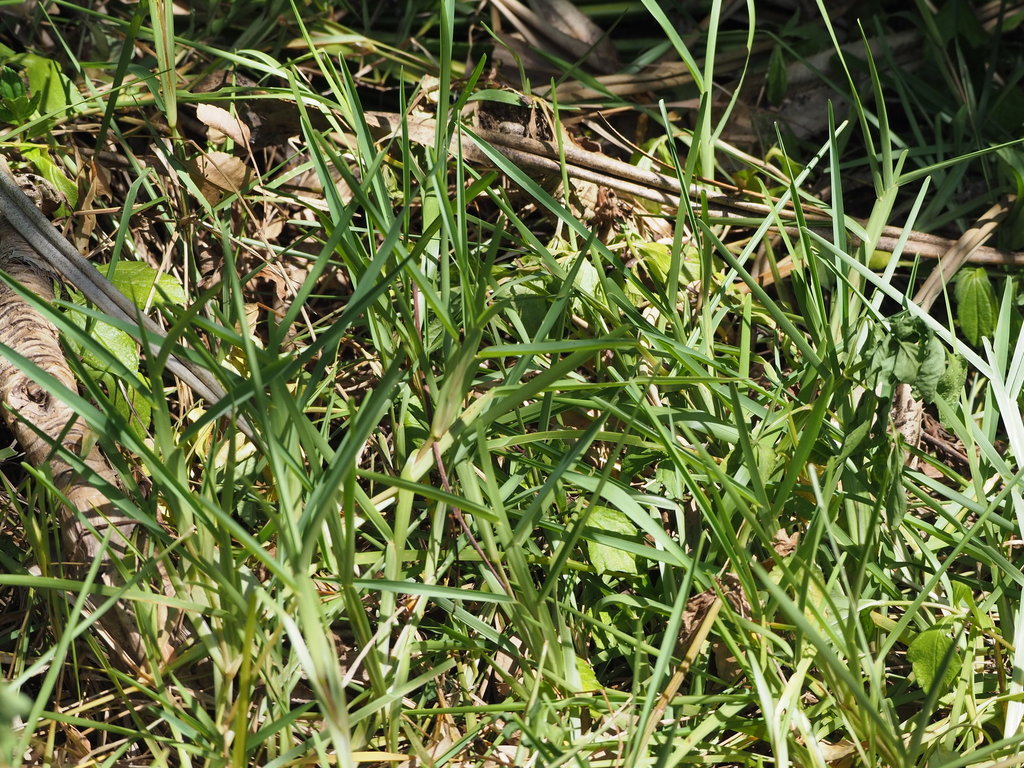
A broad-bladed, shade-tolerant warm-season grass dominant in the Gulf Coast and Florida. Lush and tropical-looking.
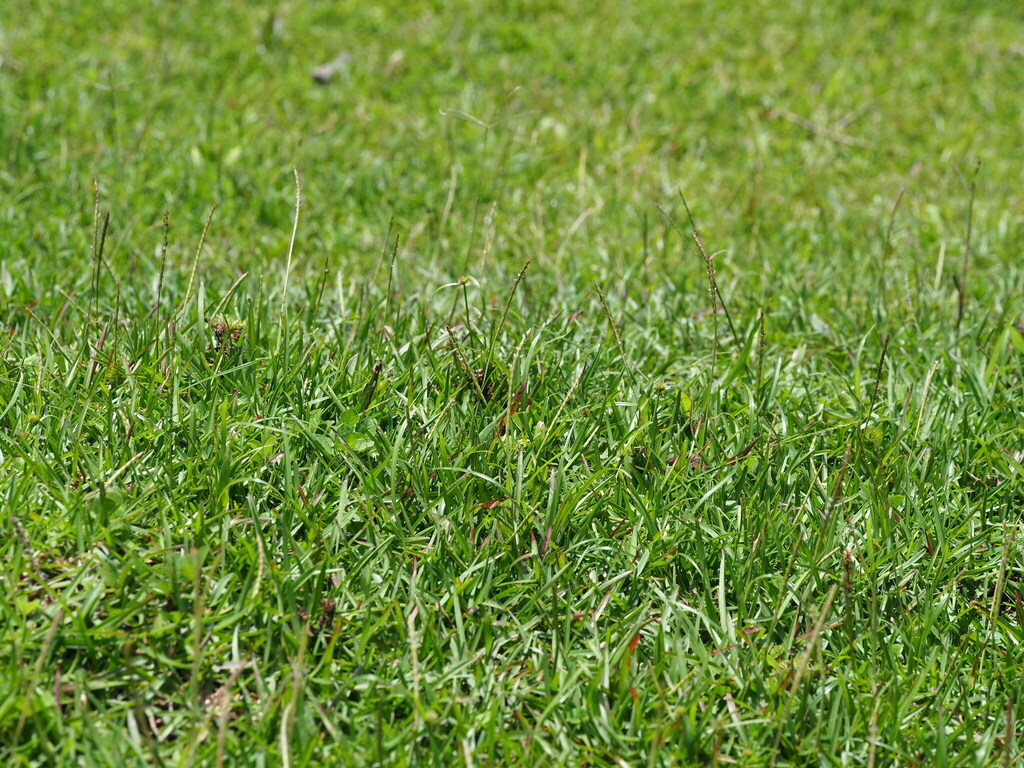
The "lazy man's grass," a low-maintenance, slow-growing warm-season option that thrives in acidic soils with minimal fertilization.
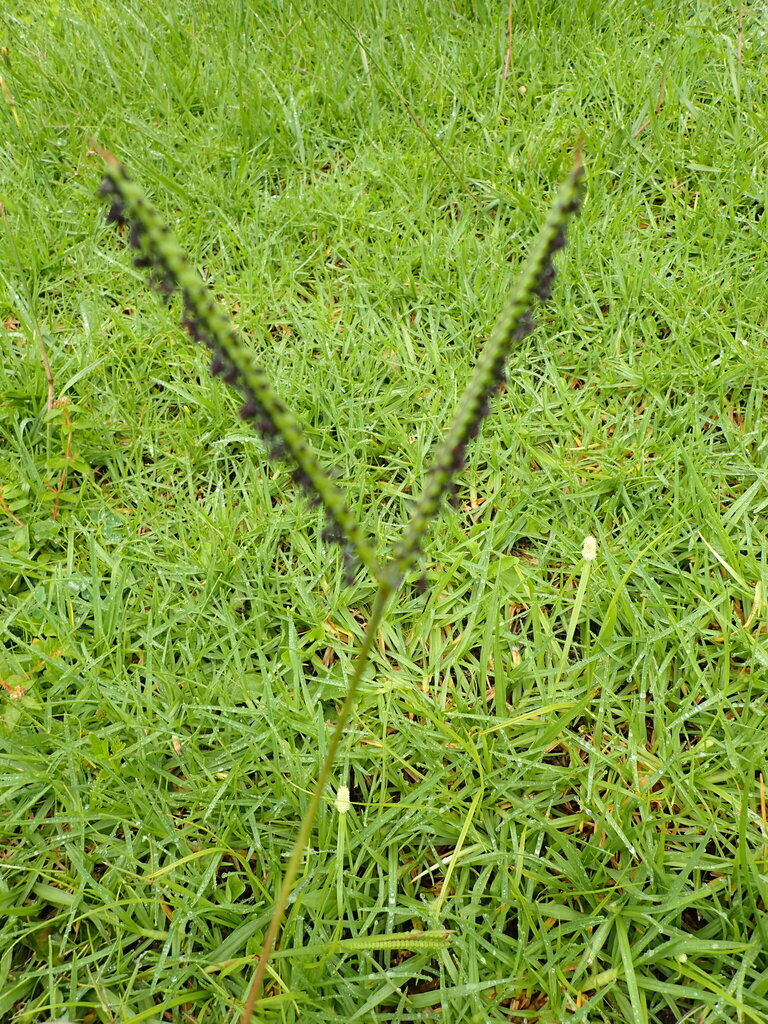
A tough, deep-rooted warm-season grass built for sandy soils and drought. Popular in Florida and the Gulf Coast for low-input lawns.
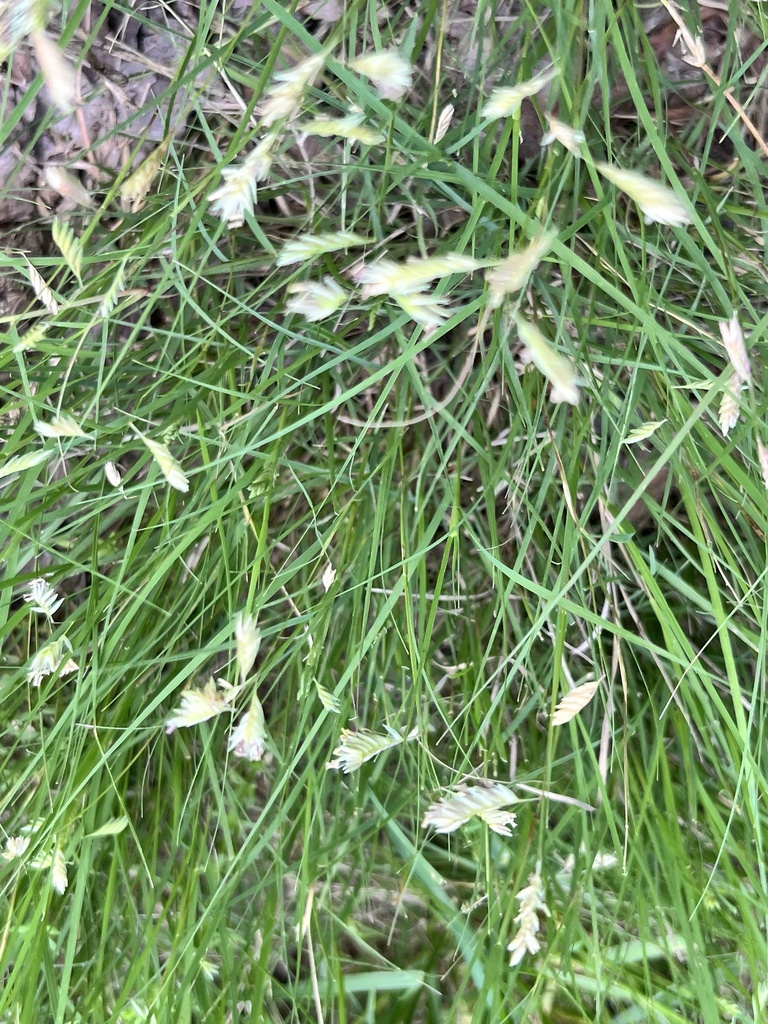
A native North American prairie grass requiring minimal water and fertilizer. Ideal for eco-friendly lawns in the Great Plains region.
When to feed, how much to apply, and the right NPK ratio for your grass.
How much water your lawn needs and how soil type changes the rules.
Right cutting height, how often to mow, and the one-third rule.
Pre-emergent timing, post-emergent strategy, and weed-by-weed ID.
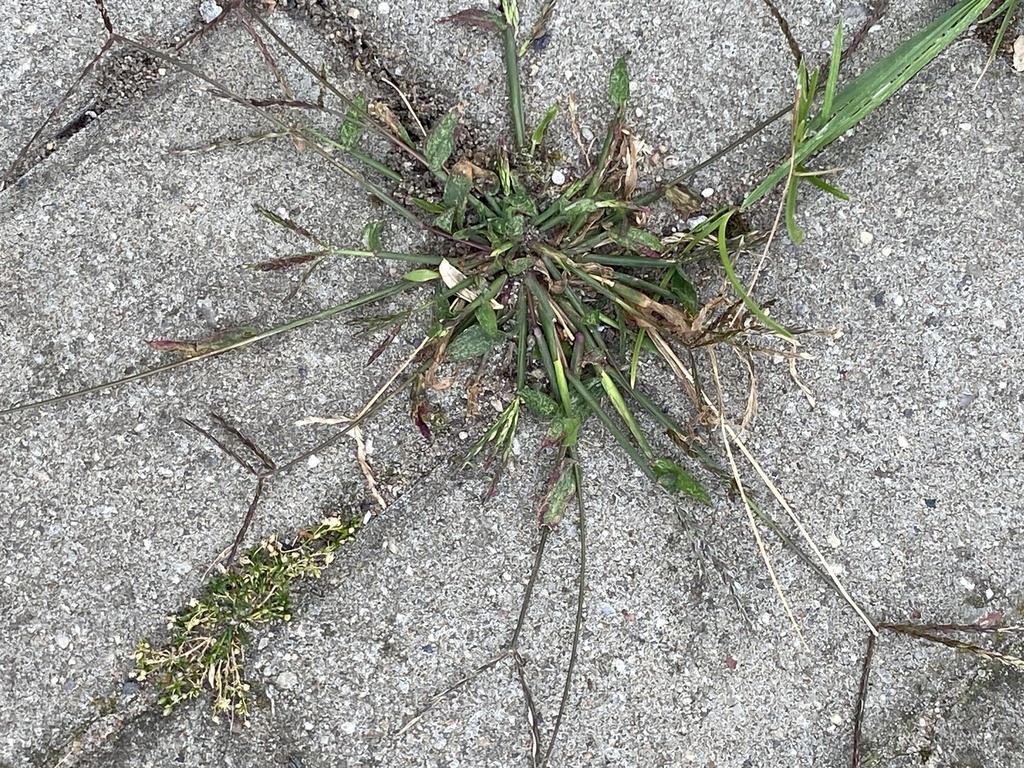
Crabgrass is the most common summer annual weed in American lawns. It germinates when soil hits the mid-50s in spring, sprawls into wide, crab-legged clumps through summer, then dies at frost and leaves bare spots that reseed next year. Prevention timing beats curative spraying almost every time.
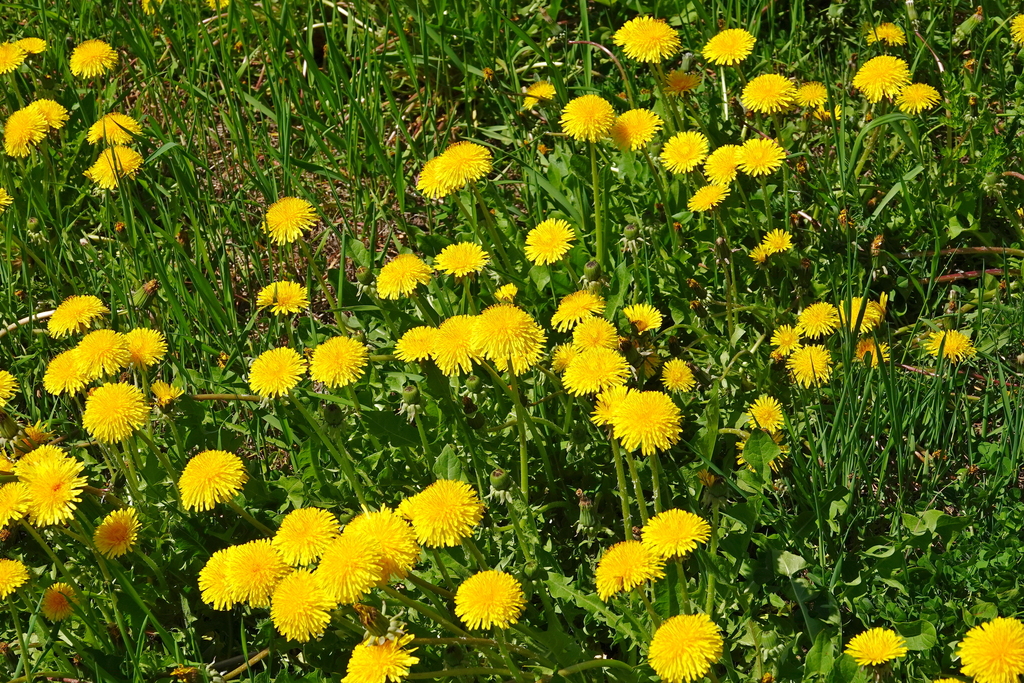
Dandelions are broadleaf perennials with a taproot that can reach ten inches deep, which is why mowing the flowers off never kills the plant. Fall is the best kill window, when the plant pulls herbicide down into the root along with winter reserves.
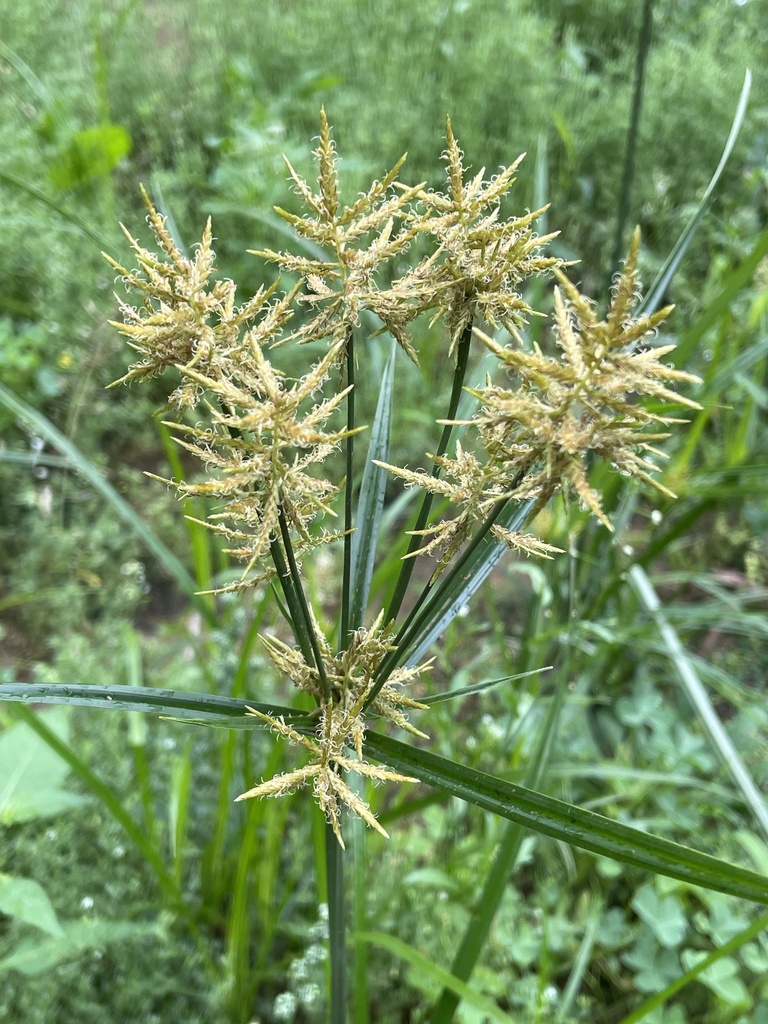
Yellow nutsedge is not a grass or a broadleaf, it is a sedge, which is why regular lawn herbicides do nothing to it. It grows faster and lighter-green than turf, loves wet spots, and spreads by underground tubers (nutlets) that survive winter and hand-pulling alike.
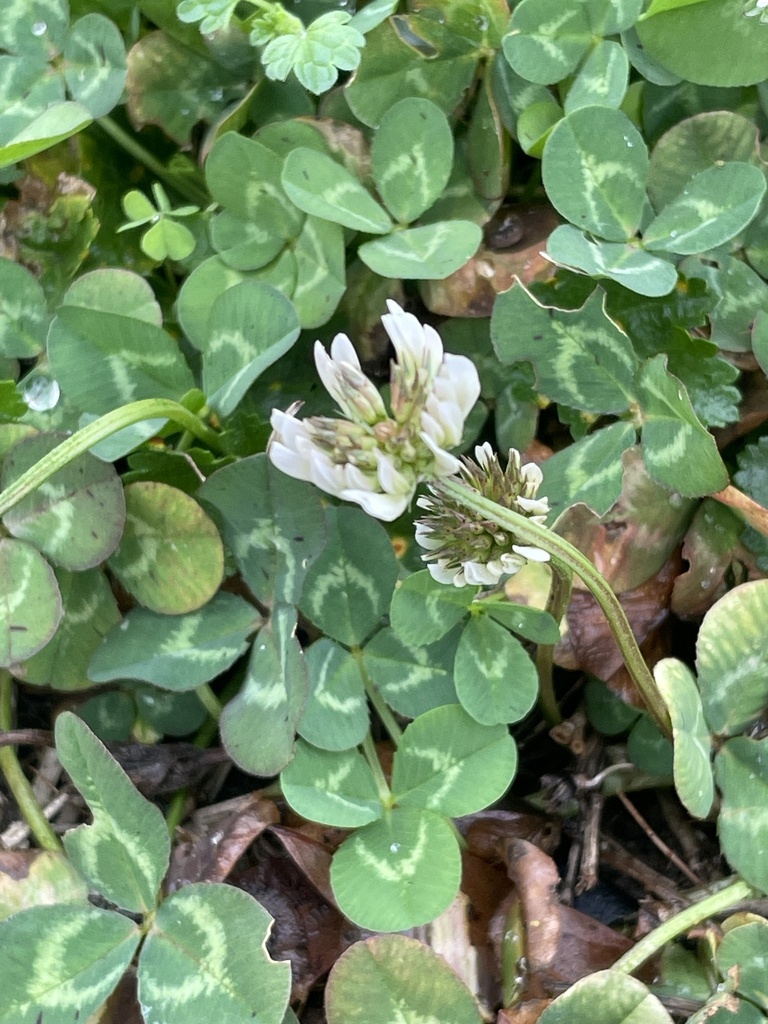
White clover is a low, creeping perennial legume with the classic three-leaflet shape and white pom-pom flowers. It thrives exactly where grass struggles, in low-nitrogen soil, because it fixes its own nitrogen. Heavy clover is usually a message that the lawn is underfed.
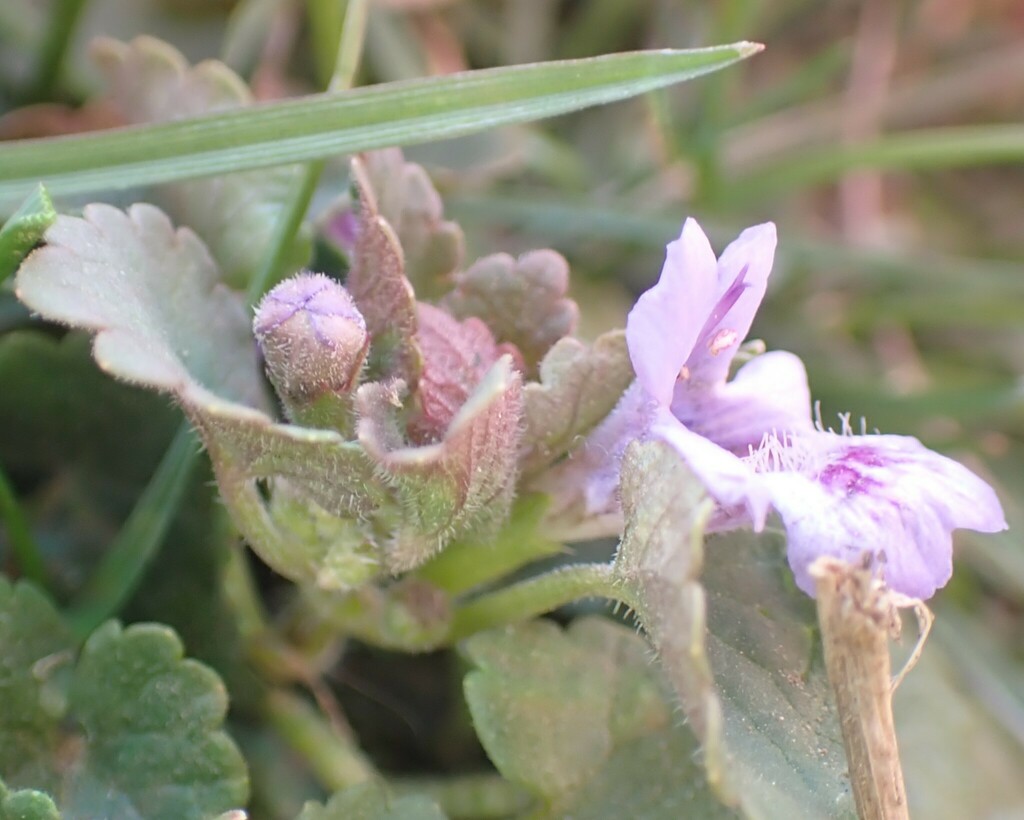
Creeping Charlie is a shade-loving perennial in the mint family that spreads by above-ground runners, rooting at every node into dense mats that smother turf. It is one of the hardest common lawn weeds to eradicate, and the realistic plan is a fall herbicide window plus fixing the shady, damp conditions it prefers.
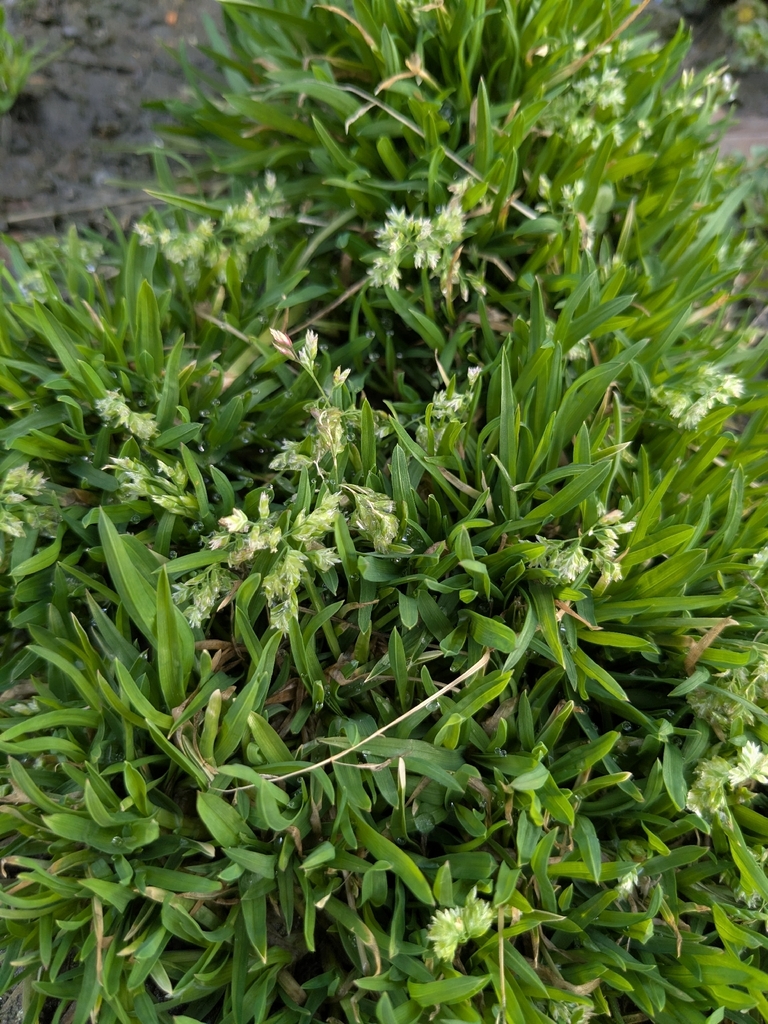
Annual bluegrass, or Poa annua, is a cool-season weed that germinates in early fall, looks innocently lush all winter and spring, and seeds prolifically even at low mowing heights. The common annual biotypes then die with summer heat and leave brown patches, though some perennial biotypes persist in irrigated lawns. Either way, the control window is fall, before germination.
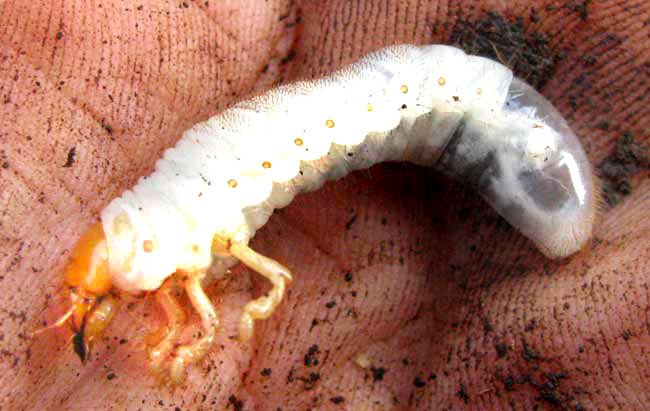
White grubs are the pale, C-shaped larvae of beetles such as Japanese beetles and European chafers, and they eat grass roots from below. The tell is turf that lifts like loose carpet when you tug it, with nothing holding it down. Brown patches spread through late summer and fall.
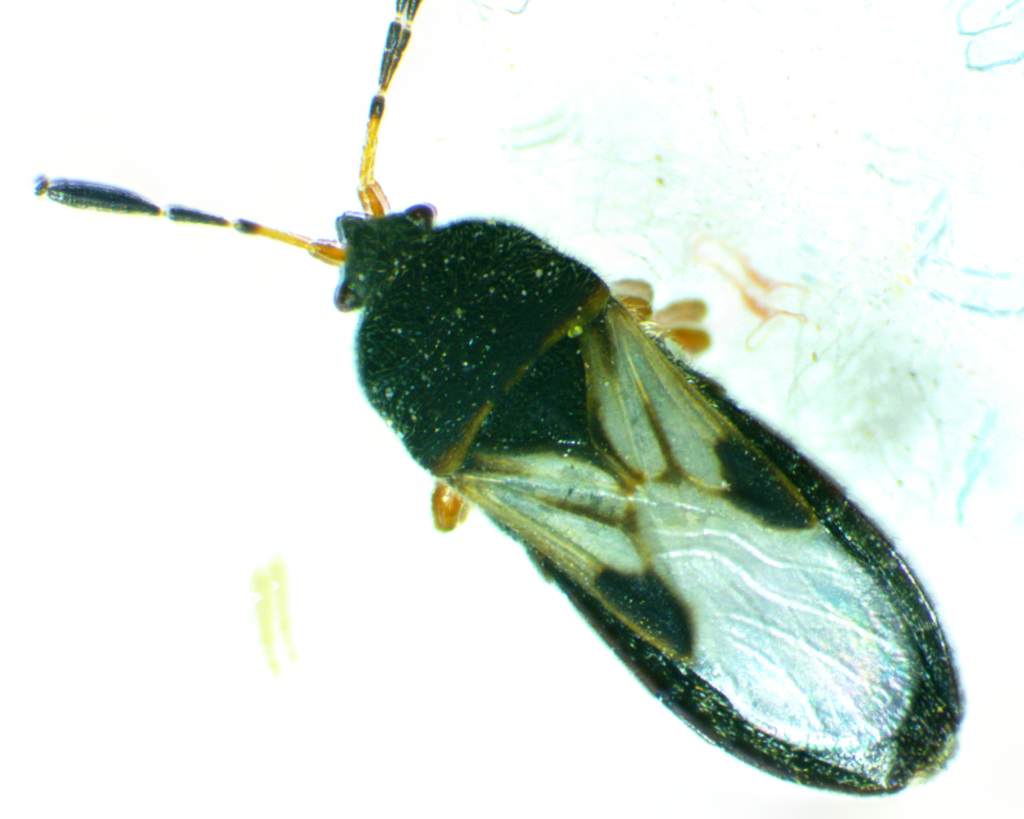
Chinch bugs are tiny black sap-sucking insects that drain grass along the hottest, sunniest edges of a lawn. The tell is yellow patches that start next to a driveway or sidewalk in July heat, turn straw brown, and keep spreading outward even when you water them.
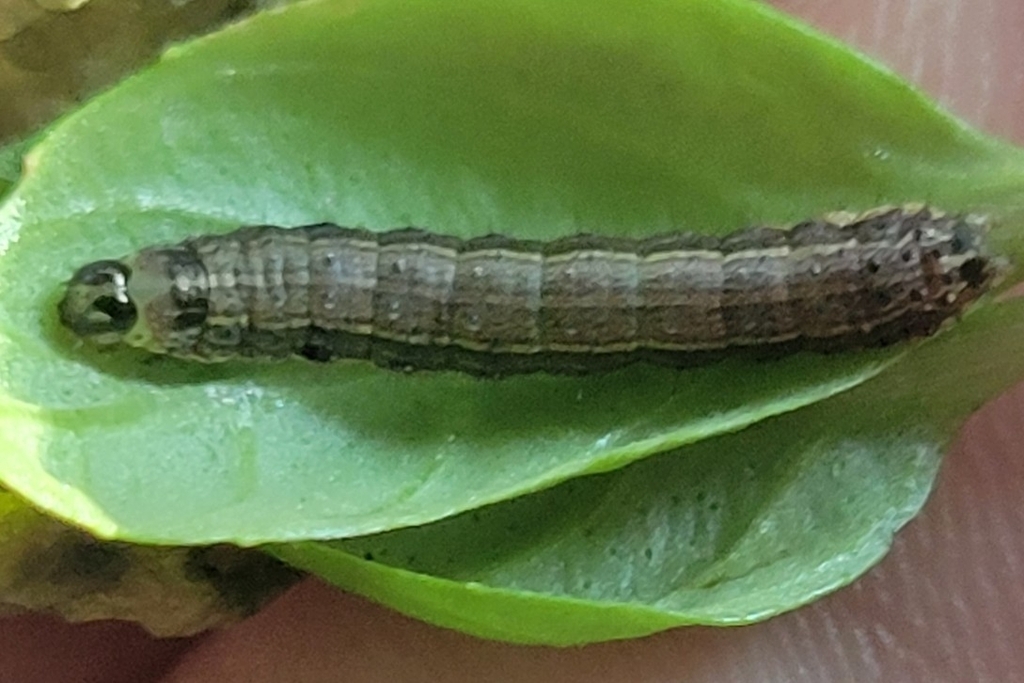
Armyworms are striped caterpillars that march across a lawn in a group and eat grass blades down to the crown. The tell is damage with a visible edge that moves, often a wide brown area that appeared in a day or two, with birds working the lawn hard.
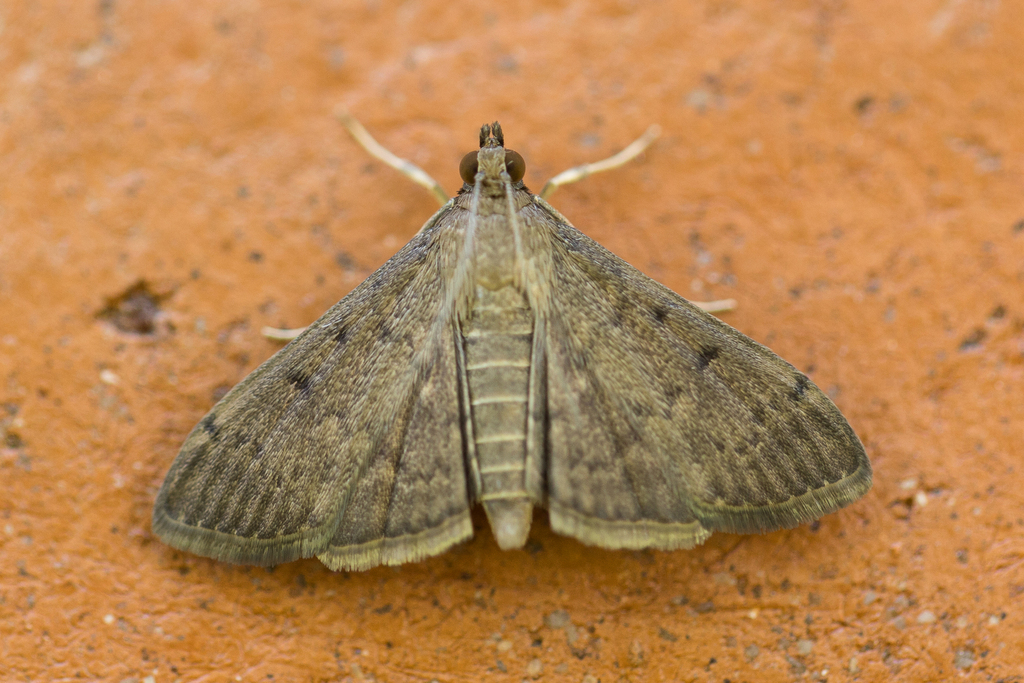
Sod webworms are the caterpillars of small tan lawn moths, and they chew grass blades off close to the ground at night. The tell is small ragged brown patches that grow together, plus zigzagging moths that flutter up out of the grass when you walk across it at dusk.
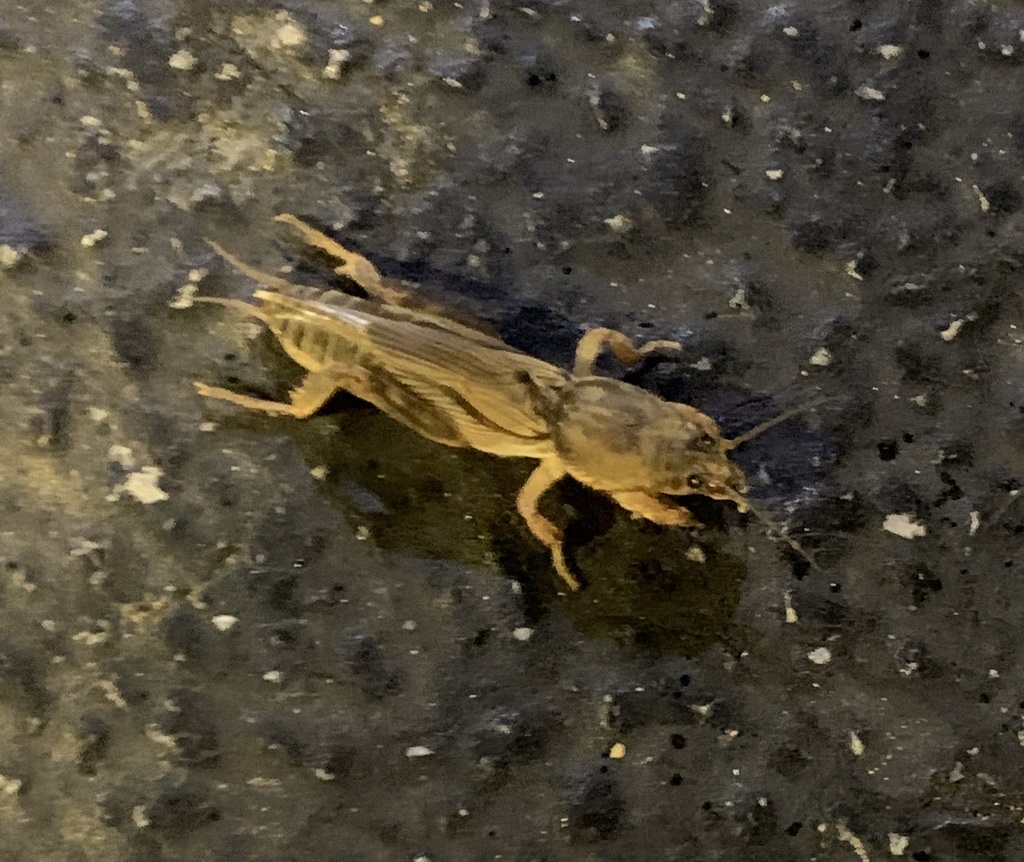
Mole crickets are brown, velvety insects with shovel-shaped front legs that tunnel just under the surface of warm-season lawns. The tell is turf that feels spongy underfoot, with raised trails and small mounds of loose soil, and grass thinning out above the tunnels.
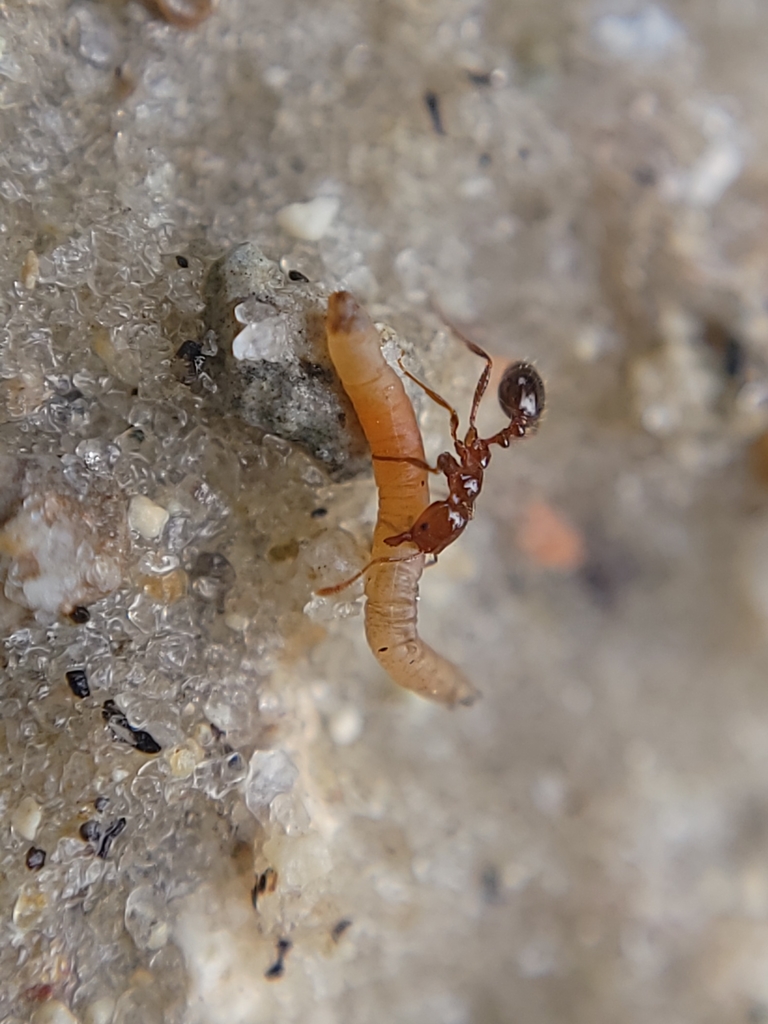
Fire ants are aggressive red-brown ants that build dome-shaped mounds in sunny lawns and sting in numbers when a mound is disturbed. The tell is loose, bare soil piled into a dome with no obvious opening on top, and ants pouring out the moment anything touches it.
Before you spend $500 to $2,500 on a robot mower, read this. Real owner pain points on yard fit, slopes, RTK signal, edges, hidden costs, theft, and which brands hold up.
Before you spend $1,500 to $6,000 on a riding mower or zero-turn, read this. Real owner advice on zero-turn vs tractor, deck size by acreage, slope safety, transmissions, and which brands hold up.
The best liquid lawn fertilizers for 2026, ranked by what your lawn actually needs: best overall, high-nitrogen, phosphorus-free, iron for color, and starter. Real NPK guidance plus how to apply.
Cool-season grasses like Kentucky Bluegrass and Tall Fescue stay green in spring and fall but may brown in summer heat. Warm-season grasses like Bermudagrass and Zoysiagrass thrive in summer and go dormant (turn brown) in winter. Your location matters too. If you live north of the transition zone (roughly USDA Zones 3 through 6), you likely have cool-season grass. South of it (Zones 8 through 10), warm-season is more common. Not sure? Try our free AI grass identifier to find out.
Timing depends on your grass type. Cool-season grasses benefit most from fertilization in early fall and again in late spring. Warm-season grasses should be fertilized in late spring through summer when they are actively growing. Avoid fertilizing during dormancy or extreme heat, as the nutrients will go to waste or could even damage your lawn.
Most lawns do best with about 1 to 1.5 inches of water per week, including rainfall. It is better to water deeply 2 to 3 times per week rather than lightly every day. Deep watering encourages roots to grow deeper, making your lawn more drought-resistant over time. Each grass type has slightly different needs, so check the specific guide for your grass.
Mowing height varies by grass type. Kentucky Bluegrass does best at 2.5 to 3.5 inches, Bermudagrass at 1 to 2 inches, and St. Augustinegrass at 3 to 4 inches. A general rule is to never cut more than one-third of the blade height at a time. Mowing too short stresses the grass and invites weeds. Check your specific grass guide for the recommended height.
It is generally not recommended because they have opposite growing cycles and different care requirements. However, overseeding warm-season lawns with Perennial Ryegrass in fall is a common practice in the transition zone and southern states to keep lawns green during winter dormancy. This temporary mix works well because the ryegrass dies off naturally as the warm-season grass greens up in spring.
Start by loosening the soil in the bare area with a rake. Spread seed that matches your existing grass type, cover lightly with a thin layer of topsoil or compost, and water gently but consistently until the new grass establishes. For cool-season grasses, early fall is the best time to seed. For warm-season grasses, late spring works best. Our individual grass guides include detailed seeding and repair instructions.