

Dealing with Summer Lawn Pests Effective Strategies

You step outside on a warm July morning, expecting to see your lawn at its summer best-thick, green, inviting. But instead you’re greeted by yellowing patches, chewed grass blades, or even swarms of tiny insects leaping from the turf. For homeowners, nothing undercuts the pride and investment in a lawn faster than summer pest outbreaks. The risks go far beyond aesthetics: pests can destroy years of work, create safety hazards for pets and kids, and even impact your property value if left unchecked.
Summer is the peak season for lawn pest activity across nearly every region. Warm soil, fluctuating moisture, and frequent mowing create an ideal environment for many common turf pests to thrive. Dealing with summer lawn pests effectively requires more than just a quick spray or a bag of granules-it calls for a detective’s mindset: diagnose, confirm, act, and prevent. That means understanding which pests you’re facing, why they’re thriving in your yard, and how best to break their cycles for good.
This comprehensive guide covers it all: from precise pest identification to integrated pest management (IPM) strategies, proven organic and chemical controls, and region-specific timing based on real climate data. I’ll walk you through step-by-step diagnostics, checklists, and real-world examples from my 12 years in the field-plus insider tips and common mistakes most guides miss. Whether you’re battling grubs in the Northeast, chinch bugs in the Southeast, or a mix of invaders, you’ll finish with the practical tools to reclaim your lawn now and keep it healthy all season long.
If you notice brown patches or thinning turf in summer, gently pull up a section of sod-if it lifts easily and you see C-shaped grubs or clusters of small larvae, you likely have a pest infestation. For chinch bugs or surface feeders, look for active insects at the soil line and run a simple soap flush (2 tablespoons of dish soap in 2 gallons of water over 1 square yard) to bring pests to the surface. Confirm the pest type before treating-misidentifying drought stress or disease as insects can waste time and money and even harm your lawn.
Once you confirm pests, act quickly: treat grubs or surface feeders at the larval stage for best results, using either targeted insecticides or organic controls. Avoid blanket applications unless the infestation exceeds thresholds (e.g., 10+ grubs per square foot). Most treatments show results within 7-14 days; re-check the area after two weeks. Never apply products without verifying pest presence and always follow label safety instructions for children, pets, and pollinators.
Understanding Summer Lawn Pests: Types, Life Cycles, and Threats
Let’s diagnose this step by step. The symptom you’re seeing-be it scorched patches, chewed grass, or spongy turf-usually points to a handful of common summer invaders. Understanding which pests thrive in your region, and how their life cycles align with summer conditions, is the foundation for any effective strategy.
Identifying Common Summer Lawn Pests
Most summer lawn damage is caused by a few key culprits, which fall into two main categories:
- Root feeders: Grubs (larvae of Japanese beetles, June beetles, and others) and billbug larvae chew through grass roots underground, often leaving large irregular brown patches and spongy or easily lifted sod.
- Surface feeders: Chinch bugs, sod webworms, and armyworms feed on grass blades or stems above ground, causing yellowing, thinning, or ragged turf, sometimes with visible frass (insect droppings) or silk webbing.

Here’s a quick reference table showing which pests are common in each region and when they’re most active:
| Pest | Region | Peak Activity |
|---|---|---|
| Grubs (Japanese beetle, June beetle) | Northeast, Upper Midwest | Late June - Early August |
| Chinch bugs | Southeast, transition zones | May - September |
| Sod webworms | All regions | June - September |
| Armyworms | Southeast, some Midwest | July - September |
| Billbugs | Upper Midwest, Northeast | Late May - July |
Our Regional Climate Data highlights that warm-season regions like the Southeast experience chinch bug and armyworm outbreaks from late spring through fall, while cool-season regions like the Northeast and Upper Midwest are most vulnerable to grub and billbug damage during peak summer heat.
Recognizing Signs of Infestation
Lawn pest symptoms can mimic drought, disease, or nutrient deficiency, making accurate diagnosis crucial. Key indicators include:
- Visual symptoms: Irregular brown or yellow patches, chewed or ragged grass blades, or bare spots that rapidly expand.
- Physical changes: Turf feels spongy or lifts easily (root feeders), or you see green frass or fine webbing (surface feeders).
- Secondary indicators: Increased bird, mole, or skunk activity (they dig for grubs), odd “musty” smells from decaying roots, or visible larvae/adult insects at or below the soil line.
If you spot these signs, confirm the pest with a hands-on test-like pulling up a small patch of turf, performing a soap flush, or inspecting for live insects at dawn or dusk when they’re most active.
Pest Life Cycles and Timing
Why do pests explode in summer? Warm soil temperatures (often above 55°F), increased humidity, and frequent mowing all create ideal breeding conditions. Most lawn pests have a predictable pattern: eggs are laid in late spring or early summer, larvae feed aggressively during the hottest months, and adults emerge or overwinter as temperatures drop.
Key points:
- Grubs: Eggs hatch in early summer, larvae feed for 6-8 weeks when soil is moist and warm, then burrow deep as fall arrives.
- Chinch bugs: Multiple generations per season, with nymphs and adults feeding above the thatch layer throughout summer.
- Sod webworms and armyworms: Caterpillars feed at night and rest in silk tunnels during the day; outbreaks peak after heavy rains or irrigation.
Understanding these cycles lets you time interventions for maximum impact-targeting larvae before they mature is far more effective than treating adults later on.
Integrated Pest Management (IPM): The Foundation of Effective Strategies
Integrated Pest Management (IPM) isn’t just a buzzword-it’s a proven, science-backed approach that combines prevention, monitoring, and targeted intervention to manage pests in the most sustainable way possible. As a lawn diagnostics specialist, I see the best long-term results when homeowners use IPM rather than relying on repeated chemical treatments alone.
The IPM Approach Explained
IPM weaves together four main strategies:
- Cultural: Healthy lawn practices that make your turf less inviting to pests (mowing, watering, fertilizing properly)
- Mechanical: Physical removal or disruption of pests (hand-picking, dethatching, aeration)
- Biological: Harnessing natural enemies (beneficial insects, nematodes)
- Chemical: Judicious use of pesticides only when truly needed, and always targeted
This multi-pronged approach reduces the risk of resistance, environmental harm, and accidental damage to beneficial organisms. IPM is especially important in areas where children, pets, or pollinators are present.
Monitoring and Early Detection
Weekly lawn scouting is a core IPM practice. Here’s how I recommend you do it:
- Visual inspection: Walk your lawn in a grid pattern, looking for new brown patches, thinning areas, or evidence of chewing.
- Soap flush test: Mix 2 tablespoons of dish soap in 2 gallons of water, pour over 1 square yard, and watch for insects surfacing within 10 minutes.
- Physical probes: Gently tug on discolored turf-if it lifts easily or you see larvae, root feeders are likely present.
- Pitfall traps (optional): Shallow containers sunk at soil level can catch crawling insects overnight for identification.
Document everything: date, location, symptoms, and any pests found. This record helps you spot patterns and gauge if interventions are working.
Setting Thresholds: When Action is Needed
Treating at the right time is as important as choosing the right method. For example, with grubs, research shows that 10 or more grubs per square foot typically warrants action-lower populations may not cause visible damage and can often be tolerated. Surface feeders like chinch bugs or armyworms often require treatment if you find 15-20 insects per square foot or if visible damage is rapidly spreading.
Applying insecticides without confirmation wastes money and can harm your lawn ecosystem. IPM sets aesthetic and economic thresholds to avoid unnecessary chemical use and preserve beneficial organisms.
- Purdue Extension recommends treating for grubs only when populations exceed 10 per square foot, as lower levels rarely cause significant turf damage.
Cultural and Preventive Strategies to Deter Summer Lawn Pests
While it’s tempting to reach for a quick-fix insecticide, the most effective long-term strategy is cultural: build a lawn environment where pests can’t gain a foothold. Healthy, dense turf naturally crowds out many insect pests and recovers faster from any damage that does occur.
Lawn Care Practices That Reduce Pest Risk
Three core practices stand out for summer lawn health:
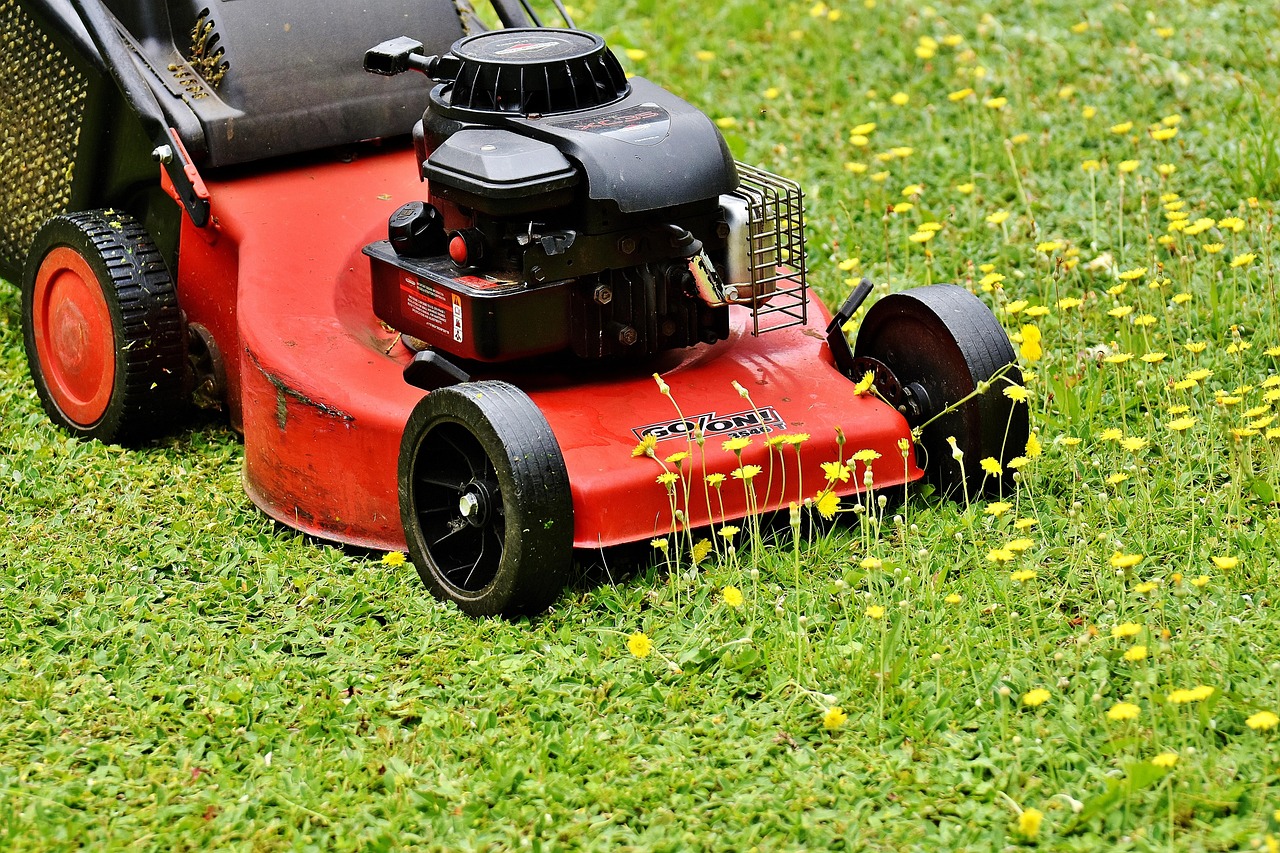
- Mowing: Set height based on your grass type and region. For cool-season lawns (Kentucky Bluegrass, Fescue), mow at 3-4 inches in summer to shade the soil and deter surface feeders. Warm-season grasses (Bermudagrass, Zoysia) perform best at 1-2 inches. Never remove more than one-third of the blade at a time-scalping stresses turf and invites pests.
- Irrigation: Water deeply but infrequently, applying 1-1.5 inches per week (including rainfall) to encourage deep roots. Early morning is best to minimize disease risk. See How Often Should You Water Your Lawn in Summer? for more detail.
- Fertilization: Feed at the right time for your grass type. Over-fertilizing in midsummer can trigger succulent, pest-prone growth. Focus on spring and fall feedings, and use a slow-release product if summer feeding is needed.
Our Regional Climate Data shows that many pest outbreaks align with periods of drought stress and low mowing, especially in cool-season regions. Adjusting your mowing and watering routine can make a significant difference.
Choosing the Right Grass Types
Some grass species and cultivars are naturally more pest-resistant. For example, endophyte-enhanced tall fescue and perennial ryegrass varieties resist surface feeders like chinch bugs and webworms. Overseeding your lawn each fall with these improved cultivars increases density and pest resistance over time. See Overseeding for a Thicker, Healthier Lawn for step-by-step overseeding guidance.
Soil Health and Aeration
Healthy soil supports deep roots and robust grass that can out-compete most pests. Annual core aeration relieves compaction, improves drainage, and enhances microbial activity-all of which suppress root-feeding pests and help turf recover from damage. If you struggle to push a screwdriver 6 inches into your lawn, it’s time to aerate. Aim for early fall or late spring, depending on your region and grass type.
Targeted Control Methods: Organic, Biological, and Chemical Options
Even with best practices, pest outbreaks can still happen-especially during hot, humid summers or in lawns with a history of problems. The key is to match your control method to the confirmed pest, its life stage, and your lawn’s needs. Here’s how to approach each category:
Organic and Natural Pest Control Strategies
Many homeowners prefer to minimize chemical use, especially where pets and kids play. Effective organic options include:
- Beneficial nematodes: Microscopic worms that parasitize and kill grubs, billbug larvae, and some caterpillars. Apply in late spring or early summer when soil temps are 55°F or higher and the target pests are young. Water in thoroughly and keep soil moist for 7-10 days after application.
- Milky spore: Targets Japanese beetle grubs specifically, but requires repeated applications and works best as a long-term solution (2-3 years to establish).
- Bacillus thuringiensis (Bt): A natural bacteria effective against caterpillar pests like armyworms and sod webworms. Apply when larvae are actively feeding, ideally in the evening.
- Neem oil and insecticidal soaps: Useful for surface-feeding pests but require direct contact and repeated applications. Safe for most beneficials when used properly.
DIY controls-like encouraging beneficial insects or using soap flushes for hand-picking-can be integrated as part of a broader organic approach. For more on this, see Organic Lawn Care Basics.
Biological Controls
Encouraging natural predators is an often-overlooked strategy. Birds, ground beetles, and parasitic wasps all feed on lawn pests. You can attract them by maintaining a diverse landscape, minimizing pesticide use, and even installing birdhouses or pollinator gardens nearby. Companion planting-growing clover or certain wildflowers along lawn edges-can increase beneficial insect populations and disrupt pest life cycles.
Chemical Treatments: When and How to Use Safely
Chemical insecticides are sometimes necessary for severe or persistent infestations. The key is to use the right product, at the right time, and in the right way:
- Selective insecticides: Products like Sevin Insect Killer Granules 10 lb are broad-spectrum and can control grubs, chinch bugs, armyworms, and over 100 other listed pests. This product is best for homeowners needing a broad but targeted solution-especially after confirming a mixed infestation or when organic methods have failed.
- Granular vs. liquid: Granular products are easier for DIYers to apply evenly; liquid sprays offer quick knockdown but require careful calibration. For both, water in as directed and avoid heavy rainfall within 24 hours of application.
- Timing: Apply early in the morning or late evening to minimize risk to pollinators and reduce evaporation. Avoid treating when temps exceed 85°F or before heavy rain, which can cause runoff.
- Safety: Always follow label instructions regarding re-entry intervals for children and pets. Cover bare soil and avoid treating flowering weeds to protect bees.
Never apply more than the recommended rate-overdosing can burn turf and kill beneficial organisms. If in doubt, treat a small area first and observe results over 7-14 days.
Spot Treatments vs. Blanket Applications
Spot-treating only the affected areas is almost always preferable to treating your entire lawn. This approach saves time, money, and reduces environmental impact. Here’s a quick checklist for spot treating:
- Confirm pest type and extent of infestation (see earlier diagnostics).
- Mark affected areas with flags or stakes.
- Apply the chosen control method only to these spots, following label rates and safety protocols.
- Re-check after 10-14 days and re-treat only if necessary.
Advanced Strategies for Challenging or Recurring Pest Problems
Some lawns develop chronic pest issues, especially if conditions favor repeated outbreaks. Tackling these persistent problems requires a more strategic, year-round approach.
Managing Resistant or Persistent Pests
Pests can develop resistance if the same chemical is used repeatedly. To prevent this:
- Rotate products with different modes of action (check label or consult extension recommendations).
- Combine mechanical methods (dethatching, aeration) with targeted treatments to disrupt pest cycles.
- Consider overseeding with pest-resistant cultivars each fall to improve turf resilience.
If a pest persists despite multiple treatments, re-examine your diagnosis-disease, compaction, or nutrient deficiency can mimic insect damage. See Brown Patch Prevention for a comparison of fungal and insect symptoms.
Year-Round Lawn Pest Prevention Plan
Prevention starts before pests even appear. Here’s what I recommend for year-round defense:
- Spring: Apply pre-emergent herbicides during the window indicated by your region’s climate data. For example, our Regional Climate Data puts the Northeast pre-emergent window at March 15 - April 15, targeting 55°F soil temps to get ahead of crabgrass and certain pests.
- Summer: Monitor weekly, adjust watering and mowing, and treat only if pest thresholds are exceeded.
- Fall: Remove thatch and fallen leaves to eliminate overwintering sites. Aerate and overseed to thicken the turf.
- Winter: Avoid heavy traffic on dormant lawns, and plan cultural improvements for spring.
By following this annual cycle, you can dramatically reduce summer pest outbreaks and keep your lawn healthier overall.
- NC State Extension emphasizes the importance of timing insecticide applications to match pest life stages, especially for grubs and surface feeders, for maximum control.
Regional and Microclimate Considerations
Lawn pest pressures and timing differ by region and even by microclimate within your yard. For example, south-facing slopes warm earlier and may see pest emergence weeks ahead of shaded, north-facing areas. Here’s a summary based on our Regional Climate Data:
| Region | Main Summer Pests | Critical Intervention Window |
|---|---|---|
| Northeast (Cool Season) | Grubs, billbugs, sod webworms | Late June - Early August |
| Southeast (Warm Season) | Chinch bugs, armyworms, brown patch | May - September |
| Upper Midwest (Cool Season) | Grubs, billbugs, snow mold (spring) | Mid-July - August |
Adjust your monitoring and treatment timing accordingly. For more on specific pests, see How to Get Rid of Grubs in Your Lawn, Chinch Bug Treatment Options, and Lawn Armyworm Control.
Actionable Checklist: Dealing with Summer Lawn Pests Effectively
Here’s a condensed step-by-step to guide your response from diagnosis to follow-up:
- Scout weekly: Walk your lawn, looking for new damage, odd patches, or increased animal activity.
- Confirm pest: Use a soap flush, tug test, or direct inspection to identify the pest and estimate population.
- Compare to thresholds: Treat only if pest numbers exceed action levels (e.g., 10+ grubs per sq ft).
- Choose intervention: Select the least-toxic, most-targeted method for your confirmed pest and life stage.
- Spot treat: Apply controls only where needed, following all label directions for safety and re-entry.
- Monitor results: Check treated areas after 7-14 days; re-treat if necessary, or adjust your approach if damage continues.
- Document: Record dates, symptoms, pest numbers, and treatments for future reference.
- Call a professional: If damage spreads rapidly, pests persist after two treatments, or you cannot identify the cause.
Ongoing vigilance and documentation are key to preventing repeat outbreaks and building a history of what works in your yard.
Common Mistakes to Avoid
Most online guides skip these pitfalls, but in my experience, avoiding them is half the battle:
Skipping Confirmation Tests Before Treating
Applying insecticides or organic controls without confirming the pest and its population is a leading cause of wasted money and accidental lawn damage. For example, drought stress often mimics grub damage, but treating with insecticide won’t solve the underlying issue-and can even stress the lawn further.
Poor Timing of Treatments
Many homeowners apply products after larvae have matured or adults have left, which does little to control the pest. Regional climate variation means pests emerge at different times-monitor soil temps and follow local extension alerts to hit the optimum window.
Product Application Errors and Safety Oversights
Over- or under-applying products can burn turf or leave pests unaffected. Always calibrate your spreader or sprayer, follow label rates, and consider the safety of pets, children, and pollinators. Never treat flowering areas or when rain is expected within 24 hours.
- Contact your local extension office for specific pest timing and recommended products in your county.
Conclusion
Dealing with summer lawn pests effectively isn’t about fighting battles as they arise-it’s about understanding your lawn’s ecosystem, confirming the problem, and taking strategic, well-timed action. Early detection, matched controls, and ongoing prevention give you the best chance at a resilient, pest-resistant lawn year after year. For a deeper dive into organic and chemical-free approaches, see Organic Lawn Care Basics. Have a tough pest case or a question about your specific region? Share your experience or ask below-the best solutions come from learning together.
Free Lawn Care Tools
Common questions about this topic
Brown patches alone aren't enough; gently pull on the turf—if it lifts easily and you see white grubs or larvae, pests are likely. Use a soap flush to check for surface feeders like chinch bugs or armyworms.
Treat at the larval stage when pests are actively feeding. For grubs, this is usually late June to early August in cool-season regions. For chinch bugs and armyworms, act as soon as you confirm active populations.
Yes, beneficial nematodes, Bt, and cultural practices can manage many pests. They work best when applied at the correct life stage and combined with prevention tactics like overseeding and aeration.
Spot-treating only the damaged areas is usually more effective and environmentally friendly. Blanket applications are only needed for widespread or severe infestations exceeding action thresholds.
Follow all label directions for re-entry times and application rates. Some products, like Sevin Granules, are safe after watered in and dried, but always err on the side of caution and avoid treating play areas if possible.
Most treatments show visible improvement within 7-14 days. Re-check the area after two weeks to ensure pests are gone and turf is recovering before considering a second application.
Loading product recommendations...
Related Articles
- How Long Does Weed and Feed Take to Work? Complete Timeline by Product (2026)How Long Does Weed and Feed Take to Work? Complete Timeline by Product (2026)May 15, 2026•13 min read
Most weed and feed products show first results in 5 to 14 days with full weed kill in 2 to 3 weeks. Here is the complete day-by-day timeline by product type, what speeds it up, and how to tell it is w...
- Brown Patch Disease in Fescue: Diagnosis and Organic Treatment OptionsBrown Patch Disease in Fescue: Diagnosis and Organic Treatment OptionsJan 6, 2026•9 min read
Discover how to diagnose brown patch in tall fescue and use organic controls. Includes weather thresholds, mowing heights, and a seasonal action plan.
- Managing Winter Lawn Diseases Your Guide to a Healthy Winter LawnManaging Winter Lawn Diseases Your Guide to a Healthy Winter LawnDec 23, 2025•13 min read
Learn how to diagnose and prevent winter lawn diseases, protect your turf under snow, and ensure a dense, healthy spring green-up with science-backed strategies.