Perfect Mowing Schedule for a Greener Summer Lawn
 Marcus GreenTurf Management Pro | 18 Years
As an Amazon Associate we earn from qualifying purchases.
Every summer, I see homeowners struggle with brown patches, thinning grass, and the frustration of comparing their lawn to the neighbor’s lush, green carpet. So how often should you mow? Let your grass decide, not the calendar. In peak summer growth that usually means every 4-7 days for warm-season lawns and every 7-10 days for cool-season lawns, following the one-third rule (never cut more than a third of the blade at once). Your mowing schedule is the single most powerful tool for a greener summer lawn. It isn’t just about mowing more often - when, how, and even the direction you mow all play crucial roles in achieving professional-level results. In this full guide, I’ll break down the science behind the perfect mowing schedule for a greener summer lawn, share pro-level tips and step-by-step action items, uncover common pitfalls, and arm you with advanced strategies tailored for every grass type and region.
The key to a greener summer lawn is matching your mowing schedule to your grass type, weather, and growth rate. Confirm your lawn is ready by checking that grass has grown at least one-third taller than your target mowing height and the soil isn’t soggy or bone-dry. If unsure, use a screwdriver test - if you can’t push it 6 inches into the soil, hold off mowing until after a good watering.
For most warm-season lawns (Bermuda, Zoysia, St. Augustine), mow every 5-7 days at the correct height (see table below) and never remove more than a third of the blade in one session. Don’t mow during midday heat or wet soil, which can stress grass and lead to disease. With this approach, you’ll see a denser, greener lawn within 2-3 weeks of consistent mowing and maintenance.
How Often Should You Mow Your Lawn?
The honest answer is: as often as your grass grows, and no more. Mowing frequency should track growth rate, and growth rate changes with the season. Aligning mowing frequency with seasonal growth rates is the whole game. In spring and early summer, when growth surges, most lawns need a cut every 4-7 days. In the heat of midsummer, warm-season grasses like Bermuda keep charging while cool-season lawns slow down and can stretch to every 10-14 days. The one-third rule is your trigger: whenever the grass is one-third taller than your target height, it is mowing day.
Here is a quick frequency guide by season and grass type:
| Season | Warm-Season (Bermuda, Zoysia, St. Augustine) | Cool-Season (Bluegrass, Fescue, Rye) |
|---|---|---|
| Spring | Every 7-10 days as green-up begins | Every 4-6 days during the spring surge |
| Early Summer | Every 5-7 days | Every 5-7 days |
| Peak Summer | Every 4-7 days (Bermuda can need 2 cuts a week) | Every 7-14 days as heat slows growth |
| Fall | Every 7-10 days, tapering off | Every 4-7 days during the fall flush |
| Winter | Rarely or not at all (dormant) | Only if still actively growing |
Notice the pattern: warm-season and cool-season lawns swap places through the year. That is why a fixed "every Saturday" schedule leaves one type shaggy in June and the other scalped in July. Walk the lawn, check the height, and let growth set the pace.
Understanding the Science Behind a Greener Summer Lawn
The Role of Mowing in Lawn Health
Mowing isn’t just about keeping grass short. Each cut influences how your lawn grows, how deeply roots develop, and even how well it resists weeds and disease. Regular mowing at the right height increases turf density, which means less sunlight reaches weed seeds and bare soil. This helps choke out invaders before they start. Cutting grass too short, or too infrequently, weakens the plant and limits photosynthesis, resulting in poor color and more stress during summer heat.
Another common misconception: mowing more often always means a greener lawn. In reality, it’s about consistency and respecting the growth rate of your specific grass. Over-mowing, especially during stressful summer conditions, can thin your turf and invite weeds. From my time managing championship greens, I learned that the healthiest lawns are those mowed on a schedule tailored to their growth patterns, not just a fixed calendar.

Seasonal Grass Growth Patterns
Understanding your lawn’s growth cycle is fundamental to building the perfect mowing schedule for a greener summer lawn. Warm-season grasses (like Bermuda, Zoysia, and St. Augustine) explode with growth as soil temperatures climb above 70°F, peaking from late spring through early fall. Cool-season grasses (Kentucky Bluegrass, Fescue, Ryegrass) thrive in spring and fall, often struggling with heat stress and slower growth in midsummer.
Why does this matter? Mow too aggressively during a grass’s slow period, and you risk scalping, thinning, and browning. Mow too little during peak growth, and you’ll end up removing too much leaf at once, shocking the turf. That’s why your mowing schedule must flex with the seasons and your grass’s natural rhythms.
Setting Up the Perfect Mowing Schedule
Assessing Your Lawn: Grass Type, Climate, and Conditions
The first step in any perfect mowing schedule for a greener summer lawn is knowing your grass species. Not sure? Examine blade width, texture, growth pattern, and color. Bermuda has fine, wiry blades and grows dense, while St. Augustine is coarse and thrives in coastal zones. If you’re unsure, reference our Grass Database for pictures and identification tips. Your region’s climate and microclimate (shade, slope, drainage) also play big roles in how often and how high you should mow.
Factors to assess before setting your schedule:
- Grass type: Warm-season (Bermuda, Zoysia, St. Augustine) vs. cool-season (Kentucky Bluegrass, Fescue, Rye)
- Regional climate: Rainfall frequency, temperature swings, humidity
- Microclimate: Sun exposure, tree/shade cover, soil type (sandy vs. clay)
If your lawn struggles in summer, see our guides on choosing the best grass for your region and improving soil health for lawns for a stronger foundation.
Core Scheduling Principles: Timing, Frequency & Height
Professional crews follow three golden rules to achieve tournament-grade turf, and you should too:
- The 1/3 Rule: Never remove more than one-third of the grass blade in a single mow. For example, if your target height is 2 inches, don’t let grass grow past 3 inches before mowing. Removing more shocks the plant, reducing green color and root depth.
- Frequency by Grass Type: Bermuda and Zoysia should be mowed every 5-7 days in active growth. St. Augustine needs 7-10 days. Cool-season lawns often slow in midsummer, but may still need mowing every 7-14 days depending on rain and shade.
- Mowing Time of Day: Mow in the morning (after dew has dried) or late afternoon to avoid midday heat. Mowing during peak sun stresses grass and increases water loss.
Our mowing data confirms that the optimal height for Bermudagrass is 1.0-2.0 inches, while St. Augustine thrives at 3.0-4.0 inches. Never guess - always set your mower to the proper notch for your grass type.
Step-by-Step: Creating Your Custom Mowing Calendar
Below is a sample mowing frequency table for common grass types during summer, with regional adjustments. Use this as a starting point, then tweak for rainfall, drought, or rapid growth. Print it out, or build your own version based on your lawn’s needs.
This table shows recommended mowing heights and frequencies for the most common grass types during peak summer:
| Grass Type | Recommended Height (inches) | Typical Summer Frequency | Notes |
|---|---|---|---|
| Bermuda | 1.0-2.0 | Every 5-7 days | Lower end for full sun, higher for shade |
| Zoysia | 1.0-2.5 | Every 5-7 days | Increase height during drought |
| St. Augustine | 3.0-4.0 | Every 7-10 days | Never scalp - keep taller in heat |
| Kentucky Bluegrass | 2.5-3.5 | Every 7-14 days | May need less frequent mowing in midsummer |
| Fescue | 3.0-4.0 | Every 7-14 days | Keep at max height during heat |
To personalize your schedule, walk your lawn weekly and measure grass height at several spots. If it’s approaching one-third above your target, it’s time to mow. Adjust frequency up after heavy rain or fertilization, and down during drought or slowdowns.
Checklist for Building Your Mowing Calendar:
- Identify your grass type and region
- Set your mower to the correct height (see table above and our guide on Proper Mowing Height for Every Grass Type)
- Mow at the recommended frequency, adjusting for rain, drought, or growth spurts
- Record each mow on your calendar - track skips or extra mowings
- Reassess every 2 weeks for color, density, and stress
Best Time of Day to Mow Your Lawn in Summer
In summer, the best time to mow is mid-morning, roughly 8 to 10 a.m., after the dew has dried but before the heat builds. Wet grass clumps, tears, and spreads disease, and midday mowing (11 a.m. to 4 p.m.) piles cutting stress on top of heat stress, which is a fast track to browning.
Your second-best window is early evening, around 4 to 6 p.m., once the worst heat has passed. That still leaves the grass a few hours to begin recovering before nightfall. Avoid mowing at dusk or later: cutting right before a long, humid night invites fungal disease on the fresh wounds. If your only free slot is midday, at least raise the deck a half inch and make sure the lawn was watered the day before.
Mowing Techniques for a Perfect Summer Lawn
Setting Mower Height Correctly
One of the fastest ways to green up your lawn is to mow at the correct height. Cutting too short (scalping) exposes soil, increases weed pressure, and invites heat stress. Too tall, and you sacrifice density and risk disease. Each grass species has an ideal range - consult the table above for targets.
To adjust your mower accurately, measure from the ground to the blade with the mower on a flat surface. Many mowers have notches, but they’re not always precise. Adjust for weather, too - raise your height by 0.5 inch during drought or heat waves, then lower back during cooler, wetter weeks. If you use a professional-grade mower, check the deck level every month - uneven decks can cause scalping and stripes.
For homeowners seeking a gas-free, low-maintenance mowing experience, the EGO POWER+ Electric Lawn Mower is an excellent choice. Its adjustable deck lets you dial in the perfect height for Bermuda or Zoysia, and its battery-powered design makes it ideal for small to medium lawns where noise and emissions are a concern. If you have St. Augustine or a larger property, look for models with easy height adjustments and longer battery runtime.
Sharpening Blades and Mower Maintenance
Dull blades tear grass instead of cutting it, leading to brown tips, disease entry points, and a dull, unhealthy appearance. I recommend inspecting your blades every 10-12 mows during summer. If you notice ragged or frayed blade tips, it’s time to sharpen.
DIY Blade Sharpening Steps:
- Disconnect spark plug or battery for safety
- Remove blade and clean with wire brush
- Sharpen with a file or grinder, maintaining the original angle
- Balance the blade (it should sit level on a nail)
- Reinstall and tighten securely
Check your mower for signs of wear: hard starting, uneven cutting, or excessive vibration indicate it’s time for a tune-up. For a full maintenance checklist, see our guide on How to Sharpen Lawn Mower Blades.
Mowing Patterns and Direction
The way you mow matters as much as how often. Alternating mowing patterns (straight lines, diagonals, checkerboards) prevents soil compaction and ruts - the same reason golf courses never mow the fairways in just one direction. Changing direction weekly encourages upright growth, reduces wheel track damage, and helps distribute clippings evenly.
For a striped look, overlap passes by about 2 inches. For difficult areas, like slopes or curves, slow your pace and make shorter passes. Professional crews approach this differently - they’ll sometimes double-cut in high-traffic zones to improve density. Homeowners can mimic this by mowing twice in alternate directions for a denser, greener look.
Clipping Management: Mulching vs. Bagging
Mulching clippings is generally best during summer: it returns nutrients to the soil and helps retain moisture. Only bag clippings if the grass is excessively tall, wet, or diseased - bagging in these cases can prevent spreading problems. If you mulch, ensure your mower blade is sharp and the deck is clean to avoid clumps and smothering spots.
Clippings can also be composted off-lawn for natural fertilizer. See our related guide on composting lawn clippings for eco-friendly options. If you notice yellowing or matting after mulching, reduce mowing height and frequency until growth slows.
Recommended products
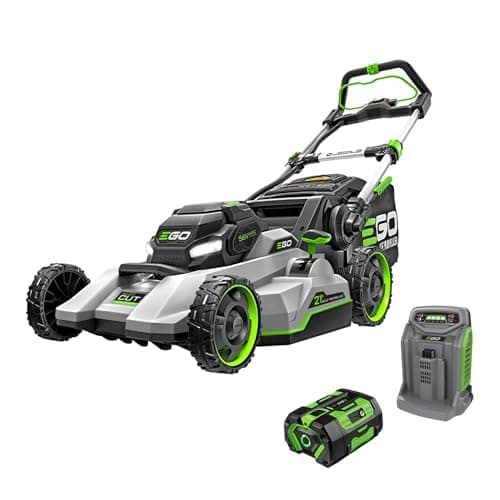
EGO POWER+ Self-Propelled Mower with Select Cut (LM2135SP)
A battery self-propelled mower with single-point height adjustment, so raising the deck half an inch for a heat wave takes one lever.
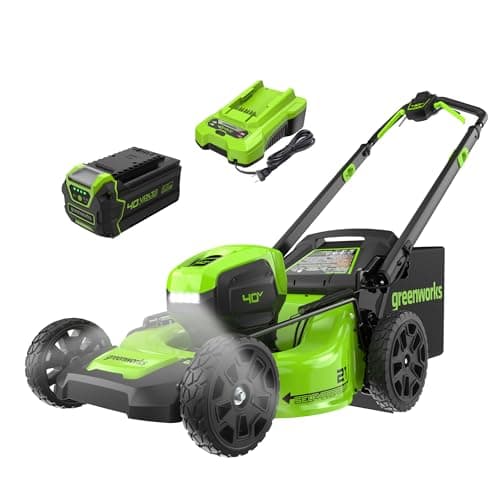
Greenworks 40V 21 inch Self-Propelled Cordless Mower
A cordless self-propelled mower with seven cutting heights and a battery included.
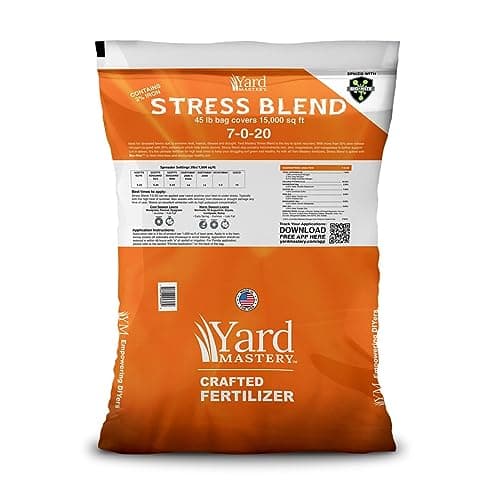
Yard Mastery Stress Blend 7-0-20 (45 lb)
A high-potassium summer fertilizer that improves heat and drought tolerance without pushing the top growth that forces extra mowing.
Advanced Scheduling Strategies for a Truly Greener Summer Lawn
Adapting to Weather Extremes: Heatwaves, Drought, and Heavy Rain
Summer brings unpredictable weather, and your mowing schedule should adapt. During heatwaves (daytime highs over 90°F for several days), raise mowing height by 0.5 inch to protect roots and reduce stress. If grass goes dormant and stops growing, hold off mowing until it greens up after rain or irrigation.
After heavy rain, wait until the soil firms up (use the screwdriver test - if you can’t push it in easily, wait another day). Mowing wet grass leads to ruts, clumping, and disease. If you must mow after a storm, set your mower to its highest setting for the first pass, then resume normal height the following week.
Integrating Mowing with Other Summer Lawn Care
Coordinating mowing with fertilizing, watering, and weed control maximizes your results. Always mow before applying fertilizer or weed control products to ensure uniform contact with the soil and foliage. Water after mowing only if the soil is dry; avoid watering immediately after fertilizing to prevent runoff.
For chemical applications, wait 24-48 hours after treatment before mowing again, unless the product label states otherwise. See our summer lawn fertilization schedule and natural weed control methods for best practices. The key most homeowners miss is timing: mowing too soon after applying products can reduce their effectiveness and risk damaging the lawn.
Special Cases: Slopes, Shaded Areas, and High-Traffic Zones
Challenging areas need custom mowing schedules. On slopes, mow side-to-side for safety and raise the cutting height to avoid scalping. In shaded areas, let grass grow 0.5 inch taller to maximize photosynthesis. High-traffic zones (kids, pets, footpaths) benefit from alternating mowing direction weekly and, if possible, reducing traffic immediately after mowing or rainfall to prevent compaction.
For thin or bare spots, avoid mowing until the turf fills in to at least your minimum cutting height. If you notice persistent problems in these areas, consult our guide on improving soil health for lawns for targeted solutions.
Seasonal Adjustments: Beyond Summer
Transitioning Schedules for Spring and Fall
As temperatures cool in late summer and fall, grass growth slows and your mowing schedule should adapt. For warm-season grasses, begin tapering mowing frequency in late September as growth wanes, raising the cutting height by 0.5 inch for the final 1-2 mows. This protects crowns and insulates roots before winter dormancy.
For cool-season lawns, ramp up frequency in early spring and fall when growth surges. Maintain your target height until growth slows, then drop to a slightly lower height (by 0.5 inch) for the final mow of the season to reduce winter disease risk.

Year-Round Lawn Health Checklist
Use this monthly or seasonal checklist to maintain greenness and density year-round:
- Spring: Begin regular mowing as soon as grass reaches 1/3 above target height. Sharpen blades, check mower maintenance, and apply pre-emergent herbicide (see our guide on Broadcast vs Drop Spreader: Which Should You Use?).
- Summer: Mow at recommended frequency and height. Adjust for weather extremes and integrate with fertilization and watering schedules.
- Fall: Taper mowing frequency, raise height for last mow, clear debris to prevent disease.
- Winter: Remove leaves, avoid mowing dormant turf, and perform annual mower maintenance.
For a detailed month-by-month breakdown, see our year-round lawn care calendar for the optimal sequence of tasks.
Common Mistakes to Avoid
Ignoring Confirmation Tests for Lawn Readiness
Many guides overlook the importance of checking soil moisture and grass height before mowing. Never mow just because it’s “mowing day.” Always confirm the grass is at least one-third taller than your target height and the soil is firm, not soggy. Use the screwdriver test: if you can’t push it 6 inches into the soil, water the lawn or wait for rain before mowing. This simple step prevents unnecessary stress and helps you avoid compaction and scalping.
Timing Errors: Mowing Too Early, Late, or During Heat
Mowing during midday heat (11 a.m. to 4 p.m.), when grass is wilted, or before the lawn has fully dried from rain or dew, can lead to yellowing, disease, and even burn. The best summer mowing schedule for a greener lawn always considers regional differences - mowing at 10 a.m. in Georgia may be fine in June, but a bad idea in Texas in August. Always adjust for local heat and humidity.
Overlooking Safety for Pets and Kids
Debris, mower blades, and chemical residues can pose risks to pets and children. Always inspect the lawn for sticks, toys, and rocks before mowing. Keep kids and pets indoors during mowing, and for at least 24 hours after chemical applications. If you mulch clippings after a weed treatment, keep animals off the lawn until the product has fully dried.
- NC State Extension recommends mowing warm-season grasses like Bermuda every 5-7 days at 1.0-2.0 inches during summer for optimal density and color.
- University of Florida Extension advises raising mowing height by 0.5 inch during drought or heat waves to reduce stress and browning.
Conclusion
The perfect mowing schedule for a greener summer lawn isn’t complicated, but it does demand consistency, attention to detail, and respect for your lawn’s unique needs. Tailor your schedule based on grass type, weather, and seasonal growth patterns. Use professional mowing techniques - proper height, sharp blades, varied patterns - and always confirm readiness before each mow. Avoid common mistakes, especially with timing and safety, to protect both your lawn and your family.
Start building your custom mowing schedule today, and check out our guides on summer fertilization, natural weed control, and year-round lawn care for best results. If you’re considering a new mower, look for features like easy height adjustment and battery compatibility for efficiency and ease - the EGO POWER+ Electric Lawn Mower is a strong choice for most residential lawns.
---Top Picks
- EGO POWER+ Self-Propelled Cordless Lawn Mower (Select Cut, LM2135SP)Check price on Amazon
- Scotts Turf Builder Lawn FoodCheck price on Amazon
- Pennington Full Season Lawn Fertilizer 32-0-5Check price on Amazon
As an Amazon Associate we earn from qualifying purchases.
Free Lawn Care Tools
Mow whenever the grass is about one-third taller than your target height rather than on a fixed calendar. In peak growing season that works out to every 4-7 days for most lawns; in slow periods it can stretch to every 10-14 days.
For most warm-season grasses like Bermuda and Zoysia, mow every 5-7 days. St. Augustine and cool-season lawns may require mowing every 7-10 days depending on growth and weather.
Mow in the morning after the dew dries or in late afternoon to avoid heat stress. Avoid mowing during midday when grass is under most heat stress.
Check that the grass has grown to at least one-third above your target mowing height and the soil is firm, not soggy or bone-dry. A simple screwdriver test can help confirm soil condition.
It's best to mow before applying fertilizer or weed control. After application, wait 24-48 hours before the next mow unless the product label says otherwise for best results.
Mulch clippings whenever possible to return nutrients and help retain soil moisture. Only bag if the grass is too tall, wet, or diseased to prevent spreading problems.
For Bermuda and Zoysia, set between 1.0-2.0 inches; St. Augustine, 3.0-4.0 inches. Use a ruler to measure from ground to blade and adjust for weather or lawn stress.
Track how fast your grass reaches one-third above its target height and mow at that pace. Cool-season lawns grow fastest in spring and fall (mow every 4-7 days) and slow in summer heat (7-14 days), while warm-season lawns peak in summer (4-7 days) and taper off in fall.
Photos: Magda Ehlers / Pexels, Richard REVEL / Pexels, tu nguyen / Pexels

Beat weeds and brown spots from your phone
Snap a photo, get the fix, and follow a plan timed to your soil and weather. Free on iPhone.