
Seasonal Care
Lawn Care Expert
Ask me anything
Seasonal care guides delivered to your inbox
Loading product recommendations...
Unexpected Spring Frosts and Your Lawn 5 Quick Protection Tips
6 sections • 0% read
Spring can jump from warm afternoons to freezing nights in less than a day, catching turf and tender new growth off guard. Those surprise cold snaps can burn leaf tips, slow root activity, and in some cases kill young seedlings or freshly sodded areas.
This guide on unexpected spring frosts and your lawn 5 quick protection tips focuses on exactly what to do in the 24 hours before and after a frost event. With a simple checklist and clear timing, you can avoid permanent damage, keep your spring lawn preparation checklist on track, and protect the work you have already put into overseeding or renovation.
Unexpected spring frosts typically scorch the leaf blades, especially on new growth and freshly seeded or sodded areas. You can verify frost injury by looking for water-soaked or grayish blades in the morning that turn tan or straw colored later the same day, while the soil itself is not frozen hard. Established cool season lawns usually recover, but seedlings and stressed turf are vulnerable.
The fix is to protect ahead of the frost and handle the morning after correctly. The 5 quick protection tips are: water the evening before to slightly warm the canopy, mow a bit higher leading into frost season, cover small high value areas overnight, avoid walking or mowing on frosted grass, and delay high nitrogen fertilizing or herbicide applications until the cold pattern passes. Together, these steps reduce crown damage and preserve root energy.
Recovery timing depends on how far into spring you are. Lightly burned blades typically grow out within 10 to 14 days of normal spring temperatures, especially if you maintain about 1 to 1.5 inches of water per week. Severely damaged seedling areas may need spot overseeding during your fall lawn overseeding & prep guide window, when temperatures are more stable.
Spring frost injury usually affects the leaf tissue first, not the roots. When temperatures drop to around 32°F or below at the turf canopy, ice forms in and on the grass blades. As the sun hits frozen blades, ice crystals expand and rupture cells, which typically causes the classic white or gray look at dawn that turns brown later.
Cool season grasses like Kentucky bluegrass, perennial ryegrass, and tall fescue have some natural frost tolerance. Established lawns of these species usually suffer cosmetic damage only. Warm season grasses such as bermuda grass and zoysia are more sensitive to late frosts because they are just waking up from winter dormancy, so new shoots can be killed back to the crown.
The highest risk zones are:
Confirm frost damage by comparing exposed and protected sections. If grass under a dense shrub canopy or temporary cover looks normal while open areas are bleached and brittle, you are likely seeing frost burn rather than disease or chemical injury.
Light, well timed irrigation is one of the most reliable quick protection tips for unexpected spring frosts and your lawn. Moist soil absorbs and releases more heat than dry soil, slightly moderating the air temperature right at the turf canopy.
If a frost is forecast, water the lawn in the late afternoon or early evening, several hours before temperatures drop. The goal is not to soak the lawn but to bring the soil up toward field capacity. This stored heat is released overnight and can keep the immediate zone around the crowns a degree or two warmer, which sometimes makes the difference between minor leaf burn and deeper injury.
During recovery after frost, maintain steady moisture without overwatering. A good benchmark is to provide about 1 to 1.5 inches of water per week from rain plus irrigation. Use a simple tuna can or rain gauge to measure how much water your sprinklers apply in 15 minutes, then adjust run times so you hit the weekly total in 2 or 3 deeper, less frequent waterings.
Avoid irrigating in the very early morning when frost is still present. Let the sun soften and thaw the blades first. Running sprinklers over hard frost can briefly worsen ice formation on leaf tips, especially if temperatures are still below freezing.
Mowing height and timing play a significant role in how your lawn handles cold snaps. Slightly higher grass provides insulation around the plant crown, where new growth originates, and helps buffer quick temperature swings at soil level.
From late winter into mid spring, aim to keep cool season turf near the upper end of its recommended mowing range. For tall fescue and Kentucky bluegrass lawns, that typically means 3 to 4 inches. For perennial ryegrass, 2.5 to 3 inches is usually appropriate. Avoid suddenly scalping the lawn just before a predicted frost, as this exposes crowns and can significantly increase injury.
Equally important is avoiding traffic on frosted turf. When you walk or mow over grass that is still visibly frosted, the frozen blades are easily crushed and broken, leading to distinct brown footprints or mower tracks that can linger for weeks. Instead:
If your Spring Lawn Preparation Checklist includes the first mow of the year, try to schedule it during a stretch with no overnight frost predicted for at least a few days. That gives the grass time to respond with new growth rather than facing immediate cold stress.
Covers offer some of the fastest direct protection against unexpected, spring frosts for vulnerable sections of your lawn. While you will not cover an entire yard in most home settings, small, high value zones respond well to this method.
Ideal candidates for temporary cover include:
Use lightweight, breathable materials like frost blankets, old bed sheets, or landscape fabric. Support them with stakes or lawn chairs if possible so they do not mat the grass, then secure the edges to reduce wind infiltration. Put covers on before sunset and remove them in the morning once temperatures climb above freezing and direct sun is on the lawn.
Avoid using plastic laid directly on the grass. Unvented plastic can trap moisture against the blades, potentially leading to more severe burn as the sun hits it, and it can also overheat sensitive new growth on the following day.
Nutrient and chemical timing around cold events is a key part of protection. Aggressive fertilizing just before or during a series of frosts can push lush, tender top growth that is more susceptible to injury, while some herbicides can stress turf already dealing with temperature shock.

For cool season grasses, delay heavy nitrogen applications until the pattern of overnight lows in the upper 30s to low 40s is more consistent. Light, balanced feeding is usually safe, but high nitrogen spurts of growth are better reserved for stable conditions, such as early fall (September to October) in many regions when temperatures are cooler yet consistent.
Similarly, be cautious about applying pre-emergent or post-emergent herbicides immediately before a forecast frost, especially on newly seeded areas. Read the product label closely, as many specify minimum temperature windows for safe use, and avoid stacking multiple stresses at once. Integrate these decisions with your Summer Lawn Care: Heat & Drought Strategies so the lawn is not recovering from spring injury while heading into hot weather.
If you were planning a major renovation such as full overseeding, try to schedule it outside the main late frost window for your region whenever possible. For many cool season lawn owners, that means shifting primary seeding to late summer or early fall, as highlighted in most Fall Lawn Overseeding & Prep Guide recommendations.
Once a frost event passes, make a quick but careful assessment so you know whether to simply support recovery or plan repairs. Inspection within the first week usually gives a clear picture of the severity.
Here is a straightforward approach:
If more than roughly 30 percent of an area is bare soil after two weeks of normal temperatures and proper watering, plan for spot overseeding during a favorable window. Choose a grass type suited to your region and existing turf, such as tall fescue or Kentucky bluegrass for many cool season lawns, or bermuda grass in warm season areas, and match your seed rate to the label recommendations for renovation rather than new seeding.
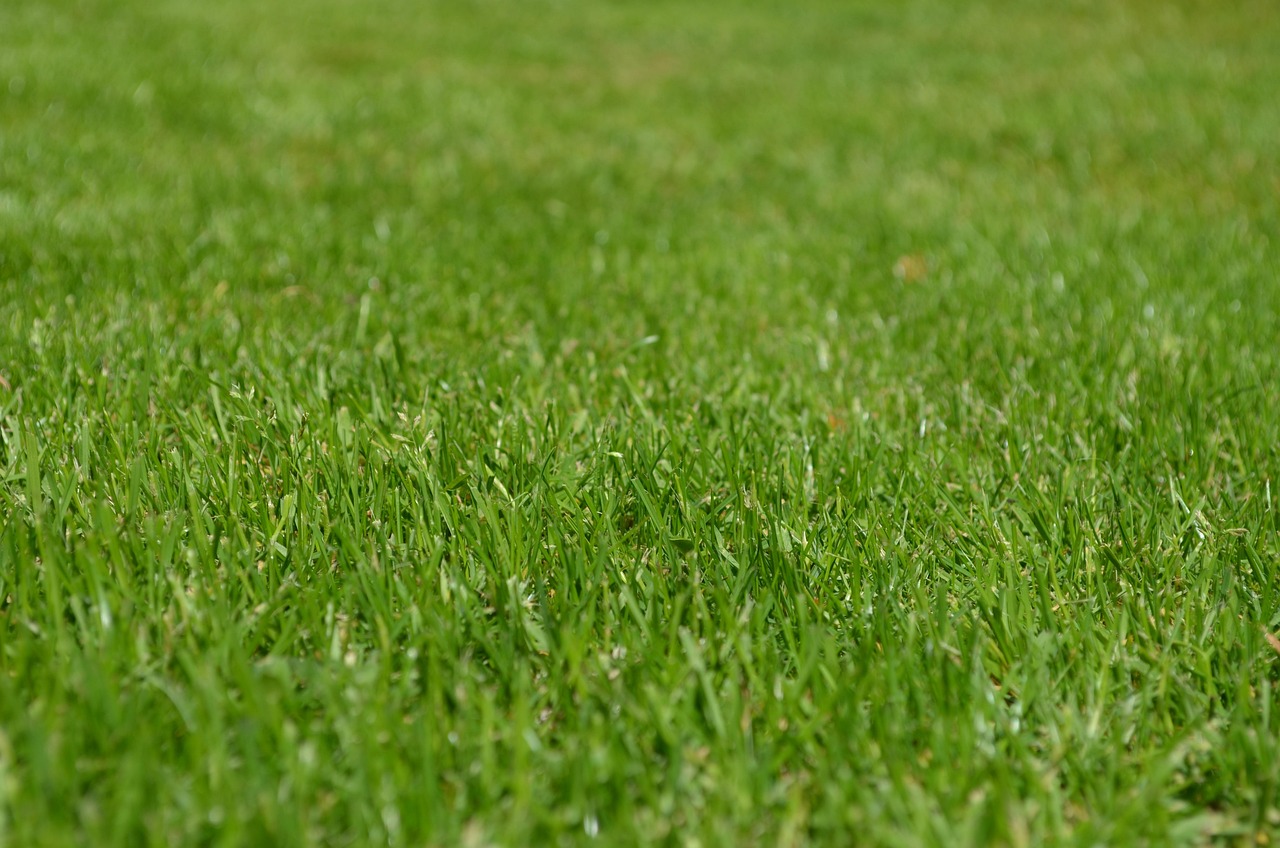
While examining damage, also check for other stressors that might compound frost injury. For example, tug gently on small plugs of turf. If it peels back easily and you see C-shaped white grubs in the top 2 inches of soil, you may be dealing with insect damage as well. A common threshold is that 10+ grubs per square foot requires treatment. Addressing these underlying issues will improve your lawn's resilience to future temperature swings.
Unexpected spring frosts do not have to derail your entire season. By combining smart watering, higher mowing during the risk window, strategic use of covers, careful timing of fertilizer and herbicides, and fast diagnosis of any damage, you can shield your turf and keep it moving toward a dense, healthy summer canopy.
Act now by checking your local forecast for the next 10 days, setting your mower height to the upper recommended range, and preparing basic covers and a watering plan so you can implement these 5 quick protection tips efficiently whenever the next cold snap appears.
Spring can jump from warm afternoons to freezing nights in less than a day, catching turf and tender new growth off guard. Those surprise cold snaps can burn leaf tips, slow root activity, and in some cases kill young seedlings or freshly sodded areas.
This guide on unexpected spring frosts and your lawn 5 quick protection tips focuses on exactly what to do in the 24 hours before and after a frost event. With a simple checklist and clear timing, you can avoid permanent damage, keep your spring lawn preparation checklist on track, and protect the work you have already put into overseeding or renovation.
Unexpected spring frosts typically scorch the leaf blades, especially on new growth and freshly seeded or sodded areas. You can verify frost injury by looking for water-soaked or grayish blades in the morning that turn tan or straw colored later the same day, while the soil itself is not frozen hard. Established cool season lawns usually recover, but seedlings and stressed turf are vulnerable.
The fix is to protect ahead of the frost and handle the morning after correctly. The 5 quick protection tips are: water the evening before to slightly warm the canopy, mow a bit higher leading into frost season, cover small high value areas overnight, avoid walking or mowing on frosted grass, and delay high nitrogen fertilizing or herbicide applications until the cold pattern passes. Together, these steps reduce crown damage and preserve root energy.
Recovery timing depends on how far into spring you are. Lightly burned blades typically grow out within 10 to 14 days of normal spring temperatures, especially if you maintain about 1 to 1.5 inches of water per week. Severely damaged seedling areas may need spot overseeding during your fall lawn overseeding & prep guide window, when temperatures are more stable.
Spring frost injury usually affects the leaf tissue first, not the roots. When temperatures drop to around 32°F or below at the turf canopy, ice forms in and on the grass blades. As the sun hits frozen blades, ice crystals expand and rupture cells, which typically causes the classic white or gray look at dawn that turns brown later.
Cool season grasses like Kentucky bluegrass, perennial ryegrass, and tall fescue have some natural frost tolerance. Established lawns of these species usually suffer cosmetic damage only. Warm season grasses such as bermuda grass and zoysia are more sensitive to late frosts because they are just waking up from winter dormancy, so new shoots can be killed back to the crown.
The highest risk zones are:
Confirm frost damage by comparing exposed and protected sections. If grass under a dense shrub canopy or temporary cover looks normal while open areas are bleached and brittle, you are likely seeing frost burn rather than disease or chemical injury.
Light, well timed irrigation is one of the most reliable quick protection tips for unexpected spring frosts and your lawn. Moist soil absorbs and releases more heat than dry soil, slightly moderating the air temperature right at the turf canopy.
If a frost is forecast, water the lawn in the late afternoon or early evening, several hours before temperatures drop. The goal is not to soak the lawn but to bring the soil up toward field capacity. This stored heat is released overnight and can keep the immediate zone around the crowns a degree or two warmer, which sometimes makes the difference between minor leaf burn and deeper injury.
During recovery after frost, maintain steady moisture without overwatering. A good benchmark is to provide about 1 to 1.5 inches of water per week from rain plus irrigation. Use a simple tuna can or rain gauge to measure how much water your sprinklers apply in 15 minutes, then adjust run times so you hit the weekly total in 2 or 3 deeper, less frequent waterings.
Avoid irrigating in the very early morning when frost is still present. Let the sun soften and thaw the blades first. Running sprinklers over hard frost can briefly worsen ice formation on leaf tips, especially if temperatures are still below freezing.
Mowing height and timing play a significant role in how your lawn handles cold snaps. Slightly higher grass provides insulation around the plant crown, where new growth originates, and helps buffer quick temperature swings at soil level.
From late winter into mid spring, aim to keep cool season turf near the upper end of its recommended mowing range. For tall fescue and Kentucky bluegrass lawns, that typically means 3 to 4 inches. For perennial ryegrass, 2.5 to 3 inches is usually appropriate. Avoid suddenly scalping the lawn just before a predicted frost, as this exposes crowns and can significantly increase injury.
Equally important is avoiding traffic on frosted turf. When you walk or mow over grass that is still visibly frosted, the frozen blades are easily crushed and broken, leading to distinct brown footprints or mower tracks that can linger for weeks. Instead:
If your Spring Lawn Preparation Checklist includes the first mow of the year, try to schedule it during a stretch with no overnight frost predicted for at least a few days. That gives the grass time to respond with new growth rather than facing immediate cold stress.
Covers offer some of the fastest direct protection against unexpected, spring frosts for vulnerable sections of your lawn. While you will not cover an entire yard in most home settings, small, high value zones respond well to this method.
Ideal candidates for temporary cover include:
Use lightweight, breathable materials like frost blankets, old bed sheets, or landscape fabric. Support them with stakes or lawn chairs if possible so they do not mat the grass, then secure the edges to reduce wind infiltration. Put covers on before sunset and remove them in the morning once temperatures climb above freezing and direct sun is on the lawn.
Avoid using plastic laid directly on the grass. Unvented plastic can trap moisture against the blades, potentially leading to more severe burn as the sun hits it, and it can also overheat sensitive new growth on the following day.
Nutrient and chemical timing around cold events is a key part of protection. Aggressive fertilizing just before or during a series of frosts can push lush, tender top growth that is more susceptible to injury, while some herbicides can stress turf already dealing with temperature shock.
For cool season grasses, delay heavy nitrogen applications until the pattern of overnight lows in the upper 30s to low 40s is more consistent. Light, balanced feeding is usually safe, but high nitrogen spurts of growth are better reserved for stable conditions, such as early fall (September to October) in many regions when temperatures are cooler yet consistent.
Similarly, be cautious about applying pre-emergent or post-emergent herbicides immediately before a forecast frost, especially on newly seeded areas. Read the product label closely, as many specify minimum temperature windows for safe use, and avoid stacking multiple stresses at once. Integrate these decisions with your Summer Lawn Care: Heat & Drought Strategies so the lawn is not recovering from spring injury while heading into hot weather.
If you were planning a major renovation such as full overseeding, try to schedule it outside the main late frost window for your region whenever possible. For many cool season lawn owners, that means shifting primary seeding to late summer or early fall, as highlighted in most Fall Lawn Overseeding & Prep Guide recommendations.
Once a frost event passes, make a quick but careful assessment so you know whether to simply support recovery or plan repairs. Inspection within the first week usually gives a clear picture of the severity.
Here is a straightforward approach:
If more than roughly 30 percent of an area is bare soil after two weeks of normal temperatures and proper watering, plan for spot overseeding during a favorable window. Choose a grass type suited to your region and existing turf, such as tall fescue or Kentucky bluegrass for many cool season lawns, or bermuda grass in warm season areas, and match your seed rate to the label recommendations for renovation rather than new seeding.
While examining damage, also check for other stressors that might compound frost injury. For example, tug gently on small plugs of turf. If it peels back easily and you see C-shaped white grubs in the top 2 inches of soil, you may be dealing with insect damage as well. A common threshold is that 10+ grubs per square foot requires treatment. Addressing these underlying issues will improve your lawn's resilience to future temperature swings.
Unexpected spring frosts do not have to derail your entire season. By combining smart watering, higher mowing during the risk window, strategic use of covers, careful timing of fertilizer and herbicides, and fast diagnosis of any damage, you can shield your turf and keep it moving toward a dense, healthy summer canopy.
Act now by checking your local forecast for the next 10 days, setting your mower height to the upper recommended range, and preparing basic covers and a watering plan so you can implement these 5 quick protection tips efficiently whenever the next cold snap appears.
A single light frost typically causes only cosmetic leaf burn on established cool season lawns. You may see tips turn tan, but as long as crowns remain firm and white, new green growth should return within 1 to 2 weeks with proper watering and mowing height.
No, avoid watering over visible frost in the early morning. Instead, water the afternoon or early evening before a predicted frost to slightly warm the soil, then wait until after the frost has melted the next day before irrigating again if needed.
It is better to delay heavy nitrogen fertilization until the risk of repeated overnight frosts has passed. High nitrogen pushes tender growth that is more easily damaged. Light, balanced feeding is usually safe, but hold off on strong applications until temperatures stabilize.
Check the lawn 10 to 14 days after the frost. If crowns are firm and new green shoots are filling in, reseeding is not necessary. If more than about 30 percent of an area remains bare soil with dead crowns, plan for spot overseeding during your next suitable seeding window.
Common questions about this topic
A single light frost typically causes only cosmetic leaf burn on established cool season lawns. You may see tips turn tan, but as long as crowns remain firm and white, new green growth should return within 1 to 2 weeks with proper watering and mowing height.
No, avoid watering over visible frost in the early morning. Instead, water the afternoon or early evening before a predicted frost to slightly warm the soil, then wait until after the frost has melted the next day before irrigating again if needed.
It is better to delay heavy nitrogen fertilization until the risk of repeated overnight frosts has passed. High nitrogen pushes tender growth that is more easily damaged. Light, balanced feeding is usually safe, but hold off on strong applications until temperatures stabilize.
Check the lawn 10 to 14 days after the frost. If crowns are firm and new green shoots are filling in, reseeding is not necessary. If more than about 30 percent of an area remains bare soil with dead crowns, plan for spot overseeding during your next suitable seeding window.