Wisconsin Spring Lawn Care 101 Expert Guide
 Marcus GreenTurf Management Pro | 18 Years
As an Amazon Associate we earn from qualifying purchases.
Brown, matted patches, soggy soil, and random green tufts poking through snow melt are normal sights in a Wisconsin yard in April. Your lawn has just come through months of snow cover, freeze-thaw cycles, salt spray from sidewalks, and often a layer of compacted, oxygen-starved soil. Meanwhile, weed seeds sitting near the surface are primed to explode as soon as things warm up.
Spring lawn care in Wisconsin is not the same as generic advice you see online. Here, we deal with cool-season grasses, late frosts into May, heavy or compacted soils, big differences between northern and southern parts of the state, and lake effect that can delay soil warming. Your timing for fertilizer, pre-emergent, and overseeding must follow soil temperature and local conditions, not a national calendar.
This Wisconsin Spring Lawn Care 101 Expert Guide will walk you through exactly when to start, how to use soil temperatures, how to time pre-emergent and fertilizer, when and how to overseed, how to handle weeds, and how to set up your equipment. I will include both simple homeowner methods and pro-level techniques I used as a golf course superintendent, adapted for a typical yard.
By the end, you will know how to read your lawn after winter, how to build a month-by-month spring timeline, which products to use and when, and how all of this fits into a bigger yearly program alongside topics like Spring Lawn Preparation Checklist, Summer Lawn Care: Heat & Drought Strategies, Fall Lawn Overseeding & Prep Guide, Winter Lawn Protection & Care, and a Monthly Lawn Care Calendar for Wisconsin.
Most Wisconsin lawns come out of winter with a mix of matted, grayish patches from snow mold, thin areas where ice or salt burned the turf, and compacted soil that resists a screwdriver. If you see circular, matted tan or gray patches that start to green up around the edges, that typically indicates snow mold, and the fix is light raking and letting spring growth recover. If you see truly bare soil or straw colored grass that does not show any green after 2 to 3 weeks of active growth, that usually points to winterkill and will require overseeding or even small-scale renovation.
The best early spring move is gentle cleanup and diagnosis, not heavy fertilizing or aggressive raking. Once soil temperatures hit about 50 to 55°F, you should apply a crabgrass pre-emergent before you disturb the soil, then follow with your first moderate fertilizer application as soil temps reach 55 to 65°F and grass is actively growing. Most repair seeding should wait until soil temps are consistently above 50°F, and you should not combine seeding with standard crabgrass pre-emergent in the same spots because the pre-emergent will block your new grass too. Expect 4 to 6 weeks from your early spring work to see a lawn that looks noticeably thicker and more even, and save major corrections for late summer and fall, which is still the prime season for cool-season turf improvement in Wisconsin.
Understanding Wisconsin Lawns in Spring
Cool-Season Grass Types Common in Wisconsin
Almost every Wisconsin lawn is built on cool-season grasses, which actually prefer the temperatures you see in April and May. The main species are Kentucky bluegrass, perennial ryegrass, tall fescue, and the fine fescues (creeping red, chewings, hard fescue). Knowing which one dominates in your yard lets you fine tune mowing height, fertilizer rate, and how you handle spring repair.
Kentucky bluegrass is the classic Midwestern lawn grass. It spreads by rhizomes, so it can fill in small bare spots over time. It handles cold winters well and recovers nicely from moderate damage, but it is slower to green up in spring compared to ryegrass. It likes full sun to light shade and responds well to 3 to 4 pounds of nitrogen per 1,000 square feet per year split across spring and fall, with lighter feeding in summer.
Perennial ryegrass is the sprinter. It germinates very quickly, often in 7 to 10 days in the right soil temperature range, which is why many Wisconsin seed blends include it. It greens up fast in spring and gives a quick cosmetic improvement after winter damage. The tradeoff is shallower roots and less winter hardiness than bluegrass, so you may see more thin spots each spring in rye-heavy lawns.
Tall fescue is gaining popularity in parts of Wisconsin because it tolerates heat and drought better than bluegrass and rye once established. It has a coarser blade, so it is easy to spot, and does not spread much laterally. That means any thin or bare area needs overseeding rather than waiting for the grass to creep in. In shady or tough sites, tall fescue and fine fescues are often the better choice.
Fine fescues, such as creeping red and chewings fescue, handle shade, low fertility, and sandy or poor soils surprisingly well. They have very fine blades and a softer, wispy look, especially when allowed to grow a bit taller. They do not like heavy traffic, and they do not need as much nitrogen as bluegrass. In spring, they often green up decently but may look thinner under stress, which leads a lot of homeowners to over-fertilize them.
To quickly identify what you have, focus on blade width and texture. If your lawn feels like a dense, carpet-like mat with medium-fine blades and spreads to fill small bare spots, Kentucky bluegrass is likely dominant. If you see noticeably coarser, wider blades in clumps, usually taller than the surrounding grass, that is usually tall fescue. If the turf is very fine, almost hair-like in shaded zones, that is likely fine fescue. Perennial rye tends to be shiny on the underside of the blade; fold a blade and you will see that sheen.
Grass type affects your spring strategy in several ways. Bluegrass lawns can handle moderately higher nitrogen, especially in fall, and will respond well to a light to moderate spring feeding. Fine fescue lawns should be fertilized more cautiously, often at about half the nitrogen rate of a bluegrass lawn. Tall fescue can be mowed a bit higher for better drought and heat tolerance. If you are planning overseeding, choosing a blend that matches what is already thriving in your yard is the best long-term move.
Wisconsin Climate Factors That Shape Spring Lawn Care
Wisconsin straddles several USDA hardiness zones and has sharp north-south differences in spring weather. Southern areas like Madison and Milwaukee are typically in zones 5a to 5b, with average last frost dates in late April to early May. Central Wisconsin, around Stevens Point and Wausau, often sees last frosts in early to mid May. Northern Wisconsin, including Rhinelander and Superior, can still get frost well into late May and sometimes early June in cold years.
Snowpack duration and depth matter. In southern Wisconsin, snow may come and go, exposing turf to repeated freeze-thaw cycles. In the north, lawns may sit under deep snow for months, which increases risk of snow mold but can insulate the turf from extreme cold. That difference alone means you might see more snow mold in northern and snow-plow or salt damage around paved areas in southern urban areas.
Lake effect and microclimates complicate things further. Near Lake Michigan, spring air temperatures can lag inland areas, so soil takes longer to warm. Shaded yards, especially on the north side of homes or under mature trees, hold snow longer and warm slower than south-facing open yards. Urban heat islands, like in downtown Milwaukee, push soil temps ahead of rural sites by a week or more. Low-lying areas collect cold air and water, so they may stay soggier and colder into spring.
For timing your work, soil temperature is more important than air temperature. Grass root activity ramps up as soil temperature rises through the 40s into the 50s Fahrenheit. Crabgrass and many other annual weeds germinate as soil hits about 55°F at a 0 to 2 inch depth and stays there for a few days. That is why timing pre-emergent herbicides off soil temp is more reliable than just saying "apply in April."
Cool-season grass growth follows a predictable pattern. There is a surge in growth in spring as temperatures sit between roughly 50 and 70°F, then a slowdown and potential stress period in the heat of summer, followed by another strong growth window in late summer and fall. In Wisconsin, spring is a good time for cleanup, modest feeding, and weed prevention. The heavy lifting for thickening and renovating turf is still best done in late August through September, especially in central and northern parts of the state.
Reading Your Lawn After Winter
Before you plan any product applications, you need to read what winter did to your specific lawn. Walk your yard when the snow is mostly gone, but the soil is still a bit soft underfoot, and look for recurring patterns.
Snow mold shows up as circular or irregular patches of matted, straw colored or grayish turf, sometimes with a pinkish or whitish webbing on the blades right after snow melt. These patches can be a few inches to a foot or more across. If you gently rake them with a leaf rake and the turf lifts and begins to separate, often the underlying crowns are still alive and will recover as temperatures warm.
Vole activity typically leaves narrow, snaking trails of chewed grass, often in areas where snow was deepest or near shrubs and beds. The soil below is usually intact. Lightly raking these trails and letting surrounding grass fill in is often enough, though very heavily damaged spots can be overseeded.
Salt burn appears along sidewalks, driveways, and streets where de-icing salt or salty snow piles accumulated. Grass in those bands may be straw colored and much slower to green up, or seriously thinned. If you dig down an inch or two and the soil feels crusty and you see white residue, salt is likely part of the problem. These areas often need flushing with water in spring and sometimes soil amendment and overseeding later in the season.
Ice damage and winterkill present as areas that stay completely brown with no sign of green even as the rest of the lawn starts to grow. These spots often occur in low areas where water pooled and froze, or on exposed south facing slopes where desiccation (drying out) over winter killed the crowns. To distinguish stressed turf from dead turf, watch for 2 to 3 weeks after the rest of the lawn has clearly started growing. If you still see no green tissue emerging when the rest of the yard is being mowed, that section is likely dead and will need replacement or overseeding.
Use a simple screwdriver test for compaction: try pushing a 6 inch screwdriver or long probe into the soil. If you have to force it and cannot get it down at least 3 to 4 inches when the soil is moist, you have meaningful compaction. Mark these areas mentally or with small flags; they will be prime candidates for aeration later in the year.
Take a few quick photos of problem spots and note where snow banks piled up, where water stands after rain, and where grass looks noticeably thinner. These notes will guide not only this spring's decisions but help you compare year over year as you adjust your program.
Step 1: Timing Your Wisconsin Spring Lawn Care
Using Soil Temperature to Plan Key Tasks
Soil temperature is the backbone of good timing in Wisconsin spring lawn care. Grass growth, weed germination, and microbial activity in the soil are all tied more closely to soil temp than to the first warm day above 60°F.
For crabgrass and many other annual weeds, the key window for pre-emergent herbicide is when soil temperature at a 2 inch depth is around 50 to 55°F for several days in a row. If you wait until the soil is consistently 60°F, you are already late and some crabgrass will have germinated. Professional crews often track this daily because missing that window means more post-emergent weed control later in the season.
For your first spring fertilizer, it is best to wait until soil temperature is around 55 to 65°F and the grass has clearly started growing. A simple clue is that you actually need to mow. Applying fertilizer when the lawn is still mostly dormant or when soil is very cold leads to inefficient use and more potential loss into runoff.
Overseeding cool-season grasses in spring is not ideal compared to fall, but sometimes you need it to repair winter damage. You want soil temperature above 50°F consistently for seed to germinate reliably. That usually trails the pre-emergent window, which is why you cannot use normal crabgrass pre-emergent where you plan to seed.
To measure soil temperature at home, you can use an inexpensive soil thermometer or a digital kitchen thermometer with a 4 to 6 inch probe. Insert it about 2 inches deep in the soil in a representative sunny area around mid-morning, then again in late afternoon. Average the readings over a few days. Alternatively, many land grant universities and state agencies publish daily soil temperature maps online. For Wisconsin, you can search for "Wisconsin soil temperature map" and use a nearby station as a guide, then confirm with a quick thermometer check in your own yard.
Relying only on the calendar fails in Wisconsin because our springs are highly variable. You can have a 60°F week in March followed by a foot of snow in April. If you applied pre-emergent too early and it breaks down before soil truly warms, you lose control during peak germination. If you fertilize while the ground is still cold and saturated, much of that nitrogen is wasted or moves where you do not want it. A simple soil thermometer and a little patience outperform a generic "apply in April" schedule every time.
- Michigan State University Extension recommends timing crabgrass pre-emergent when soil temperature at 2 inches is around 55°F for several days, rather than using calendar dates alone.
Regional Timing Windows Across Wisconsin
While soil temperature is the priority, it helps to have rough calendar ranges as a starting framework. You will adjust these based on the year and your exact location, but this gives you an anchor.
In southern Wisconsin, including Madison, Milwaukee, Janesville, and similar areas, snow melt and basic cleanup often start in late March to early April. Soil temperatures usually hit the 50°F range in mid to late April most years, which is when you would look to apply crabgrass pre-emergent. First spring fertilizer often lines up from late April into early May when you see consistent mowing growth. Overseeding for minor spring repairs, if needed, typically falls from late April into mid May, keeping in mind the tradeoff with pre-emergent in those areas.
In central Wisconsin, around Stevens Point, Wausau, and Marshfield, everything slides later by roughly 1 to 2 weeks in a typical year. Cleanup is often in early to mid April, pre-emergent in late April to early May, and first fertilizer in early to mid May. Late frosts are more common, so you have to be more conservative with aggressive work on wet soils to avoid compaction and ruts.
Northern Wisconsin, from Rhinelander to Superior and up toward the border, often has snow on the ground into April or even May. Cleanup may not be practical until mid or even late April some years. Pre-emergent could fall anywhere from early to late May depending on the year and elevation. The spring window is shorter, and summers can be cool too. That is why fall, especially late August and September, becomes the critical window for seeding and major renovation. Spring efforts here are mostly about protection, basic nutrition, and preventing annual weeds where possible.
In unusually early springs, when snow melts in March and you have a warm stretch, resist the urge to rush pre-emergent applications. Wait until your soil thermometer tells you you are close to that 50 to 55°F range, and then watch the forecast. You want the product down just before or as that soil warms and weed seeds germinate, not a full month early. In unusually late springs, like years with April snowstorms, you may compress your tasks. Pre-emergent and your first fertilizer may end up closer together, with light raking and gentle mowing threaded in as conditions allow.
Building a Simple Spring Lawn Care Timeline
Think about spring in three phases: early spring as snow melts and soil is soggy, mid spring as soil warms and grass is actively growing, and late spring as you transition toward summer conditions. Each phase has different priorities and different "do not do yet" items.
In early spring, right after snow melt when the yard is still soft and squishy, your job is mainly inspection and gentle cleanup. Pick up branches and debris, but avoid heavy foot traffic or equipment on saturated areas. Walking and especially mowing on very soft soils causes ruts and compaction that will cost you more later. Lightly fluff matted snow mold areas with a leaf rake to improve air flow, but do not aggressively rake or dethatch yet.
Mid spring begins once the surface starts to firm up, you see a uniform green haze across the lawn, and soil temperatures climb into the upper 40s and 50s. This is when you plan for crabgrass pre-emergent, the first mow at a slightly higher setting, and your first spring fertilizer. You can also spot-treat broadleaf weeds as they leaf out. If you have areas that clearly did not survive winter, you can plan small overseeding projects once soil temperatures are consistently above 50°F and you have decided whether to skip pre-emergent in those spots.
Late spring in Wisconsin is when grass growth really surges and mowing frequency ramps up, often to weekly or even every 5 to 7 days. Soil temperatures are solidly in the 50s and 60s, weeds are actively growing, and conditions are often moist. At this point, your job shifts to consistent mowing at the right height, steady but not excessive watering if rainfall is lacking, and making sure any herbicides or fertilizers applied earlier have done their work. You also start thinking ahead to early summer strategies from guides like Summer Lawn Care: Heat & Drought Strategies, especially if you have full-sun south-facing lawns.
Step 2: Spring Cleanup and First Mowing
Safe Spring Cleanup After Snow Melt
From my time managing championship greens, the key most homeowners miss in spring is how easily you can set your lawn back by being too aggressive too early. Once snow is mostly gone and the soil surface has started to firm just slightly, you can begin basic cleanup.
Start by walking the property and removing sticks, branches, and winter debris. Use a leaf rake with flexible tines and a light hand to pick up leaves and surface debris. If you see snow mold patches, rake just enough to loosen the matted blades and let light and air in. You do not need to scalp these areas; most will recover if the crowns are alive.
Avoid heavy dethatching in early spring. Mechanical dethatchers or power rakes can rip up still tender crowns, especially in Kentucky bluegrass coming out of dormancy. If you truly have a heavy thatch layer (more than about 0.5 inch spongy layer between soil and green tissue), plan core aeration and more thorough thatch management for late summer or early fall instead. That is when turf recovers fastest.
If your yard is very bumpy after winter, resist the urge to topdress heavily in early spring. Light topdressing to fill small animal holes is fine, but larger leveling projects are better suited to late summer or fall when you can seed and let new grass establish in ideal temperatures.
First Mow: Height, Blade Sharpness, and Pattern
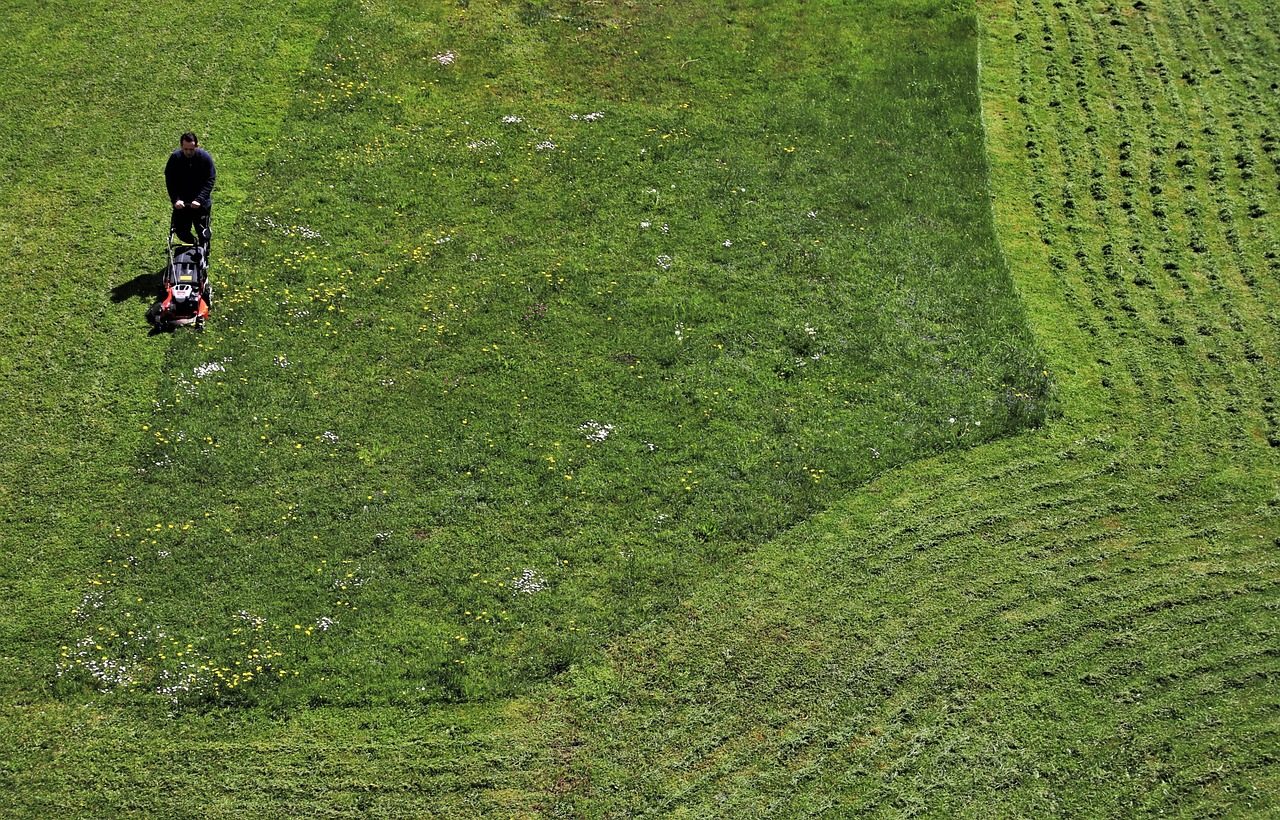
Your first mow is more important than it looks. Mowing height sets the stage for root depth, weed pressure, and summer resilience. For most Wisconsin cool-season lawns, I recommend a mowing height of 2.5 to 3 inches in spring for Kentucky bluegrass and perennial ryegrass, and closer to 3 to 3.5 inches for tall fescue and fine fescues.
Do not "scalp" the lawn in spring. Taking it down very short in hopes of waking it up faster only stresses the turf and opens space for weeds. Follow the one-third rule: never remove more than one-third of the blade in a single mowing. If your lawn has grown to 4 inches, cut it back to roughly 2.5 to 3 inches, not 1.5 inches.
Blade sharpness matters as much in a home lawn as it does on a golf course. A dull blade tears rather than cuts, which leaves frayed tips that brown quickly and invite disease. At the start of the season, sharpen or replace your mower blade. For most homeowners, sharpening once in spring and once in mid-summer is a good minimum schedule.
As soon as the lawn is dry enough to mow without leaving ruts, do your first pass at the higher end of your target range. If you plan to maintain 2.5 to 3 inches, start closer to 3. If you have not mowed for a long period and the grass is tall, raise the deck and take it down in two cuts over a week rather than one heavy cut. Vary your mowing pattern throughout the season to prevent soil compaction and ruts along the same wheel tracks.
Dealing With Snow Mold and Minor Winter Damage
Most cool-season lawns in Wisconsin will show some level of snow mold after winters with extended snow cover. For light to moderate snow mold, the fix is usually simple. Light raking and normal spring growth is enough. As temperatures warm into the 50s and 60s, snow mold fungi go dormant. If the crowns are alive, new leaves will emerge over a few weeks.
Heavy snow mold, where the turf is severely matted and appears dead, can leave thin spots. After you gently rake and give the area 2 to 3 weeks, reassess. If you see green shoots breaking through, let it recover naturally. If the area stays thin or bare, plan to overseed in late spring or, better, in late summer.
Fungicides for snow mold are generally not necessary for home lawns unless you have a history of severe, widespread damage every year. On golf greens we would sometimes preventatively treat high value turf, but for a residential lawn the cost and timing complexity usually are not worth it. Managing leaf litter in fall, avoiding excessive late fall nitrogen, and not letting grass stay too long going into winter are better long term strategies.
Step 3: Spring Fertilizer Strategy for Wisconsin
How Much Nitrogen and When
Spring is a time for modest feeding, not a huge nitrogen dump. For most Wisconsin cool-season lawns, the best approach is to apply about 0.5 to 0.75 pound of actual nitrogen per 1,000 square feet in spring, then save 1 to 2 pounds for late summer and fall applications. Heavier spring fertilization pushes lush top growth that needs constant mowing and can increase disease and summer stress.
Time your first application when soil temperatures are consistently around 55 to 65°F and you have already mowed at least once. This often lines up in late April to early May in southern Wisconsin, early to mid May in central areas, and mid to late May in the north. If you can see that the lawn is actively growing - the mower is taking off real clippings, not just dusting the tips - you are in the right window.
If your lawn came out of winter pale but fairly full, a single spring application at 0.75 pound N per 1,000 square feet is plenty. If it looks reasonably green and you have a strong fall fertility program, you may even choose a very light 0.5 pound N or skip spring feeding in favor of fall emphasis. On the other hand, if your soil test shows a nitrogen and phosphorus deficiency and the lawn is weak overall, you may use up to 1 pound N in spring, split into two smaller applications 4 to 6 weeks apart, but you must then back off in summer.
Choosing Between Slow-Release and Quick-Release
Professional crews approach spring fertilizer with a preference for slow-release nitrogen because it reduces surge growth and lasts longer. For a home lawn, look for products that contain at least 30 to 50 percent slow-release nitrogen sources like polymer-coated urea or sulfur-coated urea. This gives you a more even response over 6 to 8 weeks.
Quick-release nitrogen forms, such as straight urea or ammonium sulfate, green up the lawn fast but can burn turf if overapplied and are more prone to leaching or runoff. They have their place in small, targeted corrections or when soil temperatures are still on the cool side and you want a bit of a nudge. If you use a quick-release product, stay on the lower end of the nitrogen rate, around 0.5 pound N per 1,000 square feet at a time.
Organic or natural fertilizers are an option, especially if you follow an Organic Lawn Care Basics for Midwest Homeowners approach. They typically have lower nitrogen percentages and release slowly as soil microbes break them down. In early spring, when soil is cool, they will work more slowly, but they also build soil health over time. If you go organic, you may apply slightly higher bag rates to meet your nitrogen target, always following label directions.
- Purdue Extension suggests limiting spring nitrogen to around 0.5 to 0.75 pound N per 1,000 square feet and placing the majority of annual nitrogen in late summer and fall for cool-season lawns.
Integrating Fertilizer With Pre-Emergent or Weed and Feed
Many homeowner products combine pre-emergent herbicide with fertilizer. These can be effective if timed correctly, but they remove some flexibility. If you choose a crabgrass preventer plus fertilizer product, apply it according to the pre-emergent timing, which means as soil temperatures window through 50 to 55°F. That may be slightly earlier than your ideal fertilizer date, which is usually acceptable for a single light spring feeding.
Weed and feed products that combine broadleaf herbicide with fertilizer should be approached carefully. Broadleaf herbicides work best when weeds are actively growing and have adequate leaf area, which may not line up perfectly with the best fertilizer timing. They also need to be applied to damp foliage so granules stick, and you should avoid mowing or watering for a couple of days around application. If you only have scattered dandelions and clover, spot spraying with a dedicated broadleaf herbicide and separating fertilizer timing is often more precise and less disruptive.
Do not use pre-emergent plus fertilizer products on any areas where you plan to overseed in spring. The pre-emergent will inhibit germination of your new grass seed just as well as it blocks weed seeds. In those repair zones, you are better off with a starter fertilizer (higher in phosphorus if your soil test permits it) and no pre-emergent, then accept that you may need more post-emergent weed work later.
Step 4: Weed Control and Crabgrass Prevention
Crabgrass and Annual Weed Prevention
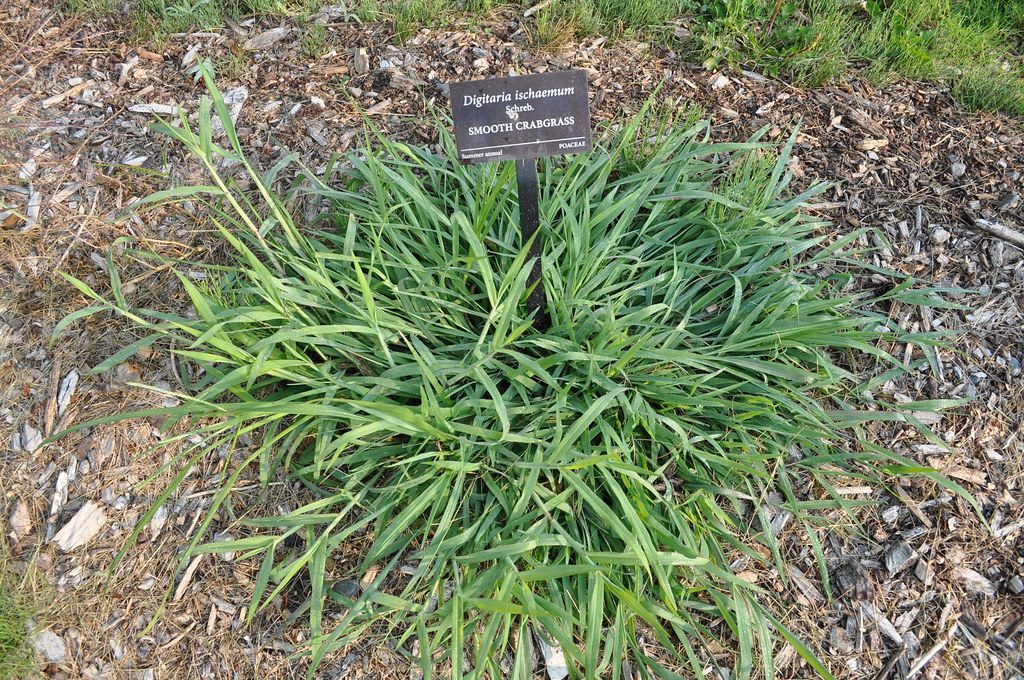
Crabgrass is the main annual grass weed target in Wisconsin spring lawn care. It thrives in thin, compacted, or bare soil areas, especially along driveways and sidewalks where soil heats up faster. The most effective control is a pre-emergent herbicide applied before crabgrass seeds germinate, which typically aligns with soil temperatures of 50 to 55°F for several days.
Products with active ingredients like prodiamine, pendimethalin, or dithiopyr are common for crabgrass prevention. Some, like dithiopyr, also provide early post-emergent activity, which can catch very young crabgrass plants if you are slightly late. Always follow the label for application rate and watering requirements. Most pre-emergents need to be watered in with about 0.25 to 0.5 inch of irrigation or rainfall shortly after application so they move into the top layer of soil where seeds germinate.
Remember that pre-emergent herbicides create a chemical barrier in the topsoil. Any disturbance that breaks that barrier, like deep raking, aeration, or aggressive topdressing after application, can reduce effectiveness. That is why you should finish heavy spring cleanup before you apply pre-emergent, and delay core aeration until fall if you rely on spring crabgrass control.
Broadleaf Weeds: Dandelions, Clover, and More
Broadleaf weeds like dandelions, plantain, and white clover often show up in spring as bright green patches among your emerging turf. The best suppression is a dense, healthy lawn, but spring is also a key window for chemical control if needed.
Selective broadleaf herbicides containing 2,4-D, MCPP, dicamba, or similar active ingredients will control many common weeds without harming established cool-season grasses when used correctly. They are most effective when weeds are young and actively growing, and temperatures are moderate, typically between 60 and 80°F. Applying on a calm day, with no rain in the forecast for at least 24 hours, improves results and reduces drift.
For scattered weeds, spot spraying is usually better than blanket applications. Use a pump sprayer or small hose-end sprayer and treat only the weed clusters. For lawns with heavy infestations, a broadcast application might be justified, but consider whether underlying issues like low mowing, compaction, or poor fertility are the real driver. Fixing those will reduce weed pressure more sustainably than repeated herbicide use.
Avoid spraying herbicides on newly seeded areas until the new grass has been mowed at least 2 or 3 times. Herbicide labels typically specify a waiting period, often 4 to 6 weeks after emergence, to avoid damaging young turf.
Balancing Weed Control With Overseeding Needs
The biggest conflict in spring lawn care is between using pre-emergent herbicides and overseeding to repair winter damage. If you apply a traditional pre-emergent across the whole lawn, you will not be able to seed effectively in those areas for several months. If you skip pre-emergent to seed, you accept more crabgrass and annual weed pressure.
The best long term approach is to rely on fall for major overseeding and renovation. Use spring pre-emergent on most of the lawn to keep warm-season weeds in check, then focus heavier seeding and renovation on late August and September, when cool-season grasses establish best and you can choose different pre-emergent products that are more seed friendly.
If you must repair specific areas in spring, you can zone your lawn. Apply pre-emergent over the healthy majority, then leave a buffer zone of several feet around heavily damaged or bare areas where you skip pre-emergent and instead prepare the soil for seeding. In those unprotected zones, you can use a starter fertilizer with no weed preventer and plan for manual weeding or targeted post-emergent control for any crabgrass that appears later.
Recommended products

The Andersons Barricade Professional-Grade Prodiamine
A granular prodiamine pre-emergent with a long residual, which suits Wisconsin's drawn-out spring warm-up.
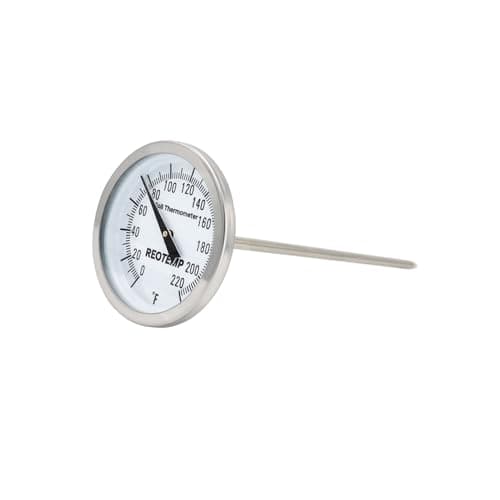
REOTEMP Waterproof Soil Thermometer (5 inch stem)
A soil probe that turns pre-emergent timing from a guess into a measurement.
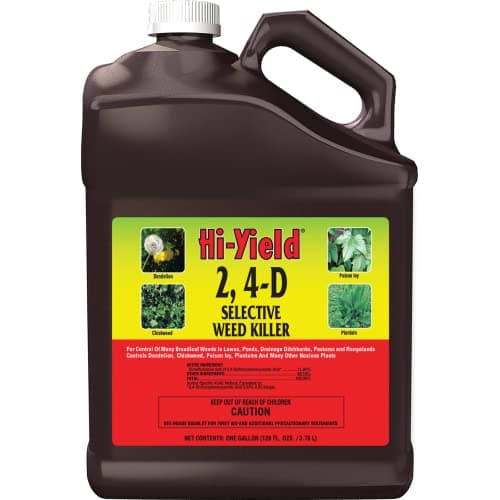
Hi-Yield 2,4-D Amine Selective Herbicide
A broadleaf herbicide for the dandelions and plantain that show up after green-up, safe on cool-season lawns.
Step 5: Overseeding and Repairing Winter Damage
When Spring Overseeding Makes Sense
Spring overseeding is a compromise tool. It is not as effective as fall overseeding in Wisconsin, but it is useful for patching clearly dead spots from winterkill, salt damage, or construction. If more than about 20 percent of the lawn is thin or bare, I recommend planning a serious renovation window in late summer and using spring only for essential patches.
For smaller repair areas, aim to seed when soil temperatures are consistently above 50°F, typically late April to mid May in the south, and May into early June in the north. If you seed earlier into cold soil, germination will be slow and uneven, and seeds are more likely to rot or be washed away.
Seed Selection for Wisconsin Lawns
Choose seed that matches both your existing turf and your site conditions. For sunny lawns with existing Kentucky bluegrass, a high quality bluegrass blend or a bluegrass-perennial rye mix works well. Perennial rye provides quick cover, while bluegrass fills in and dominates over time. For shaded areas under trees or on the north side of homes, look for fine fescue or shade-tolerant mixes that include creeping red fescue and chewings fescue.
Avoid cheap seed blends with high percentages of annual ryegrass or unknown "variety not stated" components. These often produce weak, short-lived turf. Pay attention to the weed seed percentage on the label as well; the lower, the better, ideally close to 0 percent.
Site Prep and Seeding Technique
Proper site preparation is more important than the brand name on the bag. For bare or severely thinned areas, start by loosening the top 1 to 2 inches of soil with a garden rake or small cultivator. Remove debris and break up any crusted surface. If the soil is extremely compacted, you may need to add a thin layer of quality topsoil and blend it into the top inch.
Apply seed at the recommended rate, which for Kentucky bluegrass is usually around 2 to 3 pounds per 1,000 square feet for overseeding, and for perennial ryegrass around 4 to 5 pounds per 1,000 square feet. For small patches, that translates to a light but visible spread of seed across the area. Gently rake the seed into the top quarter inch of soil so most seed is just covered or in good contact with soil.
Topdress lightly with a thin layer of compost or clean topsoil, no more than about 0.25 inch, to help maintain moisture and protect seed. Then keep the area consistently moist with light, frequent watering - typically 1 to 3 light irrigations per day - until germination. Once seedlings emerge, gradually reduce watering frequency and increase depth, aiming for a total of about 1 inch of water per week from rain and irrigation combined as plants mature.
Do not apply crabgrass pre-emergent or broadleaf herbicides to newly seeded areas until the new grass has been mowed at least 2 or 3 times and is well established. For salt damaged strips along sidewalks, also consider leaching salts by deep watering before seeding, and sometimes adding gypsum if soil tests or local advice suggest high sodium levels.
Step 6: Water Management in a Wisconsin Spring
Assessing Moisture and Drainage
Spring in Wisconsin often brings plenty of rainfall, but how your lawn handles that water is a key diagnostic. Low, flat yards with heavy clay soils can stay saturated for days, while sloped, sandy areas may actually dry out faster than you expect once the snowmelt is gone. Both extremes influence root development and disease risk.
Walk your lawn 24 to 48 hours after a moderate rain. If you still see standing water or feel like you are walking on a sponge in certain spots, those areas have drainage or compaction issues. Mark these locations for attention later in the season for core aeration and possibly soil amendment or regrading in serious cases.
When and How Much to Water in Spring
In most Wisconsin springs, you will not need to irrigate much until late spring, if at all. The soil carries moisture from snowmelt and frequent rains. Your role is to avoid adding water when the soil is already saturated. Overwatering in cool conditions encourages shallow rooting and diseases like snow mold and leaf spot.

Use a simple approach: if you can easily insert a screwdriver 4 to 6 inches into the soil and it comes out damp, you do not need to water. When rainfall is scarce for a week or more and you see the turf starting to lose its deep color, footprints remain visible longer than usual, or the soil feels dry 2 to 3 inches down, then add water. Aim for 0.5 to 0.75 inch per week in cool spring weather if rainfall is lacking, increasing to about 1 inch per week as you transition to early summer.
When you do irrigate, water deeply and infrequently rather than lightly and often. Early morning is the best time, between 4 and 9 a.m., to reduce evaporation and leaf wetness period. Evening watering in cool, humid spring conditions leaves leaves wet overnight and raises disease risk.
Step 7: Equipment Setup and Calibration
Spring Mower Maintenance
Professional crews never start a season without fully servicing their mowers, and homeowners should take a lighter version of that same approach. In early spring, before your first mow, inspect your mower. Change the oil if it is due, check or replace the air filter, and make sure the spark plug is in good condition. Confirm your tires are inflated evenly so deck height is consistent.
Remove the blade and sharpen it to a clean edge at a 30 to 40 degree angle. If the blade is heavily nicked or worn thin, replace it. Balance the blade so it does not cause vibration, which can damage the mower and leave an uneven cut. Set your mowing height by measuring from a hard surface to the blade edge. Remember that the number on the deck is not always the actual height.
Calibrating Spreaders and Sprayers
When you apply fertilizer and herbicides, your spreader and sprayer calibration controls whether you are hitting the correct rate. Overapplication wastes money and can damage turf, while underapplication gives poor results.
For broadcast spreaders, most fertilizer bags include suggested settings, but these are only starting points. For higher accuracy, measure a 1,000 square foot test area (for example, 20 feet by 50 feet). Weigh out enough product for that area at your target rate. If you plan to apply 0.75 pound N from a 25 percent nitrogen fertilizer, you need 3 pounds of product per 1,000 square feet. Put that in the spreader, choose a setting, walk your normal pace and see if you run out right at the end of the test area. Adjust the setting up or down until you consistently cover the test area with the desired amount.
For hose-end or pump sprayers used with herbicides, follow label instructions on mixing rates, and test your output over a small known area with plain water first. See how long it takes you to cover 500 or 1,000 square feet at a comfortable walking speed, then use that timing to apply your mixed solution evenly. This is the same process we used on fairways, just scaled down.
What Other Guides Miss
Many generic spring lawn articles miss three critical Wisconsin specific points: soil temperature driven timing, the conflict between spring seeding and pre-emergent, and the importance of fall as your main renovation window.
First, relying purely on the calendar is a mistake in this state. Some years you may still have snow in mid April in central and northern Wisconsin, while other years southern lawns are ready for pre-emergent in early April. If another guide tells you "always apply crabgrass preventer by April 15," treat that as a rough suggestion, not a rule. Confirm with a soil thermometer and adjust to your yard's microclimate.
Second, many guides gloss over the fact that standard crabgrass preventers and spring overseeding do not mix in the same square foot. They may encourage you to "repair winter damage and prevent weeds" in the same pass, which is misleading. In reality, you need to decide which priority wins for any given area this spring, then use fall, as outlined in Fall Lawn Overseeding & Prep Guide, to do the bulk of thickening and upgrading with less weed pressure.
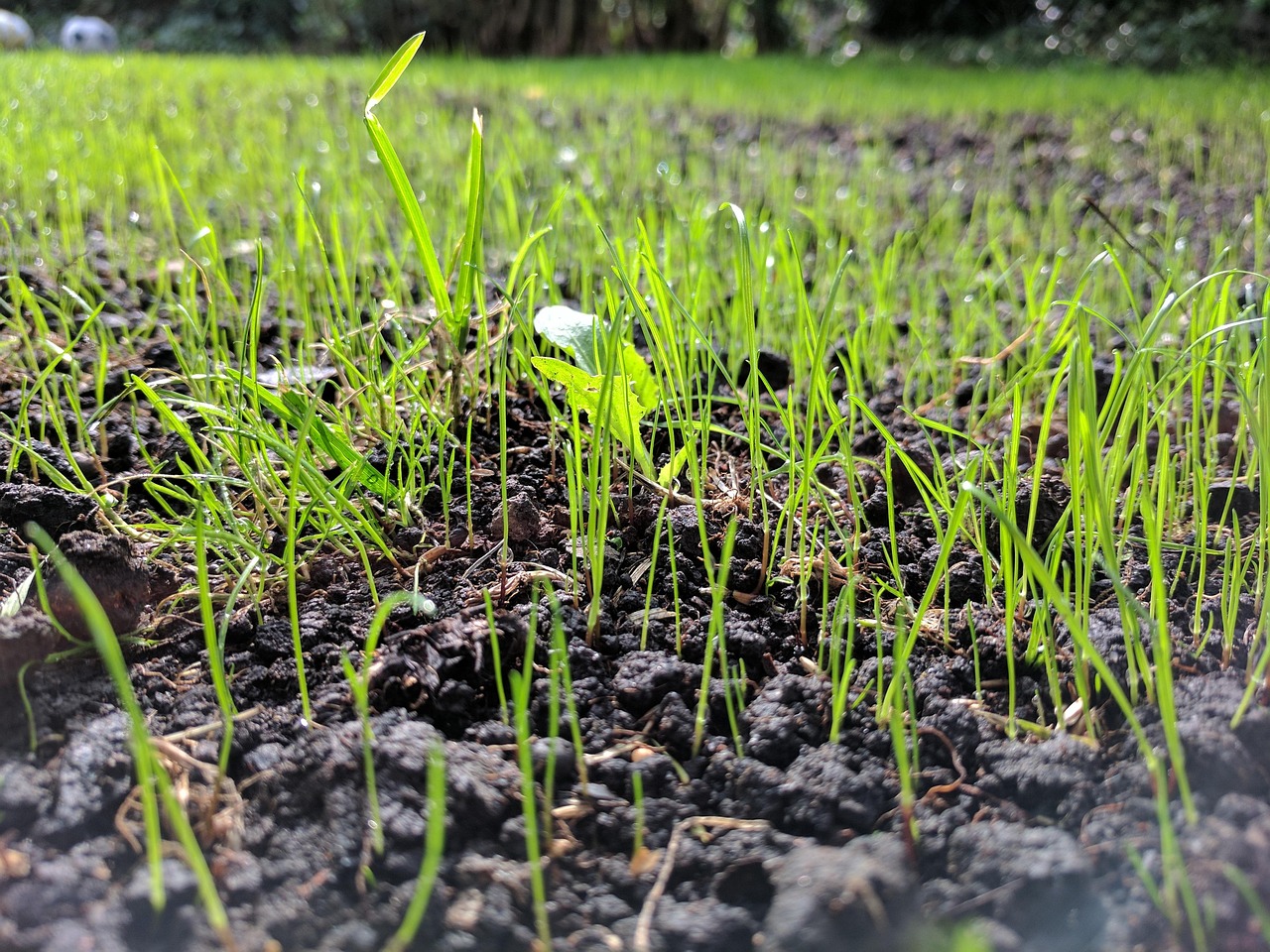
Third, Wisconsin's cool-season grasses respond best to a program where you emphasize fall fertility and renovation. Some national content leans heavily on spring as the main fixing window. In this climate, I recommend using spring for cleanup, prevention, and modest feeding, then planning your major overseeding, core aeration, and heavier fertilization in late August and September. That is the pattern that consistently produced the best results for us on cool-season fairways and roughs in northern regions.
Putting It All Together: A Simple Wisconsin Spring Plan

To pull this into a practical plan, think step by step. As snow melts and the ground begins to firm, walk your lawn, note snow mold, salt damage, and thin spots, and perform light cleanup with minimal traffic on soggy soil. As soil temps approach 50°F, finalize your decision about where you will apply crabgrass pre-emergent versus where you may need to seed later.
Once soil hits about 50 to 55°F at 2 inches, apply your crabgrass pre-emergent over the healthy majority of the lawn, water it in, and avoid disturbing that soil layer deeply afterward. As grass growth picks up and soil moves into the 55 to 65°F range, do your first real mow at 2.5 to 3.5 inches depending on species, and apply a light spring fertilizer at about 0.5 to 0.75 pound N per 1,000 square feet.
Through mid and late spring, maintain a consistent mowing schedule, spot treat broadleaf weeds if needed, and only irrigate if rainfall is inadequate and soil moisture is low a few inches down. In limited zones that suffered winterkill and where you skipped pre-emergent, prepare the soil, seed with an appropriate cool-season blend, and keep those areas moist until established.
As you approach early summer, evaluate your results, adjust mowing patterns or heights if needed, and start planning your late summer and fall work. That is when you will aerate compacted zones, overseed more broadly if necessary, and apply the majority of your annual nitrogen to build a thick, resilient Wisconsin lawn that can handle the cycle all over again next spring.
If you want to build this into a full year system, check out guides such as Spring Lawn Preparation Checklist for a concise task list, Summer Lawn Care: Heat & Drought Strategies for handling July and August stress, Fall Lawn Overseeding & Prep Guide for the main renovation season, Winter Lawn Protection & Care for fall shutdown, and a Monthly Lawn Care Calendar tailored to Wisconsin conditions.
Free Lawn Care Tools
Apply crabgrass pre-emergent when soil temperature at a 2 inch depth is around 50 to 55°F for several days in a row. In southern Wisconsin this often falls in mid to late April, in central areas late April to early May, and in northern regions sometime in May. Always confirm with a soil thermometer rather than using calendar date alone.
For most cool-season lawns in Wisconsin, apply about 0.5 to 0.75 pound of actual nitrogen per 1,000 square feet in spring. Time this application when the lawn is actively growing and you have already mowed once, usually when soil temperatures reach 55 to 65°F. Save the bulk of your annual nitrogen, 1 to 2 pounds, for late summer and fall feedings.
Standard crabgrass preventers will also block grass seed, so you should not use them on areas where you plan to overseed in spring. Instead, divide the lawn into zones: apply pre-emergent on healthy areas and skip it on damaged zones that need seeding. In those repair spots, use a starter fertilizer and accept you may need more post-emergent weed control later.
Snow mold is a fungal disease that appears as circular, matted, tan or gray patches after snow melts, especially following long, wet snow cover. For light to moderate cases, gently rake the matted turf to improve air flow and allow new growth to come through, and most areas will recover within a few weeks. Severe patches that stay thin can be overseeded once soil warms above 50°F.
After light raking and a proper spring fertilizer application, you should see color and density improve within 2 to 4 weeks as temperatures warm. If you overseed damaged spots in late April or May, expect germination in 7 to 21 days depending on species and soil temperature, and another 3 to 4 weeks for seedlings to fill in enough to mow. Full blending with the existing lawn often takes most of the growing season.
In many Wisconsin springs, natural rainfall is enough, so irrigation is only needed during extended dry periods. Check soil moisture by pushing a screwdriver 4 to 6 inches into the ground; if it goes in easily and comes out damp, skip watering. When rainfall is lacking for a week or more and the soil is dry 2 to 3 inches down, apply about 0.5 inch of water per week in spring, increasing toward 1 inch as you move into early summer.
Photos: RDNE Stock project / Pexels, simpleinsomnia / Openverse, koocbor / Openverse

Beat weeds and brown spots from your phone
Snap a photo, get the fix, and follow a plan timed to your soil and weather. Free on iPhone.