Summer Lawn Watering Schedule by Grass Type and Climate
 James ThorntonLawn Equipment & Maintenance Expert | 20 Years
As an Amazon Associate we earn from qualifying purchases.
The summer sun is relentless, and so is its toll on your lawn. Every year, I see yards go from lush green to dry brown almost overnight when the heat sets in. It’s not just the temperature - how (and when) you water is what truly determines whether your grass thrives or wilts in the dog days of summer.
Here’s the truth: watering your lawn isn’t a one-size-fits-all job, especially when the mercury climbs. The specific needs of your grass type - cool-season or warm-season, shade-lover or sun-hog - make all the difference. After two decades of maintaining thousands of lawns, the pattern is clear: tailored watering beats generic advice every single time.
This complete guide cuts through the noise and delivers advanced, actionable watering tips to help you beat the summer heat for your exact grass type. I’ll cover how to identify your lawn, set the right watering schedule, troubleshoot common issues, and use the best tools and strategies to keep your grass healthy all season long. No fluff - just proven, practical advice to help your yard stay green, even when summer is at its toughest.
Most lawns show summer stress as wilting, dull-green blades, and footprints that linger after walking. Confirm drought stress by pushing a screwdriver 6 inches into the soil; if it’s tough to get in, your lawn is too dry. Water deeply in the early morning, aiming for 1-1.5 inches per week for cool-season grass or 0.75-1 inch for warm-season grass, applied in 2-3 sessions.
Avoid daily light watering and never water at night, as this invites disease. Results show in 7-10 days with proper watering, but don’t expect instant recovery if your grass is dormant. Stick to the schedule, avoid overwatering, and check coverage regularly to prevent wasted water and patchy growth.
Understanding Your Grass Type: Why It Matters in Summer
Identifying Your Grass Type
Knowing your grass species is the foundation of any effective summer lawn care strategy. The most common cool-season grasses are Kentucky Bluegrass, Fescue, and Ryegrass, while warm-season types include Bermuda, Zoysia, St. Augustine, Centipede, and Bahia. Cool-season types prefer spring and fall, thriving in northern regions, and struggle during summer heat. Warm-season types are at their peak in the heat and dominate the South.
Visual clues help: Kentucky Bluegrass has fine, boat-shaped tips; Fescue blades are wider and coarser; Ryegrass is shiny underneath. Bermuda and Zoysia are dense and fine-textured, while St. Augustine has broad, coarse blades. If you’re unsure, check with your local extension office or use a grass identification photo guide. Our Grass Database features detailed species photos and regional guides to help you confirm what’s growing in your yard.

How Grass Types Respond to Summer Heat
Heat tolerance varies dramatically. Bermuda and Zoysia can handle weeks of 90°F weather, while Kentucky Bluegrass and Fescue may go dormant or even die back if temperatures stay high without adequate water. Cool-season grasses slow growth above 85°F and may turn brown (dormant), which is a natural survival response, not always a sign of death. Warm-season grasses usually stay green and vigorous but can still suffer in extended drought.
Signs of heat stress include wilting, dull or bluish-green color, and slower growth. If you see brown patches, check if the crowns are still alive - dormant grass revives with rain or irrigation, but dead grass pulls up easily, roots and all. Monitoring your lawn’s reaction to heat is essential for setting the right watering plan.
Search Intent Alignment: Why Tailored Watering Works
Each grass type has different rooting depths, growth rates, and water needs. Generic advice can lead to shallow roots, disease, and wasted water - especially in summer. Deep, infrequent watering tailored to your grass type promotes drought resistance and healthy growth. Cool-season grasses need more frequent, deeper soaking, while warm-season types thrive with less frequent, but still deep, watering. Tailoring your approach is key to beating the summer heat and maintaining a resilient, green lawn.
The Science of Watering: Timing, Frequency, and Amounts
Best Times to Water: Maximizing Every Drop
Watering in the early morning (before 9 a.m.) is the gold standard, as explained in our guide to the best time of day to water your lawn. This minimizes evaporation, gives roots time to absorb moisture before the day’s heat, and prevents disease by ensuring the grass dries before nightfall. If mornings aren’t possible, late afternoon (4-6 p.m.) is the next best, but avoid late evening watering, as wet grass overnight is a recipe for fungal problems.
During heat waves or droughts, stick to early morning whenever possible. If local watering restrictions force midday irrigation, shorten the session and monitor for runoff. Build your custom watering schedule by observing your lawn, using weather data (many smart timers adjust automatically), and matching irrigation to your grass type’s specific needs.
How Much Water Does Your Grass Really Need?
Cool-season grasses need 1-1.5 inches of water per week in summer, delivered in 2-3 deep sessions. Warm-season grasses need 0.75-1 inch per week, often split into 1-2 sessions. Don’t guess - use a rain gauge or a few empty tuna cans placed around the yard to measure sprinkler output. Overwatering leads to shallow roots and disease, while underwatering causes wilting and brown patches.
Signs you’re overwatering: persistent soggy spots, mushrooms, and rapid weed growth. Signs of underwatering: wilting, color change to grayish-green, and footprints that linger. Use a soil moisture meter or the screwdriver test (should go in easily to 6 inches) to confirm. Our Grass Database recommends tracking weekly rainfall and irrigation to avoid guesswork.
Deep Watering vs. Frequent Light Sprinkling
Deep, infrequent watering encourages roots to grow downward, making your lawn more drought-resistant and less prone to stress. Frequent, shallow watering leaves roots near the surface, where they dry out faster. This leads to weak turf and increases the risk of thatch and fungal disease.
To check for proper saturation, perform the “screwdriver test”: after watering, push a screwdriver or soil probe into the lawn. If it slides in easily to 6 inches, you’ve watered deeply enough. If not, increase your watering time. Skip the marketing claims - after maintaining thousands of lawns, this simple test beats any fancy gadget for confirming true soil moisture.
Tailored Watering Tips for Popular Grass Types
Cool-Season Grasses (Kentucky Bluegrass, Fescue, Ryegrass)
Cool-season grasses struggle most in summer’s peak. Kentucky Bluegrass and Ryegrass prefer temps below 80°F, while Fescue handles heat a bit better but still suffers above 85°F. When the heat hits, these grasses may go dormant - turning brown but not dead - to protect themselves. It’s critical to never let them go more than 2-3 weeks without at least 0.5 inch of water to prevent permanent damage.
Water deeply two to three times per week for a total of 1-1.5 inches. Raise your mowing height to 3-4 inches to shade the soil, and avoid fertilizing in summer unless you use a slow-release product sparingly. Overseeding is best done in early fall, as covered in Overseeding Cool-Season Lawns in Fall.

Special care: Don’t force a dormant cool-season lawn to green up with excess water - this can stress the grass and encourage disease. Instead, maintain minimal irrigation (about 0.5 inch every 2 weeks) until cooler weather returns.
Warm-Season Grasses (Bermuda, Zoysia, St. Augustine, Centipede, Bahia)
Warm-season grasses thrive in summer’s heat, with Bermuda and Zoysia at their most vigorous above 85°F. These types have deeper roots and better drought tolerance, but still need regular watering during dry spells. Aim for 0.75-1 inch per week, split into one or two deep sessions. Sandy soils require more frequent, shorter watering, while clay holds moisture longer - adjust accordingly.
Transition your irrigation from spring (lighter, frequent) to summer (deeper, less frequent) as temperatures rise. Monitor for “hot spots” that dry out faster, especially near sidewalks or slopes. Fertilize warm-season lawns safely using low-salt, slow-release products as described in How to Fertilize Warm-Season Lawns Safely. Avoid high-nitrogen fertilizers in extreme heat, as this can burn your turf.
Our mowing data shows the optimal height for Bermudagrass is 1.0-2.0 inches; for Zoysia, 1.0-2.5 inches. Raising mowing height slightly in summer can help conserve moisture and reduce stress.
Mixed Lawns and Transitional Zones
If your yard contains a mix of cool- and warm-season grasses, or you live in a transition zone (like the Midwest or mid-Atlantic), you face unique challenges. Different areas of your lawn may require different care. Focus on the dominant species, but monitor all zones for stress. In extreme heat or drought advisories, prioritize minimal survival watering (0.5 inch every 2 weeks) to prevent permanent loss.
Regional watering strategies matter. Northern zones may need more frequent summer irrigation for cool-season types, while Southern and Transition Zones can get by with less. Our Grass Database regional guides break down timing and frequency for each climate zone, helping you fine-tune your watering plan no matter where you live.
| Grass Type | Summer Watering Need (inches/week) | Typical Mowing Height (inches) |
|---|---|---|
| Kentucky Bluegrass | 1-1.5 | 2.5-3.5 |
| Fescue | 1-1.5 | 3-4 |
| Ryegrass | 1-1.5 | 2-3 |
| Bermuda | 0.75-1 | 1-2 |
| Zoysia | 0.75-1 | 1-2.5 |
| St. Augustine | 0.75-1 | 2.5-4 |
| Centipede | 0.75-1 | 1.5-2.5 |
| Bahia | 0.75-1 | 2-4 |
This table summarizes typical summer watering needs and mowing heights. Adjust based on your soil, weather, and local restrictions.
Advanced Watering Strategies to Beat the Summer Heat
Smart Irrigation Systems and Tools
Smart irrigation systems can take much of the guesswork out of summer watering. Programmable hose timers, soil moisture sensors, and Wi-Fi controllers like the Orbit 21004 B-hyve Smart Hose Watering Timer with Wi-Fi Hub allow you to automate and optimize your schedule based on real-time weather and soil data. These tools are particularly helpful for busy homeowners or anyone under strict watering restrictions.
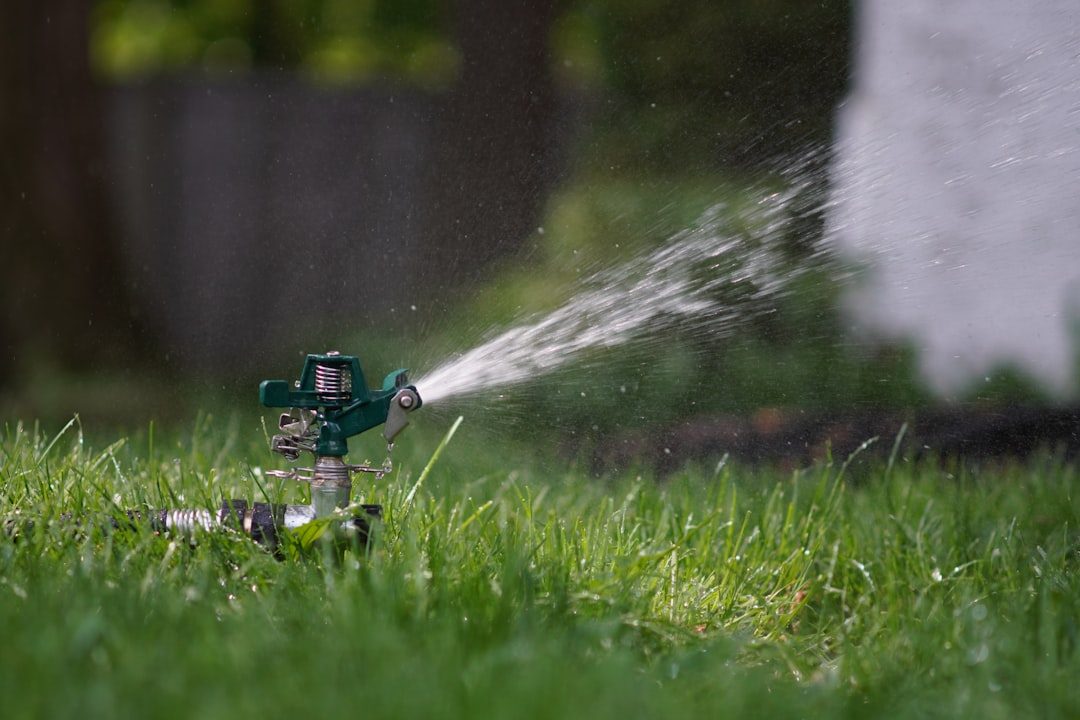
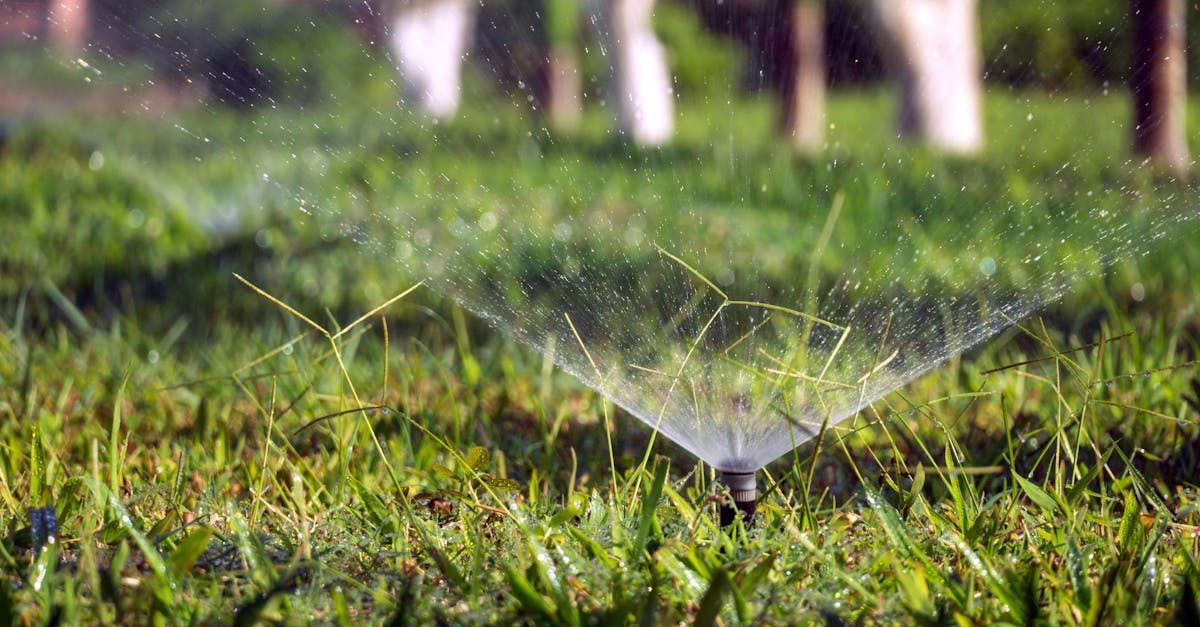
Calibrate your sprinklers to ensure even coverage: place several cans or rain gauges across your lawn and run the system to measure output. Adjust heads as needed to eliminate dry spots and prevent runoff. If your smart system isn’t delivering consistent results, check for clogged nozzles, low pressure, or outdated weather data.
Mulching, Topdressing, and Soil Health
Mulching grass clippings returns moisture and nutrients to your soil, helping it retain water during heat waves. For even better results, consider topdressing with a thin layer of compost or organic matter early in summer - this improves soil structure and water-holding capacity. Aeration breaks up compaction and allows roots to access water more efficiently. For more details, see The Benefits of Lawn Aeration.
Skip the marketing hype - you don’t need expensive equipment for basic aeration or mulching. A simple core aerator and a standard spreader for compost will do the job for most homeowners.
Water Conservation Hacks for Hot, Dry Summers
When water is scarce or costly, every drop counts. Collecting rainwater in barrels is a practical way to supplement irrigation, especially for spot-watering areas most prone to drought. Some homeowners successfully use graywater (like cooled bath or laundry water) for non-edible landscape areas, but always check local codes first.
If summer drought is an annual problem, consider overseeding with drought-tolerant varieties or converting part of your lawn to heat-resistant groundcovers. Creating a water-wise lawn care plan means prioritizing deep, infrequent watering, mowing high, and focusing on soil health for long-term resilience.
- Penn State Extension recommends watering lawns with 1 to 1.5 inches of water per week during summer, applied in 2-3 deep sessions to promote deep rooting.
Recommended products
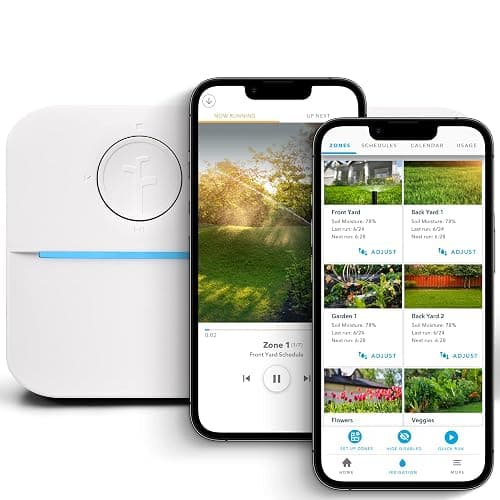
Rachio 3 Smart Sprinkler Controller (8-Zone)
A Wi-Fi irrigation controller that adjusts run times to local weather and skips cycles after rain.
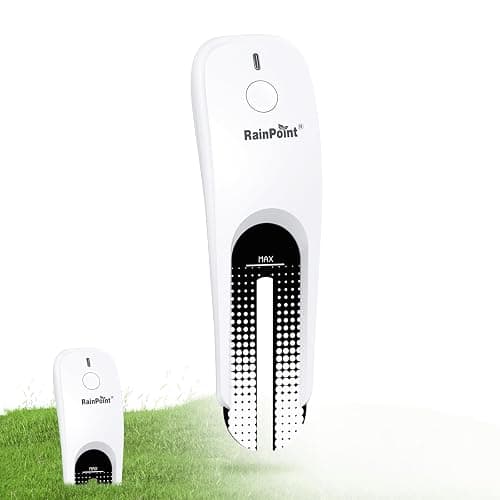
RAINPOINT 3-in-1 WiFi Soil Moisture Sensor
A probe that reports soil moisture at root depth to your phone, so watering decisions rest on data rather than on how the surface looks.
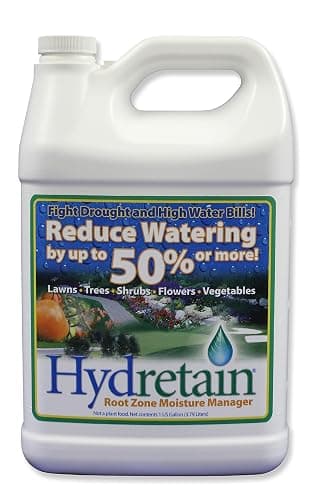
Hydretain Root Zone Moisture Manager
A soil surfactant that holds moisture in the root zone and stretches the interval between waterings.
Diagnosing and Fixing Watering Problems
Recognizing Heat Stress vs. Watering Issues
It’s easy to confuse drought stress with disease or pest damage - but the fix is very different. Drought stress shows as dull, bluish-gray grass, wilting, and footprints that don’t spring back. To confirm, perform a “tug test”: grab a handful of brown grass and pull gently. If it resists and stays rooted, it’s dormant or stressed, not dead. If it comes up easily with no white roots, you may have chinch bug or grub damage.
Use this simple color chart for quick diagnosis:
- Grayish-green: Drought stress
- Yellow: Nutrient deficiency or early disease
- Brown: Dormancy or severe drought/pest damage
- Spots/rings: Fungal disease

If in doubt, check the soil moisture with a probe and inspect roots for signs of life before adjusting your watering plan.
Troubleshooting Sprinkler Coverage and Runoff
Uneven sprinkler coverage is a common source of patchy turf. Run a catch-can test: place several small cans or rain gauges around the lawn, run your system for 15 minutes, and compare the water collected. Adjust head direction, replace clogged nozzles, or increase pressure as needed. If you see water running off before soaking in, your soil may be compacted or you’re applying too much at once - split watering into shorter cycles to allow absorption.
Good soil permeability prevents runoff and allows roots to access water. If your soil is hard or water pools on the surface, aerate and topdress to improve infiltration. This is especially important for clay soils or high-traffic areas.
Lawn Watering Throughout the Year: Seasonal Adjustments
Spring Watering Adjustments
As your lawn emerges from winter dormancy, begin watering lightly and gradually increase frequency as temperatures rise. The goal is to encourage roots to grow deep before summer stress arrives. Monitor spring rainfall and only irrigate when rainfall is insufficient. Avoid overwatering cool soils - excess moisture in spring can promote disease.
Fall and Winter Considerations
As days shorten and temperatures fall, scale back watering to avoid promoting late-season growth that’s vulnerable to winter injury. In warm climates, occasional winter watering may be needed to prevent desiccation, especially for St. Augustine or Zoysia. For a complete seasonal checklist, see Fall Lawn Care Checklist.
Year-Round Monitoring and Maintenance
Modern irrigation controllers and weather-based timers help you adjust your watering automatically in response to rain and temperature. Check your system monthly for leaks, clogs, and calibration issues. Our Grass Database recommends regular schedule updates based on seasonal weather patterns in your region for the best year-round performance.
Common Mistakes to Avoid
Watering at the Wrong Time: The “Timing Trap”
Late evening and midday watering are two of the biggest mistakes homeowners make. Nighttime irrigation keeps grass wet, encouraging fungal disease, while midday watering wastes water to evaporation. In arid climates, some midday watering may be necessary during extreme heat, but always monitor for runoff and adjust as needed.
Confirmation Tests Most Skip
Many homeowners never use the screwdriver or soil probe test and end up either under- or overwatering. It’s also common to forget checking sprinkler calibration - uneven coverage leads to brown patches no matter how much you water. Take the extra five minutes for these tests to confirm real soil moisture and system performance.
Safety Around Pets and Kids
Over-applying wetting agents or fertilizers on freshly watered lawns can create residue that irritates pets and children. Always follow label instructions and keep kids and pets off the lawn until the product is absorbed and the grass is dry (usually 24 hours). Avoid applying products during peak heat, as this increases burn risk and reduces effectiveness.
What Other Guides Miss
After maintaining thousands of lawns, I see the same mistakes repeated in most online guides. Many skip confirmation steps like the screwdriver test, leading to misdiagnosis and wasted water. Few mention the importance of calibrating your irrigation system - a single misaligned head can undo weeks of careful watering. And almost no one talks about product safety around pets and kids, which is critical during summer when lawns see the most foot traffic. Always verify with hands-on tests and never rely solely on generic advice.
Conclusion
Beating the summer heat is about working smarter, not harder. Tailor your watering schedule to your grass type, water deeply and infrequently in the early morning, and confirm your results with simple soil tests. Use the right tools - like a smart timer or a basic rain gauge - and keep your system calibrated. Don’t forget safety when applying products, and always adjust for seasonal changes. The right watering habits now set your lawn up for success all year long.
For more expert strategies, check out our guides on How to Control Lawn Weeds in Summer, Best Lawn Fertilizers for Hot Weather, and DIY Lawn Irrigation System Setup. Stay ahead of summer stress and keep your lawn looking its best, no matter how high the temperature climbs.
Top Picks
- Scotts Turf Builder Lawn FoodCheck price on Amazon
- Scotts Turf Builder Grass Seed Bermudagrass (4 lb)Check price on Amazon
- Milorganite Lawn and Garden Nitrogen Fertilizer 6-4-0Check price on Amazon
As an Amazon Associate we earn from qualifying purchases.
Free Lawn Care Tools
Cool-season grasses need 1-1.5 inches of water per week, split into 2-3 deep sessions. Warm-season grasses need 0.75-1 inch per week, usually in 1-2 sessions.
Early morning before 9 a.m. is ideal to reduce evaporation and disease risk. Avoid late evening or midday watering whenever possible.
Use a rain gauge or place cans around your lawn to measure sprinkler output. The screwdriver test can confirm if soil is moist to a 6-inch depth.
Overwatering shows as soggy soil, mushrooms, and increased weed growth. Persistent puddles or yellowing grass may also indicate too much water.
Yes, smart timers like the Orbit 21004 B-hyve Smart Hose Watering Timer with Wi-Fi Hub automate watering based on weather and soil moisture, saving time and water.
For cool-season grasses, short-term dormancy is natural during heat. Maintain minimal watering (0.5 inch every 2 weeks) to prevent permanent damage.
Photos: Magda Ehlers / Pexels, www.kaboompics.com / Pexels, Engin Akyurt / Pexels

Beat weeds and brown spots from your phone
Snap a photo, get the fix, and follow a plan timed to your soil and weather. Free on iPhone.