Best Summer Lawn Fertilizers to Keep Your Grass Green and Healthy
 Sarah MitchellLawn Diagnostics Specialist | 12 Years
As an Amazon Associate we earn from qualifying purchases.
Every summer, I see the same challenge repeat across neighborhoods: brown patches, tired-looking grass, and frustrated homeowners wondering why their lawns never seem to hold up once the heat sets in. Between heatwaves, water restrictions, and the extra wear from backyard gatherings, even the best-kept lawns can lose their green edge. Yet, some yards remain lush and vibrant all season-usually thanks to a smart, tailored fertilizer approach. The right summer lawn fertilizer doesn’t just green up your grass; it helps your turf survive and recover from everything summer throws at it, leaving your yard looking better than your neighbor’s (even if they secretly keep tabs on your routine).
This guide will walk you through the science and strategy behind choosing the best summer lawn fertilizers to keep your grass green and healthy. We’ll break down the unique challenges of summer lawn care, compare the top fertilizer options for different grass types and regions, and provide step-by-step application techniques. Whether you’re new to fertilizing or looking to optimize an already solid routine, you’ll find expert-level answers, product picks, and troubleshooting tips that help you avoid common mistakes and make the most of every application.
If your lawn is fading to yellow or brown mid-summer, the most likely causes are heat stress, drought, or a lack of nitrogen. Confirm by checking soil moisture 3-4 inches below the surface (it should feel slightly damp, not dry) and inspecting leaf blades for pale green or yellowing, which signals nutrient deficiency. If you’re seeing patchy color or stunted growth, your grass probably needs a slow-release summer fertilizer.
Apply a fertilizer designed for summer use-preferably with slow-release nitrogen-early in the morning or late evening. Water in with at least 0.5 inches immediately after application. Avoid fertilizing during midday heat or on drought-stressed turf, as this can cause burn. You’ll usually see healthier, greener grass within 7-14 days if conditions are right.
The Best Summer Lawn Fertilizer Overall
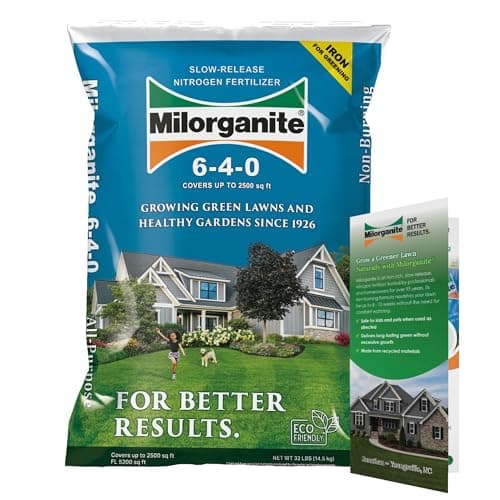
If you just want one bag of lawn food for summer that works on almost any lawn, my pick is Milorganite Lawn and Garden Nitrogen Fertilizer 6-4-0. Its slow-release, low-salt organic formula carries very low burn risk at label rates, even in hot, dry weather, which is exactly the failure mode that ruins summer feedings, though no fertilizer should go on drought-stressed turf. It is safe around pets and kids when used as directed (keep them off until it has been watered in and the lawn has dried), works across all grass types, and improves soil health over time rather than just forcing a quick flush of growth.
The tradeoff is patience: Milorganite greens up more slowly than synthetic blends, but the results last longer. If you have a warm-season southern lawn like Bermuda, Zoysia, or St. Augustine and want a faster, standout green-up during its peak growth window, Pennington Full Season Lawn Fertilizer 32-0-5 is the stronger choice. The full comparison table below covers both, plus five more picks for specific situations.
Understanding Summer Lawn Stress and Fertilizer Needs
Summer brings a unique set of challenges for lawns. High temperatures, drought, more frequent mowing, and extra foot traffic all add stress. Each of these factors affects how your grass grows-and how it responds to fertilizer.
Heat and drought directly impact photosynthesis. When soil temperatures rise above 85°F, cool-season grasses like Kentucky bluegrass and fescue begin to slow their growth or even go into dormancy. Warm-season grasses such as Bermuda and Zoysia thrive in the heat, but they too can struggle if rainfall is scarce or soil nutrients are depleted.
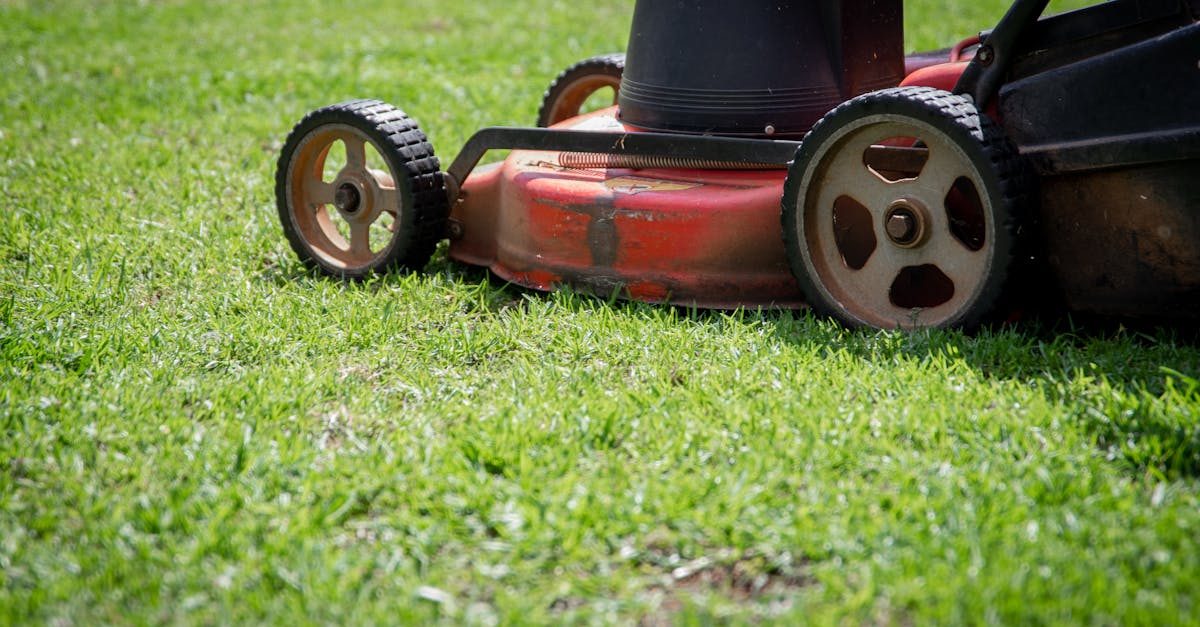
Increased activity is another often-overlooked factor. Summer means kids playing, pets running, and backyard parties-all of which compact soil and bruise grass blades. This extra stress depletes energy reserves that would otherwise fuel growth and recovery.
The nutrient needs of your lawn shift in summer. While spring and fall are peak times for root development, summer is when leaves and stems need steady nutrition to stay thick and green. Without timely fertilization, your lawn may lose its resilience, turning patchy or thin-especially after drought or heavy use.
But too much fertilizer is just as risky. Over-fertilizing in hot weather increases salt buildup and can burn the turf, especially with quick-release products. Under-fertilizing leaves grass weak and more susceptible to pests, weeds, and disease. The science behind summer fertilizers focuses on delivering nutrients gradually, supporting leaf growth without overstimulating the grass or risking burn. Spring and fall blends often have higher phosphorus or fast-release nitrogen, which can be too aggressive for sensitive summer turf.
What Makes the Best Summer Lawn Fertilizers?
The best summer lawn fertilizers are formulated to meet your grass’s specific needs during the hottest, most stressful months. Here’s what sets them apart:
Key Ingredients and Nutrient Ratios Explained
When you want richer color without forcing growth, look for added micronutrients: iron deepens green quickly and magnesium supports chlorophyll formation. Some summer blends also include wetting agents that help water and nutrients penetrate dry, hydrophobic soils.
Nitrogen (N), phosphorus (P), and potassium (K) are the three primary nutrients in any fertilizer. In summer, nitrogen takes center stage-it fuels green growth and helps grass recover from wear and drought. However, too much nitrogen, especially in quick-release form, can scorch your lawn in high temperatures.
Phosphorus supports root growth but is typically less critical in summer unless your soil test shows a deficiency. Potassium (the third number in the NPK ratio) is essential for drought resistance and stress tolerance, helping your grass survive heat and recover from damage. Many top summer fertilizers have a higher nitrogen content with moderate potassium and little or no phosphorus, such as a 32-0-5 ratio.
Slow-release nitrogen-derived from sources like ureaform, sulfur-coated urea, or organic matter-feeds grass gradually over several weeks. This steady supply minimizes burn risk and keeps growth consistent, unlike quick-release forms that deliver a heavy dose all at once. Micronutrients like iron and magnesium can also help intensify green color, especially if your soil is sandy or depleted.
Fertilizer Types and Their Impact
Not all fertilizers are created equal, especially in summer. The two main types are quick-release (soluble) and slow-release (controlled or organic). Quick-release fertilizers deliver nutrients fast-sometimes within days-but can burn grass in high heat and leach away with heavy rain. Slow-release formulas feed over 6-8 weeks, reducing burn risk and supporting steady growth, which is ideal for most summer situations.
Organic fertilizers (composts, manures, bio-based products) release nutrients as microbes break them down, improving soil health over the long term. Synthetic or mineral fertilizers offer more precise N-P-K ratios but don't feed soil organisms. Specialized "bloom boosters" add phosphorus or trace elements to stimulate flowering, but must be matched to your lawn and flower types to avoid imbalances.
Granular vs. Liquid Fertilizers: Pros and Cons
Granular fertilizers are the most common choice for summer lawns. They’re easy to apply with a broadcast spreader, provide even coverage, and come in both quick- and slow-release formulas. Granular products are especially effective for larger lawns and for homeowners who want a steady, low-maintenance feeding schedule.
Liquid fertilizers, on the other hand, work quickly and can be applied with a hose-end sprayer. They’re ideal for spot treating problem areas or for spoon-feeding lawns that need a gentle but fast-acting boost. However, liquids generally require more frequent applications and can be harder to apply evenly across large areas. For most summer situations, granular slow-release blends are safest and easiest, unless you’re addressing a specific deficiency or patchy area.
Organic vs. Synthetic Summer Fertilizers
Organic fertilizers rely on natural materials-composted manure, feather meal, or biosolids-to supply nutrients. The biggest advantages are soil health and safety: organic fertilizers feed soil microbes, improve structure, and are less likely to burn grass, even in summer heat. They’re an excellent choice for pet owners, families, or anyone building long-term soil fertility. The tradeoff is slower results and, sometimes, a distinct smell (especially with biosolids).
Synthetic fertilizers offer precise nutrient control and rapid green-up but carry a higher risk of burn if misapplied. Runoff and salt buildup can also be concerns, particularly in sandy soils or over-irrigated yards. I often recommend organic options like Milorganite Lawn and Garden Nitrogen Fertilizer 6-4-0 for cool-season lawns or for those focused on sustainability. Synthetic blends like Pennington Full Season Lawn Fertilizer 32-0-5 shine where fast results are needed, especially for warm-season grasses like Bermuda.
Choosing between organic and synthetic often comes down to your priorities-quick results and convenience versus long-term soil health and environmental impact. Our guide on Organic vs Synthetic Fertilizers goes deeper into this comparison if you’re weighing your options.
Recommended N-P-K by Grass Type (Summer)
Use this as a quick reference for matching fertilizer ratio and rate to your grass type during the summer feeding window:
| Grass Type | Recommended Fertilizer | N-P-K Ratio | Application Rate (per 1,000 sq ft) |
|---|---|---|---|
| Kentucky Bluegrass/Fescue | Slow-release, low N | 15-0-15 | 0.3-0.5 lb N |
| Bermuda/Zoysia | Slow-release, moderate N | 24-0-10 | 0.5-1.0 lb N |
| St. Augustine | Balanced, iron-enriched | 15-0-15 + Fe | 0.5 lb N |
Best Summer Lawn Fertilizers (Plus the Spreader to Apply Them) to Keep Your Grass Green and Healthy
Let’s diagnose this step by step: I evaluate summer fertilizers based on their effectiveness, safety (burn risk and pet safety), value, customer reviews, and adaptability to different grass types and regions. Here’s how the best options stack up for 2026:
| Product | NPK Ratio | Best Use | Release Type | Coverage |
|---|---|---|---|---|
| Milorganite Lawn and Garden Nitrogen Fertilizer 6-4-0 | 6-4-0 | All grass types, organic/safe | Slow-release | 2,500-5,000 sq ft |
| Pennington Full Season Lawn Fertilizer 32-0-5 | 32-0-5 | Warm-season (Bermuda), fast green-up | Slow + quick-release | 5,000 sq ft |
| Scotts Turf Builder EdgeGuard Mini Broadcast Spreader | - | All grass types (application tool) | - | Up to 5,000 sq ft |
| Espoma Organic Lawn Food | 7-0-2 | Cool-season, eco-friendly | Slow-release | 2,500 sq ft |
| Lesco 24-0-11 Professional | 24-0-11 | High-traffic, potassium boost | Slow-release | 10,000 sq ft |
| Safer Brand Lawn Restore | 9-0-2 | Pet/kid safe, organic | Slow-release | 5,000 sq ft |
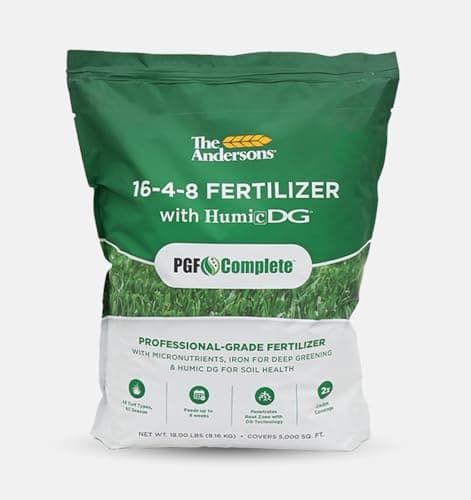
| Andersons PGF Complete 16-4-8 | 16-4-8 | Transition zones, all types | Slow + fast-release | 5,000 sq ft |
This table compares the main features and best uses of each leading summer lawn fertilizer. Here’s my breakdown of which to choose-and when:

Milorganite Lawn and Garden Nitrogen Fertilizer 6-4-0: The safest bet for most homeowners, especially in summer. Its slow-release, low-salt formula means very low burn risk at label rates, even in hot, dry weather (though no fertilizer should go on drought-stressed turf). Because it’s organic, it’s also a good fit for families with pets or kids when used as directed (keep them off until it has been watered in and the lawn has dried), and it works well across all grass types. It’s slower to green up than synthetics, but results last longer and soil health improves over time. Best for cool-season lawns or anyone focused on sustainability and safety.
Pennington Full Season Lawn Fertilizer 32-0-5: A high-nitrogen, iron-fortified blend designed for warm-season grasses like Bermuda, Zoysia, and St. Augustine. The mix of quick- and slow-release nitrogen delivers fast green-up without the spike-and-crash effect some synthetics cause. If you want your southern lawn to stand out in the heat, this is a top pick. Avoid on cool-season lawns during summer, as aggressive nitrogen can stress non-active turf.
Scotts Turf Builder EdgeGuard Mini Broadcast Spreader: While not a fertilizer itself, this tool is my go-to recommendation for even, controlled application of any granular summer fertilizer. The EdgeGuard feature prevents product from scattering into beds or onto sidewalks-helping avoid waste and accidental damage to non-lawn areas. Essential for lawns over 2,000 sq ft or if you’re aiming for professional-level results at home.
The other listed products offer specialty features-like Espoma Organic Lawn Food for eco-conscious cool-season lawns, Lesco 24-0-11 for potassium-hungry high-traffic turf, and Safer Brand Lawn Restore for pet safety. Andersons PGF Complete 16-4-8 is a balanced choice for transition zones or mixed lawns.
Specialty Fertilizers for Unique Needs
If you have pets or small children, prioritize organic or natural-based fertilizers, which are typically safer and break down more gently. For drought-prone or sandy soils, look for products with higher potassium (K) to help your grass retain water and recover faster. Eco-friendly options like Milorganite or Safer Brand Lawn Restore are strong choices for environmentally sensitive areas. For high-traffic lawns, a fertilizer with added potassium, like Lesco 24-0-11, helps turf bounce back from wear.
Best Fertilizer for Brown Grass in Summer
Brown grass in July is usually a water problem before it is a nutrient problem, so confirm the lawn is getting about an inch of water per week before you reach for a bag. Once watering is dialed in, the best fertilizer for brown grass is a slow-release formula with added iron, such as Milorganite or a 16-4-8 with micronutrients. Iron restores color quickly without forcing tender new growth that summer heat will punish. Avoid fast-release, high-nitrogen products on a browning lawn; they can burn stressed turf and make the patches worse. If the grass is fully dormant rather than dying, hold off entirely and let it wake up on its own when temperatures drop.
Best Fertilizer for Grass in Summer Heat
When daytime highs sit above 85F, the best fertilizer for grass in summer is one that feeds gently: slow-release or organic nitrogen, a healthy dose of potassium for heat and drought tolerance, and little to no phosphorus. That is why hot weather formulas tend to cluster around ratios like 16-4-8 or 32-0-5 with at least half the nitrogen in slow-release form. Warm season grasses like Bermuda and zoysia can take a normal feeding in summer because they are in their peak growth window. Cool season lawns are the opposite: in true hot weather it is safer to skip feeding altogether and resume in early fall.
Mid-Summer Lawn Fertilizer: What to Use in July and August
By mid-summer the goal shifts from pushing growth to holding color and easing stress. For a mid summer lawn fertilizer, lean on slow-release nitrogen or an iron supplement rather than a heavy quick-release feed. Warm season grasses in their peak window can still take a measured feeding, while cool season lawns are usually better left alone until early fall. Potassium becomes the quiet hero here because it drives heat and drought tolerance, which is why a mid-summer feed often pairs a modest nitrogen rate with a healthy potassium number. Our companion guide on when to use high-potassium summer fertilizer covers that tradeoff in detail.
Best Fertilizer for Bermuda and St. Augustine Grass in Summer
Warm season grasses feed differently even from each other. For Bermuda grass in summer, a higher-nitrogen slow-release blend in the 16-4-8 to 24-0-10 range supports its aggressive peak-season growth, applied while the lawn is actively growing and watered. For St. Augustine, the same slow-release approach works, but many homeowners switch to an iron-focused feed in the hottest weeks to deepen color without forcing the soft top growth that invites chinch bugs and fungus. Zoysia sits between the two and does well on a light, steady slow-release program. In every case, match the exact rate to your bag label and your local extension office's warm-season schedule rather than a generic number.
How to Apply Summer Lawn Fertilizer for Maximum Results
Even the best fertilizer can cause problems if you apply it at the wrong time or with poor technique. Here’s what you need to know:
Timing: When Is the Best Time to Fertilize in Summer?
For cool-season lawns (Kentucky bluegrass, fescue, rye), summer fertilization is tricky because these grasses slow or go dormant once soil temperatures hit 80-85°F. If you fertilize too late or during a drought, you risk burning or wasting product. The best timing is early summer-late May through mid-June in most northern regions-right as spring growth tapers off but before the heat peaks.
For warm-season grasses (Bermuda, Zoysia, St. Augustine), summer is their main growth period. Fertilize once in late spring and again in mid-summer (June to August), provided your lawn is actively growing and receiving enough water. Never fertilize on drought-stressed turf or during a heatwave (above 90°F), as this can cause severe burn. Our Grass Database recommends splitting total annual nitrogen into 2-4 applications for best results, with summer receiving the heaviest dose for warm-season types.
Results usually show in 7-14 days, depending on weather and watering.
Optimal Fertilization Windows
Timing is everything in summer lawn care. For cool-season lawns (Bluegrass, Fescue) in the North and Transition Zone, late spring (May-June) is the final window for significant feeding-after that, wait until late summer or early fall to avoid heat stress. For warm-season lawns in the South, the prime fertilization window is late spring through midsummer (May to early August), when these grasses are actively growing.
Always check the weather before fertilizing. Avoid application if a heat wave (daily highs above 90°F for several days) or drought is forecast, or if heavy rain is expected within 24 hours. The ideal time of day for application is early morning or evening, when temperatures are cooler and dew helps absorb nutrients.
Can You Fertilize in 90-Degree Heat? Safe Temperature Rules
Temperature is the single best predictor of whether a summer feeding helps or hurts. As a rule of thumb, the risk of fertilizer burn climbs sharply once daytime highs sit in the upper 80s and above, especially with quick-release nitrogen on cool season turf. Warm season grasses tolerate more heat because they are actively growing, but even they do poorly when fed during an active heatwave or drought. Use the ranges below as a planning guide, then defer to your product's bag label and local extension office for the final call.
| Daytime High | Cool-Season (Fescue, Bluegrass) | Warm-Season (Bermuda, Zoysia, St. Augustine) |
|---|---|---|
| Below 80F | Safe to feed, ideal window | Safe to feed |
| 80F to 85F | Feed with caution, slow-release only | Safe with slow-release |
| 85F to 90F | Hold off, or use iron for color only | Feed lightly, slow-release, water in well |
| Above 90F, heatwave, or drought | Do not feed, wait for fall | Wait for the heat to break |
Whatever the forecast, apply in the cool of early morning or evening, never onto drought-stressed turf, and water in right away.
Frequency and Application Calendar
How often should you fertilize in summer? Here's a typical schedule:
- Cool-Season Lawns: Once in late spring (May/June), skip midsummer unless irrigated, then again in late August/September
- Warm-Season Lawns: Every 6-8 weeks from late spring through early August
Newly seeded or sodded lawns need lighter, more frequent feedings (about 0.25 lb N per 1,000 sq ft every 4-6 weeks), while established lawns can handle the standard rates. Integrate fertilization with other summer tasks-mow 1-2 days before, water lightly 12-24 hours prior, and consider aeration or dethatching if compaction is an issue.
Summer Fertilizer Schedule by Month: June, July, and August
Here is how a typical summer breaks down month by month. Treat it as a starting point and adjust for your climate and the season's weather, and always follow your product's label rate.
| Month | Cool-Season Lawns | Warm-Season Lawns |
|---|---|---|
| June (early summer) | Final light feeding before the heat, slow-release, low nitrogen | First main summer feeding as growth ramps up |
| July (mid-summer) | Skip feeding unless irrigated and cooler, use iron for color | Mid-summer feeding on a 6-8 week cycle if actively growing |
| August (late summer) | Wait for temperatures to drop, then resume for fall | Last summer feeding early in the month, then taper before fall |
Step-by-Step Application Checklist
Here’s a proven application sequence I use for summer lawns:
- Mow your lawn 1-2 days beforehand to 1/3 below your usual height (never scalp). Remove clippings if grass is thick.
- Water the lawn lightly (0.25-0.5 inches) 24 hours before fertilizing if soil is dry. Never fertilize parched turf.
- Choose a cool part of the day-early morning or late evening. Avoid midday when sun and temperatures peak.
- Load your granular fertilizer into a broadcast spreader like the Scotts Turf Builder EdgeGuard. Set the dial according to the product’s coverage rate (usually 3-5 lbs per 1,000 sq ft).
- Walk at a steady pace, overlapping slightly for even coverage. Apply half the product in one direction, then the other half at 90 degrees for the best result.
- Water in with at least 0.5 inches immediately after application. This activates nutrients and prevents burn.
- Keep pets and kids off the lawn until it dries (2-4 hours for granulars, 24 hours for some organics).
Uneven spreading is the number one cause of patchy color and fertilizer burn. Always calibrate your spreader, and if in doubt, err on the side of under-application-you can always add more, but you can’t take it back.
Advanced Tips for Experienced Lawn Owners
If you want a truly elite summer lawn, consider split applications: apply half your summer dose in early June, and the other half in early July. This maintains growth and color longer without overwhelming the grass. Foliar feeding (spraying diluted liquid fertilizer directly on leaves) can help revive stressed areas but should be done early in the day and never in full sun. Spoon-feeding-applying small amounts every 2-3 weeks-works best for high-maintenance lawns or golf-course-level results.
Integrate soil testing at least once every two years to fine-tune your nutrient plan. If your soil pH is off (below 6.0 or above 7.5), some nutrients may be unavailable to the grass even if you fertilize. See How to Test Your Lawn’s Soil and How to Improve Soil pH for Grass for diagnostics and fixes.
Adapting Your Summer Fertilizer Strategy by Grass Type and Region
Lawn care isn’t one-size-fits-all. Both your grass type and region determine the best summer fertilizer strategy. Here’s how to adapt:
Cool-Season vs. Warm-Season Lawns
Cool-season grasses (Kentucky bluegrass, fescue, rye) grow best in spring and fall, slowing or going dormant in summer. Fertilize lightly in early summer, then pause until late August or September. Over-fertilizing in summer can push weak, disease-prone growth. Warm-season grasses (Bermuda, Zoysia, St. Augustine) hit their stride in summer and need their largest feeding now. Choose a high-nitrogen, moderate-potassium fertilizer, and apply when the grass is actively growing and well-watered.
Transition zones (the belt from Kansas to the Carolinas) may have mixed lawns. Use balanced products like Andersons PGF Complete 16-4-8 and pay special attention to local weather patterns.
Drought-Prone, Shady, or High-Traffic Lawns
In drought-prone zones, reduce summer fertilizer rates by 25-50% unless you irrigate regularly. Use slow-release or organic products to avoid flushes of growth that can't be supported by available moisture. In shade, grass grows more slowly and needs less fertilizer-focus on micronutrients and disease management instead.
High-traffic lawns (play areas, sports fields) require more frequent monitoring for compaction and wear. Aerate as needed, and consider a mid-summer application of potassium-rich fertilizer to support recovery after heavy use.
Regional Adjustments
Humid regions (Southeast, Midwest) often struggle with disease when over-fertilized, especially on cool-season turf. Use slow-release, lower-nitrogen blends and monitor rainfall. In arid or drought-prone areas (Southwest, Rockies), potassium-rich fertilizers help grass retain water and recover. Sandy soils leach nutrients quickly, so smaller, more frequent applications are safer. Clay soils can lock up nutrients if pH is off-test and amend as needed.
High rainfall areas may need extra potassium and micronutrients, as these are easily washed away. In all cases, adjust your watering to match fertilizer application-1 to 1.5 inches per week is ideal, split into 2-3 deep soakings.
Our Grass Database recommends 4.0 lbs of nitrogen per 1,000 sq ft annually for Kentucky bluegrass, split across spring, early summer, and fall. For Bermuda, annual totals can reach 5-6 lbs per 1,000 sq ft, with the majority applied in summer.
Year-Round Lawn Health: Transitioning from Summer to Fall
Proper summer fertilization builds reserves for fall recovery. Grass that’s well-fed in summer bounces back faster from drought, disease, or wear once temperatures cool. Plan your next step by reading our Fall Lawn Fertilizer Guide for a smooth transition and to set up next year’s growth.
- Purdue Extension recommends limiting summer nitrogen applications on cool-season grasses to 0.5-0.75 lbs per 1,000 sq ft to avoid burn and disease risk.
Pro Tips to Keep Your Grass Green and Healthy All Summer
Fertilizer alone won’t keep your lawn green if you ignore watering and mowing. Here’s how to build true resilience:
Watering and Fertilizer Synergy
Water deeply and infrequently-aim for 1 to 1.5 inches per week, ideally in the early morning. This encourages deep roots and maximizes nutrient uptake. Shallow, frequent watering leads to weak, drought-prone turf and can waste fertilizer. If you see wilting, bluish-gray blades, or footprints that linger, your lawn is drought-stressed and needs water before any fertilizer.
Always water in granular fertilizer with at least 0.5 inches immediately after application. This activates nutrients and prevents burning. Avoid watering during midday or in the evening when humidity is high to reduce disease risk.
Integrated Lawn Care Routines
Combine fertilization with proper mowing (see How Often Should You Mow Your Lawn in Summer) and aeration (see Lawn Aeration: When and Why). Aeration before summer fertilization helps nutrients penetrate compacted soil. Overseeding is best saved for fall, but patch-seeding thin areas in early summer can help maintain density if done carefully.
Monitoring Lawn Health
Use color and growth rate as feedback. Healthy lawns should grow steadily and maintain a rich green color. Pale, slow-growing grass usually signals nitrogen deficiency. If the lawn turns dark green but grows excessively fast, you may have over-fertilized. Watch for patchiness or burned spots-these indicate uneven application or drought stress.
If in doubt, check with a soil probe or screwdriver. If you can’t push it 6 inches deep, soil is compacted or dry and needs attention before fertilizing.
- Contact your local extension office for region-specific summer fertilization advice and recommended products.
Common Mistakes to Avoid with Summer Lawn Fertilizers
This is where most online guides fall short-they give blanket recommendations but ignore real-world pitfalls. Here’s what other guides miss and how to avoid the most common mistakes:
Applying Fertilizer at the Wrong Time
Summer timing is critical. Fertilizing during midday heat or right before a drought can burn your lawn or waste nutrients. Cool-season grasses should not be fertilized in mid to late summer when they’re dormant or struggling with heat. Warm-season lawns only benefit if they’re actively growing and well-watered.
Skipping the Confirmation Test
Soil testing is your best defense against wasted fertilizer and poor results. Many homeowners add nutrients without knowing their soil’s actual needs. Test every 2-3 years (or sooner if you’re struggling), and pay attention to pH and micronutrients. See How to Test Your Lawn's Soil and How to Improve Soil pH for Grass for next steps.
Ignoring Safety Precautions
Keep children and pets off freshly fertilized lawns until the product has dried or been watered in. Store fertilizer in a cool, dry place, and never leave bags open in direct sun-moisture and heat can degrade nutrients or cause caking.
Product Application Errors
Over-applying fertilizer, using spring blends in summer, or spreading unevenly are the fastest ways to damage your lawn. Always follow label rates, calibrate your spreader, and double-check your grass type and region before choosing a product.
Spring formulas often contain more phosphorus and quick-release nitrogen, which can burn or promote disease in summer. Stick to products formulated for summer or your specific grass type.
Conclusion
Keeping your lawn green and healthy through summer isn’t about luck or guesswork-it’s about using the best summer lawn fertilizers for your grass, timing applications with precision, and supporting your turf with smart watering and mowing. Start by confirming your grass type, testing your soil, and choosing a slow-release fertilizer matched to the summer’s unique challenges. Milorganite Lawn and Garden Nitrogen Fertilizer 6-4-0 is a safe, organic pick for most cool-season and family lawns, while Pennington Full Season Lawn Fertilizer 32-0-5 delivers standout results for warm-season Southern turf. Always apply in the cool of the day, calibrate your spreader, and water in thoroughly.
Key takeaways: fertilize early in the season (not during peak heat), use slow-release or organic blends for safety, and monitor your lawn’s feedback to adjust your routine. Proactive summer lawn care sets up a faster, stronger recovery in the fall and a healthier lawn next year. For more, check out our guides on Spring vs. Summer Lawn Fertilizer Differences and How to Repair Bare Patches in Your Lawn, or start with a soil test for targeted improvements. Share your summer lawn results or questions below-I’m here to help you diagnose and succeed, step by step.
Top Picks
 Milorganite 6-4-0 Slow-Release Nitrogen Fertilizer (32 lb)Check price on Amazon
 The Andersons PGF Complete 16-4-8 (5,000 sq ft)Check price on Amazon
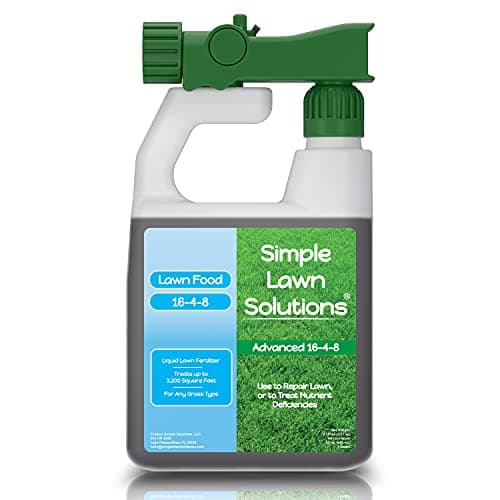
 Simple Lawn Solutions Advanced 16-4-8 Liquid Fertilizer (32 oz)Check price on Amazon
As an Amazon Associate we earn from qualifying purchases.
Free Lawn Care Tools
Most warm-season lawns benefit from one to two fertilizer applications in summer, spaced 6-8 weeks apart. Cool-season lawns usually need only a light feeding in early summer, then none until fall.
A slow-release, low-salt fertilizer like Milorganite Lawn and Garden Nitrogen Fertilizer 6-4-0 is safest in summer heat, as it won’t burn grass and feeds steadily for weeks.
Spring fertilizers often have high phosphorus or quick-release nitrogen, which can burn lawns in summer. Use a product labeled for summer or your specific grass type instead.
If watered in properly, most summer fertilizers green up grass within 7-14 days. Quick-release products show results in as little as 3-5 days, but risk burning in heat.
Granular slow-release fertilizers are easier and safer for most summer lawns. Liquids act faster but may need more frequent applications and can burn if not applied carefully.
Yes, always water in granular fertilizer with at least 0.5 inches immediately after application. This prevents burn and helps nutrients reach the roots.
First confirm the brown patches are not just drought dormancy or grub damage, because fertilizer fixes neither. For grass that is alive but discolored, use a slow-release fertilizer with iron, such as Milorganite or a 16-4-8 blend with micronutrients, and water it in well. Iron greens the lawn up within days without pushing the soft, fast growth that summer heat burns off. Skip fast-release high-nitrogen products until temperatures cool.
For warm season grasses like Bermuda, zoysia, and St. Augustine, the best summer fertilizer is a slow-release blend with a roughly 4-1-2 ratio, such as 16-4-8, applied during their peak growth months. For cool season grasses like fescue and Kentucky bluegrass, summer is a stress period, so either skip feeding when highs exceed 85F or use a light application of a slow-release or organic product early in the season. In every case, potassium matters as much as nitrogen in summer because it improves heat and drought tolerance.
The best summer lawn fertilizer is a slow-release blend matched to your grass type. For warm season lawns like Bermuda and St. Augustine, a 16-4-8 or similar with a healthy potassium number works well. For cool season lawns, keep summer feeding light and organic, or skip it during peak heat. Slow-release nitrogen and added potassium are the two features that matter most in summer because they feed steadily and improve heat and drought tolerance.
A mid summer lawn fertilizer is a gentle, slow-release feed used in July and August to hold color and reduce stress rather than push growth. Warm season grasses in their peak growth window can take a measured feeding, while cool season lawns are usually better left alone until early fall. Many lawn owners lean on an iron supplement in the hottest weeks to green up without forcing tender growth.
It is risky to fertilize in 90 degree heat, especially cool season grasses, because the combination of heat and fertilizer salts can burn stressed turf. Warm season grasses tolerate more heat, but even they should not be fed during an active heatwave or drought. If highs are consistently in the upper 80s or above, hold off or use only iron for color, and always defer to your product's label. When you do feed, pick the cool part of the day and water in immediately.
Bermuda grass is in its peak growth window in summer, so it can handle a higher-nitrogen slow-release blend in the 16-4-8 to 24-0-10 range, applied while the lawn is actively growing and watered. Split the season's nitrogen into applications spaced 6 to 8 weeks apart and follow the bag label rate rather than a single heavy feed.
Transition zone lawns, from Kansas to the Carolinas, often mix cool and warm season grasses, so a balanced slow-release product like a 16-4-8 is a safe all-purpose choice. Time feedings to whichever grass is actively growing and watch local weather closely, since transition zone summers swing between cool season stress and warm season growth.
It depends on your grass type. Warm season lawns like Bermuda, Zoysia, and St. Augustine should be fertilized in summer because it is their main growth period; feed at the interval your product label lists (commonly 6 to 8 weeks) while the lawn is actively growing and well-watered. Cool season lawns like fescue and Kentucky bluegrass are heat-stressed in summer, so keep feeding light and early (late May to mid-June), then pause until late August or September. Never fertilize during a heatwave above 90F or on drought-stressed turf, as that risks severe burn.
Photos: Magda Ehlers / Pexels, Magic K / Pexels, Pixabay / Pexels

Beat weeds and brown spots from your phone
Snap a photo, get the fix, and follow a plan timed to your soil and weather. Free on iPhone.