Cost to Install a Sprinkler or Irrigation System (2026): By Zone & Yard Size
 James ThorntonLawn Equipment & Maintenance Expert | 20 Years
As an Amazon Associate we earn from qualifying purchases.
$2,500 to $5,500. That's what most in-ground sprinkler systems cost installed on a typical 3 to 5 zone lawn. The low end sits on NerdWallet's $2,539 national average. The high end is the top of the 5-zone row in the zone table below. Per zone, the 2025 and 2026 cost surveys cluster between about $585 and $1,340, and the HomeGuide and NerdWallet ranges run up to $2,000 a zone. Small, simple yards come in under $2,500. A full acre of lawn runs $8,000 to $20,000 (HomeGuide).
Zone count sets the price. After that it's yard layout, water pressure, system type (spray, rotors, drip), and how much hardscape the crew has to trench around. Labor can match the parts bill, or top it in high-wage metros. Then the extras: permits, the backflow preventer, and patching the lawn after the trenches close.
Two myths to clear out. A properly zoned and scheduled system often uses water more efficiently than dragging a hose around. And DIY savings shrink once you count the trencher rental, your weekends, and the dry spots a bad layout leaves behind.
Planning a new build, replacing a dead system, or redoing the whole yard? Pair the irrigation plan with leveling a bumpy lawn, core aeration, and a Watering Schedule by season.
A professionally installed in-ground sprinkler system costs about $2,500 to $5,500 for a typical 3 to 5 zone lawn, or roughly $585 to $1,340 per zone (LawnStarter and Lawn Love, both updated December 2025). NerdWallet's national average is $2,539. Large lots scale up fast: HomeGuide puts a half acre of lawn at $5,000 to $14,000 and a full acre at $8,000 to $20,000.
Quick estimate. Divide your lawn's square footage by 1,500. That's a rough zone count for a typical spray-and-rotor mix. Find it in the zone table below, or run it through the Sprinkler Cost Calculator. Test your water pressure first. Under about 40 psi at the spigot means more zones or a booster pump. Then budget the yearly stuff: a backflow test runs $30 to $300 per device where your city requires one, and a fall blowout runs $50 to $150 in freeze country (both HomeGuide).
Average lawn sprinkler system cost in 2026
$2,500 to $5,500 for most lawns. That's the working range. The big cost sites don't agree with each other, though, so here's what each one actually says, pulled from their pages in September 2026.
| Cost survey (last updated) | Headline number | Per sq ft installed | Per zone |
|---|---|---|---|
| NerdWallet (Feb 2026) | $2,539 average | $0.20 to $1.00 | $600 to $2,000 |
| LawnStarter (Dec 2025) | $4,500 to $8,500 for a 5,000 sq ft lawn | $0.90 to $1.70 | $585 to $1,335 |
| Lawn Love (Dec 2025) | 4 to 7 zones for a quarter-acre yard | $0.88 to $1.65 | $590 to $1,340 |
| HomeGuide (2026) | $3,000 to $10,000 for 1/4 acre | $1.00 to $2.50 (in-ground) | $600 to $2,000 |
| Fixr (Jan 2025) | $5,500 average ($4,000 to $7,000) for a half acre | $0.50 to $2.00 | $650 to $1,000 |
| Homewyse (May 2026) | Basic install, favorable site | $1.04 to $1.91 | Not listed |
Sources split. Per zone, they cluster. Per square foot, they're all over the place, from 20 cents to $2.50. Price by the zone. That's how installers bid it.
One catch nobody points out. The per-foot and per-zone numbers don't line up. At 1,500 square feet a zone, $1.50 a square foot works out to $2,250 a zone, well above what most of the same surveys quote per zone. Check any bid both ways. If only one of the two looks sane, ask how many zones the price buys.
Sprinkler system cost by number of zones
Installers price by the zone. Each one adds a valve, wire, pipe runs, and 5 to 10 heads, per HomeGuide. The table below works out to about $700 to $1,400 a zone, inside the survey ranges above. Small systems cost more per zone because the controller and backflow gear get split across fewer zones. The area column assumes about 1,500 square feet a zone, the typical spray-and-rotor mix the site's Sprinkler Cost Calculator uses. Open lawns on rotors stretch further. Cut-up yards on spray heads cover less.
| Number of zones | Lawn it covers (about) | Typical installed cost | Typical yard |
|---|---|---|---|
| 2 zones | 3,000 sq ft | $1,800 - $2,800 | Very small yard or front lawn only |
| 3 zones | 4,500 sq ft | $2,300 - $3,600 | Small yard, simple layout |
| 4 zones | 6,000 sq ft | $2,800 - $4,500 | Small to medium yard, front and back |
| 5 zones | 7,500 sq ft | $3,400 - $5,500 | Medium yard with beds or side strips |
| 6 zones | 9,000 sq ft | $4,000 - $6,500 | Medium to large yard |
| 7 zones | 10,500 sq ft | $4,500 - $7,500 | Large yard or complex layout |
| 8 zones | 12,000 sq ft | $5,500 - $9,000 | Large property, mixed turf and drip |
| 10 zones | 15,000 sq ft | $6,350 - $10,600 | A third of an acre or more of lawn (calculator estimate) |
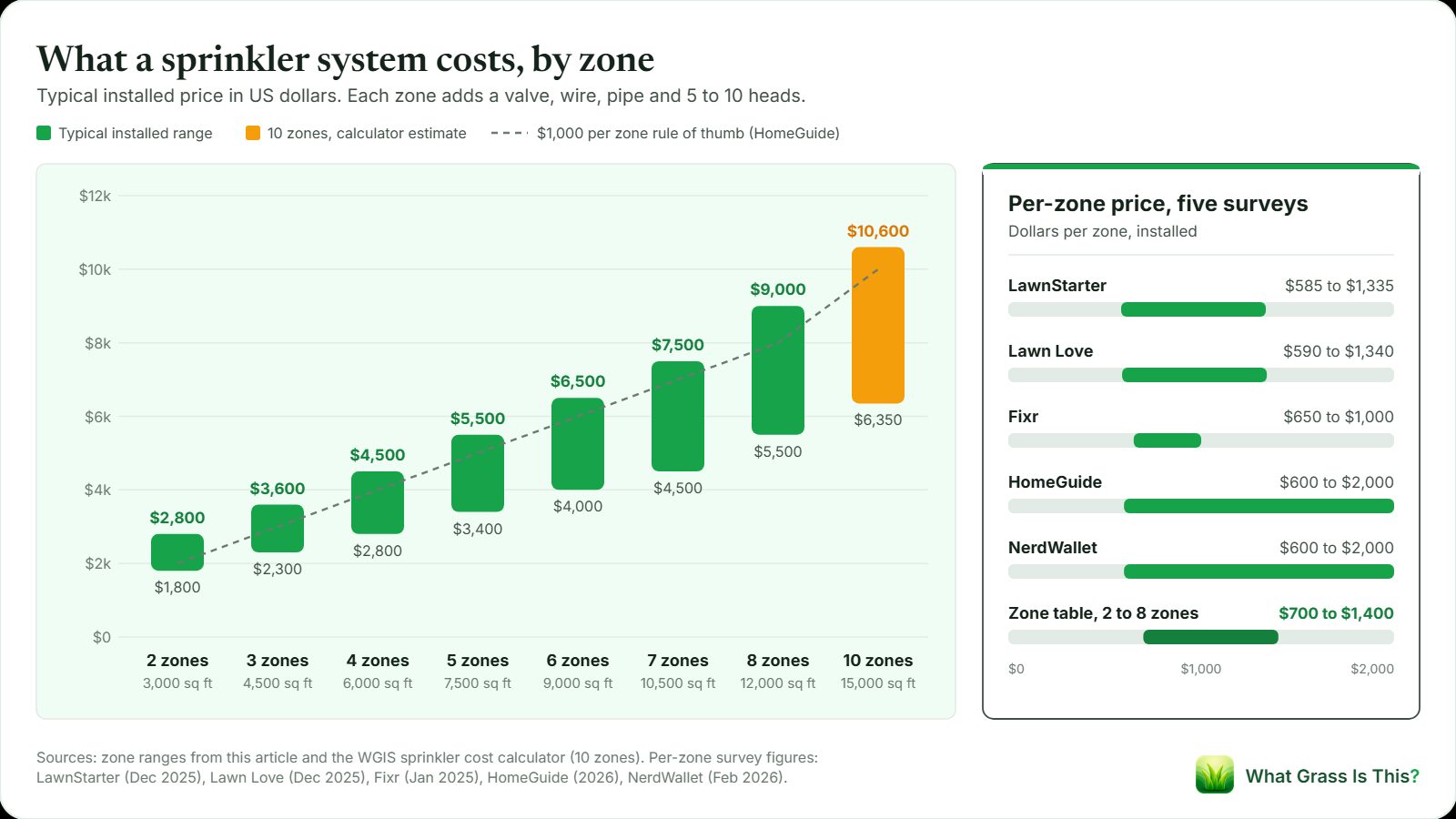
Expensive metro? Read the top of each range, then add some. HomeGuide's own zone table runs $3,000 to $10,000 for five zones, and it notes many installers use $1,000 a zone as a rule of thumb.
Low water pressure forces more, smaller zones for the same lawn. That's the most common reason two similar yards get very different quotes.
Adding a zone to an existing system
Cheaper than a zone in a new system. The backflow, controller, and main line are already paid for. Fixr prices an added zone at $500 to $650. LawnStarter puts additional zones at about $750 on average. Check the controller first. If it's out of stations, the new zone brings a bigger controller or an expansion module with it.
What a sprinkler quote includes
Materials, labor, and the extras
Every bid breaks down the same way: materials, labor, and the extras people forget. Line them up that way and quotes get easy to compare.
Materials:
- Sprinkler heads - spray heads for small areas, rotors for big open lawn, strip nozzles for side yards and corners.
- Pipe and fittings - PVC or polyethylene sized to your flow, plus the couplings, elbows, and tees.
- Valves and manifolds - one electric valve per zone. More zones, more valves, more wire.
- Backflow preventer - the code-required device that keeps lawn water out of your drinking water.
- Controller - a basic timer or a Wi-Fi controller that adjusts to the weather.
- Wire and sensors - low-voltage wire to the valves, plus rain, flow, or freeze sensors if you want them.
Labor covers the site walk, the layout and zoning, trenching or pulling pipe, setting heads at the right height and spacing, wiring, and the final adjustments. Established sod or delicate beds add restoration time.
Here's what the pieces run, from the cost surveys:
| Line item | Typical cost | Source |
|---|---|---|
| Sprinkler heads, parts only | $2.50 to $40 each | NerdWallet |
| Pop-up spray head | $3 to $15 each | LawnStarter |
| Gear-driven rotor | $10 to $40 each | LawnStarter |
| Trenching | $4 to $12 per linear foot | NerdWallet (HomeGuide: $5 to $12) |
| Backflow preventer, installed | $450 to $1,700 | HomeGuide |
| Permit | $35 to $200 | NerdWallet |
| Wi-Fi control, added | $50 to $300 | NerdWallet |
| Rain or soil sensor | $25 to $50 each | NerdWallet |
| Installer labor | $50 to $100 an hour | NerdWallet, Lawn Love |
The forgotten extras:
- Permits and inspections where your town requires them for backflow devices or new irrigation taps.
- Backflow testing, which many cities require every year.
- Water supply upgrades like a bigger service line, a separate irrigation meter, or a booster pump.
- Lawn repair materials: seed, sod, and topsoil for the trench lines.
- Colorado State University Extension notes that most cool season lawns perform best when irrigation delivers about 1 to 1.5 inches of water per week in summer, which is a useful design target for system capacity.
- Texas A&M AgriLife Extension emphasizes that run times should be divided into cycles to prevent runoff on compacted or clay soils, so zone design must consider soil infiltration rates, not just coverage.
Lot size vs lawn size
A quarter-acre lot isn't a quarter acre of lawn. The house, driveway, patio, and beds come off the top. Lawn Love says the typical quarter-acre yard needs 4 to 7 zones. Measure the grass you'll actually water, with the Lawn Size Calculator or a tape and some rectangles, and take that number to every contractor.
Then pick a tier:
- Basic - standard timer, fixed spray heads, no sensors. Fine for a simple lawn if you'll adjust the schedule yourself.
- Mid-range - better heads and nozzles, plus a rain sensor ($25 to $50) or Wi-Fi control ($50 to $300 extra, both NerdWallet). The right call for most homes.
- Premium - weather-based smart controller, flow sensing, pressure-regulated heads, and drip in the beds. Buy it if your water rates are high or the landscaping is worth protecting.
Rain sensor? Buy it. Cheapest part on the list, and it stops the classic sprinklers-running-in-a-downpour look.
Key factors that affect the cost to install a lawn sprinkler system
1. Yard size and layout
Square footage is the obvious one. More lawn, more heads, pipe, wire, and trench. Roughly every 1,500 extra square feet adds a zone.
Layout moves the price more than area does. A plain rectangle front and back is cheap to design. Curved beds, tight side yards, and odd shapes need custom head placement to avoid dry spots and overspray. Long narrow strips need strip nozzles or close spacing. More parts, more hours.
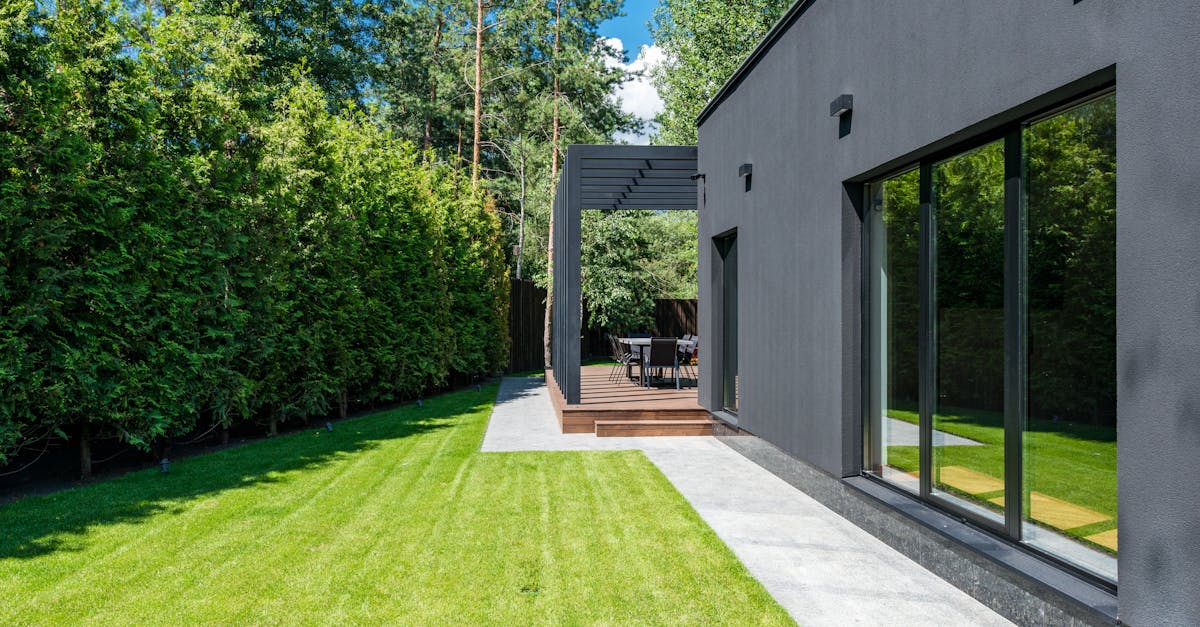
Hardscape chops a lawn into pieces. Driveways, patios, walks, and pools each split off an area that may need its own zone. Crossing under a driveway means boring, sometimes a subcontractor.
Underground obstacles slow crews down. Tree roots, landscape lighting, gas lines, and other utilities force hand digging and rerouted pipe.
Measure before you call anyone:
- Trace the lawn on an online map with a measuring tool.
- Start from your property survey and subtract the house and big patios.
- Break the yard into rectangles and triangles, then add them up.
Same square footage to every contractor. Tighter ranges, easier comparisons.
2. Soil type and drainage
Soil decides how long a zone can run before water sheets off. Clay drinks slowly, so it needs short cycles and sometimes low precipitation rate heads. Sand drains fast, so it needs more frequent watering to reach the 1 to 1.5 inches a week most turf wants in peak season.
Not sure what you have? Squeeze a moist handful. A sticky ribbon means clay. Gritty and crumbly means sand. Good enough for irrigation planning.
Low spots that stay wet cost extra. Designers may add French drains, catch basins, or dry wells. They may also spec heads with check valves to stop low head drainage, where the pipe empties out the lowest head after every cycle.
Standing water 24 hours after a 1 inch rain? Fix drainage during the install. It's cheaper with the trenches already open than after the sod is back.
- University of Florida IFAS Extension notes that many clay soils have infiltration rates below 0.5 inches per hour, so run times must be split into multiple shorter cycles to avoid runoff.
- Kansas State University Extension recommends checking for standing water that persists longer than 24 hours as a threshold for investigating drainage improvements before installing new irrigation.
3. Water source and water pressure
City water is the simplest hookup, usually off the main service line. Many cities offer a separate irrigation meter, which can cut sewer charges because lawn water doesn't go down the drain. That second meter has its own one-time cost. Put it in the budget.
Wells are a different animal. A pump only delivers so many gallons per minute (GPM) before it short-cycles. A well making 8 GPM at 40 psi means every zone has to stay under that flow. Sometimes that adds a storage tank or a bigger pump.
Ponds and rivers need a pump, intake screen, filter, electrical work, and often a permit. That gear can cost as much as the sprinkler parts.
Pressure and flow set the zone count. A contractor checks static pressure with a gauge at a spigot and times a bucket fill for flow. At 40 to 60 psi and 10 to 15 GPM, design is simple. Below that, more zones or a booster pump. More zones, more money.
Backflow rules set the device. Your city may require a pressure vacuum breaker (PVB) or a reduced pressure zone (RPZ) assembly. HomeGuide puts backflow preventer installation at $450 to $1,700, and many cities want a licensed tester every year. Ask each contractor which device the bid includes and who handles the test.
4. System type and sprinkler components
Three broad options: in-ground automatic, above-ground hose-end, and drip.
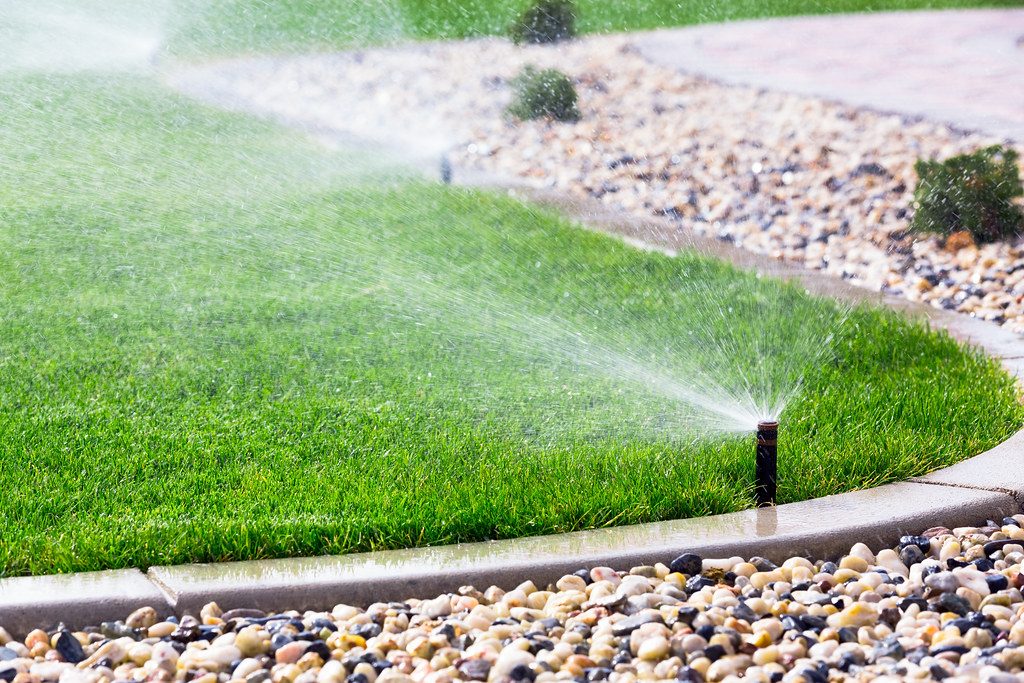
In-ground automatic systems are what most people picture. Heads pop up, zones run on a controller schedule, everything's buried. Highest install cost, most convenient, most even coverage. They're what the cost tables here price out. New to the parts? Lawn Sprinkler Systems: A Beginner's Guide walks through the components before you start pricing them.
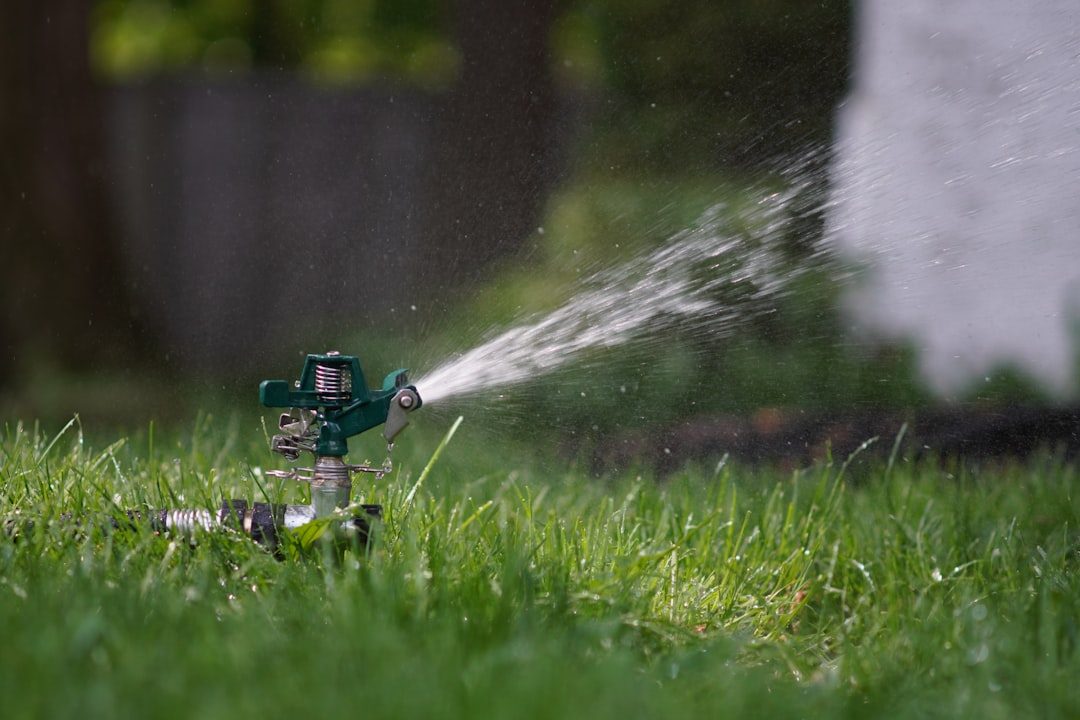
Above-ground or hose-end setups are portable sprinklers on a hose. Cheap. You move them and time them. Fine for a tiny yard or a stopgap. On medium and big lawns, the hose-dragging and uneven coverage wear thin.
Drip irrigation puts water at the roots in beds and around shrubs and trees. Very efficient, and required or pushed hard in some drought areas. Usually paired with sprays or rotors on the lawn.
Head types:
- Spray heads - fixed pattern, small or odd-shaped areas. High precipitation rate, so they can run off on tight soil.
- Rotors - rotating streams for big open lawn. Lower precipitation rate, wider spacing, fewer heads. Want more pressure.
- Rotary nozzles - screw onto spray bodies, act like mini rotors. Better uniformity and less runoff for a little more per nozzle.
Controllers come basic or smart. A basic timer is cheaper and needs you to change the schedule by season. A smart controller adjusts to weather and soil and can pay back the difference in water savings, fastest where rates are high. The tech side is covered in Smart Irrigation Systems: Are They Worth It?
5. Labor, access, and regional pricing
Labor is where two quotes for the same yard split apart. Installers run $50 to $100 an hour (NerdWallet, Lawn Love). In high-wage metros labor can match or beat the materials. Method matters too. A vibratory plow pulls pipe through the soil with far less turf damage than an open trench, which saves on lawn repair, though not every crew, soil, or yard allows it.
Access matters. Narrow gates, steep slopes, and no way to get a machine into the backyard mean hand trenching and more hours.
Climate sets the design. Where winterization is required, systems get blowout fittings so compressed air can clear the lines before a freeze. Small parts cost, long life. In warm climates that water all year, UV exposure and water quality push toward tougher pipe and filters.
Cost to install an irrigation system: sprinkler vs drip
"Irrigation system" is the umbrella term. An in-ground sprinkler system is one kind, drip is another, and most professionally designed yards end up with both. The mix sets the price.
| Irrigation system type | Typical installed cost | Best for | Source |
|---|---|---|---|
| In-ground sprinkler system | $1.00 - $2.50 per sq ft | Open lawn areas | HomeGuide |
| Drip irrigation | $225 - $1,200 per bed zone ($1.50 - $4.50 per sq ft) | Beds, shrubs, trees, foundation plantings | Lawn Love, HomeGuide |
| Hybrid (sprinkler + drip) | Sprinkler zones plus drip zones | Full landscapes with lawn and beds | Price each part from the rows above |
| Above-ground, installed | $0.50 - $1.50 per sq ft | Small lawns, simple layouts | HomeGuide |
| Hose-end sprinkler kit, DIY | $15 - $80 for a basic three-head kit | Renters, stopgap watering | Lawn Love |
Drip is cheap to add during a sprinkler install and pricier as a retrofit. Lawn Love adds that hose-end heads get less efficient on lawns over 2,000 square feet.
Irrigation system cost per acre (1/4, 1/2, and 1 acre)
Big lots get a lower rate per square foot. HomeGuide says contractors often charge less per square foot the bigger the area. Total spend still climbs fast:
| Irrigated lawn | Zones at 1,500 to 2,000 sq ft each | HomeGuide range | Fixr range |
|---|---|---|---|
| 1/8 acre (5,445 sq ft) | 3 - 4 | $2,000 - $7,000 | $1,090 - $1,635 |
| 1/4 acre (10,890 sq ft) | 6 - 8 | $3,000 - $10,000 | $2,180 - $3,270 |
| 1/2 acre (21,780 sq ft) | 11 - 15 | $5,000 - $14,000 | $4,360 - $6,530 |
| 1 acre (43,560 sq ft) | 22 - 29 | $8,000 - $20,000 | $8,700 - $13,100 |
Fixr runs low. HomeGuide runs wide. Budget from HomeGuide's range, and expect the lower half on a flat, open lot running rotors. These figures assume the whole area is lawn. If a chunk of the acreage is beds or natural area on drip, or left dry, the bill drops.
Irrigate the lawn you use. A back corner left on the hose is a zone you don't pay for.
DIY vs professional installation: cost, risk, and when each makes sense
DIY cuts labor, which can match the parts bill. It also puts the design on you. Get the layout wrong and you've paid for dry spots, sprayed sidewalks, and weak heads at the end of the line. Fixing that can cost more than a pro install would have.
DIY costs are materials at close to contractor price, a trencher or pipe puller from the rental counter, small tools, and your weekends.
| Option | Verdict | Buy it if / skip it unless |
|---|---|---|
| Full DIY install | Skip it unless | The lawn is simple, under about 5,000 to 7,500 sq ft, and a rental trencher can reach every part of it |
| Pro install | Buy it | Medium or large lot, lots of beds, slopes, or hardscape, a well or pump, or strict local backflow rules |
| Pro design, DIY digging | Worth it | You want the savings but not the hydraulics homework. Pay for a zone plan and parts list, then trench and restore yourself |
| Backflow connection | Hire it out | Almost always. HomeGuide notes backflow preventers are required in most areas, and permits and inspections usually ride with them |
DIY also means studying the manufacturer's layout guides and your local backflow code before the first shovel. Budget the time.
Planning your sprinkler project: step by step timeline
Plan it and you avoid change orders. You also get bids you can compare line for line.
Step 1 (Week 1): document your site
Measure the lawn areas. Note slopes and wet spots. Sketch turf, beds, and hardscape. Take photos. Mark the meters and anywhere you suspect buried lines.
Step 2 (Week 1 to 2): check water conditions
Put a cheap pressure gauge on an outdoor faucet. Under about 40 psi? Tell every contractor. Then time how long a 5 gallon bucket takes to fill. That's your GPM for the first conversation.
Step 3 (Week 2): define your priorities
Decide what must be watered (main lawn, key beds) and what stays on the hose or goes dry (back corners, natural areas). Decide whether upfront cost or long-term water savings wins. That picks your controller and whether beds go on drip.
Step 4 (Week 2 to 3): collect at least 2 to 3 bids
Same info to every contractor. Ask each for a drawing or list of zones, head types, controller, backflow model, and upgrades. Make them say whether permits, backflow testing, and lawn repair are included.
Step 5 (Week 3 to 4): compare proposals on more than price
Compare the design, parts, warranty, and schedule. Ask how they'll handle low pressure and keep water off the sidewalk and driveway. Confirm they'll walk you through the controller and set a starting schedule for your grass type. Watering Your Lawn the Right Way and How Often to Water Based on Grass Type are good checks on the schedule they suggest.
Step 6 (Installation week): monitor progress and ask questions
Check the work against the plan, like drip in the beds if you asked for it. Have the crew lead show you the valves and the manual shutoff. At the end, walk every zone while they set arcs and angles.
Shop math: pricing a 7,500 sq ft lawn
Givens: 7,500 square feet of lawn, city water, about 50 psi at the spigot, cold-winter town. Scenario numbers. Swap in yours.
- Zones: 7,500 divided by 1,500 is 5 zones.
- Install: the zone table puts 5 zones at $3,400 to $5,500.
- Cross-check per square foot: LawnStarter's $0.90 to $1.70 gives $6,750 to $12,750. Big gap. A bid up there needs a zone count and a reason.
- Add what bids leave out: a permit at $35 to $200 (NerdWallet), and a backflow preventer at $450 to $1,700 if it isn't in the price (HomeGuide).
- Total: about $3,900 to $7,400 installed.
- Year after year: a backflow test at $30 to $300 and a fall blowout at $50 to $150 (both HomeGuide).
Two bids inside that band? Normal. One at $12,000? Ask what it buys.
Ongoing costs after installation
The install is a one-time bill. These show up every year.
| Running cost | Typical price | How often | Source |
|---|---|---|---|
| Backflow test | $30 to $300 per device | Yearly, where required | HomeGuide |
| Winterization blowout | $50 to $150 | Every fall in freeze country | HomeGuide (Fixr: $75 to $150) |
| Annual maintenance visit | $75 to $85 | Yearly | Fixr |
| Repair call | $100 to $400 | As needed | HomeGuide |
| Head replaced by a pro | $130 to $275 per head | As needed | HomeGuide |
| Water | About 623 gallons per 1,000 sq ft per inch | Weekly in season | USGS (27,154 gallons per acre-inch) |
Water is the big one. A typical cool-season lawn wants 1 to 1.5 inches a week in peak summer when rain falls short. USGS puts an inch of rain on an acre at about 27,154 gallons. Divide it out: an inch on a 5,000 square foot lawn is roughly 3,100 gallons. A dry summer week at 1.5 inches is about 4,700. Smart scheduling earns its keep here. EPA WaterSense says swapping a clock timer for a WaterSense labeled controller can save an average home up to 15,000 gallons a year. Watch for Avoiding Overwatering Mistakes and Signs of Underwatering in Grass to keep the schedule honest.
Seasonal adjustments cost time more than money. In freeze country, winterize every fall, between the first hard freeze warning and soil temperatures dropping below freezing. Renting a compressor and doing it yourself works if you know the pressure limits. Otherwise it's a short service call.
Repairs happen. Mowers snap heads, valves fail, controllers age. Set aside a few hundred a year. Systems with proper pressure regulation, filters where needed, and the right heads break less. Same as any machine that's set up right.
What other guides get wrong
Most cost pages give you one tidy number. Here's where budgets actually break.
1. Square-foot math and zone math disagree. The same site can quote $1 to $2.50 a square foot and $600 to $2,000 a zone. At 1,500 square feet a zone those don't match. Run your quote both ways and ask about the gap.
2. Lot acres get priced like lawn acres. Per-acre tables assume wall-to-wall turf. Subtract the house, drive, patio, and beds. Then price the lawn you have.
3. Soil and drainage get checked after the design. Runoff within 10 to 15 minutes of hose watering usually means compaction or tight soil. Push a screwdriver into moist soil. Can't get it 6 inches deep with firm hand pressure? Aerate, and maybe fix drainage, before or during the install. Skip that and you've paid for a system that can't run long enough to water evenly without puddling.
4. Pressure and flow get guessed. Pressure varies a lot, even inside one neighborhood. Under about 40 psi static and under about 8 GPM on the bucket test means more, smaller zones, or a booster pump. A system designed for 12 GPM on a 7 GPM supply underperforms from day one. Measure before bids.
5. Restoration and hardscape crossings get left off. Want dense turf looking normal again within a season? Budget seed or sod, topdressing, watering, and a light feeding about 4 to 6 weeks after install on cool-season lawns. Ask how the crew crosses drives and walks, and whether concrete or paver work is in the price.
The sprinkler budget punch list
- Measure the lawn you'll water, in square feet. Leave the lot acres out of it.
- Divide by 1,500 for a rough zone count, then read the zone table.
- Test pressure and flow with a gauge and a 5 gallon bucket.
- Get 2 to 3 bids with zones, heads, controller, and backflow model listed.
- Check every bid per zone and per square foot.
- Add the permit, backflow, and lawn repair if they're missing.
- Budget the backflow test and the fall blowout every year.
Once it's in, dial the schedule in with the lawn watering guide. Set it. Leave it. Check it again in the spring.
Top Picks
- Orbit 58573N H2O-6 Gear Drive SprinklerCheck price on Amazon
- EGO POWER+ Self-Propelled Cordless Lawn Mower (Select Cut, LM2135SP)Check price on Amazon
- American Lawn Mower Company 1204-14 14-Inch 4-Blade Push Reel Lawn MowerCheck price on Amazon
As an Amazon Associate we earn from qualifying purchases.
Free Lawn Care Tools
Most homes pay about $2,500 to $5,500 for a professionally installed in-ground sprinkler system, which covers a typical 3 to 5 zone lawn. NerdWallet puts the national average at $2,539 and Fixr's average for a half acre is $5,500, so where you land depends on zone count and local labor. Small, simple yards can come in under $2,500, and large lots run $8,000 to $20,000.
Divide your lawn's square footage by 1,500 to get a rough zone count, then read that row of the zone table. A 7,500 square foot lawn is about 5 zones, or $3,400 to $5,500 installed. Cross-check any bid against the surveys' $0.90 to $1.70 per square foot (LawnStarter), and ask for the zone count if the two numbers disagree.
Costs rise when the yard has lots of curves, slopes, narrow side strips, or hardscapes like patios and walkways that are tricky to trench around. Low water pressure, multiple water sources, smart controllers, and extra zones for complex planting beds also add to both material and labor costs. Even permits, backflow testing, and lawn repair after trenching can add a few hundred dollars.
DIY can seem cheaper upfront, but tool rentals, your time, and the risk of design mistakes can quickly erase those savings. Professional installers typically deliver better zoning, head layout, and water distribution, which helps avoid dry spots and overwatering. For many homeowners, the reduced risk and better long-term performance make professional installation more cost-effective.
Cool-season lawns generally do best with about 1 to 1.5 inches of water per week during the growing season. A properly designed system should be sized to deliver that amount without causing runoff or shallow rooting. Splitting run times into cycles is especially important on clay or compacted soils.
After installation, plan for a yearly backflow test, which many municipalities require, plus occasional nozzle cleanouts and minor adjustments. Water use becomes a regular operating cost, but a well-tuned system can actually reduce waste compared to hand watering. Smart controllers that adjust schedules based on weather can further trim water bills over the first season.
NerdWallet puts the national average at $2,539, and most in-ground systems land between $2,500 and $5,500 installed on a typical 3 to 5 zone lawn. Per zone, LawnStarter and Lawn Love both put it at roughly $585 to $1,340. Small, simple yards can come in under $2,500, while a full acre of lawn runs $8,000 to $20,000 (HomeGuide).
A 4-zone sprinkler system typically costs $2,800 to $4,500 professionally installed, which fits most small to medium yards with a front and back lawn. Each additional zone generally adds $500 to $1,000 because of the extra valve, wiring, pipe, and heads it requires.
A full acre of irrigated lawn costs about $8,000 to $20,000, according to HomeGuide, and Fixr's range is $8,700 to $13,100. That's roughly 22 to 29 zones at 1,500 to 2,000 square feet each. Most 1-acre lots have far less than an acre of lawn, so measure the grass you'll water and price that instead.
Most homeowners pay $2,500 to $5,500 to install an in-ground irrigation system on a typical 3 to 5 zone lawn. HomeGuide puts in-ground sprinklers at $1.00 to $2.50 per square foot and drip at $300 to $1,200 per bed zone. Larger areas scale up: $3,000 to $10,000 for a quarter acre of lawn and $8,000 to $20,000 for a full acre.
A 5 zone sprinkler system typically costs $3,400 to $5,500 installed, which covers most quarter-acre suburban lawns. Each zone adds a valve, wiring, pipe runs, and heads, so the range works out to roughly $700 to $1,100 per zone. Get the zone count in writing on your quote, because low water pressure can force more zones for the same yard and push the price up.
Expect $4,500 to $7,500 installed for a 7 zone sprinkler system. That's about 10,500 square feet of lawn at 1,500 square feet a zone, or a smaller yard with low water pressure that limits how many heads can run at once. At that size it pays to get at least three quotes, since labor rates and trenching conditions swing the price more than the parts do.
A 10 zone sprinkler system typically costs about $6,350 to $10,600 installed, based on the per-zone model in the site's Sprinkler Cost Calculator. Ten zones usually means 15,000 square feet or more of lawn, or low water pressure that forces smaller zones. In high-cost metros, HomeGuide's $600 to $2,000 per zone range can push it higher.
Adding a zone to an existing sprinkler system costs about $500 to $650 according to Fixr, and LawnStarter puts the average at $750. It's cheaper than a zone in a new system because the backflow preventer, controller, and main line are already in place. If the controller has no open stations, add the cost of a larger controller or an expansion module.
Photos: Yan Krukau / Pexels, Eric MASENGESHO / Pexels

Beat weeds and brown spots from your phone
Snap a photo, get the fix, and follow a plan timed to your soil and weather. Free on iPhone.