Best Cool-season Grass for Northern Lawns
 Sarah MitchellLawn Diagnostics Specialist | 12 Years
As an Amazon Associate we earn from qualifying purchases.
After a long, cold northern winter, you hope for that first burst of green in your lawn-a sign that spring has truly arrived. But not every grass can take months of freezing temperatures, sudden spring thaws, and the unpredictable mix of rain, drought, and even late snow that northern climates dish out. The right grass isn’t just about aesthetics: it’s the foundation for resilience, low maintenance, and lawn health all year long.
Choosing the best cool-season grass for northern lawns is a decision that affects everything from curb appeal to weekend chores. Pick well, and you’ll enjoy a lush, green carpet that shrugs off winter, bounces back from kids and pets, and resists most diseases and droughts. Pick poorly, and you might face thin spots, weeds, and constant frustration.
Northern lawns face unique challenges-harsh winters, delayed springs, hot spells, and uneven rainfall. Shade from mature trees, variable soil types, and microclimates only add to the complexity. In this guide, I’ll break down which cool-season grasses truly excel up north, how to match the right variety to your unique yard, advanced care strategies for year-round health, and expert tips to avoid costly mistakes. Let’s diagnose this step by step so you can build a lawn that thrives, not just survives.
The best cool-season grass for northern lawns depends on your site and needs, but Kentucky bluegrass, fine fescues, and perennial ryegrass consistently outperform others in cold climates. To verify the best fit, check your yard’s sun and shade patterns, traffic levels, and soil type. For a thick, resilient lawn, blend Kentucky bluegrass with fine fescues for shade or add perennial ryegrass for rapid fill-in-confirm by reading seed bag labels for variety percentages and germination rates.
Don’t plant too early or too late; target late summer to early fall (mid-August to mid-September) for best results. Avoid single-variety ryegrass or southern species-they lack winter hardiness. With the right seed mix and proper timing, expect visible germination in 7-21 days and full establishment by the following spring.
Understanding Cool-season Grasses and Northern Lawns
What Are Cool-season Grasses?
Cool-season grasses are turfgrass species that grow most vigorously in the spring and fall when soil and air temperatures are moderate (typically 60-75°F). These grasses are engineered by nature-and in many cases, by decades of university breeding programs-to survive cold winters, bounce back from frost, and stay green longer into the fall compared to warm-season types.
The major difference from warm-season grasses is their active growth period. Cool-season grasses put on most of their root and leaf growth when temperatures are cool, whereas warm-season grasses like bermuda and zoysia thrive in hot, southern climates. That’s why cool-season lawns dominate the northern U.S., Midwest, and Pacific Northwest, where winter temperatures routinely drop below freezing and summer heat is moderate.
Common characteristics of cool-season grasses include fine to medium leaf texture, rapid spring green-up, and the ability to recover from winter dormancy. They’re usually more shade-tolerant than their warm-season cousins and have extensive root systems to maximize water and nutrient uptake during short growing windows.
Key Climate Factors in Northern Lawns
Northern lawns experience dramatic seasonal shifts. Winter brings extended freezing, snow cover, and freeze-thaw cycles. Springs are often late, with soil temperatures warming slowly. Summers may be mild, but heat waves and drought are not uncommon. Fall offers another window of active growth before the grass heads into dormancy.
Typical northern soils include loams, clays, and sandy mixes-each with their own drainage and fertility quirks. Many northern regions also have acidic soils, which can influence grass performance. Sunlight and shade patterns vary widely, especially as neighborhoods mature and trees grow larger, casting more shade on established lawns. Moisture levels can swing from soggy to parched within weeks, making grass adaptability essential.
Microclimates-such as south-facing slopes that warm faster, or low-lying areas prone to frost-can result in different grass performance zones within a single yard. Understanding these patterns is crucial to choosing the best cool-season grass for your northern lawn.
The Benefits of Cool-season Grasses for Northern Lawns
Cool-season grasses offer several advantages for northern homeowners:
- Year-round color: Most cool-season lawns stay green from early spring through late fall, with only a short winter dormancy under snow.
- Resilience: They tolerate cold, recover quickly from winter damage, and often outcompete weeds in the shoulder seasons.
- Disease and drought tolerance: Newer cultivars show impressive resistance to common northern lawn diseases and periods of summer drought, especially when combined with proper care.
- Traffic recovery: Many cool-season species (like Kentucky bluegrass and tall fescue) self-repair or regrow quickly after damage from pets, kids, or routine foot traffic.
Understanding why this happens helps you prevent future problems: these grasses have deep root systems and growth cycles timed to take advantage of the best northern weather.
Top Cool-season Grasses for Northern Lawns: Detailed Comparison
Kentucky Bluegrass
Kentucky bluegrass (Poa pratensis) is the gold standard for northern lawns, prized for its fine-to-medium texture, rich emerald color, and dense, carpet-like appearance. Its unique rhizome system allows it to spread and self-repair-a major advantage for high-traffic yards and sports fields.
Pros: Excellent winter hardiness, rapid recovery from damage, forms a thick sod, and offers superb visual appeal. Modern cultivars are bred for disease resistance and improved shade tolerance, though true shade still isn’t its strong suit.
Cons: Slow to establish from seed (can take 14-21 days to germinate), moderate drought tolerance, and requires regular fertilization for peak performance. Kentucky bluegrass is also sensitive to summer heat stress if not properly irrigated.
Best uses include sunny northern lawns, play areas, and places needing fast repair. If you have partial shade, look for shade-tolerant varieties such as ‘Midnight’ or ‘America’. For disease-prone areas, select cultivars rated highly for resistance to leaf spot and dollar spot.
Maintenance tip: Mow at 2.5-3.5 inches and avoid removing more than one-third of the leaf blade at a time. For a resilient lawn, water deeply but infrequently-aim for 1-1.5 inches per week, adjusting for rainfall.
Perennial Ryegrass
Perennial ryegrass (Lolium perenne) is known for its rapid germination-often sprouting in as little as 5-7 days-and bright green color. It’s a favorite for overseeding thin spots or quickly establishing new lawns, especially where immediate erosion control is needed.
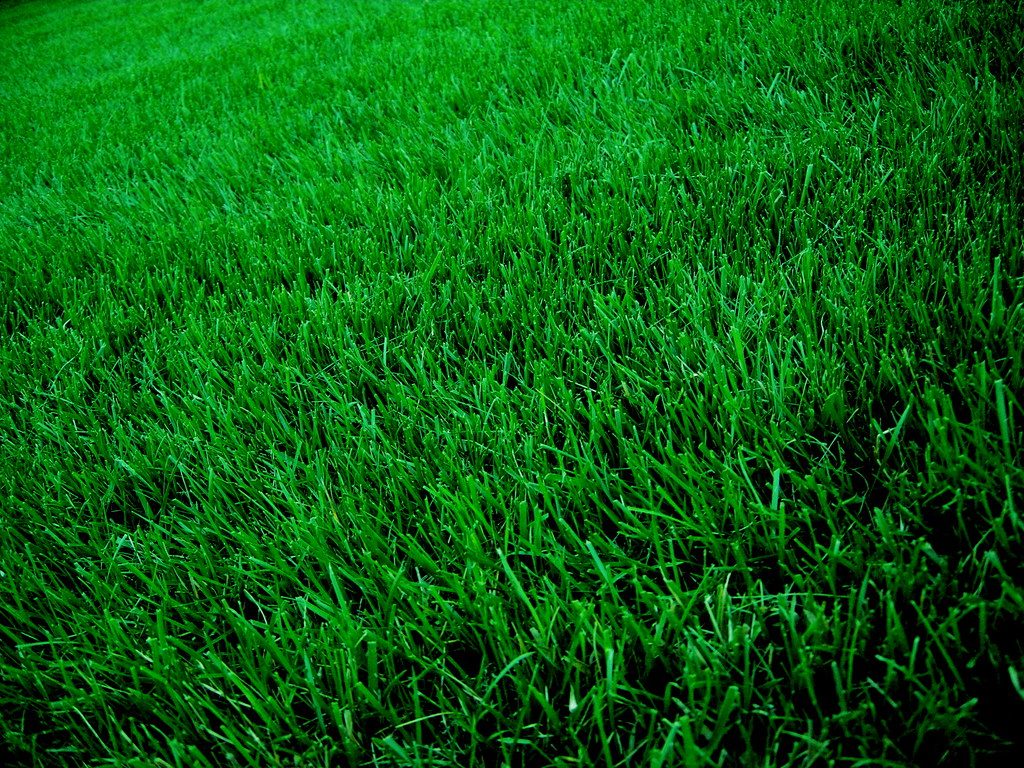
Perennial ryegrass blends well with Kentucky bluegrass and fine fescues, adding quick cover while the slower species develop. It tolerates moderate wear and recovers reasonably well in cool weather.
Limitations: Perennial ryegrass lacks deep cold tolerance compared to bluegrass and fescues, so pure stands may thin out after harsh winters. It also struggles in heavy shade and is more susceptible to certain diseases (like gray leaf spot).
If using ryegrass, keep it as a minority in blends-no more than 20% by weight. This approach ensures fast coverage without sacrificing long-term durability.
Fine Fescues (Creeping Red, Chewings, Hard, Sheep)
Fine fescues are a group of related species, including creeping red fescue (Festuca rubra), chewings fescue (Festuca rubra commutata), hard fescue (Festuca brevipila), and sheep fescue (Festuca ovina). All share a fine-bladed, soft appearance and exceptional adaptability to shade, drought, and poor or sandy soils.
These grasses excel in low-input, eco-friendly yards where minimal watering, mowing, and fertilization are priorities. They’re often used under trees, on slopes, or in areas where other grasses struggle.
Differences between types: Creeping red fescue spreads by rhizomes, making it somewhat self-repairing, while chewings, hard, and sheep fescue are bunch types-great for shade and dry spots but less able to fill bare areas. Hard fescue stands out for drought tolerance and disease resistance.
If you want a low-maintenance, sustainable northern lawn, a fine fescue blend is often the best cool-season grass. Mow at 2-3 inches and minimize fertilizer for best results.
Tall Fescue (Turf-type & Dwarf Varieties)
Tall fescue (Festuca arundinacea) has seen a surge in use across northern states, especially with the introduction of turf-type and dwarf varieties. These grasses have a coarser blade than bluegrass or fine fescues but offer unmatched wear tolerance, heat resistance, and deep rooting-making them ideal for tough, high-traffic areas or locations with compacted or poor soils.
Modern turf-type tall fescues are finer in texture and more attractive than older pasture types. They establish relatively quickly (7-14 days), adapt to sun or partial shade, and require less irrigation thanks to roots that can reach 2-3 feet deep under ideal conditions.
If your northern lawn faces summer drought, frequent use, or you want to reduce watering and fertilization, tall fescue is a strong contender. However, it doesn’t repair thin spots as rapidly as Kentucky bluegrass, so overseeding may be needed for dense coverage.
Bentgrass (Specialized Use)
Bentgrass (Agrostis spp.) is best known as the grass of choice for golf course greens and specialty ornamental lawns. It tolerates ultra-low mowing heights and forms a dense, cushiony turf. However, bentgrass requires intense maintenance: frequent mowing, precise irrigation, and vigilant disease control.
For most homeowners, bentgrass is not practical-it’s highly susceptible to thatch buildup, certain diseases, and weed invasion if not expertly managed. Only consider bentgrass if you have the time, equipment, and commitment for specialized care and want a showcase, golf-quality lawn in the cooler regions of the north.
Quick-Reference Comparison Table
| Grass Type | Establishment Speed | Shade Tolerance | Drought Resistance | Maintenance Level | Best Uses |
|---|---|---|---|---|---|
| Kentucky Bluegrass | Slow (14-21 days) | Moderate | Moderate | Medium-High | Sunny lawns, high traffic |
| Perennial Ryegrass | Fast (5-7 days) | Low-Moderate | Low-Moderate | Medium | Overseeding, quick green-up |
| Fine Fescues | Moderate (7-14 days) | High | High | Low | Shade, low-input lawns |
| Tall Fescue | Moderate (7-14 days) | Moderate | High | Medium | Wear, drought, poor soil |
| Bentgrass | Slow (14-21 days) | Low | Low | Very High | Golf greens, ornamentals |
How to Choose the Best Cool-season Grass for Your Northern Lawn
Assessing Your Lawn’s Unique Conditions
Every lawn is different-even in the same neighborhood. The best cool-season grass for northern lawns is the one that matches your specific site. Start with a soil test to check pH, nutrient levels, and organic matter. This step diagnoses underlying issues that can undermine even the best grass seed. See How to Test Your Lawn Soil for a detailed walkthrough.
Next, map your sun and shade patterns. Note which areas get full sun (6+ hours), partial shade, or deep shade. Many homeowners overestimate their sun exposure, leading to poor grass performance in shaded spots.
Examine drainage and irrigation. Lawns with heavy clay may need soil amendment or core aeration, while sandy soils may require more frequent watering and organic matter. Areas that remain wet after rain may favor fescues over bluegrass.
Matching Grass Types to Your Needs
Think about your lawn’s primary use. If you have kids, pets, or host backyard games, Kentucky bluegrass or turf-type tall fescue offer the best wear tolerance. For low-traffic, shady, or eco-friendly lawns, fine fescues shine.
If you want a custom look or have varied conditions, blending grass species is often the answer. For example, a mix of 60% Kentucky bluegrass, 30% fine fescue, and 10% perennial ryegrass covers sun, shade, and rapid establishment. For more on mixing and overseeding, see Overseeding for a Thicker Lawn.
Pet-friendliness matters, too. Choose grass types that recover from urine spots (bluegrass and tall fescue are better than ryegrass here) and avoid products that could harm pets-see Pet-Safe Lawn Care Tips.
Considering Seed Mixtures vs. Single Varieties
Seed mixtures combine multiple grass species or cultivars to maximize adaptability. Use a blend when your lawn has both sun and shade, variable soil, or you want insurance against disease outbreaks. Single-variety seed is best for specialized uses or where uniform texture is a priority (such as a showcase bluegrass lawn).
Always read seed labels for variety breakdown, germination percentage (aim for 85%+), and absence of weed seed or crop seed. Quality assurance matters: cheap seed often contains filler or low-performing varieties. Look for "certified" or "blue tag" seeds for best results.
- Purdue Extension recommends blends of Kentucky bluegrass, fine fescue, and perennial ryegrass for most northern home lawns, especially in sites with variable sun and shade.
Planting and Establishing Cool-season Grass in the North
Best Times to Plant Cool-season Grasses
Timing is critical for success. The optimal seeding window for most northern lawns is late summer to early fall-typically from mid-August to mid-September depending on your region. During this period, soil is still warm for rapid germination, air temperatures are cooling, and weed competition drops. Spring seeding is possible, but expect more weed pressure and a longer establishment period.
To maximize germination, monitor soil temperatures-seed when soil is consistently above 55°F but before the first hard frost. If you miss the fall window, early spring (as soon as soil can be worked) is your next best bet, but avoid seeding past late May.
Step-by-Step Planting Guide
Preparation is everything for establishing a robust cool-season lawn. Here’s a proven step-by-step process:
- Clear and grade: Remove debris, old grass, and weeds. Level the site and fill low spots to prevent pooling.
- Soil amendment: Incorporate compost or soil conditioner if soil test indicates low organic matter. Adjust pH if needed (lime for acidic, sulfur for alkaline soils).
- Seed selection: Choose a high-quality, regionally appropriate seed mix based on your earlier assessment.
- Seeding: Use a broadcast spreader for even coverage. Follow seed label rates-usually 2-3 lbs per 1,000 sq ft for bluegrass, 4-5 lbs for fescues, and 5-7 lbs for perennial ryegrass. Avoid overseeding beyond recommended rates, as overcrowding hinders root development.
- Mulch lightly: Rake seed into the top 1/8 inch of soil, then cover with a thin layer of clean straw or seed mulch to retain moisture and deter birds.
- Water: Keep soil consistently moist (not soggy) until germination. Water lightly 1-2 times per day until seedlings are established (usually 2-3 weeks).
- First mowing: When grass reaches 3-4 inches, mow to 2-3 inches, using sharp blades to avoid uprooting young plants.
Monitor progress and fill thin spots if needed. If you see uneven germination, check for watering issues or seed-soil contact problems.
Overseeding and Lawn Renovation Strategies
For established northern lawns that are thinning, patchy, or recovering from winter damage, overseeding with cool-season grasses is the most effective renovation strategy. The process involves spreading new seed over existing turf to thicken the stand, fill bare spots, and improve species diversity.

For best results:
- Mow existing turf short (1.5-2 inches) prior to overseeding.
- Core aerate or dethatch heavily compacted or thatchy areas to improve seed-soil contact.
- Broadcast seed at 50-70% of new seeding rates (e.g., 1.5-2 lbs per 1,000 sq ft for bluegrass blends).
- Keep soil moist until new seedlings reach mowing height.
If bare patches persist after 3-4 weeks, repeat the process or address underlying soil or shade issues. For a full renovation, consider a non-selective herbicide to remove weedy turf, followed by complete reseeding.
Recommended products
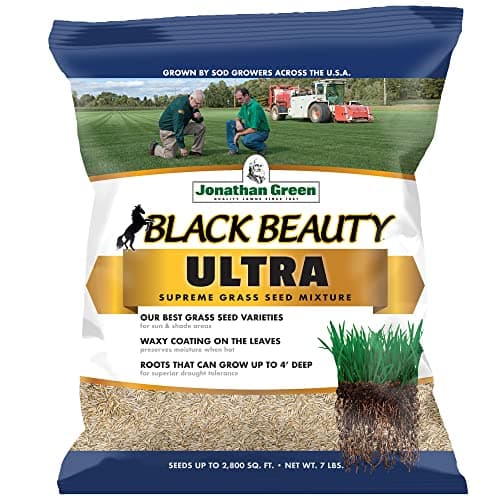
Jonathan Green Black Beauty Ultra Grass Seed
A tall fescue, bluegrass and ryegrass blend with deep roots and dark color.
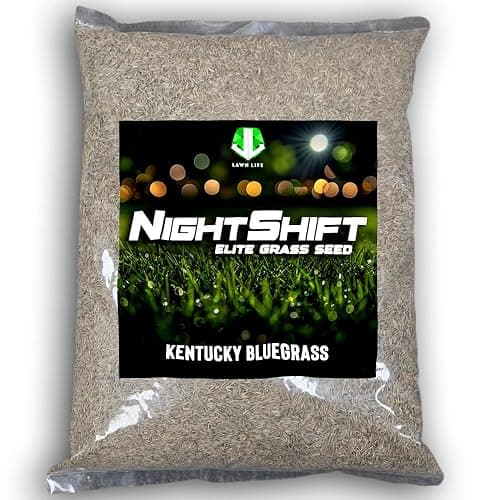
NightShift Kentucky Bluegrass Seed (25 lb)
A straight Kentucky bluegrass seed for northern lawns that need to self repair.
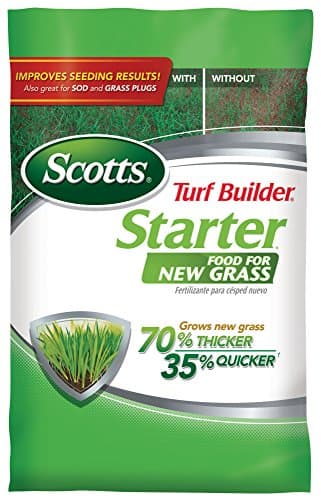
Scotts Turf Builder Starter Food for New Grass
A phosphorus rich starter fertilizer built for germinating seedlings.
Advanced Care and Maintenance for Cool-season Lawns
Fertilization Schedules and Product Choices
Fertilization is a key lever for healthy cool-season lawns, but timing and product choice matter. In northern climates, focus on two main feedings: one in early fall (September) and another in late fall (October-November) for winter recovery and spring green-up. A light spring feeding can help, but avoid heavy nitrogen before summer heat.
Choose between organic and synthetic fertilizers based on your priorities. Organics release nutrients slowly, build soil health, and reduce runoff risks. See Organic Lawn Care Essentials for more on sustainable options. Synthetic products offer quick results but require careful timing and even application to prevent burns or leaching.
Avoid common mistakes like over-applying fertilizer (which can burn grass and pollute waterways) or skipping fall feedings. Use a spreader calibrated to the product’s labeled rate-typically 1 lb of nitrogen per 1,000 sq ft per application.
- Michigan State University Extension recommends applying 2-4 lbs of nitrogen per 1,000 sq ft per year for most northern cool-season lawns, split over 2-4 applications.
Watering Strategies for Year-round Health
Consistent, deep watering is vital for cool-season grass health. Aim for 1-1.5 inches of water per week (from rainfall or irrigation) during active growth. Water early in the morning to reduce disease risk and evaporation. In drought conditions, prioritize deep, infrequent soakings over frequent, shallow watering to encourage deep rooting.
Adjust watering based on seasonal rainfall and avoid watering in the evening, which can promote fungal diseases. In late fall, gradually reduce watering to prepare grass for winter dormancy. If water restrictions occur, allow grass to enter temporary dormancy; most cool-season grasses will recover when moisture returns.
Mowing and Aeration Best Practices
Set your mower to the recommended height for your grass type: 2.5-3.5 inches for Kentucky bluegrass and tall fescue, 2-3 inches for fine fescues, and 1.5 inches for perennial ryegrass. Taller mowing heights promote deeper roots and greater drought tolerance. Never remove more than one-third of the blade at a time.
Core aeration is essential for northern lawns with compacted soils or thatch buildup. Aerate in fall or spring when grass is actively growing. For most lawns, once per year is sufficient. DIY rental machines are effective, but professional services ensure deeper, more uniform results.
After aeration, overseed and fertilize for maximum benefit. Confirm compaction with the screwdriver test: if you can’t push a screwdriver 6 inches into the soil, it’s time to aerate.
Managing Weeds, Pests, and Diseases
Healthy cool-season lawns resist most weeds, but some invaders-like crabgrass, dandelion, or ground ivy-may still appear. Integrated pest management (IPM) combines cultural practices (thick turf, proper mowing, and watering) with targeted herbicide use when needed. See Identifying Lawn Weeds for help with diagnosis.
Pests like grubs can damage northern lawns. If you see brown patches with loose, spongy turf, lift the grass and count grubs-10 or more per square foot usually warrants treatment within 48 hours. For disease prevention, select resistant grass cultivars and avoid excessive watering or nitrogen in humid periods.
If fungicides are needed, apply only after confirming the disease with a positive identification-unnecessary treatments can harm beneficial soil microbes.
Seasonal Care Calendar for Northern Cool-season Lawns
Spring: Recovery and Green-up
Spring is the time for repair and renewal. As snow melts and soil warms, rake away debris, check for snow mold, and lightly overseed thin areas. Fertilize lightly if needed, but save heavy feeding for fall. Begin regular mowing when grass reaches 3-4 inches.
If you spot bare or matted patches, check for soil compaction or winter diseases before reseeding. Early intervention ensures a stronger lawn heading into summer.
Summer: Heat and Drought Stress
Summer is the most stressful time for cool-season grasses. As temperatures climb above 85°F, growth slows, and some grasses may enter semi-dormancy. Raise mowing heights to minimize stress, and water deeply but sparingly. Use shade from trees or temporary structures to help lawns survive heat waves.
If the lawn browns out during drought, don’t panic-most cool-season grasses recover with cooler weather and renewed moisture. Avoid fertilizing or overseeding during peak summer heat.
Fall: Preparation for Winter
Fall is the best window for overseeding, core aeration, and heavy fertilization. Remove leaves promptly to prevent smothering. Dethatch if thatch exceeds 0.5 inches. Apply a "winterizer" fertilizer in late October or early November to boost root reserves for spring green-up.
Overseed after aeration for best seed-soil contact and rapid establishment before the first frost. Well-prepared fall lawns withstand winter better and recover faster in spring.
Winter: Protection and Dormancy
Northern lawns rest under a blanket of snow during winter dormancy. Limit foot and vehicle traffic on frozen turf to avoid compaction and crown damage. Avoid piling snow mixed with de-icing salts on the lawn-salt can damage grass roots and inhibit spring green-up.
To prevent snow mold, keep grass mowed until growth stops in late fall and remove heavy leaf cover. If you notice pink or gray patches in spring, see Identifying Lawn Weeds for snow mold diagnosis and recovery tips.
Common Mistakes to Avoid
Misjudging Planting Timing and Confirmation Tests
One of the most common errors is seeding too early in cold soil or too late in fall, leading to poor germination or winterkill. Always confirm soil temperature is above 55°F before seeding. For stored seed, perform a simple germination test: dampen a paper towel, place 10 seeds inside, and check for sprouts in 7 days-at least 7/10 seeds should germinate for viable seed.
Ignoring Microclimates and Regional Caveats
Many guides overlook the impact of shade, drainage, or regional pests. Adjust your grass selection for shaded zones (fine fescues), wet spots (tall fescue), or high-traffic areas (bluegrass). In northern regions with acidic soils, test and amend pH as needed. Watch for local pest and disease outbreaks-what works well in one state may struggle in another.
- Contact your local extension office for region-specific grass recommendations and pest alerts.
Product Application Errors and Pet Safety
Applying too much or too little fertilizer, herbicide, or seed can cause costly issues. Always calibrate spreaders and follow label rates. For pet and child safety, choose products labeled as safe for use around animals and avoid applications just before heavy rain. See Pet-Safe Lawn Care Tips for more on safe practices.

Remember, the symptom you’re seeing usually points to one of a few things-diagnose carefully before treating to avoid repeating mistakes next season.
Conclusion
Choosing the best cool-season grass for northern lawns is the key to a healthy, resilient yard that looks great through all four seasons. Kentucky bluegrass, fine fescues, perennial ryegrass, and modern turf-type tall fescues each offer strengths-your site’s sun, shade, soil, and use patterns will determine the winner. Blends often provide the best insurance against disease, drought, and variable conditions.
The actionable path is simple: assess your lawn’s unique conditions, select the right seed mix, plant at the optimal window, and follow through with smart, seasonal care. If you want to dive deeper, check out Overseeding for a Thicker Lawn, Organic Lawn Care Essentials, How to Test Your Lawn Soil, Identifying Lawn Weeds, and Pet-Safe Lawn Care Tips.
If you have questions or want to share your experience with cool-season grasses in the north, I’d love to hear your story-let’s keep diagnosing and building better lawns together.
Free Lawn Care Tools
Kentucky bluegrass, fine fescues, and perennial ryegrass are top choices for northern lawns. Blends often offer the best balance of resilience, shade tolerance, and recovery.
The ideal time is late summer to early fall, typically mid-August to mid-September. Plant when soil temperatures are above 55°F and before the first hard frost.
Clear debris and weeds, perform a soil test, amend as needed, level the site, and ensure good seed-to-soil contact. Water regularly until germination.
Yes, blending species like Kentucky bluegrass, fine fescues, and perennial ryegrass increases adaptability to sun, shade, and variable soil conditions.
Keep the soil consistently moist (not soggy) with light watering 1-2 times daily until seedlings are established, then transition to deeper, less frequent watering.
Germination occurs in 5-21 days depending on species. Full establishment typically takes one full growing season, with visible results by the following spring.

Your lawn plan, in your pocket all season
Grass ID, a season plan, soil-timed reminders, and a lawn journal that remembers what you did. Free on iPhone.