When Does Bermuda Grass Turn Green? 2026 Timeline by Region
 Marcus GreenTurf Management Pro | 18 Years
As an Amazon Associate we earn from qualifying purchases.
Quick answer: Bermuda grass turns green when soil temperatures hold at a consistent 65°F or higher at 2 to 4 inches deep. For most lawns that means April to May, though the Deep South can green up as early as late February and the High Plains may wait until late May. If yours is lagging, cold soil, shade, compaction, or thatch is usually the reason.
You wait all winter for your Bermuda grass to shake off its brown, dormant look and return to that lush, vibrant green. But the reality is, the timing of Bermuda grass green-up isn’t just about watching the calendar. It’s a dance between soil temperature, the region you live in, and the way you care for your turf. Miss the cues, and you risk delayed color, disease, or even permanent damage.
Knowing exactly when Bermuda grass turns green in your area is the foundation for planning your entire lawn care season. Get the timing wrong, and you might waste fertilizer, mow too soon, or encourage weeds. This guide delivers a region-by-region timeline so you know when to expect green-up, what factors speed (or slow) the process, expert strategies to accelerate recovery, and the common pitfalls that hold homeowners back.
Bermuda grass turns green when soil temperatures reach a consistent 65°F-usually between late February and May depending on your region. The fastest way to confirm green-up is with a simple “tug test” or by scraping the soil: if the crowns are firm and show green tissue, your Bermuda is waking up. If they’re mushy or brown, it’s still dormant. Never force green-up with early fertilizer-wait until at least 50% of your lawn has visible green before feeding or you risk burning dormant turf.
In the Deep South, expect green-up as early as late February, while the High Plains and northern zones may not see green until mid-May. To accelerate green-up, rake debris, mow low with sharp blades, and monitor soil temps with a probe thermometer. Avoid overwatering in cool soils-stick to light irrigation only if the turf shows drought stress. Patience is key: pushing Bermuda grass before it’s ready can do more harm than good.
What Soil Temperature Does Bermuda Grass Green Up At? (Quick Answer)
Bermuda grass starts greening up when soil temperatures at 2 to 4 inches deep reach a consistent 65°F for several days in a row. Below 55°F, the grass stays dormant; between 55°F and 60°F, you may see partial green-up in sunny spots; at 65°F and above, full green-up accelerates across the lawn. Air temperature is a poor proxy, because warm days followed by frost can keep the soil cold and stall the wake-up. Use a probe thermometer pushed 2 inches into the soil and check at the same time each day. If the soil reads 65°F three days in a row, you can safely apply your first spring fertilizer and expect visible green-up within 1 to 2 weeks.
Understanding Bermuda Grass Green-Up: The Science Behind the Color Change
Bermuda grass is prized for its dense, carpet-like appearance through the warm months, but every winter it enters a dormant state, turning straw-colored and conserving resources. This dormancy is a survival tactic, triggered by cooling soil temperatures and reduced sunlight in fall. Once soil temperatures climb back up in spring, the grass “wakes up,” resumes photosynthesis, and begins to green up from the roots upward.
The key trigger for Bermuda grass green-up is soil temperature-not air temperature. While sunny days may warm the air, it’s the soil at root level (typically 2-4 inches deep) that signals to the grass it’s time to start growing. The magic number is 65°F: once daytime soil temps consistently reach this threshold, you’ll notice green shoots spreading across your lawn. Air temperature can be misleading-frosty nights or cold snaps will keep Bermuda brown even if afternoons are warm.
The Dormancy-Green-Up Cycle Explained
During dormancy (typically November through March in most regions), Bermuda grass halts above-ground growth and relies on stored carbohydrates. The roots remain alive, but the crown and blades lose color and become brittle. As spring approaches, increasing daylight and warming soil temperatures trigger hormonal changes in the plant. Energy stored in the roots and crowns is mobilized, driving new growth and green color from the base upward. Full green-up can take anywhere from 2 to 6 weeks, depending on weather and lawn management.
Soil temperatures, not calendar dates, dictate this transition. For professional-level turf (like golf fairways), we monitor soil temps daily-homeowners can get similar results with a simple digital soil thermometer stuck 2-4 inches deep. Once readings hit 65°F for several consecutive days, Bermuda grass is primed for recovery.
Key Factors That Affect Bermuda Grass Green-Up
Beyond soil temperature, several factors influence the timing and quality of Bermuda grass green-up:
- Day Length: Longer daylight hours in spring provide the light energy Bermuda needs to break dormancy.
- Soil Moisture: Moist, but not soggy, soils encourage root function. Drought or waterlogged conditions can delay green-up.
- Lawn Care Practices: Fall fertilization, mowing height, and thatch management all affect spring recovery. Lawns scalped or neglected in fall may green up unevenly.
- Pre-Emergent Herbicide Timing: Early application is critical for weed control, but applied too late, some products can suppress Bermuda green-up.
- Bermuda Variety: Common Bermuda (seeded types) often greens up slower than hybrid or vegetative cultivars bred for rapid spring recovery.
Our Grass Database shows Bermudagrass is a warm-season grass with very high traffic tolerance, but low shade tolerance-a dense canopy greens up faster in full sun than in shaded spots.
Region-by-Region Timeline: When Does Bermuda Grass Turn Green?
Bermuda grass green-up is dramatically affected by your local climate, frost dates, and soil warming patterns. Here’s what to expect across the major US regions:
Southern United States (Deep South: TX, LA, MS, AL, GA, FL, Southern SC)
In the Deep South, Bermuda grass can begin greening up as early as late February, with full color typically established between mid-March and early April. These regions enjoy mild winters, with last frost dates often as early as mid-February. Rapid soil warming, plenty of sunlight, and frequent spring rains all contribute to an earlier green-up window compared to northern zones.
Unique considerations here include the risk of an early warm spell followed by a late frost-this can “trick” Bermuda into starting growth, only to kill off new shoots with a cold snap. To jump-start green-up safely:
- Monitor soil temps in early March; wait for consistent 65°F readings before fertilizing.
- Rake out dead material in late winter to expose the soil and help it warm faster.
- Scalp the lawn (mow to 1 inch) just as new green shoots appear, then raise mowing height as growth accelerates.
- Apply pre-emergent herbicide by March 15, as our Regional Climate Data shows the Southeast pre-emergent window is February 15 to March 15-perfectly aligned with the green-up period.
Transition Zone (NC, TN, AR, OK, Northern TX, Northern GA, Northern AL, Southern VA, etc.)
The transition zone is the trickiest region for Bermuda grass. Here, green-up can occur anywhere from mid-March to late April, but unpredictable cold snaps and variable soil temps make timing a challenge. Lawns in this band may experience frost as late as April, with soil lagging behind air temperature for several weeks.
What makes the transition zone tough is microclimate variation-urban heat islands can trigger green-up weeks ahead of rural or shaded lawns. The best way to monitor your own yard is with a soil thermometer and a careful eye for when at least 50% of the turf shows green. Don’t rely solely on your neighbor’s lawn-your specific sun exposure and soil type will create a unique timeline.
Southwest and Desert Regions (AZ, NM, Southern CA, NV)
Bermuda grass in the Southwest typically greens up from early March through mid-April. Intense sun and low humidity can warm soils quickly, but drought stress is a real risk if irrigation isn’t managed. In these regions, the biggest challenge is wild temperature swings-80°F days followed by 40°F nights can stall green-up or cause patchiness.
Special consideration is needed if you overseeded with ryegrass for winter green. Rye can outcompete Bermuda in spring, delaying green-up by several weeks. To encourage Bermuda recovery:
- Begin reducing irrigation and mowing height on rye in late February to stress it and allow sunlight to reach Bermuda crowns.
- Once soil temps hit 65°F, gradually increase Bermuda irrigation and mow at 1-1.5 inches to favor warm-season growth.
Mid-Atlantic and Upper South (VA, KY, MO, Southern IL, Southern KS, Southern IN)
Expect Bermuda grass to green up between early April and early May in these regions. Late frosts, cool soil, and heavy spring rainfall can delay the process. Rain encourages soil warming but also increases risk of disease-brown patch and spring dead spot are common when turf sits wet in cool weather.
To minimize stress and disease during green-up:
- Improve soil drainage in fall to reduce standing water.
- Apply fungicide preventatively if you’ve struggled with patch diseases in past years.
- Delay heavy fertilization until green-up is well underway (at least 50% green).
Coastal and Subtropical Regions (South FL, Gulf Coast, Coastal Carolinas)
In southern Florida and along the Gulf Coast, Bermuda grass may never fully enter dormancy, maintaining a green (though sometimes pale) color year-round. In these subtropical zones, green-up is more about “thickening” and deepening color than a dramatic color change. Salt spray, high humidity, and sandy soils require special management.
If your Bermuda grass never browns out fully, focus on:
- Monthly light feedings rather than one heavy spring application.
- Frequent mowing at 1-1.5 inches to maintain density and suppress weeds.
- Leaching salts from the root zone after heavy rain or irrigation.
Our Grass Database shows Bermudagrass thrives in soils with a pH of 5.8-6.5, which matches the typical range in these areas.
Western and High Plains (CO, Central/Northern CA, OK panhandle, NM highlands)
In the Western and High Plains, Bermuda grass has a much later green-up window-usually late April to late May. These regions often have lingering cold snaps, dry winds, and slow soil warming, especially at higher elevations. Lawns at 5,000+ feet may not see true green-up until June, depending on weather patterns.
To encourage earlier green-up:
- Rake and dethatch aggressively in early spring to expose dark soil to sunlight for faster warming.
- Consider a light topdressing (1/8 inch) with compost or sand to retain soil heat overnight.
- Water lightly only if winter drought is severe-overwatering cold soils can stunt Bermuda recovery.
Region-by-Region Comparison Table (Visual Checklist)
The table below summarizes Bermuda grass green-up timing by region, including first/last frost dates, typical soil temperatures, and unique factors to monitor in your own yard.
| Region | Green-Up Window | Soil Temp Threshold | First/Last Frost | Special Considerations |
|---|---|---|---|---|
| Deep South (TX, LA, MS, AL, GA, FL) | Late Feb - Early April | 65°F | Feb 15 / Nov 15 | Early warm spells, late frost risk |
| Transition Zone (NC, TN, AR, OK, N TX, N GA) | Mid March - Late April | 65°F | Mar 15 / Nov 1 | Microclimate variability, late frosts |
| Southwest/Desert (AZ, NM, S CA, NV) | Early March - Mid April | 65°F | Mar 1 / Dec 1 | Drought, temperature swings, overseeding |
| Mid-Atlantic/Upper South (VA, KY, MO, S IL) | Early April - Early May | 65°F | Apr 1 / Oct 15 | Disease risk, heavy rain |
| Coastal/Subtropics (S FL, Gulf Coast, Carolinas) | Year-round or Early Feb | 65°F | Rare frost | Salt, humidity, minimal dormancy |
| Western/High Plains (CO, N CA, OK panhandle) | Late April - Late May | 65°F | May 1 / Sep 15 | Cold snaps, slow soil warming |
Use this checklist along with a soil thermometer to track progress in your own yard. For more on regional differences, see our guide on Bermuda Grass vs. Zoysia for Green-Up.
How to Speed Up Bermuda Grass Green-Up (Expert Tips)
Accelerating Bermuda grass green-up is all about working with nature, not against it. Here’s a comprehensive approach drawn from my years managing championship Southern fairways and adapted for homeowners:
Step-by-Step Early Spring Preparation Checklist
- Monitor Soil Temperature: Starting in late winter, check soil temps at 2 inches deep using a probe thermometer. Begin preparations when readings regularly hit 60°F and plan fertilization once you reach 65°F for 3-5 days.
- Rake and Dethatch: Clear away leaves, pine straw, and dead grass. For heavy thatch (over 0.5 inch), use a dethatcher. The Greenworks 13 Amp 14" Corded Dethatcher/Scarifier is ideal for homeowners with larger lawns or significant debris-its adjustable depth ensures you remove just enough thatch without scalping the lawn. This step exposes crowns to sun and speeds soil warming.
- First Mow: As soon as you see green shoots (even if patchy), mow at 1 inch with a sharp blade. This “scalping” removes old leaf tissue and lets sunlight reach the soil. Raise mower height gradually as green-up advances.
- Watering: Hold off on heavy irrigation until green-up is well underway. Water only if turf shows visible drought stress (wilting or blue-gray color), applying just enough to moisten the top 2 inches of soil. Overwatering during dormancy invites disease.
Fertilization and Pre-Emergent Strategies
Timing is everything with Bermuda grass fertilization. Our Grass Database shows Bermudagrass requires 3.5 lbs of nitrogen per 1,000 sq ft annually, with the first application scheduled when soil temperature reaches 65°F. For an early green-up, apply a starter fertilizer such as Pennington Full Season Lawn Fertilizer 32-0-5 only after at least half the lawn is visibly green-never on fully dormant turf. This high-nitrogen formula (32-0-5) is specifically formulated for warm-season grasses like Bermuda, providing the boost needed for rapid spring growth.

Apply pre-emergent herbicide before soil temps reach 55°F to prevent summer weeds, but avoid late applications that can suppress Bermuda green-up. For most of the Southeast, the window is February 15 to March 15; in the Upper Midwest, it’s April 15 to May 15, per our Regional Climate Data. Always read product labels for compatibility with Bermuda and follow up with light irrigation to activate the product.
Never apply high-nitrogen fertilizer before green-up. This can burn dormant grass, promote disease, and waste nutrients. Wait until you confirm at least 50% green coverage.
Advanced Tactics for Lawn Enthusiasts
- Soil Thermometers and Weather Data: Track local soil temps and frost dates-not just air temperature. Even golf course crews rely on this data for timing green-up treatments.
- Light Topdressing: A thin layer (1/8 inch) of compost or sand can help soil retain daytime heat, encouraging faster crown activation.
- Overseeded Lawns: If you have overseeded with ryegrass, begin reducing watering and mow shorter in late winter to encourage Bermuda to re-emerge. Remove excess rye with a dethatcher if needed to prevent competition.
Pro Tips for Consistent, Lush Green-Up
- Patchy or Uneven Green-Up: Target thin areas with spot-sprigging or by plugging healthy Bermuda into bare spots. Water lightly until established.
- Renovation: For lawns slow to green up due to compaction or heavy thatch, core aerate in late spring (after full green-up) to improve air and water movement.
- Growth Regulators: On high-maintenance lawns, products like trinexapac-ethyl (used by professionals) can be applied in summer to thicken turf and promote more even color, but only after full green-up.
- Clemson Extension recommends applying nitrogen to Bermudagrass only after 50% green-up, using a split application schedule for best results.
Recommended products
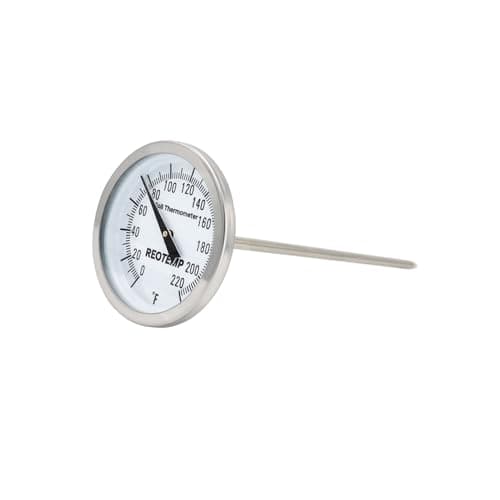
REOTEMP Waterproof Soil Thermometer (5 inch stem)
A 5 inch probe thermometer that reads soil temperature at the depth bermuda actually responds to.

The Andersons PGF Complete 16-4-8
A slow-release 16-4-8 for the first real feeding once bermuda is more than half green.
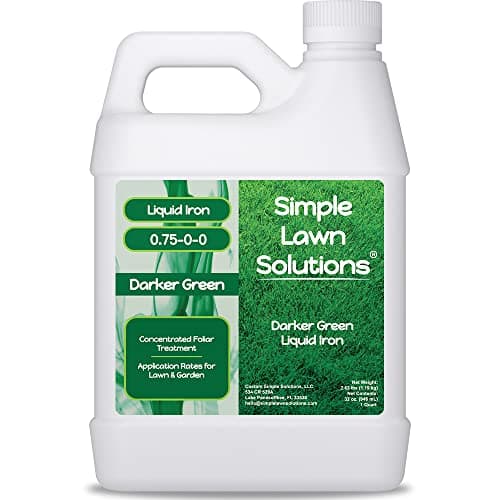
Simple Lawn Solutions Liquid Iron Darker Green (32 oz)
A chelated liquid iron that deepens color during green-up without pushing the growth surge nitrogen causes.
Year-Round Bermuda Grass Color: What’s Possible?
Many homeowners dream of a green Bermuda lawn every month of the year, but the reality varies by region and comes with trade-offs. Bermuda is genetically programmed for dormancy in response to cold soil and short days; in most of the US, true year-round green is not possible without overseeding or artificial means.
Can You Keep Bermuda Grass Green All Year?
In frost-free subtropical regions (like South Florida), Bermuda grass may retain a green color year-round, though growth slows in winter. In all other regions, the only way to maintain green color through winter is by overseeding with a cool-season grass (such as perennial ryegrass). While this approach delivers winter curb appeal, it can delay spring green-up and stress Bermuda roots as the overseeded grass competes for water and nutrients.
There’s also a disease risk: high humidity or overwatering in winter can promote fungal problems in both Bermuda and overseeded turf. If your core goal is a healthy, dense Bermuda lawn, overseeding is best reserved for golf courses or sports fields, not home lawns. For more, see Why Is My Bermuda Grass Not Growing?
How to Extend the Green Period in Your Lawn
To maximize green color and accelerate spring recovery, focus on these late-season strategies:
- Apply your last nitrogen fertilizer in late summer or early fall, per our Grass Database’s recommended seasonal split (spring 20%, summer 60%, fall 20%).
- Continue mowing at 1-2 inches until growth stops in fall, never letting turf get too tall before dormancy.
- Water deeply but infrequently in late fall to promote deep roots and drought resilience.
These steps ensure your Bermuda returns to life as soon as spring weather allows.
Bermuda Grass Coming Out of Dormancy: What's Normal and What's Not
Bermuda grass coming out of dormancy rarely looks like a light switch. A healthy green-up is patchy and uneven for two to four weeks, and knowing what is normal saves you from panic-fertilizing a lawn that is right on schedule.
Normal signs during green-up: green blades appearing first in full-sun areas, along south-facing edges, and near driveways and sidewalks where soil warms fastest; a mix of green shoots and tan stems in the same square foot as new growth pushes through last year's dormant top growth; low spots and shaded corners lagging the rest of the lawn by two or three weeks; and a thin or ragged look until the first couple of mows even things out.
Not normal: circular patches that stay completely brown while everything around them greens up (classic spring dead spot), entire sections showing no green shoots at the crown four or more weeks after your area's typical window, stems that pull up with zero resistance and no white or cream color inside, and mushy, dark roots that smell sour, which point to winterkill or rot rather than late dormancy.
The quickest check while Bermuda is coming out of dormancy: part the brown canopy in a few spots and look at the crowns and stolons at soil level. Cream-white and firm means alive and waiting on warmth. Brown, brittle, and dry through the whole crown means that spot likely will not recover and may need spot-seeding or sprigs once soil holds above 65°F.
Bermuda Grass Not Greening Up? Common Causes
If your Bermuda grass is still brown while neighbors’ lawns are greening up, several issues may be to blame. In our experience, the culprit is almost always one of these six:
- Soil still too cold: The most common cause by far. Bermuda will not break dormancy until soil holds 65°F at 2-4 inches deep, no matter how warm the afternoons feel.
- Shade: Shaded areas warm up weeks later than full-sun spots, and Bermuda has low shade tolerance to begin with. North-facing slopes and areas under trees always green up last.
- Soil compaction: Compacted soil restricts root growth and drainage, which slows crown activation. If a screwdriver will not push 4 inches into the ground, compaction is part of your problem.
- Excess thatch: A thatch layer over 0.5 inch insulates the soil from the sun, keeping it cold and shading the crowns that need light to wake up.
- Spring dead spot: Circular bleached-out patches that stay brown while surrounding turf greens up are the classic sign of this fungal disease. The roots in those patches rotted over winter, so they recover slowly or not at all.
- Nitrogen applied too early: Fertilizing before the soil warmed does not wake Bermuda up. It feeds winter weeds, can burn dormant crowns, and often delays a clean green-up.
When to actually worry: a slow, patchy start into April is normal in most regions. But if your lawn is still fully brown past late May in the South (or past mid-June in the High Plains), assume winter kill, disease, or a pest issue and start diagnosing. Here’s how to work through it step by step:
Diagnosing Delayed Green-Up
The most common reason for slow green-up is soil temperature that’s still too low. Use a soil thermometer at 2-4 inches depth; if readings are below 65°F, your Bermuda is simply waiting for the right conditions. Shaded areas, compacted soils, and north-facing slopes often lag behind sunnier spots.
Other culprits include excessive thatch (over 0.5 inch), soil compaction, or a heavy overseeded ryegrass stand. Pests (like mole crickets or grubs) and diseases (spring dead spot) can also contribute.
What to Do If Your Bermuda Grass Is Still Brown
Follow this step-by-step troubleshooting checklist:
- Check soil temperature at 2 inches deep. If below 65°F, wait-no action needed yet.
- Perform a “tug test”: Grab a handful of brown grass and pull gently. If the crowns stay firm and resist, the turf is alive. If they pull up easily, you may have winter kill or disease.
- Inspect for thatch and compaction. Insert a screwdriver-if it won’t penetrate at least 4 inches, plan to aerate after green-up.
- Look for signs of pests or disease: spongy soil, tunnels, or circular dead spots. Treat as needed based on diagnosis.
- If all tests pass but green-up is still slow, simply be patient-weather is the final decider for Bermuda recovery.
For more detailed solutions, see How to Fix Patchy Bermuda Grass.
- NC State Extension advises waiting for consistent soil temps above 65°F before expecting full Bermuda green-up, regardless of air temperature.
Common Mistakes to Avoid
Many online guides gloss over the real-world pitfalls homeowners face with Bermuda grass green-up. Here’s what most sources miss-and how to avoid costly errors:
Relying on Air Temperature Alone (Ignoring Soil Temps)
The biggest mistake is assuming a string of warm days means it’s time to fertilize or scalp Bermuda. Soil temperature at the root zone is what matters. Always check with a probe thermometer rather than guessing based on weather apps.
Fertilizing Too Early or Too Late
Applying nitrogen before Bermuda is at least 50% green can burn the turf and promote weeds. Conversely, waiting too long (past late spring) means you miss the main growth surge. Stick to the timing in our Grass Database: first application when soil hits 65°F, split across the growing season.
Overwatering or Underwatering During Dormancy
Overwatering cold soils suffocates roots and breeds disease. Underwatering during early green-up, especially on sandy soils, can lead to drought-stressed turf. Water only as needed, aiming to moisten the top 2 inches, not saturate the root zone.
Regional Caveats: One-Size-Fits-All Advice Fails
Your neighbor’s lawn may green up two weeks before yours due to sun exposure, wind, or soil type. Microclimate matters-track your own soil temps and green-up progress, not just general regional averages.
Skipping Confirmation Tests Before Applying Products
Before spreading fertilizer or herbicide, perform a “tug test” or scrape test on crowns to confirm active green tissue. This prevents wasted product and reduces risk to pets and kids from unnecessary chemical applications.
Conclusion
Bermuda grass green-up is a science-driven process, not a guessing game. By monitoring soil temperature, following region-specific timelines, and adapting professional techniques to your home lawn, you can achieve a lush, green Bermuda turf as early as possible. The key actionable steps: check soil temps (not just air), wait for at least 50% green before fertilizing, and adjust your approach based on microclimates and unique yard conditions.
Stay patient-Bermuda grass will always green up on its own schedule, but smart preparation can shave weeks off the wait. For more on maximizing color and health, check out our companion guide on how to speed up Bermuda grass green-up, Early Spring Lawn Care for Bermuda Grass, and Common Lawn Fertilizer Mistakes. Take this season’s green-up as a chance to dial in your strategy and enjoy championship-caliber turf at home.
Free Lawn Care Tools
Bermuda grass turns green once soil temperatures hold at a consistent 65°F at 2-4 inches deep. That happens as early as late February in the Deep South, mid-March to late April in the transition zone, and as late as May in the High Plains and higher elevations.
Watch for green shoots emerging from the base of the turf. Confirm by gently scraping the crown with your fingernail or performing a tug test—if you see green tissue and the crown is firm, green-up is underway.
Consistent soil temperatures of 65°F at a 2-4 inch depth signal Bermuda grass to break dormancy and begin active growth. Check this with a soil thermometer for accuracy.
Yes, you can speed green-up by raking out debris, scalping the lawn, monitoring soil temperature, and applying fertilizer only after at least 50% of the turf is green. Avoid early nitrogen applications.
Check soil temperature first—if it's below 65°F, wait for warmer weather. If soil is warm and the lawn remains brown, inspect for thatch, compaction, pests, or disease, and address these issues as needed.
No, never fertilize fully dormant Bermuda grass. Wait until at least half your lawn shows green before applying nitrogen to avoid burning and wasted nutrients.
Yes, overseeding with ryegrass or other cool-season grasses can delay Bermuda green-up by creating competition for sunlight and nutrients. Begin reducing rye in late winter to help Bermuda recover.
The most common causes are soil that is still below 65°F, shade, soil compaction, excess thatch, spring dead spot disease, or nitrogen applied too early. Check soil temperature first; if the soil is warm and the lawn is still fully brown past late May in the South, inspect for thatch, compaction, pests, or disease.
Once soil temperatures at 2 to 4 inches hold at 65°F, Bermuda grass typically takes 2 to 4 weeks to fully green up. The transition is patchy by design: sunny areas and edges near pavement green up first, while shaded and low-lying spots can lag by two to three weeks. If a spot shows no green shoots at the crown more than four weeks after the rest of the lawn has greened up, check the crowns for winterkill.

Your lawn plan, in your pocket all season
Grass ID, a season plan, soil-timed reminders, and a lawn journal that remembers what you did. Free on iPhone.