Best Grass Types for Shade
 Marcus GreenTurf Management Pro | 18 Years
As an Amazon Associate we earn from qualifying purchases.
Shady spots can make even the best lawn owner feel defeated. The grass under mature trees stays thin and patchy, the strip beside the fence never quite fills in, and the north side of the house looks tired no matter how much you water. It feels unfair when the sunny parts of your yard look great while the shady areas struggle. Before you choose, it helps to know what kind of grass you already have.
Shade is tough on turf for several reasons. With less sunlight, grass has less energy for photosynthesis, so it grows slower and develops weaker roots. Tree and shrub roots are also stealing water and nutrients from the same soil your grass uses. On top of that, shaded areas often stay damp longer, which increases disease pressure and invites moss instead of thick turf.
The good news is that you can grow a reasonably thick, attractive lawn in many shaded situations. The key is to stop treating shady and sunny areas the same way. You cannot use the exact same grass type for deep shade that you use for full sun, and even the best shade tolerant grass still needs at least a little light to survive.
In this guide, you will learn how to understand shade levels in your yard, how shade affects grass health, and how to choose the best grass for shady areas in both cool-season and warm-season regions. We will cover seeding, soil preparation, and ongoing maintenance strategies that make a real difference in shade. For more background on specific grasses, you may also want to read Complete Guide to Cool-Season Grass Types, Complete Guide to Warm-Season Grass Types, Best Grass Types for Full Sun, Fastest Growing Grass Varieties: 5 Picks That Sprout in 3-7 Days, and How to Identify Your Grass Type by Look & Feel.
If your lawn is struggling in shady areas, it's important to determine the level of shade you're dealing with. Stand in the spot at midday and note how many hours of direct sunlight it receives. Light shade means 3-5 hours, while deep shade gets less than 2. This helps you choose the right grass variety that can thrive in those conditions.
For areas with light to moderate shade, consider planting fine fescue or St. Augustine grass, which are known for their shade tolerance. You can expect noticeable improvement in as little as 4-6 weeks with proper seeding and care. Just ensure you water appropriately and avoid heavy foot traffic to see your lawn transform into a lush, green carpet.
Understanding Shade and Grass Growth
What “Shade” Really Means for Lawns
In lawn care, shade is not a vague term. It describes how many hours of direct sunlight your turf actually receives. This matters because different grasses have different light requirements. A grass that does great in light shade can fail completely in deep, dense shade.
Here is a simple way to think about it:
- Full sun: 6 or more hours of direct sun per day.
- Light or partial shade: Around 3 to 5 hours of direct sun, or bright dappled light under trees for much of the day.
- Moderate shade: About 2 to 3 hours of weak or indirect sun, often morning only.
- Deep shade: Less than 2 hours of direct sun, or heavy tree cover that blocks most light.
Most shade tolerant grass varieties can perform well in light or partial shade, and a few can manage in the lower end of moderate shade with careful maintenance. However, even the best grass for shade will struggle in deep shade under dense tree canopies, between buildings that block the sky, or on narrow north facing side yards with almost no direct light.
In those extreme situations, a traditional lawn might not be realistic. Ground covers, ornamental beds, mulch, or gravel paths often look better and are easier to maintain than a constant battle with thin grass. Understanding your true shade level helps you set realistic expectations and choose the right approach from the start.
How Shade Affects Grass Health
Grass is a sun powered plant. When light is limited, every part of its biology is affected. Reduced sunlight means reduced photosynthesis, so the plant makes less food for itself. This leads to slower growth, weaker roots, and thinner turf. You may notice that shaded grass looks leggy and stretches for the light instead of forming a dense, low growing mat.
Shade also changes moisture conditions. Areas under trees or next to structures dry out more slowly after rain or irrigation. The cooler, damp environment creates ideal conditions for fungal diseases like leaf spot, dollar spot, or rust. Moss often takes advantage of these conditions too, especially where soil is compacted or acidic. Many homeowners think moss means they need to kill it, but it is really a sign that conditions favor moss more than grass.
Tree and shrub roots add more stress. They aggressively compete for water and nutrients, often winning over turfgrass. Add foot traffic from kids, pets, or a common shortcut path, and shaded lawns get damaged faster than sunny ones because the grass cannot recover as quickly.
The key takeaway is that success in shade is not just about picking a shade tolerant grass. You must pair the right species and variety with adjusted maintenance practices: higher mowing, careful watering, and lighter fertilization. When you match the grass type and the care routine to the light level, your chances of a healthy shaded lawn go up dramatically.
Key Factors When Choosing Shade Tolerant Grass
Match Grass Type to Your Climate Zone
Before you look at specific shade tolerant grass varieties, start with your climate. Turfgrasses fall into two broad categories: cool-season and warm-season. Cool-season grasses prefer cooler temperatures and stay green longer in northern climates. Warm-season grasses thrive in heat and handle southern summers much better.
In general:
- Cool-season grasses dominate in the northern half of the United States and much of the transition zone. They grow best when air temperatures are in the 60 to 75 degree range.
- Warm-season grasses are used mostly in the southern states and warm coastal regions. Their peak growth comes when temperatures are between roughly 75 and 90 degrees.
If you are unsure which region you fall into, or what your existing lawn is, resources like Complete Guide to Cool-Season Grass Types and Complete Guide to Warm-Season Grass Types, along with How to Identify Your Grass Type by Look & Feel, can help you confirm this. Once you know your zone, you can focus only on shade grasses that are adapted to your climate. Planting a grass outside its comfort zone is a quick way to guarantee disappointment, especially in shade.
Understand Your Site’s Specific Shade Pattern
No two yards have the same shade pattern. The way shade moves across your lawn during the day has a direct impact on which shade tolerant grass will succeed. Spend a day or two watching how the sunlight shifts, especially during spring and early summer when lawns are most active.
Ask yourself a few specific questions:
- How many total hours of direct sun does this area get on a typical day?
- Is the shade created mostly by buildings, tall fences, trees, or a combination?
- Does the area get morning sun with afternoon shade, or shade in the morning with hot afternoon sun?
Morning sun with afternoon shade is generally easier on lawns. The grass gets light when temperatures are cooler, then gets a break from the intense heat later in the day. Dappled shade under a high tree canopy can also be quite workable for many shade tolerant species, as long as enough light filters through.
On the other hand, areas with morning shade and hot afternoon sun are more stressful. The turf warms up but does not get as much light early when conditions are gentler. Dark, dense tree lines where branches hang low and block the sky are the hardest places for grass. In those locations, it might be smarter to raise the tree canopy, add selective pruning, or choose non turf solutions instead of fighting constant decline.
Other Decision Factors: Soil, Use, and Maintenance Level
Shade and climate are just part of the decision. Soil type, how you use the area, and how much work you are willing to put in all influence which shade tolerant grass makes sense.
First, consider your soil. Is it compacted from foot traffic or heavy clay that stays wet? Is it very sandy and fast draining? Shady lawns with compacted soil are especially vulnerable to disease and thin turf. Aeration and organic matter additions can help almost any shade grass perform better.
Next, think about how the area is used. A heavily used play area or dog run in moderate shade will need a tougher species or a plan for regular overseeding. A low traffic ornamental area can often manage with slower growing but more shade tolerant grasses.
Finally, be honest about your maintenance style. Shade grass often benefits from annual overseeding, careful mowing height, and more thoughtful watering. If you prefer a low effort lawn, choose grass types that match that expectation or consider alternatives like mulch beds. And if moss has already taken over the spots where grass gave up, our guide on how to get rid of moss in your lawn walks through clearing it and fixing the shade, drainage, and soil conditions behind it.
Before you choose a shade grass, know these five things:
- Your climate zone (cool-season or warm-season).
- Your specific shade level and pattern during the day.
- Your soil type and drainage situation.
- The expected foot traffic and use of the area.
- How much ongoing maintenance you are realistically willing to provide.
With these points clear, you can confidently choose shade tolerant grass that fits your yard instead of guessing and hoping for the best.
Recommended products
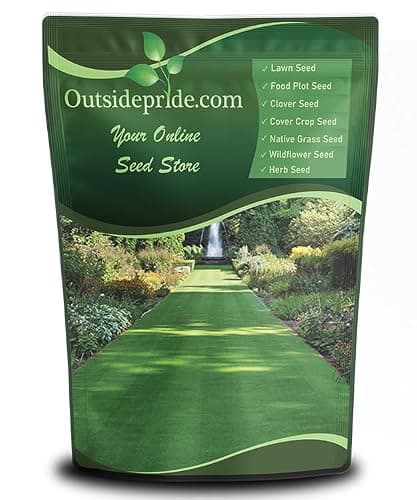
Outsidepride Legacy Fine Fescue Blend (10 lb)
A fine fescue blend that handles deeper shade than any other cool-season turf.
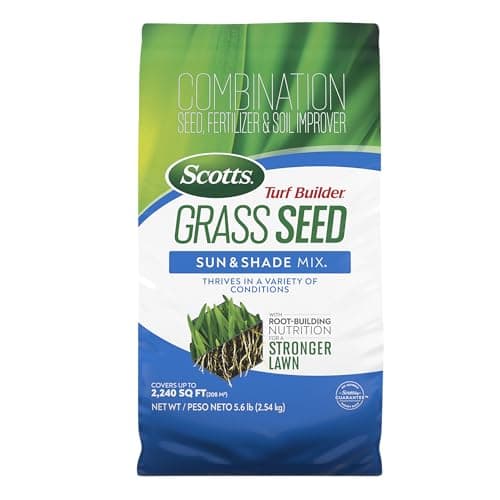
Scotts Turf Builder Grass Seed Sun and Shade Mix
A general sun and shade blend for yards that mix both conditions.
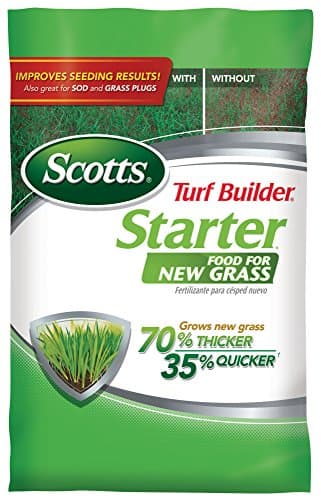
Scotts Turf Builder Starter Food for New Grass
A starter fertilizer for shade seedings, which establish slower than sunny ones.
Free Lawn Care Tools
Shade-tolerant grasses generally do best in light or partial shade, which means about 3 to 5 hours of direct sun or bright dappled light under trees. Some can manage in the lower end of moderate shade with around 2 to 3 hours of weak or indirect sun. Once light drops below roughly 2 hours of direct sun, even the best shade grasses struggle.
Light or partial shade means about 3 to 5 hours of direct sun or bright, filtered light for much of the day. Moderate shade is around 2 to 3 hours of weak or mostly morning sun. Deep shade is less than 2 hours of direct sun or heavy tree cover that blocks most of the light reaching the grass.
In deep shade under dense tree canopies, between tall buildings, or on narrow north-facing side yards, traditional lawn grasses rarely perform well. Even the most shade-tolerant varieties tend to become thin, weak, and patchy. In these situations, ground covers, mulch, ornamental beds, or gravel paths are often more realistic and attractive options.
Shaded areas often stay cooler and damp for longer, especially when soil is compacted or acidic. Those conditions reduce grass vigor but are ideal for moss, so moss fills in where turf struggles. Moss is less the problem itself and more a sign that the site favors moss over grass.
Shady spots dry out more slowly after rain or irrigation, so the soil and leaf surface stay damp longer. That extra moisture, combined with cooler temperatures, encourages fungal diseases like leaf spot, dollar spot, and rust. Adjusting watering to avoid overwatering shaded areas is an important part of keeping turf healthier there.
Grass in shade benefits from a higher mowing height, which leaves more leaf surface to capture limited light. Watering should be careful and less frequent to avoid constant dampness, and fertilization should be lighter to reduce stress on weakened roots. When these practices are paired with a shade-tolerant grass suited to your climate, shaded lawns have a much better chance of filling in.

Beat weeds and brown spots from your phone
Snap a photo, get the fix, and follow a plan timed to your soil and weather. Free on iPhone.