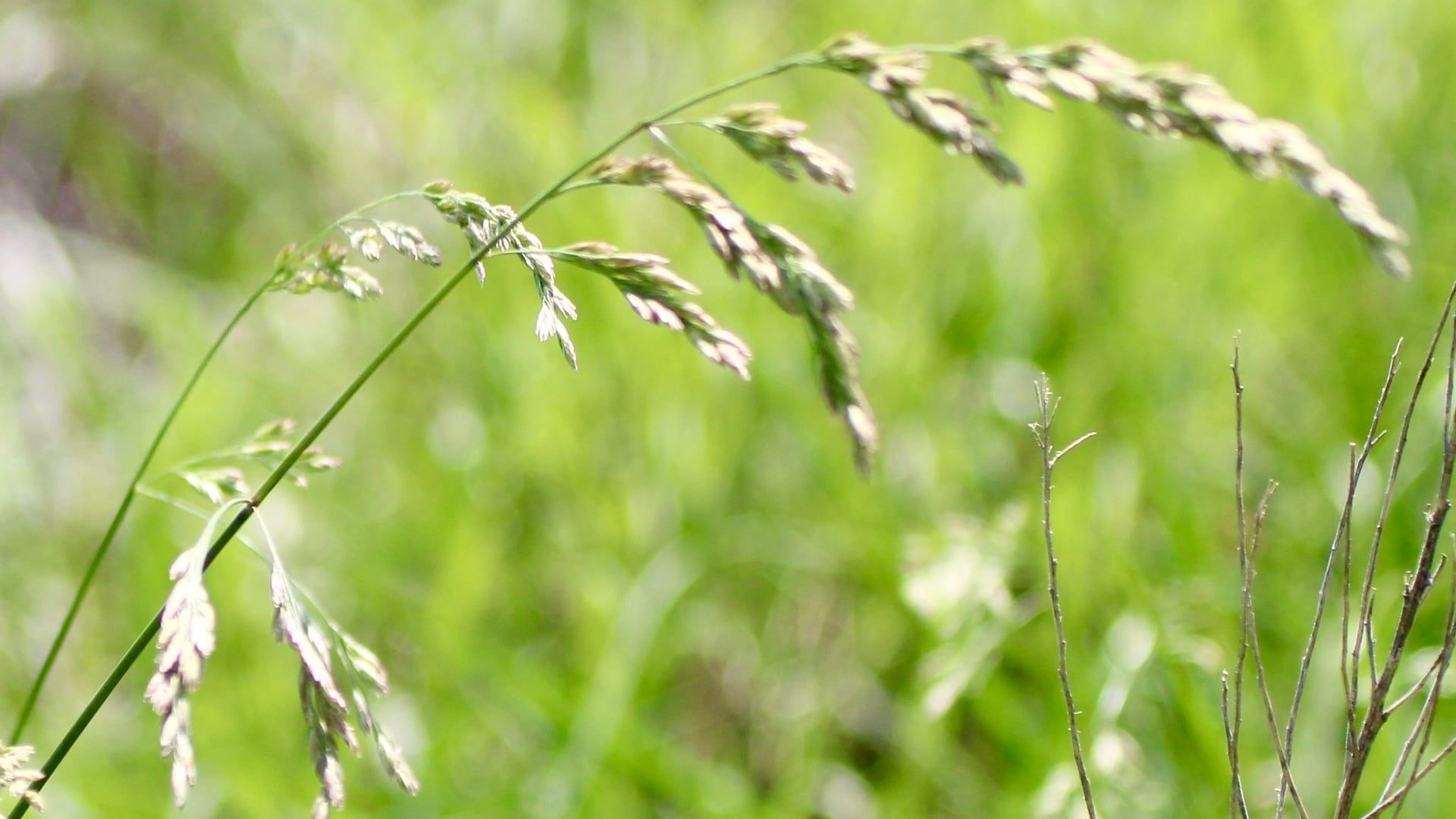
Fastest Growing Grass Varieties: 5 Picks That Sprout in 3-7 Days
 James ThorntonLawn Equipment & Maintenance Expert | 20 Years
As an Amazon Associate we earn from qualifying purchases.
The fastest growing grass is ryegrass. Annual and perennial ryegrass sprout in as little as 3 to 7 days under ideal conditions (soil around 50 to 65°F with steady moisture), with 5 to 10 days more typical in real yards. That makes perennial ryegrass the fastest practical pick for cool-climate lawns. In warm climates, bermudagrass is the fastest, germinating in 7 to 14 days once soil temperatures hold above 65 to 70°F. Below you will find speed rankings by species, a germination-days table, and how to get the quick end of those ranges.
Staring at a patchy, thin lawn and wishing it would just fill in already is frustrating. Maybe you hosted a barbecue on bare dirt last summer, or your dog has turned part of the yard into a racetrack. Whatever the reason, you want fast results and you are searching for the fastest growing grass you can find. For full references, see the Perennial Ryegrass guide and the Bermudagrass guide.
In lawn care, "fast growing grass," "quick growing grass," or "rapid growth grass" usually means one of three things: grass seed that sprouts quickly, grass that fills in bare spots rapidly, or grass that grows vertically so fast you feel like you are mowing nonstop. Those are very different kinds of "fast," so choosing the right type matters if you want speed without creating new headaches.
This guide walks you through the fastest growing cool-season and warm-season grass varieties, with practical advice for northern and southern yards. You will learn how to match rapid growth grass to your climate, sunlight, and lawn goals, plus step-by-step tips to get the quickest results without wasting seed or water.
If you want to go deeper on specific species, see Complete Guide to Cool-Season Grass Types and Complete Guide to Warm-Season Grass Types. If you are not sure what is already in your yard, How to Identify Your Grass Type by Look & Feel is a great place to start.
If you're noticing bare spots or thin patches in your lawn, it's time to take a closer look at the type of grass you're using. Fast-growing grass varieties can be a game-changer, especially if you need quick coverage. For cool climates, perennial ryegrass germinates in as little as 5 to 10 days, making it an excellent choice for rapid green-up.
To transform your lawn quickly, consider overseeding with a fast-growing variety like perennial ryegrass if you're in a cooler region or bermudagrass for warmer areas. With ideal conditions, you can expect noticeable changes in coverage within 2 to 3 weeks. Ensure regular watering and fertilization to maintain healthy growth and a lush, green yard.
What Is the Fastest-Growing Grass? (Quick Answer)
Annual ryegrass is the literal fastest-growing grass, germinating in 5 to 7 days and reaching mowing height in about 2 weeks. The catch is that annual ryegrass dies after one growing season, so most homeowners actually want perennial ryegrass as the practical fastest pick. Perennial ryegrass germinates in 5 to 10 days, stays year after year, and is the seed used in nearly every "quick lawn" or contractor-grade fast-establishment blend on the shelf. In warm climates, common bermuda grass seed germinates in 7 to 14 days and is the fastest-growing warm-season grass once soil temperatures stay above 65°F. Pick perennial ryegrass for cool climates, bermuda for warm, and use annual ryegrass only when you need temporary winter cover or a one-season erosion fix.
Trivia note: the fastest growing grass in the world is technically bamboo, which belongs to the grass family and holds the world record for fastest growing plant at up to 35 inches of growth in a single day. No lawn seed comes close, but it is a fun reminder that grasses are the sprinters of the plant kingdom.
Understanding “Fast Growing Grass”
What “Fast” Really Means in Lawn Care
When people ask for the fastest growing grass, they usually mean "I want green coverage as fast as possible." In practice, lawn pros look at three different timelines.
⚡ Quick Picks: Best Seed for Quick Lawn Establishment
- Fastest Cool-Season Seed: NightShift Perennial Ryegrass Seed - Perennial ryegrass germinates in 5 to 10 days. Best for cool-climate yards that need a thick lawn fast.
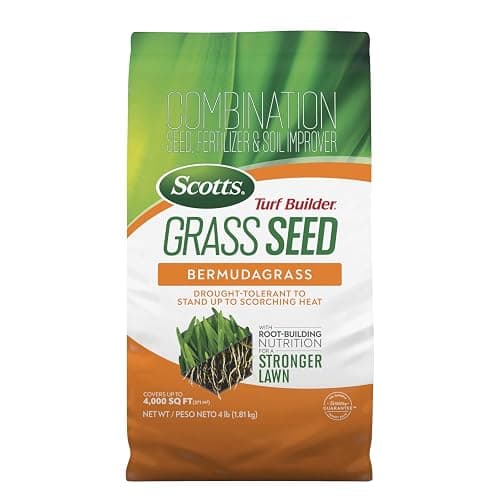
- Fastest Warm-Season Seed: Scotts Turf Builder Bermudagrass Seed - Bermudagrass spreads aggressively in heat. Plant after soil temps stay above 65°F for full coverage in one season.
- Best for Bare Spots: Scotts EZ Seed Patch and Repair Sun and Shade - Coated seed plus mulch in one product. Drop, water, and watch new grass fill in within 1 to 3 weeks.
First is germination time, which is the number of days from seeding until you see sprouts. Some quick growing grass like perennial ryegrass can pop in less than a week, while slower species might take two or three weeks.
Second is establishment time, which is how long before you have a usable lawn that tolerates light foot traffic. That is often 2 to 6 weeks for cool-season grasses and a bit longer for some warm-season types when grown from seed.
Third is recovery time, or how fast your lawn fills in bare spots after damage. Spreading grasses like Kentucky bluegrass or bermuda can repair scars over time even if germination was slower at the start.
Fastest growing grass varieties are not always low maintenance. Rapid vertical growth means more mowing. Some quick sprouting blends also need more water and fertilizer to keep them thick and green. The key is to balance speed with long-term durability so you are not stuck in a cycle of constant repairs.
Factors That Affect How Fast Grass Grows
Even the best rapid growth grass will disappoint if conditions are wrong. Growth speed depends heavily on climate, soil, and how you seed.
Your climate zone comes first. Cool-season grasses thrive in northern and transition zones, especially where summers are mild and winters are cold. Warm-season grasses excel in southern regions with hot summers and mild winters. If you are unsure which camp you are in, the Complete Guide to Cool-Season Grass Types and Complete Guide to Warm-Season Grass Types explain it in detail.
Soil temperature and air temperature drive germination. Most cool-season grass seeds sprout best when soil is roughly 50 to 65 degrees F. Warm-season species usually need soil above about 65 to 70 degrees F. Seed too early or too late and even the fastest varieties will drag their feet.
Sunlight is another big one. Quick growing grass for full sun will stall in heavy shade, while shade-tolerant grass will struggle in hot, exposed spots. For problem areas, check Best Grass Types for Shade and Best Grass Types for Full Sun.
Soil quality matters as much as seed choice. Compacted soil limits root growth and slows establishment. Poor drainage or extreme pH can also stunt rapid growth grass. A simple soil test and core aeration in compacted yards often speeds things up more than changing seed varieties.
Finally, watering habits and seed-to-soil contact are huge. Seed on hard, dry ground with no contact will not germinate quickly, no matter the species. Light, frequent watering to keep the top quarter inch of soil moist is essential during germination.
Fastest Germinating Grass Seed (by Days)
If you are shopping for the fastest germinating grass seed, here is how the common species rank by how quickly they sprout. These ranges assume good conditions: the right soil temperature for the species and consistently moist soil. Cold soil, dry spells, or poor seed-to-soil contact can stretch every one of these windows. Perennial ryegrass is the quickest, which is why it anchors most fast-growing and overseeding blends. For the exact soil temperatures each species needs, see the Grass Seed Germination Temperature Chart.
| Grass type | Germination time | Season type |
|---|---|---|
| Annual ryegrass | 3 to 7 days | Cool-season (one season only) |
| Perennial ryegrass | 3 to 7 days (5 to 10 typical) | Cool-season |
| Tall fescue | 7 to 14 days | Cool-season |
| Bermuda grass | 7 to 14 days (soil above 65°F) | Warm-season |
| Kentucky bluegrass | 14 to 30 days | Cool-season |
| Zoysia (from seed) | 14 to 21+ days | Warm-season |
Fastest Growing Grass Seed: Which One Sprouts First
If you are shopping by the bag and wondering what the fastest growing grass seed actually is, the short answer is ryegrass. When people ask what grass seed grows the fastest, perennial and annual ryegrass almost always win, sprouting in roughly 5 to 10 days. Tall fescue is close behind at 7 to 14 days, bermuda germinates in 7 to 14 days once the soil is warm, and Kentucky bluegrass and centipede are the slow ones at 14 to 30 days. Germination speed always comes down to species, soil temperature, and moisture, so even the fastest growing grass seed will drag if you sow it outside the right window. For exact seeding rates and timing, check the seed label and your local extension office.
Fastest Growing Lawn Grass: Cool-Season vs Warm-Season
For an actual lawn, the fastest growing lawn grass depends on which side of the climate line you are on. In cool-season regions (northern and transition zones), perennial ryegrass is the fastest growing lawn grass from seed, sprouting in about 5 to 10 days. In warm-season regions (the South), bermuda is the fastest, germinating in 7 to 14 days once the soil is reliably warm. Pick the fastest grass for your climate first, then worry about speed, because the wrong grass for your region will never be fast no matter what the bag promises.
Fastest Spreading Grass (Filling In, Not Sprouting)
Spreading speed is a different race than germination speed. The fastest spreading grass is the one that fills in sideways once it is up, and here the rankings flip. Bermuda grass is the fastest spreading grass overall, creeping via both above-ground stolons and underground rhizomes to cover bare ground in a single warm season. In cool climates, Kentucky bluegrass is the champion spreader, using rhizomes to knit thin lawns together and repair damage on its own, even though it is one of the slowest to sprout at 14 to 30 days. Creeping red fescue spreads modestly in shadier northern yards.
Meanwhile the fastest sprouters, perennial and annual ryegrass, are bunch grasses that barely spread at all. That is why the smartest blends pair a fast sprouter (ryegrass) with a fast spreader (bluegrass or bermuda): quick green now, self-repairing coverage later.
Fast-Growing Grass Seed for Full Sun
Full sun is where fast grasses do their best work. In warm climates, bermuda grass is the top fast-growing seed for full sun: it demands 6+ hours of direct light and rewards you with aggressive coverage. In cool climates, perennial ryegrass and turf-type tall fescue are the fastest full-sun picks, with ryegrass sprouting in under a week and tall fescue adding heat and drought tolerance for exposed, sunny yards. Kentucky bluegrass also thrives in sun but makes you wait 2 to 4 weeks for sprouts, so use it in a blend rather than solo when speed matters. For a deeper species comparison, see Best Grass Types for Full Sun.
Fastest Growing Cool-Season Grass Varieties (Primary Focus for Northern Yards)
Perennial Ryegrass - The Quickest Sprouter
If your main goal is to see green as fast as possible, perennial ryegrass is usually the champion among cool-season species. Under proper conditions, it often germinates in just 3 to 7 days and can handle light use in 2 to 3 weeks.
Perennial ryegrass shines in a few specific situations:
- Overseeding thin lawns for very fast green-up in spring or fall
- Creating temporary lawns on new construction sites or freshly graded yards
- Blending with slower grasses so it provides quick cover while they establish
This grass offers impressive wear tolerance and recovers quickly from foot traffic or pet damage. That fast recovery makes it a popular choice for sports fields in cooler climates. For homeowners, it provides that "instant lawn" feeling better than almost any other cool-season grass.
The trade-off is maintenance. Perennial ryegrass is a true rapid growth grass vertically. It grows tall quickly, which means more frequent mowing to keep it neat. It also tends to be less winter-hardy than Kentucky bluegrass in extremely cold regions and may thin out after a few harsh winters.
Perennial ryegrass is best suited to northern and transition zones, in full sun to light shade. It prefers well-drained soil and regular moisture during establishment.
For best results, keep these pro tips in mind:
- Ideal soil temperature: Aim for soil in the 50 to 65 degrees F range for fall seeding, usually late summer to early fall in northern climates.
- Seed rate for overseeding: About 3 to 5 pounds per 1,000 square feet.
- Seed rate for new lawns: Often 5 to 9 pounds per 1,000 square feet, depending on product and site conditions.
This combination of very fast germination and solid durability makes perennial ryegrass one of the most popular quick growing grass options for homeowners who want fast visual results.
Tall Fescue - Fast Establishment and Durable
Tall fescue is a great choice when you want speed plus toughness. It usually germinates in 7 to 14 days and can form a usable lawn in about 3 to 4 weeks under good conditions. While it is not quite as instant as perennial ryegrass, it offers deeper roots and better long-term resilience.
Tall fescue develops a deep root system, which gives it strong drought tolerance compared with many other cool-season grasses. Once established, it needs less frequent watering and handles heat and wear well. That makes it ideal for:
- High-traffic family yards with kids and pets
- Transition zone climates that see hot summers and cold winters
- Homeowners who want a fairly low-maintenance lawn after the first year
The main downside is texture. Tall fescue blades are usually wider and coarser than perennial ryegrass or Kentucky bluegrass. Many modern turf-type tall fescue varieties have improved appearance, but side by side you will still notice a difference if you prefer a fine, carpet-like look.
Choose tall fescue over perennial ryegrass if you want a lawn that establishes relatively quickly but also tolerates summer heat, moderate drought, and regular foot traffic. It is particularly effective in the transition zone, where cool-season species are pushed by hot summers and warm-season grasses struggle with cold winters.
For deeper comparisons of cool-season options, see the Complete Guide to Cool-Season Grass Types. It explains how tall fescue stacks up on disease resistance, color, and density compared with other species.
Kentucky Bluegrass (Fast Spread, Not Fast Sprout)
Kentucky bluegrass creates some of the most beautiful lawns in northern climates, but it is not a classic fast growing grass in terms of germination. It often takes 14 to 30 days to sprout, especially in cooler soil. If you are counting the days until you see green, that can feel slow compared with ryegrass.
Where Kentucky bluegrass shines is its spreading ability. It forms rhizomes, which are underground stems that send up new shoots and fill in bare areas. That means the initial establishment might be slower, but once it is mature it can repair damage and thin spots more effectively than many bunch-type grasses.
Typical use cases include:
- Blends where perennial ryegrass or tall fescue provide quick early cover, then bluegrass thickens and spreads over time
- Lawns in colder northern regions where winter hardiness is critical
- Homeowners who want a dense, fine-textured lawn and are willing to wait a bit longer at the start
If your primary need is rapid green-up for an event in a few weeks, Kentucky bluegrass alone may not be ideal. However, in a mix with faster sprouting grasses, it sets you up for a thicker, self-repairing lawn in the long term.
In short, Kentucky bluegrass is not a rapid germination grass, but it is a relatively fast spreading grass once established. That distinction is important when planning your seeding strategy.
Fastest Growing Warm-Season Grass Varieties (Best for Southern Yards)
Bermuda Grass - Aggressive Warm-Season Sprinter
In warm climates, bermuda grass is one of the best known rapid growth grass options. From seed, it typically germinates in 7 to 14 days when soil temperatures are consistently above about 70 degrees F. Once up, it spreads quickly via both stolons (above-ground runners) and rhizomes.
Bermuda grass loves full sun and heat. In the right conditions it forms a dense, carpet-like turf that tolerates heavy traffic. That is why it is used on many sports fields and golf fairways in the South. For homeowners, its speed and durability make it an excellent choice if:
- Your yard gets full sun for most of the day
- You live in a warm or hot climate with long summers
- You want a lawn that bounces back quickly from kids, pets, or sports
The flip side of its aggressive growth is potential invasiveness. Bermuda grass can creep into flower beds and neighboring areas if not edged or contained. It also goes fully dormant and brown in winter in regions that get cool temperatures, which some homeowners do not like aesthetically.
If you want the fastest way to a warm-season lawn from seed, bermuda is often your best bet. Just be sure you are ready for its vigorous growth habits and need for regular mowing during peak season.
Zoysia - Slow From Seed, Fast Once Established
Zoysia grass is often praised for its beautiful, dense carpet and excellent wear tolerance. However, it is not truly a fast growing grass when started from seed. Germination can take 14 to 21 days or longer, and full establishment may require a full growing season or more.
Where zoysia earns a "fast" label is in its lateral spread once it is established. It creates a thick mat of stolons that can crowd out weeds and fill bare patches fairly quickly in warm conditions. Many homeowners install zoysia using sod or plugs instead of seed, which speeds up the process considerably.
Choose zoysia if you:
- Live in a warm climate and want a dense, low-growing, low-weed turf
- Are willing to invest in sod or plugs rather than relying on seed for speed
- Prefer a lawn that needs less frequent mowing than bermuda, once mature
So, zoysia is not the best answer if your priority is fastest germination. It is better viewed as a medium-speed investment that pays off with a very durable, attractive lawn over time.
How to Choose the Right Rapid Growth Grass for Your Yard
Match Grass Type to Climate and Sun
The biggest mistake homeowners make is choosing seed based on speed alone, instead of climate and sunlight. To narrow it down, start with three questions:
- Are you in a cool-season, warm-season, or transition zone climate?
- Does your lawn get mostly full sun, partial shade, or heavy shade?
- Do you care more about instant green or long-term durability and look?
In northern and transition zones, perennial ryegrass and tall fescue are your best fast growing grass options. In the South, bermuda is usually the quickest, with zoysia as a more gradual but very durable choice.
If parts of your yard are shady, think carefully. Many of the fastest grasses prefer sun. For trouble spots, look at Best Grass Types for Shade for species and blends that tolerate low light, even if they are slightly slower. For open, sunny lawns, Best Grass Types for Full Sun can help you optimize both speed and long-term performance.
Balance Speed With Maintenance
Rapid growth grass often means more mowing, more water early on, and sometimes more fertilizer. Before you pick the fastest growing variety, consider how much ongoing work you want.
Some quick guidelines:
- If you want minimal mowing, avoid extremely fast vertical growers like pure perennial ryegrass or very aggressive bermuda varieties.
- If you do not mind weekly mowing but want strong durability, tall fescue or a ryegrass and bluegrass blend is a smart compromise.
- If you want a "set it and forget it" southern lawn and are patient at the start, zoysia from sod or plugs is a strong option.
Also consider irrigation. Nearly all grass types need consistent moisture for fast germination and establishment, but some, like tall fescue and zoysia, reward you later with lower water needs once they are mature.
Step-by-Step Tips For the Fastest Safe Results
No matter which quick growing grass you choose, proper preparation and aftercare will make a bigger difference than switching between similar species. Follow these steps for the fastest realistic results without harming your lawn.
- Test and prep your soil
Do a simple soil test to check pH and nutrient levels. If your soil is very compacted, core aerate before seeding so roots can penetrate. Rake away debris and loosen the top half inch of soil so seed has good contact.
- Choose the right seed blend
For cool-season lawns, consider mixes that include a fast germinator like perennial ryegrass plus a durable base like tall fescue or Kentucky bluegrass. For warm-season lawns, pick a high quality bermuda or zoysia product ranked for your region. Check the label for germination rates and recommended seeding rates.
- Seed at the proper rate
More seed is not always better. Over-seeding can cause weak, spindly grass that competes with itself. Follow the bag's rate for new lawns or overseeding, usually expressed as pounds per 1,000 square feet, and spread it evenly in two passes, one north-south and one east-west.
- Ensure good seed-to-soil contact
Lightly rake after spreading so most seeds are just covered or nestled into the soil surface. Avoid burying them more than about a quarter inch. Rolling with a lawn roller on low pressure can also help press seed into contact in some soils.
- Water lightly and frequently
During germination, the top quarter inch of soil should stay consistently moist but not soggy. Water lightly once or twice a day, more often in hot, dry, windy conditions. Once the grass is 1 to 2 inches tall, gradually reduce frequency and water more deeply to encourage roots to chase moisture downward.
- Delay the first mow, then mow correctly
Wait until the new grass reaches about one third taller than your target mowing height. For most cool-season lawns that means waiting until it is around 3 to 4 inches tall, then mowing down to 2.5 to 3 inches with a sharp blade. Never remove more than one third of the blade in a single mowing, or you risk stressing the young grass.
- Feed lightly at the right time
A starter fertilizer at seeding can help, but avoid heavy nitrogen right away in hot weather, which can push weak, lanky growth. In cool-season areas, a balanced fertilizer about 4 to 6 weeks after germination usually helps thicken the lawn. In warm-season areas, plan primary fertilization during active growth, not dormancy.
Conclusion
Fast growing grass is not a one-size-fits-all product. Perennial ryegrass offers the quickest visible results in cool climates, tall fescue adds toughness with relatively fast establishment, and Kentucky bluegrass trades speed at seeding for long-term spreading and self-repair. In warm climates, bermuda grass delivers rapid coverage and durability, while zoysia rewards patience with a dense, low-maintenance turf.
The real secret is matching rapid growth grass to your climate, sun exposure, and maintenance comfort level, then giving it the soil prep, watering, and mowing it needs to thrive. If you are not sure what is already in your lawn, start with How to Identify Your Grass Type by Look & Feel. From there, use Complete Guide to Cool-Season Grass Types, Complete Guide to Warm-Season Grass Types, Best Grass Types for Shade, and Best Grass Types for Full Sun to fine-tune your plan.
With the right species and a smart seeding strategy, you can go from bare patches to a thick, green lawn much faster, without sacrificing the long-term health and beauty of your yard.
Top Picks
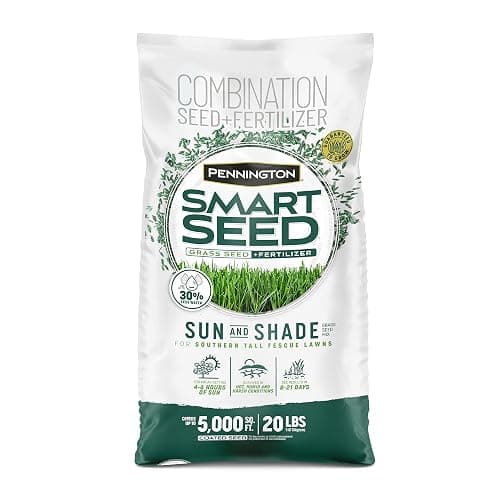
 Pennington Smart Seed Sun and Shade MixCheck price on Amazon
 Scotts Turf Builder Grass Seed Bermudagrass (4 lb)Check price on Amazon
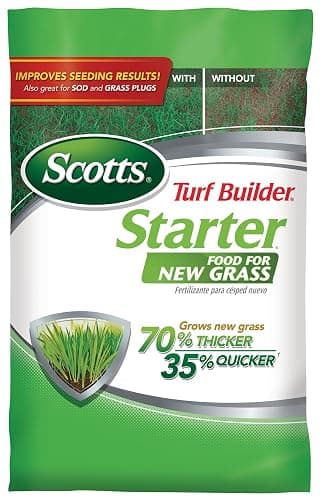
 Scotts Turf Builder Starter Food for New Grass, 15 lbCheck price on Amazon
As an Amazon Associate we earn from qualifying purchases.
Free Lawn Care Tools
Ryegrass is the fastest growing grass seed among common lawn grasses, germinating in about 5 to 10 days. Annual ryegrass is the literal quickest but dies after one season, so perennial ryegrass is the practical pick for a lasting lawn. Tall fescue follows at 7 to 14 days, while Kentucky bluegrass is the slowest cool-season seed at 14 to 30 days. In warm climates, bermuda germinates in 7 to 14 days once the soil is warm. Germination speed always depends on soil temperature and steady moisture.
Perennial ryegrass is the fastest growing grass for most lawns. It germinates in 5 to 10 days and reaches mow-able height in about 3 weeks at 60-75°F soil temperatures. Among warm-season grasses, Bermuda grass is the fastest once soil hits 65°F, germinating in 7 to 14 days and spreading aggressively via runners. Kentucky bluegrass germinates slowly (14 to 30 days) but spreads fastest once established. For the quickest green cover from scratch, perennial ryegrass is almost always the answer; for the fastest long-term fill-in, Bermuda (warm climates) or Kentucky bluegrass (cool climates) wins.
Perennial and annual ryegrass germinate the fastest of the common lawn grasses, often sprouting in about 5 to 10 days under good conditions. Tall fescue is next at roughly 7 to 14 days. Bermuda needs warm soil, above about 65°F, and germinates in 7 to 14 days. Kentucky bluegrass and centipede are the slowest, at 14 to 30 days. To hit the fast end of these ranges, keep the top quarter inch of soil consistently moist and seed when your soil temperature is in the right range for the species.
Bamboo is the fastest growing grass in the world. It belongs to the grass family (Poaceae) and holds the world record for the fastest growing plant, with some species growing up to 35 inches in a single day under ideal tropical conditions. Among lawn grasses, nothing comes close: ryegrass is the fastest turf option, sprouting in 3 to 10 days and reaching mowing height in a few weeks.
Perennial ryegrass and tall fescue are the easiest grass seeds to grow for most beginners. Perennial ryegrass sprouts fast (often within a week), which means less time for seed to wash away, dry out, or feed birds. Tall fescue is nearly as quick and more forgiving of heat, drought, and imperfect soil once established. In hot southern climates, bermuda is easy from seed as long as the soil is above 65°F and it gets full sun. The main keys for any species are steady moisture, good seed-to-soil contact, and seeding in the right temperature window.
For filling bare spots, the fastest spreading grass depends on your climate. In cool climates, Kentucky bluegrass spreads aggressively through underground rhizomes once it's established, though it germinates slowly at 14 to 30 days. In warm climates, bermuda grass is the fastest spreader, using both stolons and rhizomes to fill bare areas in a single growing season. Creeping red fescue also spreads well in shadier northern lawns. Pair a fast sprouter with a fast spreader if you want quick visible green plus long-term patch repair.
Perennial ryegrass is the fastest growing grass for most new lawns. It germinates in just 3 to 7 days under good conditions and can handle light foot traffic within 2 to 3 weeks. In warm climates, bermuda grass is the quickest option, germinating in 7 to 14 days once soil temperatures stay above 70 degrees. If you want speed plus long-term durability, blend a fast germinator like perennial ryegrass with a slower spreader like Kentucky bluegrass so you get quick cover early and a thicker, self-repairing lawn over time.
For most cool-season grasses, a newly seeded lawn can handle light foot traffic in about 2 to 6 weeks once the grass has sprouted and begun to thicken. Warm-season grasses often take a bit longer to reach that same level of establishment from seed. Even with fast germinating varieties, proper watering and avoiding heavy use early on are key to getting a durable lawn. Rushing traffic too soon can set back growth and create thin spots.
Poor conditions can dramatically slow growth, even with rapid-growth species. Planting outside the ideal soil temperature range, such as seeding cool-season grass when the soil is too hot or too cold, will delay germination. Compacted soil, poor drainage, extreme pH, heavy shade for sun-loving types, and weak seed-to-soil contact all reduce speed. Inconsistent watering during germination is another major cause of slow or patchy results.
Cool-season grasses grow and germinate best when soil temperatures are roughly 50 to 65°F, which typically occurs in early fall or early spring in many northern and transition zones. Planting during this window helps seed sprout quickly and establish before temperature extremes. Seeding too early in spring or too late in fall can leave you with slower, uneven growth. Matching timing to soil temperature is more important than the calendar date.
Photos: ashleyrsteel / iNaturalist · CC BY 4.0

Beat weeds and brown spots from your phone
Snap a photo, get the fix, and follow a plan timed to your soil and weather. Free on iPhone.