Can Kentucky Bluegrass Grow in Florida?
 Sarah MitchellLawn Diagnostics Specialist | 12 Years
As an Amazon Associate we earn from qualifying purchases.
Can Kentucky bluegrass grow in Florida? This question comes up time and again among Florida homeowners, especially those who have moved from northern states or want the dense, rich look of bluegrass lawns. The debate is ongoing: some believe you can coax bluegrass into Florida’s landscape with enough effort, while others argue the climate is simply too harsh. At the heart of the discussion is a crucial point: picking the right grass isn’t just about looks - it’s about your climate, your soil, and your willingness to maintain what you plant. The best lawns in Florida aren’t always the greenest, but the most resilient and sustainable for their environment. For the complete reference, see the Kentucky Bluegrass pillar guide.
In this comprehensive guide, you’ll get a diagnostic, science-backed look at Kentucky bluegrass: what it is, what it needs, and why Florida is such a challenging home for it. We’ll walk through the climate and soil realities, review success stories and failures, then provide a step-by-step establishment guide if you’re determined to try. I’ll share advanced strategies from my 12 years diagnosing turf in the Southeast, common mistakes to avoid, and what alternatives might better suit your Florida lawn - whether you’re after curb appeal, sustainability, or both.
Kentucky bluegrass can technically sprout and even grow for a season in certain parts of Florida, especially the cooler Panhandle and northern regions. However, Florida’s high heat, humidity, and sandy soils create constant stress for bluegrass, making long-term success rare. If you want to try, use a heat-tolerant bluegrass cultivar or a hybrid, and plant in early fall (late October to early December) when soil temperatures drop below 70°F but remain above 55°F for best germination.
Before planting, confirm your soil pH is between 6.0 and 7.0 and that you get at least four hours of direct sun daily. Avoid seeding in spring or summer-hot weather will likely kill young bluegrass seedlings. Even with perfect timing and care, expect frequent patch repair, higher water use, and possible summer dieback. For most Florida lawns, warm-season grasses like St. Augustine or Zoysia are lower-maintenance, but bluegrass may work as a short-term, high-maintenance winter lawn in North Florida.
Understanding Kentucky Bluegrass: Profile and Preferences
What is Kentucky Bluegrass?
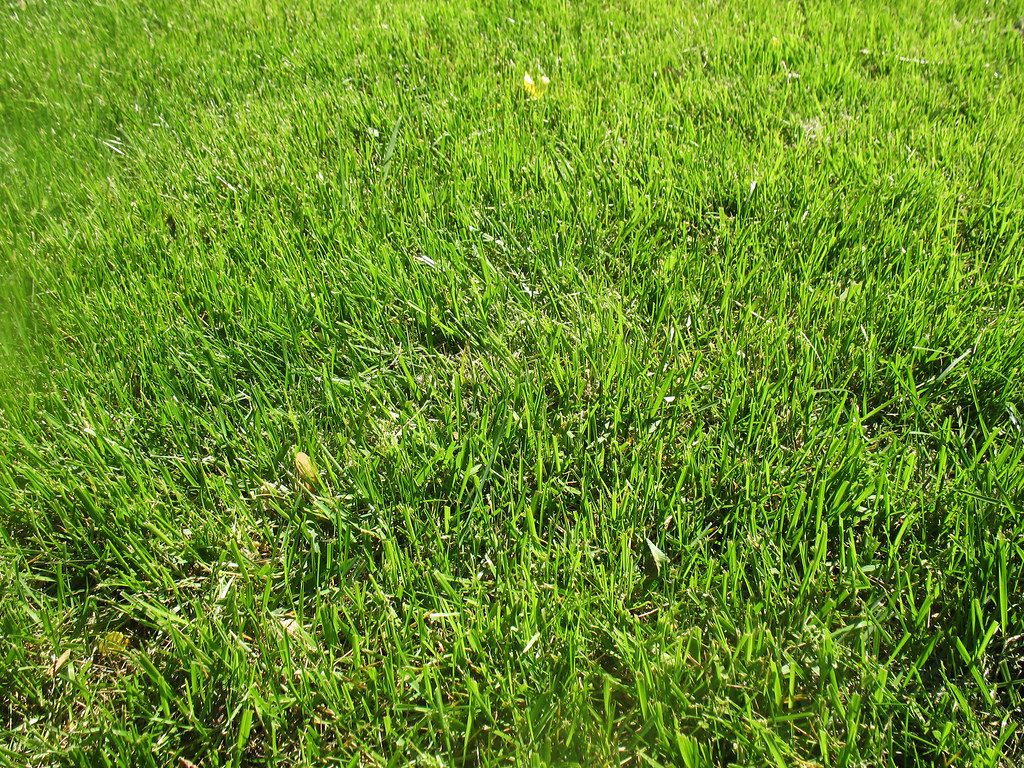
Kentucky bluegrass (Poa pratensis) is a perennial cool-season turfgrass prized for its lush, carpet-like appearance and deep green to blue-green hue. Its botanical characteristics include fine to medium leaf blades with a soft texture, dense growth, and a signature boat-shaped tip. Bluegrass spreads by underground rhizomes, which help it recover from thinning or damage. This makes it especially valued for lawns, athletic fields, and parks in cooler climates.
In terms of growth habits, Kentucky bluegrass forms a dense, uniform sod. Its soft, almost velvety feel under bare feet is a primary reason many northern homeowners miss it when moving south. Traditionally, it thrives in USDA hardiness zones 3 to 6, which include the northern U.S. and into the Midwest. Its popularity comes from both its beauty and its ability to withstand moderate traffic when healthy and well cared for.
The classic uses of Kentucky bluegrass are in residential lawns, sports fields (especially in the northern states), and high-visibility landscapes where color and texture matter. However, its needs are quite specific, and that’s where the Florida challenge begins.
Ideal Growing Conditions for Kentucky Bluegrass
Kentucky bluegrass performs best in cool, temperate climates where summers are mild and winters are cold but not extreme. The optimum temperature for growth is between 60°F and 75°F. Germination occurs best when soil temperatures are between 55°F and 65°F. When air temperatures regularly exceed 85°F, bluegrass slows its growth and can enter dormancy or dieback if stress continues. Dormancy is a protective mechanism, but in Florida, prolonged heat and humidity can push bluegrass beyond dormancy into permanent decline.
It prefers full sun, needing at least 4-6 hours of direct sunlight daily. While it tolerates some light shade, dense shade will cause thinning. Kentucky bluegrass also requires consistently moist but well-drained soil - about 1 to 1.5 inches of water per week, either from rainfall or irrigation, is ideal. Too little water leads to wilting and dormancy; too much promotes disease.
Soil-wise, bluegrass thrives in fertile, loamy soils with a pH between 6.0 and 7.0. Heavy clay or very sandy soils require amendment for best results. The seasonal growth cycle is strongest in spring and fall, with midsummer bringing slowdowns and potential browning or dormancy in hot climates.
Florida’s Climate and Soil: Friend or Foe?
Overview of Florida’s Growing Conditions
Florida’s diverse geography spans USDA hardiness zones 8b in the Panhandle to 11a in the southernmost Keys. The Panhandle and North Florida experience mild winters (occasional light frost) and hot, humid summers, while Central and South Florida are subtropical or tropical, with minimal winter chill. Summer highs across the state regularly reach 90-95°F, with humidity often above 70%.
Rainfall patterns are marked by a pronounced wet season (June to September) and a dry season (October to May). Most regions receive 50-60 inches of rain annually, but the timing is crucial: heavy summer rains coincide with peak heat, not cool-season grass growth. Drought cycles, especially in early spring, can further stress non-adapted grasses.
Soil composition varies by region but is generally sandy and low in organic matter, especially in Central and South Florida. The Panhandle has more loamy soils with higher fertility, but even there, rapid drainage and acidic conditions can challenge turfgrass establishment. Compacted clay pockets are rare but can occur in older urban areas. Organic matter content is typically below 2%, much less than ideal for bluegrass’s needs.
Challenges for Kentucky Bluegrass in Florida
Let’s diagnose this step by step. The primary obstacle is heat stress: Kentucky bluegrass is genetically programmed for cool climates. In Florida’s long, hot summers, bluegrass struggles to photosynthesize efficiently, leading to thinning and brown patches by late spring or early summer. If night temperatures stay above 70°F for weeks, bluegrass roots can die even if the turf above looks green for a time.
Humidity brings another problem: increased disease pressure. Fungal diseases like brown patch and dollar spot thrive in warm, wet environments. The symptom you’re seeing - rapid browning with a water-soaked margin - usually points to one of these pathogens, not drought. Florida’s pest spectrum is different too; chinch bugs, for example, attack St. Augustine but rarely bluegrass, while armyworms and sod webworms are more universal threats.
Competition from Florida’s established warm-season grasses is fierce. St. Augustine, Bahia, Bermuda, and Zoysia all outcompete bluegrass in high heat, quickly filling in any bluegrass thin spots. Finally, sandy, acidic soils pose a double challenge: rapid water loss and low nutrient holding capacity. Bluegrass, with its shallow roots and higher fertility needs, may quickly decline unless soils are amended and fertilized regularly.
Can Kentucky Bluegrass Grow in Florida? (The Science and Reality)
Scientific Perspective: Possibility vs. Practicality
Research from the University of Florida and other extension services confirms that while Kentucky bluegrass can be established in portions of North Florida, it rarely survives as a year-round, low-maintenance lawn in most of the state. Controlled studies show that standard bluegrass cultivars experience significant thinning, disease, and summer dieback within one to two years of planting, particularly south of Gainesville.
However, plant breeders have developed several heat-tolerant Kentucky bluegrass cultivars and hybrids. For instance, “Thermal Blue” and “Midnight” have shown better tolerance in transition zone climates (roughly zone 7-8). There are also hybrid bluegrasses - crosses between Kentucky and Texas bluegrass - marketed as “Texas Bluegrass blends” or “Heat-Tolerant Bluegrass,” which can handle higher summer temperatures and recover better from dormancy.
- University of Florida Extension notes that even improved Kentucky bluegrass varieties are best regarded as temporary or seasonal turf in Florida, with long-term persistence unlikely below the Panhandle.
Case studies from the Panhandle and the Jacksonville area show that with careful site preparation, regular irrigation, and disease management, bluegrass can perform adequately from late fall through early spring. In Central and South Florida, however, summer conditions are almost universally fatal to bluegrass within two seasons.
Short-Term Success vs. Long-Term Viability
So, will Kentucky bluegrass survive Florida summers? In general, not without extraordinary effort, and rarely for more than 12-18 months south of zone 8b. Bluegrass may look fantastic from November through March, especially after overseeding, but expect rapid thinning, browning, and weed invasion as soon as sustained heat returns.
Its perennial performance is marginal in North Florida, but mostly annual (or semi-annual) in the rest of the state. Homeowners in the Panhandle, especially on irrigated, shaded sites, may be able to keep bluegrass alive for several years, but it will require vigilant care during summer. Central and South Florida lawns will almost certainly need annual overseeding or complete renovation each fall.
The main tradeoff is aesthetic value versus maintenance headache. Bluegrass can deliver “northern” curb appeal for a season, but only with higher water, fertilizer, and disease control inputs. This is a key reason many Florida homeowners, after one or two attempts, switch to warm-season grasses better adapted to the local climate.
How to Grow Kentucky Bluegrass in Florida: Step-by-Step Guide
Selecting the Right Bluegrass Variety
If you’re determined to try Kentucky bluegrass in Florida, your first step is to select the most heat-tolerant cultivar available. Look for improved varieties such as “Thermal Blue,” “Midnight,” or “Apollo,” which have shown some resilience in southern transition zones. Hybrid bluegrasses (Kentucky x Texas) like “Reveille” or “Blueguard” offer even better summer survival and can be seeded or sodded, though availability may be limited outside specialty turf suppliers.
Always source your seed or sod from reputable dealers who can verify the cultivar and lot germination rates. Ask specifically for heat-tolerant or hybrid bluegrass, not generic “Kentucky bluegrass” - traditional varieties will almost certainly fail in Florida’s climate.
Preparing Your Lawn for Bluegrass
Start with a soil test. Bluegrass requires a pH between 6.0 and 7.0; most Florida soils will need lime to raise pH. The test will also reveal nutrient deficiencies, especially phosphorus and potassium, which are common in sandy soils. Add organic matter if levels are below 3% to improve water and nutrient holding capacity. Compost or well-rotted manure can help, but avoid fresh, high-salt amendments.
Next, remove existing grass and weeds. This can be done with a non-selective herbicide (such as glyphosate, applied 10-14 days before seeding), or by solarization (covering with clear plastic for 4-6 weeks in summer). Rake or till to a depth of 3-4 inches to break up compaction, then grade for drainage. If your site is shaded, thin overhanging branches to ensure at least 4-6 hours of direct sunlight daily - bluegrass suffers badly in deep shade.
- Contact your local extension office for a soil test kit and region-specific amendment recommendations.
Sowing and Establishment
Timing is everything for bluegrass in Florida. The best window for seeding is late October through early December, when soil temperatures fall below 70°F but remain above 55°F. Seeding outside this window risks poor germination (if too cool) or rapid seedling death (if too warm). Avoid spring or summer seeding entirely.
Sow bluegrass seed at a rate of 2 to 3 pounds per 1,000 square feet. Use a drop or rotary spreader for even coverage. Lightly rake or roll to ensure good seed-to-soil contact, then apply a thin layer (no more than 1/8 inch) of topdressing to retain moisture. Water immediately after sowing, then keep the seedbed consistently moist (not saturated) until germination - typically 14 to 21 days at optimal temperatures.
For fertilizer, apply a starter blend with higher phosphorus (such as 18-24-12) at 1 pound of actual nitrogen per 1,000 square feet at seeding. After establishment, switch to a balanced slow-release fertilizer, applying no more than 4 pounds of nitrogen per 1,000 square feet per year, split across 3-4 applications (fall, late winter, early spring, late spring in Panhandle only).
Care and Maintenance
Mowing height is critical: maintain bluegrass at 2.5 to 3 inches, never removing more than 1/3 of the blade at a time. Mow weekly during active growth, but reduce frequency during heat spells to avoid additional stress.
Irrigate deeply but infrequently, aiming for 1 to 1.5 inches per week, adjusting for rainfall. Use a rain gauge or tuna can method to measure. Overwatering can promote fungal diseases, while underwatering leads to rapid browning and dormancy, especially as temperatures climb in late spring. Use a timer or smart irrigation system for best results.
Monitor for diseases like brown patch (look for irregular brown rings, especially in humid conditions) and pests like sod webworms (chewed blades, thinning patches). If symptoms appear, confirm by inspecting the thatch layer at the margin of affected areas. Apply appropriate fungicides or biological controls only if thresholds are met - for example, if 20% or more of the area is rapidly browning, intervene within 48 hours.
Year-Round Survival Strategies
Florida’s sun can be relentless, so maximize shade in the hottest parts of the yard. Bluegrass performs best in areas with morning sun and afternoon shade, or under light tree canopies that don’t block all daylight. For high-stress sites, consider using temporary shade cloths during heat waves.
Overseeding is a must in all but the coolest parts of Florida. Each fall, lightly aerate and seed bare or thin patches to maintain density. Target overseeding in November for best results. Managing dormancy is challenging: mulch lightly around the base of trees to cool soil, and reduce mowing frequency if turf goes semi-dormant in summer to avoid scalping weakened grass.
If bluegrass thins or dies out completely, consider a full renovation in fall, or transition to a more heat-adapted species for long-term sustainability.
Recommended products

Jonathan Green Black Beauty Ultra Grass Seed (7 lb)
A bluegrass, tall fescue, and ryegrass blend for the fall seeding window this section describes.
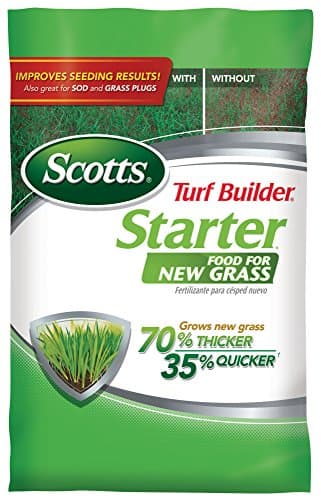
Scotts Turf Builder Starter Food for New Grass
A high-phosphorus starter fertilizer matching the starter blend called for at seeding.

MySoil Soil Test Kit
A mail-in test covering the pH and nutrient levels this section says to start with.
Advanced Tips for Maximizing Bluegrass Success in Florida
Microclimate Engineering
Creating a cooler, more hospitable microclimate can make a significant difference in bluegrass survival. Planting shade trees strategically on the west and south sides of your lawn helps buffer afternoon heat. Windbreaks, such as hedges or fences, reduce hot, drying winds that exacerbate water loss.
To retain soil moisture, use organic mulches in beds and borders, and consider adding hydrogels to the soil in patches prone to rapid drying. Hydrogels can improve water retention by 10-20%, especially in sandy soils, but should be mixed into the top 2-3 inches at planting.
Integrating Bluegrass with Other Species
If pure bluegrass is too risky, blend it with perennial ryegrass or heat-tolerant fescues. Ryegrass germinates quickly and provides winter color, while fescues offer better heat and drought tolerance. Interseeding native grasses like Seashore paspalum or native sedges into non-lawn areas can boost overall resilience and reduce maintenance.
For patchy lawns, overseed bluegrass into existing Bermuda or Zoysia in fall for a seasonal color boost, accepting that the bluegrass will likely fade by summer.
Smart Irrigation and Water Conservation
Efficient irrigation is essential. Install timers to ensure early-morning watering, reducing evaporation and disease risk. Soil moisture sensors prevent overwatering, a common mistake that leads to fungus. In Florida’s rainy season (June-September), adjust irrigation to avoid runoff and waterlogging; turn off automatic systems after heavy rain.
Drip irrigation or subsurface soaker hoses can deliver water directly to roots, minimizing waste and supporting deeper, healthier root systems.
Organic and Sustainable Practices
Use eco-friendly fertilizers with slow-release nitrogen to reduce leaching in sandy soils. Products labeled “water-insoluble nitrogen” release nutrients gradually, reducing the risk of burning tender bluegrass roots. Apply compost teas or seaweed extracts to boost beneficial soil microbes and improve disease resistance.
Biological controls, like beneficial nematodes, can target pests such as sod webworms without harming pollinators or pets. Always spot-treat disease outbreaks, and avoid blanket applications of fungicides or pesticides, which can harm beneficial organisms and create resistance.
Alternatives to Kentucky Bluegrass for Florida Lawns
Warm-Season Grass Options
If maintaining a bluegrass lawn seems daunting, Florida offers several well-adapted warm-season grasses:
- St. Augustine: Tolerates shade, thrives in sandy soils, and is the most common Florida lawn grass. Requires regular irrigation but less prone to heat stress than bluegrass. See Pros and Cons of St. Augustine Grass in Florida for a full breakdown.
- Zoysia: Dense, soft, and visually similar to bluegrass when healthy. Handles moderate traffic and drought, but slow to establish from seed.
- Bermuda: Excellent for sun, tough on traffic, and recovers quickly from damage. Needs frequent mowing and is aggressive (may invade beds).
- Bahiagrass: The best choice for low-maintenance, drought-prone sites with poor soil, but coarser texture and lighter color than bluegrass.
Each has tradeoffs in appearance, traffic tolerance, and water needs. For help choosing, see How to Choose the Best Grass for Florida Lawns and Drought-Resistant Grasses for the Southeast.
Cool-Season Alternatives and Blends
For seasonal green in North Florida, perennial ryegrass is often overseeded in fall for quick color. It establishes in 7-10 days, looks lush through spring, and fades as heat returns. Hybrid bluegrasses, such as “Thermal Blue,” blend some cool-season look with better heat survival, but still require careful management.
New cultivars are released regularly - check with your county extension or local sod farm for the latest recommendations based on your region.
Synthetic and Low-Maintenance Lawn Solutions
If you want a green lawn year-round with minimal effort, artificial turf is an option, especially for shaded or high-traffic areas. Modern products look and feel more natural than ever, though heat buildup can be an issue in full sun.
For a more eco-friendly approach, consider groundcovers like white clover or native sedges. These require less water and fertilizer and support pollinators. For more on these options, see our guides on eco-friendly groundcovers and How to Prepare Your Lawn for Overseeding.
Common Mistakes to Avoid When Trying to Grow Kentucky Bluegrass in Florida
Failing to Confirm Soil and Microclimate Suitability
Many guides skip over the absolute need for a detailed soil test before planting bluegrass. Failing to correct pH or ignoring low organic matter will almost always doom a bluegrass project from the start. Likewise, not checking for enough morning sun or failing to engineer a cooler microclimate leads to rapid thinning.
Poor Timing of Planting and Maintenance
Seeding outside the optimal fall window is a top reason for failure. Spring-planted bluegrass rarely survives its first summer. Over-fertilizing or watering during the rainy season can trigger disease outbreaks that spread quickly in humid conditions.
Regional Oversights and Unrealistic Expectations
Some guides don’t address that North Florida and the Panhandle have a fighting chance with bluegrass, but Central and South Florida are almost always a losing battle. Expecting year-round bluegrass color without accepting periods of dormancy or repair is setting yourself up for disappointment.
Safety and Environmental Concerns
Relying heavily on chemical fungicides and insecticides to keep bluegrass alive can pose risks to pets, children, and beneficial insects. Always use the lowest effective rate, spot-treat when possible, and opt for organic controls when available.
Conclusion
So, can Kentucky bluegrass grow in Florida? The honest answer is yes - for a season or two, and only with careful planning and lots of maintenance. Long-term, sustainable bluegrass lawns are rare outside the Panhandle and require ongoing overseeding, irrigation, and disease vigilance. For most Florida homeowners, warm-season grasses or thoughtful blends offer a better balance of beauty, hardiness, and low input.
Key takeaways: Test your soil, choose the right (ideally heat-tolerant) bluegrass variety, time your planting for late fall, and prepare for extra care - especially through Florida’s hot, humid summers. If you’re not up for the challenge, explore St. Augustine, Zoysia, or more sustainable groundcovers for a lawn that thrives, not just survives. For next steps and more on alternatives, see How to Prepare Your Florida Lawn for New Grass or Warm-Season Grass vs. Cool-Season Grass Pros and Cons. Share your experiences, consult your local extension, and keep diagnosing before you plant - understanding why bluegrass struggles helps you prevent disappointment next time.
Free Lawn Care Tools
Kentucky bluegrass rarely survives year-round in Florida except in the Panhandle or shaded northern regions. In most of the state, it struggles with summer heat and humidity, often thinning or dying out by late spring or early summer.
The ideal time to plant Kentucky bluegrass in Florida is late October through early December, when soil temperatures are between 55°F and 70°F. Avoid spring or summer planting, as young seedlings are highly vulnerable to heat stress.
Kentucky bluegrass prefers well-drained, loamy soil with a pH of 6.0 to 7.0 and at least 3% organic matter. Most Florida soils are sandy and acidic, so soil testing and amendment with lime and compost are often required before planting.
Yes, certain cultivars like 'Thermal Blue' and hybrid bluegrasses (e.g., Kentucky x Texas blends) offer improved heat tolerance. However, even these varieties may only persist short-term in most of Florida’s climate.
St. Augustine, Zoysia, Bermuda, and Bahia grasses are well-adapted to Florida’s hot, humid conditions. Perennial ryegrass can also provide cool-season color in North Florida, while hybrid bluegrasses offer a compromise in select areas.
Kentucky bluegrass requires about 1 to 1.5 inches of water per week, delivered deeply and infrequently. Use a rain gauge to monitor and adjust for rainfall, as both overwatering and underwatering can cause problems in Florida’s climate.

Your lawn plan, in your pocket all season
Grass ID, a season plan, soil-timed reminders, and a lawn journal that remembers what you did. Free on iPhone.