Lawn Pest Control: Identify Common Bugs and Get Rid of Them Fast
 Sarah MitchellLawn Diagnostics Specialist | 12 Years
As an Amazon Associate we earn from qualifying purchases.
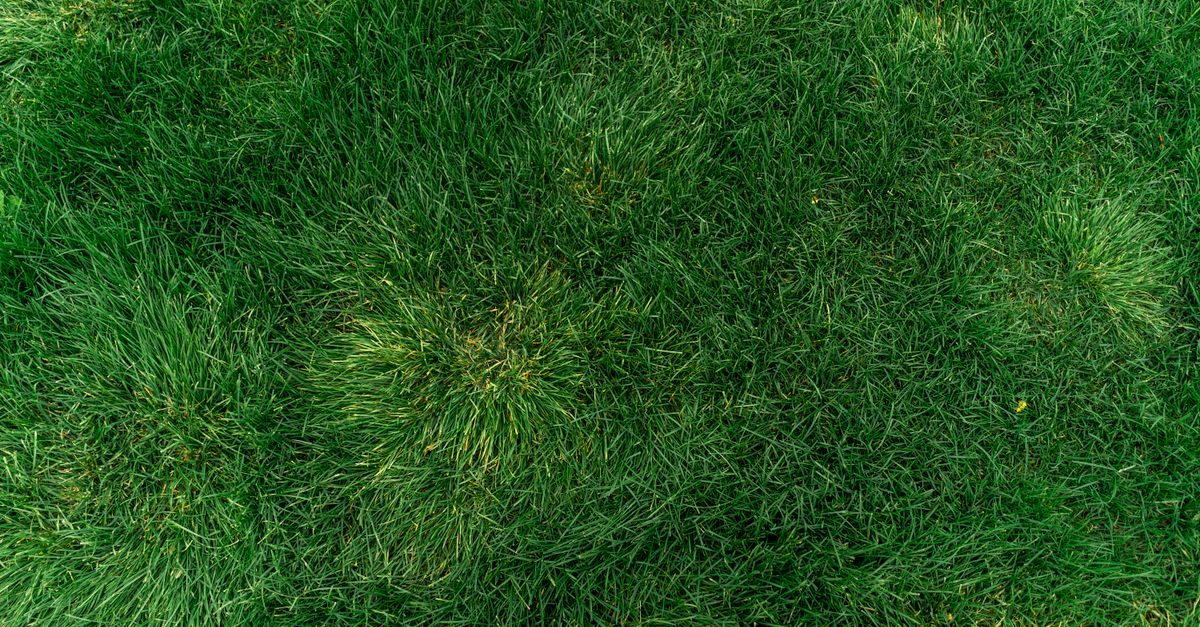
Brown patches, thinning turf, and sudden dead spots in an otherwise healthy lawn indicate active insect damage, not just a watering issue. Effective lawn pest control starts with accurate identification, then fast, targeted action that protects kids, pets, and beneficial insects.
Not sure which pest is damaging your lawn? Photograph the damage for a free AI diagnosis, it identifies the likely cause and how soon you need to act.
This guide explains lawn pest control: identify common bugs and get rid of them fast using research-based methods, not guesswork. Turfgrass science from universities such as Penn State, Purdue, and NC State Extension shows that correct diagnosis prevents wasted treatments, saves money, and restores lawns faster.
Homeowners usually search lawn pest control when they notice:
- Grass disappearing or thinning in patches
- Birds pecking aggressively at the lawn
- Brown or yellow spots that keep spreading
- Nighttime caterpillars or surface insects in the thatch
This article addresses that search intent directly. It covers:
- How to distinguish true lawn pests from harmless or beneficial insects
- How different pests damage turf above and below ground
- Simple at-home tests to confirm whether insects are the problem
- Identification of major lawn bugs based on damage patterns
- Fast, practical control methods, including kid- and pet-conscious options
- Prevention strategies so infestations do not return each season
For deeper lawn care planning, pair this guide with Best Grass Types for Your Region, Organic Lawn Care Basics, Seasonal Lawn Care Calendar, Common Lawn Weeds and How to Remove Them, How to Control Grubs in Your Lawn, and Brown Patch Prevention.
To tackle lawn pests effectively, start by diagnosing the problem. Look for signs like brown patches and thinning areas, which can indicate bug presence rather than a watering issue. Confirm your suspicions by conducting a simple at-home test: pour a mixture of 1 tablespoon of dish soap in 1 gallon of water over a small patch of lawn. If pests like grubs or chinch bugs surface within 10 minutes, you've got a confirmed pest issue.
Once you've identified the culprits, act swiftly with targeted treatments that are safe for kids, pets, and pollinators. Research-based solutions can reduce pests by up to 80% within a few weeks. For example, using beneficial nematodes or insecticidal soap can effectively control pest populations. Remember to follow label instructions carefully and monitor your lawn's progress to ensure a full recovery.
Understanding Lawn Pests 101
What Counts as a “Lawn Pest” (and What Doesn’t)
Not every insect in your lawn qualifies as a pest. Turf entomology distinguishes three main categories.
1. True lawn pests
These species cause measurable turf damage, reduced density, or loss of grass when their populations exceed certain thresholds. Key examples include:
- White grubs (larvae of Japanese beetles, June beetles, masked chafers)
- Chinch bugs
- Armyworms and fall armyworms
- Sod webworms
- Billbugs (adult weevils and their larvae)
- Cutworms
According to Ohio State University Extension, these insects become economically important when their feeding reduces stand density, root mass, or aesthetic quality beyond acceptable levels.
2. Nuisance insects
These species may bite humans or look alarming but do not significantly damage turf:
- Ants (in low to moderate numbers)
- Crickets
- Pillbugs and sowbugs
- Most non-feeding beetles and flies
Control is usually optional and based on tolerance rather than turf health.
3. Beneficial insects
Beneficial species actively help with pest control or soil health. Examples include:
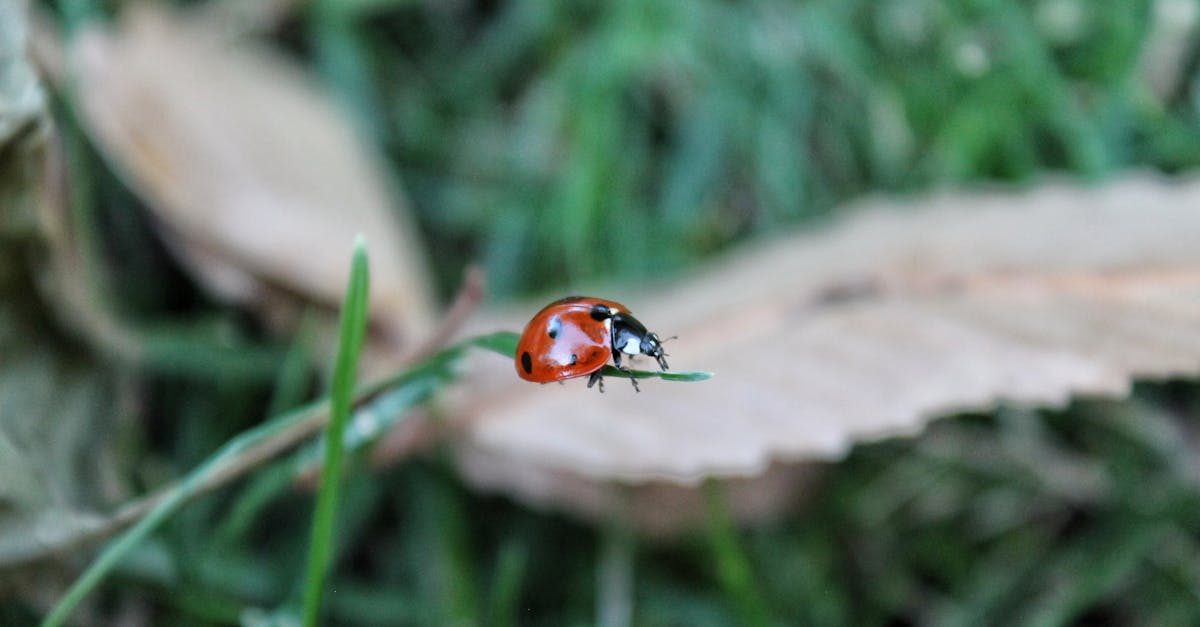
- Lady beetles, which consume aphids and soft-bodied insects
- Ground beetles, which prey on caterpillars and other larvae
- Lacewings, which eat small pests in their larval stage
- Predatory wasps and parasitic flies that attack grubs, sod webworms, and other pests
Blanket insecticide use kills helpful predators along with pests, which according to NC State Extension often leads to more severe outbreaks later because natural enemies are removed. This is why not every bug in your lawn needs treatment, and why accurate identification is essential.
How Lawn Pests Damage Grass
Lawn insects damage turf by attacking roots, stems, leaves, or sap. Understanding feeding location and pattern allows you to link symptoms to specific pests.
Root feeders
White grubs and billbug larvae feed on roots and crowns. Their damage includes:
- Thinning turf that feels loose or lifts like a carpet
- Sudden wilting even with adequate moisture
- Irregular patches of dead grass
Penn State Extension notes that most cool-season lawns tolerate up to 5 grubs per square foot without major injury. Damage escalates when populations exceed 8 to 10 grubs per square foot, especially under drought conditions.
Sap suckers
Chinch bugs feed with piercing-sucking mouthparts at the base of grass plants. They remove plant juices and inject toxins, which causes:
- Yellowing that progresses to brown, typically in sunny, hot areas
- Damage that starts along sidewalks, driveways, or on slopes
- Dead grass that remains attached firmly to the soil (roots are present but plants are killed)
Leaf and blade chewers
Armyworms, sod webworms, and cutworms feed on blades and crowns. Their indicators include:
- Chewed or ragged leaf tips
- Areas that look scalped as if mowed too low
- Fast expansion of damage over days rather than weeks
Fall armyworms, which are particularly problematic in warm-season lawns, can strip a lawn nearly bare in less than a week when populations are high.
Direct vs secondary damage
The direct damage is the physical loss of roots or leaves. Secondary effects are often more serious:
- Turf thins, which opens space for weeds like crabgrass and goosegrass
- Damaged roots reduce water uptake, which increases drought stress
- Stressed plants become more susceptible to fungal diseases
These interactions explain why pest damage often mimics problems such as drought, brown patch disease, or fertilizer burn. A precise diagnosis prevents misapplication of water or chemicals.
When Lawn Pests Are Most Active (Seasonal Overview)
Pest activity follows predictable seasonal patterns, although timing shifts by climate and grass type. Soil temperature and regional weather strongly influence emergence.
Spring
Key activity periods in spring include:
- Overwintered white grubs resume feeding as soil warms above about 50°F
- Sod webworm larvae overwinter and become active again
- Ant colonies expand and start mound building
Spring damage from grubs is often carryover from previous fall feeding.
Summer
Summer is peak season for most surface-feeding lawn pests:
- Chinch bugs thrive in hot, dry periods, especially on stressed lawns
- Sod webworms feed heavily on leaves in June through August
- Armyworms and fall armyworms appear, especially after storms move moths into a region
- Billbug adults chew stems and larvae feed in crowns and roots
Fall
In many regions, late summer and fall reveal the worst grub damage, because larvae are at larger instars and root systems are already under heat stress. Fall armyworms remain active in warm climates and can devastate bermudagrass, zoysiagrass, and tall fescue lawns.
Winter
Most lawn pests overwinter as larvae, pupae, or adults in soil or thatch. They are less active but not gone. Thick thatch acts as insulation, which according to Purdue Extension allows chinch bugs, billbugs, and sod webworms to survive more winter cold.
Regional differences
Cool-season lawns (Kentucky bluegrass, perennial ryegrass, tall fescue) face heaviest insect pressure in late spring through early fall. Warm-season lawns (bermudagrass, zoysiagrass, St. Augustinegrass, centipedegrass) in the South deal with extended pest seasons, including multiple generations of chinch bugs and fall armyworms.
Step One: Diagnose Before You Treat
Quick Visual Checklist: Is It Really Lawn Pests?
Accurate lawn pest control starts with separating insect damage from non-insect causes. Misdiagnosis wastes money and can harm beneficial organisms.
Signs that indicate pests include:
- Irregular patches, not perfectly uniform areas
- Grass that pulls up easily with little or no root mass
- Chewed blades or visible larvae on the surface
- Birds, skunks, raccoons, or armadillos digging or scratching for food
Compare against common non-pest issues.
Drought stress produces a uniform faded or bluish cast over larger areas. Footprints remain visible after walking because wilted grass does not spring back quickly. Roots remain intact when you tug on the turf.
Fungal disease such as brown patch or dollar spot usually forms defined circular or irregular patches. You often see gray or white mycelium in early morning. Brown Patch Prevention covers this in detail and explains how to distinguish disease from insect injury.
Dog urine burn causes small (2 to 6 inch) round spots that are yellow or brown in the center with a darker green ring around the edge. Damage often appears in the same areas repeatedly.
Fertilizer or herbicide burn aligns with spreader paths or sprayed areas and often forms straight lines or bands. Leaf tips look scorched uniformly, not chewed.
Simple DIY Lawn Pest Inspection Methods
Homeowners can carry out several reliable tests using simple household tools. These methods help identify whether insects are present at damaging levels.

1. Tug test for root damage
- Grasp a handful of grass in the transition zone between healthy and damaged turf.
- Pull upward firmly.
- If the turf lifts easily and roots are mostly gone, this indicates grub or billbug larval feeding.
Healthy grass resists pulling and stays attached to soil.
2. Soap flush test for surface feeders
This method works well for chinch bugs, armyworms, sod webworms, and cutworms.
- Mix 2 tablespoons of liquid dish soap in 1 gallon of water.
- Pour the solution slowly over 1 square yard of grass in an area where damage is starting.
- Wait 5 to 10 minutes.
- Watch for insects coming to the surface, including caterpillars, small beetles, and chinch bugs.
According to Texas A&M AgriLife Extension, this test drives insects to the surface without long-term harm to turf when done occasionally.
3. Flotation test for chinch bugs
This method uses a metal coffee can or similar cylinder with both ends removed.
- Press the can 2 to 3 inches into the soil in a suspected area.
- Fill the can with water.
- Observe for 5 to 10 minutes.
- Chinch bugs and other small insects float to the surface.
4. Cutting and peeling back turf to find grubs
- With a shovel or knife, cut three sides of a 1-foot square section where damage meets healthy grass.
- Fold back the turf like a flap.
- Count the white C-shaped grubs in the top 2 inches of soil.
- Replace the turf and water lightly.
Most universities, including Michigan State University Extension, define treatment thresholds as 8 to 10 or more grubs per square foot for established lawns. Newly seeded lawns are less tolerant and may suffer injury at lower densities.
5. White sheet or tray method
For sod webworms and armyworms:
- Lay a white sheet or tray on the lawn at dusk.
- Ruffle the grass with your feet.
- Observe for caterpillars, small moths, or frass (green pellets) falling onto the white surface.
6. Use photos and local expertise
Clear, close photos of insects and damage patterns help local experts diagnose problems quickly. County extension offices and regional turf diagnostic labs routinely identify pests from photos and can confirm the best treatment timing for your region.
When to Get a Professional Diagnosis
Some situations justify professional assessment instead of strictly DIY diagnosis.
Seek expert help when:
- Damage covers more than 25 to 30 percent of the lawn
- Multiple stress factors such as weeds, disease, and insects appear simultaneously
- Previous insecticide applications failed or damage continues to expand rapidly
- You manage specialty turf such as high-value lawns or sports fields
County extension agents provide science-based identification and can reference regional pest pressure. Many lawn care companies also offer inspections that include:
- Visual inspection of damaged and healthy areas
- Subsurface checks for grubs and larvae
- Soil evaluation to assess compaction and thatch depth
- Recommendations for both control and long-term cultural improvements
Professional diagnosis is especially valuable for borderline cases where pest numbers approach but do not clearly exceed treatment thresholds. In those cases, integrated pest management strategies can reduce risk without unnecessary chemicals.
Identify Common Lawn Bugs by Damage Type
Brown Patches and Wilting Grass
Brown patches and wilting frequently trigger lawn pest control searches. Correct identification depends on root condition, pattern, and thatch activity.
Chinch bug damage has these characteristics:
- Starts in full sun, often near pavement or on south-facing slopes
- Grass turns slightly yellow, then orange, then brown
- Dead grass remains firmly attached to soil
- Chinch bugs appear as small (1/5 inch) black and white insects in the thatch when inspected
According to University of Florida IFAS Extension, populations above 20 to 25 chinch bugs per square foot in St. Augustinegrass justify treatment.
Grub damage differs in several key ways:
- Grass wilts despite adequate watering
- Patches often appear irregular and expand over several weeks
- Turf pulls up easily in mats, revealing few or no roots
- White C-shaped grubs are visible under the sod
Drought or heat stress causes widespread wilting, usually highest on slopes or compacted areas. The soil under stressed grass feels dry, and the turf does not peel back easily.
Fungal diseases like brown patch show:
- Distinct circular or ring-shaped lesions
- Grayish mycelium early in the morning under humid conditions
- Lesions on individual blades with tan centers and darker margins
Brown Patch Prevention explains treatment and cultural control, including mowing and irrigation adjustments.
Step-by-step to narrow the cause
- Check soil moisture with a screwdriver or soil probe. If soil is dry several inches deep, correct irrigation first.
- Perform a tug test at the edge of damaged areas. Easy lifting with missing roots indicates grubs, while firm anchoring points away from root loss.
- Inspect thatch for insects using a hand lens or by parting the grass. Look for chinch bugs, caterpillars, or their droppings.
- Examine leaf blades for lesions or spotting that point to disease rather than insects.
Thinning Turf, Spongy or Loose Underfoot
Thinning turf that feels spongy or oddly loose signals below-ground feeding or severe thatch accumulation.
Grubs are the leading cause when:
- Large sections of turf roll back almost like a carpet
- Birds, skunks, or raccoons dig extensively
- Most root mass appears chewed off just below the thatch
Billbug larvae can mimic grub injury but usually start as small, scattered dead spots. When you pull affected shoots, the interior of stems looks hollow and filled with sawdust-like frass.
Thatch issues also make lawns feel spongy. Measure thatch thickness by cutting a small wedge of turf. A thatch layer thicker than 0.5 inch restricts water and roots and provides excellent shelter for many pests such as sod webworms and chinch bugs.
Control focuses on both the insects and the thatch that supports them. Core aeration and vertical mowing reduce thatch, which according to University of Kentucky Extension lowers overwintering survival for several lawn pests.
Chewed Blades and “Mowed Off” Appearance
Blades clipped off close to the crown indicate leaf and stem feeding insects.
Armyworms and fall armyworms:
- Chew entire leaf blades, often leaving only midribs
- Move in “armies” across turf, creating a sharp line between damaged and undamaged grass
- Feed mainly at night or on cloudy days
- Leave green frass pellets on the soil surface
Sod webworms leave:
- Small irregular spots of chewed grass
- Silken tunnels or webs in the thatch
- Small beige moths that fly up in a zigzag pattern at dusk when disturbed
Cutworms feed at night and often sever stems at the crown, which leads to tiny dead spots or clipped seedlings in new lawns.
A soap flush test at dusk allows you to observe these caterpillars quickly. If you count multiple caterpillars per square foot, treatment is warranted.
How to Identify Common Lawn Pests at a Glance
If you want a fast reference for common lawn insects, the table below summarizes the bugs in lawn identification homeowners ask about most. Use the one-line ID cue to narrow down the likely culprit, then confirm with the tug, soap flush, or grub-count tests described above before treating.
| Common lawn pest | One-line ID cue |
|---|---|
| White grubs | Fat, white, C-shaped larvae in the top 2 inches of soil; turf lifts like a loose carpet with few roots. |
| Chinch bugs | Tiny (1/5 inch) black-and-white insects in the thatch; sunny patches yellow then brown while staying rooted to the soil. |
| Armyworms | Green-to-brown caterpillars that move in a line and chew blades to the midrib, leaving a sharp edge between damaged and healthy grass. |
| Sod webworms | Small tan caterpillars with silken webs in the thatch; beige moths zigzag up from the grass at dusk. |
| Billbugs | Dark, slow-moving weevils on the surface in spring; stems pull free easily and look hollow with sawdust-like frass inside. |
| Ants | Visible mounds and trails; mostly a nuisance, but heavy mounding can smother grass and disturb roots. |
Most of these common lawn insects show up at different times of year and target different parts of the plant, so pairing the ID cue with the damage type and the season gives you a reliable diagnosis before you spend money on treatment.
Fast, Practical Lawn Pest Control Options
Principles of Effective, Kid- and Pet-Conscious Control
Effective lawn pest control: identify common bugs and get rid of them fast is not synonymous with constant chemical use. Integrated pest management (IPM) principles, supported by universities such as Cornell and Purdue, improve control while reducing risk.
Core principles include:
- Confirm pests are present and at or above damaging thresholds before treating
- Select the least toxic control that still provides reliable suppression
- Time applications to target the most vulnerable life stage (often young larvae)
- Spot treat problem areas instead of blanket treating the entire lawn when possible
- Combine chemical or biological controls with cultural practices like mowing and irrigation adjustments
For homes with children and pets, label directions are non-negotiable. Many modern insecticides have low toxicity to mammals when used correctly. However, the safest approach is to keep kids and pets off treated areas until sprays dry or granular products are watered in and the lawn dries.
Control Options for Major Lawn Pests
1. White grubs
According to Rutgers University Extension, timing is the most important factor in grub control. Products fall into two main categories: preventive and curative.
Preventive controls (best when applied before eggs hatch):
- Active ingredients such as chlorantraniliprole or imidacloprid applied in late spring to early summer
- Watered in with at least 0.25 to 0.5 inch of irrigation to move product into the root zone
Curative controls (for existing, late summer or fall infestations):
- Products containing trichlorfon or carbaryl, used when 8 to 10 or more grubs per square foot are present
- Applied in late August to early October in many regions, then watered in
Biological options include:
- Beneficial nematodes (Heterorhabditis bacteriophora), applied to moist soil and protected from direct sunlight
- Milky spore for Japanese beetle grubs, though it performs best in specific climates and takes multiple years to build up
2. Chinch bugs
Control focuses on reducing population in hot, dry areas and improving turf resilience.
- Water deeply but infrequently to reduce stress
- Mow at the recommended height for your grass species to maintain deeper roots
- Spot treat infested areas with an appropriate insecticide when counts exceed regional thresholds
Some products target thatch-dwelling insects specifically. Always follow label instructions on application rates and irrigation requirements.
3. Armyworms and sod webworms
Caterpillars are most vulnerable when young and small (less than 0.5 inch long). Fast control options include:
- Insecticides containing bifenthrin, lambda-cyhalothrin, or spinosad, applied late in the day to coincide with feeding
- Biological Bacillus thuringiensis (Bt) products, which are very specific to caterpillars and low in non-target toxicity
Regular monitoring at dusk and after rain events is essential during peak months. Sudden outbreaks require immediate action because damage progresses quickly.
4. Billbugs
Adults chew stems, and larvae feed internal crowns and roots. According to Kansas State University Extension, preventive applications for billbugs work best in late spring when adults are active on the surface and laying eggs.
- Monitor in spring by placing boards or mats on the turf overnight and checking for adult weevils underneath
- Apply preventive insecticides focused on adult control before egg laying peaks
Organic and Low-Impact Options
Homeowners who prioritize minimal synthetic inputs can still manage lawn pests effectively, especially when infestations are caught early.
Options include:
- Beneficial nematodes for grubs and some caterpillars, applied in the evening to moist soil
- Bacillus thuringiensis (Bt) for caterpillars such as armyworms, sod webworms, and cutworms
- Neem-based products that act as antifeedants or growth regulators for some insects
- Encouraging predators by reducing broad-spectrum insecticide use and diversifying landscape plantings
Organic programs rely heavily on prevention and turf vigor, since curative options are more limited. Combining these tactics with the cultural practices described later strengthens the lawn so it tolerates low pest pressure without visible damage.
Recommended products
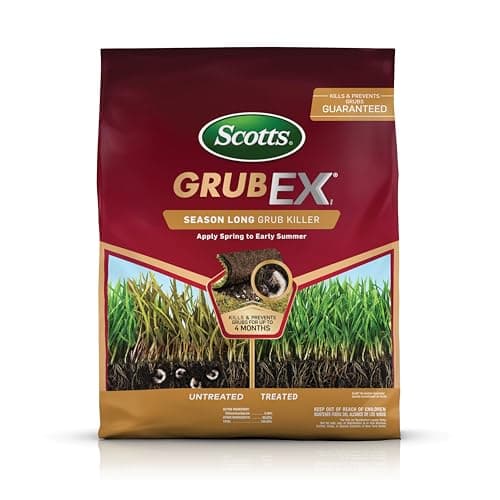
Scotts GrubEx1 Season Long Grub Killer
A preventive granule for white grubs that covers 5,000 square feet.
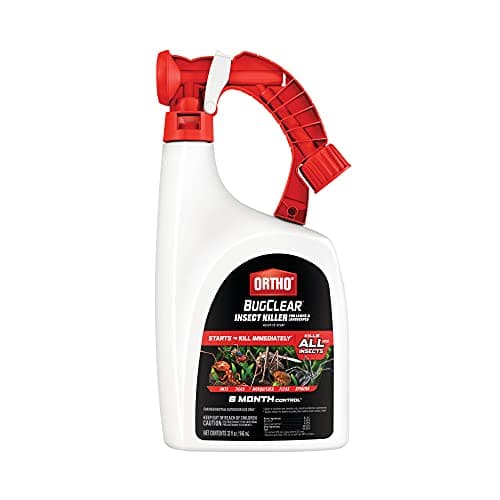
Ortho BugClear Insect Killer for Lawns Ready-to-Spray
A hose-end bifenthrin spray for chinch bugs, armyworms and other surface feeders.
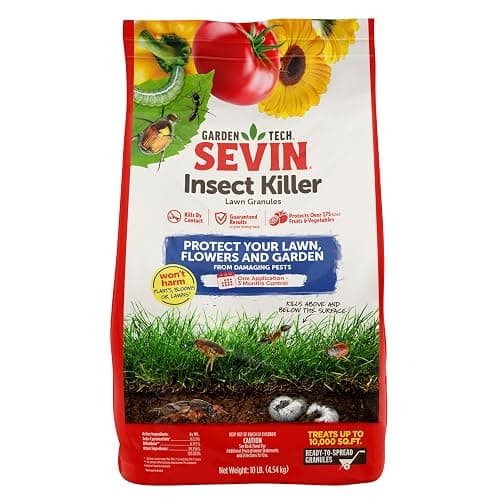
Sevin Insect Killer Granules (10 lb)
A granular carbaryl treatment for ants, sod webworms and other surface insects.
Implementation Timeline: From Diagnosis to Recovery
Fast and effective lawn pest control follows a logical sequence. The timelines below assume actively growing turf during the main growing season in your region.
Week 1: Diagnose and confirm
- Perform visual inspection and at-home tests (tug test, soap flush, grub counts)
- Document findings with photos and notes on damage areas
- Consult local extension or a lawn professional if identification is uncertain
Week 1 to 2: Apply targeted control
- Select the control method based on the confirmed pest and its life stage
- Apply products following label directions for rate, timing, and irrigation
- Keep kids and pets off treated areas until surfaces are dry and granules are watered in
Week 2 to 4: Monitor and adjust care
- Recheck problem areas weekly for continued insect presence or new damage
- Adjust watering to maintain consistent soil moisture without overwatering
- Raise mowing height slightly if turf is stressed
Week 3 to 8: Repair and recover
- Rake out dead material and overseed cool-season lawns in late summer or early fall
- For warm-season lawns, allow time for lateral spread or plug damaged areas
- Apply a balanced fertilizer if soil tests and season timing support it
Most lawns begin showing visible improvement 2 to 4 weeks after successful pest control, with full density returning in 1 to 3 months depending on species and climate.
Prevent Reinfestation With Better Lawn Care Practices
Strengthen the Lawn so Pests Cause Less Damage
Healthy, dense turf tolerates modest pest populations without visible loss. Turfgrass research from universities such as Iowa State and Virginia Tech consistently demonstrates that proper mowing, fertilization, and irrigation reduce both pest pressure and damage severity.
Key cultural practices include:
- Mowing at the correct height for your grass type, usually:
- Cool-season grasses: 2.5 to 3.5 inches
- Bermudagrass: 1 to 2 inches (mowed frequently)
- St. Augustinegrass: 3 to 4 inches
- Watering deeply and infrequently, about 1 to 1.5 inches per week including rainfall, applied in 1 or 2 deep soakings rather than frequent light sprinklings
- Fertilizing based on soil tests, which prevents both deficiency and excessive growth that attracts pests
- Core aeration every 1 to 3 years on compacted soils to improve root growth and reduce thatch
These steps also help suppress weeds. For detailed guidance, see Common Lawn Weeds and How to Remove Them, which pairs weed identification with cultural and chemical controls.
Manage Thatch and Organic Debris
Thatch thicker than about 0.5 inch insulates insects and creates a dry, warm environment ideal for chinch bugs, sod webworms, and other pests. It also prevents water and nutrients from reaching roots.

Manage thatch by:
- Core aerating annually on heavy soils or where traffic compacts the surface
- Verticutting or power raking if thatch exceeds 0.75 inch, then overseeding to restore density
- Avoiding overfertilization with quick-release nitrogen, which accelerates thatch accumulation
Extension research from University of Nebraska-Lincoln shows that lawns with controlled thatch layers have lower pest populations and require fewer insecticide applications.
Monitor Seasonally and Respond Early
Regular scouting prevents small infestations from turning into visible damage.
- In spring, check for grub carryover and billbug activity
- In summer, monitor for chinch bugs, sod webworms, and armyworms, especially during hot, dry periods or after storms
- In fall, inspect thinning or patchy areas for active grubs before winter
Keep a simple lawn log that records dates of pest sightings, treatments, and weather conditions. Over time, you will see patterns that help you anticipate when to check for specific pests each year.
Conclusion: Take Control of Lawn Pests Quickly and Confidently
Lawn pest control: identify common bugs and get rid of them fast depends on three elements: correct diagnosis, targeted treatment, and strong cultural practices. When you match symptoms to specific pests, confirm activity with simple tests, and treat at the right time, you stop damage quickly and protect beneficial insects.
Next steps are straightforward: walk your lawn, perform the tug and soap flush tests in suspect areas, confirm which pest is present, then implement the appropriate control and recovery timeline. For a broader lawn care strategy that prevents future outbreaks, review Organic Lawn Care Basics, Seasonal Lawn Care Calendar, and How to Control Grubs in Your Lawn to integrate pest management into year-round turf care.
Top Picks
- Scotts GrubEx1 Season Long Grub KillerCheck price on Amazon
- BioAdvanced 24-Hour Grub Killer PlusCheck price on Amazon
As an Amazon Associate we earn from qualifying purchases.
Free Lawn Care Tools
Accurate lawn pest control starts with separating insect damage from non-insect causes. Misdiagnosis wastes money and can harm beneficial organisms.
The most common lawn pests fall into a short list that covers the bugs in lawn identification homeowners search for most: white grubs (the larvae of Japanese beetles and other chafers), chinch bugs, armyworms and fall armyworms, sod webworms, billbugs, and cutworms. Ants also show up often, though they are usually a nuisance rather than a true turf-damaging pest. Each of these common lawn insects targets a different part of the plant, so grubs and billbug larvae chew roots while chinch bugs suck sap and armyworms and sod webworms chew blades. Matching the pest to the damage pattern and the season is the fastest way to confirm which one you have.
To identify bugs in your lawn, start with the damage pattern, then confirm with a quick hands-on test. Turf that lifts like a loose carpet with missing roots points to white grubs or billbug larvae, sunny patches that yellow then brown while staying rooted point to chinch bugs, and grass chewed down to ragged stubs points to armyworms or sod webworms. Confirm surface feeders with a soap flush (2 tablespoons of dish soap in 1 gallon of water poured over a square yard), check for grubs by peeling back a square foot of turf and counting the white C-shaped larvae, and watch for beige moths or caterpillars at dusk. Clear close-up photos sent to your county extension office can also nail down a tricky ID.
Start by looking at both the type of insect and the damage you see. True lawn pests cause thinning turf, dead patches, or roots that lift like a carpet, while beneficial insects like lady beetles, ground beetles, and lacewings usually don’t harm grass and actually prey on pests. Nuisance insects such as ants or crickets may be annoying but typically don’t cause real turf loss in low to moderate numbers. If you see serious turf damage paired with known pests like grubs, chinch bugs, or armyworms, targeted control is warranted.
Common signs include grass that disappears or thins in irregular patches, brown or yellow spots that keep spreading, and turf that feels loose or lifts up easily from the soil. You might also notice birds pecking aggressively at the lawn or see caterpillars and other insects in the thatch, especially at night. Damage from root feeders often mimics drought stress, while sap suckers and leaf chewers leave yellowing, scalped, or ragged-looking grass. When damage progresses quickly over days instead of weeks, surface-feeding pests are often involved.
Activity peaks at different times depending on the pest and your climate. Grubs and sod webworm larvae become active again in spring as soils warm, while chinch bugs, sod webworms, armyworms, and billbugs are most aggressive in summer heat. Many lawns show the worst grub damage in late summer and fall, when larvae are larger and roots are already stressed. In warm regions, fall armyworms and other pests can stay active well into fall, and many species overwinter in soil or thatch, ready to resume feeding when temperatures rise.
Root-feeding pests such as white grubs and billbug larvae chew on roots and crowns, which weakens the plant’s ability to take up water and nutrients. As populations rise above about 8 to 10 grubs per square foot, turf can thin dramatically, wilt even when watered, and form irregular dead patches. The sod may feel spongy and lift away from the soil like a loose carpet because roots have been eaten. This root loss also makes the lawn more vulnerable to drought, weeds, and disease.
Broad, non-targeted insecticide use kills beneficial predators like lady beetles, ground beetles, predatory wasps, and parasitic flies along with the pests. When these natural enemies are removed, pest populations often rebound harder because nothing is left to keep them in check. Over-treating also wastes money and exposes kids, pets, and the environment to unnecessary chemicals. Accurate identification and targeted control preserve helpful insects and lead to more stable, healthy turf over time.
Photos: RDNE Stock project / Pexels, ANH LÊ / Pexels

Beat weeds and brown spots from your phone
Snap a photo, get the fix, and follow a plan timed to your soil and weather. Free on iPhone.