Pathway & Stepping Stone Ideas for Lawns
 James ThorntonLawn Equipment & Maintenance Expert | 20 Years
As an Amazon Associate we earn from qualifying purchases.
Worn trails across turf, muddy shortcuts to the shed, and slippery side yards all indicate the same underlying issue: the lawn is being used as a pathway instead of as a living surface that can stay healthy. The solution is not more fertilizer or more seed, it is giving traffic its own dedicated routes with well planned lawn paths, garden pathways, and stepping stone walkways.
Pathways through turf areas protect grass from compaction, keep shoes cleaner, and organize how people move through the yard. When they are designed correctly, they also frame planting beds, create visual rhythm, and make small spaces function like larger, well planned landscapes.
This guide explains how to diagnose where you need paths, select the right style and materials, and install everything so it drains correctly and stays low maintenance over the long term. You will see how to plan layouts, understand base preparation, choose between continuous paths and stepping stones, and integrate routes with mowing and seasonal lawn care. For related context on overall yard planning, see topics like Common Lawn Care Mistakes Beginners Make, Essential Lawn Care Tools Every Homeowner Needs, Creative Lawn Edging Ideas, and Integrating Garden Beds with Lawns.
If you notice muddy patches or worn trails in your lawn, it's a sign that these areas are being used as pathways. To verify, check these spots after a rain; if they are consistently muddy or compacted, it's time to install a dedicated path. Studies show that foot traffic can compact soil up to 70%, damaging grass roots.
To transform these problem areas, consider installing stepping stones or a continuous path. Choose durable materials like stone or pavers, and plan to dedicate a weekend to the project. You can expect a significant reduction in mud and wear within just a few weeks as the path takes shape and settles into your landscape.
Understanding Lawn Paths & Garden Pathways
What Counts as a “Lawn Path”?
In residential yards, several categories of circulation features all interact with turf.
Lawn paths are routes that run through or directly alongside grass areas. They might be a simple run of stepping stones set in turf, a crushed stone path cutting across the yard, or a paved strip along the house where people walk daily.
Garden pathways are the broader network of routes that connect key outdoor zones, such as:
- From the back door to a detached garage or gate
- From the driveway to a side entrance or patio
- Between garden beds, a vegetable plot, and a compost area
- Around the house perimeter for access to spigots, AC units, and storage
These paths may pass through turf, border it, or run entirely through planting beds or gravel areas.
Stepping stone paths are discontinuous surfaces made from individual stones, pavers, or blocks set into grass, mulch, or low groundcovers. The lawn or planting fills the gaps between stones. Stepping stone paths are particularly useful where you want to preserve a lawn-dominant look while still guiding foot traffic.
Homeowners typically need some combination of these paths to serve:
- High-frequency routes, such as from the house to the main gate, trash bins, or mailbox
- Service routes, such as access to a shed, irrigation controls, or vegetable beds
- Recreational routes around features like firepits, playsets, and seating nooks
Any place you currently see a brown, compacted strip or repeated mud after storms is a candidate for a defined lawn path or stepping stone treatment.
Benefits of Adding Pathways & Stepping Stones
The initial motivation for most homeowners is functional: stop the mud and mess. However, correctly executed garden pathways provide three categories of benefits that all reinforce each other.
Practical benefits include:
- Reduced foot traffic on delicate turf so grass blades and crowns remain intact
- Cleaner shoes, pet paws, and interior floors because wet soil is not tracked into the house
- Safer footing in rain, snow, and freeze-thaw cycles because surfaces are graded and anchored correctly
Aesthetic and design benefits are significant as well. A path is essentially a bold line in the composition of the yard. It:
- Adds structure and visual flow, guiding the eye to focal points or views
- Makes small lawns read as larger by introducing curves and layered sightlines
- Frames garden beds, specimen trees, or water features, turning them into intentional destinations
Lawn health benefits are often overlooked but critical. According to Penn State Extension turfgrass guidance, repeated foot traffic leads directly to soil compaction, which reduces pore space and limits root depth. Once bulk density increases and infiltration decreases, turf declines even if fertilization and watering are correct. When you move that traffic onto a designed path, you:
- Remove the compaction source from root zones so water and oxygen can reach 3 to 4 inches deep
- Create a clear distinction between turf to be mowed and hard surfaces for walking
- Make mowing and edging more efficient because you are no longer bouncing a mower over ruts or irregular shortcuts
The result is turf that responds better to core aeration, overseeding, and proper fertilization, because roots are not constantly stressed by heavy use.
Key Questions to Ask Before You Start
Effective path planning starts with function, then moves into style. Before choosing stone or gravel, answer a few diagnostic questions.
Who will use the path? A daily route for adults carrying groceries, a safe corridor for young children, or a service path for wheelbarrows all require different surfaces and widths. If any user has mobility challenges, a continuous, stable surface with minimal slope is non-negotiable.
How often will it be used? A primary access path that handles traffic multiple times per day requires a more permanent base and tighter joints than an occasional stepping stone route to a compost pile that you visit once a week.
What is your climate and soil type? In heavy clay soils or high rainfall climates, unplanned paths quickly turn into muddy trenches. According to Ohio State University Extension, clay soils compact easily and drain slowly, so any high-use route requires a stable base layer at least 3 to 4 inches deep and positive drainage away from structures. In cold climates with frequent freeze-thaw cycles, frost heave affects thin or poorly compacted bases, so deeper base and edge restraints maintain performance.
What is your maintenance tolerance? Some surfaces, such as decomposed granite or loose gravel, look excellent but require periodic raking and top-ups. Dense pavers or poured concrete are lower maintenance but more permanent and visually dominant. Decide whether you prefer occasional touch-ups or a one-time installation with minimal ongoing effort.
How permanent do you want it to be? Stepping stones laid directly on turf or a thin sand bed function as semi-temporary solutions. They are easy to rearrange or remove if you later change your landscape. Full-depth paver paths with compacted bases and edge restraints represent long-term infrastructure and are more appropriate for primary access routes.
Planning Your Lawn Path: Design & Layout Basics
Mapping Your Natural Walk Lines
The most successful garden pathways often follow the lines people already use. These informal lines are called desire paths. They show up as worn grass, bare soil, or even slightly flattened turf after snow.
To map them, watch how users actually move through your yard over several days:
- Note routes from doors to gates, parking, sheds, and play areas
- Observe the patterns children and pets take to favorite spots
- Watch where delivery drivers, lawn crews, or guests naturally walk
Take a short walk-through of your property and identify:
- All entry points: doors, gates, driveway, alley access
- All destinations: patio, grill, firepit, shed, bins, beds, and compost
- Obstacles: trees, large roots, downspouts, sprinkler heads, slopes, chronic wet spots
Use simple layout tools to test routes before you commit:
- Garden hose: Lay it on the lawn in a potential curve to visualize path alignment.
- Stakes and string: Create straight or gently curved lines and walk them to test comfort.
- Photos and sketches: Take photos of the yard, print them or use a tablet app, and sketch possible paths over them.
Give yourself a week to live with the temporary markings. If you keep cutting corners beyond the hose line, re-align the route to match how you actually move.
Choosing the Right Style for Your Yard
Once you know where paths need to go, the next decision is style. This is not just about looks, it affects how paths read in proportion to your home and how much hard surface you add to the landscape.

Formal vs informal garden pathways
Formal paths use straight lines, predictable geometry, and often symmetrical layouts. They suit traditional, colonial, or very modern architecture. A straight paver walk from a front gate to a centered front door is a classic example.
Informal paths use curves, varying widths, and sometimes staggered stepping stones. They fit cottage gardens, naturalistic plantings, and irregular lot lines. A meandering flagstone stepping path through a mixed border is a typical informal solution.
Match the path to your home’s architecture to avoid visual conflict:
- Modern or contemporary homes benefit from clean lines, large-format concrete pavers, fine gravel, or steel edging that reinforces simple geometry.
- Cottage, farmhouse, or traditional homes pair well with brick, natural stone, or crushed gravel with lush plantings spilling slightly over the edges.
Consistency in material across multiple paths helps unify the landscape. For example, repeating the same paver used on a patio in a thinner band across the lawn visually ties spaces together.
Visual tricks to influence how the yard feels include:
- Using slightly narrower paths, such as 30 inches instead of 36 inches, in small yards so the lawn itself occupies more visual area.
- Designing gentle curves that draw the eye across the lawn, which creates the perception of more space and hides straight property lines or long fences.
- Shifting main paths slightly off center so front yards feel more dynamic and less like a rigid axis.
Sizing & Slope Considerations
Dimensions and grading are not just technical details; they determine whether a path feels comfortable and drains correctly.
Width guidelines generally follow human ergonomics and tool access requirements:
- Single person path: 24 to 30 inches. This is suitable for stepping stone runs or side-yard access where only one person passes at a time.
- Two person or service path: 36 to 42 inches. This width allows two people to walk side by side and accommodates most wheelbarrows and lawn carts.
- Main entry walks: 42 to 48 inches. Front walks feel more inviting and proportional at these widths, especially near the front door.
Slope and drainage must be set before you install any surface. According to Purdue University Extension guidance on site grading, paths should maintain at least 1 to 2 percent cross slope (about 1/8 to 1/4 inch drop per foot) away from structures to ensure water runs off instead of ponding. For a 4 foot wide path, that equals roughly 0.5 to 1 inch of fall from one edge to the other.
Longitudinal slope, in the direction you walk, also needs attention. A comfortable walking slope is below 5 percent (a 1 in 20 rise). Short segments up to 8.3 percent (1 in 12) match accessibility guidelines but feel noticeably steeper. For home landscapes, target gentle grades where feasible and use steps or switchbacks on steep sites rather than very steep ramps.
Always tie the path elevation into existing door thresholds, patios, and lawn grades to prevent water from running toward the house or creating low spots where water collects and undermines the base.
Material Options for Lawn Paths & Stepping Stones
Common Pathway Surfaces
Material choice affects cost, maintenance, comfort underfoot, and integration with turf. The following surfaces see frequent use in residential garden pathways.
Concrete pavers provide a durable, modular surface. They come in a wide range of sizes and colors and generally install over a compacted aggregate base with a sand setting bed. Paver systems with tight joints suit main entry routes or high traffic zones. They handle freeze-thaw cycles better than poured slabs when installed with flexible joints and proper drainage.
Natural stone such as flagstone, bluestone, or sandstone offers a highly aesthetic finish. Large irregular slabs create an informal look; cut rectangular or square pieces support more formal designs. Stone is heavier and often more expensive than concrete pavers, but it weathers well and reads as high end. For stepping stone paths through turf, stone thickness should be at least 1.5 to 2 inches to resist cracking under load.
Gravel and decomposed granite provide a permeable surface that allows water to infiltrate. According to NC State Extension, properly graded and compacted gravel over a geotextile fabric layer resists rutting and suppresses most weeds. Because gravel can migrate, edging is essential to keep it out of adjacent turf. Finer aggregates, like decomposed granite, compact into a firm but somewhat flexible surface that works well for informal garden pathways.
Mulch paths using shredded bark or wood chips are inexpensive and easy to install, particularly in backyard or woodland garden areas. They require periodic top-ups as material decomposes and compacts. Mulch is not ideal directly adjacent to house foundations due to termite concerns in some regions, so maintain a buffer zone with stone or gravel near structures as recommended by local extension guidance.
Poured concrete offers a continuous, low maintenance surface. It is highly practical for side yards, utility areas, and accessible routes. However, it introduces a permanent hard edge and reflects more heat than other surfaces, which can stress adjacent turf on hot days. Control joints and proper reinforcement help limit cracking.
Permeable pavers or grids integrate turf or gravel within a structured matrix, such as plastic or concrete grid systems. These are useful for areas that must support occasional vehicle weight while remaining green or permeable, like overflow parking or utility access strips.
Stepping Stones in Lawn vs. Bed Areas
Stepping stones can sit in one of three basic contexts: directly in lawn, in mulch, or in groundcovers/gravel.
Stepping stones in lawn provide a minimal visual interruption. You set stones at or slightly above grade, allowing grass to grow between them. This works well where you still want a continuous green appearance and occasional mowing over or around the stones is acceptable.
For function and safety, consider:
- Stone size: 16 to 24 inches across provides a stable landing for most adults.
- Spacing: 18 to 24 inches on center fits an average stride; test by walking.
- Height: Tops should be flush with or up to 0.5 inch above soil grade to limit mower blade contact while avoiding trip edges.
Stepping stones in mulch suit paths that run through or along planting beds. The mulch suppresses weeds and buffers the stones. Because mowers do not cross these, you can afford slightly more texture or irregularity. However, keep stone surfaces as level as possible to avoid pooling water and slippery algae growth.
Stepping stones in groundcovers or gravel create a very deliberate design effect. Low stepable plants like creeping thyme, Irish moss, or dwarf mondo grass fill the joints between stones. Fine gravel or decomposed granite can also infill gaps, offering drainage and contrast. These installations require more careful planting and edging, but they produce some of the most distinctive garden pathways.
Pros and Cons for Lawn Health
Each material interacts differently with surrounding turf and soil.
Continuous hard surfaces (concrete, tightly set pavers) completely remove compaction pressure from turf where installed. The side effect is increased edge heat and potential water runoff toward adjacent grass if grading is incorrect. Using lighter colored pavers and maintaining a shallow slope away from turf mitigates these issues.
Permeable surfaces (gravel, permeable pavers) allow infiltration and reduce surface runoff. According to Ohio State University Extension, permeable pavements reduce stormwater runoff volume by 60 percent or more when installed over an appropriate base depth and subgrade. For lawns, this means less water speeding across the surface and more evenly distributed soil moisture.
Stepping stone patterns in turf concentrate footfall on stone surfaces while preserving a mostly continuous root zone. Some compaction still occurs in the immediate vicinity, particularly if stones rock and compress underlying soil. Setting stones on a thin base of compacted sand or fine gravel spreads load and protects roots better than dropping stones directly on loose soil.
In all cases, the key for lawn health lies in redirecting repeated traffic away from bare turf while ensuring water and air can still reach the remaining root zones.
Step-by-Step: Installing a Simple Lawn Path or Stepping Stone Walkway
Site Preparation and Layout
Whether you install a full paver path or a simple stepping stone run, start with careful layout and site preparation.
Finalize the route using hoses, stakes, or spray marking paint. Walk the route multiple times to confirm comfort and visibility from key viewpoints such as windows and patios.
Mark the edges or stone centers. For continuous paths, mark the full width; for stepping stones, mark each stone outline or center point at your chosen spacing.
Call utility locators before digging deeper than a few inches. National guidelines generally require this at least 2 to 3 business days before excavation to mark buried gas, electric, and communication lines.
Next, remove existing turf in the path footprint. A flat spade, manual sod cutter, or power sod cutter all work. For stepping stones, cut only individual pockets slightly larger than each stone where sod will be lowered or removed.
Base Preparation for Durability and Drainage
Base construction determines how long your path performs without settling. According to Penn State Extension recommendations for walkways, a typical residential pedestrian path uses:
- 4 to 6 inches of compacted crushed stone base (often labeled as 2A, crusher run, or similar) for primary routes, 3 to 4 inches for low traffic stepping stone pockets.
- 1 inch of bedding sand above the base for pavers or closely fitted stone.
For a continuous path installation:
Excavate to total depth. Subtract the planned finished surface thickness from the target finished grade. For example, for 4 inches of base plus 2 inch pavers plus 1 inch bedding sand, excavate 7 inches below final grade.
Shape the subgrade to match the intended path slope. Remove soft pockets of soil and compact subgrade with a hand tamper or plate compactor.
Install geotextile fabric over clay or unstable soils to separate base stone from underlying soil and reduce pumping and mixing over time.
Place base stone in 2 to 3 inch lifts, compacting each layer thoroughly. A plate compactor is effective for anything beyond very short paths.
Check heights and slopes frequently using a straight board and level to ensure base falls slightly away from adjacent structures.
For stepping stone installations in lawn:
Excavate each pocket so the combined thickness of base, bedding sand, and stone leaves the top of the stone flush with or slightly above surrounding turf grade.
Compact the bottom of each pocket to reduce later settling.
Add a 2 to 3 inch layer of crushed stone or coarse sand, compact lightly, then top with 0.5 to 1 inch of bedding sand where you will set the stone.
Even though these base depths are more work than simply dropping stones or pavers onto soil, they prevent rocking underfoot and long term heaving from freeze-thaw cycles.
Setting Stones, Pavers, or Gravel
Once your base is in place, installation moves quickly.

For pavers or tight-fitting stone:
Screed the bedding sand to a consistent 1 inch thickness using guide rails and a straight board.
Place pavers or stone in the desired pattern, working from one end and not walking directly on the screeded sand. Maintain consistent joint gaps, typically 1/8 to 1/4 inch for concrete pavers.
Install edge restraints along both sides to lock the pattern in place. Plastic or metal edging anchored with stakes works for curves; concrete curbs or soldier course pavers work for straight edges.
Sweep joint sand into gaps, then run a plate compactor over the surface to seat units into the bedding sand and tighten joints. Repeat sand filling as joints settle.
For stepping stones in lawn:
Set each stone into its prepared pocket on top of the bedding layer. Use a rubber mallet to tap the stone until it is stable and level side to side.
Check stride and alignment by walking the route. Adjust spacing and rotational angle until it feels natural and comfortable.
Backfill around the stones with topsoil or a mix of topsoil and compost, then re-lay any saved sod or reseed bare edges. The goal is a smooth transition where mower wheels roll without bouncing.
For gravel or decomposed granite paths:
Install edging first if not already in place to contain the aggregate.
Place gravel in lifts, compacting lightly to reach a total depth of 2 to 3 inches above the base.
Rake the surface smooth and check that the final grade still sheds water in the intended direction.
Timeline for a Typical Home Project
For a homeowner working weekends, a straightforward lawn path project follows a realistic sequence.
- Week 1: Observe desire paths, decide on routes, and sketch the layout. Mark routes with hoses or paint. Call utility locators.
- Week 2: Strip turf along the path or in stepping stone pockets. Rough grade the subgrade to establish slope.
- Week 3: Install geotextile (if used), place and compact the base, set edging for continuous paths.
- Week 4: Screed bedding sand, install pavers or stepping stones, and complete joint sand or gravel placement. Backfill and re-sod or seed edges.
- Weeks 5 to 8: Lightly water any new sod or seed and keep foot traffic light on new installations until minor settlement stops.
This pacing prevents fatigue and allows you to correct grade or layout issues before locking in the surface.
Low-Maintenance Pathway Ideas for All Seasons
Gravel and Mulch Paths with Edging
When homeowners want function with moderate install cost and low long term maintenance, gravel or mulch with solid edging is often the best solution.
Gravel paths benefit from clear separation from turf. Steel, aluminum, or concrete edging keeps stones from migrating into grass where mower blades throw them. A well installed gravel path with 3 to 4 inches of compacted base and 2 inches of surface gravel sheds water quickly and resists rutting under normal foot traffic.
To keep maintenance modest:
- Use angular stone (like crushed granite) rather than rounded pea gravel, since angular pieces lock together and move less.
- Install a woven geotextile fabric under the base to reduce upward migration of soil and weed seeds.
- Spot treat or manually remove occasional weeds that appear, rather than letting them establish deep roots.
Mulch paths shine under tree canopies and in back-of-yard or woodland settings. Installing 3 to 4 inches of shredded bark or wood chips over a smoothed soil surface creates an immediately usable surface. Because organic mulch decomposes, plan to top up 1 to 2 inches every 1 to 2 years. Mulch path edges can be kept neat with spaded edges or simple plastic or metal edging installed slightly below the surface.
Paver and Concrete Options for Heavy Use
For routes that see daily traffic, including wheelbarrows, trash carts, and deliveries, a hard surface eliminates seasonal maintenance. Concrete pavers and poured concrete are the primary options.
Paver paths offer modular repair. If a section settles due to unexpected subsoil movement, you can lift and reset just that area without saw cutting or patching. Joint sand can be upgraded to polymeric sand, which hardens slightly after activation with water and reduces weed growth and ant tunneling.
Poured concrete walks minimize joints and create a very smooth surface for carts and mobility equipment. Control joints, usually spaced every 4 to 6 feet, reduce random cracking. According to Purdue University Extension recommendations for exterior slabs, a 4 inch thick residential sidewalk on a compacted base, with adequate control joints and proper curing, provides long service with minimal care.
Both surfaces benefit from clear edge transitions to turf. Setting the top of the path 0.5 to 1 inch above adjacent grade helps shed water onto the lawn but still allows mower wheels to ride up to the edge without scalping.
Seasonal Care: Winter, Rainy Seasons, and Heat
Pathways interact with weather and turf throughout the year, and small seasonal habits maintain long term performance.
Winter considerations:
- Avoid metal shovels on pavers or stone surfaces where possible to limit chipping. Use plastic edges or push snow instead of chopping ice.
- De-icers based on calcium chloride generally cause less damage to concrete than sodium chloride, according to recommendations from several university extensions including Ohio State. Use the minimum effective amount to limit runoff into turf.
- In freeze-thaw areas, monitor for heaving stones. Re-seat any that rise significantly to prevent tripping hazards.
Rainy seasons:
- Watch for standing water on paths after storms. Standing water signals grade or base issues, which eventually affect both safety and nearby turf by oversaturating root zones.
- Keep gravel and mulch from washing onto lawn by inspecting edges and adding small berms or adjusting path grades if necessary.
Heat and sun:
- Light colored pavers and stone reduce surface temperatures and adjacent turf stress compared to dark, heat absorbing materials.
- In hot climates, consider adding narrow planting strips or using groundcovers along paths on the sun side to buffer radiant heat.
These small practices keep paths functional and prevent collateral turf damage, particularly along edges.
Integrating Paths with Lawn Care and Landscaping
Designing Paths That Work with Mowing Patterns
One frequent source of frustration is lawn paths that fight mower movement. Smart design avoids tight inside corners, abrupt width changes, and awkward dead ends that force small pivot turns with heavy mowers.
To integrate paths with mowing:
- Align main paths parallel or perpendicular to primary mowing directions so you can make clean passes without constant stops and starts.
- Use generous curves rather than sharp angles where turf meets hard surfaces. A curve with at least a 4 foot radius is easier to mow than a tight 90 degree corner.
- Maintain consistent border widths between path and fences or beds so the mower deck fits without repeated trimming with a string trimmer.
Edge treatments also matter. Metal, plastic, or stone edging set slightly above grade creates a clear separation that string trimmers can follow precisely. For more design ideas, see Creative Lawn Edging Ideas, which pairs well with pathway planning.
Combining Garden Beds, Edging, and Paths
Paths and planting beds form a system. By thinking of them together, you can reduce maintenance and improve visual structure.
Several effective combinations include:
- A paver or gravel path flanked by mixed perennial beds. Here, the bed edge can use steel or brick edging, with the path edge using a compatible material. This setup concentrates weeding in beds and keeps path surfaces clean.
- A central lawn with curved stepping stone routes to focal points, surrounded by border beds. This keeps traffic off turf except where guided and also integrates visual interest from planting.
- Side-yard utility paths, such as concrete or gravel, with a narrow strip of turf or groundcover on the opposite side from the house. This reduces the amount of grass in a hard to irrigate side yard while preserving some green.
For a deeper dive into how beds, turf, and access interact, Integrating Garden Beds with Lawns provides strategies for transitions, bed shapes, and irrigation routing that complement path planning.
Protecting Turf Edges and Addressing Compaction
Even with dedicated paths, some compaction occurs where feet leave or enter turf. Edges at patios, driveways, and paths often show thinning grass and moss or algae buildup.
According to Penn State Extension turf management resources, compaction manifests as shallow rooting, increased weed pressure, and more rapid drying after irrigation. Addressing this at path edges requires both construction and maintenance strategies:
- Keep path bases and edges well drained so water does not pool at the turf interface.
- Apply core aeration specifically along high traffic edges 1 to 2 times per year, removing plugs 2 to 3 inches deep.
- Topdress these edge zones with a thin layer (about 0.25 inch) of compost or sand-based topdressing after aeration to improve structure.
- Overseed thin edges in the optimal season for your grass type (cool season grasses in early fall, warm season grasses in late spring to early summer).
Ohio State University Extension notes that compaction relief from core aeration is most effective when soil moisture is moderate, not saturated or bone dry. Plan aeration around your watering schedule and local rainfall patterns.
Pathway & Stepping Stone Ideas for Different Yard Types
Small Urban Lawns
In small city yards, every square foot matters. The goal is to provide necessary access without overwhelming the space with hard surfaces.
Effective strategies include:
- Narrow, 24 to 30 inch wide stepping stone paths through turf that preserve lawn as the dominant visual element.
- Off-center main paths that run slightly to one side of a yard, leaving a larger contiguous lawn panel on the opposite side for play or visual openness.
- Using the same paver or stone material across patio and paths, but changing installation pattern or scale so the path reads lighter than the main hardscape.
Curved routes that hide the destination slightly can also make a small yard feel longer. Planting tall but narrow elements like ornamental grasses or columnar shrubs along parts of the path increases the sense of journey without consuming width.
Sloped Yards and Drainage Challenges
On slopes, unplanned traffic quickly creates erosion channels and unsafe footing. A structured series of paths and steps solves both issues.
Key techniques include:
- Breaking long slopes into shorter segments with landings every 18 to 30 inches of elevation change. A landing can be a wider paver area or a switchback turn.
- Using riser heights of 4 to 6 inches and treads 12 inches or deeper for comfortable outdoor steps.
- Installing small retaining edges or low walls uphill of the path to intercept runoff and direct it into planted areas instead of across the walking surface.
In high rainfall climates or where hillside seepage occurs, consider permeable paver systems with underdrains to capture and move subsurface water. NC State Extension drainage resources show that correctly designed swales and subsurface drains alongside paths prevent water from undermining both the path and adjacent turf.
Family-Friendly & Pet-Friendly Designs
Family and pet use patterns create specific routes, such as direct runs from a back door to a playset or preferred pet relief area. Designing for this use prevents random wear.
For families with children:
- Choose slip resistant surfaces and avoid highly polished or sealed stone where water or sand accumulate.
- Consider playful stepping stone routes with varied shapes that invite exploration, but keep rise and gap distances consistent for safety.
- Ensure ample width, at least 36 inches, where two children might run side by side.
For dogs:
- Provide a durable perimeter path along fences where dogs naturally patrol. Gravel or compacted fines often work better than turf in this high traffic zone.
- Create a direct, easy to clean route from the house to a dog run or relief area, using materials that tolerate occasional digging and moisture.
- Use stepping stones or pavers near water bowls and shade spots to keep these high use areas from becoming mud holes.
By anticipating these patterns, you preserve the rest of the lawn for appearance and occasional recreation rather than daily wear.
Common Mistakes & How to Avoid Them
Undersized or Poorly Placed Paths
One of the most common issues is installing paths that are too narrow or located where people will ignore them. When a path feels cramped or inconvenient, traffic reverts to desire lines, and turf damage resumes.
To prevent this:
- Size main access paths at least 36 inches wide near doors and gates, even if they narrow slightly as they move away from the house.
- Align routes directly between real destinations instead of forcing awkward detours around planting beds.
- Provide visual cues, such as lighting or low plantings, that reinforce where to walk.
Ignoring Drainage and Soil Conditions
Paths that sit in low spots or on heavy clay without adequate base inevitably develop heaving, settling, or standing water. According to Ohio State University Extension stormwater management materials, compacted soil with minimal organic matter holds water at the surface, which accelerates freeze-thaw damage and weeds.
Diagnosis is straightforward: if water remains on the path more than a few hours after a storm, grading or drainage is insufficient. The fix may involve:
- Re-grading the base to establish consistent fall away from buildings and toward landscape areas that can accept runoff.
- Installing perforated drainpipe (French drains) alongside or under portions of paths with chronic subsurface water issues.
- Upgrading from a minimal thin base to a full depth, compacted aggregate base when rebuilding paths that have repeatedly failed.
Choosing High-Maintenance Materials
Some materials look appealing initially but demand more maintenance than homeowners expect. Very fine pea gravel without stabilizer migrates, accumulates in turf, and requires frequent raking. Highly polished or smooth stone surfaces become slippery with algae or frost.
To avoid ongoing frustration:
- Select materials based on traffic frequency and your realistic maintenance time, not just appearance.
- Use edging that matches the chosen material's behavior. Loose materials need sturdier containment.
- Test a small section of a planned material in a high traffic area for a few weeks before committing the entire yard.
Reviewing Common Lawn Care Mistakes Beginners Make can also help you align material choices with irrigation patterns, fertilizer schedules, and mowing practices so path edges remain manageable.
Conclusion: Turning Traffic into a Design Asset
Worn tracks and muddy shortcuts across turf signal that the lawn is carrying a load it cannot sustain. Purpose built lawn paths, garden pathways, and stepping stone routes take that load, protect root zones, and turn everyday movement into a structured part of the landscape design.
By mapping desire lines, sizing and grading routes correctly, selecting materials that match your climate and maintenance tolerance, and integrating paths with mowing and planting, you transform problem areas into durable, attractive features. As you plan or upgrade your yard, pair this pathway strategy with broader resources like Essential Lawn Care Tools Every Homeowner Needs, Creative Lawn Edging Ideas, and Integrating Garden Beds with Lawns to build a cohesive, efficient outdoor space that functions well in every season.
Top Picks
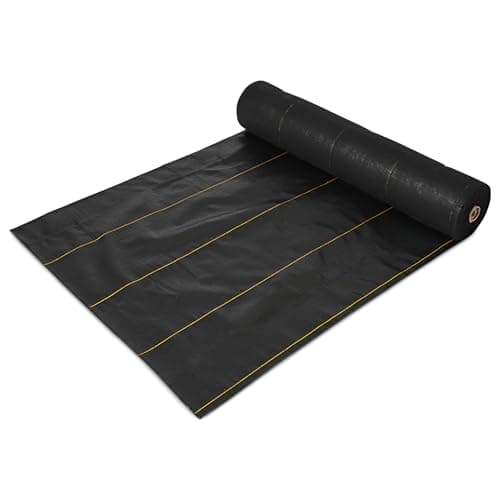
 Dewitt Pro-5 Weed Barrier Fabric 5 oz, 4 x 250 FeetCheck price on Amazon
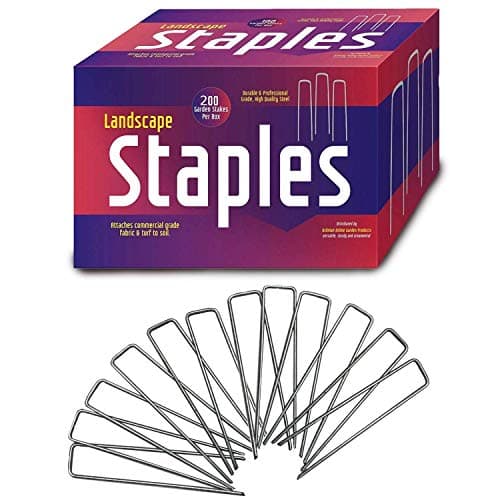
 Ashman 200 Pack Galvanized Garden Stakes Landscape Staples (6 inch)Check price on Amazon
As an Amazon Associate we earn from qualifying purchases.
Free Lawn Care Tools
In residential yards, several categories of circulation features all interact with turf.
Defined pathways remove regular foot traffic from the turf, which prevents soil compaction and damage to grass crowns. With traffic shifted onto paths or stepping stones, water and oxygen can penetrate 3–4 inches into the soil, helping roots grow deeper and stay healthier. This makes lawn care practices like aeration, overseeding, and fertilizing much more effective over time. The lawn recovers faster and is less likely to develop bare, muddy strips again.
The choice depends on how often and how intensely the route will be used, as well as who needs to use it. High-frequency routes and paths used by people with mobility challenges are better served by continuous, stable surfaces with a proper base. Stepping stones work well for lighter-use routes and areas where you want to keep a lawn-dominant look while still guiding traffic. They also make sense when you want a semi-temporary solution that can be moved or adjusted later.
Soil type and climate directly affect drainage, stability, and long-term performance. In heavy clay or high-rainfall areas, paths need a stable base that is at least 3–4 inches deep and graded so water drains away from buildings and doesn’t create muddy trenches. In cold climates with frequent freeze-thaw cycles, a deeper, well-compacted base and solid edge restraints help prevent frost heave and shifting. Ignoring these conditions often leads to uneven, slippery, and high-maintenance paths.
Pathways act like strong lines in a landscape composition, guiding the eye and shaping how the space is perceived. Curved routes and layered sightlines draw attention to different focal points and create a sense of depth, so a small lawn reads as larger and more dynamic. Paths can also frame beds, trees, or features like a firepit, turning them into distinct destinations. This organization makes even compact yards feel more like intentional, multi-room outdoor spaces.
Prioritize any area where you see compacted, brown strips of grass or muddy ruts after rain. Common high-priority routes include daily access from doors to gates, driveways, trash bins, sheds, and main gathering areas like patios or play spaces. Service routes to things like irrigation controls, vegetable beds, compost bins, and equipment storage also benefit from defined paths. Turning these high-use lines into proper walkways protects turf and makes the yard cleaner and safer to navigate.
Photos: Mike Cho / Pexels, Erik Mclean / Pexels, Jennifer Victor-Larsen / Pexels

Beat weeds and brown spots from your phone
Snap a photo, get the fix, and follow a plan timed to your soil and weather. Free on iPhone.