

Bermuda vs St. Augustine Grass: Which Should You Plant?
Updated August 6, 2026
As an Amazon Associate we earn from qualifying purchases. Disclosure.
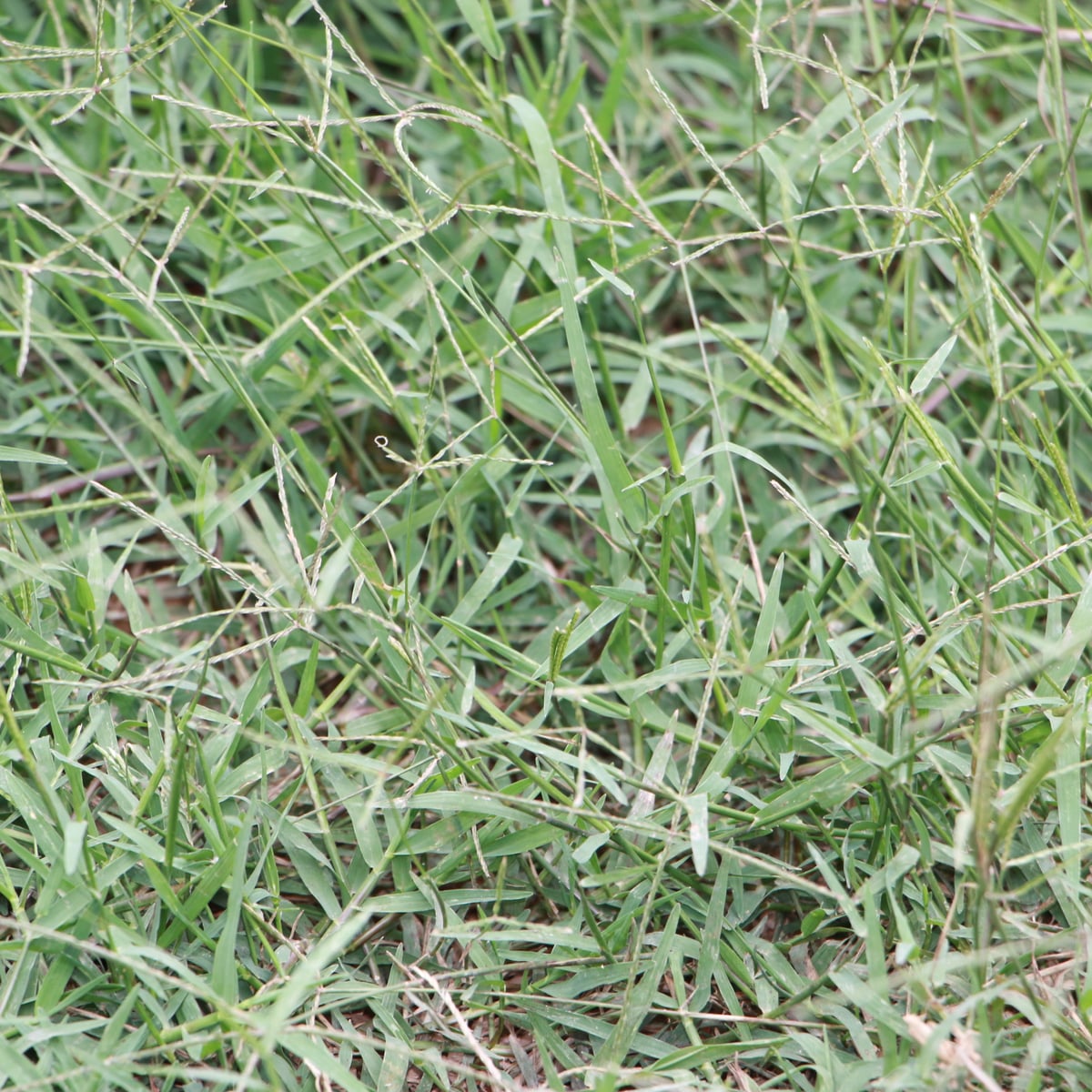
Bermudagrass and St. Augustinegrass are the two most common Southern lawn choices, and the decision usually comes down to one question: how much shade does your lawn get? Bermuda is a full-sun athlete that recovers from foot traffic faster than any other warm-season grass, but thins out the moment a tree starts casting shade. St. Augustine is the opposite story: the only warm-season grass that handles 4 hours of dappled sun without thinning, but slower to recover from heavy traffic and more susceptible to chinch bugs and disease.
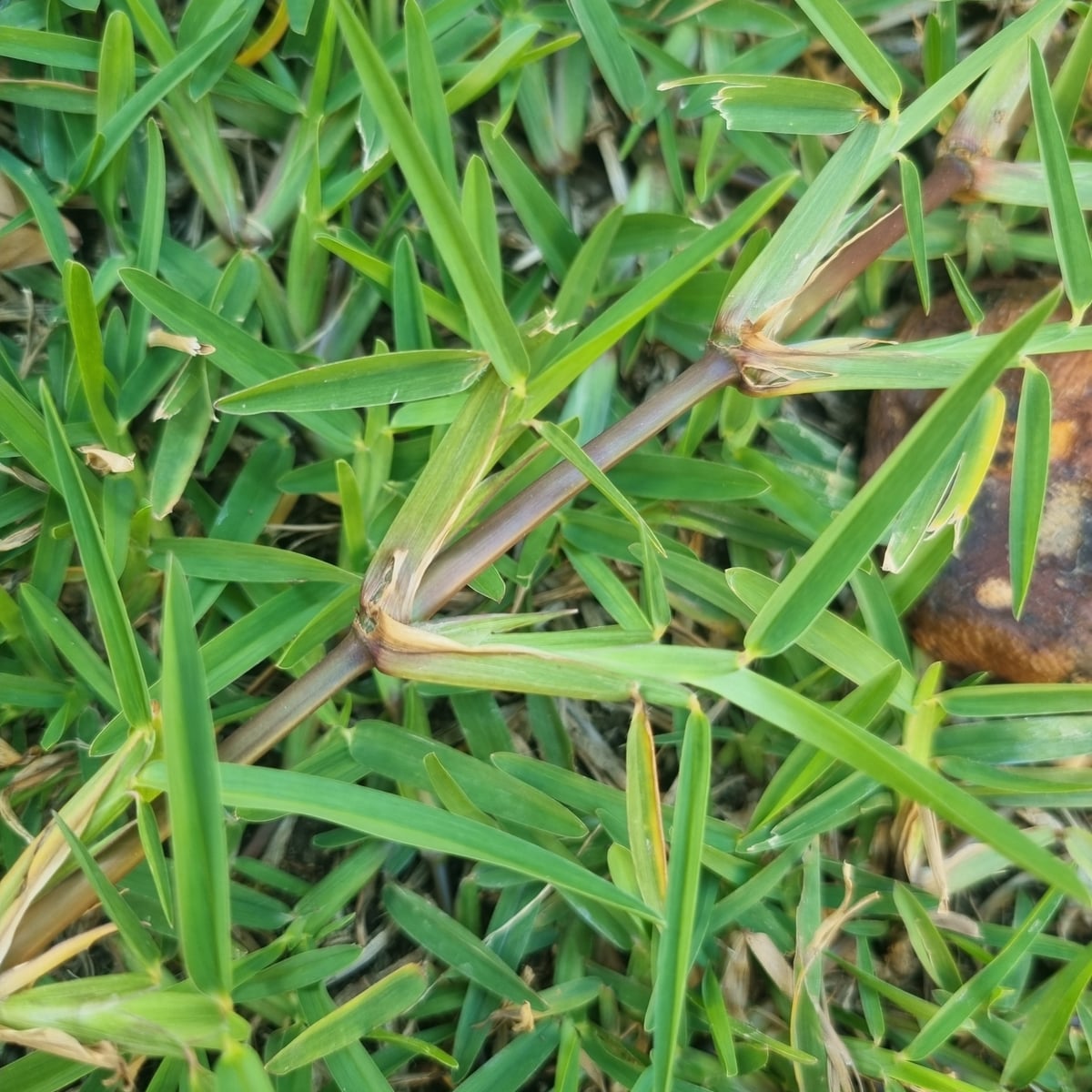
Beyond the shade question, the lawns look and feel completely different. Bermuda has fine, wiry blades and mows down to half an inch with a reel mower for that golf-course look. St. Augustine has the broadest blades of any common US lawn grass and gives a tropical, coarse- textured appearance you mow at 3 to 4 inches. Bermuda needs more fertilizer and more mowing; St. Augustine needs more pest scouting and more sod replacement after a hard winter. Pick based on your trees, your traffic, and your tolerance for chinch bug season.
Quick verdict
Bermuda wins for full-sun, high-traffic lawns and the lowest mowing-height golf-course look. St. Augustine wins for shaded yards, coastal salt spray, and the tropical broad-bladed appearance.
Personalize for your ZIP
Enter a 5-digit ZIP and we'll highlight which grass fits your climate zone.
Bermudagrass vs St. Augustinegrass: at a glance
Climate zone (USDA)
Sun requirement
Shade tolerance
Salt tolerance
Traffic tolerance
Drought tolerance
Cold tolerance
Mowing height
Mowing frequency in peak season
Annual nitrogen need
Water need (peak)
Spreading habit
Blade width
Disease/pest pressure
Establishment options
Establishment cost (typical)
Maintenance level
APick Bermudagrass if...
- Your lawn gets 6+ hours of direct sun every day with no significant tree shade.
- You have kids, dogs, or high-traffic backyard activity and need a lawn that recovers from wear in days.
- You want the golf-course look with blades cut to 1 inch or shorter.
- You prefer fine-bladed turf over the broad-bladed tropical look.
- You are willing to mow every 3 to 5 days during the peak growing season.
BPick St. Augustinegrass if...
- Your lawn has significant tree shade and bermuda has already thinned out there.
- You live within a few miles of the coast and need salt-spray tolerance.
- You live in Zone 9 or 10 and never see hard freezes that would damage St. Augustine.
- You want the tropical, broad-bladed lawn appearance and a taller mow height (3 to 4 inches).
- You can budget for at least one preventive chinch bug treatment per summer.
Top pick to grow each grass

As an Amazon Associate we earn from qualifying purchases. Disclosure.
Get your seasonal lawn care calendar for your ZIP
Every task, from feeding to weed control to aeration, has a window that shifts by region. Add your ZIP and we will email your 12-month lawn calendar right away, starting with this month.
Seasonal reminders and tips. No spam. Unsubscribe anytime.
Frequently asked questions
Can St. Augustine grass take over bermudagrass?
St. Augustine can crowd out bermuda in shaded areas, but bermuda almost always wins in full sun. The two grasses partition by sun exposure: in dense shade where bermuda thins out, St. Augustine fills in via its aggressive stolons. In open sun, bermuda is the more aggressive spreader and will invade St. Augustine over time. If you want one or the other to dominate the whole lawn, you need to match the grass to the lighting condition; trying to convert one to the other while the underlying sun pattern stays the same does not work.
Which is easier to maintain, bermuda or St. Augustine?
Neither is a low-maintenance grass; they are roughly tied but have different demands. Bermuda needs more mowing (every 3 to 5 days in summer vs every 7 to 10 for St. Augustine) and more fertilizer (4 to 5 lbs nitrogen per year vs 3 to 4 for St. Augustine). St. Augustine needs less mowing but more pest scouting; chinch bugs can wipe out an entire St. Augustine lawn in 2 to 3 weeks if untreated, and gray leaf spot disease is common in humid Gulf Coast summers. For a low-maintenance Southern lawn, centipede is the better choice than either of these.
Will St. Augustine survive a Texas winter?
St. Augustine survives most Texas winters in the southern half of the state (south of roughly Austin), but is at risk in central and north Texas where hard freezes are common. The 2021 February freeze killed wide swaths of St. Augustine across the entire state, including normally safe areas. If you live north of Austin or in the Panhandle, bermuda or zoysia is the safer pick. South Texas and the coast can rely on St. Augustine year over year.
Is bermuda or St. Augustine better for backyards with dogs?
Bermudagrass is significantly better for backyards with dogs. Bermuda recovers from worn paths and dig spots in 5 to 10 days through its rhizome-and-stolon network; St. Augustine takes 3 to 6 weeks to recover the same damage and the stolons can be torn out by determined diggers. Dog urine spots affect both grasses similarly, but the faster overall recovery makes bermuda the right choice for active dog households.
Can you overseed St. Augustine with bermuda?
Overseeding St. Augustine with bermuda is not recommended. The two grasses thrive in opposite shade conditions, so a mixed lawn will end up with bermuda taking the sunny patches and St. Augustine dominating the shade. Worse, common bermuda seed is hard to eradicate once it establishes, so you cannot easily reverse the decision later. If you have a St. Augustine lawn that is thinning, the right move is plug or sod-patch with more St. Augustine, or replace the dead area completely with bermuda if the cause is too much sun for St. Augustine to handle.
Is bermuda or St. Augustine grass cheaper?
Bermuda is cheaper to establish because it is the only one of the two you can start from seed, at roughly $25 to $40 per 1,000 square feet versus $450 to $750 for the same area in St. Augustine sod. St. Augustine has no viable retail seed, so sod or plugs are the only options. Ongoing costs flip slightly the other way: bermuda wants more fertilizer and far more frequent mowing, while St. Augustine typically needs a preventive chinch bug treatment each summer. Over a five year horizon the establishment savings still leave bermuda the cheaper lawn for most yards.
Is bermuda or St. Augustine better for Florida lawns?
St. Augustine is the default Florida lawn for good reason: it handles the shade from live oaks and palms, tolerates salt spray near both coasts, and Florida rarely sees the hard freezes that damage it. Floratam, the most common Florida variety, wants full sun, while Palmetto and Seville handle shadier lots. Bermuda makes sense in Florida mainly for full-sun, high-traffic yards and athletic-style lawns in the central and northern parts of the state. If your lot has any meaningful tree canopy, St. Augustine is the safer Florida pick.
How can you tell if you have bermuda or St. Augustine grass?
Blade width is the giveaway. St. Augustine has very broad, flat blades (the widest of any common US lawn grass) and thick, visible above-ground runners you can trace with a finger. Bermuda has fine, wiry blades a fraction of that width and a bird's-foot seed head with several finger-like spikes. If the lawn looks coarse and tropical with chunky surface runners, it is St. Augustine; if it looks fine and dense like a golf fairway, it is bermuda.