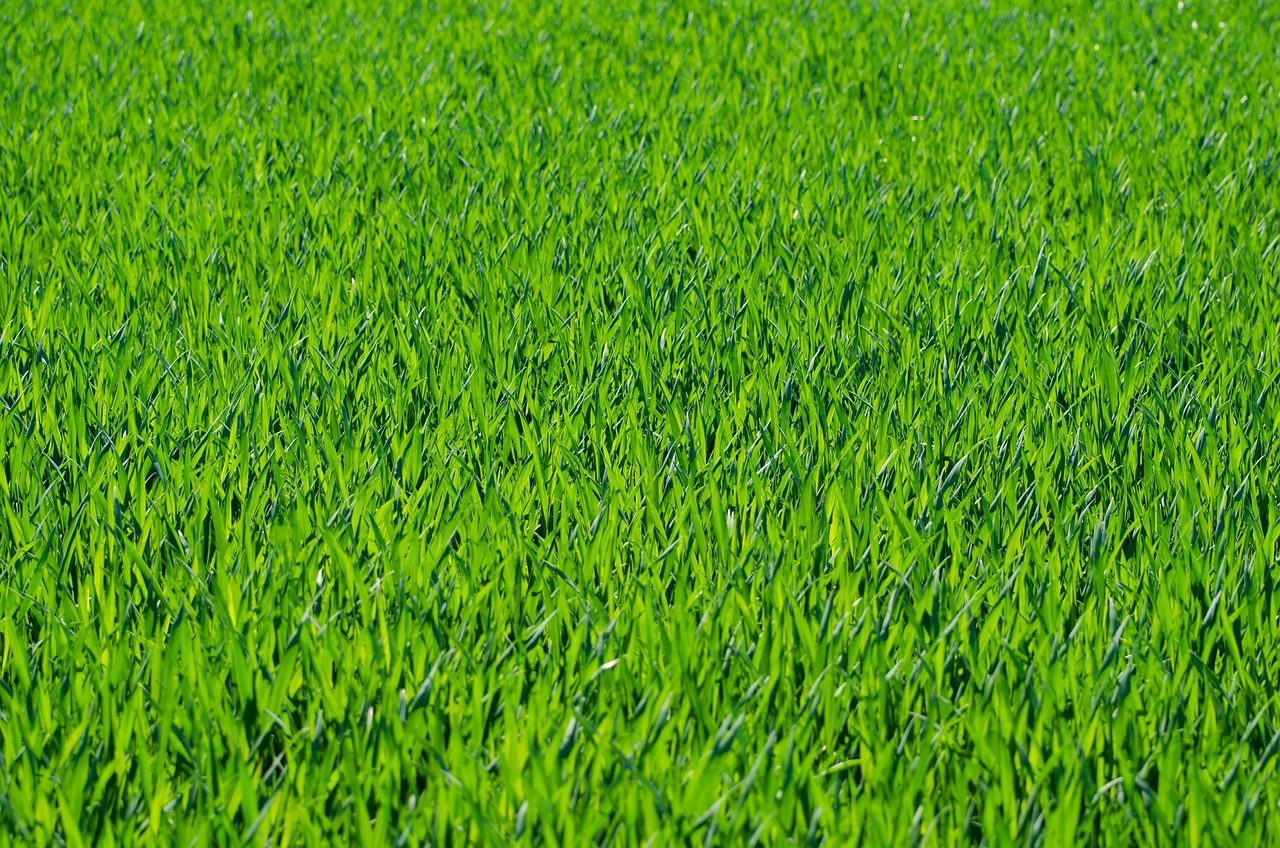

About Bermuda Grass
If you live in the southern half of the United States, chances are good that bermuda grass (Cynodon dactylon) is either already in your yard or growing in your neighbor's. Often written as one word, Bermudagrass, it's the most widely planted warm-season grass in America, and for good reason: this grass is incredibly tough, recovers from damage faster than almost anything else, and thrives in the heat that would send cool-season grasses into a tailspin.
I spent fifteen years managing Bermuda on golf courses before I started helping homeowners, and here's what I always tell people: Bermuda is the most rewarding warm-season grass you can grow, but it demands respect. It wants to be mowed frequently, fed generously, and kept in full sun. Give it those things and it will give you a lawn that looks like a professional sports field. Neglect it and that same aggressive growth becomes your biggest headache, invading flower beds, creeping under fences, and swallowing sidewalk edges.
Bermuda spreads aggressively through both underground rhizomes and aboveground stolons. This dual spreading system is what makes it so resilient. When a dog tears up a patch, when someone drags a piece of furniture across it, when a disease takes out a section, Bermuda attacks from both above and below to fill the gap. No other warm-season grass repairs itself this fast. On the golf courses I managed, divot recovery was measured in days, not weeks.
Key Characteristics
- Blade width: Fine (1-3mm), creating a tight, dense turf that can look like carpet when maintained properly
- Color: Light green to gray-green in its natural state. Darkens significantly with nitrogen fertilization. A well-fed Bermuda lawn can be almost emerald green
- Growth habit: Aggressive spreading through both rhizomes (underground) and stolons (aboveground). This dual system is unique among common lawn grasses
- Texture: Wiry but fine. Slightly rough to the touch when unmowed, but soft and dense when mowed low and regularly
- Density: Extremely dense when properly maintained. A healthy Bermuda lawn can have over 6,000 plants per square foot
- Root depth: 6-8 inches in good soil, which is deeper than many people realize and contributes to its outstanding drought tolerance
Why Choose Bermuda Grass?
Bermuda grass is the go-to choice if you want a lawn that can handle heavy foot traffic, recover from damage quickly, and look great in full sun. It's what most southern sports fields, golf courses, and high-traffic lawns are built on. There's a reason every SEC football field is Bermuda: nothing else can take that kind of punishment and bounce back week after week.
If you have kids playing in the yard every day, if you host backyard gatherings, if your dogs have a favorite running path, Bermuda is the grass that handles all of that and still looks good on Monday morning.
The Honest Trade-offs
- Mowing commitment: Bermuda grows fast. During peak summer, you may be mowing every 3-5 days. If that sounds like too much, this might not be your grass
- Heavy feeder: 4-5 lbs of nitrogen per 1,000 sq ft per year. That's roughly double what Zoysia needs and it adds up in fertilizer costs
- Shade intolerant: Bermuda needs 6-8 hours of direct sunlight. Even partial shade thins it out noticeably. If you have mature trees, Bermuda will struggle under them
- Winter dormancy: Bermuda goes completely brown from late fall through early spring. If a brown lawn for 3-4 months bothers you, factor that in
- Invasive tendencies: That aggressive growth cuts both ways. Bermuda will invade flower beds, garden borders, sidewalk cracks, and your neighbor's yard without constant edging and management
How to Identify Bermudagrass
What Bermudagrass looks like
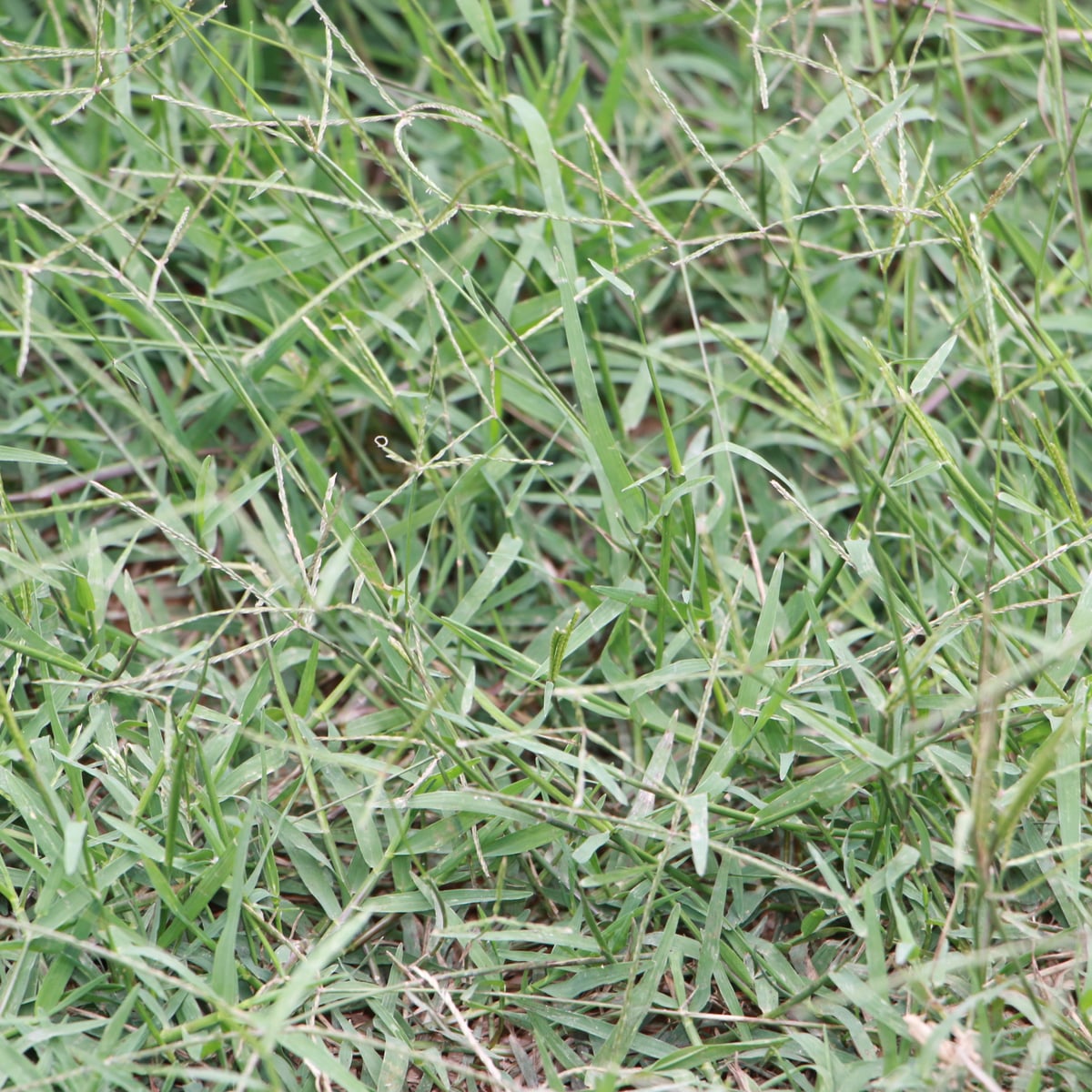
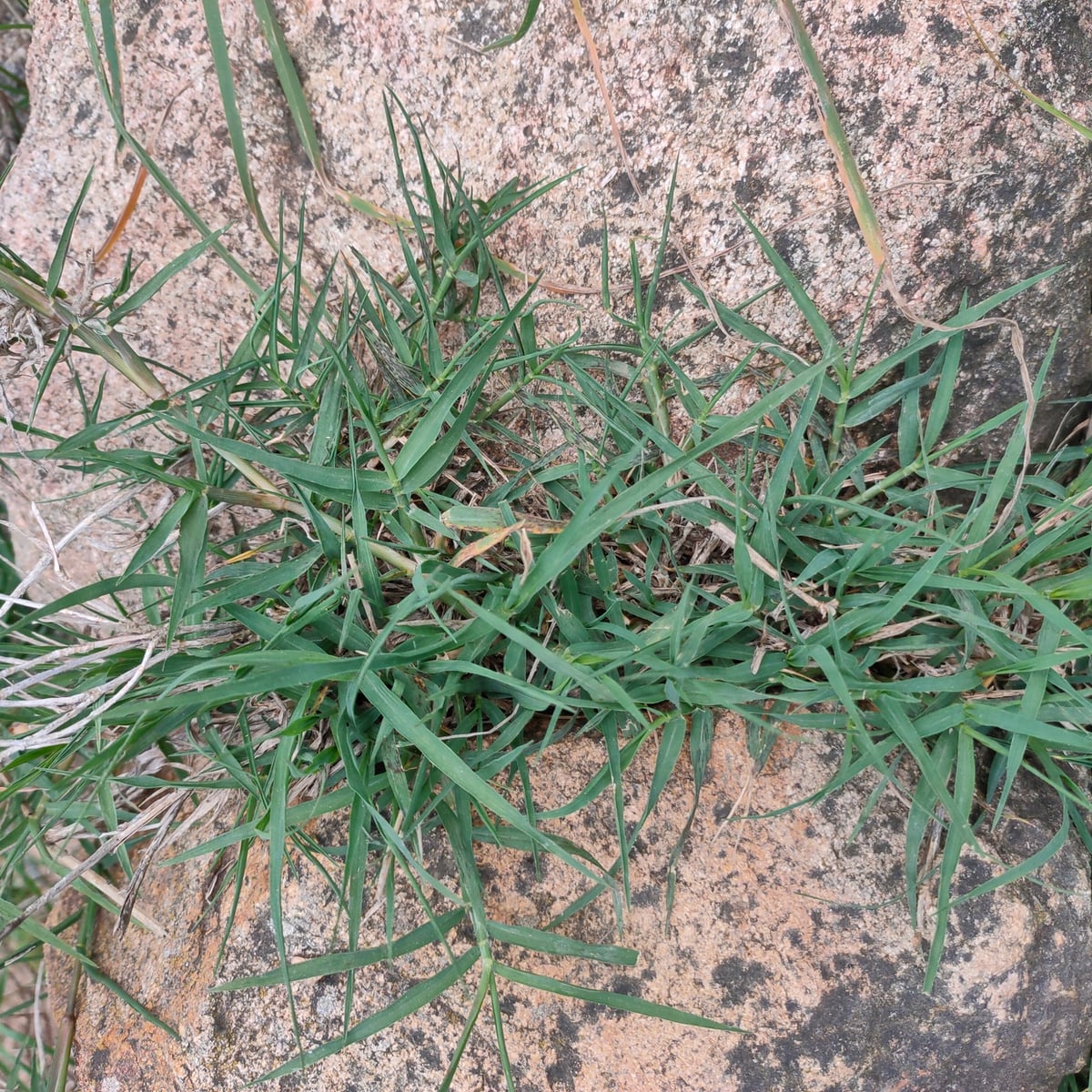
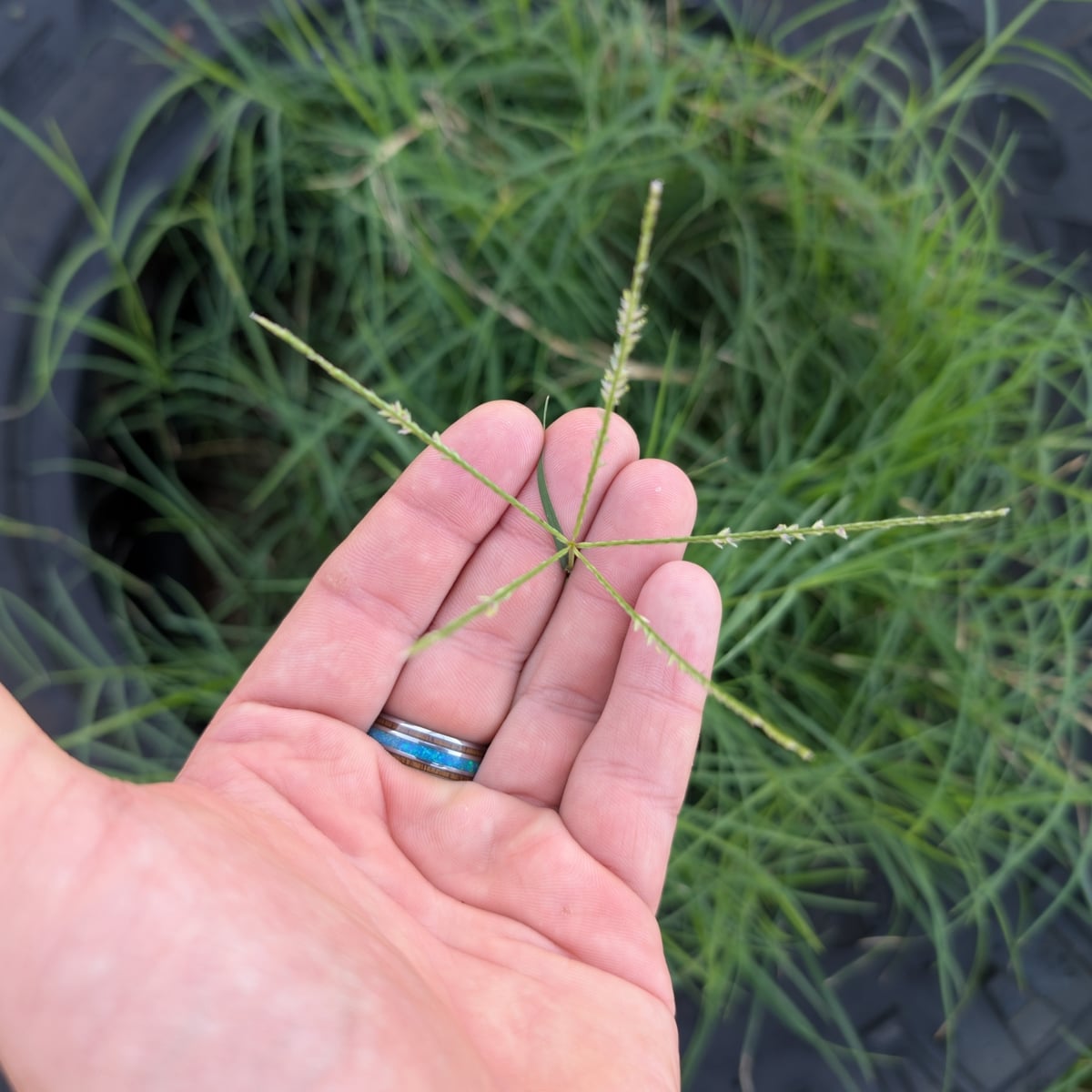
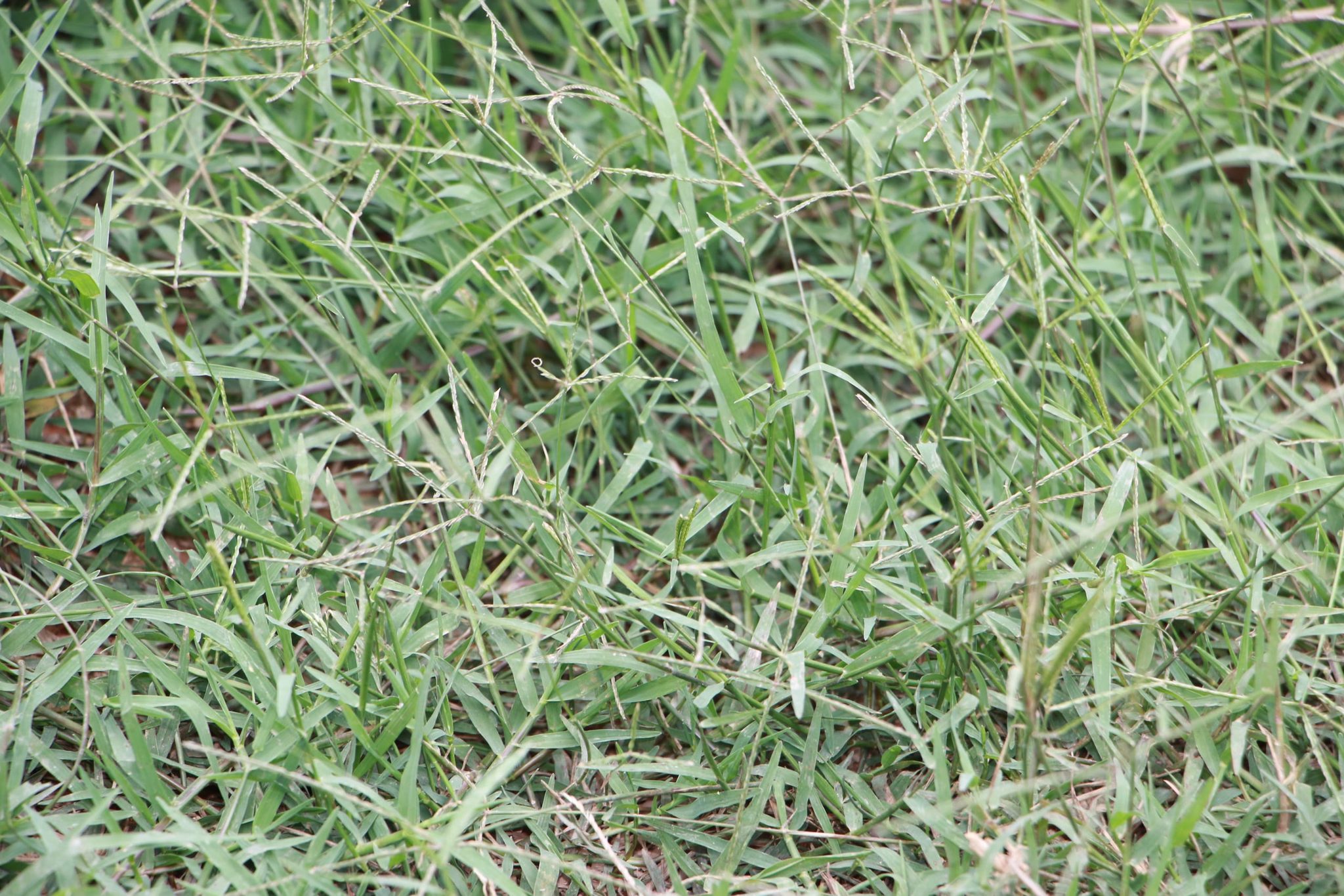
Bermudagrass has some distinctive features that make it fairly easy to spot once you know what to look for. Even among warm-season grasses, it has a few dead giveaways.
The Stolon Test (The Easiest Way)
Get down and look at the base of the grass. Bermuda produces visible above-ground runners (stolons) that creep along the soil surface, sending down roots at each node. These runners are tough, wiry, and often purplish at the nodes. No other common warm-season grass produces runners this visible and aggressive at the surface. St. Augustine has stolons too, but they're thicker and flatter. Bermuda's stolons are thin, round, and almost wire-like.
The Dual Runner Test
Pull back the grass and look below the surface. You'll find underground rhizomes connecting plants beneath the soil. Having both above-ground stolons and underground rhizomes is Bermuda's signature. Zoysia spreads primarily through rhizomes. St. Augustine spreads through stolons only. But Bermuda does both, and that's a dead giveaway.
Other Visual Clues
- Blade texture: Very fine, wiry blades that feel slightly rough to the touch. Bermuda has some of the narrowest blades of any common lawn grass
- Blade tip: Pointed, tapering to a fine point
- Color: Medium green, sometimes with a gray or blue-green tint. Lighter than Zoysia, finer than St. Augustine
- Seed heads: Distinctive finger-like seed heads (3-7 spikes radiating from a central point, like a tiny hand) that appear in summer, especially when the lawn is stressed or mowed infrequently
- Growth pattern: Forms a very tight, dense mat close to the ground. When you walk on healthy Bermuda, it feels firm and springy, not soft and spongy like Zoysia
Common Bermuda vs. Hybrid Bermuda
Common Bermuda is what grows wild along roadsides and in unmaintained areas. It has wider blades, a lighter color, and produces visible seed heads. Hybrid Bermudas (Tifway 419, Celebration, TifTuf, Latitude 36) have finer blades, darker color, denser growth, and are generally sterile, meaning no seed heads. If your lawn was professionally installed and looks like a golf course fairway, it's probably a hybrid. If it's a lighter green with visible seed heads and slightly coarser texture, it's likely common Bermuda.
The most common mix-up is with a summer weed, since both peak in July and both spread sideways. If the patch pulls out as one flat clump with wide pale blades, see crabgrass vs bermudagrass before you treat it.
Not sure what you're looking at? Upload a photo to our free grass identifier for an instant analysis.
Types & Varieties
"Bermuda" is not one grass. The bag at the big-box store, the sod on a golf fairway, and the seed you order online can be three meaningfully different plants. Picking the right type up front locks in your texture, your mowing height, and even how you establish the lawn, so it is worth a minute before you buy.
Common Bermuda
Unimproved Cynodon dactylon. Coarser blades, lighter color, and it sets viable seed, which is why it is the cheap, widely available option. Tough and forgiving, but it will never get golf-course dense. Best for large, budget lawns and utility areas where "green and durable" beats "manicured."
Hybrid Bermuda (sod, sprigs, or plugs)
Crosses of C. dactylon x C. transvaalensis bred for fine texture and density: Tifway 419 (the long-time fairway standard), TifTuf (standout drought tolerance), Celebration, and Latitude 36 (improved cold tolerance). These are nearly seedless, so you establish them from sod, sprigs, or plugs, not seed, and they want a lower, more frequent cut, often 0.5 to 1.5 inches and ideally with a reel mower. Best for high-end home lawns where you want the dense carpet look and will put in the mowing.
Improved Seeded Bermuda
Bred to give DIY seeders better color, density, and cold tolerance than common Bermuda: Yukon (one of the most cold-tolerant, good for the transition zone), Princess 77, and Sahara. Cheaper and easier to install than sod, though even the best seeded types rarely match elite hybrid sod for uniformity.
How to Choose
Match the type to climate, budget, and how you plan to plant. A cold transition-zone lawn leans Yukon seed or Latitude 36 sod; a premium full-sun lawn leans TifTuf or Tifway 419 sod; a big, practical lawn on a budget leans an improved seeded variety or common Bermuda. The establishment method is the real fork in the road: hybrids mean sod or sprigs, everything else means seed.
Best Zones & Climate
Bermudagrass is a true heat-lover that performs best in USDA Zones 7-10, spanning the southern United States from coast to coast. When I tell people that Bermuda actually performs better as temperatures rise, they sometimes think I'm exaggerating. I'm not. This grass hits its stride when the thermometer passes 90 degrees and other grasses are wilting.
Ideal Climate Conditions
- Air temperature: 80-95 degrees F for peak growth. Bermuda's growth rate increases linearly as temperatures rise through this range
- Soil temperature: 65 degrees F and above for active growth. Below that, Bermuda slows dramatically and eventually goes dormant
- Heat tolerance: Excellent. Bermuda thrives in temperatures that would destroy cool-season grasses. Triple-digit heat? Bermuda doesn't flinch as long as it has some water
- Cold tolerance: Poor. Goes dormant below 50 degrees F and can suffer permanent damage below 25 degrees F. Extended freezes below 20 degrees F can cause winterkill, especially on exposed sites
Where Bermuda Thrives
The Deep South, Southwest, and Southern California are Bermuda country. It performs exceptionally well in Texas, Florida, Georgia, the Carolinas, Alabama, Mississippi, Louisiana, and Arizona. If your summers are long and hot with soil temperatures above 65 degrees F for five or more months, Bermuda will reward you with the densest, most resilient turf you've ever grown.
Bermuda in the Transition Zone
The transition zone (roughly Zone 7, including parts of Virginia, Tennessee, North Carolina, Arkansas, and Oklahoma) is where things get interesting. Bermuda can work here, but you need to choose cold-tolerant varieties like Latitude 36, NorthBridge, or TifTuf. Standard varieties risk winterkill in harsh years. I've seen lawns in Nashville and Memphis do beautifully with these improved cultivars, but a traditional common Bermuda in the same location can thin out after a tough winter.
Where Bermuda Struggles
Shade
Shade is Bermuda's kryptonite. This grass needs at least 6-8 hours of direct sunlight daily, and even partial shade will thin it out over time. I've watched countless homeowners try to grow Bermuda under oak trees and lose that battle every single time. If you have significant tree cover, consider Zoysia (handles 3-4 hours of sun) or St. Augustine (tolerates even more shade) for those areas instead. You can absolutely have Bermuda in the open areas and transition to a shade-tolerant grass under the trees.
Cold Climates
Bermuda struggles in the upper transition zone (Zone 6) where winters can be harsh enough to cause winterkill. If you regularly see temperatures below 10 degrees F, Bermuda is a gamble. The grass may survive two or three mild winters and then get wiped out by a severe one. That's an expensive lesson I've seen people learn the hard way.
Wet, Poorly Drained Sites
Despite its toughness, Bermuda does not tolerate standing water or chronically wet soil. It needs good drainage. If water pools on your lawn after rain and stays for hours, you need to address the drainage issue before Bermuda will perform well there.
Soil Preparation & pH
Bermuda is more forgiving about soil than many grasses, but "forgiving" doesn't mean "indifferent." I've seen the difference that proper soil preparation makes on Bermuda, and it's dramatic. A Bermuda lawn on well-prepared soil will establish faster, grow denser, handle stress better, and need less water than the same variety planted in neglected soil.
Get a Soil Test First
Before you start dumping fertilizer on your lawn, spend $15-25 on a soil test through your local extension office. I cannot stress this enough. A soil test takes the guesswork out of everything and can save you hundreds of dollars in products you don't need. I've had homeowners tell me they've been applying lime for years because someone told them to, only for the soil test to reveal a pH of 7.8. They were making the problem worse.
The test will tell you your soil pH, phosphorus and potassium levels, organic matter content, and any micronutrient deficiencies. Most importantly, it comes with specific recommendations for what to add and how much.
Ideal Soil Conditions
- pH range: 6.0-7.0 (Bermuda tolerates a wider range than most grasses, roughly 5.5-8.0, but nutrient availability is optimal in the 6.0-7.0 window)
- Soil type: Well-drained is the key requirement. Bermuda handles sandy soil, clay, and everything in between. I've grown beautiful Bermuda on pure sand (think golf course greens) and on red Georgia clay
- Drainage: This is critical. Bermuda does not like wet feet. Standing water will kill it faster than drought. If your soil holds water, fix the drainage before worrying about grass selection
- Organic matter: 2-4% is ideal. Sandy soils in the South often run below 1%, and adding organic matter improves water retention significantly
Adjusting Soil pH
If pH Is Too Low (Acidic)
Apply pelletized lime at 50 lbs per 1,000 sq ft to raise pH by approximately one point. This is common in the Southeast where red clay soils tend to be acidic. Fall and winter are the best application times since lime reacts slowly, taking 2-3 months to fully adjust pH. Retest in 3 months and reapply if needed. Don't try to correct a major pH problem in a single application. Gradual adjustment is safer for your grass.
If pH Is Too High (Alkaline)
Apply elemental sulfur according to your soil test recommendations. This is more common in western states (Texas, Arizona, New Mexico) with naturally alkaline soils. Sulfur works slowly, so apply in fall and retest in spring. Iron chlorosis (yellowing due to iron unavailability in alkaline soil) is a common symptom that tells you pH may be too high.
Soil Improvement for Existing Lawns
For heavy clay soils, core aeration combined with topdressing is the path to improvement without destroying your existing turf. After aerating, spread a thin layer (1/4 to 1/2 inch) of sand or compost. Bermuda's aggressive growth means it recovers from aeration faster than almost any other grass, usually within 2-3 weeks, so you can be more aggressive with soil improvement than you could on slower-growing grasses.
Soil Preparation for New Bermuda Lawns
Starting from scratch is your one chance to build the soil right. Take advantage of it.
- Get a soil test and address pH before doing anything else
- Kill existing vegetation with glyphosate and wait 2 weeks
- Rototill the top 4-6 inches, incorporating 2-3 inches of quality compost if organic matter is low
- Grade the surface for drainage. Water must flow away from structures
- Roll lightly to firm the seedbed without creating compaction
- For sandy soils, consider adding a thin layer (1-2 inches) of topsoil mixed with compost
- Apply starter fertilizer (high phosphorus, like 18-24-12) just before planting
Recommended Products
- 1Check price
 Top pick
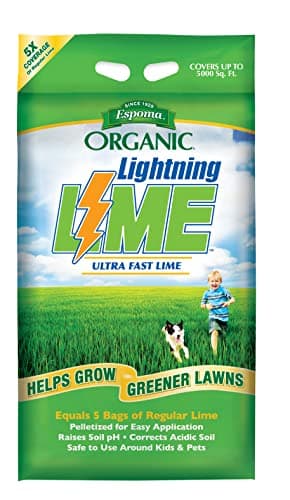
Espoma Organic Lightning Lime (Fast-Acting Pelletized Lime)
Fast-acting pelletized lime for low-pH lawns when a soil test confirms you need to raise pH before fertilizing harder. Covers up to 5,000 sq ft.
- 2Check price
 Best value
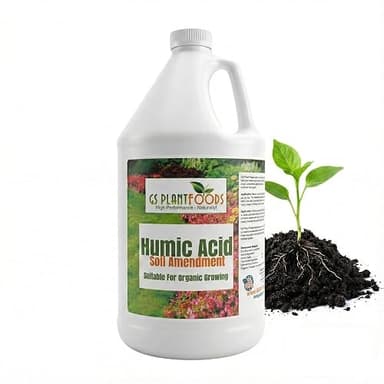
GS Plant Foods Liquid Humic Acid
Leonardite-derived humic acid that improves soil structure and nutrient availability. OMRI listed, 1 gallon.
As an Amazon Associate we earn from qualifying purchases.
Fertilizer Program
Bermudagrass is a heavy feeder, and I'm not going to sugarcoat it. If you want that dark green, dense turf that makes people slow down while driving past your house, you need to feed Bermuda consistently throughout the growing season. Skimp on fertilizer and you'll end up with a thin, light-colored lawn that weeds will happily move into. But there's a right way and a wrong way to feed this grass, and I've seen plenty of people do it the wrong way.
Annual Fertilizer Requirements
- Nitrogen: 4-5 lbs per 1,000 sq ft per year (spread across the growing season in 4-6 applications). This sounds like a lot, and it is. Bermuda is not a low-input grass
- Phosphorus: Based on soil test only. Many southern soils are already high in phosphorus, and adding more when you don't need it can actually lock up other nutrients
- Potassium: 2-3 lbs per 1,000 sq ft per year. Potassium is the unsung hero of Bermuda care. It strengthens cell walls, improves drought tolerance, and helps the grass harden off for winter
- Ideal ratio: 4-1-2 (e.g., 16-4-8) or 2-0-1 if phosphorus is already adequate in your soil
Seasonal Fertilizer Schedule
Spring Green-Up Application (Soil Temp Reaches 65 Degrees F)
Apply 0.5-1 lb N per 1,000 sq ft once your Bermuda is about 50% green. This is where I see the most mistakes. People get excited about spring and dump a heavy load of fertilizer on a lawn that's barely waking up. Don't rush this. Fertilizing too early feeds the weeds (which green up before Bermuda) and can actually damage tender new growth. Wait until you see legitimate green-up across most of the lawn. In most of the South, that's mid-April to early May.
Late Spring (May to Early June)
Apply 1 lb N per 1,000 sq ft of slow-release fertilizer. At this point, Bermuda is fully awake and hungry. This application fuels the rapid spread and thickening that happens as temperatures climb. Slow-release formulations are important here because they meter out the nitrogen over 6-8 weeks, avoiding the surge growth that leads to excessive mowing, thatch buildup, and disease.
Peak Summer (June Through August)
This is when Bermuda is growing at full speed and burning through nutrients. Apply 1 lb N per 1,000 sq ft every 4-6 weeks. You can use either slow-release granular or split into lighter liquid applications every 2-3 weeks (spoon-feeding). On the golf courses I managed, we spoon-fed Bermuda every 2 weeks during summer at 0.5 lb N per application for the most consistent color and growth. For homeowners, a granular application every 4-6 weeks is more practical.
Early Fall Winterizer (September, 6-8 Weeks Before First Frost)
Apply 0.5-1 lb N per 1,000 sq ft with higher potassium (like a 15-0-15 or 12-0-12). This is your most strategically important application after the spring green-up feed. The potassium helps Bermuda harden its cell walls for winter, reducing the risk of winterkill. Think of it as putting a coat on before the cold hits. Avoid high nitrogen at this point because you don't want to push soft, tender growth heading into freezing temperatures.
Winter
Do not fertilize dormant Bermuda. Period. Any nitrogen applied now feeds winter weeds (especially Poa annua), not your grass. Your Bermuda is asleep and can't use it.
Fertilizer Types: What Actually Works
- Slow-release granular (coated urea, polymer-coated products): Best for most homeowners. Apply with a broadcast spreader, water in, and forget about it for 4-6 weeks. Products like Lesco, Milorganite, or store-brand equivalents all work
- Quick-release (urea, ammonium sulfate): Gives fast green-up but burns easily if over-applied. Best reserved for the spring green-up application or for experienced hands who know their rates. Ammonium sulfate (21-0-0) is particularly useful because it also lowers soil pH slightly, which benefits Bermuda in alkaline soils
- Organic options (Milorganite, compost, blood meal): Gentler and virtually burn-proof, but release nitrogen based on soil temperature and microbial activity. In warm southern soils during summer, they break down well. In spring and fall when soil is cooler, release can be too slow for Bermuda's needs
Common Fertilization Mistakes
- "I fertilized once in spring and once in fall." That's not enough for Bermuda. You're leaving 3-4 months of peak growing season unfed. The lawn will be thin and light-colored by midsummer
- "I applied 2 lbs of nitrogen in one shot to catch up." Too much at once burns the lawn, pushes surge growth, and builds thatch. Multiple lighter applications always beat fewer heavy ones
- "I don't need potassium, just nitrogen." Potassium is critical for Bermuda stress tolerance. Skipping it, especially in the fall winterizer, leaves your grass vulnerable to winter damage and disease
Recommended Products
- 1Check price
 Top pick
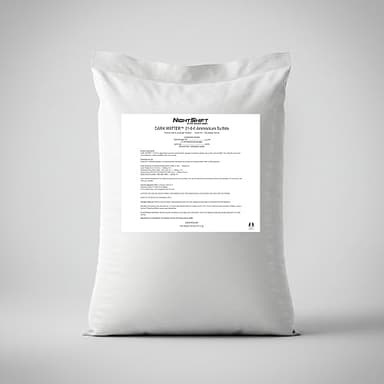
Dark Matter 21-0-0 Ammonium Sulfate
High-nitrogen, fast-acting small prill ammonium sulfate for quick green-up and iron supplementation. 40 lb bag.
- 2Check price
 Best value
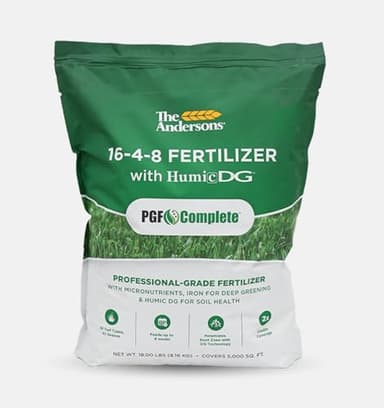
The Andersons PGF Complete 16-4-8
Balanced slow-release fertilizer for established lawns that need steady feeding without a quick flush of top growth.
As an Amazon Associate we earn from qualifying purchases.
Month-by-Month Care Calendar
Bermuda's care schedule is essentially the opposite of cool-season grasses. Your busiest months are summer (when Bermuda is growing like crazy), and winter is when you rest and stare at brown grass. Understanding this rhythm is key to getting the timing right on every application and task.
Winter (December Through February)
Bermuda is dormant and brown. This is completely normal and not a sign that something is wrong.
- Minimize foot traffic on frozen or frost-covered turf. Walking on frozen Bermuda can crush the crowns and cause damage that won't be visible until spring
- Do not fertilize. Everything you apply now feeds weeds
- If winter weeds are present (Poa annua, henbit, chickweed), you can spot-treat with a selective herbicide on mild days (above 50 degrees F), but prevention in fall is better than treatment now
- If desired, overseed with annual ryegrass for winter color (optional, and there are trade-offs I'll discuss in the seeding section)
- Service your mower, sharpen blades, and plan spring purchases. Buying fertilizer and pre-emergent in winter often means better prices and selection
Early Spring (March Through April)
This is the setup period. What you do now determines how your lawn performs all summer.
- Apply pre-emergent herbicide when soil temperature reaches 50-55 degrees F for 3 consecutive days. This is your crabgrass prevention window and timing is everything. Too early and it breaks down before crabgrass season ends. Too late and crabgrass has already germinated
- Watch for green-up as soil temps approach 65 degrees F. Green-up starts from the stolons and works outward
- Scalp the lawn (mow very low, down to 0.5-1 inch) to remove dead brown material once you see initial green-up. This does two critical things: it lets sunlight warm the soil faster, and it removes the dead canopy so new growth gets full light. Bag the clippings from the scalp mow
- Hold off on fertilizer until Bermuda is at least 50% green. Patience here prevents feeding weeds instead of grass
- Inspect and test irrigation system for winter damage, clogged heads, and coverage gaps
Late Spring (May Through June)
- First significant fertilizer application once fully green (1 lb N per 1,000 sq ft slow-release)
- Begin regular mowing schedule (every 5-7 days at your target height)
- Treat broadleaf weeds with selective herbicide. Target weeds when they're actively growing and temperatures are 60-85 degrees F
- Start irrigation if rainfall drops below 1 inch per week
- This is the ideal window for core aeration if your soil is compacted
- If you plan to sod, sprig, or seed, late May through June is prime planting time
Summer (July Through August)
Peak growing season. This is Bermuda at full throttle.
- Mow frequently, every 3-5 days during peak growth. This is non-negotiable if you want quality turf. Letting Bermuda get away from you and then scalping it back causes stress and opens the door for weeds
- Continue fertilizer every 4-6 weeks (1 lb N per 1,000 sq ft)
- Water 1-1.5 inches per week if no rain. Deep, infrequent watering is the goal
- Watch for armyworms, especially in late summer. These caterpillars can strip a Bermuda lawn overnight. Check by pouring soapy water on a suspect area and watching what floats up
- Monitor for grubs if you notice brown patches that feel spongy or lift like carpet
- This is also when Bermuda mites can appear, causing tufted "witch's broom" growth on stolons
Early Fall (September Through October)
- Apply the fall winterizer fertilizer with potassium emphasis (15-0-15 or similar). Timing is 6-8 weeks before your average first frost date
- Apply fall pre-emergent for winter annual weeds (Poa annua, henbit) in late August to September
- Growth begins slowing as temperatures drop and days shorten
- Reduce mowing frequency as growth slows. Gradually raise mowing height by 0.5 inch to give the grass slightly more leaf area heading into dormancy
- If you have a history of spring dead spot, apply preventive fungicide (azoxystrobin or propiconazole) in September when soil temps are 60-70 degrees F
Late Fall (November)
- Bermuda begins going dormant as soil temp drops below 55 degrees F. The lawn will gradually turn from green to straw-colored to fully brown
- Perform your final mow before full dormancy. Don't scalp it, just a normal cut at your regular height
- Remove fallen leaves. A layer of wet leaves on dormant Bermuda promotes disease and can smother the grass
- Consider overseeding with perennial ryegrass for winter color if desired (see the seeding section for details on the trade-offs)
- Winterize irrigation system before the first hard freeze
Mowing Guide
Mowing is probably the single most important maintenance practice for Bermudagrass, and it's the one that separates an average Bermuda lawn from a great one. This grass can be mowed very low, and it actually performs better when you keep it tight. Think golf course fairway, not meadow. On the courses I managed, we mowed Bermuda fairways at 0.5 inches and greens at 0.125 inches. You don't need to go that extreme, but the principle holds: Bermuda likes it low.
Optimal Mowing Height
- Common Bermuda: 1-2 inches. Common varieties are coarser and don't look as clean mowed below 1 inch
- Hybrid Bermuda: 0.5-1.5 inches. Premium hybrids like Celebration, TifTuf, and Tifway 419 can go as low as 0.25 inch with a quality reel mower
- During stress (drought, heat extremes, shade): Raise height by 0.5 inch to give the grass more leaf area for photosynthesis
Why Low Mowing Matters for Bermuda
Bermuda's growth point (the crown) sits very close to the soil surface. When you mow low, you're encouraging lateral growth through stolons and rhizomes rather than vertical leaf growth. This creates that dense, tight turf that looks and feels like carpet. Mow Bermuda too high (say, 3 inches) and it gets leggy, thatchy, and produces seed heads. The grass is literally designed to be mowed low.
The 1/3 Rule
Never remove more than one-third of the blade in a single mowing. Because Bermuda is cut low, this means you need to mow frequently. Here's the math: at a 1-inch target height, you should mow when it reaches 1.5 inches. At a 1.5-inch target, mow at 2.25 inches. Violating this rule exposes the lower stem to sudden sunlight, stresses the plant, and leaves brown, scalped patches that take days to recover.
Mowing Frequency
- Peak growth (summer): Every 3-5 days. Yes, that's a lot. Bermuda grows fast in heat and you need to keep up
- Spring and fall: Every 5-7 days as growth rates moderate
- Dormant season: Not needed. The grass isn't growing
Reel Mower vs. Rotary Mower
This is a question I get constantly, and the answer depends on your mowing height.
Below 1 inch: You need a reel mower. A rotary mower cannot cut cleanly below about 1 inch because the blade creates a vacuum that pulls grass unevenly. A reel mower cuts like scissors, producing a clean, level finish. Quality homeowner reel mowers (Swardman, Allett, Tru-Cut) run $500-2,000 but the cut quality is transformational.
Above 1 inch: A rotary mower works perfectly fine. Just keep the blade sharp. Most homeowners with common Bermuda at 1.5-2 inches are well served by a standard rotary mower.
The Spring Scalp
The spring scalp is one of the most important annual mowing events for Bermuda. In early spring, when you first see green-up starting, drop your mower to its lowest setting (or near it) and cut the entire lawn. Bag all the clippings. This removes the dead, brown dormant canopy, exposes the soil to sunlight and warmth, and gives new green growth a clear path. A good spring scalp can accelerate green-up by 2-3 weeks compared to leaving the dead material in place.
Practical Mowing Tips
- Keep blades razor sharp. Bermuda's fine blades show dull cuts very clearly. You'll see gray, frayed tips instead of clean, green edges. Sharpen every 10-15 hours of mowing during the season
- Mulch clippings back into the lawn. Bermuda clippings decompose quickly in warm weather and return nutrients to the soil. The exception is the spring scalp, when you should bag
- Alternate mowing direction each time to prevent grain (the grass laying in one direction) and ensure a more even cut
- Mow when the grass is dry for a cleaner cut and less clumping
- Don't mow dormant Bermuda. There's nothing to cut, and you'll just create dust and potentially damage exposed crowns
Watering Schedule
Bermuda has deep roots (up to 6-8 inches in good soil) and excellent drought tolerance, which means it needs less water than you might think. The key is training those roots to go deep by watering deeply and infrequently. I've seen so many homeowners run their sprinklers for 10 minutes every day and wonder why their Bermuda has shallow roots and disease problems. That daily sipping is the problem.
Weekly Water Requirements
- Spring: 1 inch per week (including rainfall)
- Summer: 1-1.5 inches per week. In extreme heat (100 degrees F and above) or sandy soils, you may need up to 2 inches
- Fall: 1 inch per week, tapering as growth slows
- Winter: None needed. Bermuda is dormant and doesn't use water
The Deep Watering Strategy
The goal is wetting the soil 4-6 inches deep, then letting it dry out before watering again. This forces roots to chase the moisture downward, building a deep, drought-resistant root system.
- Frequency: 2-3 sessions per week is plenty. Not daily. Daily watering keeps only the top inch wet and creates a shallow root system that can't handle any stress
- Amount per session: 0.5-0.75 inches per session, applied slowly enough that it soaks in rather than running off
- Time of day: Early morning (before 8 AM) is best. This minimizes evaporation and ensures the grass blades dry quickly as the sun rises. Evening watering is the single worst irrigation habit because wet blades overnight are a breeding ground for fungal diseases like dollar spot and brown patch
How to Measure Your Sprinkler Output
Place 4-5 empty tuna cans or similar shallow containers around your sprinkler zone. Run your sprinklers and time how long it takes to collect 0.5 inches of water. That's your watering duration per session. Most in-ground systems need 20-40 minutes per zone, but it varies widely based on head type, pressure, and spacing. Do this test once and you'll know your numbers.
Signs Your Bermuda Needs Water
Bermuda tells you when it's thirsty before any real damage occurs. Learn to read these signals:
- Footprinting: Walk across the lawn. If your footprints stay visible and the grass doesn't spring back within a few seconds, it's time to water
- Color shift: Bermuda under drought stress turns from green to a dull blue-gray color. This is the plant reducing its leaf surface area to conserve moisture
- Leaf rolling: Individual blades fold or curl inward along their length. This is the last warning before dormancy
Drought Tolerance: How Far Can You Push It?
Bermuda is one of the most drought-tolerant lawn grasses available. If you can't water, it will go dormant and turn brown, but it will bounce back once rain returns. Established Bermuda can survive 3-4 weeks of drought without permanent damage. I've seen it go even longer in heavier soils that retain some deep moisture.
The critical rule is the same as any grass: commit to a strategy. Either water consistently through summer, or let it go dormant. The worst approach is watering for two weeks, stopping for a week, then watering again. This forces the plant to repeatedly switch between active growth and dormancy, exhausting its energy reserves.
Overwatering: The Silent Killer
I see more Bermuda problems from overwatering than underwatering. Chronically wet soil causes shallow roots, creates conditions for root rot, invites fungal diseases, and encourages weed germination (especially sedges, which love wet conditions). If your Bermuda is yellowing and you're watering every day, the answer is usually less water, not more.
Seeding & Establishment
Seeding vs. Sod vs. Sprigs vs. Plugs
How you establish Bermuda depends on which type you're planting, and this is an important distinction that confuses a lot of homeowners.
Common Bermuda can be grown from seed. It's the most affordable way to establish a lawn, but common varieties are coarser, lighter-colored, and produce more seed heads than hybrids.
Hybrid Bermuda varieties (Tifway 419, Celebration, TifTuf, Latitude 36, NorthBridge) are sterile and must be established from sod, sprigs, or plugs. You cannot buy hybrid Bermuda seed because these varieties don't produce viable seed. Hybrids generally look better, perform better, and are more disease-resistant, but they cost significantly more to establish. Sod runs $0.30-0.80 per square foot for material alone, while seed might cost $3-5 per 1,000 sq ft.
Best Time to Plant
Late spring to early summer (May through July) when soil temperatures are consistently above 65 degrees F and rising. Bermuda needs warm soil and warm air to germinate and establish. I tell people to think about it this way: if you're comfortable in shorts and a t-shirt, Bermuda is comfortable growing.
Planting in fall is risky because the grass won't have time to develop a root system before winter dormancy. I've seen people lay sod in October, and it looks great through November, then lifts right off the ground in spring because the roots never had time to anchor. Don't gamble with fall planting.
Seeding Rates (Common Bermuda)
- New lawn: 1-2 lbs per 1,000 sq ft. Use the higher rate if you want faster coverage
- Overseeding existing lawn: 0.5-1 lb per 1,000 sq ft
Germination Timeline
Common Bermuda seed germinates in 7-14 days under ideal conditions (soil temperature above 65 degrees F, consistent moisture, good seed-to-soil contact). But germination is just the beginning. Full coverage takes 60-90 days as the grass spreads via stolons and rhizomes to fill in gaps. By the end of the first full growing season, a properly managed seeded Bermuda lawn can be fully established.
Step-by-Step Seeding Process
- Prepare soil by removing debris, grading for drainage, and addressing any pH issues identified by your soil test
- Apply starter fertilizer (high phosphorus, like 18-24-12) at the recommended rate
- Spread seed with a broadcast spreader in two perpendicular passes at half rate each direction for even coverage
- Lightly rake to get seed-to-soil contact. Bermuda seed needs to be on or just barely below the surface, not buried. A light raking or rolling is sufficient
- Water lightly 2-3 times daily to keep the seedbed consistently moist. Not soaked, just damp at the surface. This is the most critical step. One day of drying out can kill germinating seedlings
- Gradually reduce watering frequency as grass establishes. Transition to deep, infrequent watering over 3-4 weeks after germination
- First mow when grass reaches 1.5-2 inches. Cut to about 1 inch with a sharp blade. Be gentle, the root system is still developing
- Do not apply broadleaf weed killer for at least 8 weeks after germination. The young grass can't tolerate it yet. Hand-pull any weeds if they bother you
Winter Overseeding with Ryegrass
Many southern homeowners overseed dormant Bermuda with perennial ryegrass in late fall for winter color. It gives you a green lawn through the brown months, and the ryegrass dies off naturally as temperatures rise in late spring.
Here's the trade-off I always warn people about: winter overseeding delays Bermuda's spring green-up by 2-4 weeks because the ryegrass shades the soil and competes for nutrients. Your Bermuda comes out of dormancy later and thinner than it would have without overseeding. On golf courses, we accepted this trade-off because the winter play surface mattered. For a home lawn, think about whether green winter color is worth a slower, thinner spring transition. For many homeowners in the Deep South, it is. In the transition zone, where Bermuda's growing season is already shorter, I generally advise against it.
Recommended Products
- 1Check price
 Top pick
Outsidepride Maya (Blackjack II) Bermuda Grass Seed (5 lb)
Named, fine-textured improved bermuda cultivar for dense, carpet-like, dark-green full-sun turf; 5 lb full-lawn bag.
As an Amazon Associate we earn from qualifying purchases.
Weed Control
A thick, healthy Bermuda lawn is your best weed defense, and I mean that literally. When Bermuda is growing aggressively and maintained properly, very few weeds can compete with it. The density and growth speed simply overwhelm anything trying to establish. But during spring green-up (when Bermuda is still waking up) and fall slowdown (when growth is declining), weeds can gain a foothold. Your job is to close those windows.
Pre-Emergent Herbicides (Prevention)
Pre-emergent is your first line of defense and arguably the single most important chemical application for Bermuda lawns. It creates a barrier in the top layer of soil that prevents weed seeds from germinating. It does not kill existing weeds; it stops new ones from starting.
Spring Pre-Emergent
Apply when soil temperature reaches 50-55 degrees F for 3 consecutive days. This prevents crabgrass, goosegrass, and other summer annual weeds. In most of the South, that window is February in the Deep South (Zone 9), March in Zone 8, and early April in Zone 7. Timing matters more than brand. Too early and the product breaks down before crabgrass season ends. Too late and crabgrass has already germinated.
Products containing prodiamine (Barricade) or dithiopyr (Dimension) are the most effective for Bermuda lawns. Prodiamine lasts longer; dithiopyr offers some early post-emergent activity on crabgrass that has just germinated.
Fall Pre-Emergent
Apply in late August to September to prevent winter annual weeds like Poa annua, henbit, and chickweed. This application is just as important as the spring one but often gets skipped. Those green weeds growing in your brown, dormant Bermuda lawn all winter? Fall pre-emergent would have prevented most of them.
The Pre-Emergent and Seeding Conflict
Do not apply pre-emergent if you plan to seed, sprig, or plug within 8-12 weeks. Pre-emergent prevents grass seed germination too. This is the one major trade-off with pre-emergent use.
Post-Emergent Herbicides (Treatment)
Bermuda tolerates most selective herbicides well, which is one of its advantages. You can be more aggressive with weed treatment on Bermuda than on many other grasses.
Broadleaf Weeds
For dandelions, clover, chickweed, and other broadleaf weeds, use a three-way herbicide containing 2,4-D, dicamba, and MCPP. Apply when weeds are actively growing and air temperatures are between 60-85 degrees F. Don't spray when temps exceed 90 degrees F, as even Bermuda can show stress from herbicide in extreme heat.
Grassy Weeds
For escaped crabgrass (pre-emergent missed it or broke down), use quinclorac. It's selective on Bermuda and effective on crabgrass. For goosegrass that breaks through, you may need a combination approach.
Common Bermuda Weeds and Specific Solutions
- Crabgrass: Prevented by spring pre-emergent. If present, treat with quinclorac while plants are young (before tillering). Large, mature crabgrass is nearly impossible to control chemically. It dies with the first frost anyway, so focus on prevention next year
- Dallisgrass: This is the most frustrating weed in Bermuda lawns. It's a perennial grassy weed that grows in clumps and produces tall, sticky seed heads. Spot-treat with MSMA where it's still legal, or use a combination of foramsulfuron products. In stubborn cases, the nuclear option is painting individual clumps with glyphosate (which will kill the Bermuda in that spot too) and letting the surrounding Bermuda fill back in
- Nutsedge: Not a true grass, so grass herbicides don't work on it. The triangular stem is the giveaway. Treat with sulfentrazone (Dismiss) or halosulfuron (SedgeHammer). Multiple applications may be needed because the underground nutlets keep producing new shoots
- Poa annua (annual bluegrass): The most common winter weed in Bermuda lawns. Light green, clumpy, with white seed heads in spring. Fall pre-emergent is your best defense. Once established, it's difficult to remove without harming the grass around it
The Cultural Approach
The best weed control strategy for Bermuda is growing thick, healthy turf. A Bermuda lawn mowed at the right height, fertilized on schedule, and properly watered will outcompete 90% of weeds on its own. Chemical herbicides are the backup plan, not the primary strategy. Every time I see a Bermuda lawn with heavy weed pressure, the real problem is almost always thin turf caused by poor fertility, improper mowing height, shade, or compaction.
Recommended Products
- 1Check price
 Top pick
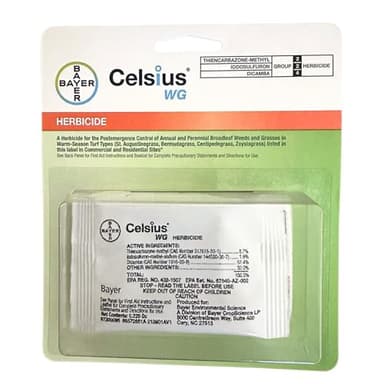
Celsius WG Herbicide (Easy Mix Packet)
Warm-season post-emergent that controls 150+ broadleaf, grassy, and sedge weeds and stays safe on bermuda, zoysia, centipede, and St. Augustine, including in summer heat. Not labeled for cool-season lawns.
- 2Check price
 Best value
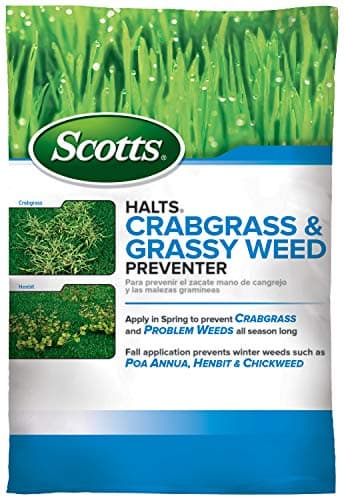
Scotts Halts Crabgrass and Grassy Weed Preventer
Granular pre-emergent for homeowners who want a simple crabgrass-prevention product before soil temperatures hit the danger zone.
- 3Check price
 Also great
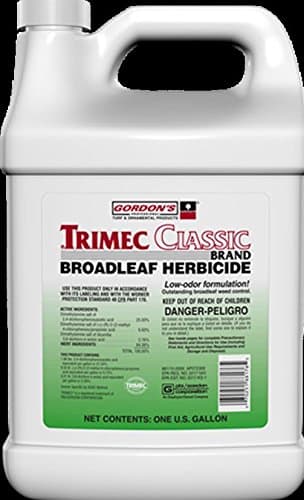
Trimec Classic
Classic three-way broadleaf herbicide for tolerant lawns when you need dependable control of clover, dandelion, plantain, and chickweed.
As an Amazon Associate we earn from qualifying purchases.
Pest & Disease Management
Bermuda is relatively disease-resistant when properly maintained, but it does have some well-known vulnerabilities. Most disease and pest problems are secondary to a cultural issue. In my experience managing Bermuda turf professionally, fixing the underlying maintenance problem usually resolves the pest or disease issue without heavy chemical intervention.
Common Bermuda Diseases
Spring Dead Spot
This is the most serious disease of Bermudagrass, and it's the one that keeps me up at night when I'm advising clients. You'll see circular dead patches, typically 6 inches to 3 feet across, that appear during spring green-up. The Bermuda surrounding the patches greens up normally, but the patches stay dead and brown.
Here's what happened: a soil-borne fungus (Ophiosphaerella species) infected the roots and stolons the previous fall when soil temperatures were 50-70 degrees F. The damage occurred underground during autumn and winter, but you don't see it until spring because the grass was already dormant.
Prevention is the only reliable approach:
- Apply preventive fungicide (azoxystrobin or propiconazole) in September when soil temperatures are 60-70 degrees F. Two applications, 28 days apart, provide the best protection
- Avoid excessive nitrogen in fall. High nitrogen promotes soft growth that's more susceptible to infection
- Apply potassium in your fall winterizer. Strong cell walls resist fungal penetration
- Core aerate in late spring to reduce thatch and improve soil conditions that favor the disease
- Bermuda will eventually fill in the dead spots on its own, but it can take most of the growing season for large patches
Dollar Spot
Small straw-colored patches roughly the size of a silver dollar, often with an hourglass-shaped lesion visible on individual blades. Dollar spot thrives in humid conditions with heavy morning dew and low nitrogen. In most cases, the diagnosis is simple: your lawn is hungry. A proper fertilizer application typically resolves dollar spot without any fungicide. If it persists despite adequate fertility, fungicide treatment is an option, but address the fertility first.
Large Patch (Brown Patch)
Circular patches of thinning, yellowing turf that expand outward with a darker ring at the advancing edge. Most active in spring and fall when temperatures are 50-80 degrees F with high humidity. This disease loves excess nitrogen applied in fall and evening watering that keeps blades wet overnight. Prevention: keep fall nitrogen moderate, water only in the morning, and improve air circulation by pruning low-hanging tree branches.
Leaf Spot
Brown or purple lesions on individual blades, most common during extended wet periods. Usually cosmetic and resolves when conditions dry out. Proper mowing height and avoiding overhead irrigation in the evening are the best preventive measures.
Common Pests
Armyworms
If you grow Bermuda in the South, armyworms will find your lawn eventually. These caterpillars can devastate a Bermuda lawn literally overnight. I've seen lawns go from perfectly green to stripped brown in 24 hours during a bad infestation.
Warning signs: Birds feeding heavily on your lawn (they're eating the worms), irregular brown patches that spread rapidly, and visible caterpillars in the early morning or evening. To confirm, pour a mixture of 1-2 tablespoons of dish soap in a gallon of water over a suspect area and watch what comes to the surface.
Treatment: Act immediately. Apply bifenthrin or carbaryl (Sevin) in the evening when caterpillars are actively feeding. Bermuda recovers quickly from armyworm damage because the worms eat the leaves but not the crowns and roots. With proper fertilization and watering after treatment, a stripped lawn can look good again in 3-4 weeks.
Bermudagrass Mites
These microscopic mites cause tufted, rosette-like "witch's broom" growth at the tips of stolons. Affected areas look clumpy, stunted, and stop spreading normally. This is one of the more frustrating Bermuda pests because there are no effective chemical controls available to homeowners. The eriophyid mites live deep inside the leaf sheaths where sprays can't reach them.
Management strategy: Mow low and bag the clippings to remove infested tissue. Fertilize well and water to encourage healthy new growth that outpaces the damage. In severe cases, scalp the affected area completely and let the surrounding healthy Bermuda fill back in. Most lawns outgrow the damage during peak summer growth.
White Grubs
The larvae of Japanese beetles, June bugs, and masked chafers feed on Bermuda roots underground, causing brown patches that feel spongy and lift like carpet when you tug on them. Increased digging activity from birds, skunks, or armadillos is another telltale sign.
Check: Pull back the turf at the edge of a brown patch. If you find more than 6-8 white, C-shaped grubs per square foot, treatment is warranted.
Prevention: Apply chlorantraniliprole (GrubEx) in late spring when beetles are laying eggs. Treatment: For existing infestations, apply carbaryl or trichlorfon for curative control in late summer or fall.
Sod Webworms
Small caterpillars that chew grass blades near the soil surface, creating irregular thin patches. Watch for small buff-colored moths flying in a zigzag pattern over your lawn at dusk. Those moths are laying eggs. Treat with bifenthrin applied in the evening.
Aeration & Dethatching
Bermuda's aggressive growth and dense root system means it benefits greatly from annual aeration, and it's also the grass most likely to develop a serious thatch problem. These two issues are connected, and understanding the relationship helps you manage both effectively.
Core Aeration
Why Bermuda Lawns Need Aeration
Bermuda's dense network of stolons, rhizomes, and roots creates a tight mat near the soil surface. Add normal foot traffic and this density compresses the soil over time, squeezing out the pore space where water and air need to move. Compacted soil restricts root growth, reduces water infiltration, and creates conditions that favor disease. On golf courses, we aerated Bermuda fairways 2-3 times per year. For a home lawn, once annually is sufficient for most situations.
When to Aerate
- Best time: Late spring to early summer (May through June) when Bermuda is actively growing and can recover quickly. Soil temperature should be 65-70 degrees F or higher
- Second best: Mid-summer (July) if you missed the late spring window. Bermuda is growing so fast at this point that recovery is rapid
- Never aerate during dormancy or in fall when growth is slowing. The grass won't be able to fill the holes before winter, and exposed soil invites weed germination
How to Aerate Effectively
- Use a core aerator that pulls 2-3 inch plugs of soil. Spike aerators just push soil aside without removing it, which can actually increase compaction around the holes
- Make 2-3 passes for heavily compacted soil, or 1-2 passes for annual maintenance
- Leave the plugs on the lawn to break down naturally. They decompose in 1-2 weeks on Bermuda because the warm soil and microbial activity break them down fast. If they bother you, drag a mat or the back of a leaf rake over them to break them up
- Water the lawn the day before aerating. The tines need to penetrate moist soil cleanly. Dry, hard soil produces poor plugs
- Follow aeration with fertilizer and a good watering to push nutrients into the open channels
- Bermuda recovers from aeration faster than any other grass, usually filling holes completely within 2-3 weeks. This is one of the benefits of its aggressive growth
Aeration + Topdressing Combo
For the ultimate soil improvement, follow aeration with a thin layer (1/4 to 1/2 inch) of sand or compost topdressing. The material fills the aeration holes, gradually changing the soil composition in the root zone. On golf courses, we topdressed after every aeration with sand to maintain our ideal soil profile. For home lawns, doing this once a year makes a noticeable difference in drainage and root health within 2-3 years.
Dethatching
Why Bermuda Builds Thatch
Bermuda builds thatch aggressively because of its stoloniferous growth habit. Those above-ground runners produce stems and roots that die and accumulate faster than soil microbes can break them down. A thin thatch layer (under 1/2 inch) is actually beneficial, cushioning the grass and insulating roots. But when thatch exceeds 1/2 inch, it becomes a problem: water can't penetrate to the soil, roots grow in the thatch instead of the soil (making the grass drought-vulnerable), and diseases and insects find a comfortable home in that spongy layer.
How to Check Thatch
Cut a small wedge of turf with a knife or sharp spade. Measure the brown, spongy layer between the green grass blades and the soil surface. If it's under 1/2 inch, you're fine. If it's 1/2 to 3/4 inch, annual aeration should keep it in check. If it's over 3/4 inch, you need to actively dethatch.
When and How to Dethatch
- Timing: Late spring to early summer during peak growth (May through June). The grass needs to be growing vigorously so it can recover from the stress of dethatching
- Method: A power dethatcher (vertical mower or verticutter) with blades set to cut through the thatch layer and into the soil surface. Set blade depth to penetrate 1/4 inch into the soil. The machine will pull up an alarming amount of dead material. This is normal and expected
- Make two passes in perpendicular directions for thorough thatch removal
- Clean up: Rake or blow the debris off the lawn. There will be a lot of it
- Recovery: Follow with fertilizer (1 lb N per 1,000 sq ft) and thorough watering. Bermuda fills in quickly after dethatching, typically looking good again within 3-4 weeks
Preventing Thatch Buildup
Prevention is always easier than correction:
- Core aerate annually. The soil cores brought to the surface contain microorganisms that accelerate thatch decomposition when they're mixed back into the thatch layer
- Don't overfertilize. Excess nitrogen drives faster stolon and root production, which means faster thatch accumulation. Stick to the recommended 4-5 lbs N per year, not more
- Mow at the correct height. Bermuda mowed too high produces more thatch because the growth is leggier and produces more stem material
- Mulching clippings does NOT cause thatch. This is a persistent myth. Grass clippings are mostly water and decompose within days. Thatch is composed of stems, stolons, and roots, not clippings