

Bermuda vs Zoysia Grass: Which Is Right for Your Lawn?
Updated August 5, 2026
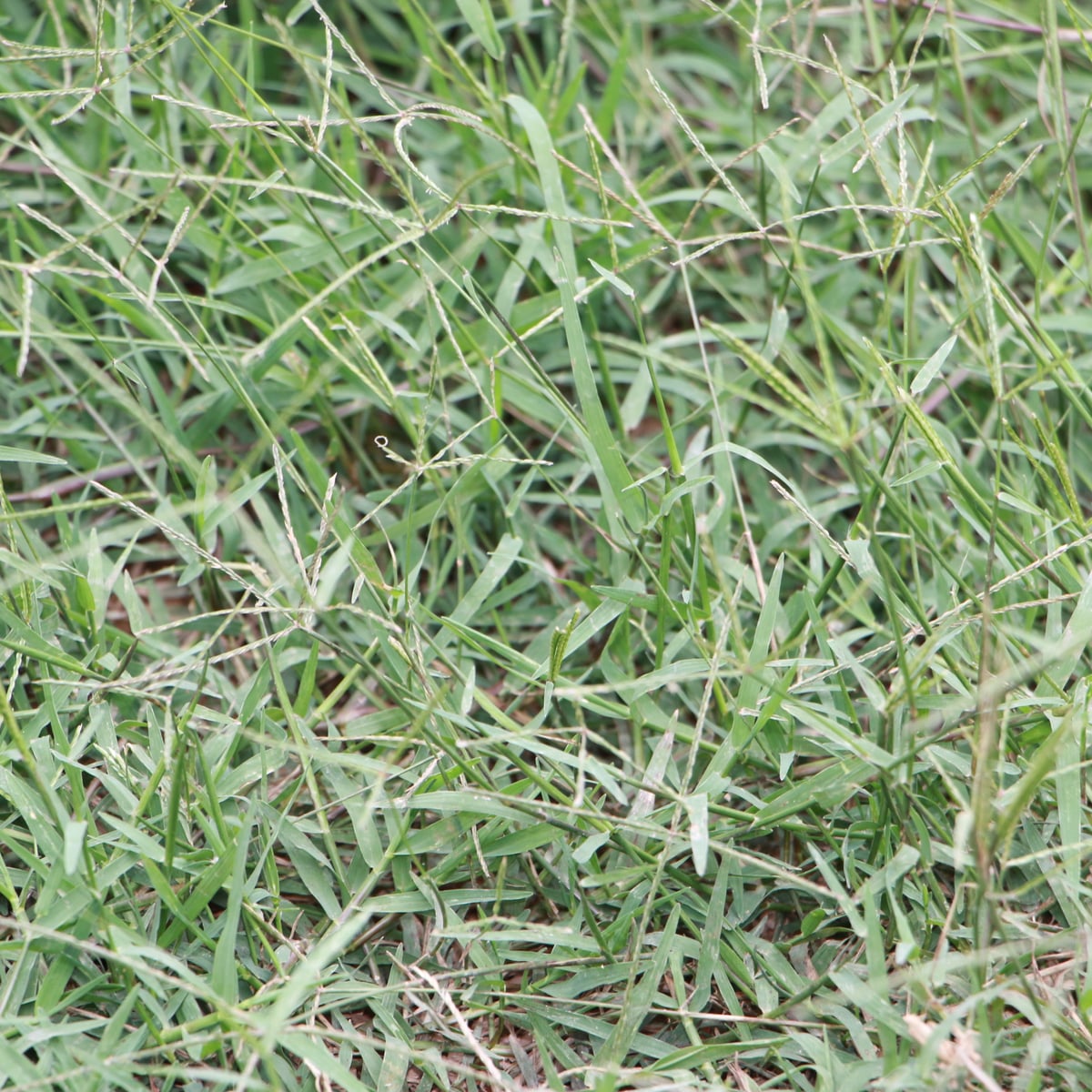
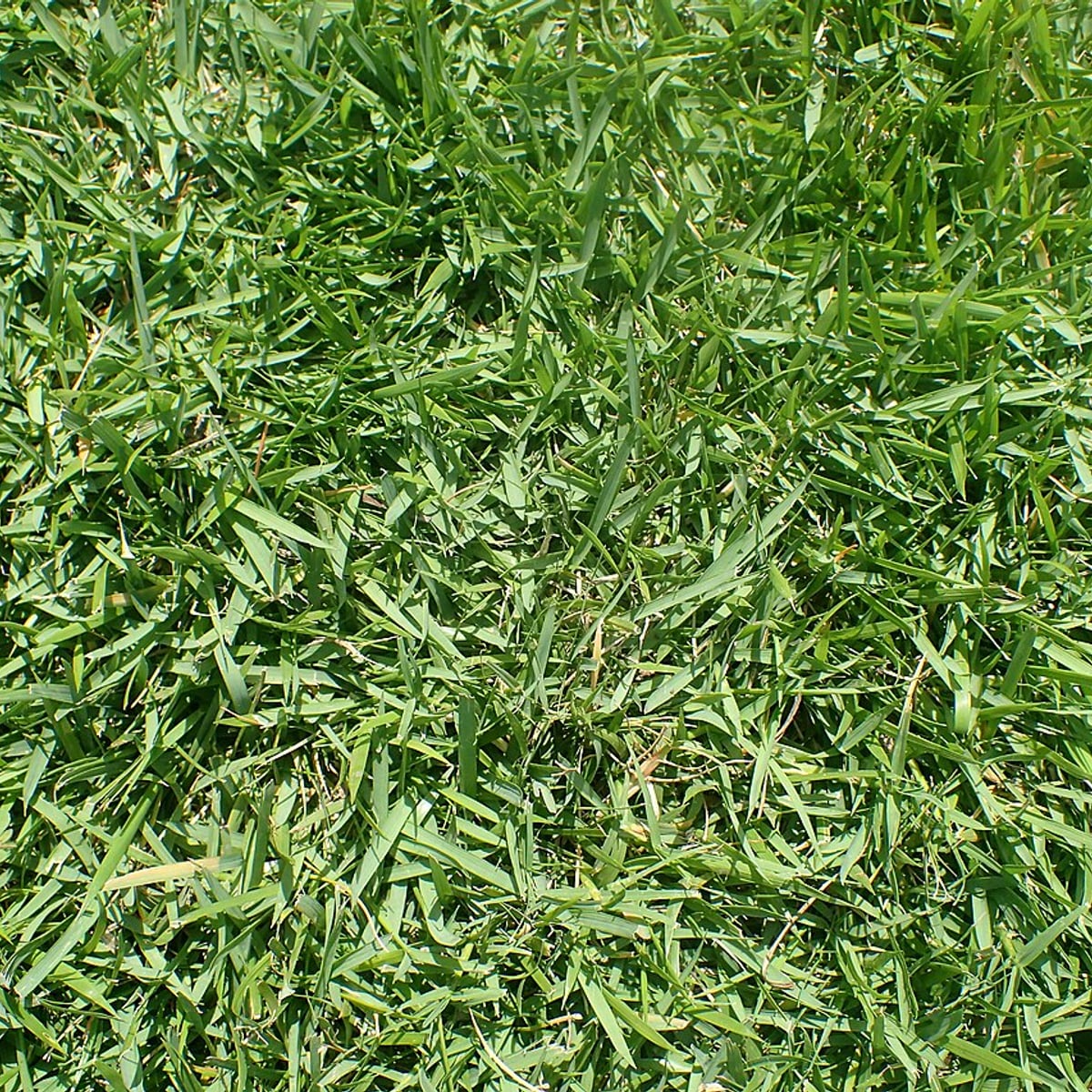
As an Amazon Associate we earn from qualifying purchases. Disclosure.
Bermudagrass and zoysiagrass are the two most popular warm-season turf choices in the southern United States, and homeowners shopping for a new lawn usually narrow it down to these two before anything else. They look superficially similar from the curb (both dense, both warm-season, both green up in late spring) but they behave very differently the moment you start maintaining them. Bermuda is the aggressive, fast-recovering, full-sun athlete that wants frequent mowing and heavy feeding. Zoysia is the slower-growing, denser, more forgiving option that handles part shade and asks for less from you week to week.
The right pick comes down to four questions: how much sun your lawn gets, how often you want to mow, whether you can tolerate winter dormancy (both go brown, but for different lengths of time), and your budget. Bermuda wins on price and recovery speed. Zoysia wins on shade tolerance and lower maintenance hours. We break down every dimension below.
Quick verdict
Bermuda wins for full-sun, high-traffic lawns and lower upfront cost. Zoysia wins for partial shade, lower maintenance hours, and slower growth that means fewer mows per year.
Personalize for your ZIP
Enter a 5-digit ZIP and we'll highlight which grass fits your climate zone.
Bermudagrass vs Zoysiagrass: at a glance
Climate zone (USDA)
Sun requirement
Shade tolerance
Traffic tolerance
Drought tolerance
Mowing height
Mowing frequency in peak season
Annual nitrogen need
Water need (peak)
Winter dormancy
Green-up speed in spring
Establishment from sod
Establishment from seed
Cost per pallet of sod (500 sq ft)
Maintenance level
APick Bermudagrass if...
- Your lawn gets 6+ hours of direct sun every day with no significant tree cover.
- You have kids, dogs, or heavy backyard traffic and need a lawn that recovers from wear in days, not weeks.
- You want the cheapest path from bare dirt to lawn (seed is widely available; sod is cheaper than zoysia).
- You do not mind mowing every 3 to 5 days during the peak growing season.
- You are in Zone 8 or warmer with consistent summer heat above 85 degrees.
BPick Zoysiagrass if...
- Your lawn has partial shade from trees or buildings (4 to 6 hours of sun, not 6 to 8).
- You want a softer, denser, more carpet-like feel underfoot than bermuda gives.
- You can tolerate slow spring green-up in exchange for fewer mows per year.
- You are in the transition zone (Zone 6 or 7) where bermuda risks winterkill.
- You are willing to pay more upfront for sod (zoysia is rarely seeded successfully) to get lower ongoing maintenance.
Top pick to grow each grass
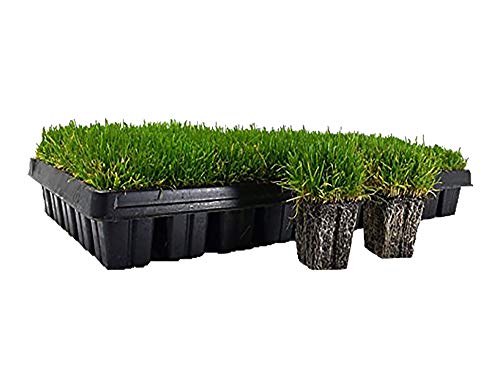
As an Amazon Associate we earn from qualifying purchases. Disclosure.
Get your seasonal lawn care calendar for your ZIP
Every task, from feeding to weed control to aeration, has a window that shifts by region. Add your ZIP and we will email your 12-month lawn calendar right away, starting with this month.
Seasonal reminders and tips. No spam. Unsubscribe anytime.
Frequently asked questions
Is bermuda or zoysia better for full sun?
Bermudagrass is better for full sun. It needs 6 to 8 hours of direct sunlight to thrive and out-performs zoysia in those conditions on every metric that matters: recovery speed, density, and drought tolerance. Zoysia tolerates 4 to 6 hours of sun and is the better choice when the lawn has any meaningful shade, but in full-sun lawns bermuda wins.
Can you mix bermuda and zoysia in the same lawn?
Mixing bermuda and zoysia in the same lawn rarely works long-term. Bermuda is aggressive and spreads through both rhizomes and stolons; zoysia spreads more slowly. In a mixed lawn, bermuda almost always takes over the sunny areas within 2 to 3 growing seasons, leaving zoysia only in the shadier zones. If you want both, treat them as separate zones with a hard physical barrier (edging or a sidewalk) between them.
Which grass is cheaper, bermuda or zoysia?
Bermudagrass is significantly cheaper than zoysia. Common bermuda seed costs $2 to $4 per pound for 8 to 10 pounds per 1,000 square feet, putting a new bermuda lawn at $20 to $40 per 1,000 sq ft for seed alone. Hybrid bermuda sod runs $150 to $250 per 500 sq ft pallet. Zoysia is almost always sold as sod (most cultivars do not establish reliably from seed) and runs $300 to $500 per 500 sq ft pallet. Over the long run, zoysia costs less to maintain because it needs less fertilizer and fewer mows, but the upfront cost is roughly double bermuda.
Does zoysia or bermuda go dormant longer in winter?
Zoysia goes dormant slightly longer than bermuda in most climates. Bermuda greens up at about 65 degree Fahrenheit soil temperature, which typically happens in late March to early April in the South. Zoysia waits for soil temperatures closer to 70 degrees, often 2 to 4 weeks later than bermuda. Both go dormant when temperatures drop below 50 to 55 degrees in late fall. If you cannot stand a long brown lawn, bermuda gives you about 2 to 4 more weeks of green per year than zoysia in the same climate.
Which is better for kids and pets, bermuda or zoysia?
Bermudagrass is better for high-traffic lawns with active kids and dogs because it recovers faster from wear. A bermuda lawn that gets torn up by daily pet activity will repair itself in 5 to 10 days through stolons and rhizomes; zoysia takes 3 to 6 weeks to recover the same damage. The trade-off is bermuda needs more frequent mowing to look its best. If your lawn is the heart of family activity and you are willing to mow weekly, choose bermuda. If activity is lighter and you want a softer feel underfoot, choose zoysia.
How can you tell the difference between bermuda and zoysia?
The two easiest tells are blade feel and the seed head. Bermuda has fine, soft blades and a seed head with three to seven finger-like spikes that splay out like a bird's foot. Zoysia has stiffer, slightly prickly blades that feel rough when you rub them the wrong way, and a single short spike for a seed head. Bermuda also throws visible above-ground runners and looks more open, while zoysia forms a denser, more uniform carpet. When both grow side by side, zoysia is the one that feels stiff underfoot.