

Centipede vs St. Augustine Grass: Which Southern Lawn Is Right for You?
Updated August 5, 2026
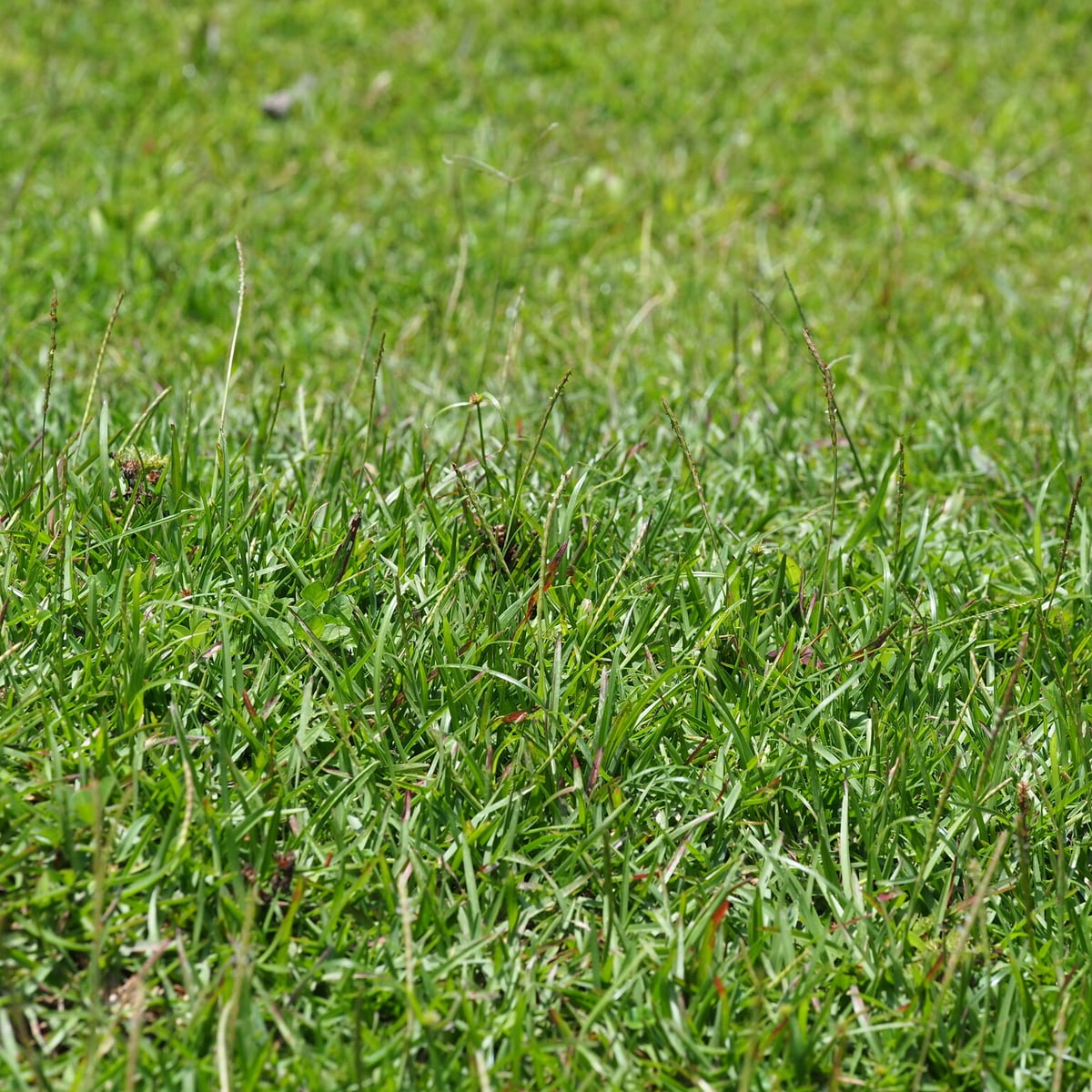
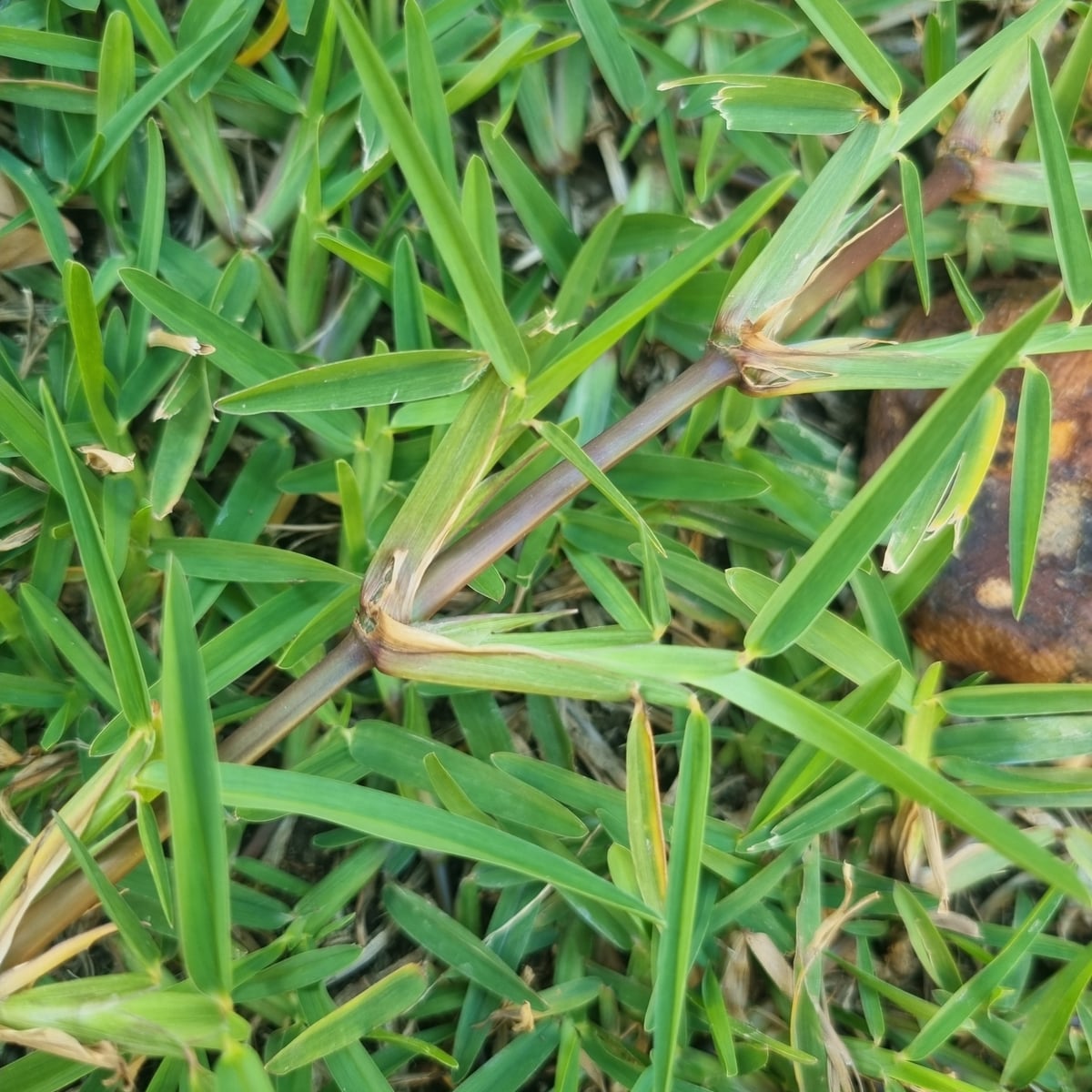
As an Amazon Associate we earn from qualifying purchases. Disclosure.
Centipedegrass and St. Augustinegrass are both Southern warm-season grasses, but they sit at opposite ends of the maintenance spectrum. Centipede is famously nicknamed the "lazy man's grass" because it grows slowly, needs only 1 to 2 pounds of nitrogen per 1,000 square feet per year (the lowest of any common lawn grass), and tolerates acidic soil that would struggle to grow anything else. St. Augustine is the vigorous spreader that handles dense shade and coastal salt spray but demands more fertilizer, more pest management, and more attention overall.
Pick centipede when you want a Southern lawn that just exists with minimal intervention, especially on acidic, poorer soil in the Coastal Plain. Pick St. Augustine when you have significant tree shade, live near the coast, or need a more vigorous grass that recovers from damage faster. Neither handles heavy traffic well; for high-traffic lawns in the same climate range, bermuda or zoysia is the better pick.
Quick verdict
Centipede wins for low-maintenance, low-fertilizer lawns on acidic Southern soil. St. Augustine wins for shaded lawns, coastal yards, and faster recovery from foot traffic.
Personalize for your ZIP
Enter a 5-digit ZIP and we'll highlight which grass fits your climate zone.
Centipedegrass vs St. Augustinegrass: at a glance
Climate zone (USDA)
Sun requirement
Shade tolerance
Salt tolerance
Traffic tolerance
Drought tolerance
Cold tolerance
Soil pH preference
Mowing height
Mowing frequency in peak season
Annual nitrogen need
Water need (peak)
Spreading habit
Disease/pest pressure
Maintenance level
APick centipedegrass if...
- You want the lowest-maintenance Southern lawn possible (1-2 lbs nitrogen per year, mow every 10-14 days).
- Your soil is naturally acidic with a pH between 5.0 and 6.0 (common across the Coastal Plain from Georgia to East Texas).
- Your lawn has at least 6 hours of direct sun and only light traffic.
- You are willing to accept slower recovery from damage in exchange for lower ongoing inputs.
- You live inland (centipede is not salt tolerant) in Zone 7 through 9.
BPick St. Augustinegrass if...
- Your lawn has significant tree shade where centipede or bermuda would thin out.
- You live within a few miles of the coast and need salt-spray tolerance.
- You want a more vigorous grass that recovers from damage faster than centipede.
- You can budget for chinch bug prevention and disease scouting that centipede does not need.
- You live in Zone 8 or warmer where hard freezes are rare.
Top pick to grow each grass


As an Amazon Associate we earn from qualifying purchases. Disclosure.
Get your seasonal lawn care calendar for your ZIP
Every task, from feeding to weed control to aeration, has a window that shifts by region. Add your ZIP and we will email your 12-month lawn calendar right away, starting with this month.
Seasonal reminders and tips. No spam. Unsubscribe anytime.
Frequently asked questions
Is centipede or St. Augustine easier to maintain?
Centipedegrass is significantly easier to maintain than St. Augustinegrass. Centipede needs 1 to 2 pounds of nitrogen per 1,000 square feet per year (compared to 3 to 4 for St. Augustine), tolerates acidic soil that would require regular liming for St. Augustine, mows every 10 to 14 days instead of every 7 to 10, and has minimal pest pressure compared to St. Augustine's chinch bug and gray leaf spot problems. Centipede earned its "lazy man's grass" nickname for good reason.
Can centipede grow in shade like St. Augustine?
No, centipedegrass needs significantly more sun than St. Augustine. Centipede tolerates light shade but really needs 6 hours of direct sun to maintain density; St. Augustine handles 4 hours of dappled sun and stays acceptable under mature tree canopy. For shaded Southern lawns, St. Augustine is one of the few options that consistently performs.
Will centipede tolerate the same fertilizer as St. Augustine?
No, applying St. Augustine fertilizer rates to centipede will hurt it. Centipede is intolerant of high-nitrogen feeding and develops "centipede decline" when over-fertilized; the symptoms look like a slow yellowing and thinning of the entire lawn. Stay below 2 pounds of nitrogen per 1,000 square feet per year on centipede, and use centipede-specific fertilizers (often 15-0-15 or similar) that match its lower-input needs.
Which grass survives a cold snap better?
Both centipede and St. Augustine are warm-season grasses with limited cold tolerance, and both can be damaged or killed by hard freezes. Centipede is slightly less cold-hardy than St. Augustine and typically suffers damage starting around 20 degrees Fahrenheit; St. Augustine starts showing damage closer to 25 degrees. Neither is a safe choice for the upper transition zone or anywhere that regularly sees temperatures in the teens.
Can I overseed centipede with St. Augustine?
You cannot effectively overseed either centipede or St. Augustine because both are sold almost exclusively as sod or plugs, not seed. Centipede seed exists but is expensive and slow to establish (3 to 12 months from seed to a usable lawn). St. Augustine effectively requires sod or plugs; viable seed is not commercially available. If you want to switch from one to the other, plan on a full sod replacement rather than an overseeding transition.