

Tall Fescue vs Bermuda Grass: Which Is Better for Your Lawn?
Updated August 5, 2026
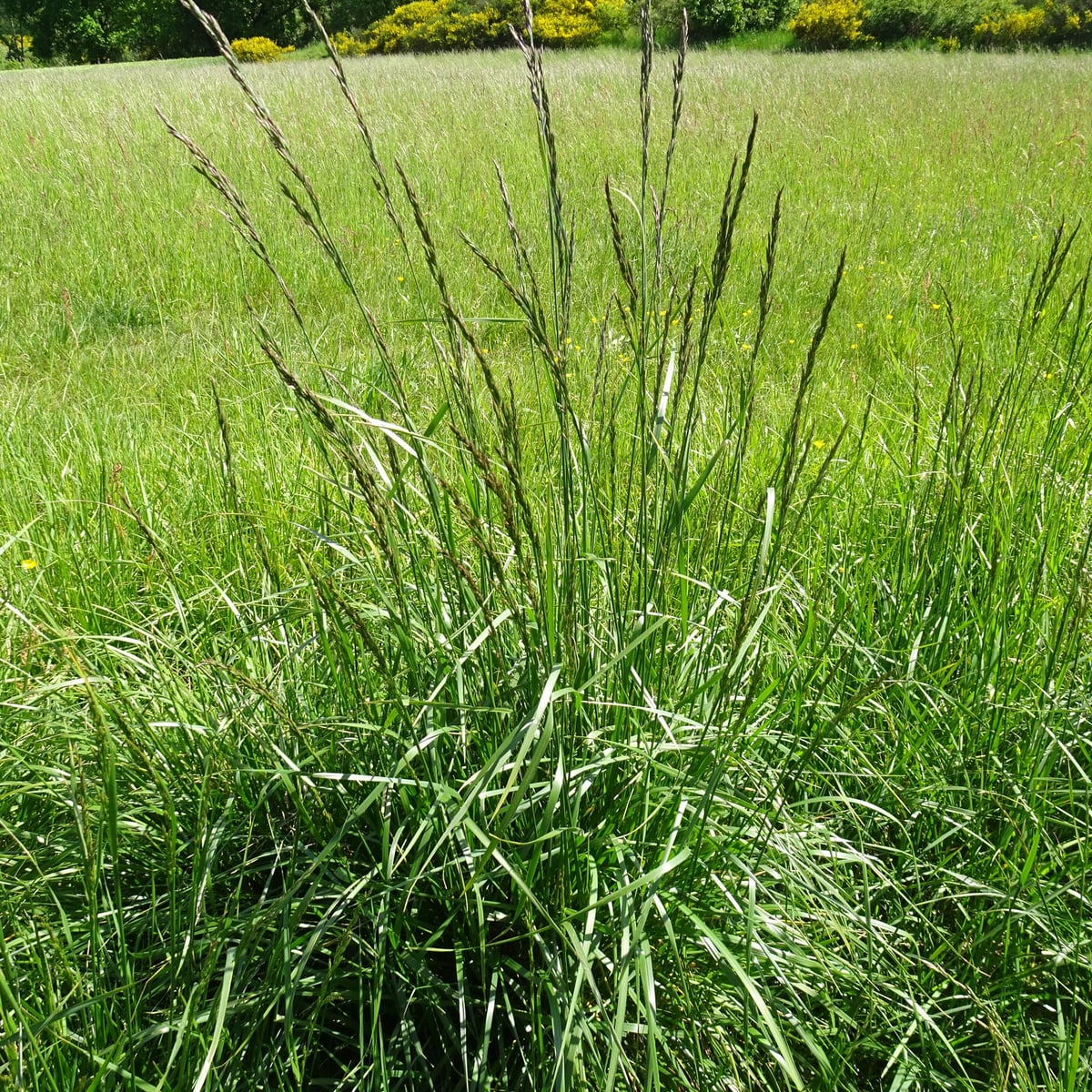
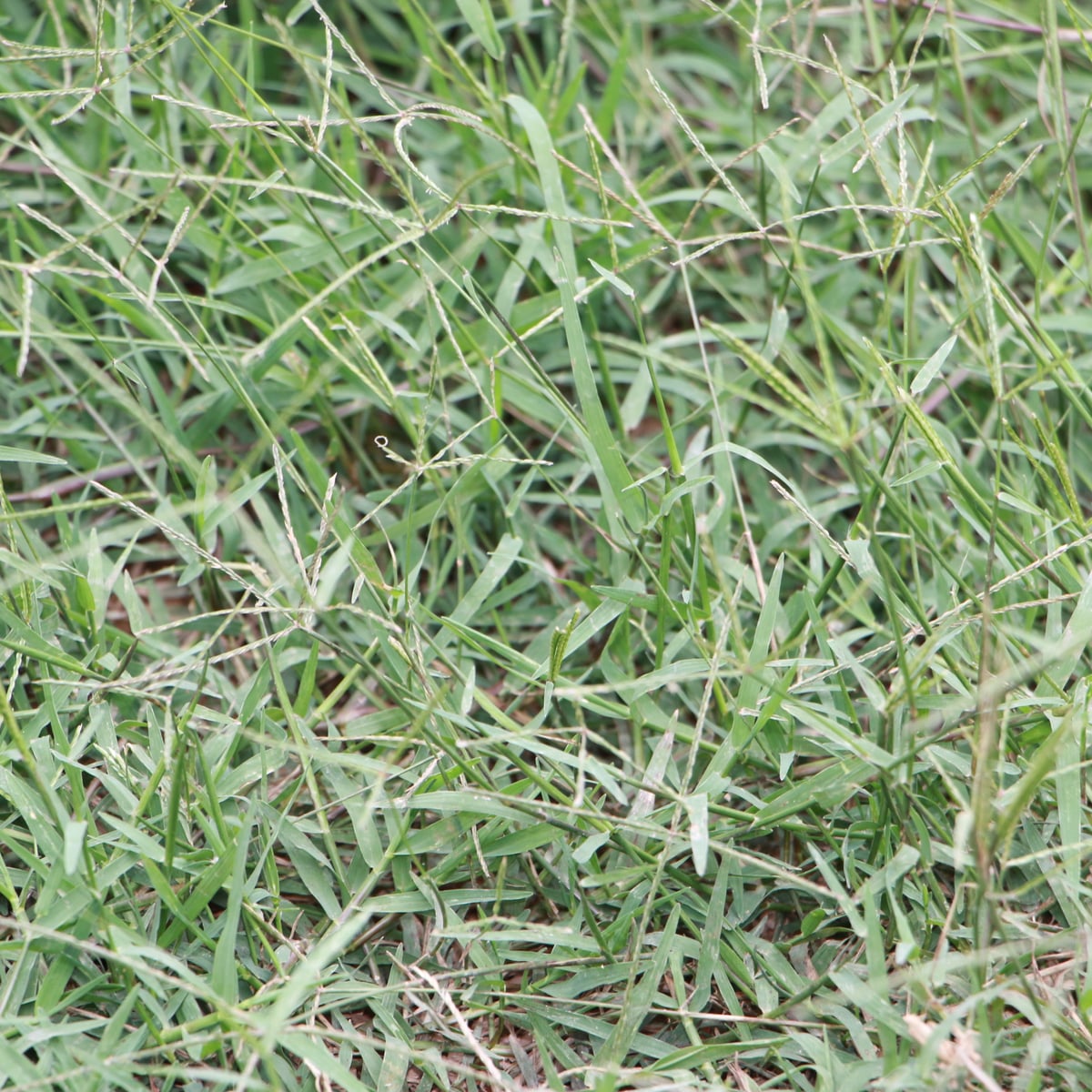
As an Amazon Associate we earn from qualifying purchases. Disclosure.
Tall fescue and bermudagrass sit on opposite sides of the cool-season / warm-season divide, and the right pick is mostly a function of where you live. Tall fescue is the workhorse cool-season grass: deep-rooted, drought-tolerant, handles partial shade, and stays green nearly year-round. Bermuda is the warm-season king: full-sun loving, recovers from traffic faster than anything else, but goes completely brown from late fall through early spring.
In most US climates, geography decides for you. North of the transition zone (Zone 6 and colder) bermuda struggles to survive winter; south of Zone 8 fescue cooks in summer heat. The interesting decision is the transition zone, that band running roughly from Kentucky and Tennessee through Northern Texas, where either grass can theoretically work. There the decision comes down to a single question: do you want a lawn that stays green all year (fescue) or one that is bullet-proof in summer heat but brown for four months (bermuda)? We break down both choices below.
Quick verdict
Tall fescue wins for the transition zone, cool-season climates, partial shade, and year-round green color. Bermuda wins for full-sun lawns in Zone 7+ where summer heat and high traffic outpace what fescue can handle.
Personalize for your ZIP
Enter a 5-digit ZIP and we'll highlight which grass fits your climate zone.
Tall Fescue vs Bermudagrass: at a glance
Climate zone (USDA)
Sun requirement
Shade tolerance
Traffic tolerance
Drought tolerance
Heat tolerance
Winter color
Mowing height
Mowing frequency in peak season
Annual nitrogen need
Water need (peak)
Spreading habit
Recovery from damage
Establishment from seed
Maintenance level
APick tall fescue if...
- You live in the transition zone (Kentucky, Tennessee, Virginia, Carolinas) or anywhere north of it.
- You want a lawn that stays green year-round and cannot stand 4 months of brown dormancy.
- Your lawn has partial shade from trees that bermuda would thin out under.
- You want lower mowing and fertilizing maintenance than bermuda requires.
- You have water restrictions; fescue uses about the same water as bermuda but does not need a separate dormancy-recovery feed cycle.
BPick bermudagrass if...
- You live in Zone 8 or warmer where summers regularly hit 95+ and fescue browns out by July.
- Your lawn gets 6+ hours of direct sun with no significant tree shade.
- You have kids, dogs, or heavy backyard traffic and need the fastest recovery from wear.
- You are willing to accept full winter dormancy (brown lawn November to April) in exchange for summer toughness.
- You want the golf-course look with a sub-inch mow height; fescue cannot be cut anywhere near that low.
Top pick to grow each grass


As an Amazon Associate we earn from qualifying purchases. Disclosure.
Get your seasonal lawn care calendar for your ZIP
Every task, from feeding to weed control to aeration, has a window that shifts by region. Add your ZIP and we will email your 12-month lawn calendar right away, starting with this month.
Seasonal reminders and tips. No spam. Unsubscribe anytime.
Frequently asked questions
Can tall fescue and bermuda grow together?
Tall fescue and bermuda do not coexist well long-term. In the transition zone where both can theoretically survive, they take turns dominating with the seasons: bermuda is aggressive in summer heat and takes over, fescue rebounds in fall and spring but loses ground each summer. After 2 to 3 years a mixed lawn usually settles into bermuda dominating the sunny areas and fescue clinging only to the shadiest patches. Pick one or the other for the bulk of the lawn rather than trying to maintain a mix.
Will bermuda kill my fescue lawn in the transition zone?
Yes, bermuda will outcompete fescue in the transition zone if it gets a foothold. Common bermuda seed is widespread (it blows in from roadsides, comes in topsoil, hitches a ride on lawn mowers), and once it establishes in a fescue lawn it spreads aggressively in summer when fescue is heat-stressed. If you want a long-term fescue lawn in the transition zone, you need to apply a bermuda-suppressing pre-emergent like Specticle or Roundup-with-MSO spot treatments to keep bermuda out.
Which is easier to seed, bermuda or tall fescue?
Tall fescue is significantly easier to seed than bermuda. Tall fescue germinates in 7 to 14 days, establishes a full lawn in 60 to 90 days, and tolerates a wide range of soil and moisture conditions during establishment. Bermuda germinates in 14 to 30 days, requires soil temperatures above 65 degrees Fahrenheit to start at all, and needs consistent moisture for a much longer establishment window. For DIY seeders, fescue is more forgiving on every dimension.
Does fescue or bermuda use less water?
Tall fescue and bermuda use roughly the same amount of water per week in their respective growing seasons (about 1 to 1.25 inches), but bermuda gets 4 to 5 months off entirely while dormant in winter, so total annual water use is lower for bermuda. The trade is that fescue stays green using that water year-round while bermuda goes brown. If your water cost is high, bermuda saves money on irrigation; if you value the year-round green appearance, fescue is worth the extra irrigation.
Is fescue or bermuda better for shade?
Tall fescue is significantly better for shade than bermuda. Tall fescue tolerates 4 to 6 hours of direct sun and stays acceptable under mature tree canopy; bermuda needs 6 to 8 hours of full sun and thins dramatically with any meaningful shade. If your lawn has trees, fescue is the right pick regardless of climate. The only exception is St. Augustine or zoysia in Zone 8+, both of which handle shade better than either bermuda or fescue.
What is the difference between fescue and bermuda grass, and how do you tell them apart?
The simplest tell is the season. Tall fescue holds its green color through the winter in the transition zone, while bermuda goes completely brown and dormant from late fall through early spring, so a green winter lawn beside a brown one usually marks fescue versus bermuda. Up close, fescue has wide, coarse blades and grows in upright clumps, while bermuda has fine, wiry blades, spreads with above-ground runners, and produces a bird's-foot seed head. Fescue is cool-season and bunch-type; bermuda is warm-season and aggressive.