

Fine Fescue vs Tall Fescue: Differences, Pros and Cons
Updated September 21, 2026
As an Amazon Associate we earn from qualifying purchases. Disclosure.
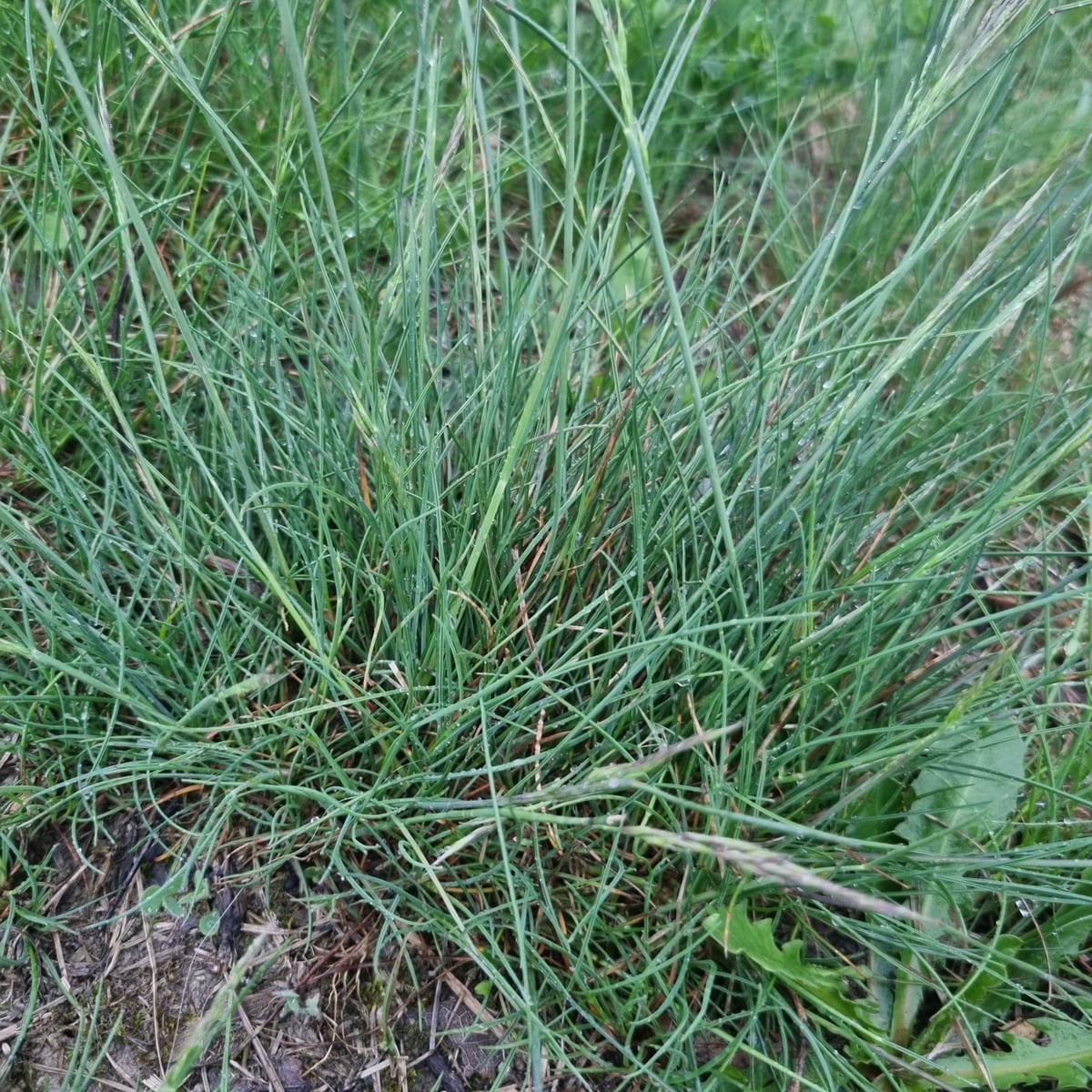
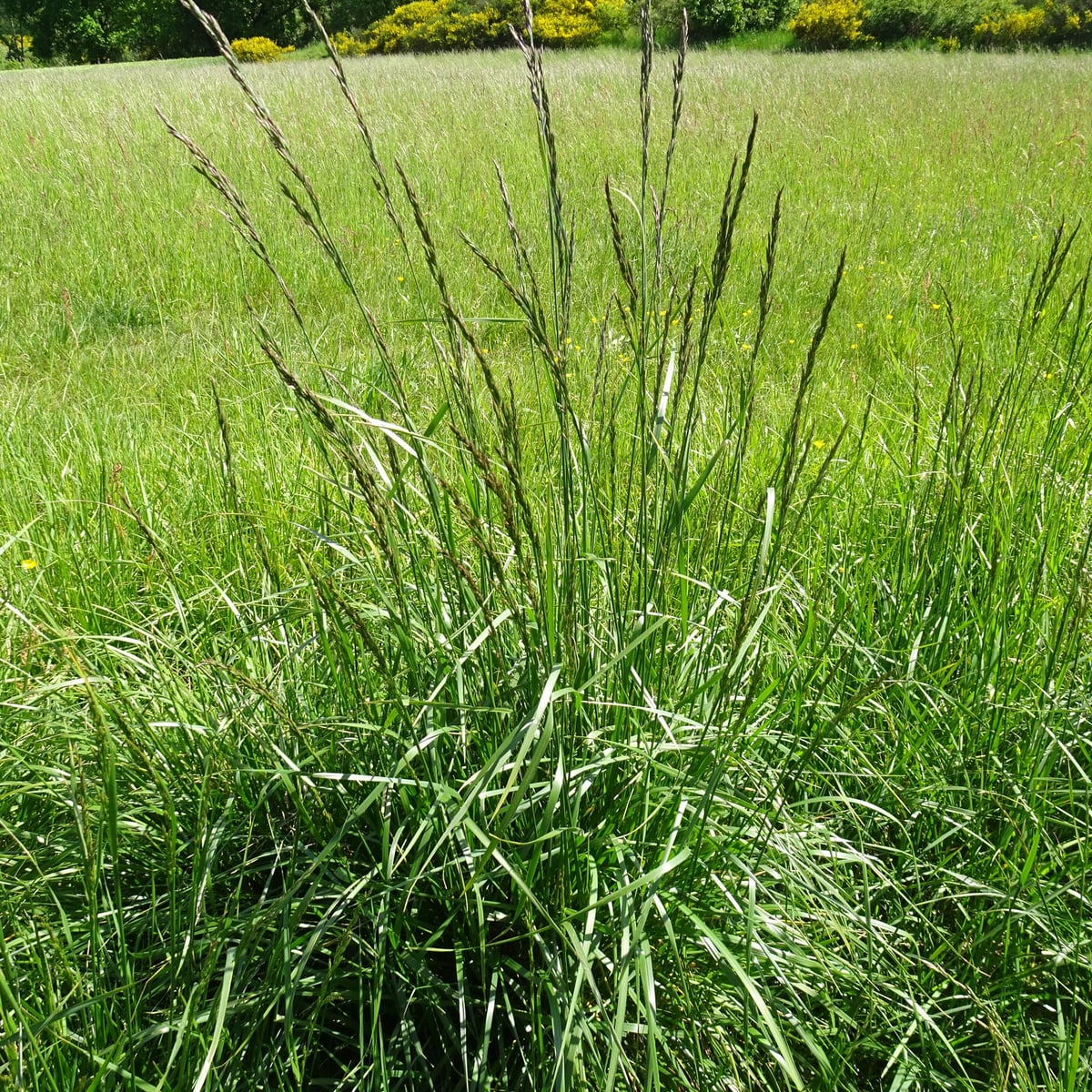
Fine fescue and tall fescue share a name and a cool-season label, but the two grasses behave like distant cousins rather than siblings. Fine fescue is a group (creeping red, chewings, hard, and sheep fescue) defined by their needle-thin blades, exceptional shade tolerance, and very low maintenance demands. Tall fescue is a single species defined by deep roots, drought tolerance, traffic tolerance, and coarse texture. Both stay green in winter, both handle the cool-season range, but they fit completely different niches.
Fine fescue is the right pick for shaded, low-traffic areas where you want a fine-textured lawn that needs minimal fertilizer and almost no mowing. Tall fescue is the right pick for open, high-traffic lawns where deep roots and durability matter. The premium cool-season seed blends most homeowners buy actually contain both: tall fescue as the structural bulk plus a fine fescue percentage to handle the shaded edges where tall fescue thins out.
Quick verdict
Fine fescue wins for shade, low-maintenance lawns, and fine-textured appearance. Tall fescue wins for high-traffic, full-sun-tolerant cool-season lawns with deep drought-resistant roots.
Personalize for your ZIP
Enter a 5-digit ZIP and we'll highlight which grass fits your climate zone.
Fine Fescue vs Tall Fescue: at a glance
Climate zone (USDA)
Sun requirement
Shade tolerance
Traffic tolerance
Drought tolerance
Heat tolerance
Cold tolerance
Mowing height
Mowing frequency in peak season
Annual nitrogen need
Water need (peak)
Spreading habit
Blade width
Establishment from seed
Maintenance level
APick fine fescue if...
- You have a shaded lawn under mature trees where tall fescue thins out.
- You want the lowest-maintenance cool-season lawn possible (low water, low fertilizer, infrequent mowing).
- You like the fine, soft, needle-thin blade texture and do not need a coarse durable lawn.
- Traffic is light; you do not have kids or dogs running paths through the lawn daily.
- You live in Zone 3 to 6 where summers stay mostly under 85 degrees.
BPick tall fescue if...
- You have a sunny or partly-sunny lawn that gets meaningful traffic.
- You live in the transition zone (Zones 6 to 8) where summers regularly hit 90 degrees.
- You want a deep-rooted, drought-tolerant lawn that stays green through summer heat.
- You prefer the bulkier feel of a coarse-bladed lawn over the wispy texture of fine fescue.
- You can commit to weekly mowing during the growing season.


Get your seasonal lawn care calendar for your ZIP
Every task, from feeding to weed control to aeration, has a window that shifts by region. Add your ZIP and we will email your 12-month lawn calendar right away, starting with this month.
Seasonal reminders and tips. No spam. Unsubscribe anytime.
Frequently asked questions
Can you mix fine fescue and tall fescue?
Yes, mixing fine fescue and tall fescue is one of the most common premium seed blends. A typical Northern blend is 60 to 70 percent turf-type tall fescue plus 20 to 30 percent fine fescue (often creeping red), with the fine fescue specifically positioned to fill in the shaded edges where tall fescue would thin out. This gives a lawn that handles both sun and shade in the same yard without obvious patches between zones.
Is fine fescue or tall fescue more shade tolerant?
Fine fescue is significantly more shade tolerant than tall fescue. Fine fescue handles 3 to 5 hours of direct sun and stays acceptable under mature tree canopy with dappled light; tall fescue needs 4 to 6 hours of direct sun and thins noticeably in deep shade. For lawns under heavy tree cover, fine fescue is the only cool-season grass that consistently performs.
Does fine fescue or tall fescue handle traffic better?
Tall fescue handles traffic significantly better than fine fescue. Tall fescue has deep roots (2 to 3 feet) and a coarse blade that bounces back from foot traffic; fine fescue has shallow roots and fine blades that bruise easily under heavy use. For lawns with kids, dogs, or play activity, tall fescue is the right pick. Fine fescue is for lower-traffic areas like shaded ornamental lawns or under-tree understory.
Which fescue needs less mowing?
Fine fescue needs significantly less mowing than tall fescue. Fine fescue grows slowly and is often mowed only every 10 to 14 days in peak season; many homeowners let it grow longer and treat it almost like a no-mow lawn at 4 inches or taller. Tall fescue grows much faster and typically needs mowing every 5 to 7 days in peak season. If reducing your mowing schedule is a priority, fine fescue is the lower-maintenance pick.
Will fine fescue survive a hot summer?
Fine fescue survives most cool-climate summers but struggles in the transition zone and hot summers. Fine fescue browns out and goes semi-dormant above 85 degrees Fahrenheit, especially without consistent water. In Zones 3 to 6 fine fescue handles summer fine; in Zones 7 and 8 it usually thins out by August and needs fall overseeding to recover. If you live in a region that regularly sees 90+ degree summers, tall fescue is the more reliable cool-season choice.