

St. Augustine vs Zoysia Grass: Which Should You Plant?
Updated August 5, 2026
As an Amazon Associate we earn from qualifying purchases. Disclosure.
St. Augustinegrass and zoysiagrass are the two warm-season grasses homeowners most often compare when their lawn has any meaningful shade. Both handle dappled sunlight better than bermudagrass, both form dense carpets, and both are sold almost exclusively as sod (very few homeowners successfully seed either). The differences emerge in cold tolerance, salt tolerance, texture, and how the lawn behaves once it has established.
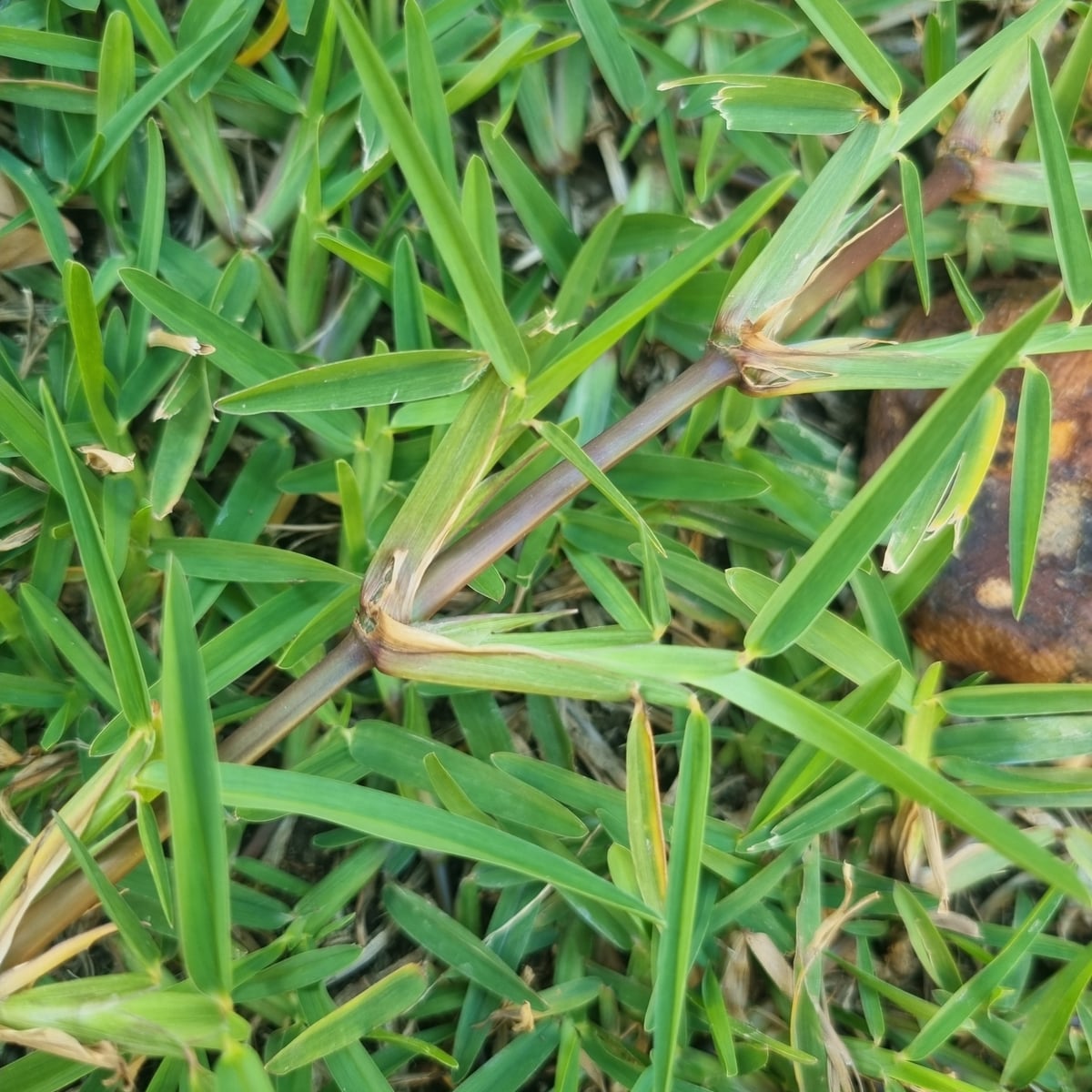
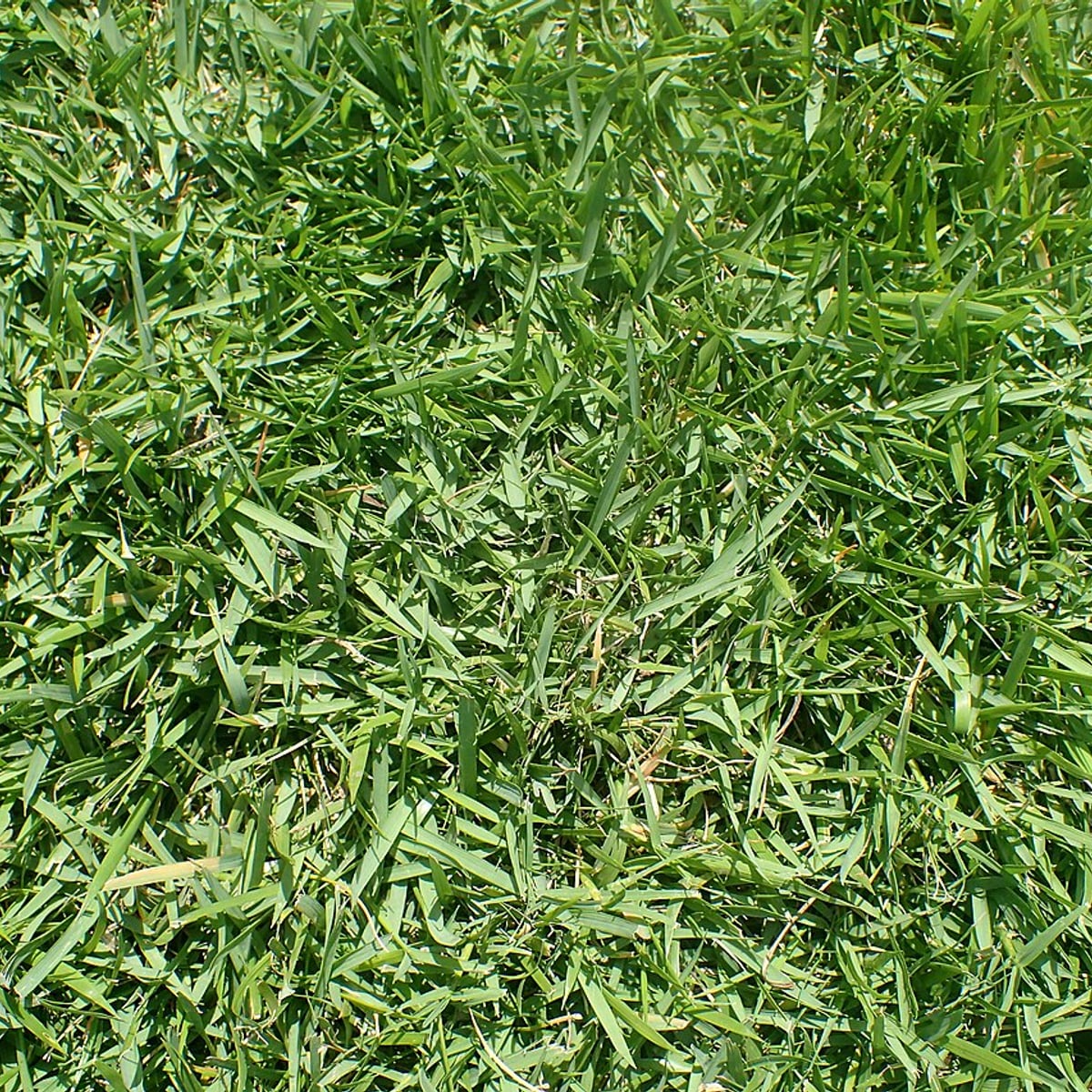
St. Augustine has the broadest blades of any common US lawn grass, gives a tropical coarse-textured appearance, and is the king of coastal salt-spray and dense shade in the Gulf Coast and Florida. Zoysia is finer-bladed, tougher under foot, and tolerates colder winters than St. Augustine, making it the better pick in the upper South and transition zone. Both ask less of you than bermudagrass; pick between them based on climate and appearance.
Quick verdict
St. Augustine wins on shade tolerance, salt tolerance, and tropical appearance for Gulf Coast and Florida lawns. Zoysia wins on cold tolerance, traffic tolerance, and finer texture for the upper South and transition zone.
Personalize for your ZIP
Enter a 5-digit ZIP and we'll highlight which grass fits your climate zone.
St. Augustinegrass vs Zoysiagrass: at a glance
Climate zone (USDA)
Sun requirement
Shade tolerance
Salt tolerance
Traffic tolerance
Drought tolerance
Cold tolerance
Mowing height
Annual nitrogen need
Water need (peak)
Spreading habit
Blade width
Establishment from sod
Disease pressure
Maintenance level
APick St. Augustinegrass if...
- You live in Zone 8 or warmer (Gulf Coast, Florida, coastal Texas, Southern California).
- Your lawn has dense shade from oaks or palms; St. Augustine handles deeper shade than any other warm-season grass.
- You live within a few miles of the coast and need salt-spray tolerance.
- You want a tropical, coarse-textured lawn appearance with broad blades.
- You can commit to monitoring for chinch bugs and gray leaf spot, which hit St. Augustine harder than other grasses.
BPick zoysiagrass if...
- You live in the upper South or transition zone (Zones 6 and 7) where winters get cold enough to damage St. Augustine.
- You want a finer-textured, more carpet-like lawn appearance.
- You have moderate to high traffic from kids, dogs, or play; zoysia handles wear better.
- You want lower disease pressure and fewer pest issues than St. Augustine.
- You prefer a denser, lower-mowed appearance (1 to 2 inches vs St. Augustine's 3 to 4).
Top pick to grow each grass

As an Amazon Associate we earn from qualifying purchases. Disclosure.
Get your seasonal lawn care calendar for your ZIP
Every task, from feeding to weed control to aeration, has a window that shifts by region. Add your ZIP and we will email your 12-month lawn calendar right away, starting with this month.
Seasonal reminders and tips. No spam. Unsubscribe anytime.
Frequently asked questions
Is zoysia or St. Augustine more shade tolerant?
St. Augustinegrass is more shade tolerant than zoysia. St. Augustine handles 4 hours of dappled sun and still maintains acceptable density, while zoysia needs at least 4 to 6 hours of direct light. For lawns under mature oak or palm canopy, St. Augustine is the only warm-season grass that consistently performs. Zoysia in similar shade will thin out within 2 to 3 growing seasons.
Which is more cold tolerant, zoysia or St. Augustine?
Zoysiagrass is significantly more cold tolerant than St. Augustinegrass. Zoysia survives winters down to Zone 6 (regular lows in the single digits) and recovers reliably the next spring. St. Augustine begins suffering damage below 25 degrees Fahrenheit and can be killed outright by hard freezes in the 15 to 20 degree range. If you are in Zone 6 or 7, zoysia is the safer pick. St. Augustine is realistically a Zone 8+ grass.
Which grass is better for the beach or coastal lawns?
St. Augustinegrass is the better coastal pick because of its high salt tolerance. St. Augustine handles direct salt spray from ocean winds, brackish irrigation water, and storm surge better than any other common warm-season grass. Zoysia has medium salt tolerance and works further inland but struggles within a few hundred feet of the surf. The Floratam, Palmetto, and Seville cultivars of St. Augustine are specifically bred for coastal conditions.
Does St. Augustine or zoysia have worse pest problems?
St. Augustinegrass has significantly worse pest pressure than zoysia. Chinch bugs are the primary issue, causing yellow-to-brown patches that can wipe out an entire lawn during summer if untreated. St. Augustine is also more susceptible to gray leaf spot disease, especially in humid Gulf Coast and Florida summers. Zoysia has comparatively low disease and insect pressure, with billbugs being the main pest concern, and they rarely cause whole-lawn damage. Plan on at least one preventive insecticide application per year for St. Augustine in Florida; zoysia often gets by with none.
Which is more expensive, St. Augustine or zoysia?
Zoysia is generally more expensive than St. Augustine. A 500 square foot pallet of zoysia sod runs $300 to $500; St. Augustine runs $200 to $400 for the same coverage. Both are almost always installed as sod (seeding success is poor for both). Over the long run, zoysia costs less to maintain because of lower fertilizer and pest-control needs, but the upfront investment is higher.
How can you tell zoysia from St. Augustine?
Blade width separates them instantly. St. Augustine has broad, flat blades and thick above-ground runners that give it a coarse, tropical look. Zoysia has much finer blades and forms a denser, stiffer carpet that feels prickly compared to St. Augustine's softer texture. St. Augustine spreads by surface stolons only, while zoysia spreads by both stolons and underground rhizomes, so zoysia knits into a tighter, more even surface.
Will zoysia take over St. Augustine, or can you mix the two?
In a mixed lawn the outcome depends on conditions, not a fixed winner. In warm, irrigated, high-fertility full sun, St. Augustine can actually out-spread zoysia through its fast surface stolons, while zoysia is slow to spread laterally but its density helps it hold ground over time. In shade, St. Augustine has the clear edge because zoysia thins out without enough light. Cultivar, mowing height, and fertility all shift the balance. Neither blends into a uniform lawn long-term, so if you want one grass throughout, match it to your dominant light condition rather than trying to maintain a mix.