

How Long Does Weed and Feed Take to Work? (3-7 Days, Day-by-day)

As an Amazon Associate we earn from qualifying purchases.
Many homeowners apply weed and feed expecting instant results-only to wonder, "How long does weed and feed take to work?" If you’ve ever watched your lawn day by day after application, hoping for weeds to wilt and grass to green up, you’re not alone. The reality is that weed and feed products take time to show visible results, and those results depend on several key factors: your grass type, the weeds present, weather patterns, and how well you applied the product. This guide breaks down exactly what happens after application, day by day, and how to ensure you get the lush, weed-free lawn you want-all backed by diagnostic expertise and real-world data from over a decade of lawn troubleshooting.
If you’ve just applied weed and feed, expect to see visible signs of weed distress-like curling, yellowing, or wilting-within 3 to 7 days. The exact timing depends on the product type, weather, and your grass and weed species. To verify it’s working, check target weeds daily: if they begin to look misshapen or faded by day 4 or 5, the herbicide is taking effect. Grass color will often improve more gradually, as nutrients are absorbed and growth resumes.
Don’t mow or water for at least 24-48 hours after application unless the label says otherwise. Avoid applying right before rain, as this can reduce effectiveness by washing away the active ingredients. Patience is key-most weed and feed products need a full week of undisturbed contact to deliver results. If you see no change after 7 days, review your application steps or consider a second treatment.
Understanding Weed and Feed: What It Is and How It Works
Recommended products
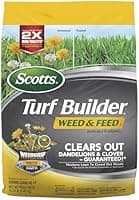
Scotts Turf Builder Weed and Feed 3 (5,000 sq. ft.)
Combination weed killer and lawn fertilizer for cool-season lawns.
$34.49
View on Amazon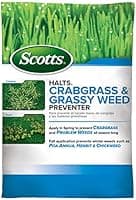
Scotts Halts Crabgrass and Grassy Weed Preventer
Standalone pre-emergent that stops crabgrass and foxtail before they sprout.
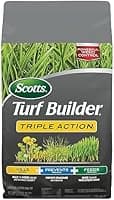
Scotts Turf Builder Triple Action (4,000 sq. ft., 11.31 lb)
Three-in-one product that kills listed broadleaf weeds, prevents crabgrass for up to 4 months, and feeds the lawn.
$38.46
View on AmazonWhat Is Weed and Feed?
Weed and feed products are combination lawn care formulas that serve two main purposes: they fertilize your turf and control weeds at the same time. Most commonly found in granular form (applied with a spreader) or as liquids (applied with a hose-end or tank sprayer), weed and feed blends are designed for convenience. The "weed" part refers to selective herbicides that target broadleaf weeds like dandelion and clover, while the "feed" delivers essential nutrients for grass growth-usually a balanced dose of nitrogen, phosphorus, and potassium (N-P-K).
There are two main types of weed and feed products:
- Pre-emergent: Prevents weed seeds (like crabgrass) from sprouting. These are best applied before weeds are visible, typically in early spring when soil temperatures reach 55°F.
- Post-emergent: Targets weeds that have already sprouted. Most consumer weed and feed products fall into this category, combining a post-emergent herbicide with fertilizer.

Common active herbicide ingredients include 2,4-D, dicamba, and mecoprop. The fertilizer portion varies, but most are formulated for either cool-season or warm-season grasses.
How Does Weed and Feed Work on Your Lawn?
The magic of weed and feed is in its dual action. The fertilizer “feeds” your lawn, stimulating healthy growth and helping grass out-compete weeds. Meanwhile, the herbicide portion is absorbed by the leaves of broadleaf weeds, disrupting their growth processes. Selective herbicides are formulated to affect only certain plant types-so they kill weeds without harming your turfgrass (when used as directed).
After application, the herbicide moves through the weed’s leaves and stems, down to the roots, causing the weed to yellow, curl, and eventually die. At the same time, nutrients in the fertilizer boost grass health, helping it recover from weed competition and fill in bare spots. The visible die-back of weeds and the greening of your grass don’t happen instantly; instead, you’ll see changes over the course of 3 to 7 days, depending on several factors.
Factors That Influence How Long Weed and Feed Takes to Work
Why do some lawns show results faster than others? Several key variables affect how long weed and feed takes to work:
- Weather: Herbicides and fertilizers work best in mild temperatures (60-80°F) with adequate soil moisture. Too cold, too hot, or too dry slows down results.
- Grass Type: Cool-season lawns (Kentucky Bluegrass, Fescue, Ryegrass) respond differently than warm-season lawns (Bermudagrass, St. Augustine, Zoysia). Product compatibility matters-using a cool-season formula on a warm-season lawn can cause damage or lack of results.
- Weed Species: Some weeds, like dandelions, show visible die-back in just a few days. Others, like clover or plantain, may take longer.
- Soil Conditions: Compacted or very dry soils can delay both nutrient uptake and herbicide action. Healthy, aerated soils lead to faster results.
- Product Choice: Fast-acting formulations may show results in as little as 3 days, while slow-release blends can take up to 7 days or more.
Setting realistic expectations is key. If your lawn is healthy, the product is applied correctly, and the weather cooperates, you should see progress well within the 3-7 day window.
The 3-7 Day Timeline: What Happens After Application?
Day-by-Day Breakdown: Visible Signs and What to Expect
Let’s diagnose this step by step. Here’s a typical timeline for post-emergent weed and feed products like Scotts Turf Builder Weed and Feed 3, which is ideal for cool-season grasses:
| Day | What’s Happening | What You Should See |
|---|---|---|
| Day 1 | Product is absorbed by weed leaves and begins moving systemically; fertilizer starts dissolving | Lawn looks unchanged; weeds and grass appear as before |
| Day 2-3 | Herbicide disrupts weed growth; roots and shoots start to weaken; grass begins nutrient uptake | Some weeds may look slightly duller, wilted, or less upright; no dramatic changes yet |
| Day 4-5 | Weed cells break down; visible chlorosis (yellowing) and curling; fertilizer effects on grass accelerate | Weeds turn yellow, curl, or wilt; grass may look greener and more vigorous |
| Day 6-7 | Weed die-off becomes obvious; grass growth and color peak | Most target weeds show severe damage or are dying; lawn appears thicker and greener |
Symptom checklist:
- Day 3-4: Weeds appear limp, faded, or slightly yellow.
- Day 5-7: Weeds are brown or shriveled; grass is visibly healthier.
- If weeds look completely unaffected after 7 days, something interfered with the process (see troubleshooting section).
Why Some Lawns See Results Faster (Or Slower)
Not every lawn follows the textbook timeline. Here’s why your results might differ:
- Product Formulation: Fast-acting weed and feeds use highly soluble fertilizers and quick-uptake herbicides, showing results sooner. Slow-release blends may take longer but offer prolonged benefits.
- Environmental Conditions: Optimal soil temperature (55-80°F), adequate moisture, and mild weather speed up both weed kill and grass feeding. Cold, drought, or heat stress slow the process.
- Grass and Weed Species: Cool-season grasses like Kentucky Bluegrass and Tall Fescue respond quickly to nutrients, while dense weeds like plantain or oxalis may resist herbicide longer. Broadleaf weeds generally show symptoms faster than grassy weeds.
- Soil Health and Compaction: Healthy, aerated soils allow nutrients and herbicides to work efficiently. Compacted, dry, or very sandy soils delay results. If you haven’t aerated in several years, consider this before or after weed and feed season for best results.
Understanding why this happens helps you prevent disappointment and adjust your approach for next time.
When Will Weeds Be Gone for Good?
Visible die-off of weeds usually occurs within 7 days, but full root kill can take up to 2-3 weeks depending on the weed species and product strength. Some weeds may need a second treatment for complete eradication, especially if the lawn is overrun or if rain diluted the initial application. To confirm if the product worked, try this test: gently tug at a weed after 7-10 days. If it pulls out easily, root kill has occurred. If it resists and looks healthy, a spot treatment may be necessary.
Regrowth can happen if weed seeds are present or if only the upper portion of the weed was damaged. Monitor your lawn for 2 weeks post-application; if new weeds appear, reapply only if the product label allows, and always follow safe intervals to avoid over-application.
How to Apply Weed and Feed for Fast, Effective Results
Step-by-Step Application Checklist
Correct application is crucial to ensure weed and feed works within the 3-7 day window. Here’s how to do it right:
- Mow your lawn (if needed): Mow 1-2 days before application to remove excess debris, but do not scalp. If applying a granular product, slightly taller grass helps granules stick to weed leaves.
- Water (if needed): For most granular weed and feeds, apply to a damp lawn-early morning dew or light watering helps granules stick to leaves. Do not water immediately after application unless the label directs it.
- Set your spreader or sprayer: Calibrate according to the product’s label for even coverage. Too much product risks turf burn; too little reduces effectiveness. For example, Scotts Turf Builder Weed and Feed 3 covers 5,000 sq ft per bag-use a spreader setting that matches this rate.
- Apply evenly: Walk at a steady pace, overlapping slightly to avoid skips or stripes. For liquids, keep a consistent spray pattern.
- Post-application care: Do not mow or water for at least 24-48 hours unless the instructions say otherwise. Keep pets and children off the lawn until the product has dried (liquids) or settled (granules).
Always read and follow your product’s label-application errors are a top cause of poor results.
Pro Tips for Maximizing Results
To get the best performance from your weed and feed:
- Apply in the right season: For cool-season grasses, early spring or fall are best. For warm-season lawns, late spring to early summer is optimal. Our Regional Climate Data puts the Northeast pre-emergent window at March 15 - April 15, and the Southeast window at February 15 - March 15.
- Pick the right time of day: Early morning or late afternoon, when winds are calm and dew is present, improves product adhesion and absorption.
- Check the weather: Avoid applying before heavy rain, as this can wash away herbicide. Mild, dry weather is ideal.
- Combine with core aeration: Aerated soil allows better movement of nutrients and water, enhancing both weed kill and grass feeding. If your lawn is compacted, aerate in the weeks before applying weed and feed.
- Consider overseeding: After weed and feed has taken effect (wait at least 2 weeks), overseeding can help fill bare spots and prevent weed reinfestation.
Special Situations and Edge Cases
Not every lawn fits the standard pattern. Here’s how to handle special cases:
- Newly Seeded Lawns: Avoid most weed and feed products for at least 6-8 weeks after seeding, or until new grass has been mowed 2-3 times. Herbicides can damage young grass seedlings. Use a starter fertilizer instead, then follow up with weed and feed after establishment.
- Tough or Resistant Weeds: Some species, like clover and wild violet, are more resistant to standard herbicides. If you see weeds persisting after 7 days, spot treat with a selective broadleaf herbicide. For crabgrass, a pre-emergent like Scotts Halts Crabgrass and Grassy Weed Preventer is effective when soil temperatures hit 55°F-see our guide on How to Kill Crabgrass and Prevent It from Returning for more.
- Organic and Pet-Safe Alternatives: Organic "weed and feed" products exist, but they typically rely on corn gluten meal (as a pre-emergent) and natural fertilizers. These work more slowly (often 2-3 weeks for visible results) and are less effective on established weeds but are safer for children and pets. Apply early in the season and don’t expect the same speed as traditional herbicides.
How to Monitor Progress and Troubleshoot Problems
Confirming Weed and Feed Is Working
Tracking progress is key to diagnosing issues. Here’s how to monitor results:
- Day-by-day visual checks: Inspect the lawn daily, focusing on target weeds. Are they wilting, yellowing, or curling after 3-5 days?
- Physical test: After 7-10 days, gently pull at a weed. If it comes up easily with roots attached, root kill has occurred.
- Grass response: Look for richer color and denser growth in the days after application. If the lawn turns brown or patchy, this may signal over-application or product incompatibility.
If only some weeds are affected, check for weed species that may not be listed on your product’s label.
What to Do If Results Are Slower Than Expected
If your lawn shows little or no improvement after 7 days, here’s how to diagnose the problem:
- Weather check: Was it too cold, hot, or rainy? Herbicides work slowly in cool soil or can wash away in heavy rain.
- Product age: Expired or improperly stored weed and feed loses potency. Check your bag’s manufacturing date.
- Application review: Was the spreader set correctly? Did you overlap enough? Were you supposed to water in or leave dry?
- Soil health: Highly compacted or dry soils slow down both herbicide and fertilizer effects.
If a confirmation test shows weeds are still anchored and green, try spot-treating with a targeted herbicide. For widespread issues, wait at least 4 weeks before reapplying weed and feed, and consider a soil test or core aeration to address underlying problems.
- Purdue Extension recommends waiting a minimum of 4 weeks between weed and feed applications to avoid turf damage and herbicide buildup.
When and How to Reapply Weed and Feed
Most products specify a safe interval between applications-usually 4 to 6 weeks. Applying too soon can over-fertilize your lawn and increase the risk of herbicide burn. Always follow the product’s guidelines and observe your grass for stress symptoms (yellowing, wilting, stunted growth) after application. For cool-season lawns, limit weed and feed to twice per growing season, spaced at least one month apart. For warm-season grasses, one application in late spring or early summer is usually sufficient.
Seasonally appropriate timing is crucial. For example, our Regional Climate Data puts the Upper Midwest pre-emergent window at April 15 - May 15, when soil temperatures consistently reach 55°F. Adjust your schedule based on frost risk, soil temperature, and regional weed pressures.
Year-Round Weed and Feed: Seasonal Timing and Regional Differences
Best Times to Apply Weed and Feed (By Region and Grass Type)
Timing your weed and feed application correctly is one of the most important factors for success. Here’s a comparative table based on our Regional Climate Data, summarizing the best spring windows for each region and grass type:
| Region | Primary Grasses | Last Frost | Pre-emergent Window | Soil Temp (Spring) |
|---|---|---|---|---|
| Northeast (Cool Season) | Kentucky Bluegrass, Ryegrass, Fine/Tall Fescue | April 15 - May 1 | March 15 - April 15 | March: 35-45°F April: 45-55°F |
| Southeast (Warm Season) | Bermuda, Zoysia, St. Augustine, Centipede, Bahia | Feb 15 - Mar 15 | Feb 15 - Mar 15 | March: 50-65°F April: 60-75°F |
| Upper Midwest (Cool Season) | Kentucky Bluegrass, Fescue, Ryegrass | May 1 - 15 | April 15 - May 15 | April: 40-50°F May: 50-60°F |
For cool-season grasses, spring and early fall are the best times to apply weed and feed. Warm-season lawns benefit most from late spring to early summer applications, once active growth resumes and soil temperatures rise above 55°F. Always match your product to your grass type-using a cool-season formula on Bermudagrass or St. Augustine can cause damage or lack of results. For more on this, see guides like Common Lawn Weeds and How to Remove Them and Best Time to Fertilize Your Lawn.

Adjusting Your Schedule for Weather and Lawn Conditions
Unpredictable weather can throw off your plans. Here’s how to adapt:
- Rainy Periods: Delay application if heavy rain is forecast within 24-48 hours, or if the soil is saturated. Herbicides need time to absorb before being washed away.
- Drought or Heat Waves: Avoid applying during drought stress or when daytime highs exceed 85°F. Grass is more sensitive to herbicides under stress and may suffer burn.
- Frost and Dormancy: Do not apply weed and feed to dormant or frosted grass-wait until the lawn is actively growing and soil temps are above 55°F for best results.
Monitor your local soil temperatures and growth stage, especially if you live in a transitional climate zone.
Integrating Weed and Feed Into a Full Lawn Care Program
Weed and feed is just one component of a healthy lawn care routine. For best results, combine it with:
- Annual Soil Testing: Identifies nutrient deficiencies and helps you fine-tune your fertilizer choices.
- Core Aeration: Relieves compaction and improves both herbicide and fertilizer penetration.
- Overseeding: Fills bare spots and thickens turf, making it harder for weeds to invade.
- Regular Mowing: Keep grass at the recommended height for your species (usually 2.5-4” for cool-season, 1-2” for warm-season) to promote density and shade out weeds.
Plan your weed and feed applications around other seasonal tasks for a truly resilient lawn.
Common Mistakes to Avoid
Most weed and feed failures trace back to a handful of avoidable errors-many of which I see repeatedly in homeowner consultations and in online advice that skips the critical details. Here’s what other guides miss, and what you should watch out for:
Misjudging Timing and Weather Conditions
Applying weed and feed before a heavy rain, during drought, or in the wrong season is a top cause of poor results. Our Regional Climate Data shows pre-emergent windows vary by region, and applying too early or late wastes product and misses weed life cycles. Always check local forecasts and soil temperatures before application.
Skipping Confirmation Tests and Follow-Up Checks
Many guides tell you to wait 7 days, but don’t explain how to confirm results. Always inspect weeds for symptoms and do the “tug test” at day 7-10. If you miss this step, you may overlook persistent weeds or turf stress that could have been fixed early.
Application Errors and Safety Risks
Over-applying or spreading unevenly can burn your turf and leave untreated patches where weeds thrive. Not keeping pets and children off the lawn until it’s safe is a common oversight-always follow label safety instructions. Using the wrong product for your grass type (such as a cool-season formula on warm-season grass) can cause severe damage or render the application ineffective.
Regional and Product-Specific Caveats
Not all weed and feed products are safe for all grass types or climates. Local regulations may also restrict certain herbicides or application rates. Always check your local extension office if you’re unsure about a product or timing.
- Contact your local extension office for region-specific application windows and approved herbicides.
Conclusion
So, how long does weed and feed take to work? Most homeowners will see visible weed distress and improved grass color within 3-7 days, provided the product fits your grass type, is applied at the right time, and the weather cooperates. Factors such as temperature, soil health, weed species, and application accuracy all play crucial roles in how quickly you see results. Remember to confirm weed die-off with visual checks and the “tug test,” avoid reapplying too soon, and always follow label directions for safety and effectiveness.
The real key is understanding what’s happening in your lawn-diagnose before you treat, and you’ll avoid the most common lawn care pitfalls. For more on diagnosing specific weeds, see Common Lawn Weeds and How to Remove Them, or explore Brown Patch Prevention and How to Fix Bare Spots in Grass for season-long turf health. Track your results, adjust your care program, and enjoy a thicker, greener, weed-free lawn all year long.
Free Lawn Care Tools
Common questions about this topic
Most weed and feed products show visible results in 3–7 days. Weeds begin to curl and yellow by day 4–5, with full die-back by day 7 in optimal conditions.
Wait at least 24–48 hours after application before mowing, unless the product label directs otherwise. Early mowing can reduce weed killer effectiveness.
Avoid using weed and feed on newly seeded lawns until the grass has been mowed 2–3 times (about 6–8 weeks). Herbicides can harm young seedlings.
Recheck your application method, weather, and product expiration. If weeds remain healthy, try spot-treating with a selective herbicide and confirm soil health.
Most products can be applied twice per season, spaced at least 4–6 weeks apart. Always follow label directions to avoid over-fertilizing or damaging your lawn.
Weed and feed targets broadleaf weeds like dandelion and clover. For grassy weeds or tough species like crabgrass, use a pre-emergent or targeted herbicide.
Loading product recommendations...
Related Articles
- Roundup for Lawns vs Regular Roundup: Application Guide
Walk into any garden center and you will see two bottles sitting next to each other. They look almost identical and they do completely different things. Here is exactly what is in each bottle, when to...
- Tenacity Herbicide (Mesotrione) Application Guide for Cool-Season LawnsTenacity Herbicide (Mesotrione) Application Guide for Cool-Season LawnsMay 3, 2026•11 min read
Tenacity is the herbicide pro turf managers reach for when a 3-way is not enough. The active ingredient mesotrione kills weeds and tolerates new grass seedlings. Here is how to mix, spray, and avoid t...
- Scotts Weed and Feed: Free Printable Application Guide & InstructionsScotts Weed and Feed: Free Printable Application Guide & InstructionsMay 3, 2026•7 min read
If you’ve ever stared down at a patchy lawn riddled with stubborn weeds and wondered why your efforts aren’t paying off, you’re not alone. Even seasoned