Scotts Weed and Feed: Free Printable Application Guide & Instructions
 Sarah MitchellLawn Diagnostics Specialist | 12 Years
As an Amazon Associate we earn from qualifying purchases.
If you’ve ever stared down at a patchy lawn riddled with stubborn weeds and wondered why your efforts aren’t paying off, you’re not alone. Even seasoned homeowners can miss a step or misjudge timing when applying weed and feed, leading to frustration and wasted time. The fact is, success with Scotts Weed and Feed isn’t just about spreading product-it’s about getting the right steps, at the right time, for your specific region and grass type. For the full walkthrough, see our complete Scotts Turf Builder Weed and Feed application guide.
That’s why a free, printable application guide and clear instructions are invaluable for both new and experienced lawn enthusiasts. With the right checklist in hand, you can avoid the most common pitfalls, maximize weed control, and achieve the lush, even lawn you want-without second-guessing every step. In this guide, I’ll break down everything you need: a deep dive into how Scotts Weed and Feed works, a downloadable application calendar, expert troubleshooting advice, and crucial safety notes-all based on real diagnostic experience and the latest regional climate data.
If you’re seeing persistent weeds and patchy grass after using Scotts Weed and Feed, the most common reasons are mis-timed application, poor spreader calibration, or applying to a lawn that’s too dry or stressed. To verify, check that your lawn was slightly damp at the time of application, the product was applied at the correct setting for your spreader, and that soil temperatures were at least 55°F for cool-season grasses or between 55-80°F for warm-season types.
The fix requires waiting at least 2-4 weeks to assess weed die-off and grass green-up, while following up with proper watering (about 1 inch per week) and mowing at the recommended height. Do not apply a second treatment too soon or on drought-stressed turf, as this can cause burning or further stress. If symptoms persist, spot-treat remaining weeds once the interval period has passed.
Understanding Scotts Weed and Feed: Product Overview & Types
What is Scotts Weed and Feed?
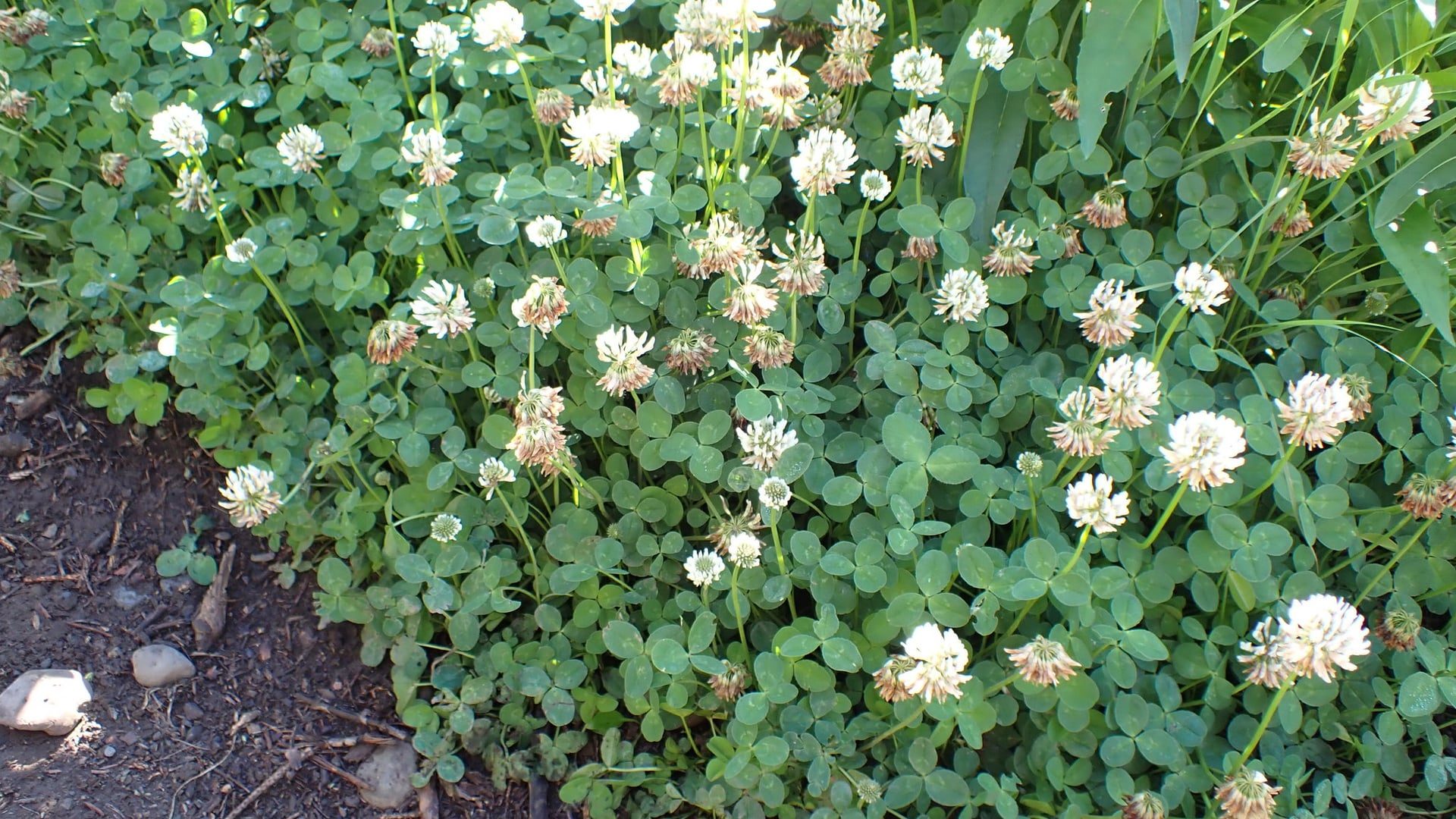
Weed and feed products, like those from Scotts, serve a dual purpose: they deliver nutrients to your lawn (the “feed” part) while simultaneously targeting and killing broadleaf weeds (the “weed” part), such as dandelions, clover, and plantain. The unique advantage of combining these actions is efficiency-one application handles two crucial needs. Scotts has built its reputation on reliable, easy-to-apply granular products that use proprietary herbicide blends for effective weed control, paired with nitrogen-rich fertilizer sources to stimulate healthy, dense grass growth.
Recommended products

Scotts Turf Builder Weed and Feed 3 (5,000 sq. ft.)
Combination weed killer and lawn fertilizer for cool-season lawns.
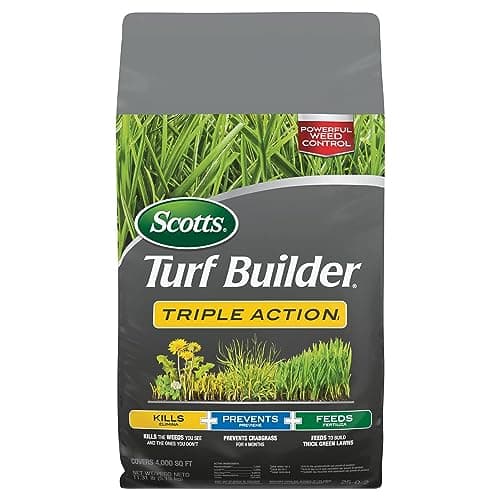
Scotts Turf Builder Triple Action (4,000 sq. ft., 11.31 lb)
Three-in-one product that kills listed broadleaf weeds, prevents crabgrass for up to 4 months, and feeds the lawn.
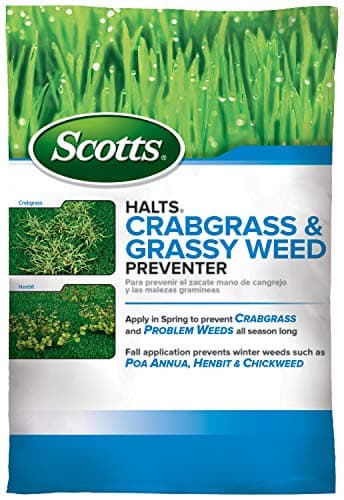
Scotts Halts Crabgrass and Grassy Weed Preventer
Standalone pre-emergent that stops crabgrass and foxtail before they sprout.
Key ingredients in Scotts Weed and Feed formulas typically include a selective herbicide (most commonly 2,4-D, mecoprop, or dicamba) to attack broadleaf weeds without harming turfgrass, and a slow-release nitrogen source to provide sustained feeding over several weeks. The result, when applied correctly, is a greener, thicker lawn with noticeably fewer weeds. Scotts stands out for its product range tailored to different grass types and climates, clear spreader settings, and consistently reliable performance when directions are followed.
Types of Scotts Weed and Feed Products
Choosing the right Scotts product is critical, as not all weed and feed formulas work for every grass type or region. Here’s a summary table of the major Scotts Weed and Feed options, their best use cases, and key selection factors:
| Product Name | Best For | Primary Grass Types | Key Features |
|---|---|---|---|
| Scotts Turf Builder Weed and Feed 3 | Broadleaf weed control + feeding (Cool-Season) | Kentucky Bluegrass, Fescue, Ryegrass | Kills dandelions/clover, feeds for 6 weeks |
| Scotts Turf Builder Southern Triple Action | Weed control + crabgrass prevention (Warm-Season) | Bermuda, Zoysia, St. Augustine, Centipede | Kills weeds, prevents crabgrass, feeds lawn |
| Scotts Turf Builder Triple Action | All-in-one (Cool/Warm-Season Transition) | Most common turfgrasses | Kills weeds, prevents crabgrass, feeds grass |
| Scotts Halts Crabgrass & Grassy Weed Preventer | Pre-emergent only | All major turfgrasses | Prevents new crabgrass, no fertilizer |
Matching the correct product to your lawn starts with grass type identification. Cool-season lawns (Kentucky Bluegrass, Perennial Ryegrass, Fine and Tall Fescue) thrive in the Northeast and Upper Midwest, while warm-season lawns (Bermudagrass, Zoysiagrass, St. Augustine, Centipede, Bahia) dominate in the Southeast and deep South. Using the wrong formula can lead to poor results or even turf damage. For more on matching fertilizers to your grass, see Best Lawn Fertilizers for Every Grass Type.
When to Use Scotts Weed and Feed Throughout the Year
Timing is everything when it comes to weed and feed. The most effective period is when weeds are actively growing, and your lawn is neither dormant nor stressed. For cool-season grasses, this usually means early to mid-spring, after the last frost and once soil temperatures reach at least 55°F. Warm-season lawns are best treated in late spring as soil warms into the 60s and 70s. According to our Regional Climate Data, the Northeast pre-emergent window is March 15 to April 15, while the Southeast window is February 15 to March 15, highlighting the importance of adjusting your schedule by region.
Do not apply weed and feed on dormant lawns, newly seeded or sodded turf (wait at least 6-8 weeks), or when lawns are under drought or heat stress. For persistent issues like crabgrass, consider a standalone pre-emergent like Scotts Halts Crabgrass and Grassy Weed Preventer, applied just as soil temps hit 55°F. For reference, consult our guides on Brown Patch Prevention and How to Kill Crabgrass and Prevent It from Returning for additional disease and weed-specific timing advice.
Free Printable Scotts Weed and Feed Application Guide
Downloadable Printable Checklist & Calendar
Our free printable Scotts Weed and Feed Application Guide includes:
- Step-by-step checklist from preparation through post-application care
- Month-by-month application calendar tailored for cool- and warm-season grass regions
- Dos and don’ts for safe, effective application
- Essential safety reminders around pets, kids, and edible gardens
Use this printable as a master reference-tape it to your garage wall or keep it in your lawn care binder. Before each application, review the checklist, confirm your lawn’s readiness, and record the date, the product used, and any observations. For larger or complex lawns, customize the worksheet with your lawn’s square footage and unique problem spots, ensuring you never lose track of where and when you’ve treated.
Materials, Tools, and Safety Gear Needed
Applying Scotts Weed and Feed successfully requires a short but important list of materials and safety gear:
- Lawn spreader (broadcast, drop, or handheld) - for even application
- Gloves - to prevent skin contact with chemicals
- Eye protection - especially when pouring or handling granules
- Measuring tape or wheel - to verify your lawn’s square footage
- Bucket or scoop - for controlled loading of spreader
- Printable worksheet - for tracking rates and application notes
Each item matters. A properly calibrated spreader prevents streaks and over-application. Gloves and goggles protect you from irritation, especially if wind picks up unexpectedly. Measuring tools ensure you apply the right amount of product-over- or under-dosing is one of the most common causes of poor results. For a full breakdown of must-have gear, see Essential Lawn Care Tools Every Homeowner Needs.
Step-by-Step Scotts Weed and Feed Application Instructions
Preparation: Before You Apply
Preparation is just as important as the application itself. Start by mowing your lawn to the recommended height (typically 2.5-3.5 inches for cool-season grasses, 1.5-2.5 inches for warm-season). Wait one to two days after mowing before applying weed and feed. The lawn should be damp-but not soggy-so water lightly the day before if soil is dry, and avoid application on drought-stressed or saturated grass.
Check the weather forecast: you’ll want at least 24-48 hours of dry weather post-application to allow the herbicide to adhere to weed leaves and work into the soil. Avoid applying if rain is imminent or if wind exceeds 5-10 mph, as this can cause drift and uneven coverage. As a pro tip, I recommend performing a lawn health assessment before fertilizing: walk your yard, look for areas with excessive thatch, compaction, or insect damage, and address those issues first for best results.

Calculating the Right Product Amount for Your Lawn
Accurate measurement is crucial. Start by measuring your lawn’s square footage. Split irregular yards into manageable rectangles or zones, multiply length by width for each, then sum the totals. Most Scotts Weed and Feed products are labeled for coverage, such as “5,000 sq. ft. per bag.”
Once you know your total area, refer to the label for the recommended application rate. For example, if you have 4,000 sq. ft. and your product covers 5,000 sq. ft. per bag, use 80% of the bag. Our printable worksheet includes a quick formula and space to record your math, so you’re never left guessing. Miscalculating area is a leading cause of over- or under-application, which can cause burning or leave weeds untouched.
Spreader Calibration and Setup
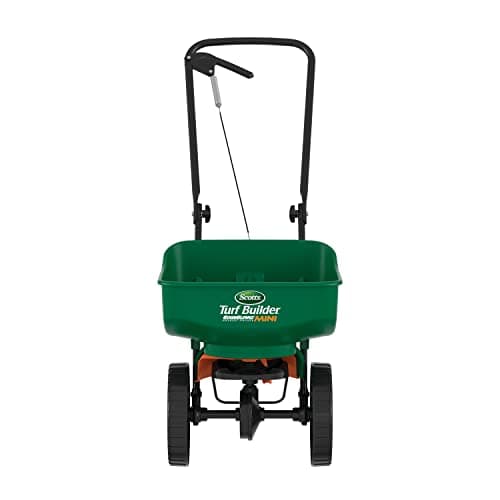
There are three main spreader types:
- Broadcast (rotary) - covers large areas quickly with a wide path
- Drop spreader - offers precise control along edges and small lawns
- Handheld spreader - best for small patches or spot-treatment
To calibrate your spreader, first clean it thoroughly, then consult the Scotts product label for the correct setting (each spreader model has a specific setting number). Run a test pass over a paved area (with a tarp or cardboard beneath) to verify even output. Weigh the collected granules and compare against the recommended amount per 100 sq. ft. If you’re off by more than 10%, adjust the setting and repeat. Always recalibrate if you switch products-different formulations flow at different rates.
Here’s a sample spreader setting chart for common Scotts spreaders and products:
| Product | Scotts EdgeGuard | Scotts Drop | Handheld |
|---|---|---|---|
| Turf Builder Weed and Feed 3 | 3.5 | 6.5 | 3 |
| Turf Builder Triple Action | 4.5 | 7 | 4 |
| Southern Triple Action | 4 | 7.5 | 3 |
Always double-check your specific spreader model and product for updated settings, as these do change over time.
Applying Scotts Weed and Feed: The Process
When you’re ready, fill the spreader on a hard, flat surface (driveway or sidewalk), not on the grass, to avoid accidental spills. Set your spreader to the correct setting and begin along the perimeter of your lawn to create a buffer. Then, cover the center in parallel passes, overlapping each path by a third to ensure even coverage. A north-south, then east-west pattern can help catch missed spots.
Walk at a steady pace-too fast and you’ll under-apply, too slow and you’ll risk burning. Avoid applying during the heat of the day; early morning or evening is best, especially when temperatures are below 85°F. The lawn should be damp (not drenched), which helps granules stick to weed leaves for maximum absorption.
If you’re a visual learner, I recommend watching a reputable demonstration video before your first application. Seeing correct technique can prevent common errors and boost your confidence.
Post-Application Best Practices
After application, wait at least 24 hours before watering your lawn. This allows the herbicide to be absorbed by weed leaves. After this period, water your lawn with about 0.5 to 1 inch of water to help activate the fertilizer. Keep pets and children off the lawn for at least 24-48 hours, or until granules have dissolved and the lawn is dry.
Over the next 2-4 weeks, monitor for signs of weed die-off (weeds yellowing, curling, and disappearing) and grass response (greening and thickening). If weeds persist after three weeks, spot-treat them with a selective herbicide. For more on identifying weed species and removal, see Common Lawn Weeds and How to Remove Them and How to Kill Dandelions in Your Lawn.
Advanced Tips for Maximum Effectiveness
Combining Scotts Weed and Feed with Other Lawn Care Practices
Sequencing matters. Aerate or dethatch before applying weed and feed, not after, so you don’t disrupt the herbicide barrier or spread granules unevenly. If you plan to overseed, wait at least 4-6 weeks after using weed and feed to avoid inhibiting new seed germination. For a full overseeding strategy, see How to Overseed a Lawn for a Thicker Turf.
For compacted or thatchy lawns, address these issues one to two weeks before fertilizing. This allows nutrients and herbicides to penetrate the soil and reach their targets effectively.
Managing Difficult or Persistent Weeds
Some weeds, like wild violets, ground ivy (creeping Charlie), and certain sedges, may not be controlled by standard weed and feed formulas. If you notice these weeds surviving after application, identify them and consider a selective spot treatment with a targeted herbicide. Always wait at least 30 days between full-lawn applications of weed and feed to avoid over-application damage.
Adjust timing if weeds are germinating earlier or later than expected-our Regional Climate Data puts the Upper Midwest pre-emergent window at April 15 to May 15, a full month later than the Southeast, so shift your schedule accordingly in cooler climates.
Regional Adjustments for Different Climates and Grass Types
Warm-season lawns generally benefit from weed and feed applications later in spring, once soil temperatures hold above 60°F. Cool-season lawns should be treated as soon as soil temperatures reach 55°F but before the heat of summer sets in. For high-traffic or shaded areas, reduce application rates slightly and monitor closely for stress symptoms. Sandy soils may require more frequent but lighter feedings to avoid leaching and burning.
Always consult your local extension office for any region-specific recommendations, especially if you have unique soil conditions or an unusual grass blend.
- Purdue Extension recommends applying weed and feed only when weeds are actively growing and soil temperatures are above 55°F, with a waiting period of at least 4-6 weeks between applications to prevent turf injury.
Troubleshooting & Frequently Asked Questions
What to Do if You Over-Apply or Miss a Spot
Signs of over-application include burnt or discolored patches, stunted growth, and visible granules sitting on the surface days after application. If you’ve applied too much, irrigate deeply (1-1.5 inches) to dilute and leach excess product, and avoid reapplying for at least 6-8 weeks. For missed spots (where weeds persist), wait 2-3 weeks, then spot-treat with a selective herbicide or reapply a light dose only to the affected area.
Never attempt to “fix” an over-application by reseeding immediately-allow time for recovery and soil remediation first.

Why Aren’t My Weeds Dying? (Common Causes)
If you don’t see weed die-off within 2-4 weeks, the most likely culprits are incorrect timing (too early or late in the season), application errors (uneven coverage, wrong spreader setting), or resistant weed species. Confirm your application method: check that the lawn was damp, soil temperatures were above 55°F, and that you used the correct rate for your lawn size. For tough cases, perform a confirmation test-flag a 1-square-foot test patch and monitor it daily. If weeds in the test patch die but others don’t, you likely missed spots during application.
Safe Re-entry Times for Children and Pets
Children and pets should be kept off the lawn for at least 24-48 hours after application, or until the lawn is completely dry and granules have dissolved. For extra safety, water the lawn 24 hours after application to speed up granule dissolution. If you maintain an edible garden or pollinator habitat nearby, avoid applying weed and feed within 10 feet of those areas to prevent drift and contamination.
Can I Use Scotts Weed and Feed on New Grass or Sod?
Do not use weed and feed on new seed or sod until the lawn has been mowed at least twice, usually 6-8 weeks after establishment. Herbicides in these products can inhibit root growth and seedling development. For new lawns, use a starter fertilizer instead, and switch to weed and feed only after the lawn is mature and actively growing.
Common Mistakes to Avoid
Most guides overlook a few critical points that can make or break your results with Scotts Weed and Feed. Here’s what I see most often in the field:
Ignoring Regional and Seasonal Guidelines
Applying weed and feed too early or late for your region can render the product ineffective. Our Regional Climate Data puts the Southeast pre-emergent window at February 15 to March 15, while the Upper Midwest window is a full two months later. Check local soil temperatures and your grass type before committing to a date.
Skipping Confirmation Tests
Homeowners often neglect to calibrate their spreader or test product coverage on a small patch before treating the entire lawn. This can lead to uneven results and costly mistakes. Always do a test pass in a low-visibility area first, and adjust if needed.
Over-Application and Misuse Around Pets/Kids
Doubling up on passes or using leftover product “just to use it up” can result in severe turf burn and pose risks to pets and children. Stick to the label rate, and never allow re-entry until the recommended interval has passed.
Misreading Weather and Watering Instructions
Applying just before rain or during drought not only wastes product but can move chemicals into storm drains or cause runoff. Wait for a dry window, and only water after the recommended waiting period post-application.
Conclusion
Following a precise, printable Scotts Weed and Feed application guide and instructions is the single best way to achieve a lush, weed-free lawn this season. Key takeaways include: calibrate your spreader before each use, match your timing to your region and grass type, wait for ideal weather, and never skip safety precautions, especially regarding pets and children. Our printable checklist and calendar put all the steps at your fingertips, helping you stay organized and confident from preparation to post-application care.
I encourage you to download the free printable, revisit our related guides on How Often Should You Fertilize Your Lawn?, The Ultimate Weed Control Guide, and When to Water Your Lawn for Best Results, and share your results or troubleshooting questions in the comments below. If you’re dealing with tricky weeds, patchy grass, or have a unique challenge, don’t hesitate to reach out for diagnostic help or a custom lawn plan. Consistency and attention to detail-guided by real data and proven practices-are what set truly great lawns apart.
Free Lawn Care Tools
Wait at least 2-3 days after applying Scotts Weed and Feed before mowing. This allows the herbicide to fully absorb into weed leaves for maximum effectiveness.
If it rains within 24 hours, some weed control may be lost but the fertilizer will still activate. Avoid application if heavy rain is forecast; light rain after 24 hours is generally fine.
Wait at least 4-6 weeks after using weed and feed before overseeding. The herbicide can prevent new grass seed from germinating and establishing properly.
Yellowing may indicate over-application, drought stress, or underlying disease. Water the lawn deeply, check for other stress factors, and avoid additional fertilizer until the turf recovers.
Apply no more than twice per year, with at least 4-6 weeks between applications. Over-application can damage turf and reduce effectiveness.
Keep children and pets off the lawn for 24-48 hours after application, or until the lawn is dry and granules have dissolved. Always follow label safety instructions.

Your lawn plan, in your pocket all season
Grass ID, a season plan, soil-timed reminders, and a lawn journal that remembers what you did. Free on iPhone.