Best Grass for Busy Families with Kids and Pets
 James ThorntonLawn Equipment & Maintenance Expert | 20 Years
As an Amazon Associate we earn from qualifying purchases.
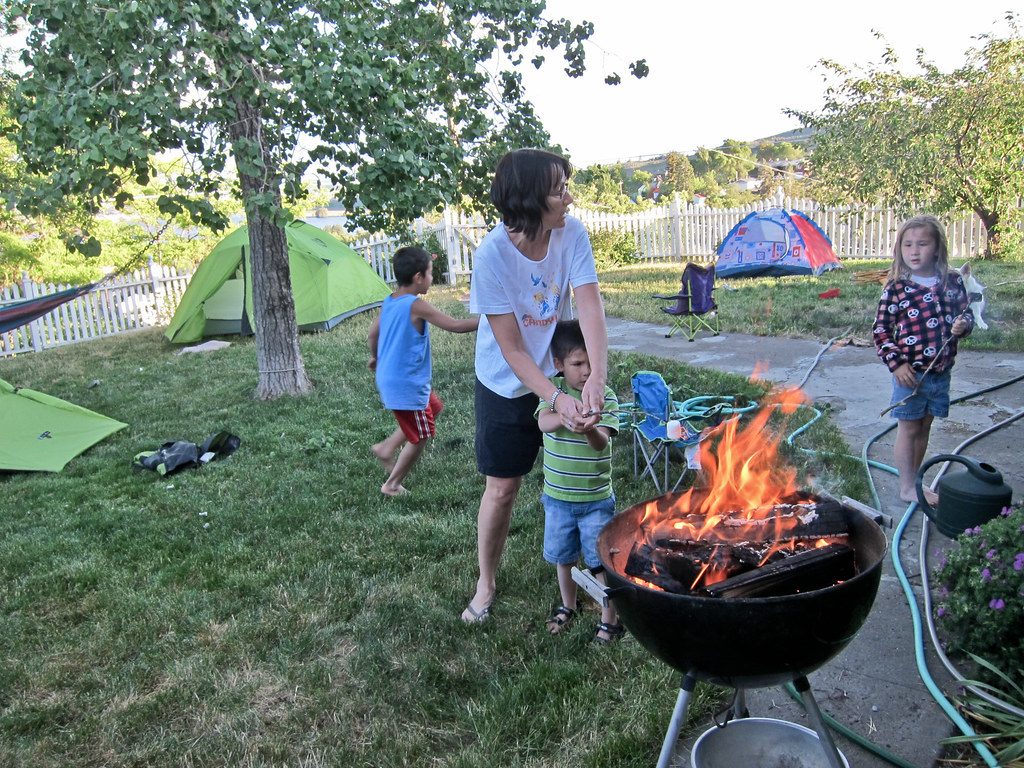
Kids racing across the backyard, dogs tracking muddy paws, family BBQs on the weekends-if this sounds like your household, you know a standard “showcase” lawn isn’t going to cut it. Most grass types look great when you first lay the sod or seed, but put them under the daily stress of soccer games, digging pets, and parents too busy for weekly pampering, and bare patches or muddy ruts soon follow. The right grass isn't just about looks-it's about survival and enjoyment with minimal hassle.
Making a smart grass choice can mean the difference between a green, forgiving play space that bounces back after every roughhousing session, and a patchy, high-maintenance headache. After maintaining thousands of family and pet-heavy lawns, the pattern is clear: resilience, fast recovery, and low input matter most. In this guide, I’ll break down the best grass types for busy families with kids and pets, how to match your lawn to your region and lifestyle, pro installation shortcuts, and the maintenance habits that actually save time and money. Skip the marketing claims-here’s what I’ve seen actually work.
The best grass for busy families with kids and pets is a tough, fast-recovering variety matched to your climate-think hybrid Bermuda, tall fescue, or a bluegrass/rye blend in cooler zones. Confirm your choice by checking your region’s average summer and winter temps, sun exposure, and soil drainage. If you see bare spots forming within a month of regular play, your current grass isn’t holding up and it’s time to reseed or overseed with a more durable species.
Don’t fall for the trap of soft “carpet” grasses that can’t take traffic-prioritize wear tolerance and quick recovery. Avoid overwatering, as it encourages shallow roots and more mud when pets are active. After installation, keep kids and pets off new grass for at least 3-4 weeks (sod) or 5-6 weeks (seed) until roots are established. With the right grass, you’ll spend less time fixing damage and more time enjoying your lawn year-round.
Understanding the Needs of Busy Families, Kids, and Pets
The Unique Demands on a Family Lawn
Family lawns aren’t show gardens-they’re workhorses. Between kids running, bikes skidding, impromptu soccer matches, and pets chasing balls or digging, the average family yard endures more traffic in one week than many ornamental lawns see in a month. This traffic is concentrated in “zones of impact”-like along fences, near patios, or in the dog’s favorite path to the back door. These spots are the first to go bare unless you pick grass that can take a beating.
Pets, especially dogs, add a special layer of stress. Urine burns create yellow patches, digging exposes roots, and constant movement compacts soil, leading to muddy areas after rain. Add in your own time constraints-most busy families want to mow every 10-14 days, not every Saturday, and prefer set-and-forget watering. The right grass must thrive with minimal maintenance and bounce back quickly from damage.
Key Qualities to Look For in Grass
When evaluating the best grass for busy families with kids and pets, prioritize:
- Durability: Can handle repeated foot and paw traffic without thinning out.
- Fast Recovery: Self-repairing or able to regrow quickly after damage.
- Softness: Feels good under bare feet, cushions falls, and won’t scratch paws.
- Disease/Pest Resistance: Less likely to succumb to common lawn diseases or grub infestations.
- Low Maintenance: Requires fewer mowings, less fertilizer, and tolerates some neglect.
- Year-Round Appeal: Either stays green most of the year, or recovers fast in spring after winter dormancy.
Your best option is a grass type-or blend-that checks these boxes for your climate and soil.
Best Types of Grass for Busy Families with Kids and Pets
Let’s break down the top contenders for both warm-season and cool-season regions, plus some alternative options that can work for unique family needs.
Warm-Season Grasses
These grasses grow best in regions where summers are hot and winters are mild. They go dormant (brown) in cooler months but excel at taking abuse during the growing season.
Bermuda Grass: This is the go-to for high-traffic areas in the South. Modern hybrid Bermudas (like TifTuf or Celebration) are bred for even more wear tolerance and quicker recovery than older seed types. Bermuda thrives in full sun, handles sports-level abuse, and recovers rapidly from kids, pets, or mower scalping. Downside: it needs at least 6-8 hours of sun daily and will thin out in shade. It can creep into beds if not edged. For busy families, it’s hard to beat for resilience.
Zoysia Grass: Zoysia forms a thick, dense mat that chokes out weeds and feels soft underfoot. It’s less aggressive than Bermuda but still handles play and moderate pet traffic. Its slow growth means less mowing (every 10-14 days in summer) but also slower recovery from major damage. Some types tolerate partial shade (like Zeon or Emerald), but full sun is best. Zoysia is a favorite in transitional zones for its year-round look and minimal upkeep.
St. Augustine Grass: This is the plush, wide-bladed grass you see in shaded or coastal Southern lawns. It’s soft and tolerates more shade than Bermuda or Zoysia-ideal for yards with big trees. St. Augustine can handle moderate foot traffic but isn’t as tough as Bermuda for constant running or dogs that dig. It’s also more susceptible to chinch bugs and some fungal diseases, so you’ll need to monitor for pests.
Cool-Season Grasses
These grasses thrive in regions with cold winters and warm (but not scorching) summers. They’re green longer into fall and bounce back quickly in spring.
Kentucky Bluegrass: Known for its rich color and self-repairing ability, Kentucky bluegrass spreads by rhizomes, filling in bare spots better than most cool-season options. For busy families, bluegrass blends with added perennial ryegrass or tall fescue give the best mix of durability and recovery. Pure bluegrass needs regular fertilizing and mowing but rewards you with a lush, forgiving surface for play.
Tall Fescue: Modern turf-type tall fescue (not pasture types) is a standout for pet-heavy yards. Its deep roots tolerate drought, and it’s less prone to urine burn than bluegrass or rye. Newer “Rhizomatous” varieties (like RTF) even self-spread for better recovery. Mow tall fescue at 3-4 inches high and it will outcompete most weeds while cushioning falls and roughhousing.
Perennial Ryegrass: Ryegrass is the quickest to germinate-seed can sprout in 5-7 days with proper moisture, making it ideal for overseeding bare spots in high-traffic lawns. It’s used on sports fields for a reason: rapid establishment and a fine, soft texture. The downside is that ryegrass doesn’t spread on its own, so it’s best in blends with bluegrass or fescue for family lawns. Overseed every fall to keep your lawn thick and resilient.
Artificial & Alternative Options
Sometimes, the best grass for busy families with kids and pets isn’t “grass” at all. Here’s what to consider if you want to go ultra-low maintenance or solve special challenges:
Artificial Turf: Modern artificial grass is a far cry from the scratchy plastic mats of decades past. Quality turf offers shock absorption, drainage, and antimicrobial infill to control odors. It’s immune to digging, never needs mowing, and stays green year-round. Downsides: upfront cost ($8-$15 per square foot installed), gets hot in full sun, and needs periodic cleaning to remove pet waste and debris. Great for play areas or dog runs where real grass never survives.
Clover Lawns: White clover, alone or mixed with turf, is gaining popularity with pet owners. Clover resists urine burn, stays green in drought, and rarely needs mowing. It also supports pollinators and fixes its own nitrogen, reducing fertilizer needs. Downsides: doesn’t form a dense “turf” for sports, can stain clothes, and may attract bees in bloom. Works well as a blend for eco-friendly, low-maintenance yards.
Related Options: For areas with extreme drought or shade, look into drought-tolerant lawns (like buffalo grass or fine fescue mixes), or alternatives like microclover, creeping thyme, or even mulch/play chips for dedicated play zones.
How to Choose the Right Grass for Your Region
Matching your grass to your climate, soil, and yard conditions is the real game-changer. Start by confirming if you’re in a warm-season (southern half of the US), cool-season (northern half), or transition zone (roughly the middle third of the country). Warm-season grasses thrive when average soil temps are above 65°F, while cool-season types prefer 55-75°F. Use a soil thermometer or ask your local extension office for regional timing.
Next, assess your soil: clay holds water but can compact easily under foot traffic; sandy soil drains fast but dries out; loam is ideal. A simple soil test kit or screwdriver test reveals compaction and drainage issues. Amend with compost or sand as needed to improve roots and durability.
Sunlight is another non-negotiable. Bermuda and most Zoysias need 6+ hours of direct sun, while St. Augustine, fine fescue, and some bluegrass blends can handle partial shade. For deep shade, consider groundcovers or artificial turf for play areas. The best time to plant grass is early fall for cool-season types and late spring to early summer for warm-season varieties-this gives roots time to establish before stress hits.
- Penn State Extension recommends tall fescue for family lawns in the Northeast due to its deep roots and superior wear tolerance compared to Kentucky bluegrass in heavy-use areas.
Step-by-Step Guide: Selecting and Installing the Best Grass
Step 1: Assessing Your Yard’s Conditions
Before you buy a single bag of seed, take 30 minutes to map your lawn’s sun, soil, and impact zones. Start with a screwdriver test: if you can’t push a screwdriver 6 inches deep into the soil, you likely have compaction-common in play-heavy lawns. Watch your yard over a Saturday: where do the kids and pets spend the most time? Mark these as “zones of impact.”
For soil, use a $15 soil test kit to check pH (ideal is 6.0-7.0 for most grasses) and nutrient levels. Walk your property in the morning, midday, and late afternoon to check sun and shade patterns-take notes so you don’t end up planting sun-loving grass in a shaded area and wondering why it fails.
Step 2: Choosing the Right Species or Blend
For most busy families, a single species rarely covers all needs. Instead, look for blends: for example, a 50/50 mix of Kentucky bluegrass and perennial ryegrass for quick establishment and self-repair, or a tall fescue blend with new rhizomatous varieties for deep roots and patching ability. If your yard has sun and shade, buy a “sun and shade mix”-these typically combine fine fescue, rye, and bluegrass for all-around performance.
Read seed labels carefully: look for NTEP (National Turfgrass Evaluation Program) rated varieties, which have been tested for wear tolerance and disease resistance. For sod, ask your supplier for the grade and variety-avoid “contractor’s mix” sod, which is often low-quality. In large yards, consider blending species by microclimate: tall fescue in sunny, dry areas and fine fescue in shade, for example.
Step 3: Preparing Your Lawn for New Grass
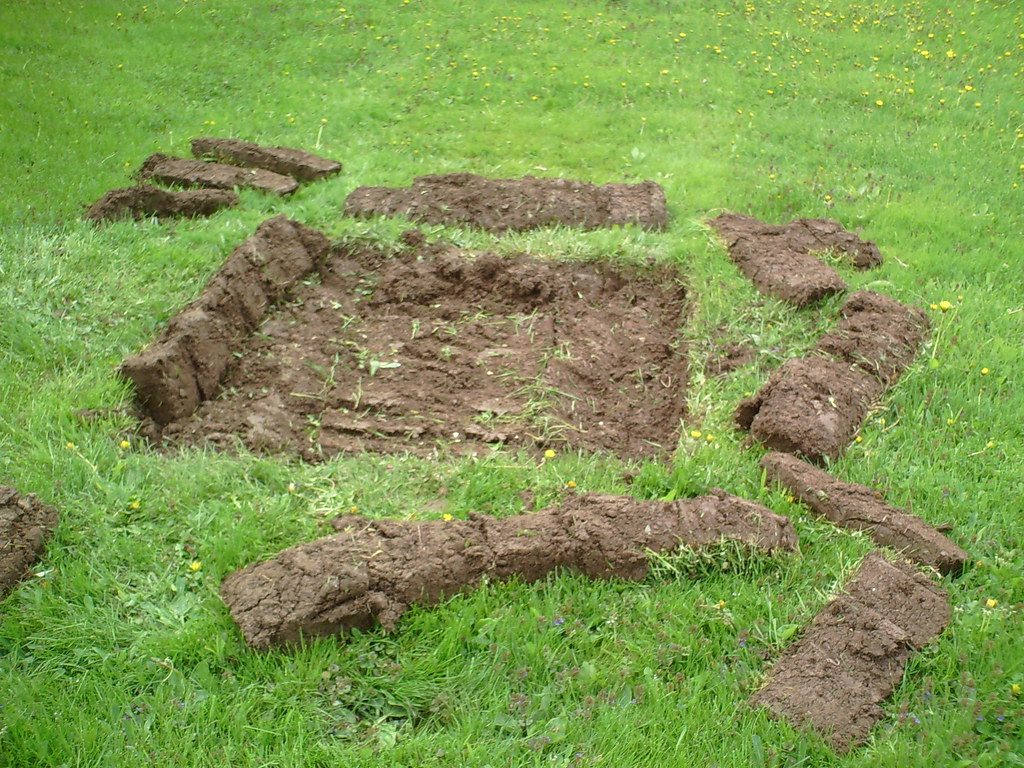
Preparation is what separates a durable family lawn from a patchy one. Remove all weeds and old grass, then till or aerate compacted areas (core aeration is best for heavy clay). Rake to create a smooth, level surface-filling low spots avoids future puddles and muddy dog tracks. If you have pets, consider a wire mesh barrier under new sod in known dig zones, or train dogs to use a dedicated potty area.
Mix in 1-2 inches of compost or peat to boost soil structure. For new seed or sod, apply a starter fertilizer at a rate of 1 pound of nitrogen per 1,000 square feet, unless your soil test says otherwise. Organic amendments like humic acid or mycorrhizal fungi can improve establishment and future resilience-worth trying if you want a truly bulletproof lawn.
Step 4: Planting or Sodding for Maximum Success
Seeding vs. Sodding: Seeding is cheaper and allows for custom blends, but takes longer to establish (3-6 weeks for first mowing, full play in 8-10 weeks). Sodding gives instant coverage and is ready for light use in 3-4 weeks, but costs more and comes in single-species rolls. For a busy family, sodding high-impact zones and seeding the rest is a smart compromise.
When laying sod, stagger seams like brickwork, press edges tightly, and roll with a water-filled roller to ensure good root-soil contact. Water immediately after installation (1/2 inch per session, twice daily for the first week). For seeding, use a broadcast spreader for even coverage, rake lightly, and cover with straw or erosion blanket if you have dogs-this helps prevent digging and seed displacement.
Overseed existing lawns in spring (warm-season) or early fall (cool-season) to thicken turf and repair bare patches. For high-traffic lawns, overseed at double the rate (8-10 pounds per 1,000 square feet for ryegrass) for dense, fast recovery.
Step 5: Early Care for Kids- and Pet-Resistant Lawns
Water new grass daily for the first 10-14 days, then taper to every other day as roots take hold. Soil should stay moist but not soggy-overwatering invites disease and weak roots. Hold off on mowing until grass reaches 3-4 inches high, then cut to no less than 2.5 inches (for most species) to encourage deep rooting.
Keep kids and pets off new grass until roots resist gentle tugging-usually 3-4 weeks for sod, 5-6 weeks for seed. For dogs, create a temporary potty area with mulch or pea gravel until grass is established. If pets do urinate on new grass, flush the spot with a gallon of water within 8 hours to minimize burn risk. Use lightweight, temporary fencing to protect high-traffic zones until the turf is ready for action.
- Ohio State University Extension recommends not allowing heavy play or pet activity on newly seeded lawns for at least 6 weeks, and on new sod for 3-4 weeks, to ensure root establishment and prevent ruts.
Recommended products

Jonathan Green Black Beauty Ultra Grass Seed
A deep rooting tall fescue blend that takes kid and dog traffic in northern yards.

Outsidepride Maya Bermuda Grass Seed
A Blackjack II bermuda blend with the fastest wear recovery of any southern lawn grass.
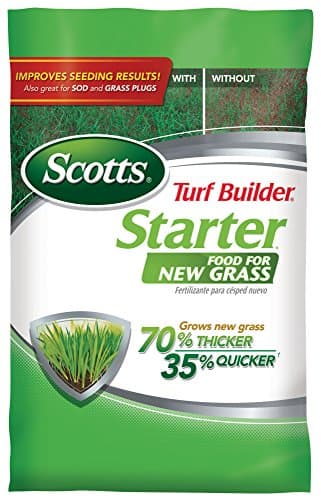
Scotts Turf Builder Starter Food for New Grass
A starter fertilizer that pushes root growth on newly seeded play areas.
Maintenance Tips: Keeping Your Family Lawn Healthy with Minimal Effort
Low-Maintenance Lawn Care Routines
The best grass for busy families with kids and pets should thrive on a set-it-and-forget-it routine. Mow high-3-4 inches for fescue, 2-2.5 inches for Bermuda and Zoysia. Taller grass shades roots, crowds out weeds, and cushions falls. Mulch clippings to recycle nitrogen and reduce the need for extra fertilizer.
Water deeply but infrequently: 1-1.5 inches per week is ideal, applied in 1-2 sessions. Use a rain gauge or tuna can to measure. Early morning is best-watering at night invites fungal disease. If you see footprints that don’t spring back by the next morning, it’s time to water.
Fertilize in early fall (for cool-season) or late spring (for warm-season) at a rate of 1 pound of nitrogen per 1,000 square feet. Avoid quick-release fertilizers that can scorch grass, especially if pets are present. Core aerate compacted areas every fall to keep roots healthy and reduce puddles/mud. Spot-seed bare patches before they get too large-small repairs are much easier than full renovations.
Pet and Kid Damage Repair Strategies
Dog urine causes yellow or brown patches due to nitrogen overload. If you spot a new patch, flush with a gallon of water within 8 hours. For chronic spots, train pets to use a specific area or blend in more urine-tolerant grasses like tall fescue or clover. For digging, reinforce trouble spots with mesh under sod, or create a “dig pit” with sand or mulch as a distraction.
For high-wear paths, overseed twice a year (spring and fall for cool-season, late spring for warm-season) to keep grass thick. For muddy areas, install stepping stones, mulch, or artificial turf as a permanent fix. Don’t be afraid to rope off sections for a week-temporary rest is better than constant repair.
Seasonal Adjustments for Year-Round Play
In cool-season regions, expect some browning in winter-bluegrass and rye bounce back quickly in spring, especially with a light overseed in early fall. In warm-season zones, grasses like Bermuda and Zoysia will go dormant and tan in winter-overseed with annual ryegrass if you want winter green, but skip it if you want fast warm-up in spring.
Spring and fall are the best times for major repairs and feeding. Summer is about maintaining height and watering deeply. In all climates, aerate and fertilize once per year, and keep an eye out for compaction or thatch buildup (over 1/2 inch requires dethatching). For frost-prone areas, keep traffic off frozen turf to avoid crown damage.
What Other Guides Miss
Most lawn guides for families focus on the “softest” or “greenest” grass, but skip the confirmation steps that matter for long-term success. Here’s where they fall short:
- Ignoring Regional Suitability: The softest grass in the catalog may fail in your climate-always confirm with a soil thermometer or local extension office before buying.
- Overlooking Sun/Shade Mismatch: Many guides don’t stress how critical sunlight is-planting Bermuda in a shady yard or St. Augustine in deep sun leads to rapid thinning and frustration.
- Missing Confirmation Tests: Always check for compaction with a screwdriver test, and use a soil test before adding fertilizer. This avoids wasted effort and money on grass that can’t root or is starved for nutrients.
- Safety Around Pets: Some grasses and fertilizers can irritate pets-use pet-safe products and rinse areas after use. Avoid cocoa mulch, which is toxic to dogs.
- Timing Mistakes: Planting seed in midsummer or sod in freezing temps is a recipe for failure; always confirm soil temps and recommended planting windows for your region.
Conclusion: Creating a Lasting Family Lawn
After two decades maintaining high-traffic lawns, my advice is simple: match your grass to your climate and lifestyle, focus on soil prep, and use blends for maximum resilience. Skip the marketing and choose proven varieties-hybrid Bermudas for sunny Southern yards, tall fescue blends for cool-season zones, or even clover mixes for ultra-low maintenance. Always confirm with local extension recommendations and don’t cut corners on preparation.
Ready to take the next step? Check out our guide on overseeding for thick, resilient lawns, or learn more about pet-safe fertilizer options to keep everyone in your family safe and your lawn at its best.
Free Lawn Care Tools
Tall fescue blends (for cool climates) and hybrid Bermuda (for warm climates) are top choices due to their wear tolerance and fast recovery. Always choose a variety suited to your climate and sunlight.
Keep children and pets off new sod for at least 3-4 weeks, and off newly seeded areas for 5-6 weeks, until roots are fully established and grass resists gentle tugging.
Yes, clover mixes well with many turfgrasses. It resists pet urine, needs less mowing, and supports soil health, but does not provide the same dense turf for sports activities.
Flush the spot with a gallon of water within 8 hours of urination to dilute nitrogen. Overseed with urine-tolerant species like tall fescue for long-term reduction of spots.
Plant cool-season grasses in early fall and warm-season grasses in late spring to early summer. This timing allows roots to establish before peak stress from heat or cold.
Modern artificial turf is durable, safe, and low-maintenance, making it a good choice for high-wear play areas or pet runs. It requires periodic cleaning and can get hot in direct sun.

Your lawn plan, in your pocket all season
Grass ID, a season plan, soil-timed reminders, and a lawn journal that remembers what you did. Free on iPhone.