Best Grass Types for Extreme Temperature Swings
 Sarah MitchellLawn Diagnostics Specialist | 12 Years
As an Amazon Associate we earn from qualifying purchases.
Wild temperature swings can turn even a healthy lawn into a patchwork of brown, stressed turf in a matter of weeks. Whether you’re facing blazing summer highs, plunging winter lows, or sudden hot-and-cold spells in spring and fall, the wrong grass choice can mean constant frustration and costly repairs. Most standard grass recommendations simply don’t hold up when the weather refuses to cooperate. Not sure which species is already in your yard? Figure out what grass you have from a photo first.
Having spent over a decade diagnosing lawns from the humid Midwest to the arid Rockies, I’ve seen firsthand that surviving extreme temperature swings requires a different approach. Homeowners and turf managers in unpredictable climates face challenges well beyond “just water more” or “fertilize in spring.” The grass types that thrive here are selected for their unique blend of resilience, adaptability, and recovery power-qualities that aren’t always obvious on the seed bag.
This comprehensive guide will walk you through the best grass types for extreme temperature swings, including what to look for, why certain varieties excel, and how to build a lawn that weathers both heat waves and cold snaps. We’ll cover regional tips, proven cultivars, and step-by-step care strategies so your lawn can stay green and healthy all year long.
If your lawn suffers from brown patches after sudden heatwaves or looks thin after late spring frosts, your grass type likely isn’t equipped for extreme temperature swings. To confirm, check for deep, healthy roots and blade color consistency-shallow roots and variable green usually signal stress from temperature extremes. The fix is to overseed or renovate with proven resilient varieties like tall fescue, heat-tolerant Kentucky bluegrass, or fine fescues, depending on your region and sunlight.
Avoid using generic seed mixes marketed only as “all-purpose” or “quick grow”-these often fail under stress. Instead, choose cultivars bred for both heat and cold resistance, and plant during optimal windows: early fall for cool-season grasses or late spring for warm-season types. With proper soil prep and watering (aim for 1-1.5 inches per week during establishment), you’ll see robust growth within 2-3 weeks and full resilience by the following season.
Understanding Extreme Temperature Swings and Grass Resilience
What Are Extreme Temperature Swings?
Extreme temperature swings refer to rapid or significant changes in air and soil temperatures over short periods-think 90°F afternoons followed by 40°F nights, or a balmy March followed by a surprise April freeze. These events are most common in the so-called “transition zone” (stretching from the central U.S. eastward), continental interiors with little ocean moderation, and arid high-altitude regions where the mercury can swing 40 degrees or more in a day.
Most grass types struggle under these conditions because their physiology is tuned to either sustained warmth or steady cool, but not both. Rapid heat can trigger dormancy or root dieback, while sudden cold can freeze cellular water and damage blades. Even the hardiest lawns may show stress if the swings are severe or frequent enough.
Key Traits of Grass for Extreme Temperature Swings
Surviving unpredictable weather requires grass species and cultivars with several critical traits:
- Heat Tolerance: Ability to maintain photosynthesis and growth during high temperatures.
- Cold and Frost Resistance: Ability to avoid winterkill and recover quickly from freeze events.
- Rapid Recovery: Self-repair after stress or injury is vital-look for spreading or rhizomatous growth habits.
- Deep Root Systems: Roots that reach 6+ inches help buffer against soil temperature shifts and access deep moisture.
- Disease and Pest Resilience: Lawns under stress are vulnerable to fungal outbreaks and insect surges-built-in resistance is a must.
To dive deeper into drought and heat adaptation, see the topic Drought Tolerant Grass Varieties. Understanding why your grass struggles after wild weather helps you prevent the same damage next season, not just patch it after the fact.
Criteria for Choosing the Best Grass Types for Extreme Temperature Swings
Cool-Season vs. Warm-Season Grasses: Pros and Cons
The first decision is whether to plant cool-season grasses (like fescues and bluegrass) or warm-season types (like zoysia or bermuda). Cool-season grasses thrive in spring and fall but can struggle in peak summer heat. Warm-season grasses love summer warmth but may go dormant or suffer damage from sudden cold snaps.
In regions with wild temperature swings-especially the transition zone-hybrid approaches and specialty cultivars often outperform either group alone. Some homeowners blend cool- and warm-season grasses, overseeding with ryegrass for winter color or using improved bermuda that tolerates unexpected chills. For a full comparison, see Cool-Season vs Warm-Season Grasses: Which is Right for You?
Essential Selection Factors
Grass performance under temperature stress isn’t just about species. Consider:
- Soil Type and pH: Some grasses need well-drained, neutral soils; others tolerate clay or alkaline conditions. Test soil pH (target range for most types: 6.0-7.0).
- Sunlight Exposure: Full sun is ideal for most, but fine fescues and certain ryegrasses tolerate partial shade. If your lawn gets less than 4 hours of sun, prioritize shade-tolerant blends (see Best Grass Seed for Shade).
- Water Availability: Drought-prone regions require deeper-rooted or drought-adapted species. Smart irrigation is crucial-aim for 1-1.5 inches per week during establishment and 1 inch per week for maintenance.
- Intended Use: High-traffic lawns (kids, pets, sports) need self-repairing types like Kentucky bluegrass or zoysia. Low-maintenance or ornamental lawns can use slower-growing or native options.
Matching your selection to both your site conditions and use needs is the foundation for long-term success.
Proven Grass Performance: Science & Field Tests
University research trials and extension office recommendations are invaluable for narrowing your options. Look for data from turfgrass variety trials in climates similar to yours. For example, the National Turfgrass Evaluation Program (NTEP) publishes multi-year results for thousands of cultivars, including their performance in heat, cold, drought, and disease resistance.
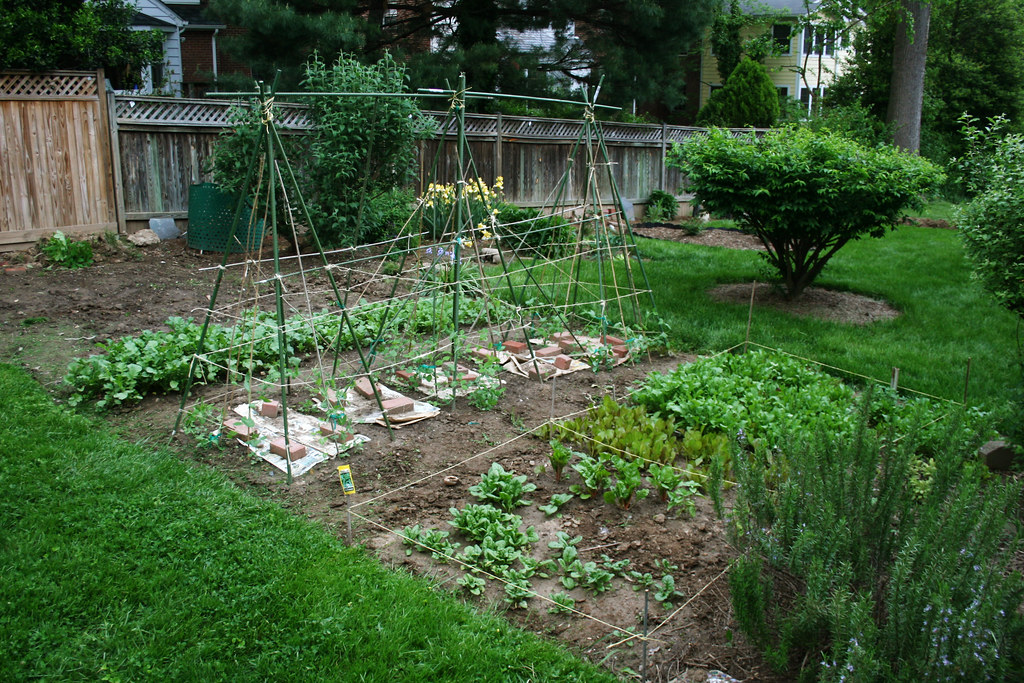
Anecdotal evidence from landscapers or neighbors can help, but always confirm with local data-what thrives in Texas may fail in Colorado’s dry swings. Local extension offices often publish updated lists of recommended turfgrasses, tailored to your region’s unique challenges.
- Purdue University Extension recommends tall fescue blends for Indiana transition zones, citing superior heat and drought tolerance compared to Kentucky bluegrass.
If you’re unsure, ask your extension agent for recent trial data and cultivar recommendations.
Top Grass Types for Extreme Temperature Swings
Tall Fescue
Tall fescue has become a go-to solution in the transition zone and other areas with unpredictable weather. Its deep root system (often 6-12 inches) allows it to access moisture and buffer against both heat spikes and sudden cold. Modern “turf-type” tall fescues have finer blades and better density than older pasture types.
Best cultivars: Look for NTEP-tested blends such as ‘Titan RX’, ‘Rebel IV’, or ‘Rhambler SRP’. Blends outperform single cultivars by providing genetic diversity-helpful when one type struggles with a particular stress.
Advanced care tips: Mow tall fescue at 3-4 inches to encourage deep roots and shade the soil. Fertilize lightly in fall and spring; avoid heavy summer feeding, which can induce disease. Overseed thin spots in early fall when soil temps are 60-70°F for best germination.
Kentucky Bluegrass (Advanced Varieties)
Traditional Kentucky bluegrass is vulnerable to heat and drought, but new cultivars bred for heat tolerance and disease resistance are changing the game. These advanced blends recover quickly from dormancy and wear, thanks to their aggressive rhizomes and ability to fill in bare spots.
Best cultivars: ‘Midnight’, ‘Bewitched’, ‘Bluebank’, and ‘NuGlade’ are top-rated for heat and drought in university trials. Many seed suppliers now offer “heat-tolerant bluegrass” blends specifically for the transition zone.
Overseeding strategies: For maximum durability, combine Kentucky bluegrass with perennial ryegrass or tall fescue. Overseed in early fall or spring, using 2-3 lbs of seed per 1,000 sq ft, to thicken existing turf and increase diversity.
Zoysia Grass
Zoysia is a warm-season species, but it stands out for its ability to handle cold snaps better than bermuda or St. Augustine. Its dense, carpet-like growth and spreading habit allow it to self-repair after frost or heat stress. Zoysia’s slow establishment is its biggest downside, but once mature, it needs less water and resists heat stress exceptionally well.
Pro tips for transition zones: Choose cold-tolerant cultivars like ‘Meyer’ or ‘Zeon’ zoysia, which can handle occasional winter lows in the 0-10°F range. Establish with sod or plugs in late spring when soil temps reach 65°F+. Water deeply (1 inch per week) during the first 2 months, then reduce as roots develop. Mow at 1.5-2 inches for best texture and density.
- NC State Extension notes that ‘Meyer’ zoysia outperforms most other warm-season grasses in North Carolina’s unpredictable spring and fall temperatures.
Perennial Ryegrass (Specialty Blends)
Perennial ryegrass germinates rapidly-often within 5-7 days-making it ideal for quick repairs after heat or cold damage. Specialty blends are bred for both disease resistance and improved heat tolerance, making them suitable for overseeding or as part of a mixed lawn.
Blending benefits: Combining ryegrass with Kentucky bluegrass or tall fescue gives you year-round green and rapid recovery after stress. Use 1-2 lbs per 1,000 sq ft for overseeding in late summer or early fall.
Disease resistance: Look for cultivars rated highly for gray leaf spot and dollar spot resistance in NTEP trials. Avoid generic ryegrass if your region is prone to summer fungal outbreaks.
Bermuda Grass (Cold-Tolerant Varieties)
Bermuda is an aggressive, warm-season grass known for its heat and drought resilience. However, most types go fully dormant when temperatures drop below 55°F. Newer hybrids such as ‘Latitude 36’, ‘Riviera’, and ‘Patriot’ are bred for greater cold tolerance and can remain green later into fall, recovering faster in spring.
Spring/fall management: Plant bermuda when soil temps are 65°F+ (usually late spring). For areas with cool nights, select cold-hardy hybrids. Mow at 1-2 inches, and avoid heavy nitrogen in late summer to reduce winterkill risk. If you want winter green, overseed with ryegrass in early fall.
Fine Fescues (Creeping Red, Chewings, Hard Fescue)
Fine fescues are unmatched for shade and drought, making them ideal for lawns with mixed sun exposure or poor soils. They tolerate both temperature swings and patchy microclimates, especially when blended together.
Blending tips: Use a mix containing creeping red, chewings, and hard fescue to cover sun, shade, and drought-prone spots. These grasses require less fertilizer and mowing (2.5-3 inches is ideal), and are among the most sustainable choices for difficult sites. For a full breakdown, refer to Best Grass Seed for Shade.
Specialty and Native Grasses
In some regions, native and specialty grasses offer unmatched resilience for extreme swings. Buffalograss and blue grama excel in the High Plains and arid West, while wheatgrass varieties handle cold, dry winters in the northern states.
Benefits: These grasses are typically low-input, requiring less water, fertilizer, and mowing. They’re especially suitable for eco-friendly lawns or areas where “perfect” turf isn’t necessary. Some homeowners experiment with custom blends to match their property’s unique microclimates-always test on a small area first, as native grasses may look different from traditional lawns.
If you want a sustainable, low-maintenance option and can accept a more natural look, specialty grasses deserve strong consideration.
How to Establish a Lawn That Withstands Temperature Extremes
Step-by-Step Planting and Renovation Checklist
Building a resilient lawn starts with preparation and timing. Here’s a step-by-step approach I use for both new lawns and renovations:
- Soil Testing and Amendment: Test pH and nutrient levels before planting. Aim for a pH between 6.0 and 7.0; adjust with lime or sulfur as needed. Incorporate compost to improve soil structure and moisture retention.
- Seed/Plug/Sod Selection: Choose certified seed blends or sod from reputable suppliers-avoid bargain brands labeled only as “all-purpose.” For plugs (zoysia, bermuda), source disease-free stock.
- Planting Timing:
- Cool-season grasses: Seed in early fall (soil temps 60-70°F) or late spring in northern climates.
- Warm-season grasses: Plant sod or seed when soil is consistently above 65°F (late spring-early summer).
- Dormant seeding: In regions with cold winters, seed just before the ground freezes-grass will emerge in early spring.
- Watering and Early Care: Keep the top ½ inch of soil moist (not soggy) for the first 2-3 weeks. After germination, water less frequently but deeply (1-1.5 inches per week). Reduce frequency as roots establish.
For granular details on seeding technique, see How to Seed a Lawn: Complete Guide. Proper prep and timing are the most common points of failure I see in struggling lawns.
Pro Tips for Ongoing Maintenance
Once established, a resilient lawn needs maintenance tailored to seasonal temperature swings:
- Mowing: Raise mowing height by ½-1 inch during summer to shade roots and reduce heat stress. For cool-season lawns, mow at 3-4 inches in summer; for warm-season, 1-2 inches is typical.
- Fertilization: Focus on fall and early spring feedings for cool-season grasses, and late spring for warm-season types. Avoid heavy summer fertilization, which can trigger disease during heat stress. A typical rate for cool-season lawns is 1 lb nitrogen per 1,000 sq ft per application.
- Smart Irrigation: Water deeply and infrequently-aim for 1 inch per week, adjusting for rainfall. Early morning is best to reduce evaporation and disease risk.
- Aeration: Core aerate compacted soils in fall (cool-season) or late spring (warm-season) to help roots penetrate deeper and buffer against rapid temperature swings.
Adjust these practices each season based on weather forecasts and observed lawn health. A key threshold: if you notice footprints or mower tracks that don’t spring back within an hour, your lawn is stressed and may need more water or a higher mowing height.
Recommended products
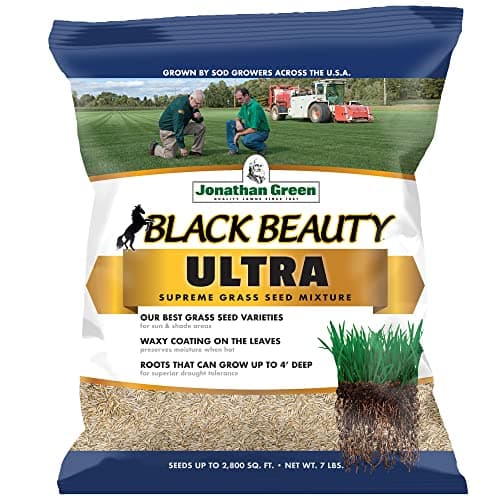
Jonathan Green Black Beauty Ultra Grass Seed (7 lb)
A deep-rooting tall fescue blend with bluegrass and ryegrass for fast cover.
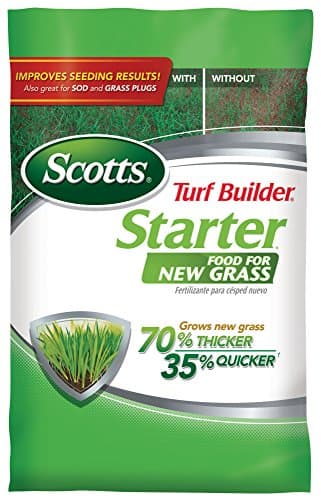
Scotts Turf Builder Starter Food for New Grass
A starter fertilizer that pushes root growth through the first six weeks.

MySoil Soil Test Kit
A mail-in test that returns pH and nutrient levels for your actual yard.
Common Mistakes to Avoid
Most competing guides skip over several critical details that can make or break your lawn during temperature swings:
- Wrong Planting Window: Seeding or sodding outside the optimal temperature window (soil too hot or cold) results in poor establishment and weak roots. Always check soil temperature with a probe thermometer-don’t rely on air temps alone.
- Ignoring Soil pH and Fertility: Many homeowners skip the soil test, leading to chronic stress and poor grass performance. If you see yellowing despite watering, test pH before adding fertilizer.
- Misreading Dormancy vs. Death: Brown patches after a heatwave may be dormant, not dead. Confirm by tugging on the grass-if roots resist, it’s likely alive. Water and wait 10-14 days to see if green returns before reseeding.
Understanding why a problem occurs-rather than just reacting-puts you ahead of almost every “quick fix” guide out there.

Conclusion: Building Your Resilient Lawn
Surviving wild temperature swings is possible with the right grass choice, careful soil prep, and seasonally adjusted care. Whether you’re renovating a tired lawn or starting from scratch, focus on proven, adaptable varieties like tall fescue, heat-tolerant Kentucky bluegrass, or zoysia for the best odds of year-round health. Back your selection with a soil test, plant in the right season, and maintain proper mowing and irrigation habits. If you’re unsure which type is best for your specific conditions, check out the Complete Guide to Cool‑Season Grass Types or Complete Guide to Warm‑Season Grass Types for a deeper comparison.
Look for seed or sod labeled with university trial ratings and region-specific recommendations. With a diagnostic approach and persistence, your lawn can thrive even when the weather won’t cooperate.
Free Lawn Care Tools
Tall fescue and advanced Kentucky bluegrass blends are top choices for unpredictable climates. Zoysia is also highly resilient, especially in transition zones. Choose based on your region's dominant weather patterns and soil type.
Look for symptoms like browning, slow recovery after mowing, and shallow roots. Confirm by checking if grass pulls up easily (dead) or resists (likely dormant). Test soil moisture and temperature for more clues.
For cool-season grasses, early fall (when soil is 60–70°F) is ideal. For warm-season types, plant in late spring once soil temperatures are consistently above 65°F. Avoid mid-summer and late winter seeding.
Yes, blending tall fescue, Kentucky bluegrass, and perennial ryegrass can improve year-round durability and recovery. Use certified seed mixes tested for your region for best results.
Keep soil consistently moist (not soggy) for the first 2–3 weeks after seeding or sodding. Aim for 1–1.5 inches of water per week, adjusting for rainfall and temperature.
With proper soil prep and care, you should see robust new growth within 2–3 weeks of planting. Full resilience to temperature swings develops by the following growing season.

Your lawn plan, in your pocket all season
Grass ID, a season plan, soil-timed reminders, and a lawn journal that remembers what you did. Free on iPhone.