Best Grass for High Traffic Areas: 6 Toughest Types for Kids, Pets and Sports
 Sarah MitchellLawn Diagnostics Specialist | 12 Years
As an Amazon Associate we earn from qualifying purchases.
Fast answer: The best grass for high traffic areas depends on your climate. In cool northern lawns, plant a Kentucky bluegrass and perennial ryegrass blend, since bluegrass self-repairs through rhizomes while ryegrass covers fast. In warm southern lawns, bermuda grass recovers from wear the fastest. In the transition zone, turf-type tall fescue handles heat plus foot traffic best.
If your yard is the go-to place for kids, dogs, and backyard games, you probably know the pain of bare spots, mud, and thin, trampled turf. Paths to the gate turn into dirt strips, goal-mouths never stay green, and that dog run starts to look more like a dust bowl than a lawn. The problem is not just “bad luck.” It is that most lawns are not planned or planted with high-traffic use in mind. For full references, see the Kentucky Bluegrass guide and the Bermudagrass guide.
High-traffic means any area that gets regular, repeated foot or paw pressure. That includes play areas, sports zones, pet paths, side yards used as shortcuts, event spaces, and front lawns where everyone cuts across instead of using the sidewalk. These spaces need durable grass with true wear resistance and quick recovery, not just any generic grass seed from the bargain bin.
In this guide, you will learn which grass types stand up best to traffic in different climates, how to match grass to sun, shade, and soil, and when to choose seed, sod, or alternatives. You will also learn practical maintenance habits that keep high traffic grass dense and healthy for the long term. Along the way, you will see how durable grass traits differ between regions and how to avoid the most common homeowner mistakes.
Best Grass for Foot Traffic by Region (Quick Reference)
If you want a one-line answer for your climate, here is the best grass for heavy foot traffic by region:
| Region | Best Grass for Foot Traffic | Why It Works |
|---|---|---|
| Cool / Northern | Kentucky bluegrass + perennial ryegrass blend | Kentucky bluegrass self-repairs through rhizomes; ryegrass germinates in 5 to 7 days for fast cover and adds wear resistance. |
| Transition Zone | Turf-type tall fescue (RTF varieties) | Roots reach 3+ feet to handle summer heat; dense canopy resists wear from kids, dogs, and play. |
| Warm / Southern | Bermuda grass | Aggressive stolon and rhizome growth recovers from divots and pet paths fastest in full sun. |
Skim the regional pick that matches you, then read on for sun, soil, and seed-vs-sod details specific to your situation.
Best Grass for Heavy Traffic: The 6 Toughest Types at a Glance
If you only read one section of this guide, this is it. Two traits decide the best grass for heavy traffic, and they are not the same thing: wear resistance is how well the turf holds up while it is being trampled, and recovery speed is how fast it repairs the damage afterward. Plenty of tough-looking grasses only score well on one. Six grass types stand out for high-traffic durability across U.S. climates. Compare wear resistance, recovery speed, and shade tolerance below; detailed profiles follow further down the page.
| Grass | Climate | Wear Resistance | Recovery Speed | Shade Tolerance | Best For |
|---|---|---|---|---|---|
| Kentucky Bluegrass | Cool | Excellent | Excellent (rhizomes) | Light | Northern sports and play yards in full sun |
| Perennial Ryegrass | Cool | Very good | Fair (bunch type) | Light | Fast overseed of worn cool-season lawns |
| Turf-Type Tall Fescue | Cool / Transition | Very good | Fair | Moderate | Transition-zone yards with hot summers and heavier soils |
| Bermuda | Warm | Excellent | Excellent (stolons + rhizomes) | Poor | Sunny southern yards, sports fields, dog runs |
| Zoysia | Warm | Excellent | Moderate | Light | Dense southern lawns wanting fewer mows per year |
| Hybrid Bermuda / Seashore Paspalum | Warm / Coastal | Excellent | Excellent | Poor | Athletic-grade turf, coastal yards, salty soils |
Cool-climate yards should focus on a Kentucky bluegrass and perennial ryegrass blend. Warm-climate yards default to Bermuda or Zoysia. Transition-zone yards lean on turf-type tall fescue for the best heat-plus-traffic compromise. The full profile of each grass, including establishment tips, is in the sections below.
Best Cool‑Season Grasses for High‑Traffic Areas
Kentucky Bluegrass: The Gold Standard for Wear Resistance
In cool-season regions, Kentucky bluegrass is often considered the gold standard for high-traffic lawns. It forms a dense, carpet-like surface that looks great and feels firm underfoot. Its main advantage is a strong network of rhizomes, which are underground stems that help the grass spread laterally and repair damage naturally.
When a cleat tears a divot or a dog skids to a stop, those rhizomes send up new shoots to fill the gap. That self-repair ability is why Kentucky bluegrass is common in sports fields and parks across cooler climates. It also has excellent wear resistance, especially when maintained at a moderate mowing height and kept well fed.
The tradeoffs are that Kentucky bluegrass can be slower to germinate than some other cool-season grasses and it prefers full sun. It tolerates light shade but thins out in dense tree cover. It also needs consistent watering in hot summers. In many home lawns, it is blended with faster establishing species like perennial ryegrass to get both quick cover and long-term durability.
Perennial Ryegrass: Quick Cover and High Wear Tolerance
Perennial ryegrass is another strong option for high-traffic cool-season lawns, especially where you want quick results. It germinates and establishes rapidly, often within 5 to 10 days in good conditions. That makes it perfect for overseeding beaten-up lawns, along pet paths, or on fields that need quick turnaround between seasons.
Perennial ryegrass has very good wear tolerance because it forms tough, fibrous crowns and a dense shoot system. Athletes often describe it as “grippy,” which helps in sports settings. Unlike Kentucky bluegrass, it is a bunch-type grass, so it does not spread underground. That means it relies more on overseeding and proper maintenance to keep bare spots from expanding.
In home lawns, perennial ryegrass shines in mixes. A common strategy is a blend of Kentucky bluegrass for rhizome-based recovery and perennial ryegrass for fast establishment and immediate durability. This combination handles moderate to heavy traffic in many northern yards, especially in sunny or lightly shaded areas.
Turf‑Type Tall Fescue: Deep Roots and Traffic Toughness
Turf-type tall fescue is a favorite in the transition zone and parts of the North where summers get hot and water can be limited. It is known for its very deep root system, often reaching several feet into the soil when conditions allow. Those roots give tall fescue excellent drought tolerance and good resilience against moderate to heavy traffic.
Modern turf-type tall fescue varieties have much finer texture and better density than older pasture types. They form sturdy clumps with many tillers, which stand up well to play and pets. While tall fescue is primarily a bunch grass, some varieties have short rhizomes that add a little spreading ability.
For homeowners, a tall fescue lawn can be a great “low fuss” high traffic option. It does well in full sun and tolerates partial shade better than Kentucky bluegrass. It also handles slightly poorer soils and irregular watering better than many cool-season grasses. Overseeding every couple of years in heavy-use zones keeps the stand thick and improves wear resistance further.
Best Warm‑Season Grasses for High‑Traffic Areas
Bermuda Grass: Sports Field Toughness for Southern Lawns
In warm-season regions, Bermuda grass is often the top choice for high-traffic areas. It is used on professional sports fields, golf course fairways, and public parks throughout the South for one main reason: it is extremely durable. Bermuda spreads aggressively through both stolons and rhizomes, which creates a tight, resilient turf surface.
This growth habit lets Bermuda grass recover quickly from divots, skid marks, and pet wear. It thrives in full sun and loves heat, so summer games do not faze it. For homeowners, Bermuda can create a very tough, fine-textured lawn that stands up to kids, dog runs, and backyard sports, as long as you give it enough light.
Bermuda does have some drawbacks. It performs poorly in shade and will thin significantly under trees or between buildings. It also requires regular mowing in the growing season and can be invasive into beds and sidewalks if edges are not maintained. If you are in a warm climate and have a sunny, high-traffic yard, it is hard to beat for pure wear resistance.
Zoysia Grass: Dense, Cushioned, and Wear Resistant
Zoysia grass is another strong warm-season choice for durable lawns. It forms an extremely dense, almost carpet-like turf that feels cushioned underfoot. That density is part of what makes it a very wear resistant grass. Traffic is distributed across more blades and shoots, so each individual plant experiences less stress.
Zoysia spreads by stolons and, in some varieties, short rhizomes. It tends to grow more slowly than Bermuda, which means less frequent mowing but also slower recovery from major damage. For most home lawns with moderate to heavy use, this is not a problem, especially if you avoid concentrated traffic in the same exact spots.
Compared to Bermuda, Zoysia tolerates light shade better and handles a range of soil types well. It can be an excellent option in warm-season regions where you want a high-quality, durable grass that still looks somewhat formal and dense. Just be patient with establishment, especially from seed, and focus traffic on designated areas while it fills in.
Hybrid and Specialty Warm‑Season Options
In the transition zone and parts of the South, hybrid bermudas and improved zoysia varieties were bred specifically for athletic fields and high-traffic lawns. These hybrids often combine fine texture, strong stolon and rhizome growth, and enhanced cold tolerance. They are commonly installed as sod so you get an instant, tough surface.
Some warm-season regions also use seashore paspalum or hardy St. Augustine cultivars in challenging environments, such as coastal areas or shaded high-traffic yards. Each has its own pros and cons related to shade tolerance, salt tolerance, and maintenance level. For detailed comparisons, the Complete Guide to Warm-Season Grass Types is a helpful resource.
Best Grass for Foot Traffic: Toughest Picks Ranked by Foot Traffic Tolerance
When people search for the best grass for foot traffic, they usually want one thing: turf that survives constant walking, running, and play without thinning into bare dirt. Foot traffic tolerance comes down to three traits working together, which are wear resistance, recovery speed, and resistance to soil compaction. The toughest grass for a lawn is the one that pairs all three with your climate, not a single magic species.
Here is how the toughest grasses rank for raw foot traffic tolerance. In warm climates, bermuda grass recovers the fastest of any common turf, which is why it carries the heaviest play and pet traffic on southern fields. Zoysia is nearly as wear resistant and feels denser underfoot, though it repairs more slowly. In cool climates, Kentucky bluegrass is the toughest self-repairing grass because its rhizomes knit damaged spots back together, and it pairs well with perennial ryegrass for quick cover. Turf-type tall fescue is the toughest bunch-type grass, with deep roots that keep it standing through heat and steady foot traffic, even in part shade. Match the grass to your climate first, then fine-tune for sun and soil. For lawns that also take heavy paw traffic, see pet-friendly grass options, and if you are torn between two cool-season picks, compare Kentucky bluegrass vs tall fescue.
Best Fescue Sod for High-Traffic Areas
If you want a tough cool-season lawn without waiting out a seeding window, fescue sod is a popular high-traffic shortcut. The best fescue sod for high-traffic areas is turf-type tall fescue, ideally a rhizomatous tall fescue (RTF) variety. It installs as an instant, usable surface, roots deeply within a few weeks, and brings strong wear tolerance from its dense canopy and deep root system. The short rhizomes in RTF varieties add a little self-repair on top of the deep roots, which standard bunch-type fescue lacks. Keep heavy traffic off fresh sod until it has rooted firmly, usually 2 to 4 weeks, then mow on the higher end, around 3 to 4 inches, for the best foot traffic tolerance. Local sod farms vary by region, so ask your supplier or your local extension office which RTF blend performs best in your climate.
Best Grass Seed for High-Traffic Areas: Top Blends Worth Buying
Once you know which species fits your climate, the next step is buying a seed blend bred for wear tolerance and fast recovery, not a generic bargain-bin mix. Here are four proven picks that match the regional recommendations above.
| Seed Blend | Climate | Why It Holds Up to Traffic | Price |
|---|---|---|---|
| Jacklin Seed by Barenbrug Heisman Mix (85% Kentucky Bluegrass, 15% Perennial Ryegrass) | Cool / Northern | Bluegrass rhizomes self-repair worn spots while the ryegrass fraction germinates fast for quick cover. | ~$39 |
| Outsidepride Fireball & Hattrick Rye Grass Seed Blend | Cool / Overseed | Tough, wear-tolerant perennial ryegrass that establishes in 5 to 10 days, ideal for patching beaten-up cool-season lawns. | ~$30 |
| Jonathan Green Black Beauty Ultra Grass Seed | Cool / Transition | Tall-fescue-based blend with deep roots for heat and drought, the best compromise for transition-zone yards. | ~$37 |
| Outsidepride Maya (Blackjack II) Bermuda Grass Seed | Warm / Southern | Fine-textured bermuda that spreads by stolons and rhizomes to recover fast from divots and pet paths in full sun. | ~$45 |
Match the blend to your region first, then follow the seeding-rate and timing tips in the profiles above for the best establishment.
Understanding “High‑Traffic” Lawns
Types of Traffic and How They Affect Your Lawn
Not all foot traffic is equal. When lawn pros talk about “traffic load,” we usually think in three levels. Light traffic is simple, like occasional walking to take out the trash or mow. Most grasses can handle this with basic care.
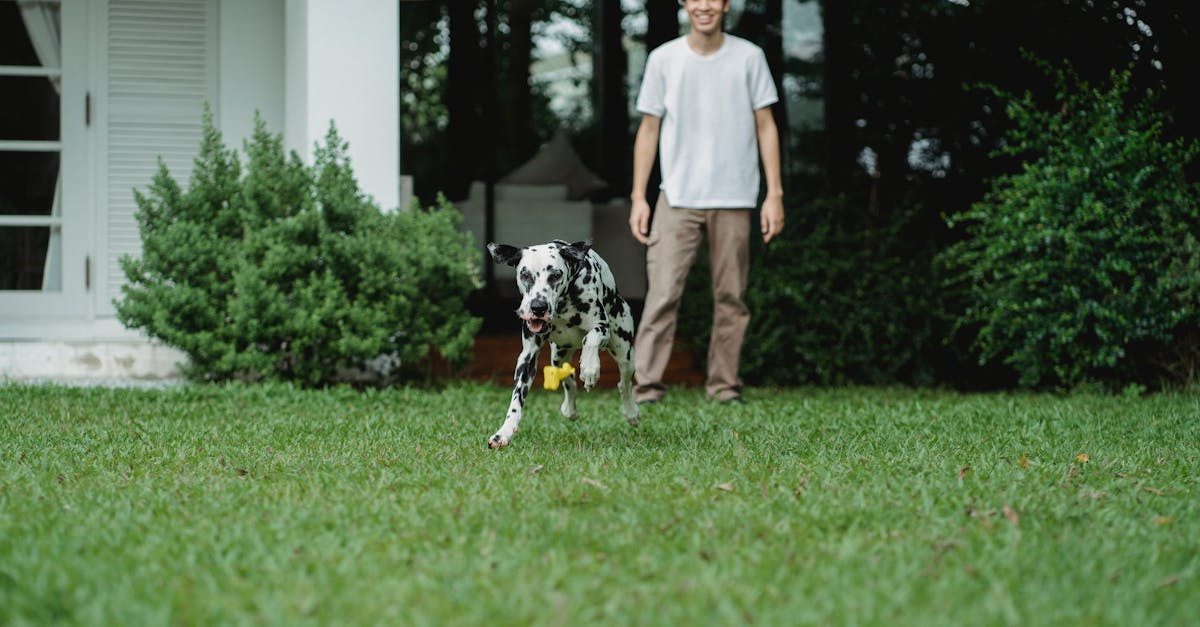
Moderate traffic covers yards where kids play several times a week, dogs chase toys, or you host backyard cookouts on weekends. Here, the turf gets pressed, twisted, and scuffed regularly. Heavy traffic is a different world. That includes sports areas, dog runs, well-worn paths across the lawn, and commercial or rental properties with constant use.
Every step on your lawn causes mechanical damage. Blades are crushed, sheaths are torn, and crowns can be bruised. Pivoting, like a soccer turn or a dog racing around a corner, tears turf and exposes soil. Repeated traffic also compacts soil, which reduces pore space, limits oxygen, and makes root growth harder. That combination is why some lawns turn to mud while others hold together.
Lawns in high-traffic zones need grass that brings three traits together: strong wear resistance, fast recovery or regrowth, and tolerance to compaction and relatively close mowing. Without all three, even the best looking lawn will thin out once the games begin.
Key Traits of a Wear Resistant Grass
Wear resistant grass is not about a single “super plant,” it is about growth habit. The most durable grasses share several traits:
- Dense tillering - plants produce many shoots per crown, which creates a thick stand that can absorb abuse.
- Rhizomes and stolons - underground stems (rhizomes) and above-ground runners (stolons) allow grass to spread and fill in divots and bare spots on its own.
- Deep or fibrous roots - strong roots help plants survive compaction, heat, and short-term drought, all of which are common in trampled areas.
- Fast germination and establishment - for seeded lawns, quick establishment means you get a usable surface sooner and repair damage faster.
In cool-season lawns, like those in northern climates, wear resistant grass often relies on dense tillering and rhizomes. In warm-season lawns, common in the South, stolons and aggressive lateral growth tend to dominate. If you want more detail on these differences, see the Complete Guide to Cool-Season Grass Types and the Complete Guide to Warm-Season Grass Types.
Step 1: Know Your Climate & Grass Zone
Cool‑Season vs Warm‑Season Regions
Before you decide which high traffic grass to plant, you must know your climate zone. Cool-season regions cover the northern U.S. and similar climates where winters are cold and summers are warm but not extreme. Cool-season grasses thrive when temperatures are between about 60 and 75 degrees, and they stay green into fall.
Warm-season regions include the southern U.S. and areas with hot summers and mild winters. Warm-season grasses love temperatures from about 80 to 95 degrees, go dormant and brown in colder weather, and wake up again in late spring.
The tricky “transition zone” runs through the middle of the country, where summers are hot and winters are still cold. Neither classic cool-season nor pure warm-season grass is perfectly happy all year there. In that band, grass selection for high-traffic areas often requires hybrids, mixed lawns, or careful compromise. For a deep comparison of your options, check the Complete Guide to Cool-Season Grass Types and the Complete Guide to Warm-Season Grass Types.
Why Matching Grass to Climate Matters More Than Anything Else
You can buy the most durable grass blend on the shelf, but if it is the wrong type for your climate, it will still struggle. When grass lives outside its temperature comfort zone, it burns energy just to survive, rather than to thicken, root, and repair wear damage.
Cool-season grasses pushed too far south often thin out in summer heat, making high-traffic areas go patchy and weak. Warm-season grasses planted too far north may not green up early enough in spring and can suffer winter kill, especially in open, compacted areas.
A simple rule of thumb helps most homeowners:
- In northern climates, choose mostly cool-season grasses for high-traffic zones.
- In southern climates, choose mostly warm-season grasses designed for athletic or heavy-use turf.
- In the transition zone, use blends or hybrid varieties that tolerate both heat and cold, and accept that some seasonal color change is normal.
Once you match the grass type to your climate, you can fine tune your choice for traffic, sun, and soil.
Step 2: Evaluate Sun, Shade, and Soil Conditions
Sun and Shade Patterns
Sun exposure is one of the most overlooked factors in choosing durable grass. Full sun areas, with 6 or more hours of direct light, give grass plenty of energy to recover from traffic. Many of the toughest high traffic grass types, like Kentucky bluegrass and Bermuda grass, perform best in full sun.
Partial shade, with 3 to 6 hours of sun or dappled light, is more challenging but still workable. You often need a mix or blend that includes more shade-tolerant species. Heavy shade, with less than 3 hours of direct light, is where many homeowners lose the battle. Grass uses light to repair itself, so when you combine shade with heavy use, recovery slows almost to a stop.
If you have a shady play area under trees or between buildings, you may need to compromise. Thinner turf, reduced traffic, or even alternative surfaces might be better than constantly reseeding. For more detailed grass options in tough lighting, see Best Grass Types for Shade and Best Grass Types for Full Sun.
Soil Type, Drainage, and Compaction
Soil is the foundation that allows high traffic grass to root, anchor, and bounce back. Heavy clay soils compact easily under foot traffic, which squeezes out air and water. Poor drainage leads to soggy surfaces, muddy spots, and shallow roots. Sandy soils drain quickly but can dry out fast, stressing the turf between watering.
You can perform a simple “screwdriver test” to assess compaction. After a rain or irrigation, try pushing a long screwdriver into the soil. If it stops after an inch or two, your soil is compacted. Also watch how long puddles sit after a rainfall. Water that lingers for hours signals drainage problems that will magnify wear damage.
Even the best wear resistant grass will struggle if roots cannot penetrate the soil. Before planting, loosen compacted areas, add organic matter if needed, and grade for positive drainage. Over time, plan for regular core aeration in heavy-use zones. These steps let your chosen grass type use its natural durability to full effect.
Seed vs Sod vs Alternatives for High‑Traffic Areas
When to Choose Grass Seed
Grass seed is usually the most affordable way to establish a durable lawn in high-traffic zones. It also gives you access to high-performance blends that combine species for better wear resistance. Seed is ideal when you have time for establishment and can control traffic for several weeks.
For high-traffic areas, choose quality seed mixes rated for “play,” “sports,” or “heavy use.” These blends often include Kentucky bluegrass and perennial ryegrass in cool climates or aggressive Bermuda and tall fescue combinations in warmer climates. Follow seeding rates carefully and protect new seedlings from heavy use until they have been mowed two or three times.
When Sod Is Worth the Investment
Sod is more expensive upfront, but it gives you an instant, usable surface and a uniform stand of durable grass. For dog runs, side yard paths, or event lawns where you cannot afford a long establishment period, sod is often worth it.
Choose sod varieties that match your region and are marketed for sports or high-traffic use. After installation, keep all heavy traffic off the sod until it has rooted firmly into the soil, typically 2 to 4 weeks. Even then, gradually increase use so roots have time to deepen before full play or pet pressure returns.
When to Consider Non‑Grass Solutions
Some spots are simply too harsh for any grass to stay lush. Constant dog pacing along a fence, fully shaded side yards with hard clay, or narrow paths that everyone uses daily may never hold turf well, no matter which durable grass you choose.
In those cases, consider alternatives for part of the area. Options include mulch paths, pavers with grass joints, gravel, artificial turf in dog runs, or stepping stones set into the lawn. By relieving the worst wear zones, you protect the surrounding grass and reduce ongoing repair work.
Maintenance Tips to Keep High‑Traffic Grass Lush
Mowing, Watering, and Fertilizing for Durability
Once you have the right grass type in place, smart maintenance is what turns “tough” into “nearly indestructible.” Mowing height is a key lever. In general, keep high traffic grass on the higher end of the recommended range for your species. Taller grass has deeper roots and more leaf area for recovery.
Never remove more than one-third of the blade at a time. Sudden scalping weakens turf and makes it much more vulnerable to wear. For watering, aim for deep, infrequent irrigation that encourages roots to grow down, not stay shallow. Most lawns do well with about 1 inch of water per week, including rainfall, adjusted for heat and soil type.
Fertilization should support steady, not explosive, growth. Over fertilizing leads to soft, lush blades that can actually wear more easily under traffic. Follow regional guidelines, and consider a soil test to fine tune your nutrient plan. Healthy, well-fed turf recovers from traffic faster and resists disease, which is common in compacted, damp spots.
Aeration, Overseeding, and Traffic Management
For high-traffic lawns, core aeration is not optional, it is essential. Pulling plugs once or twice a year, especially in compacted zones, restores air and water flow to the root zone. This encourages deeper rooting and reduces puddling. It also prepares the surface for overseeding in cool-season lawns.
Overseeding worn areas each fall in cool climates, or each late summer and fall in very heavy-use yards, keeps the stand thick and helps new, improved varieties enter your lawn. In warm-season lawns, spot seeding or plugging can refresh damage, while warm-season overseeding with ryegrass can maintain cover in winter sports areas.
Finally, manage traffic patterns where possible. Rotate goal areas, move dog runs periodically, or shift play equipment a few feet each season. Simple changes like adding a stepping stone path where people naturally walk can protect the turf and keep your durable grass looking good for years.
Conclusion
High-traffic lawns do not have to mean bare dirt, mud, and frustration. When you match your grass type to your climate, sun, and soil, then choose species with proven wear resistance and recovery, your yard can handle almost anything your family throws at it. Kentucky bluegrass, perennial ryegrass, and turf-type tall fescue lead the way in cool regions, while Bermuda and Zoysia dominate in warm climates.
Combine smart establishment, whether seed or sod, with good mowing, watering, and regular aeration, and your lawn will stay thick even in play areas, dog paths, and busy front yards. If you are unsure what you currently have, How to Identify Your Grass Type by Look & Feel can help you start from a solid baseline. From there, explore the Complete Guide to Cool-Season Grass Types, the Complete Guide to Warm-Season Grass Types, Best Grass Types for Shade, and Best Grass Types for Full Sun to refine your choices. With the right durable grass and a simple care plan, your high-traffic lawn can look great and stay tough season after season.
Top Picks

As an Amazon Associate we earn from qualifying purchases.
Free Lawn Care Tools
The best grass for heavy traffic depends on your climate. In warm-season regions, bermuda grass is the top pick because it pairs excellent wear resistance with the fastest recovery, spreading by stolons and rhizomes to repair damage within days. In cool-season regions, a Kentucky bluegrass and perennial ryegrass blend wins: bluegrass self-repairs through rhizomes while ryegrass adds quick cover and grip. In the transition zone, turf-type tall fescue is the most durable choice thanks to its deep roots.
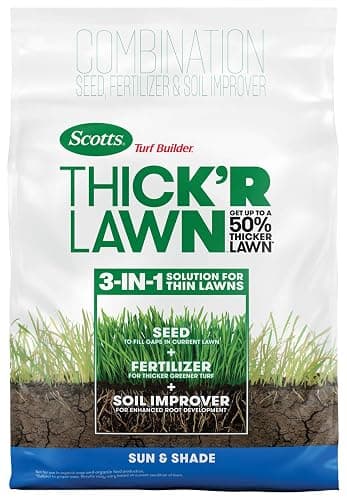
For high traffic areas, the best grass seed depends on your climate. In northern regions, look for a tested blend of Kentucky bluegrass and perennial ryegrass. The bluegrass spreads through rhizomes to repair worn spots, and ryegrass germinates in 5 to 7 days for fast cover. Pre-blended options like Scotts Turf Builder Sun & Shade, Pennington Smart Seed, and Jonathan Green Black Beauty Heavy Traffic are formulated for this exact use. In the transition zone, choose a turf-type tall fescue blend that includes rhizomatous tall fescue (RTF) varieties for deeper roots and self-repairing density. Warm-season grasses are mostly established from sod or sprigs rather than seed, but common bermuda grass seed is the fastest seed route for southern high-traffic lawns. Seed cool-season grasses in early fall and warm-season grasses in late spring once soils hit 65°F.
Yes. Tall fescue sod handles high traffic areas very well, especially turf-type and rhizomatous tall fescue (RTF) varieties. Modern turf-type tall fescue has finer blades and higher density than older pasture types, and you start with a mature, dense stand instead of vulnerable seedlings. Its deep roots stand up to heat and steady foot traffic. Its one weakness is slow self-repair, so choose RTF or a fescue-bluegrass blend, keep heavy use off it for 2 to 4 weeks while it roots, mow at 3 to 4 inches, and overseed worn lanes each fall.
Bermuda is the toughest of the three under heavy traffic and recovers fastest from wear, which is why sports fields use it across the South. Zoysia is nearly as wear-resistant and feels denser underfoot, but it repairs damage more slowly. Tall fescue is the pick for cool climates and part shade: it does not self-repair like the other two, but its deep roots keep it green and standing through heat and steady foot traffic.
Good high-traffic grass combines strong wear resistance, fast recovery, and tolerance to compaction and close mowing. The best performers have dense tillering, rhizomes or stolons that let them spread, and deep or fibrous roots that handle heat and short-term drought. When these traits come together, the lawn can absorb abuse and still stay thick and green.
Light traffic is occasional use, such as walking to take out the trash or mowing, and most grasses handle it with basic care. Moderate traffic includes yards where kids play a few times a week, dogs chase toys, or you host weekend cookouts, so the turf gets pressed and scuffed regularly. Heavy traffic covers sports areas, dog runs, shortcut paths, and busy rental or commercial lawns that see constant use and stress.
Every step crushes blades, tears sheaths, and can bruise the crown of the plant. Turning, pivoting, and sliding, like during sports or when dogs race around corners, tear turf and expose soil. Repeated use also compacts the soil, reducing pore space, limiting oxygen, and making it harder for roots to grow, which leads to thinning and bare spots. Lawns that turn to mud in high-traffic zones usually pair that compaction with grass that lacks dense tillering, spreading rhizomes or stolons, and strong roots, so the surface breaks down into bare dirt instead of repairing itself.
Cool-season grasses grow best when temperatures are around 60 to 75°F, stay green into fall, and suit northern regions with cold winters and moderate summers. Warm-season grasses prefer 80 to 95°F, go dormant and brown in cold weather, and are ideal for southern climates with hot summers and mild winters. Using the wrong type in your region forces the grass to spend energy just surviving instead of thickening, rooting, and repairing traffic damage. In the middle transition zone, conditions are mixed, so high-traffic lawns often rely on blends, hybrids, or carefully chosen compromises.
The best grass for dogs and high foot traffic combines wear tolerance with fast recovery. In northern climates, Kentucky bluegrass is the gold standard for dog-friendly lawns because it self-repairs through rhizomes, and a blend with perennial ryegrass speeds up establishment. In southern climates, bermuda grass is extremely durable and bounces back from dog runs as long as it gets full sun. Zoysia is another strong warm-season option with a dense, cushioned surface that feels softer on paws. Rotate play and potty zones when possible so no single patch gets hammered daily.
For busy families, match grass to your climate first. In the North, a cool-season blend of Kentucky bluegrass, perennial ryegrass, and fine fescue gives you fast establishment and long-term self-repair. In the transition zone, turf-type tall fescue is often the easiest choice because its deep roots handle summer heat and its density resists wear. In the South, bermuda or zoysia sod delivers an instant, tough surface. For lawns that already struggle with wear, core aerate once a year and overseed in fall (cool-season) or spring (warm-season) to keep the turf thick.
When a lawn needs to handle both heavy foot traffic and shade, the cool-season options pull ahead. Fine fescue blends (creeping red, hard, and chewings fescue) tolerate light shade better than Kentucky bluegrass, and pairing fine fescue with turf-type tall fescue gives you both shade tolerance and the deep roots that resist wear. In southern climates with tree shade, St. Augustine grass (Palmetto or Seville cultivars specifically) handles 4 to 6 hours of filtered light and moderate traffic. Avoid bermuda grass in shade since it thins quickly under tree canopy. If shade is heavy (under 3 to 4 hours of direct sun), no grass type holds up to traffic for long, and stepping stones or mulched paths through the worn zones are usually the better answer.
Parkways (the strip between sidewalk and street) and play areas have different demands than the rest of the lawn. Parkways deal with road salt, dog stops, and limited irrigation, so durable, low-input grasses win. In cool climates, turf-type tall fescue holds up best to salt and drought. In warm climates, bermuda grass tolerates the heat and salt of street-side conditions. For play areas, prioritize wear recovery and softness underfoot. A Kentucky bluegrass and perennial ryegrass blend in the North gives you a classic, springy surface that knits damaged spots back together within a few weeks, and zoysia grass in the South offers a dense, cushioned playing surface. Rotate play zones across the season when you can so no single patch absorbs all the wear.

Beat weeds and brown spots from your phone
Snap a photo, get the fix, and follow a plan timed to your soil and weather. Free on iPhone.