California Winter Lawn Care Checklist (Dec–Mar): Mow, Water, Fertilize
 James ThorntonLawn Equipment & Maintenance Expert | 20 Years
As an Amazon Associate we earn from qualifying purchases.
Wondering what to actually do to a California lawn in winter? The short answer: keep mowing cool-season grass at 2.5 to 3.5 inches, cut watering back 50 to 80 percent, hold nitrogen on dormant Bermuda, and stay ahead of cool-season weeds. How aggressively you do each one depends on where you live. Coastal lawns keep growing slowly all winter, inland valley lawns deal with frost and fog, and mountain lawns go fully dormant under real cold. This guide walks through the tasks step by step for each region.
Patchy winter color in a California lawn signals one of three conditions: cool-season grass slowing but still active, warm-season turf in true dormancy, or underlying stress that will carry into spring. Correctly diagnosing which situation you have is the foundation of effective winter lawn care basics in California.
California winters differ from much of the country. Instead of deep freezes and snow cover, you see cool, wet coastal conditions, chilly inland nights with fog, variable rainfall, and large differences between Northern, Southern, coastal, inland, desert, and mountain regions. These microclimates mean a single national “lawn care 101” checklist does not fit California lawns.
Winter lawn maintenance matters even when the grass looks dormant or “dead.” According to University of California Agriculture and Natural Resources (UC ANR), root growth in many turf types continues at soil temperatures above about 40 to 45 degrees Fahrenheit, even when top growth slows. The period from December through March sets the stage for how dense, healthy, and weed free your lawn will be next spring.
Two myths cause most winter damage in California lawns:
- “Grass does not grow in winter, so you can ignore it.” In California, cool-season grasses keep growing slowly, and even dormant warm-season lawns still need water management and protection.
- “California lawns do not need winter prep because there is no snow.” Frost, winter rain, compaction, and cool-season weeds cause more long-term damage here than snow does in many colder states.
This expert guide covers lawn care basics tailored to California’s winter. You will see how to:
- Understand how different California winter patterns affect lawn maintenance.
- Identify your grass type and microclimate and use that knowledge to set realistic winter goals.
- Adjust mowing, watering, fertilizing, and weed control from December through March.
- Protect warm-season lawns during dormancy and keep cool-season lawns dense and green.
- Apply specific steps for coastal, inland valley, Southern California, desert, and mountain regions.
If you are new to grass care, you can pair this with broader resources such as How to Start a Lawn from Scratch, Essential Lawn Care Tools Every Homeowner Needs, and How to Create a Lawn Maintenance Schedule for a complete yearly plan.
To effectively care for your California lawn this winter, first diagnose your grass type and regional climate. Cool-season grasses like tall fescue may slow down but stay active, while warm-season types like Bermuda go dormant. Verify by checking soil temperature; if it's above 40°F, root growth continues even if the top seems inactive.
For optimal results, adjust your lawn care routine accordingly. Mow your cool-season grass to about 2-3 inches and water every 2-3 weeks, depending on rainfall. Fertilize with a balanced winter formula in early December to support root health. Expect your efforts to set the stage for a lush, weed-free lawn come spring.
Understanding California Winters and Your Lawn
How California Winter Climate Affects Lawn Care
Effective winter lawn maintenance in California starts with the climate patterns in your specific region. The state’s size and varied topography create distinct winter behaviors that determine water needs, disease pressure, and grass growth.
Coastal California (San Diego, Los Angeles basin, Bay Area, coastal Central Coast)
Coastal winters are usually cool and wet with minimal frost near the immediate coast. Daytime highs often sit in the 55 to 65 degree range, with nighttime lows in the 40s. This temperature pattern keeps cool-season grasses (like tall fescue and ryegrass) growing slowly all winter. Soils rarely freeze, and frequent storms saturate the root zone.
In these areas, winter lawn maintenance focuses on:
- Preventing waterlogging and disease after heavy rain.
- Reducing mowing frequency but maintaining a stable cutting height.
- Controlling cool-season annual weeds that thrive in moist soils.
Inland Valleys (Central Valley, inland Southern California suburbs)
Inland valleys experience colder nights and more frequent frost, with daytime highs still comfortable most days. Dense fog in regions like the Central Valley keeps turf surfaces cool and moist for long periods, raising fungal disease risk.
Key implications for grass care include:
- Cool-season turf grows slower and may thin in shaded or consistently foggy spots.
- Occasional hard frosts stress warm-season grasses, especially in low spots where cold air settles.
- Soil compaction from winter traffic on moist ground becomes a primary issue.
Southern California (coastal-inland mix, plus Santa Ana wind events)
Southern California winters are generally mild but can alternate between cool, damp periods and warm, very dry episodes during Santa Ana winds. According to UC ANR, these dry winds sharply increase evapotranspiration, which means the lawn loses water quickly even in winter.
Winter lawn maintenance here requires:
- Fine tuning irrigation through the rainy season, then raising runtime during extended dry, windy spells.
- Protecting shallow-rooted or newly seeded lawns from desiccation during Santa Ana events.
- Managing both cool-season growth (in overseeded lawns) and warm-season dormancy for Bermuda or St. Augustine bases.
Northern California and Foothills
These regions receive more frequent and sometimes heavier rain, with occasional hard frost. In foothill communities, cold air can pool in valleys, causing more severe overnight freezing than coastal or valley floor locations.
The main concerns here are:
- Soil saturation and poor drainage in clay heavy soils.
- Winter kill of marginal warm-season grasses in unusually cold years.
- Snow or ice in higher elevations that flatten turf and increase disease risk as it melts.
Across all these regions, winter temperatures slow top growth, but they rarely stop it entirely for cool-season turf. Warm-season grasses enter dormancy or semi dormancy when soil temperatures drop below about 55 degrees, which typically occurs by late fall in most interior regions and later or not at all in the warmest coastal microclimates.
Cool-Season vs Warm-Season Grasses in California
Lawn care basics always start with grass identification because cool-season and warm-season grasses respond very differently to winter conditions.
Cool-season grasses grow best between about 60 and 75 degrees. In California, common cool-season lawn grasses include:
- Tall fescue: The most common residential grass in many parts of California. Broad blades, deep roots, good drought tolerance compared to other cool-season species.
- Perennial ryegrass: Fine textured and dark green, often used for winter overseeding of Bermuda lawns in Southern California to keep them green.
- Kentucky bluegrass: Used in cooler, higher elevation, or coastal Northern California lawns, often in blends with ryegrass or fescue.
These grasses keep growing slowly in winter when daytime temperatures remain above about 50 degrees and soils do not freeze. They stay greener through winter than warm-season grasses but may thin in shade or under stress.
Warm-season grasses grow best between about 80 and 95 degrees. They dominate hotter inland and Southern California lawns, especially where water is relatively available and summer heat is intense. Common warm-season grasses include:
- Bermuda (common and hybrid): Very drought and heat tolerant, goes fully dormant and brown in most inland areas in winter.
- St. Augustine: Coarse textured, shade tolerant, used in coastal and warm inland areas, often turns purple-brown or straw colored in cold snaps.
- Zoysia: Dense, slow-growing, good wear tolerance, also browns in winter in most inland climates.
- Kikuyu: Aggressive, drought tolerant grass in some coastal and Southern California regions.
In winter, warm-season species enter dormancy or semi dormancy. Browning across the lawn typically indicates dormancy, not death, as long as the turf is uniform and not patchy. According to Texas A&M AgriLife Extension turf publications, bermudagrass survives winter reliably when soil temperatures remain above about 20 to 25 degrees, a threshold that most low elevation California landscapes stay well above.
How to tell which type you have
Identification is step one before you decide on mowing height, winter fertilization, or overseeding. Look at three traits:
- Texture and blade width: Tall fescue blades are medium to wide and upright. Bermuda blades are fine and often have visible runners (stolons) on the soil surface. St. Augustine has very wide, coarse blades and thick stolons.
- Growth pattern: Cool-season grasses tend to form clumps or dense sod without visible runners. Warm-season grasses frequently spread through stolons and sometimes rhizomes, so you see above ground creeping stems.
- Color changes in winter: If your entire lawn turns tan or straw colored when nights get cold, and then greens back up quickly when soil warms, it is almost certainly warm-season. If it stays green, though a bit duller, it is cool-season or an overseeded warm-season lawn.
Correct identification prevents missteps such as applying high nitrogen to dormant Bermuda in January, which provides no benefit and can leach into groundwater. It also informs whether you consider winter overseeding for appearance in Southern California, or instead focus on protecting a dormant warm-season base in cooler regions.
Assessing Your Microclimate and Soil
Two lawns on the same street can perform very differently in winter due to microclimate and soil. Understanding both is essential for accurate winter lawn maintenance decisions.
How to identify your microclimate
Start with your regional climate zone:
- Use USDA Hardiness Zones or Sunset climate zones to understand typical winter low temperatures and frost patterns.
- Observe your own property: where frost lingers longest, which spots warm up first, and where fog or shade slows drying.
Simple indicators include:
- Frost frequency and duration: If frost is visible more than 20 to 30 mornings each winter and persists past 9 or 10 a.m., your lawn experiences more stress than a near-coastal site with only a few light frosts.
- Shade vs full sun in winter: The sun sits lower in the sky, so winter shade patterns differ from summer. Areas shaded by houses or tall trees stay cooler and wetter, which favors moss and certain winter weeds.
- Wind exposure: Open, windy sites dry quickly. Sheltered courtyards stay moist longer. This matters for winter irrigation and disease management.
Soil’s role in winter grass care
Soil type controls drainage and compaction, which are critical in the rainy months. In many inland valleys, soils are clay heavy and fine textured. According to UC ANR and NRCS data, these soils often have low infiltration rates when compacted, which means water ponds after storms. Coastal areas and some desert regions have more sandy or decomposed granite soils that drain quickly.
Compacted clay soils remain saturated after rain, which reduces oxygen to roots and encourages fungal disease. In contrast, very sandy soils may drain so quickly that lawns dry out even in winter if rainfall is low or irregular.
Quick DIY soil checks
You can evaluate soil and drainage with two simple tests.
- Screwdriver test for compaction: After a normal irrigation or rain, push a long screwdriver or similar tool into the soil. If it penetrates easily 6 inches or more, compaction is minimal. If it stops at 1 to 2 inches or requires heavy force, the soil is compacted and will benefit from aeration in the appropriate season.
- Percolation test for drainage: Dig a hole about 12 inches deep and 6 inches wide. Fill it with water and let it drain completely. Refill, then time how long it takes the second filling to drain. If water drops more than 1 inch per hour, drainage is good. Less than 0.25 inches per hour signals poor drainage and high waterlogging risk in winter.
Also watch your lawn after winter storms. Persistent puddles 24 to 48 hours after rain indicate compacted or poorly graded areas that need attention in your overall lawn maintenance plan.
Step 1: Winter Lawn Inspection and Goal Setting
Pre-Winter Lawn Health Check (Late Fall / Early Winter)
A systematic inspection in late fall or early winter identifies issues you can address during the cooler season when grass is under less heat stress. This fits well with the diagnostic approach taught in guides like How to Tell if Your Lawn is Healthy.
Walk your lawn and inspect the following:
Thatch layer thickness
Thatch is the layer of dead and living stems, roots, and organic debris between soil and green blades. According to Kansas State University Extension, thatch thicker than about 0.5 inch begins to interfere with water infiltration and root development in most turf types. Cut a small wedge of turf 3 to 4 inches deep. Measure the brown spongy layer. If it exceeds half an inch, plan on dethatching or power raking in the proper season (usually late spring for warm-season, fall for cool-season) rather than winter, but note it now.
Bare spots and thin areas
Look for areas where soil shows through or density is much lower than the rest of the lawn. Thin patches signal traffic compaction, shade stress, pet damage, or irrigation coverage issues. Mark these areas for targeted overseeding or soil correction during the appropriate window, often late winter or early spring for cool-season grasses in California.
Weed pressure
Identify winter annual weeds such as annual bluegrass (Poa annua), chickweed, and shepherd’s purse, as well as perennial weeds like dandelion or clover. Winter annuals germinate when soil cools in fall, so by mid winter they are already established. Early detection in November to January allows for more effective pre emergent or selective post emergent control.
Signs of disease
Look for circular patches, slimy or moldy growth, and unusual discoloration. In cool, wet California winters, you may see:
- Brown patch on cool-season lawns, particularly during mild wet spells.
- Snow mold like symptoms in higher elevations or where leaf piles sit over turf.
- Rust or leaf spot diseases in shaded, slow drying areas.
Extension research from Penn State and NC State emphasizes that poor drainage and high thatch increase winter disease incidence, so your soil and thatch observations tie directly into disease risk.
Irrigation coverage and components
Run your sprinkler system briefly, even in winter. Check for clogged nozzles, tilted or broken heads, and mismatched spray patterns that leave dry streaks or overspray onto hardscape. Note any leaking valves or constantly damp spots around heads. This inspection supports both winter water savings and better performance in the growing season.
Take photos and notes of all these findings. A simple map of your yard with marked problem zones lets you track improvements over the season and coordinate with a professional if you seek a lawn analysis.
Setting Your Winter Lawn Care Goals
Once you understand your grass type, microclimate, and current lawn health, set specific winter goals. These guide your decisions so you do not perform unnecessary tasks or apply products that do not fit your situation.
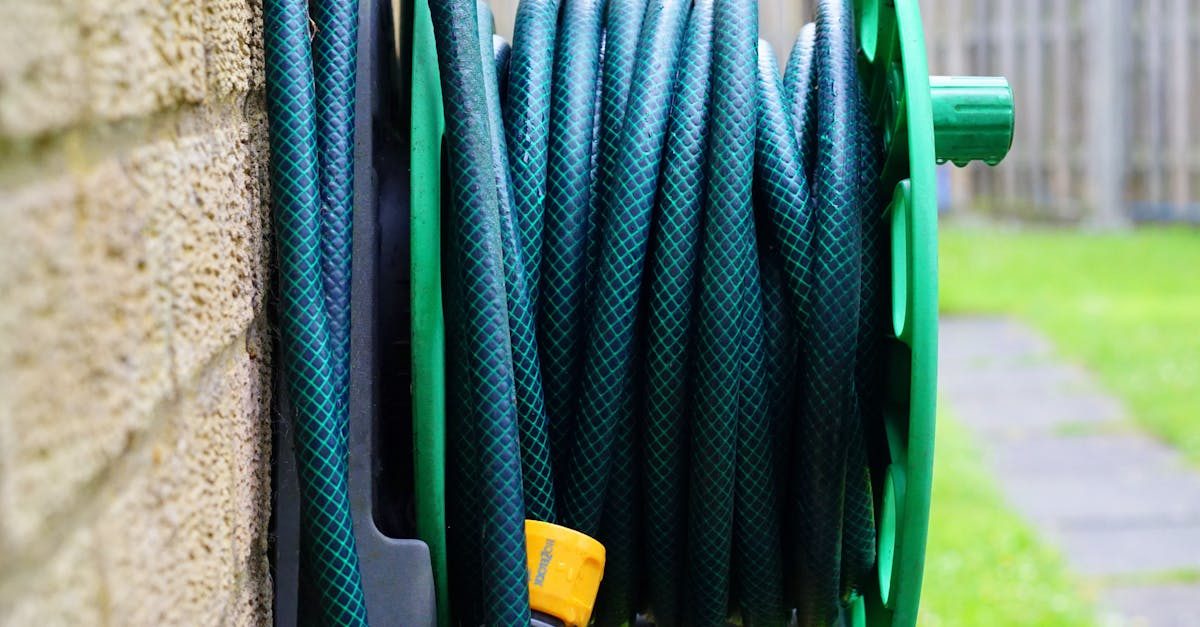
Common winter lawn goals in California include:
1. Maintain green, dense cool-season turf all winter
This goal suits many coastal and inland valley homeowners with tall fescue or ryegrass lawns. Your focus is:
- Balanced winter fertilization at moderate rates.
- Adjusted mowing height and frequency for cool weather.
- Targeted weed and disease control where necessary.
- Efficient watering so turf stays healthy without waste.
2. Protect warm-season lawns through dormancy
For Bermuda, St. Augustine, Zoysia, or Kikuyu lawns in cooler regions, the winter objective shifts to root and crown protection rather than top growth. Key actions include:
- Preventing excessive traffic on saturated or frost covered turf.
- Providing minimal but adequate irrigation in dry winters.
- Avoiding high nitrogen applications that encourage weak late growth.
- Planning for spring green-up support with fertilization and weed prevention.
3. Reduce water use without stressing the lawn
Across California, water efficiency is critical. Winter offers an opportunity to save water while maintaining lawn health. Goals may include:
- Using seasonal adjustment features or manually reducing irrigation runtimes by 50 to 80 percent compared to summer, depending on rainfall.
- Turning irrigation off after significant storms and relying on soil moisture, then reactivating only when the soil profile dries.
- Correcting runoff and overspray to hardscape.
4. Prepare for a strong spring green-up
This integrated goal ensures winter work pays off later. It includes:
- Addressing drainage and compaction issues so roots can expand in spring.
- Controlling winter weeds before they set seed.
- Planning fertilization timing as soil temperatures reach about 55 degrees in late winter or early spring.
Align lawn maintenance goals with how you use your yard. A low maintenance lawn for a rental property might prioritize water savings and basic weed control. A high appearance front lawn in a homeowners association might justify winter overseeding and more proactive mowing. Pets and kids using the lawn in winter require attention to wear tolerance and mud control, especially in high traffic routes.
Step 2: Winter Mowing and Lawn Maintenance Basics
Adjusting Mowing Height and Frequency in Winter
Mowing remains part of winter lawn care basics in much of California, especially for cool-season turf. The general rule of lawn care 101 is: higher mowing in summer heat, and moderate, stable height in cool seasons.
Mowing cool-season lawns in winter
For tall fescue, ryegrass, and Kentucky bluegrass lawns:
- Maintain a mowing height between about 2.5 and 3.5 inches. Taller blades provide more leaf area for photosynthesis in low sun angles, encourage deeper roots, and shade out winter weeds.
- Reduce mowing frequency as growth slows. In many regions, mowing every 2 to 3 weeks, or even monthly, is sufficient from December to February. The rule from Purdue University Extension to “never remove more than one third of the blade at a time” still applies.
- Keep mower blades sharp. Dull blades shred slower growing winter turf and create brown tips that invite disease.
Do not scalp cool-season turf low heading into winter. Removing too much leaf tissue at once stresses the lawn and reduces its ability to resist cold and disease.
So how long should your lawn be for winter? In California, the simple answer is 2.5 to 3.5 inches for cool-season grass, leaning toward 3 to 3.5 inches in frosty inland areas. There is no need to cut short "for winter" the way some cold-climate guides suggest, since our grass keeps photosynthesizing through the season.
Mowing warm-season lawns in winter
Once Bermuda or other warm-season lawns enter dormancy and stop growing, regular mowing largely pauses. However, there are still a few considerations:
- If you overseeded a Bermuda lawn with ryegrass for winter color, mow the ryegrass at about 1.5 to 2.5 inches, depending on your mower and desired look, and follow cool-season mowing guidelines for that overseeded canopy.
- Do not scalp dormant warm-season turf in winter. Scalping exposes crowns to cold damage and increases weed invasion.
- Occasional clean up mowing may be needed to remove winter weeds or leaf litter.
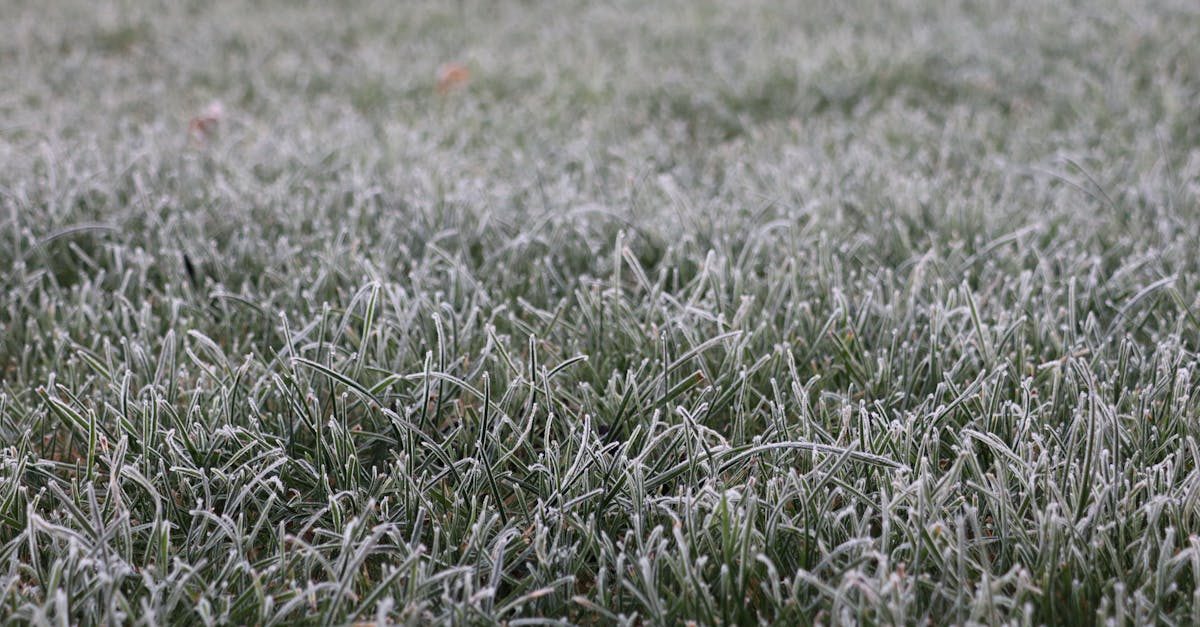
For both lawn types, avoid mowing when the lawn is saturated or when frost is present. Walking or mowing on frosted grass crushes frozen cells and creates grayish footprints that later turn brown, a condition often called frost tracking. University of Missouri Extension notes that this injury occurs when leaf blades are frozen and brittle, even in relatively mild climates.
General Winter Maintenance Tasks
Beyond mowing, several basic maintenance practices support lawn health through California winters.
Leaf and debris management
Leaves, pine needles, and other debris create a mat on the turf surface that traps moisture and blocks light. In wet winters, this environment favors snow mold like diseases and smothers grass. Rake or blow leaves regularly, especially after major storms. In areas with minimal leaf fall, a monthly clean up usually suffices. Compost leaves separately, do not leave thick layers on the lawn.
Traffic management
Wet soil is easily compacted. Limit heavy traffic, vehicles, and equipment on saturated areas. Create designated walkways or stepping stones where foot traffic concentrates, such as from the back door to a gate, to protect turf. For dog runs, consider mulched or gravel paths instead of relying on grass through the wettest months.
Edging and border control
Winter is a suitable time to refine edges between lawn and landscape beds. Clean edges improve appearance and reduce grass incursion into beds. Firm edges also help keep mulch and soil from washing onto the lawn during heavy rain.
Monitor and adjust irrigation
Even when automatic timers are set low, pay attention to real conditions. Hand probe the soil or use a screwdriver to check moisture at 3 to 4 inches depth. If it feels wet and cool several days after rain, reduce runtime or turn the system off temporarily. If it is dry and crumbly, increase irrigation slightly or run a manual cycle.
Step 3: Winter Watering and Irrigation Adjustments
How Much to Water a California Lawn in Winter
Water requirements in winter drop significantly compared to summer, but they do not reach zero in most California landscapes. Evapotranspiration (ET) rates, which combine soil evaporation and plant transpiration, fall as temperatures and day length drop. According to UC ANR’s California Irrigation Management Information System (CIMIS), reference ET in winter can be as low as 10 to 30 percent of peak summer ET, depending on region.
Practical implications:
- In coastal and Northern California with regular rain, many lawns need little or no supplemental irrigation from late fall through early spring. Rainfall of 1 to 2 inches per month, spread across multiple events, often meets cool-season turf needs.
- In inland Southern California and desert regions with limited rain, lawns may still require irrigation every 7 to 21 days, adjusted for soil type and temperature.
- Warm-season lawns in dormancy require much less water, but completely dry soil for extended periods can still damage roots, especially in sandy soils.
Practical Irrigation Adjustments
Implement the following steps between November and March:
- Use seasonal adjustment or manual scheduling
Most modern controllers have a seasonal or percentage adjustment feature. Reduce watering to about 20 to 40 percent of your peak summer schedule to start, then fine tune based on rainfall and soil moisture. - Adjust for storms
Turn irrigation off 24 to 48 hours before a forecasted significant storm (0.5 inch or more of rain) and leave it off until the soil begins to dry. Overwatering ahead of rain saturates the root zone and wastes water. - Water mid-morning when needed
In winter, schedule watering for mid-morning, roughly between 9 a.m. and noon. This timing reduces frost risk and allows blades to dry before night, lowering disease incidence. - Short, infrequent cycles
Instead of long run times, use shorter cycles that allow water to soak in and avoid runoff. For example, on clay soil, two cycles of 5 to 7 minutes with a 30 minute soak interval often infiltrate better than a single 15 minute cycle.
Monitor your lawn. Blue-gray color, footprinting that remains after walking, and wilt in mid day (even in winter) indicate water stress. Conversely, squishy ground and persistent puddles indicate excess water. Aim for a balance that keeps the root zone moist, not saturated.
Adjusting Lawn Care in Unusually Dry or Wet Winters
California rarely delivers an "average" winter, so a common question is how to adjust lawn care tasks during unusually dry or wet seasons. The core routine stays the same, but a few dials move.
In a dry winter (drought years, long rainless stretches)
- Keep irrigating, just infrequently. If three or more weeks pass without meaningful rain, run a deep cycle every 2 to 3 weeks for cool-season lawns and every 3 to 4 weeks for dormant warm-season lawns so crowns and roots do not desiccate.
- Watch wind events. Santa Ana or north wind spells can dry turf faster than a mild summer week; add a cycle after multi-day wind events.
- Hold off on heavy fertilizing. Pushing growth without water support stresses the lawn.
- Follow any local watering restrictions and prioritize deep, infrequent soaks over frequent light sprinkles.
In a wet winter (atmospheric river years, back-to-back storms)
- Turn irrigation off entirely and leave it off until the top 3 to 4 inches of soil dry out, often weeks after the storm train ends.
- Stay off saturated turf. Foot and mower traffic on soggy soil causes the compaction you will pay for all summer.
- Watch for standing water 24 to 48 hours after storms and note those spots for spring drainage fixes.
- Expect more fungal disease and more winter weeds, and lean harder on morning-only watering, leaf cleanup, and early spot weeding.
Step 4: Winter Fertilization, Overseeding, and Soil Care
Winter Fertilization Strategies in California
Fertilization is a critical piece of lawn care basics, but timing and rates change in winter. Over-application of nitrogen when grass is not actively growing harms both your lawn and the environment.
Cool-season lawns
According to University of California and Oregon State University Extension guidance, cool-season lawns in Mediterranean climates benefit from a late fall fertilization as growth slows, often around October or November, and sometimes a light winter feeding if turf remains active.
- Apply about 0.5 to 0.75 pound of actual nitrogen per 1000 square feet in late fall using a balanced, slow release fertilizer.
- In milder coastal zones where growth continues, a light application of about 0.25 to 0.5 pound of nitrogen per 1000 square feet in mid winter (January or February) can maintain color without excessive growth.
- Avoid high nitrogen rates exceeding 1 pound per 1000 square feet in a single winter application, which increase disease risk and leaching.
Soil testing every 2 to 3 years through a reputable lab clarifies whether phosphorus or potassium are needed. Extension research from Penn State demonstrates that many established lawns already have adequate phosphorus and that unnecessary phosphorus contributes to water pollution. Base additions on soil test results instead of assumption.
Warm-season lawns
Once warm-season grasses stop active growth in late fall, nitrogen fertilization should pause. Clemson University Extension and other turf programs recommend avoiding nitrogen when warm-season turf is dormant because it does not promote beneficial growth and can stimulate cool-season weeds.
For Bermuda and similar lawns in California:
- Plan your last nitrogen application for roughly 4 to 6 weeks before the average first frost in inland areas, often around late September to mid October, depending on region.
- In winter, focus on maintaining adequate soil potassium if soil tests indicate a deficiency, since potassium supports winter hardiness and disease resistance.
- Resume nitrogen in spring when soil temperatures at 4 inch depth consistently reach about 65 degrees.
Winter Overseeding and Color Management
In Southern California and some coastal regions, many homeowners overseed Bermuda lawns with perennial ryegrass in fall to maintain green color through winter. This is an appearance choice rather than a strict lawn care necessity, but it changes winter maintenance requirements.
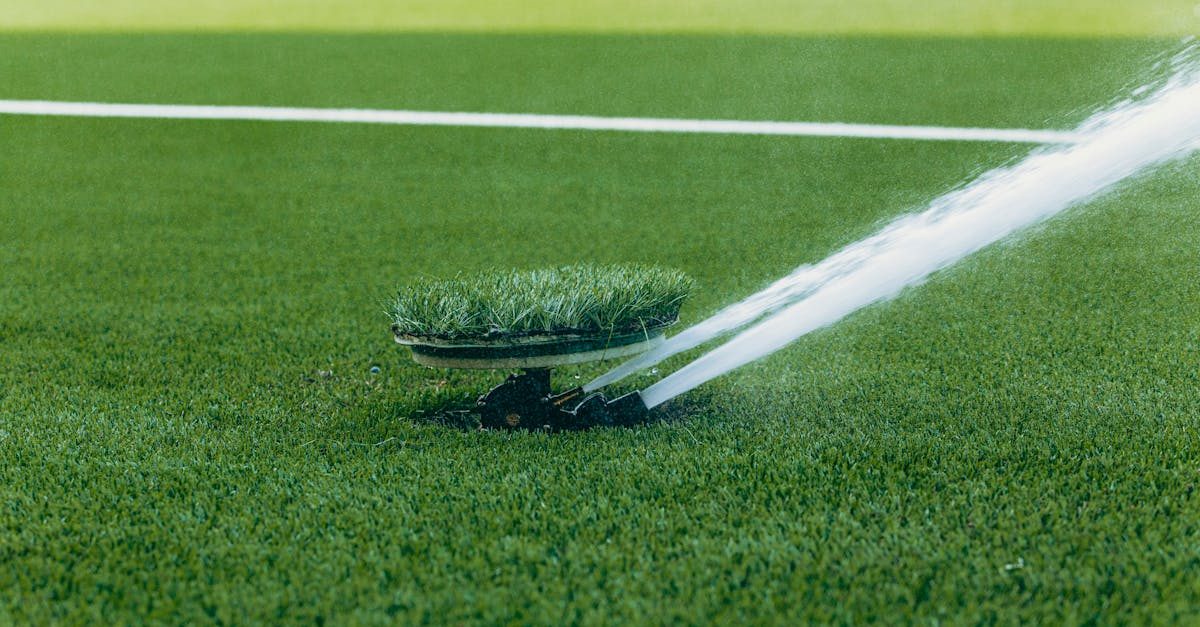
The best time to overseed a lawn in California is September through November, when soil is still warm enough for fast germination but summer heat has passed. In Southern California, mid October to mid November is the sweet spot for overseeding Bermuda with ryegrass, while cool-season lawns in Northern California do best seeded on the earlier end, September to October.
If you overseed:
- Seed in early to mid fall when soil temperatures are still warm enough for germination, typically when daytime highs are in the 70s and nights in the 50s.
- Use high quality perennial ryegrass at about 8 to 10 pounds per 1000 square feet for solid coverage.
- After establishment, treat the overseeded lawn as cool-season turf for mowing and fertilization through winter, while still protecting the underlying Bermuda from overwatering or compaction.
If you do not overseed and accept a dormant brown look, winter color management focuses on uniformity rather than greenness. Ensure that shade patterns, compaction, and pet damage do not create patchy appearance that will be more difficult to correct in spring.
Soil Care and Amendments in Winter
Winter is not always the ideal time for aggressive soil work like core aeration, especially in very wet periods, but it is an excellent time for planning and some surface amendments.
Core aeration timing
Core aeration relieves compaction and improves infiltration. According to Ohio State University Extension, the best time to aerate cool-season turf is during active growth in fall or spring, and the best for warm-season turf is late spring to summer. In California, that means heavy aeration is usually scheduled outside the wettest winter window to avoid smearing and soil structure damage.
Use your winter inspection to schedule:
- Aeration for cool-season turf in early spring (February to April) if soils are not too saturated.
- Aeration for warm-season turf in late spring or early summer as it is fully greened up.
Topdressing and organic matter
Light topdressing with compost, about 0.25 inch brushed into the turf, can occur in late winter or early spring on cool-season lawns. This practice improves soil structure over time and supports beneficial microbes. Use fully finished compost, not raw yard waste, to avoid nitrogen tie-up.
On poorly draining clay soils, gradual organic matter improvement over several seasons significantly improves winter performance by increasing infiltration and reducing puddling.
Recommended products

Milorganite 6-4-0 Slow-Release Nitrogen
A slow release organic nitrogen that feeds gently when growth is already slow.
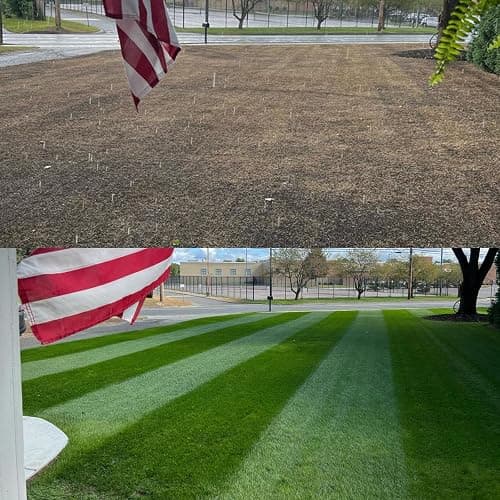
NightShift Perennial Ryegrass Seed (25 lb)
A perennial ryegrass lot sized for overseeding a whole bermuda lawn at the 8 to 10 pound rate this section calls for.

MySoil Soil Test Kit
A mail in soil test that reports pH and thirteen nutrients with lawn specific rates.
Step 5: Winter Weed, Disease, and Pest Management
Winter Weeds in California Lawns
Winter is the peak season for many annual weeds in California. If you ignore them from December through March, they set seed and expand next year’s problem.
Common winter weeds include:
- Annual bluegrass (Poa annua): Light green clumps with seedheads at low mowing heights.
- Chickweed: Low growing with small white flowers in cool, moist spots.
- Henbit and other winter annual broadleaves.
- Oxalis and clover: Some species behave as perennials and spread aggressively.
Management strategy:
- Use a pre emergent herbicide in early fall, before soil temperatures drop into the 55 to 60 degree range that triggers germination, if you choose a chemical approach. Timing is critical. UC ANR turf guidelines emphasize application 2 to 4 weeks before expected weed germination.
- Hand pull or spot treat small patches in winter before they flower.
- Maintain dense turf through proper mowing height and fertilization, since a thick canopy suppresses many weeds.
Disease Monitoring and Control
Cool, wet weather increases fungal disease risk. Brown patch, rust, and leaf spot can appear in cool-season lawns, while snow mold like conditions can occur in higher elevations or after prolonged snow cover.
Key diagnostic signs:
- Brown or tan patches with distinct edges.
- White, pink, or gray mycelium (moldy growth) on leaf surfaces during cool, damp periods.
- Orange or rust-colored spores on blades that rub off on shoes or hands.
Management emphasizes cultural practices:
- Improve drainage and avoid standing water.
- Water in the morning, not late evening.
- Avoid excessive nitrogen, especially quick release, in cool, damp periods.
- Mow and remove clippings only from heavily diseased patches if spore spread is a concern; otherwise, return clippings to recycle nutrients.
Fungicides are sometimes used in high-value turf, but in most home lawns, cultural correction combined with selective treatment is sufficient. Follow all label directions and rotate modes of action to prevent resistance if fungicides are used.
Winter Insects and Other Pests
Insects are generally less active in winter, but some grubs and other soil dwelling pests remain present. Conduct any grub diagnostics in late summer or fall when damage symptoms appear. According to Michigan State University Extension, economic thresholds for many white grub species start at roughly 6 to 10 grubs per square foot, which is when control begins to make sense.
In winter, focus on monitoring rather than treatment:
- Note areas where animals dig for grubs, such as raccoons or skunks, as these indicate potential problems to investigate in warmer months.
- Watch for vole or rodent tunneling in snow prone, higher elevation areas.
- Use winter to research and plan integrated pest management strategies for implementation when temperatures warm.
Regional Winter Lawn Care Tips Across California
Coastal California
Coastal lawns often enjoy the most stable winter temperatures and benefit the most from active cool-season growth through winter.
Key practices:
- Maintain regular mowing at 2.5 to 3.5 inches for fescue and ryegrass.
- Reduce irrigation sharply, often turning it off entirely during rainy months, and resume only when dryness is evident.
- Apply a light winter fertilizer if turf shows fading color and soil is not saturated, at rates of about 0.25 to 0.5 pound nitrogen per 1000 square feet.
- Prioritize disease monitoring after prolonged wet spells, especially in shaded coastal lawns where evaporation is slow.
Inland Valleys (Central Valley, Inland SoCal)
Inland valley lawns face colder nights and more frost.
Recommendations:
- Avoid traffic and mowing when frost is present.
- Use slightly higher mowing heights for cool-season lawns, around 3 to 3.5 inches, to buffer cold stress.
- Monitor soil moisture in clay soils and avoid irrigation when rain keeps the profile wet.
- Plan core aeration and overseeding for early spring for cool-season lawns where compaction and thin spots were identified in winter.
Southern California and Desert Areas
Winter conditions are milder, but drought and Santa Ana winds complicate irrigation decisions.
For these regions:
- Expect to irrigate more in winter than in coastal Northern California, but still far less than summer. Use weather based adjustments.
- If you overseeded Bermuda, manage the ryegrass as cool-season turf and maintain moderate green growth with light winter fertilization.
- If you did not overseed, focus on protecting dormant Bermuda or St. Augustine from desiccation during prolonged dry, windy periods by occasional deep watering.
- Monitor for winter broadleaf weeds in bare or thin areas, since mild temperatures favor germination.
Northern California Foothills and Mountain Areas
Higher elevations and foothills experience more frequent frost, occasional snow, and more intense storms.
Guidelines:
- Delay heavy foot traffic after snow melt or heavy rain until soil firms up.
- Keep mowing tools and equipment off saturated lawns to prevent rutting.
- Rake and remove any matted leaves or snow packed debris that smothers turf.
- Accept a longer dormant or semi dormant period for both cool and warm-season grasses due to lower soil temperatures, and time fertilization for later spring when soil warms.
California Winter Landscaping Tips Beyond the Lawn
The lawn is only part of the picture. If you are putting together a full plan for winter landscaping in California, a few tasks around the turf pay off just as much as the turf work itself.
- Dormant pruning: Winter is the window to prune deciduous trees, roses, and fruit trees while they are leafless and their structure is visible. Skip heavy pruning on frost-tender plants until spring.
- Mulch the beds: A 2 to 3 inch layer of mulch on planting beds suppresses the same winter weeds attacking your lawn, buffers roots from frost, and reduces mud splash onto turf edges during storms.
- Plant cool-season color: Pansies, violas, snapdragons, and cyclamen thrive in California winters and keep beds looking intentional while warm-season turf is brown.
- Cut back irrigation everywhere: Shrub and drip zones need the same 50 to 80 percent reduction as the lawn. Established trees and natives often need no winter water at all in a normal rain year.
Winter Lawn Care Timeline for California (December to March)
While exact timing varies by region and year, the following general timeline helps organize winter lawn maintenance tasks.
Late Fall (November to early December)
- Conduct the pre winter lawn inspection and document problems.
- Apply late fall fertilizer to cool-season lawns as needed.
- Complete any overseeding of warm-season lawns in Southern California.
- Adjust irrigation controller to winter settings or turn off where rain is reliable.
Mid Winter (December to January)
- Monitor and clear leaves and debris regularly.
- Mow cool-season lawns as needed, typically every 2 to 3 weeks.
- Check soil moisture after storms and adjust irrigation off or to minimal settings.
- Spot treat or hand pull winter weeds before they flower.
- Inspect for disease signs and improve drainage or watering practices as needed.
If you are wondering what lawn care in January actually looks like: in most of California it is light duty. Mow cool-season grass once or twice, keep leaves off the turf, check soil moisture before running sprinklers, and pull winter weeds while they are small. Dormant Bermuda needs almost nothing beyond staying off it when frosted or soggy.
Late Winter (February to early March)
- Begin planning spring aeration and overseeding based on winter assessments.
- For cool-season lawns, prepare for a light late winter fertilization if soil temperatures and growth support it.
- In warmer regions, gradually adjust irrigation settings upward as days lengthen and ET increases.
- Reassess bare spots and compaction, and schedule corrective actions for early spring windows.
Integrating Winter Care into Your Year-Round Lawn Strategy
Winter lawn care in California does not exist in isolation. It connects directly with everything you do the rest of the year. A clear plan throughout the seasons, as outlined in How to Create a Lawn Maintenance Schedule, optimizes results and reduces reactive work.

Use winter as an opportunity to:
- Evaluate whether your current grass type is suitable for your microclimate. If not, plan long-term renovation, informed by resources like How to Start a Lawn from Scratch.
- Audit your irrigation system for efficiency and consider upgrades, such as weather based controllers or more efficient nozzles.
- Review past issues like chronic weeds, disease, or poor color and link them to underlying causes, whether soil, shade, or maintenance practices.
- Inventory your equipment and confirm that your mower, spreader, and other essential tools match recommendations in Essential Lawn Care Tools Every Homeowner Needs.
Lawn care basics always return to the same core principles: correct grass for the site, healthy soil, appropriate water, proper mowing, and deliberate nutrient management. Winter in California provides a comparatively low stress period to refine these fundamentals so the lawn enters spring strong instead of struggling to recover from neglect.
Conclusion: Turning California Winter into a Lawn Advantage
California’s mild but varied winters give homeowners a unique opportunity. While lawns in harsher climates sit frozen under snow, yours continues to grow slowly, respond to careful inputs, and quietly set the foundation for spring performance.
By accurately identifying your grass type, understanding your regional and microclimate conditions, and applying precise winter mowing, watering, fertilization, and weed control strategies, you convert winter from a dormant pause into a productive maintenance season. The result is a lawn that greens up earlier, resists weeds and disease more effectively, and requires less emergency intervention when temperatures climb.
Next, build on this winter focused guide by reviewing How to Tell if Your Lawn is Healthy and How to Create a Lawn Maintenance Schedule so your California lawn care 101 plan covers every season with the same level of detail and confidence.
Free Lawn Care Tools
Apply a winterizer fertilizer in late October to early November for cool-season grasses. Warm-season grasses like Bermuda should receive their last feeding by September as they go dormant.
Water every 7-10 days during winter, adjusting based on rainfall. Most California lawns need about 0.5-1 inch per week in winter, significantly less than summer requirements.
December is too late for overseeding in most of California. The ideal window is September to mid-October when soil temperatures are 50-65°F for cool-season grass germination.
Cool-season grasses like tall fescue, perennial ryegrass, and Kentucky bluegrass stay green year-round. Warm-season grasses like Bermuda go dormant and turn brown but recover in spring.
Photos: Mike Bird / Pexels, Chris wade NTEZICIMPA / Pexels, Sachith Ravishka Kodikara / Pexels

Beat weeds and brown spots from your phone
Snap a photo, get the fix, and follow a plan timed to your soil and weather. Free on iPhone.