Complete Winter Lawn Care 101 for Florida Kentucky Bluegrass
 Sarah MitchellLawn Diagnostics Specialist | 12 Years
As an Amazon Associate we earn from qualifying purchases.
Patchy color, slow growth, and surprise brown spots in December or January signal that winter conditions are stressing your Florida lawn, even if daytime highs still sit in the 70s. When that lawn is true Kentucky bluegrass, the stress level is higher, because this grass evolved for cooler, less tropical climates than most of Florida provides. For the complete reference, see the Kentucky Bluegrass pillar guide.
This guide explains exactly how Kentucky bluegrass behaves in a Florida winter, how winter lawn care basics change in a warm climate, and the steps that prepare your turf for both the coolest months and the heat that follows.
Can Kentucky Bluegrass Grow in Florida?
Short answer: yes, but it is a stretch, and where you live in the state decides whether it is worth it. Kentucky bluegrass is a cool-season grass built for 60 to 75 degree weather, so most of Florida runs too hot and humid for it to thrive as a year-round lawn. It performs best in North Florida and the Panhandle, in afternoon shade, or on elevated, breezy sites that stay a little cooler. In Central and South Florida it tends to fade under summer heat and usually thins out by late June, which is why warm-season grasses like St. Augustine, zoysia, and bahia are the practical permanent choice there.
The most reliable way to use Kentucky bluegrass in Florida is as a winter overseed for green color while a warm-season lawn slows down, rather than as the standalone turf. If you are committed to a true bluegrass lawn, stick to heat-tolerant cultivars, keep it in the cooler parts of the state, and treat winter as its strong season. The rest of this guide covers exactly how to care for it through a Florida winter so it enters summer as strong as possible. For the species background, the Kentucky Bluegrass pillar guide goes deeper.
Winter lawn care in Florida never looks like winter lawn care in Ohio or Kentucky, yet the grass still reacts to seasonal changes. The key difference is that Florida’s “winter” rarely brings prolonged freezing, but it does bring shorter days, cooler nights, and swings between dry and wet conditions that strongly influence turf health.
Florida spans three broad climate zones that matter for lawn maintenance:
- North Florida and the Panhandle (Tallahassee, Pensacola, Jacksonville) - Regular cool nights, more frequent frost, and occasional hard freezes.
- Central Florida (Orlando, Tampa, Lakeland) - Mild winters, rare hard freezes, but several light frosts in many years.
- South Florida (Miami, Naples, Fort Myers) - Subtropical, with very rare frost, but cooler nights and much lower humidity in midwinter.
Even in the warmest parts of the state, winter still brings:
- Lower soil temperatures that slow growth.
- Shorter days that limit photosynthesis.
- Periods of drought between fronts, alternating with heavy rains.
These conditions change how you handle watering, mowing, fertilizing, and disease management.
There is also confusion about grass types. Most Florida lawns use warm-season grasses such as St. Augustinegrass, bermudagrass, or zoysiagrass. These species prefer heat and typically go partially dormant when temperatures drop. Kentucky bluegrass is a cool-season species, so it behaves differently and requires a distinct approach. Some Florida lawns are overseeded in winter with ryegrass or Kentucky bluegrass to maintain green color when warm-season grass slows down, which adds another layer of complexity.
This guide is written for homeowners who have:
- Lawns planted primarily to true Kentucky bluegrass.
- Kentucky bluegrass blends with perennial ryegrass or fine fescue.
- Lawns in cooler microclimates of Florida that use “bluegrass look” turf in shaded or elevated areas.
The search intent behind “winter lawn care 101,” “lawn care basics in Florida,” and “Kentucky bluegrass in Florida” typically falls into a few needs:
- How to adjust lawn maintenance in winter so turf stays healthy, not just green.
- How to water, mow, and fertilize less without weakening the lawn.
- How to prevent or diagnose winter diseases like brown patch or dollar spot.
- Whether Kentucky bluegrass is practical in Florida at all, and where.
The sections below address those questions in sequence: first understanding Kentucky bluegrass in Florida’s winter climate, then a detailed pre-winter checklist that sets the lawn up for success from October through February.
If you notice patchy color or brown spots on your Kentucky bluegrass lawn in Florida during winter, it’s likely due to stress from cooler temperatures and shorter days. To verify, check if soil temperatures have dropped below 55°F, as this slows growth and affects turf health. Understanding these signs helps you prepare your lawn for optimal winter care.
To keep your lawn healthy, adjust your care routine by watering deeply but less frequently, aiming for about 1 inch of water per week. Mow less often, maintaining a height of 2.5 to 3 inches, and apply a slow-release fertilizer in early December to strengthen the grass. With these adjustments, expect your lawn to stay resilient through the winter months.
Understanding Kentucky Bluegrass in a Florida Winter
What Is Kentucky Bluegrass and Why It’s Tricky in Florida
Kentucky bluegrass (Poa pratensis) is a cool-season turfgrass that dominates lawns in the Midwest, Northeast, and parts of the Pacific Northwest. According to Purdue University Extension, its ideal growing temperatures sit between about 60 and 75 degrees Fahrenheit, with best performance in regions that have cool nights and moderate summers.
In those climates, Kentucky bluegrass forms:
- A dense, fine to medium texture turf.
- Rich dark green to blue-green color.
- Rhizomes (underground stems) that help the lawn fill in thin spots.
Florida pushes this species close to its tolerance limits for three main reasons:
- Heat and humidity. Extended periods above 85-90 degrees stress Kentucky bluegrass. North Carolina State University Extension notes that cool-season grasses experience significant stress when soil temperatures exceed about 75 degrees in the upper few inches. Much of Florida exceeds that for long stretches.
- Sandy soils with low organic matter. Many Florida soils drain quickly and hold limited nutrients. Kentucky bluegrass prefers loams with moderate cation exchange capacity and consistent moisture, so it struggles where water and nutrients move through the profile too rapidly.
- Disease pressure. High humidity, warmth, and thatch combine to favor fungal diseases. Brown patch, dollar spot, and leaf spot become recurring threats when Kentucky bluegrass is grown out of its comfort zone.
Despite that, Kentucky bluegrass can survive and even perform reasonably well in specific Florida settings:
- North Florida and the Panhandle, where winters are cooler and summers slightly less extreme.
- Elevated or sloped sites where water does not pool and air movement is better.
- Lawns with consistent afternoon shade that reduce direct heat load.
- Microclimates near large bodies of water that moderate temperature swings.
The turf still faces summer stress, but with correct lawn care basics, especially in winter and shoulder seasons, it can provide an attractive lawn for homeowners committed to its maintenance needs.
Kentucky Bluegrass vs Florida’s Common Warm-Season Grasses
For Florida homeowners, one core lawn care 101 concept is correctly identifying the grass type. Management practices are not interchangeable. The table below summarizes the main contrasts between Kentucky bluegrass and the three most common Florida warm-season grasses.
| Trait | Kentucky bluegrass | St. Augustinegrass | Bermudagrass | Zoysiagrass |
|---|---|---|---|---|
| Season type | Cool-season | Warm-season | Warm-season | Warm-season |
| Preferred temp for growth | 60-75°F | 80-95°F | 80-95°F | 75-90°F |
| Root depth (typical) | 6-8 inches with good care | 2-6 inches | 6-12 inches | 6-10 inches |
| Shade tolerance | Moderate with some cultivars | Good | Poor | Moderate |
| Drought tolerance | Low to moderate | Moderate | High | Moderate to high |
| Primary spread | Rhizomes | Stolons | Stolons and rhizomes | Mostly rhizomes, some stolons |
| Typical mowing height in Florida | 2.5-3.5 inches | 3.0-4.0 inches | 0.5-2.0 inches (depending on type) | 1.0-2.5 inches (depending on type) |
| Winter behavior in Florida | Active to semi-dormant, stays relatively green | Slows, may brown or “mottle” in cold | Slows, can go dormant and brown | Often partial dormancy, straw to tan color |
Many warm-season Florida lawns are overseeded in fall with ryegrass, and in some specialty situations, with Kentucky bluegrass, to maintain winter color while the base grass slows or goes dormant. Overseeded Kentucky bluegrass or ryegrass has different water and nutrient needs compared to the underlying St. Augustine or bermuda, so timing and product choice matter to avoid damaging the permanent turf.
For cool-season lawns, winter is usually a recovery and building period. For warm-season lawns, winter is a resting period. This fundamental difference explains why Kentucky bluegrass in a Florida winter remains somewhat active, while neighboring St. Augustine lawns may look pale or patchy.
How Kentucky Bluegrass Behaves in Mild Winters
In Florida, Kentucky bluegrass rarely experiences full, hard dormancy as in northern states. Instead, it typically enters a semi-dormant or slowed state, where growth is reduced but not completely stopped.
Key behaviors to expect:
- Color. In North Florida, night temperatures in the 30s and low 40s can trigger a slight dulling of color. The turf may shift from deep blue-green to a more muted green, especially on exposed areas. In Central Florida, color often stays relatively strong unless a frost or brief freeze occurs.
- Growth rate. As soil temperatures drop into the 50s, shoot growth slows significantly. Iowa State University Extension notes that cool-season grasses slow markedly when soil at a 2 inch depth falls below about 50-55 degrees. In Florida, many sites hover near that threshold in midwinter, which means mowing frequency drops while roots still extend slowly.
- Root vs shoot growth. Cooler soil encourages root development relative to leaf extension. This is beneficial if the lawn entered winter with adequate nutrients and minimal stress. Proper fall management takes advantage of this window to strengthen the root system before spring heat.
Shorter days and lower sun angle also reduce photosynthesis. Shaded areas that perform well in March through October can struggle somewhat in December and January because the sun tracks lower in the sky. Grass under live oaks or on the north side of buildings may thin if combined with overwatering or heavy traffic.
Core winter threats to Kentucky bluegrass in Florida include:
- Fungal diseases. Dollar spot and brown patch rank as the most common. According to NC State Extension, brown patch in cool-season grass typically activates when night temperatures are above 60 degrees and the turf stays wet for more than 10-12 hours. That pattern describes many Florida winter nights after frontal passages.
- Freeze and frost injury. North Florida can experience a handful of nights below freezing each winter. Unhardened Kentucky bluegrass that is lush and heavily fertilized late in fall is more prone to leaf burn and crown injury on those nights.
- Drought stress. Ironically, winter drought is a recurring issue. Strong cold fronts clear humidity and can leave 7-14 day dry spells. When combined with sandy soils, Kentucky bluegrass can desiccate, particularly on elevated spots.
- Pest transitions. Some surface feeders, such as chinch bugs, primarily target St. Augustine, but their presence in mixed lawns signals underlying environmental stress that also weakens Kentucky bluegrass. White grubs can be active until soil temperatures drop below about 55 degrees, which in some Florida winters occurs late or not at all.
Understanding these dynamics clarifies why winter lawn care basics in Florida focus more on moisture management, disease prevention, and root strength than on aggressive growth.
Pre-Winter Preparation: Setting Up Kentucky Bluegrass for Success
Late-Fall Lawn Care Checklist (October-November in Most of Florida)
The best winter lawn maintenance in Florida starts in late fall. For Kentucky bluegrass, October and November in most of the state act as a transition period from summer recovery to winter hardening. A structured checklist keeps key tasks on schedule.
In North Florida, target most of these tasks between mid October and late November. In Central Florida, the window often extends from late October through early December. South Florida sees cooler conditions shift slightly later, from November into early January, but for true Kentucky bluegrass lawns, the practical window is still late fall.
A practical late fall checklist looks like this:
- Run a soil test.
- Adjust mowing height gradually to winter settings.
- Apply final balanced fertilization with correct nitrogen timing.
- Topdress light organic material if needed to improve soil.
- Repair thin or bare spots with overseeding where appropriate.
- Inspect irrigation coverage and reset watering schedule for cooler weather.
Each step contributes to the lawn’s ability to withstand winter stress and then handle the heat and disease pressure that follow in spring and summer.
Soil test timing and targets
Soil testing is one of the most important, and most overlooked, lawn care basics. The test identifies pH, phosphorus, potassium, and often micronutrients and organic matter percentage. For Kentucky bluegrass, most university extensions, including Ohio State University, recommend maintaining soil pH between 6.0 and 7.0. In Florida’s sandy soils, pH can trend acidic in some areas and alkaline in coastal or shelly regions, so testing is essential rather than guessing.
Plan to:
- Sample soil in early fall, at least 4-6 weeks before any major lime or sulfur applications.
- Collect cores or small plugs from 10-15 locations in the lawn, mix, and submit about 1 pint of soil.
- Request recommendations specifically for cool-season turfgrass if the lab provides that option.
Adjusting pH correctly improves nutrient availability and root performance. A separate guide, Soil Testing and pH Adjustment for Florida Lawns, explains detailed application rates and materials, and it pairs well with this winter-focused guide.
For organic matter, many Florida lawns test below 2 percent. Cool-season grasses benefit from gradual organic matter increases to around 3-4 percent, which improves water retention and nutrient holding. Light topdressing with composted material in fall helps move the soil in that direction over several years.
Implementation timeline example (North and Central Florida)
- Week 1-2 of October: Take soil samples and submit to a reputable lab.
- Week 3-4 of October: Review results, plan pH adjustments and fall fertilizer program.
- Early November: Begin gradual mowing height adjustment and address any severe pH issues if recommended.
- Mid to late November: Overseed thin areas, apply final nitrogen and potassium as appropriate, and recalibrate irrigation for cooler conditions.
Mowing Height and Schedule Before Winter
Mowing height strongly influences root depth, stress tolerance, and winter disease risk. According to Penn State Extension, higher mowing heights in cool-season grasses are associated with deeper rooting and better drought and heat tolerance. For Kentucky bluegrass in Florida, that principle is especially important because of the impending summer stress.

Recommended mowing height range
Most cool-season recommendations place Kentucky bluegrass at 2.0-3.5 inches. In Florida’s climate, using the upper end of that range is advantageous during both fall and winter:
- Target 2.5 to 3.5 inches mowing height going into winter.
- Choose the higher end (around 3.0-3.5 inches) on sandy soils or sites exposed to wind and sun.
Adjusting height heading into winter
Avoid abrupt changes. Raising the mower deck too quickly creates a thatchy, layered canopy, while lowering it too sharply risks scalping.
Use this gradual pattern:
- In early fall, maintain your regular summer height, which for Kentucky bluegrass in Florida should already be near 2.5-3.0 inches.
- Over two to three mowings, increase the height by 0.25-0.5 inch per mowing until you reach your winter target.
Scalping, which occurs when you remove most of the green tissue in one cut, exposes stems, weakens the plant, and increases weed and disease problems. Entering winter with scalped areas signals a higher risk of both brown patch and weed invasion.
Mowing frequency as temperatures drop
As growth slows in late fall, mowing frequency naturally declines. Instead of a fixed weekly schedule, adopt a growth-based approach, one of the key concepts in How to Create a Lawn Maintenance Schedule.
- Continue mowing whenever the grass grows about 1 inch above your target height.
- In many Florida locations, this shifts from every 5-7 days in early October to every 10-14 days by December.
- Do not allow clippings to accumulate so heavily that they mat on the surface, especially in shaded or humid sites. Mulching small clippings is fine and returns nitrogen to the soil.
Mower blade sharpening
Dull blades tear leaf tips instead of cutting them cleanly. Torn tips brown rapidly and provide more entry points for disease pathogens. University of Nebraska Extension research on turf quality demonstrates that sharp blades significantly reduce leaf shredding and maintain higher visual quality.
Before winter:
- Inspect blades and sharpen or replace if there are nicks, rounded edges, or visible wear.
- Plan to sharpen every 20-25 mowing hours as a baseline, more often in sandy conditions.
Fertilizing Kentucky Bluegrass Before Winter
Nutrient management in Florida must balance turf needs with environmental protection. Nitrogen and phosphorus applied at the wrong time or in excessive amounts move into waterways, especially in sandy coastal and central county soils. Many Florida municipalities enforce fertilizer blackout periods in summer to protect water quality.
Cool-season grasses like Kentucky bluegrass benefit from fall fertilization, but timing and nutrient ratios matter, especially in a warm climate where disease remains active later into the year.
Last nitrogen application timing
Fall fertilization supports root growth, improves winter color, and enhances spring green-up. However, late or excessive nitrogen encourages lush, succulent leaf tissue, which is highly susceptible to brown patch and other diseases in warm, humid nights.
A practical guideline for Kentucky bluegrass in Florida is:
- Apply the final significant nitrogen application by mid to late November in North Florida.
- In Central Florida, aim for late November to early December, but avoid applications if extended warm, humid weather is forecast along with frequent rainfall.
- Limit the final fall nitrogen rate to about 0.5 to 1.0 pound of actual nitrogen per 1,000 square feet, following local regulations.
University of Maryland Extension guidelines for cool-season lawns recommend a strong fall emphasis for nitrogen, with reduced rates heading into winter. Florida’s warmer winter profile and higher disease pressure make conservative nitrogen strategies particularly important.
The role of potassium (“winterizer” fertilizers)
Potassium supports cell wall strength, water balance, and overall stress resistance. Many “winterizer” fertilizers increase potassium relative to nitrogen to harden turf before cold or drought stress.
For Kentucky bluegrass on Florida soils:
- Choose a fertilizer with a nutrient ratio that leans toward higher potassium, such as 3-0-2 or 4-0-4, for the final fall application, depending on soil test results.
- Follow soil test recommendations carefully. If potassium levels already test adequate or high, additional K is unnecessary and can leach.
Balancing nutrients for Florida soils
Many Florida counties restrict phosphorus applications unless a soil test indicates deficiency. This aligns with findings from University of Florida IFAS Extension, which identify phosphorus pollution as a key contributor to water quality problems.
For Kentucky bluegrass lawns:
- Use low or zero phosphorus fertilizers (for example, 16-0-8) unless soil tests specifically call for P.
- Monitor micronutrients like iron and manganese, which influence color and chlorophyll production, especially on high pH or calcareous soils. Foliar iron products can maintain color without pushing growth when nitrogen is limited.
Slow-release vs quick-release nitrogen
Slow-release nitrogen sources (such as polymer-coated urea, sulfur-coated urea, or natural organics) provide a more gradual nutrient supply and lower the risk of surge growth and leaching. Quick-release sources (like urea or ammonium sulfate) act rapidly but spike growth and can burn if misapplied.
For late fall fertilization in Florida:
- Favor fertilizers that include at least 30-50 percent slow-release nitrogen for Kentucky bluegrass, unless you have specific short-term correction needs.
- Apply only on dry foliage, then water in lightly to move nutrients into the root zone without promoting prolonged leaf wetness overnight.
Always match applications to local fertilizer blackout ordinances and stormwater protection rules. Many coastal counties in Florida restrict nitrogen and phosphorus from June through September but allow carefully managed applications in fall and winter. Confirm your local regulations before purchasing products.
Fall Overseeding or Reseeding Strategy (If Needed)
Thin turf, bare patches, and areas damaged by summer heat or pests should be addressed before winter. Kentucky bluegrass spreads by rhizomes, but in Florida, stress can overwhelm its natural recovery capacity. Overseeding in fall restores density, which in turn reduces weeds and improves overall lawn performance.
When to overseed in Florida
Timing is critical. Seed needs soil warmth to germinate but also benefits from cooler air temperatures that reduce heat stress on seedlings. For Kentucky bluegrass and blends in Florida:
- In North Florida, target mid October through early November for overseeding.
- In Central Florida, the window extends to late November, and occasionally early December in mild years.
- In South Florida, Kentucky bluegrass as a primary component is less realistic, but cool-season overseeding with perennial ryegrass is common for seasonal color.
Soil temperatures between about 50 and 65 degrees at 2 inches depth support reliable germination for Kentucky bluegrass. Many Florida sites hit that range in late fall.
Seed selection: Pure Kentucky bluegrass vs blends
Pure Kentucky bluegrass lawns require cultivars with enhanced heat and disease tolerance to have any chance of long-term success in Florida. Some newer “heat tolerant bluegrass” (HTB) selections perform better in transition-zone climates, and these also represent the best choices for the Panhandle and northern counties.
However, blends offer more resilience:
- Kentucky bluegrass + perennial ryegrass blends germinate faster because ryegrass emerges within 5-7 days, providing quick cover while bluegrass establishes more slowly (14-21 days).
- Kentucky bluegrass + tall fescue blends increase deep root potential, although tall fescue also faces heat stress in southern climates.
For overseeding thin areas in Florida, a mix that includes at least 30-50 percent Kentucky bluegrass by weight, combined with perennial ryegrass, often provides a balanced result: quicker early coverage, with bluegrass gradually taking a stronger role as the rye thins.
Pre-seeding lawn care basics
Successful overseeding relies on contact between seed and soil. This is one of the core points emphasized in How to Start a Lawn from Scratch, and the same principle applies to patch repair.
Prepare the area by:
- Mowing the existing turf shorter. Lower the height to about 2.0 inches for the last cut before seeding to allow more light to reach emerging seedlings. Do not scalp, but remove much of the leaf canopy.
- Raking or dethatching lightly. Remove accumulated leaves, dead grass, and shallow thatch so that seed can reach the soil surface. Power raking is rarely necessary in small repairs; a manual rake usually suffices.
- Topdressing lightly. Apply a thin layer (about 0.25 inch) of screened compost or a compost-sand blend over bare or very thin spots. This improves seedbed moisture and germination conditions.
- Broadcasting seed. Spread seed at the recommended overseeding rate, typically about 1.5 to 2.5 pounds of Kentucky bluegrass-based seed mix per 1,000 square feet for overseeding, not full establishment.
- Pressing seed into the soil. Use a light roller or simply walk across the area to improve soil contact. Avoid burying seeds deeply; surface to 0.25 inch depth is ideal.
Irrigation for germination
After overseeding, moisture management becomes the most critical task. According to Kansas State University Extension, Kentucky bluegrass germination requires consistently moist, but not saturated, surface soil during the first 2-3 weeks.
- Water lightly 2-3 times per day for 5-10 minutes each cycle, depending on your system output and soil infiltration, to keep the top 0.5 inch moist.
- After 10-14 days, when seedlings emerge, reduce frequency but increase depth, shifting toward once daily, then 3-4 times per week.
- By 4-6 weeks after seeding, transition back to a standard deep and infrequent watering pattern that supports root growth.
Avoid standing water, especially in shaded or compacted areas, because saturation combined with mild temperatures favors damping-off diseases that kill seedlings.
Germination timelines in Florida’s late fall
Under suitable conditions:
- Perennial ryegrass in blends emerges in 5-7 days.
- Kentucky bluegrass begins to emerge in 10-21 days.
- Full initial coverage sufficient for light traffic generally occurs by 4-6 weeks after overseeding.
Delay heavy use or mowing of newly overseeded areas until the seedlings reach at least 3 inches in height and have been cut one or two times.
Recommended products
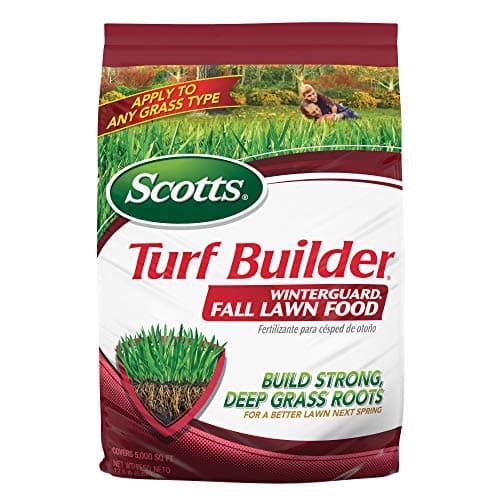
Scotts Turf Builder WinterGuard Fall Lawn Food (12.5 lb)
A fall feeding for cool-season grass that builds root reserves ahead of the cooler, shorter days.

Jonathan Green Black Beauty Ultra Grass Seed (7 lb)
A cool-season blend of bluegrass, tall fescue, and ryegrass for overseeding the thin areas a hot Florida summer leaves behind.

MySoil Soil Test Kit
A mail-in soil test that shows whether Florida sand is actually holding the nutrients bluegrass needs.
Conclusion: Turning Winter Into a Strength for Florida Kentucky Bluegrass
For Florida homeowners committed to Kentucky bluegrass, winter is not a dormant off-season. It is a strategic window when cooler temperatures reduce heat stress, roots grow more steadily, and careful lawn maintenance builds reserves for the next hot, humid summer.
The essentials are clear:
- Understand that Florida’s zones create different winter conditions, but all still affect turf through moisture changes, shorter days, and intermittent cold.
- Recognize how Kentucky bluegrass differs from St. Augustine, bermuda, and zoysia so that your lawn care basics match a cool-season grass, not a warm-season one.
- Use late fall for soil testing, pH correction, height adjustment, measured fertilization, and targeted overseeding.
- Balance nitrogen and potassium carefully, using slow-release sources and respecting local fertilizer ordinances.
- Prepare a clean, firm seedbed and maintain consistent surface moisture if overseeding thin or damaged areas.
If you want to refine your yearly plan beyond winter, pair this guide with How to Create a Lawn Maintenance Schedule and Common Lawn Care Mistakes Beginners Make so you can avoid missteps that weaken turf before the stressful summer months. For an equipment checkup, Essential Lawn Care Tools Every Homeowner Needs can help confirm that your mower, spreader, and irrigation tools match the level of care Kentucky bluegrass demands.
With correct diagnostics and a structured fall checklist, you can turn Florida’s mild winters into an advantage, building a deeper-rooted, more resilient Kentucky bluegrass lawn that holds its color and recovers faster when the heat returns.
Free Lawn Care Tools
Kentucky bluegrass struggles in Florida's hot, humid summers and typically dies out by late June. It's best used as a winter overseeding grass rather than a permanent lawn in Florida.
Plant Kentucky bluegrass in Florida from late October through November when temperatures drop below 80°F. This gives it the full cool season to establish before summer heat arrives.
Water deeply 2-3 times per week, mow at 2.5-3 inches, and fertilize monthly with a balanced fertilizer. Expect it to decline in late spring as temperatures rise above 75°F consistently.
Photos: Diana ✨ / Pexels

Beat weeds and brown spots from your phone
Snap a photo, get the fix, and follow a plan timed to your soil and weather. Free on iPhone.