How to Tell if Your Lawn is Healthy
 James ThorntonLawn Equipment & Maintenance Expert | 20 Years
As an Amazon Associate we earn from qualifying purchases.
How to Tell if Your Lawn is Healthy
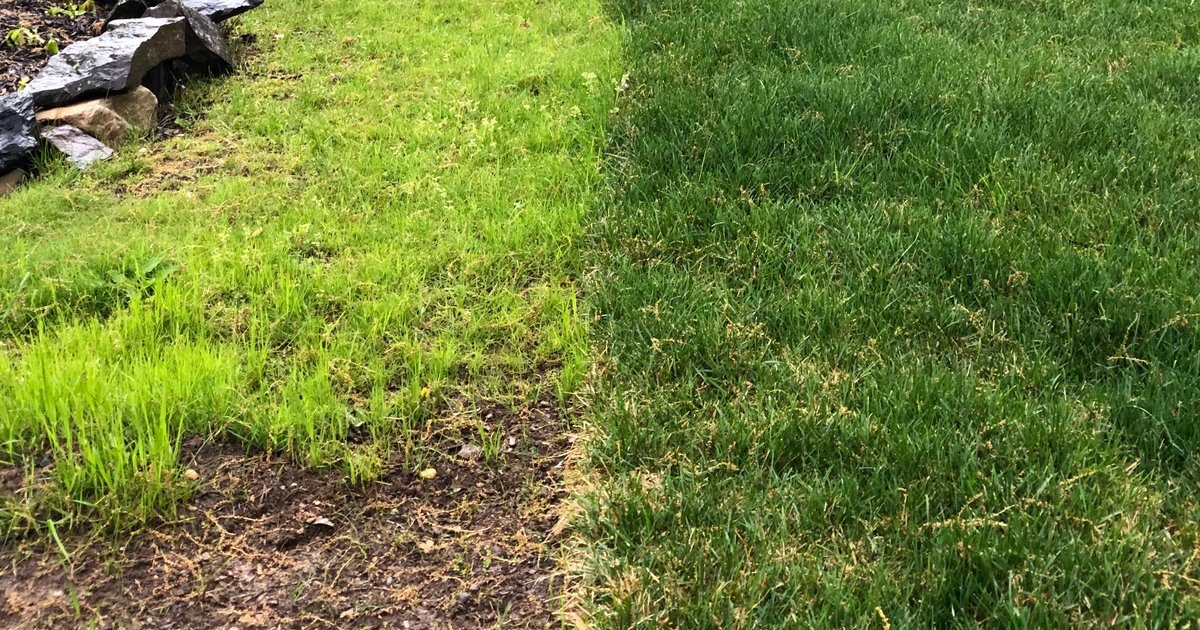
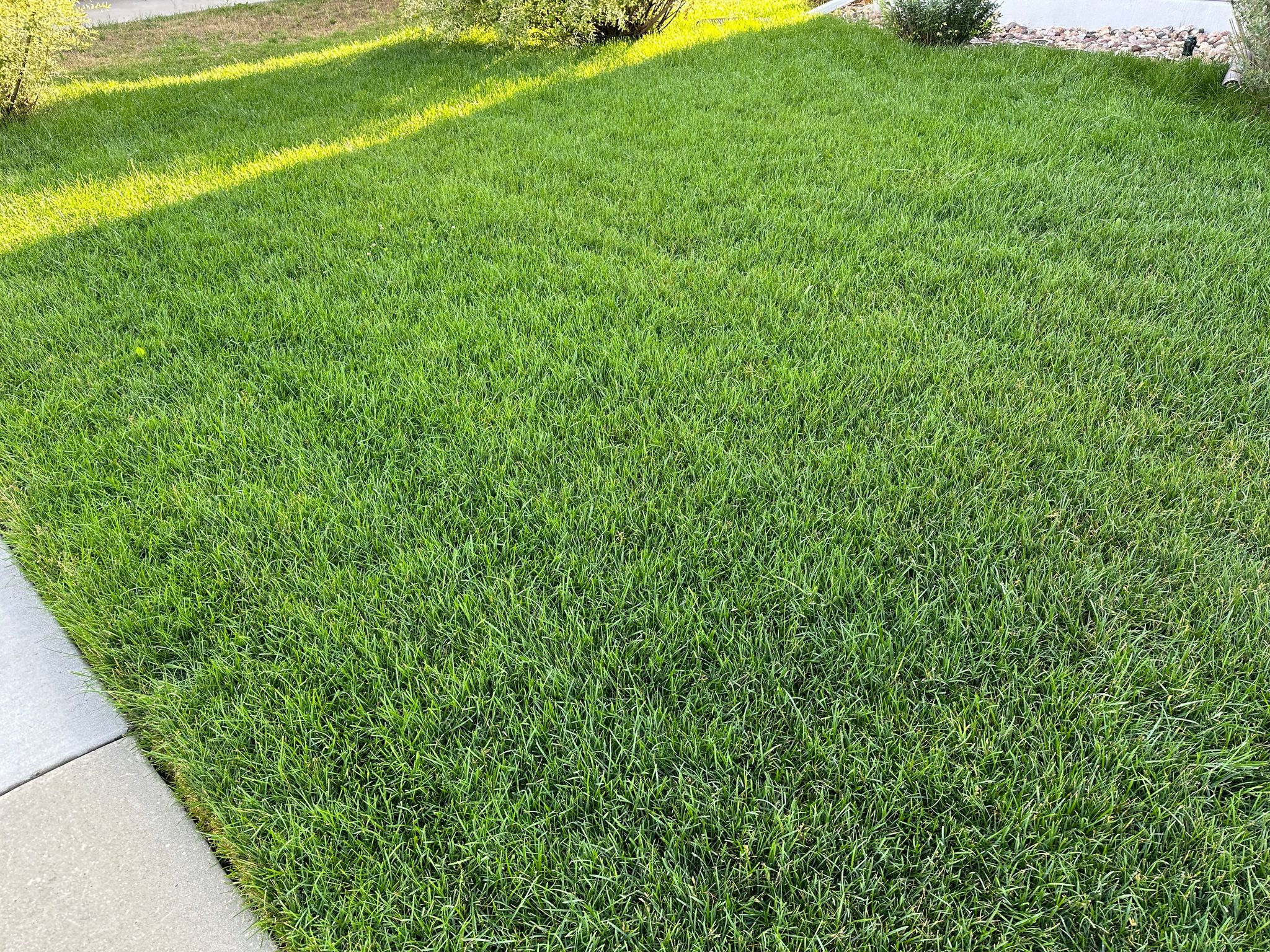
When you look at your lawn, you probably notice whether it's green or brown, thick or thin. But a truly healthy lawn is more than green grass. It's a living system that shows its condition through color, density, root depth, soil quality, and how fast it bounces back from stress.
The good news: you don't need a lab or a lawn service to evaluate it. In this guide you'll run seven quick checks, most taking under two minutes, and come away knowing whether your current routine is working or where it's falling short.
A healthy lawn shows a consistent green color for its grass type and season, dense coverage with little visible soil, roots at least 6 inches deep, springy blades that recover from footprints within hours, and few weeds. Quick tests: push a screwdriver into the soil (it should sink 6 to 8 inches easily), tug a handful of grass (it should resist), and part the blades to look for bare dirt.
If your lawn fails a check, don't worry; most fixes are simple. Start by adjusting your watering schedule to deliver about 1 inch of water per week including rainfall, aerate compacted soil in spring or fall, and feed with a balanced fertilizer. You should see color and density improve within a few weeks.
The 7 Signs of a Healthy Lawn
Here's the full checklist. Walk your yard with these seven signs in mind, then dig into the sections below for how to test each one.
| # | Sign | Quick test | Healthy looks like |
|---|---|---|---|
| 1 | Consistent color | Eyeball from the curb | Even green, no yellow or brown patches |
| 2 | Dense coverage | Part the grass with your hands | Mostly crowns and roots, little bare soil |
| 3 | Deep roots | Tug test and dig a small plug | White roots reaching 6 inches or more |
| 4 | Loose, living soil | Screwdriver test | Probe sinks 6 to 8 inches with moderate pressure |
| 5 | Thin thatch layer | Cut a wedge and measure | Under half an inch of spongy brown material |
| 6 | Fast bounce-back | Walk across it, check later | Footprints gone within a few hours |
| 7 | Low weed pressure | Count weeds in one square foot | A stray weed here and there, no colonies |
Sign 1: Consistent, Vibrant Color
Healthy grass displays a rich, even color that varies by grass type. Cool-season grasses like fescue and Kentucky bluegrass show deep emerald tones during their spring and fall peaks, while warm-season varieties like Bermuda and Zoysia run brighter green through summer. Not sure which type you have? Snap a photo with our free grass identifier first, because "healthy color" depends entirely on the species.
The key word is consistent. Slight variation between varieties in a mixed lawn is normal, but distinct patches of yellow, brown, or gray-green usually mean trouble. Use this chart to read what your lawn's color is telling you:
| What you see | Likely cause | Fix |
|---|---|---|
| Even, deep green | Healthy turf getting what it needs | Keep doing what you're doing |
| Uniform pale green to yellow | Nitrogen deficiency | Apply a balanced fertilizer; see organic vs synthetic options |
| Yellow patches, spongy soil | Overwatering or poor drainage | Water deeper but less often |
| Round brown spots with dark rings | Fungal disease (brown patch, dollar spot) | Improve airflow, water in the morning, fungicide if spreading |
| Brown patches that lift like carpet | Grub damage to roots | Check for grubs under the sod, treat if 5+ per square foot |
| Straw-brown across whole lawn (summer) | Drought dormancy in cool-season grass | Normal survival mode; water deeply or let it ride until fall |
| Tan-brown across whole lawn (winter) | Winter dormancy in warm-season grass | Completely normal; it greens up when soil warms |
| Blue-gray tint, blades folding | Early drought stress | Water within 24 hours, before browning starts |
Seasonal shifts are normal and healthy. Cool-season grasses lighten in summer heat, and warm-season grasses like Bermuda and bahiagrass go fully brown and dormant in winter. Dormancy is a survival feature, not a health problem.
Sign 2: Dense Coverage
Healthy grass grows thick enough that you can't easily see soil when looking straight down. Density matters beyond looks: a thick canopy shades the soil surface so weed seeds never get the light they need to germinate. Thin turf is an open invitation to crabgrass.
To check, part the grass with your hands at several spots and look at the soil line. You should see mostly grass crowns packed together. If you can see open dirt between plants, that area is vulnerable. For an objective read, count grass plants in a square foot: dense cool-season turf runs into the several hundreds of tillers per square foot, and if you can count individual plants at a glance, it's thin.
Sign 3: Deep, Strong Roots
What happens below ground decides how your lawn handles drought, traffic, and disease. Grab a handful of blades and tug: healthy grass resists firmly. If plants pull up easily with short, dark, or chewed roots, you've found the real problem behind whatever you're seeing on the surface.
Cool-season grasses typically root 6 to 8 inches deep in good conditions; warm-season varieties often reach 10 to 12 inches. Healthy roots are white or cream-colored and firm. Dark, mushy, or foul-smelling roots point to rot from overwatering or poor drainage. And if a brown patch of turf rolls up like carpet with almost no roots attached, you're looking at grub damage: check the soil underneath and treat if you find five or more grubs per square foot.
Sign 4: Loose, Living Soil
Your soil is the foundation for everything above it. The classic check is the screwdriver test: push a long screwdriver or soil probe into moist ground. It should sink 6 to 8 inches with moderate, even pressure. If it stops short or needs real force, the soil is compacted, and roots are fighting the same resistance the screwdriver did. Test high-traffic paths separately; they compact first.
Two more soil checks worth a few minutes:
- pH: most grasses absorb nutrients best between 6.0 and 7.0, though acid-tolerant grasses like centipede prefer it a little lower. Persistent yellowing despite fertilizing, or moss taking over, are classic out-of-range clues. A cheap test kit settles it.
- Moisture balance: soil a few inches down should feel slightly moist, never soggy or bone dry. Standing water after rain means drainage work; grass wilting in wet soil means roots are drowning.
Healthy soil is dark, crumbly, and smells earthy, a sign of organic matter feeding microbes and releasing nutrients slowly. Leaving clippings on the lawn and topdressing with a thin compost layer each year builds it over time.
Recommended products
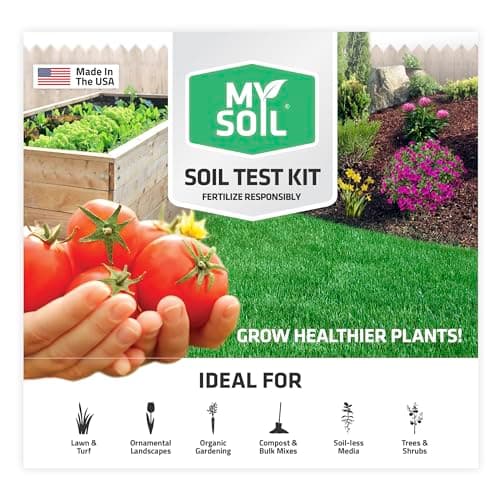
MySoil Soil Test Kit
A mail-in lab test that reports pH and 13 nutrients from a single sample.

Encap Fast Acting Pelletized Lime
A pelletized lime that raises acidic soil pH faster than ground agricultural lime.
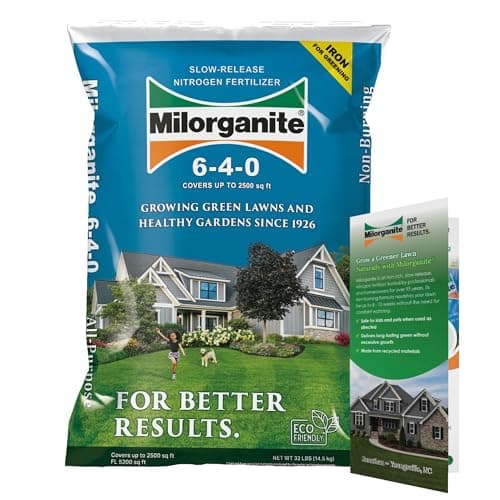
Milorganite 6-4-0 (32 lb)
A slow-release organic nitrogen source with iron that feeds soil biology as well as the grass.
Sign 5: A Thin Thatch Layer
Thatch is the spongy brown layer of dead stems and roots between green blades and soil. A little is good: up to half an inch insulates roots and cushions traffic. Beyond that it blocks water and air, harbors insects and disease, and encourages roots to grow up into the thatch instead of down into soil.
Cut a small wedge from the lawn with a trowel and measure the brown layer. Under half an inch, leave it alone. Much over that, plan to dethatch or core-aerate during your grass's active growing season.
Sign 6: Fast Bounce-Back from Stress
Resilience is health you can see in motion. Walk across the lawn: footprints on a healthy lawn spring back within a few hours. Grass that stays flat, or crunches underfoot, is either drought-stressed or weak. The same goes for weather: healthy turf may slow down and lighten during a heat wave, but it shouldn't collapse into large dead patches while neighboring lawns hold on.
Do factor in grass type. Fine fescue tolerates far less traffic than tall fescue or Bermuda, so slow recovery on a shady fine-fescue lawn may just be the variety, not a health failure.
Sign 7: Low Weed Pressure
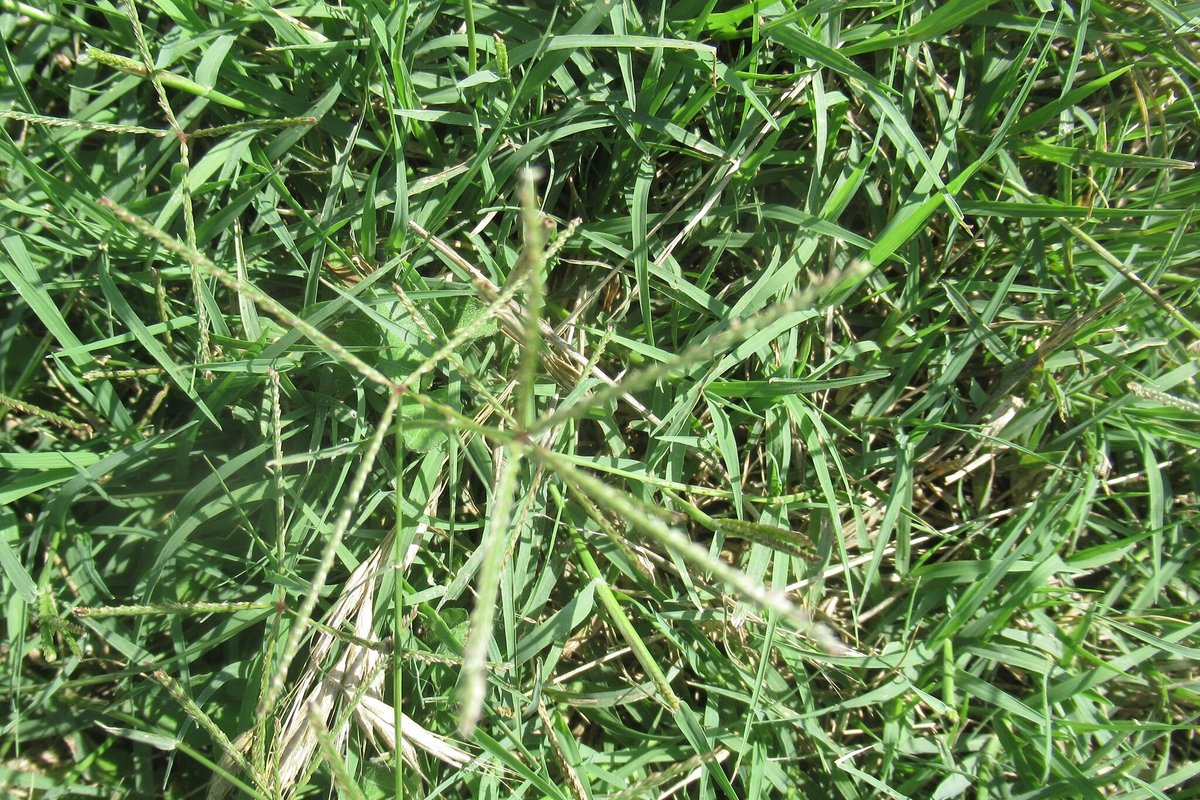
A dense, vigorous lawn crowds out most weeds on its own. A few strays are normal; colonies are a diagnosis. Weeds tell you exactly what's wrong: clover moves into nitrogen-poor soil, moss into acidic, compacted, or shady wet spots, and crabgrass into any thin patch with bare soil and sun. Fixing the underlying condition beats spraying every time, because the weeds simply return to unfixed conditions.
Count weeds in a random square foot in a few places. One or two is background noise. Ten or more, or expanding patches, means the turf has lost its competitive edge and needs thickening: overseed cool-season lawns in fall, and push warm-season lawns with summer feeding.
What Healthy Looks Like Through the Seasons
Judge your lawn against the right seasonal baseline. A brown Bermuda lawn in January is perfectly healthy; the same brown in July is an emergency.
| Season | Cool-season grass (fescue, bluegrass, rye) | Warm-season grass (Bermuda, Zoysia, bahia) |
|---|---|---|
| Spring | Rapid green-up, deepest color, fast growth | Slow green-up once soil passes 65°F |
| Summer | Lighter color, slower growth, may go dormant in drought | Peak color, density, and growth |
| Fall | Second peak: strong color and recovery | Growth slows, color fades after first cool nights |
| Winter | Green but mostly idle; browns in harsh cold | Fully tan and dormant, completely normal |
Timing your checks and fixes to soil temperature, not the calendar, is the pro move. Our soil temperature tool shows what's happening in your ZIP code right now.
Warning Signs That Need Attention Now
Most lawn problems are cheap to fix early and expensive to fix late. Act promptly on these:
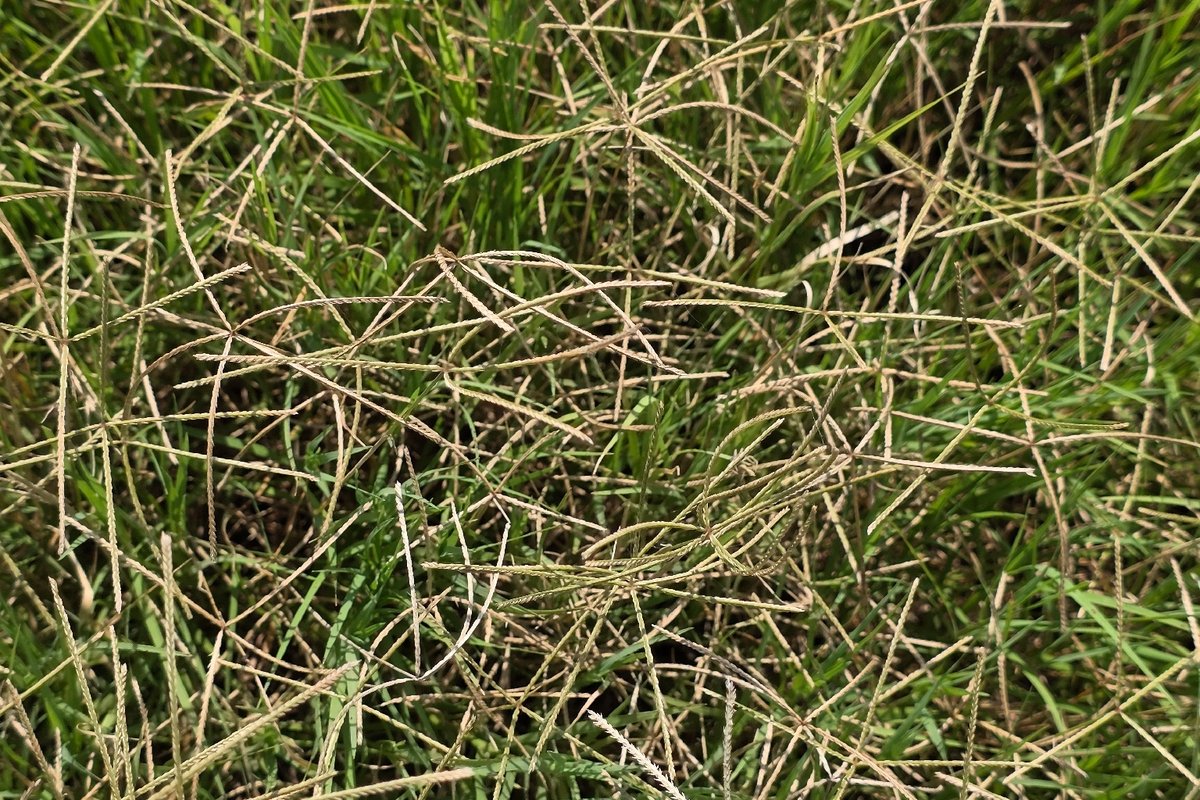
- Bare patches that expand instead of filling in. Spreading usually means active disease, pests, or a site problem like compaction or deep shade. Small bare spots can be patched with grass clippings raked away, a scratch of the soil, and seed, but only after the cause is fixed.
- Yellowing that ignores fertilizer. If nitrogen doesn't green it up within a few weeks, look deeper: pH imbalance, root disease, or waterlogging. Check whether your watering frequency matches your grass type before adding more product.
- Moss or weed takeover. Moss and weeds winning means conditions favor them over grass. Address drainage, compaction, fertility, or shade, then rebuild turf density.
Conclusion
A healthy lawn announces itself: consistent color, dense coverage, deep roots, loose soil, thin thatch, quick recovery, and few weeds. Walk your lawn weekly with the 7-sign checklist, run the screwdriver and tug tests each spring and fall, and you'll catch nearly every problem while it's still a minor fix.
Remember that improvement is gradual. Focus on fundamentals: the right grass for your climate, soil in good condition, deep and infrequent watering, and feeding timed to your grass's growth cycle. Small consistent habits beat heroic rescues every time.
Top Picks
- Pennington Full Season Lawn Fertilizer 32-0-5Check price on Amazon
- Sun Joe 24V Cordless Scarifier & DethatcherCheck price on Amazon
- Jonathan Green (10322) Black Beauty Ultra Grass Seed - Cool Season Lawn Seed (7 lb)Check price on Amazon
As an Amazon Associate we earn from qualifying purchases.
Free Lawn Care Tools
Healthy grass has a rich, even green color that matches your grass type and the season, dense coverage with little bare soil visible, and blades that feel soft and springy rather than brittle. Footprints should disappear within a few hours, and weeds should be scarce because the turf is thick enough to crowd them out.
Cool-season grasses like fescue and Kentucky bluegrass typically root 6 to 8 inches deep in healthy conditions. Warm-season grasses like Bermuda and Zoysia often go deeper, sometimes 10 to 12 inches. Shallow roots in the top 2 to 3 inches usually point to frequent shallow watering, compaction, or grub damage.
Push a long screwdriver or soil probe into moist lawn soil. It should slide in 6 to 8 inches with moderate, even pressure. If it stops after 2 or 3 inches or takes real force, your soil is compacted and roots are likely struggling. Test several spots, especially high-traffic areas, and compare.
Uniform yellowing across the whole lawn usually means nitrogen deficiency. Yellow patches are more often overwatering, dog urine spots, root damage, or disease. If fertilizing does not fix it within a few weeks, test your soil pH, because grass cannot absorb nutrients well when pH drifts outside the 6.0 to 7.0 range.
It is best to wait until the grass dries. Mowing wet grass tears blades instead of cutting them cleanly, clumps clippings that can smother turf, spreads fungal disease, and compacts wet soil under the mower wheels. If you must mow after rain, wait until the blades no longer flatten under your shoes, raise your deck a notch, and mow slowly.
Walk the lawn once a week during the growing season and run the deeper checks, like the screwdriver test and a root inspection, once in spring and once in fall. Weekly walks catch weeds, thin spots, and color changes early, when a small fix like adjusting watering is still enough.
Photos: Linda Jo Conn / iNaturalist · CC BY 4.0, Brian Dickerson (aggie_wildlifer) / iNaturalist · CC0

Beat weeds and brown spots from your phone
Snap a photo, get the fix, and follow a plan timed to your soil and weather. Free on iPhone.