Causes of Dollar Spots
 Sarah MitchellLawn Diagnostics Specialist | 12 Years
As an Amazon Associate we earn from qualifying purchases.
Those little straw colored spots that pop up seemingly overnight in an otherwise healthy lawn can be maddening. Are they dollar spot, drought stress, dog urine, or something else completely? Getting that first diagnosis right is what separates a quick fix from a lawn problem that keeps coming back every summer.
Not certain it is dollar spot and not brown patch or pet damage? Snap a photo for a free AI diagnosis — it compares against the diseases active in your region and season.
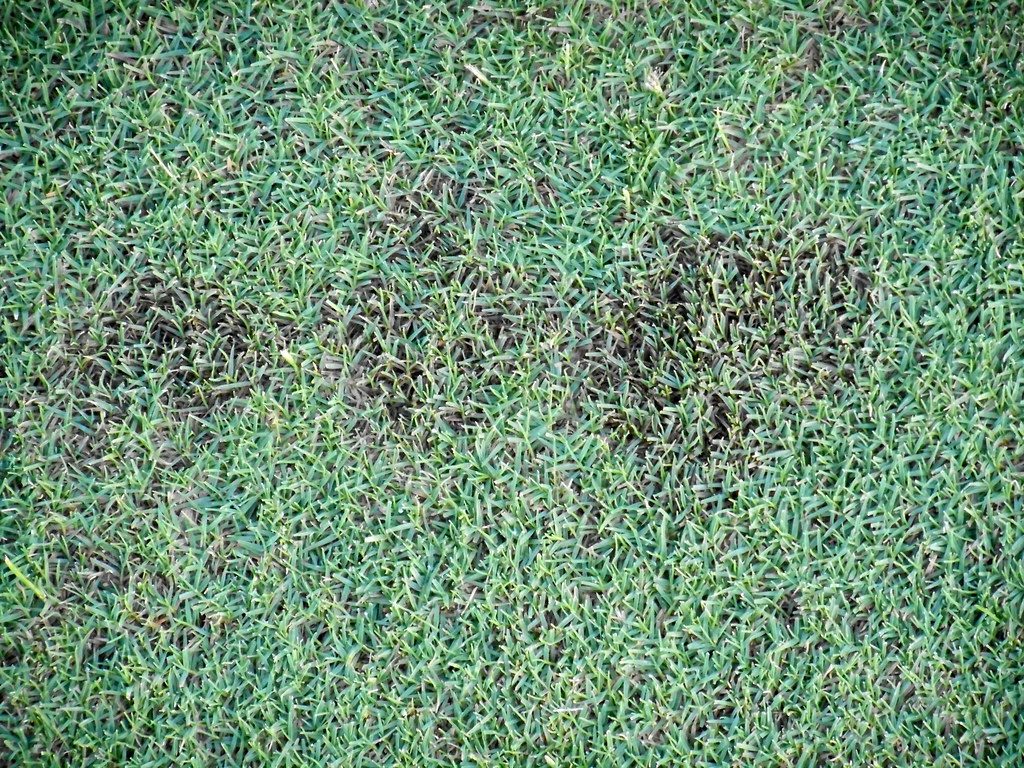
In lawn care, dollar spot is a very common fungal disease that starts as silver dollar sized patches, roughly 1 to 3 inches across. Left unchecked, those spots can merge into irregular, tan or bleached areas that ruin the uniform look of your turf. The key is that the visible spots are only the symptom. The real power lies in understanding the underlying causes of dollar spots, because those causes are what you can actually control.
In my 12 years of diagnosing turf problems, I have seen more dollar spot outbreaks sparked by chronic cultural issues than by anything else. When you understand why your lawn is getting dollar spot - low nitrogen, moisture sitting on the leaves, compacted soil, thatch build up, stressed grass species - you can prevent it with far fewer chemicals and a healthier, more resilient lawn over the long term.
This guide focuses specifically on the causes of dollar spots: the environmental, cultural, and biological factors that set the stage for this disease. We will tie each cause directly to a practical prevention strategy so you can change the conditions that favor the fungus. If you are also looking for detailed treatment steps and product options, pair this with resources such as How to Get Rid of Dollar Spot in Your Lawn, Best Fungicides for Lawn Diseases, and Lawn Care Calendar by Season for a complete program.
If you see small, round, straw colored spots about 1 to 3 inches wide that are most visible early in the morning when dew is on the grass, you are likely looking at dollar spot, not drought or pet damage. Check a few blades in the affected area: if you find light tan lesions with reddish brown borders, and the patches are scattered but somewhat uniform in size, that strongly points to dollar spot. Dog urine usually has a dark green ring and drought areas are irregular and larger, so use those patterns to confirm.
The core fix for most home lawns is to correct the conditions that cause dollar spots: raise mowing height slightly, make sure you are watering deeply but infrequently, and apply 0.5 to 0.75 pounds of nitrogen per 1,000 square feet if your lawn has been underfed. Avoid light, daily irrigation and evening watering, because that keeps leaves wet too long. With improved cultural practices and, if needed, a well timed fungicide, you can usually see the disease stop spreading within 7 to 14 days and healthy new growth begin to mask the damaged areas within 3 to 4 weeks.
Understanding Dollar Spots: What They Are (and What They Aren’t)
What Is Dollar Spot Disease?
Dollar spot is a turfgrass disease caused primarily by the fungus Clarireedia jacksonii, which used to be classified as Sclerotinia homoeocarpa. The name "dollar spot" comes from those initial small, circular spots about the size of a silver dollar that appear on the lawn surface. This disease shows up in both home lawns and professional turf like golf courses and sports fields.
On the lawn surface, dollar spot starts as distinct, bleached or straw colored patches roughly 1 to 3 inches in diameter. Over time, and especially in lawns that are mowed short, these spots can merge into larger, irregularly shaped blighted areas that look like a tan cast across the turf. The damage is primarily to the leaves, not the crowns or roots, which is why grass can often recover if conditions improve.
If you get down to blade level, individual leaf symptoms are very characteristic. You will usually see:
- Tan or light straw colored lesions that run across or along the blade
- Reddish brown borders around the lesions, giving them a "halo" effect
- A bleached center that can look almost white in severe cases
Dollar spot affects a wide range of grasses. On cool season lawns, I see it most often in Kentucky bluegrass, perennial ryegrass, and both fine and tall fescues. Creeping bentgrass, common on golf greens and tees, is extremely susceptible. On warm season grasses, bermudagrass, zoysiagrass, and seashore paspalum can all be hit, especially if they are kept lean on nitrogen and mowed very short. The disease tends to be most serious where turf is under stress and managed intensively.
Distinguishing Dollar Spots from Look-Alikes
Before we talk about the causes of dollar spots, we need to make sure we really are dealing with dollar spot. Misdiagnosis is one of the biggest reasons homeowners chase the wrong "cause" and get frustrated when the problem does not resolve. The symptom you are seeing usually points to one of a few things, and the right diagnosis saves a lot of guesswork.
Here is how dollar spot typically differs from some common look-alikes:
Versus brown patch: Brown patch, caused by various Rhizoctonia species, usually forms larger patches, often 6 inches to several feet across, rather than uniform silver dollar sized spots. In cool season lawns, brown patch often has a darker, smoke ring like margin, especially early in the morning. Leaf lesions on brown patch tend to be more irregular and "water soaked" looking rather than sharply bordered tan spots.
Versus leaf spot and melting out: Leaf spot diseases start as small purple or brown spots on leaves and can progress to melt out at the crown, causing thinning. The pattern in the lawn is often more diffuse and not clean circular patches. When melting out occurs, whole plants die, and you see true thinning rather than just bleached leaves that can regrow.
Versus rust diseases: Rust diseases produce orange or rusty colored spores that you can often rub off on your finger or shoes. The lawn may look slightly yellow or thin, but you will not see distinct circular patches of straw colored turf like with dollar spot.
Versus dog urine spots: Dog damage usually starts as small dead areas with a dark green ring of fast growing grass around the outside. The shape is less uniform, often more kidney shaped, and the pattern is more random based on where the dog urinates. You will not see the telltale tan lesions with reddish margins on individual blades.
Versus drought or heat stress: Drought damage appears in larger, irregular areas that correspond to the driest or most compacted portions of the lawn. The soil will be hard and dry, and the whole plant may be wilted, not just the leaves spotted. Patches do not have that very consistent 1 to 3 inch diameter appearance that early dollar spot does.
To keep this practical, here is a quick checklist you can use on your lawn:
- Patch size and shape: Dollar spot starts as 1 to 3 inch circles that can merge into larger areas. If most patches are larger than 6 inches from day one, think beyond dollar spot.
- Smoke ring margin: A dark smoke ring around patches leans more toward brown patch, especially in hot, humid conditions at night.
- Leaf lesion pattern: Tan lesions with distinct reddish brown borders are strongly suggestive of dollar spot. Smearable orange spores point to rust. Purplish spots moving to crowns hint at leaf spot/melting out.
- Time of day visibility: Dollar spot is often most visible early morning when dew is present, because the mycelium can sometimes be seen as spider web like threads between blades.
If you see small, round, uniform patches with those characteristic leaf lesions, it is appropriate to investigate dollar spot causes. If not, I would step back and revisit the diagnosis before changing your lawn program.
The Disease Triangle: How Causes of Dollar Spots Fit Together
The Three Pillars: Pathogen, Host, Environment
In plant pathology we use the concept of the disease triangle to understand why a disease appears. For any turf disease to occur, three things must come together at the same time:
- The pathogen is present (in this case, the Clarireedia fungus)
- The host is susceptible (your grass is stressed or a sensitive species)
- The environment is favorable (right temperature, moisture, thatch, etc.)
If any one side of that triangle is missing, the disease will not develop. This is a useful way to organize the causes of dollar spots, because it reminds us that there is almost never just one single cause. You need spores or mycelium of the fungus in the lawn, grass that is not at peak health, and conditions that allow infection and spread. When I visit a lawn with dollar spot, I mentally walk through that triangle so I do not overlook one of the angles.
The environment piece is heavily influenced by your lawn care practices. Watering frequency, mowing height, nitrogen level, thatch, compaction - all of those cultural choices tilt the environment toward or away from disease. The host side relates to which grass species and cultivars you have, how deep the roots are, and how well balanced the soil nutrients are. The pathogen side is mostly about where the fungus is coming from and how many infection "starting points" there are in the lawn.
Primary Cause vs. Predisposing Factors
At the most technical level, the primary cause of dollar spot is the activity of the Clarireedia fungus. Without that organism physically infecting your grass blades, you cannot get dollar spot, no matter how poor your lawn care practices are. That is the biological cause.
However, in practical lawn management we focus a lot more on the predisposing causes - the things that make your lawn vulnerable to that fungus and help it run wild once it is there. These include:
- Chronic low nitrogen fertility
- Consistently low mowing height
- Frequent, shallow watering or watering late in the day
- Excessive thatch layer
- Compacted, poorly drained soil
- Extended periods of leaf wetness from dew, shade, or irrigation
- Weather patterns like warm days, cool nights, and high humidity
I like to differentiate between root causes and triggers. Root causes are the long term conditions, like a lawn that has been starved of nitrogen for years or a heavy clay soil that has never been aerated. Triggers are short term events, like a week of warm, humid nights in May or June, or a stretch of cloudy, rainy weather that keeps leaves wet more than 10 hours a day. Root causes increase your baseline risk; triggers decide whether a visible outbreak happens this season.
Understanding why this happens helps you prevent it next time. If you only respond to triggers with fungicides but never fix the root causes, you will be stuck in a cycle of recurring disease. If you improve the underlying conditions, a few warm, humid nights might pass with no visible damage at all.
Biological Causes: The Fungus Behind Dollar Spots
The Dollar Spot Pathogen Life Cycle
To manage any disease, it helps to understand how the causal organism lives and spreads. The Clarireedia fungus that causes dollar spot has a relatively simple life cycle in turf, but a few key points explain why it is so persistent in home lawns.
First, the fungus survives unfavorable periods (like winter or very hot, dry weather) as dormant mycelium or hardened structures in infected leaf tissue and thatch. That means even if your lawn looks healthy in early spring, there may already be viable fungus sitting in the upper layer of your turf waiting for the right conditions.
When temperatures move into the conducive range and moisture is present, the mycelium becomes active. It grows across the leaf surface, especially when there is a film of water from dew, irrigation, or rain. Under prolonged leaf wetness and moderate temperatures, the fungus penetrates the leaf tissue, usually through natural openings or small wounds. Once inside, it colonizes the leaf, killing tissue and forming the typical tan lesions you see.
Under ideal conditions, symptoms can appear surprisingly fast. In a susceptible, nitrogen deficient lawn with prolonged nightly dew and daytime temperatures in the 60 to 80 degree Fahrenheit range, new dollar spots can show up in as little as 3 to 5 days. That rapid cycle is why an outbreak can seem to explode almost overnight when the weather flips into a favorable pattern.
Inoculum Sources: Where the Fungus Comes From
Homeowners often ask, "Where did this come from, and how did it get into my lawn?" In most cases, the fungus was already present, either in your own thatch or in surrounding turf areas.

Common inoculum sources include:
- Existing thatch and leaf debris: Past infections leave behind infected leaf pieces and dormant mycelium in the thatch layer. If you have had dollar spot before, the fungus is almost certainly still there.
- Contaminated sod or seed: Although less common with reputable suppliers, fungus can hitchhike in on sod or small amounts of debris mixed with seed.
- Mowers, equipment, and foot traffic: Moving from an infected area to a previously clean area without cleaning equipment can help spread the mycelium or infected clippings.
- Neighboring properties: Spores and mycelial fragments can move via windblown clippings or runoff, especially if your yards are connected.
The takeaway is that you typically cannot eliminate the pathogen entirely. Instead, you manage its activity by reducing those environmental and host factors that allow it to proliferate. That is why the rest of this guide focuses so much on the conditions and practices that cause dollar spots to flare up.
Environmental Causes of Dollar Spots
Temperature and Humidity Conditions
Dollar spot is very tied to specific temperature and humidity windows. For cool season grasses, the disease is most active when daytime temperatures are between about 60 and 85 degrees Fahrenheit, and nights are cool enough for dew to form but not cold enough to suppress fungal growth. In many regions, that means primary dollar spot seasons are late spring and early summer, and again in early fall.
Humidity and leaf wetness matter just as much as air temperature. The fungus requires extended periods of free moisture on the leaf surface to infect. Research suggests that when leaves stay wet for more than about 8 to 10 hours, infection risk jumps. That is why dew laden mornings, especially following warm, humid nights, are classic dollar spot weather.
As a homeowner, you cannot control the weather pattern, but you can control how your watering interacts with it. If a series of cool, humid nights is coming, it is important not to add extra leaf wetness with poorly timed irrigation. In my own practice, I see the worst outbreaks in lawns that are irrigated lightly every evening during exactly the wrong weather window.
Prolonged Leaf Wetness and Dew
Leaf wetness is one of the most direct environmental causes of dollar spots. Dew itself is not "bad" for grass, but the longer leaves stay wet, the more time the fungus has to germinate and penetrate. Several things increase the period of leaf wetness on a lawn:
- Watering late in the day or at night, so water sits on leaves for many hours
- Dense, unmown patches where air cannot circulate
- Low lying or sheltered areas that hold humidity and fog
- Heavy thatch that holds moisture at the canopy level
- Shade from trees or structures that keeps turf from drying quickly in the morning
One practical threshold I give homeowners is this: aim to have the lawn surface dry by mid morning most days during dollar spot season. To support that, water early in the morning, ideally between 4 a.m. and 8 a.m., so the grass has time to dry as the sun comes up. Avoid evening irrigation, because that can double the wetness period by adding hours before and after overnight dew.
In highly susceptible lawns, even natural dew can be enough to keep dollar spot active. Some golf courses use dew whips or mowing at dawn to physically remove dew and reduce infection time. For home lawns, simply adjusting irrigation and improving air movement where possible can make a noticeable difference.
Soil Moisture, Drainage, and Compaction
Interestingly, dollar spot is not strictly a "wet soil" disease. It is more about wet leaves and stressed roots. Soil that cycles between dry and just barely moist can stress turf and makes it more susceptible. At the same time, compacted or poorly drained soil limits rooting depth, which again makes the plant less resilient.
Here is how soil factors in as a cause of dollar spots:
- Compaction reduces pore space, holds water near the surface, and restricts roots. Turf with shallow, weak roots cannot access deeper moisture during dry periods and becomes stressed faster.
- Poor drainage in low spots can keep leaves and crowns wetter for longer, even if the whole yard is not saturated.
- Erratic irrigation - long drought followed by short, shallow waterings - creates a grass plant that is constantly under mild water stress, which is a known predisposing factor.
A simple way to check for compaction is the screwdriver test. If you cannot push a standard screwdriver or soil probe at least 6 inches deep with moderate pressure when the soil is moist, the area is likely compacted. In those cases, core aeration in spring or fall, when your grass is actively growing, is an important part of reducing dollar spot susceptibility over the long term.
Cultural Causes: Lawn Care Practices that Promote Dollar Spots
Mowing Height and Frequency
Mowing practices are one of the most consistent cultural causes of dollar spots that I see in home lawns. The pattern is almost always the same: turf mowed too short, too frequently, or with dull blades.
When grass is kept too short, the photosynthetic capacity of the plant drops, root depth is reduced, and the lawn lives closer to the thatch and soil surface where humidity is higher. Short turf also tends to have less leaf area to absorb and buffer small wounds, so each infection can impact a larger proportion of the plant. All of that increases susceptibility to dollar spot.
For cool season home lawns, keeping Kentucky bluegrass, perennial ryegrass, and fescues around 3 to 4 inches high is ideal for disease resistance. I recommend never removing more than one third of the blade at a time. Constantly mowing at 2 inches or below, especially in late spring and early summer, is a classic setup for dollar spot.
Dull mower blades tear leaf tissue rather than making clean cuts. Those frayed edges lose more water and are more vulnerable entry points for pathogens. If you see a lot of white or shredded looking tips after mowing, it is time to sharpen the blade. A clean cut heals faster and leaves fewer easy infection sites for the fungus.
Watering Practices
I mentioned irrigation timing in the environmental section, but watering habits overall are such a strong cause of dollar spots that they deserve their own look. Most dollar spot prone lawns I diagnose share two watering issues: too frequent, shallow irrigation and poor timing.
Too frequent, shallow watering keeps the very top of the soil moist while discouraging deep root growth. The lawn becomes dependent on daily or near daily irrigation and gets stressed quickly if you miss a watering. Stressed plants are more susceptible to disease. This practice also keeps the thatch layer and lower leaves humid, which favors fungal growth.
The goal is to water deeply but infrequently. For most home lawns in average soil, that means applying about 1 to 1.5 inches of water per week, including rainfall, divided into one or two deep soakings. Each watering should moisten the soil to a depth of about 6 inches. You can test this by probing with a screwdriver or small spade a few hours after irrigation.
On the timing side, as mentioned earlier, water in the early morning so the surface dries by mid morning. Avoid "just in case" evening sprays. If you are in a period of ideal dollar spot weather, it is better to skip a supplemental watering day than to extend leaf wetness with poor timing.
Fertilization and Nitrogen Levels
Of all the cultural causes of dollar spots, low nitrogen stands out as one of the most important. Turf that is under fertilized has thin, chlorotic leaves and poor density. That leaves more space for the fungus to colonize, more exposed leaf area near the soil surface, and less energy for the plant to regrow after infection.
Numerous university turf programs have documented the relationship between nitrogen and dollar spot severity. Lawns kept on the lean side, especially those receiving less than about 2 to 3 pounds of nitrogen per 1,000 square feet per year in cool season regions, are typically much more prone to dollar spot than well fed lawns. At the same time, extremely high nitrogen can favor other diseases, so the goal is a balanced program, not heavy overfeeding.
As a practical rule of thumb, if you have a cool season lawn and have not fertilized at all in the past 6 months, and you start seeing dollar spot, low nitrogen is almost certainly a major cause. In many of my cases, a single application of 0.5 to 0.75 pounds of nitrogen per 1,000 square feet, timed just as the disease starts, does more to shut down dollar spot than a fungicide application would, especially when combined with better irrigation and mowing.
- Penn State Extension recommends maintaining moderate nitrogen fertility and avoiding chronically low nitrogen levels to reduce dollar spot severity, typically suggesting 0.5 to 1 pound of nitrogen per 1,000 square feet per application during active growth.
Balanced fertilization also means making sure other nutrients, especially potassium, are adequate. While nitrogen deficiency is the clearest driver, a general nutrient deficiency profile that leaves turf weak will always raise disease risk.
Thatch Accumulation
Thatch is the layer of dead and living stems, roots, and organic debris that sits between the green leaves and the soil surface. A thin thatch layer (less than about 0.5 inch) can be beneficial, but excessive thatch is a known cause of dollar spots and several other lawn diseases.
Thick thatch (over about 0.75 inch) creates a spongy, moist environment where fungal mycelium can survive and move easily. It slows water infiltration, keeps the crown zone more humid, and prevents air from circulating effectively at the soil surface. It also tends to accumulate older, infected leaf tissues that harbor dormant fungus.
To check thatch, cut a small wedge of turf and measure the brown, fibrous layer between the green leaves and the mineral soil. If that layer is thicker than 0.5 inch, you are likely in the zone where dollar spot enjoys the environment. Core aeration and, if needed, power raking or vertical mowing during the grass's active growth period are the primary tools to gradually reduce thatch and make the environment less favorable to disease.
Grass Species and Cultivar Susceptibility
The last cultural factor is what grass you are actually growing. Some species and even specific cultivars are inherently more susceptible to dollar spot than others. If your lawn is a blend of different grasses, you may notice the disease shows up predominantly in one type, which can be a useful identification clue.
Generally speaking:
- Creeping bentgrass is highly susceptible, which is why golf courses often battle dollar spot constantly on greens and fairways.
- Perennial ryegrass and Kentucky bluegrass can be quite susceptible, though there are more resistant cultivars available now.
- Fine fescues vary, but many cultivars are moderately susceptible, especially under low nitrogen.
- Tall fescue is often somewhat less impacted in home lawns, but not immune.
- Bermudagrass and zoysiagrass can get dollar spot when managed lean and mowed short.
If you repeatedly struggle with dollar spot in a specific lawn area even after dialing in fertility, mowing, and watering, it may be partly a cultivar issue. Overseeding with more dollar spot tolerant varieties during your region's best seeding window can gradually shift the balance toward a more resilient stand. Guides like identifying your grass type and overseeding strategies can help you plan that transition.
Seasonal and Regional Patterns in Dollar Spot Causes
Cool-Season vs Warm-Season Lawns
The causes of dollar spots show up a bit differently depending on whether you are managing a cool season or warm season lawn. The underlying disease triangle is the same, but the timing and stressors shift with the grass type.
In cool season regions (Kentucky bluegrass, fescues, ryegrass), dollar spot tends to be most active in late spring to early summer and again in early fall, whenever temperatures are in that 60 to 85 degree Fahrenheit range with cool, humid nights. The main predisposing causes here are low nitrogen going into these windows, low mowing, and thatch or compaction that hold moisture near the surface.
In warm season regions (bermuda, zoysia, seashore paspalum), dollar spot may show up earlier in spring as soon as the grass starts to green up and soil warms to the 60s. It can persist into summer if turf is kept thin and lean. Warm season grasses generally tolerate heat better, so moisture and fertility management become the primary levers. Very close mowing of bermuda or zoysia, similar to golf fairway heights, dramatically increases susceptibility compared to typical home lawn heights.
Spring vs Summer vs Fall Conditions
Let us diagnose this step by step across the calendar for a typical cool season lawn, since that is where I see the most homeowner issues.
Spring: Coming out of winter, turf may be low in nitrogen and root reserves. Cool, damp conditions with frequent rain can keep leaves wet for many hours. If you had dollar spot last year and did not adjust practices, the fungus is sitting in thatch, ready to go. A slow release spring fertilizer, proper mowing height, and avoiding unnecessary evening watering are key here.
Early summer: As days warm into the 70s and 80s, nights cool, and humidity rises, this is prime dollar spot season. Lawns that were fertilized only in early spring may be drifting back toward low nitrogen by June. Combined with irregular rain and homeowners turning on sprinklers, this is usually when I get calls. The cause profile here is often a combination of low N, too short mowing, and poor irrigation timing.
Mid to late summer: In many areas, it becomes too hot and dry for dollar spot to be the dominant disease, and other issues like brown patch or drought stress take over. However, irrigated lawns with continued mild nights can still see dollar spot if nothing has changed culturally.
Fall: As temperatures cool again into the 60 to 80 degree band, dollar spot can have a second peak, especially if late summer was dry and the lawn is stressed. Many homeowners ease off watering and fertilizing too early in fall, which can create another low nitrogen, moisture stressed window that the fungus exploits.
Microclimates and Shaded Areas
Even within a single yard, microclimates can create small zones where dollar spot is much more likely. Some of the most common microclimate related causes include:
- North or east facing slopes that dry slowly and stay cooler
- Areas under partial tree shade where dew lingers long into the morning
- Spots near fences or between houses that trap humidity and reduce air movement
- Low spots that collect runoff from irrigation or storms
If you notice that dollar spot always appears in the same sections of your lawn, look closely at these microclimate factors. Targeted actions like pruning low tree branches to improve airflow, adjusting sprinkler heads that are overwatering certain spots, or lightly topdressing and aerating chronically low areas can change the local conditions enough to reduce recurring disease.
Diagnosing the Causes of Dollar Spots in Your Lawn
Visual and Physical Checks
To figure out which causes are active in your lawn, do a structured walk through with a diagnostic mindset instead of just looking at the damage. Here is a simple process I use with homeowners:
First, observe the pattern and size of patches. Are they mostly 1 to 3 inches, somewhat uniform, and scattered, or are there large irregular areas? This confirms dollar spot vs another issue. Next, kneel down and inspect several blades from inside and just outside the spots. Look for the tan lesions with reddish margins and any webby mycelium early in the morning. That confirms the disease agent is active.
Then start looking at site conditions. Is the affected area in a low spot, under trees, or near a structure? Is the soil harder there than in healthy areas? Stick a screwdriver in and compare depth across different zones. Measure thatch thickness by cutting a small slice of turf and checking the brown layer. This tells you whether compaction or thatch are likely contributors.
Soil Testing and Nutrient Analysis
Because low nitrogen is such a consistent cause of dollar spots, I strongly recommend soil testing if you do not already have recent results. A standard soil test will give you pH and nutrient levels, including phosphorus and potassium, and often a basic nitrogen recommendation for your region and grass type.
If a soil test (or your fertilizer history) shows that you have been applying little or no nitrogen, especially over the last growing season, then nitrogen deficiency is almost certainly part of the cause. On the other hand, if you have been applying high rates of nitrogen, but still have dollar spot, the issue may be that applications are not timed well, or that other stressors like compaction or shade are overwhelming the plant.
Also pay attention to pH. While dollar spot can occur across a range of pH, turf growing outside its optimal pH range (roughly 6.0 to 7.0 for most cool season grasses) will generally be weaker and more susceptible to disease. If your soil test indicates corrective liming or sulfur is needed, that becomes part of your long term dollar spot prevention plan.
Weather and Irrigation History
Finally, step back and look at recent weather and your watering history. Ask yourself:
- Have nights been cool with heavy dew and days in the 60 to 80 degree range?
- Have I been watering in the evenings or early at night?
- Do I water lightly every day rather than deeper once or twice per week?
- Did the dollar spot flare up right after a change in weather or watering?
If you see small straw colored spots appear 3 to 7 days after a stretch of cool, humid nights and increased evening irrigation, the timing itself is a strong clue that leaf wetness and cultural practices are driving the outbreak. That chronological link is often what tells me whether we are dealing with a primarily environmental trigger or something more structural like chronic compaction.
- Contact your local extension office and ask for their dollar spot diagnostic guide for home lawns and recommended nitrogen and irrigation schedules for your specific grass type and region.
What Other Guides Miss: Common Mistakes to Avoid
Many online guides on dollar spot focus heavily on spraying fungicides and only touch briefly on the real causes. That leads to a few recurring mistakes I see when I am called in after homeowners have "tried everything."
1. Treating with fungicide without correcting low nitrogen. If your lawn is chronically underfed, you can pour fungicide on it and still see dollar spot recur because the grass has no vigor to outgrow infection. Always evaluate your fertilization history before or alongside any chemical treatment. In many cases, one well timed, moderate nitrogen application plus cultural tweaks will reduce disease far more sustainably.
2. Ignoring irrigation timing. Some guides will say "avoid overwatering" but not explain that timing is as important as total volume. You can hit a "correct" weekly total and still get dollar spot because all that water is applied at 8 p.m. and keeps leaves wet into mid morning. The practical fix is early morning watering and fewer, deeper cycles, not just turning down the minutes on your timer.
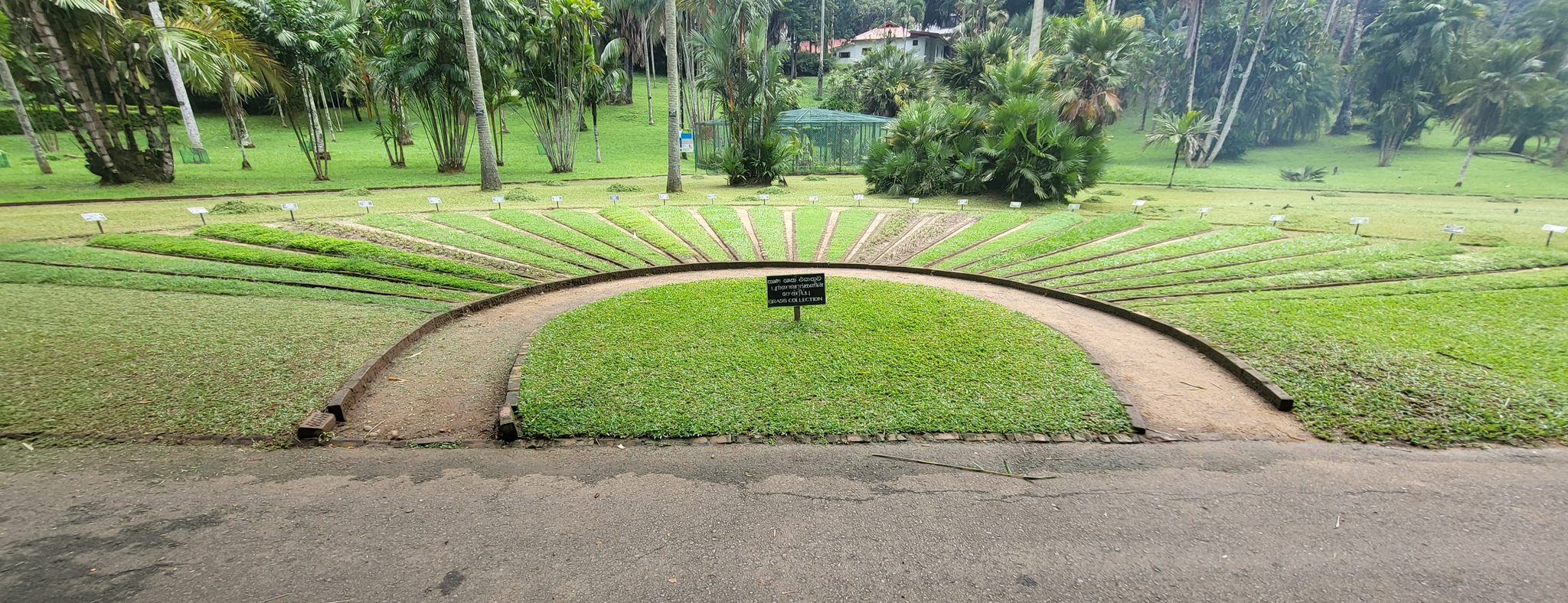
3. Not differentiating between causes in different lawn zones. Many yards have multiple issues at once. For example, a shaded corner may have dollar spot driven by prolonged dew and thatch, while a sunny slope has drought stress. Treating the whole yard the same way misses these nuances. Walk your lawn in sections and ask, "Why here?" for each area of damage.
Most importantly, do not assume dollar spot is purely a "fungus problem" that lives outside your control. The fungus is almost always present. The deciding factor is how your mowing, watering, fertility, and soil conditions complete the disease triangle.
Putting It All Together: Turning Causes into Prevention
Now that we have unpacked the biological, environmental, and cultural causes of dollar spots, let us turn that understanding into an actionable plan. The goal is to break at least one side of the disease triangle for the long term, so dollar spot becomes the exception in your lawn, not the rule.
Here is a practical sequence I use with clients when dollar spot has been a recurring issue:
- Confirm the diagnosis by checking patch size, leaf lesions, and timing with dew and weather patterns.
- Test or review soil fertility, especially nitrogen and overall pH. If nitrogen has been low, plan a moderate feeding in late spring or early summer at 0.5 to 0.75 pounds N per 1,000 square feet.
- Raise mowing height to 3 to 4 inches for cool season lawns and make sure blades are sharp. Avoid scalping and never remove more than one third of the blade in a single mowing.
- Adjust irrigation schedule to early morning, applying 1 to 1.5 inches per week in one or two deep waterings. Eliminate routine evening watering and shallow daily cycles.
- Address thatch and compaction by scheduling core aeration in spring or fall and checking thatch thickness. If thatch is over 0.5 to 0.75 inch, plan for gradual reduction through aeration and possibly light dethatching over several seasons.
- Improve microclimates where possible by pruning trees to increase airflow and sun penetration in chronically wet areas.
If you implement these changes, you should see a measurable reduction in new dollar spot lesions within 7 to 14 days during the main season. Existing damaged leaves will remain bleached until they are mowed off or replaced by new growth, but the area will begin to visually recover in 3 to 4 weeks as healthy turf fills in.
For lawns with a history of severe dollar spot, a preventative fungicide application timed just before the usual outbreak window, combined with these cultural improvements, can help break the cycle. For specific product recommendations and timing windows, refer to resources like Best Fungicides for Lawn Diseases or How to Get Rid of Dollar Spot in Your Lawn.
Understanding the true causes of dollar spots shifts you from reacting to symptoms to actively designing a lawn environment where disease struggles to gain a foothold. If you want to integrate this thinking into your full yearly program, check out Lawn Care Calendar by Season for a complete, timing based plan that builds a resilient, disease tolerant lawn.
Recommended products
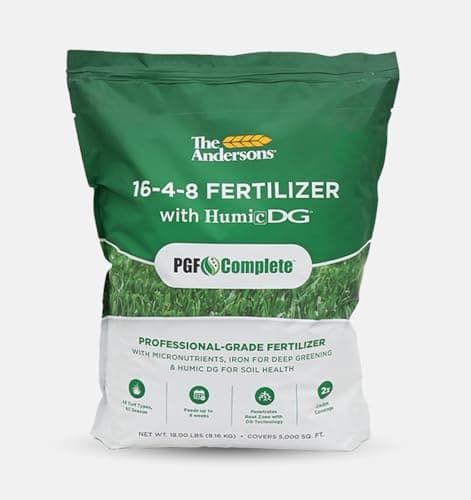
The Andersons PGF Complete 16-4-8
A fine-particle 16-4-8 that corrects the low nitrogen dollar spot thrives on.
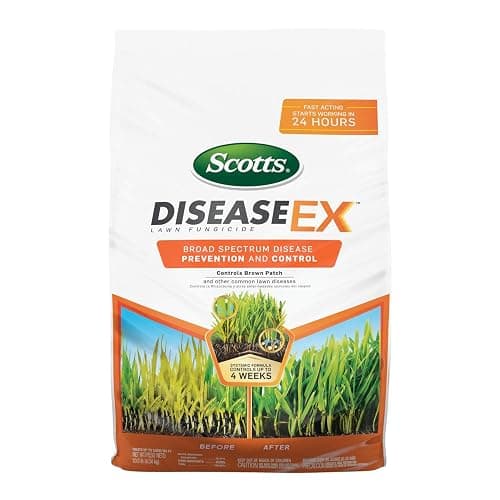
Scotts DiseaseEx Lawn Fungicide
A granular azoxystrobin fungicide for active dollar spot outbreaks and areas that break out every year.
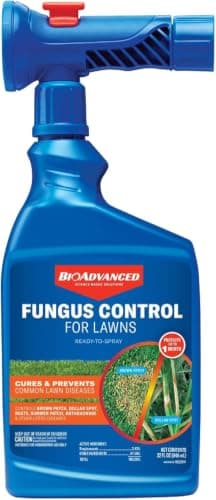
BioAdvanced Fungus Control for Lawns
A liquid systemic fungicide for spot treating patches without treating the whole lawn.
Free Lawn Care Tools
The main causes of dollar spots are the presence of the Clarireedia fungus, low nitrogen fertility, prolonged leaf wetness from dew or poorly timed watering, and stressed turf from low mowing, thatch, or compaction. When these factors come together during 60-85°F weather, small straw colored spots typically appear.
If your lawn has a pale, thin appearance overall and you have not fertilized in several months, low nitrogen is likely contributing. Confirm by checking fertilizer records or doing a soil test, then apply 0.5-0.75 pounds of nitrogen per 1,000 square feet and watch for reduced new spotting within 1-2 weeks.
Watering at night does not create the fungus, but it extends the period that leaves stay wet, which strongly favors dollar spot infections. If your sprinklers run in the evening and you see spots appearing after cool, humid nights, switch watering to early morning and water deeply only once or twice a week.
Pet urine does not cause dollar spot, but its damage can be confused with it. Dog urine spots usually have a dark green ring and irregular shape, while dollar spot patches are 1-3 inch circles with tan leaf lesions bordered in reddish brown. If you see the lesions on individual blades, the cause is fungal, not urine.
You can start correcting the main causes, like mowing height, watering timing, and nitrogen levels, immediately, and new lesions often stop appearing within 7-14 days. Full visual recovery, where the lawn looks uniform again, usually takes 3-4 weeks as damaged leaves are mowed off and healthy new growth fills in.
Yes, raising mowing height reduces stress on the grass and keeps leaf tissue further from the humid thatch zone, both of which lower dollar spot risk. For cool season lawns, aim for a mowing height of 3-4 inches and avoid scalping or removing more than one third of the blade at any one mowing.

Your lawn plan, in your pocket all season
Grass ID, a season plan, soil-timed reminders, and a lawn journal that remembers what you did. Free on iPhone.