

Fine Fescue Grass Seed: Selection & Planting Guide
 James ThorntonLawn Equipment & Maintenance Expert | 20 Years
As an Amazon Associate we earn from qualifying purchases.
Fine fescue is a group of cool season turfgrasses, mainly creeping red, chewings, hard, and sheep fescue, prized for very fine blade texture, strong shade tolerance, and low maintenance needs. Brown, thin lawn areas in the shade usually indicate that your current grass type is struggling, not that grass simply "will not grow there." Fine fescue is one of the few cool season grass groups that actually prefers low light and lower inputs, which makes it a strong candidate when Kentucky bluegrass or perennial ryegrass keep failing. This fine fescue grass seed: selection & planting guide walks through how to decide if it fits your site, how to choose the right species blend, and how to plant it so it thrives rather than limps along. For the full pillar reference covering identification, zones, characteristics, and year-round care, see the complete Fine Fescue guide.
Fine fescue works best for homeowners, DIY lawn care enthusiasts, and property managers in cooler climates who want a good looking lawn with fewer fertilizer applications and less irrigation. It also fits low traffic front yards, tree shaded areas, and naturalized or eco lawn spaces where a slightly more relaxed look is acceptable. Compared to Kentucky bluegrass or perennial ryegrass, fine fescue offers better shade tolerance and lower maintenance, but it is not a good choice for sports fields or dog run zones.
Several misconceptions cause frustration. Fine fescue can handle light to moderate foot traffic, but it will thin out if treated like a soccer field. It does need mowing and some fertilizing, just at lower rates and higher mowing heights than high input turf. And not all fine fescue blends are the same - creeping red, hard, chewings, and sheep fescue each behave differently in terms of spreading, shade response, and drought performance. This guide covers how to select the right fine fescue grass seed, evaluate your site and use pattern, prepare the soil, plant at the right time and rate, and maintain and troubleshoot the lawn over the seasons.
If your lawn is thin, patchy, or mossy in shade but looks better in full sun, this typically points to the wrong grass type rather than a disease problem. Confirm by checking where the worst spots are: if they line up with tree shade, between houses, or north-facing areas, shade-tolerant fine fescue is usually a better fit than Kentucky bluegrass or perennial ryegrass.
The fix is to overseed with a fine fescue blend chosen for your region, at about 4 to 6 pounds of seed per 1,000 square feet, in early fall when soil temperatures are near 55 to 65°F. Do not scalp the existing lawn or bury the seed under more than 0.25 inches of topdressing, or germination will drop sharply. With good moisture, you should see germination in 7 to 21 days and usable coverage in 6 to 8 weeks, with full density building through the following spring.
Understanding Fine Fescue Grass
What Is Fine Fescue?
"Fine fescue" is a group name for several cool season turfgrass species that share thin, needle like leaf blades, good shade tolerance, and relatively low maintenance needs. Unlike tall fescue, which has wider leaves and a clump forming habit, the fine fescues are either bunch forming or creeping with finer texture, which creates a softer, more carpet like lawn.
The main fine fescue species used in lawns are:
- Creeping red fescue (Festuca rubra ssp. rubra) - Spreading type that sends out short rhizomes, good for shaded lawns and overseeding into existing turf.
- Strong creeping red fescue (Festuca rubra ssp. rubra, improved types) - Similar to creeping red but more aggressive rhizomes and often better disease resistance.
- Chewings fescue (Festuca rubra ssp. commutata) - Bunch type, upright growth with excellent shade tolerance and mowing quality.
- Hard fescue (Festuca trachyphylla or brevipila) - Very drought tolerant, low nutrient requirement, slow growing bunch grass used in low input or eco lawns.
- Sheep fescue (Festuca ovina complex) - Very fine textured, clump forming, often used for naturalized areas or ornamental turf that is mowed infrequently.
In practice, fine fescue lawns almost always use blends of these species rather than a single type. Seed companies mix them so the strengths of one species compensate for the weaknesses of another, for example combining creeping red for spreading ability with hard fescue for drought tolerance. Fine fescue is widely used in shade lawns, low input home lawns, slopes that are hard to irrigate, and naturalized areas where a meadow like look is desired.
Key Characteristics and Advantages
The most obvious feature of fine fescue is the fine leaf texture. The blades are narrow and soft, which creates a velvety feel underfoot and a refined look at normal home mowing heights. When maintained well, a fine fescue lawn has a dense, darker green appearance that can rival bluegrass mixtures, especially in partial shade where bluegrass tends to thin out.
Fine fescues excel under lower light conditions compared to most other cool season grasses. In light to moderate shade, they keep more leaf area and maintain color where Kentucky bluegrass and perennial ryegrass typically become leggy and sparse. They also have relatively low nutrient and water requirements. In many northern lawns, a mature fine fescue stand can perform well with as little as 1 pound of nitrogen per 1,000 square feet per year and 0.5 to 1 inch of water per week from rainfall and irrigation combined, once established.
Another advantage is cold tolerance. Fine fescues handle winter temperatures in the northern U.S., upper Midwest, New England, and much of Canada without winterkill, especially when compared to perennial ryegrass. They also tolerate poor, sandy, or rocky soils better than many high input turf types. While they still need basic preparation and decent drainage, they are more forgiving when soil fertility is modest or when the topsoil layer is thin over subsoil.
Limitations and When Fine Fescue Is a Bad Fit
Despite their strengths, fine fescues are not universal solutions. They are sensitive to sustained heat and humidity, which makes them a poor choice for much of the Deep South and coastal humid regions with hot summers. In areas where average daytime summer highs are consistently above the mid 80s°F, especially paired with warm night temperatures, fine fescue often thins or develops disease issues.
Fine fescue also dislikes heavy, compacted clay soils that stay wet. On these sites, the combination of poor drainage and summer heat typically leads to root decline and fungal diseases. Without core aeration and soil amendment, the lawn may never reach its potential. Wear tolerance is another limiting factor. Fine fescue has moderate to low traffic tolerance. It handles occasional use, but repeated sports, dog traffic, or kids playing in the same areas will usually result in bare spots.
Under high nitrogen fertilization and frequent irrigation, fine fescue becomes more susceptible to diseases such as red thread, leaf spot, and dollar spot. If your lawn care goals involve a heavily used, closely mowed, high input lawn, a turf type tall fescue, or a Kentucky bluegrass and perennial ryegrass blend is usually more appropriate. In transition zone climates with hot summers, tall fescue often outperforms fine fescue, especially in full sun and moderate traffic situations.
Is Fine Fescue Right for Your Lawn?
Climate and USDA Hardiness / Turf Zones
Climate is the first screening question for any fine fescue grass seed: selection & planting guide. Fine fescue is ideal for cool to mild summer regions. This includes much of the northern U.S., upper Midwest, New England, and the Pacific Northwest, along with higher elevation areas where summer temperatures are moderated. As a rule of thumb, if your average July high temperature stays below about 85°F and nighttime lows cool off into the 60s, you are likely in a good climate band for fine fescue.
Cool summer coastal regions, for example parts of coastal New England or the Pacific Northwest, are especially favorable because the combination of mild summer highs and consistent moisture aligns well with fine fescue physiology. In contrast, the transition zone - roughly from Kansas City to St. Louis, through Kentucky, Virginia, and similar latitudes - is more marginal. Fine fescue can still be used there but usually performs best in shaded or north facing areas and in mixtures with other species, rather than as a pure stand.
In hot, humid southern climates, fine fescue is generally not recommended. Sustained temperatures above 90°F, warm nights, and high humidity favor disease and stress out the plants. If you live where warm season grasses like bermudagrass or zoysia are the standard turf types, fine fescue will usually be short lived. To check your local conditions, look up your average summer highs and lows and your USDA hardiness zone, then compare to recommended zones for cool season grasses overall. If your winters are very mild and summers very hot, consider region appropriate warm season grasses instead.
- Penn State Extension recommends using fine fescue primarily in the cooler parts of Pennsylvania and reserving it for shaded, low traffic areas in the transition zone regions of the state.
Sun, Shade, and Site Conditions
Light exposure is where fine fescue really stands out. It performs best in partial shade to full shade, provided that there is some filtered or direct light for a few hours per day. A typical threshold is that fine fescue can maintain itself with only 3 to 4 hours of filtered or direct sunlight daily, particularly in cooler climates. In full sun environments, especially where summers are warmer, it can still perform, but it becomes more sensitive to drought and heat stress.
Soil characteristics also influence success. Fine fescue favors well drained soils with a pH between about 5.5 and 7.0. It tolerates low fertility better than many turf types, so it often succeeds on poor soils where bluegrass struggles. However, it dislikes saturated conditions. If water stands on your lawn after rain or you see moss growing in many places, this usually indicates drainage or compaction problems. Correcting those with practices from How to Aerate Your Lawn the Right Way and selective grading or soil amendment is important before relying on fine fescue to solve everything.
Fine fescue excels in specific micro sites around the home. Under trees and along woodland edges, where dappled light dominates, it often outperforms competing species. North facing slopes and narrow side yards between houses that stay cooler and shadier throughout the day are typical strongholds. Low traffic side yards, ornamental front lawns, and areas around landscape beds are all good candidates. If your main wear zones are limited to a small portion of the lawn, you can even use fine fescue in the low traffic areas and a more durable grass in high wear sections.
Lawn Use Profile: How You Use the Space
The way you use your yard should guide your seed choice as much as climate and soil. When traffic is low, such as ornamental front yards, adult only households, or properties where most activity happens on a patio or deck, fine fescue is an excellent fit. It produces a soft, comfortable surface that looks refined when maintained at higher mowing heights, usually between 2.5 and 3.5 inches.
For moderate traffic lawns, you can still use fine fescue but it is usually best in mixtures. Blends that add a percentage of turf type tall fescue or Kentucky bluegrass increase wear tolerance while keeping some shade performance and lower maintenance traits. High traffic lawns with kids playing daily, frequent dog use, or sports activities are not a good match for pure fine fescue. On those sites, the grass will typically thin out in the main wear paths within one or two seasons.
Maintenance preferences matter too. If you prefer a low input lawn, with fewer fertilizer treatments and less frequent irrigation, fine fescue is aligned with that goal. It responds best to higher mowing heights and does not like being cut below about 2 inches. If your aesthetic goal is a tight, manicured, golf fairway type appearance at 1 to 1.5 inches, that is not realistic for fine fescue in a home lawn setting. It is better suited to a slightly more natural but still neat look, or even to meadow like, infrequently mowed styles when using hard or sheep fescue in naturalized areas.
Selecting the Right Fine Fescue Grass Seed
Choosing Among Fine Fescue Species
Fine fescue seed selection starts with understanding the strengths of each species. If your primary concern is shade with some need for spreading into thin areas, a blend dominated by creeping red or strong creeping red fescue is usually appropriate. These types produce short rhizomes that help fill small bare spots over time, which is helpful after overseeding or minor wear.
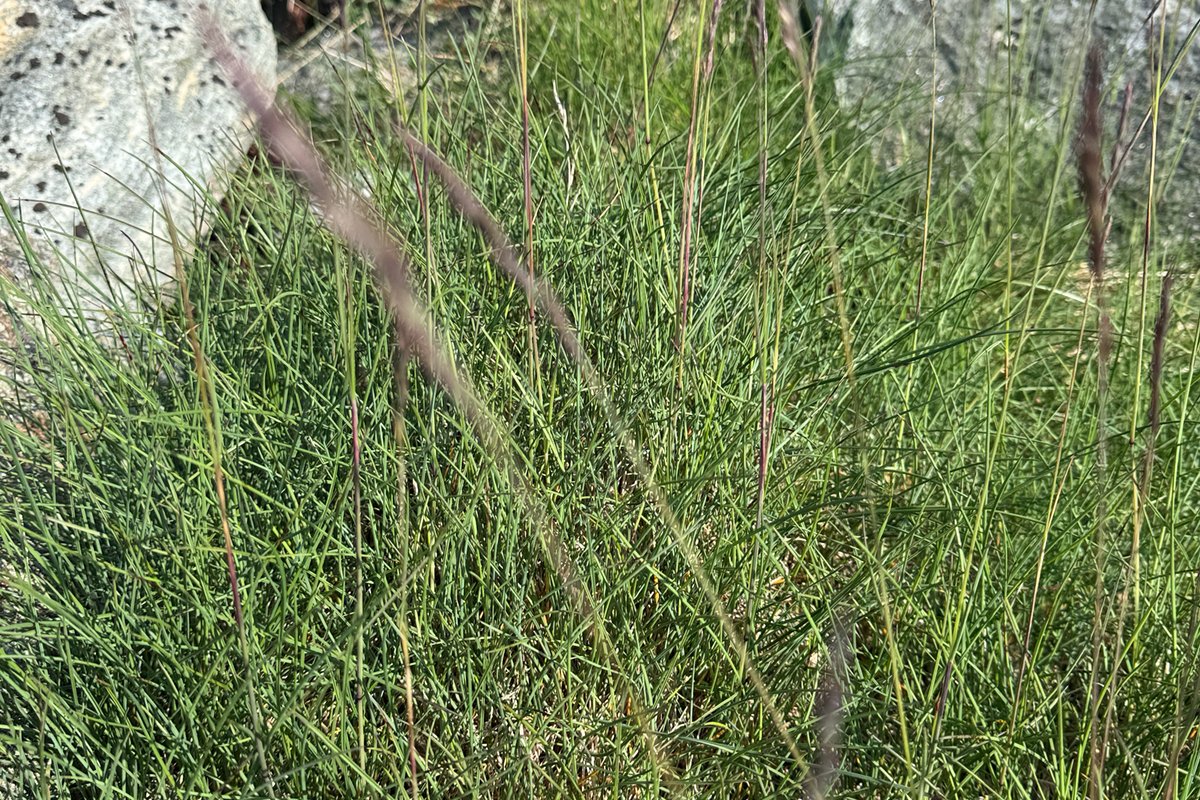
If mowing quality and upright growth are priorities, especially under trees where debris can cause matting, chewings fescue is often preferred. It forms clumps rather than spreading, but it delivers dense, fine textured turf that cuts cleanly and recovers well from mowing at 2.5 to 3 inches. For very low input lawns on dry, sandy, or rocky soils, hard fescue and sheep fescue take the lead. They are slower growing, need even less fertilizer, and handle drought better, though they may not form as uniform a carpet when mowed frequently.
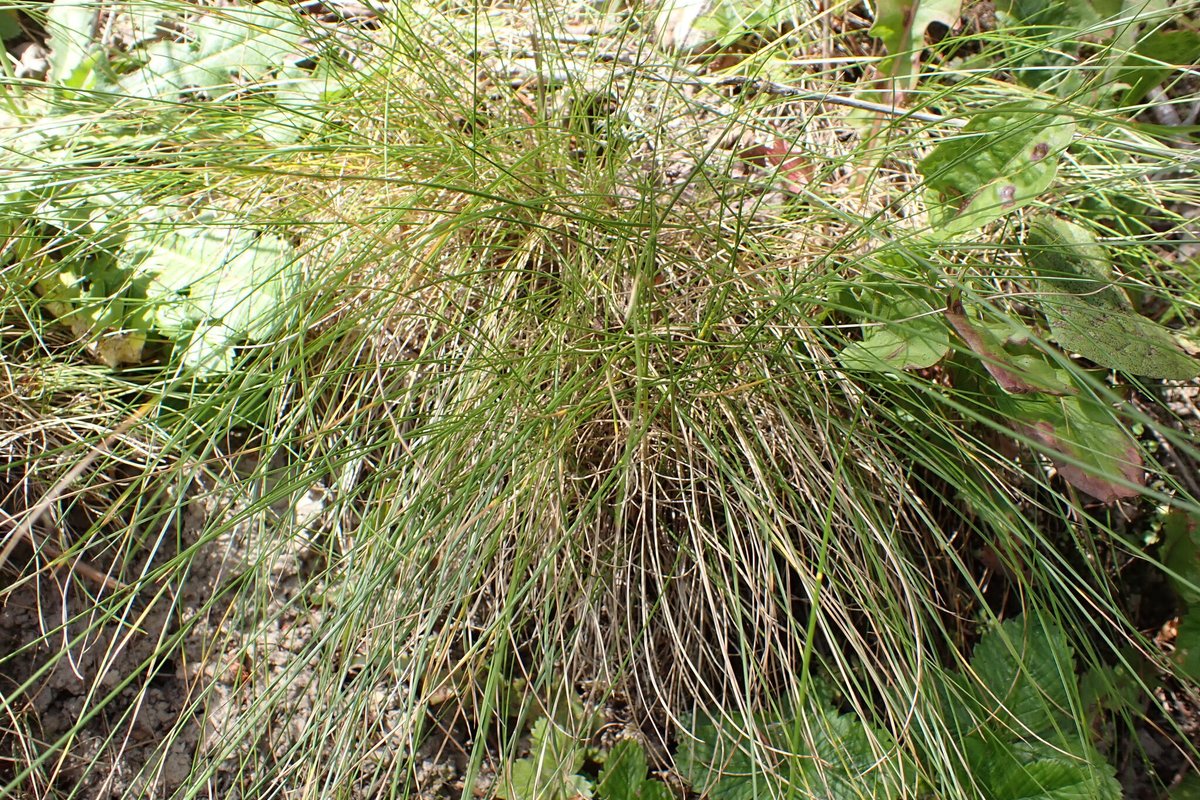
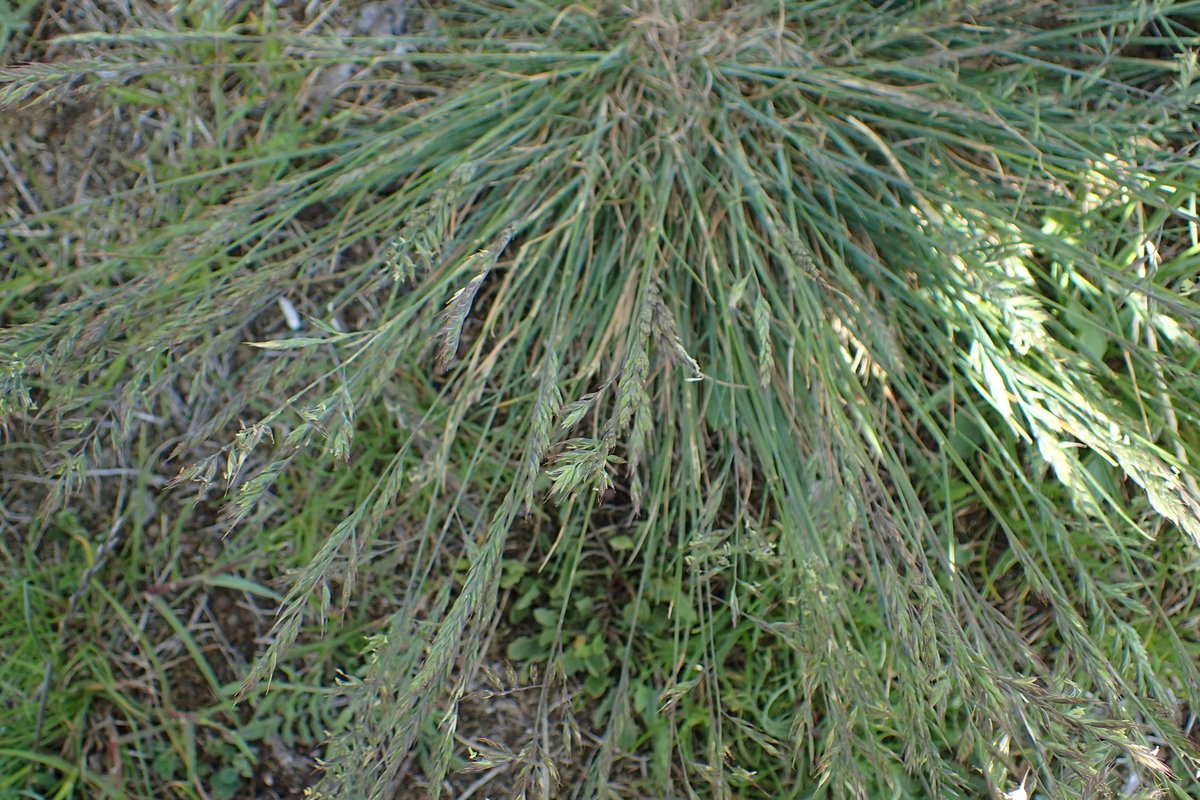
In most cases, a multi species blend is safer than betting on a single species. A typical northern shade blend might contain 40 to 60 percent creeping red or strong creeping red fescue, 20 to 40 percent chewings fescue, and smaller amounts of hard fescue. The idea is that if a disease or weather pattern hits one species harder, the others can maintain coverage. Avoid generic bags labeled only "fine fescue" without a seed analysis label listing the species and percentages, as you have less control over the result.
Reading the Seed Tag and Quality Indicators
The seed tag is your diagnostic tool for quality. Look for the percentages of each species, the germination rate, and the weed seed and inert matter percentages. For a quality fine fescue product, germination should be at least 80 percent, weed seed should be below 0.15 percent, and inert matter kept as low as practical. Higher germination means more plants per pound of seed, which is especially important at the typical fine fescue seeding rate of 3 to 5 pounds per 1,000 square feet for new lawns and 2 to 4 pounds for overseeding.
Named improved cultivars are another sign of quality. Instead of just "creeping red fescue," good tags list variety names, which indicates the seed is from tested cultivars with known performance traits. Check the test results maintained by university turf programs when available to see which cultivars show good disease resistance and regional adaptation. Also, note whether the seed is coated. Coating can improve water uptake and germination in marginal conditions but also means fewer actual seeds per pound, so follow the label rate for coated vs uncoated seed.
If the tag lists annual ryegrass, a high percentage of other crop seed, or unknown "turfgrass blend" descriptions without species, that points to lower quality. Annual ryegrass in particular can outcompete fine fescue early on, then die out, leaving thin spots. For a dedicated fine fescue lawn, avoid products dominated by ryegrass and instead look for blends where fine fescue makes up at least 80 percent of the mix if you are targeting shady, low traffic areas.
- Rutgers Extension emphasizes choosing improved fine fescue cultivars with documented disease resistance and notes that high quality seed should have weed seed below 0.15 percent on the label.
Regional Blends and Mixing With Other Grasses
Regional adaptation is critical when combining fine fescue with other turf species. In the colder northern tier with ample shade, pure fine fescue or a fine fescue dominant blend is often suitable. In the transition zone, or where you have sun and shade mosaics, mixtures that combine fine fescue with Kentucky bluegrass, perennial ryegrass, or turf type tall fescue can balance wear tolerance and shade performance.
For example, a lawn that is half full sun and half shade might use a mixture with 50 to 60 percent fine fescue, 20 to 30 percent Kentucky bluegrass, and 10 to 20 percent perennial ryegrass. The ryegrass establishes quickly to protect the soil, bluegrass provides durability and recovery where there is sun, and the fine fescue maintains coverage in the shade. If your main concern is durability in the sun but you still need some shade tolerance, a tall fescue and fine fescue blend can work, though the visual texture will be slightly mixed.
When overseeding an existing lawn that already contains bluegrass or ryegrass, selecting a fine fescue blend that is compatible in color and texture helps avoid a patchy, multi colored appearance. Many manufacturers offer "shade mix" or "low maintenance mix" products that are region targeted. Cross check these with your local extension recommendations and compare them to topics such as Overseeding Best Practices so that your overseeding strategy fits both your seed choice and timing.
Thin (Fine-Bladed) Fescue Grass Seed: What to Buy
If you searched for thin fescue grass seed, fine fescue is what you are looking for. "Thin fescue" is not a separate species; it is how people describe the needle-thin, fine-bladed leaves that set fine fescues apart from wide-bladed tall fescue. The thin blades are the whole appeal: they give lawns a soft, carpet-like look, and the plants behind them tolerate shade and drought better than almost any other cool-season grass.
When you are buying thin-bladed fescue seed, match the fine fescue type to the job rather than grabbing the first bag labeled "fescue":
| Seed Type | Best For | What to Look For on the Label |
|---|---|---|
| Creeping red fescue | Shade lawns, overseeding thin areas under trees | "Creeping red" or "Festuca rubra"; spreads slowly by rhizomes to self-repair |
| Hard fescue | Low-mow and no-mow areas, slopes, poor soil | "Hard fescue" or "Festuca brevipila"; the toughest, most drought-hardy fine blade |
| Chewings fescue | Dense, fine-textured lawns in cool climates | "Chewings" or "Festuca rubra ssp. commutata"; upright growth, mows cleanly |
| Fine fescue blend | Most home lawns, mixed sun and shade | A mix of the above, like Outsidepride Legacy Fine Fescue Grass Seed Mix, so the strongest type wins in each microclimate |
One buying warning: many big-box bags labeled "sun and shade mix" are mostly tall fescue or perennial ryegrass with only a small percentage of fine fescue. If you want the thin-bladed look, check the seed tag on the back of the bag and make sure fine fescues (creeping red, hard, or Chewings) make up the majority of the mix.
Recommended products

Outsidepride Legacy Fine Fescue Blend (10 lb)
A blend of creeping red, chewings and hard fescue built for shade and low inputs.
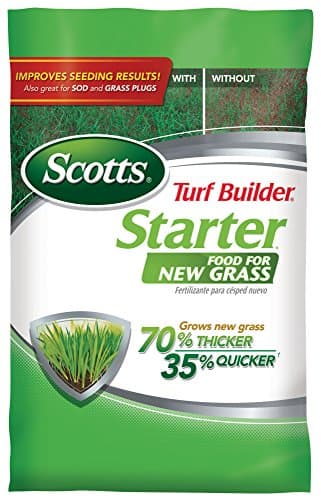
Scotts Turf Builder Starter Food for New Grass
A phosphorus-forward starter fertilizer for seedling root growth.
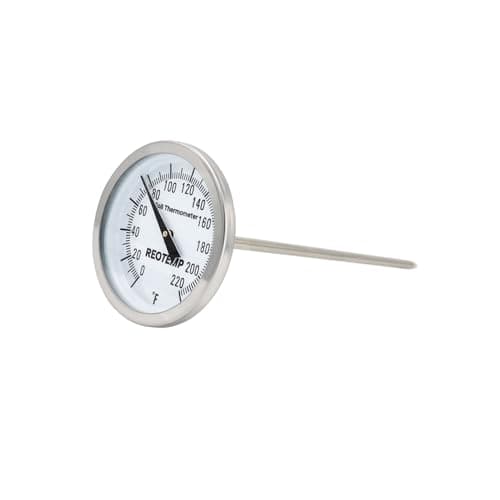
REOTEMP Waterproof Soil Thermometer, 5 inch Stem
A soil thermometer that pins down the 55 to 65F window fine fescue germinates in. Seeding by soil temperature beats seeding by calendar date in almost every region.
Site Preparation and Soil Diagnostics
Assessing and Amending Soil
Before planting, soil diagnostics prevent many of the common failures blamed on "bad seed." A basic soil test is the most reliable step to assess pH and nutrient levels. If pH is below about 5.5, lime is usually recommended to raise it closer to the 6 to 6.5 range preferred by fine fescue. If pH is above 7.0, elemental sulfur or specific management strategies may be needed, but fine fescue is somewhat tolerant of mildly alkaline conditions, especially hard fescue types.
If you do not have a recent soil test, a simple field evaluation can still highlight problems. If you notice water puddling after rains for more than 24 hours, or if you struggle to push a screwdriver 6 inches into the soil, compaction or poor structure is likely. Addressing this with core aeration and, if possible, incorporation of organic matter helps. Fine fescue is more forgiving of lean soils than of compacted, saturated ones.
Adding 1 to 2 inches of compost incorporated into the top 4 to 6 inches of soil can improve drainage and nutrient holding capacity on many sites. For existing lawns being overseeded, a topdressing of 0.25 inch of compost combined with core aeration allows seed to make better contact with the soil surface. Avoid building a layer of unblended organic matter thicker than about 0.5 inch on top of compacted soil, as this can create a perched water table and shallow rooting.
Clearing Weeds and Old Turf
The existing vegetation determines how aggressive your preparation must be. If you are converting a weedy, mixed species lawn into fine fescue, heavy weed pressure, especially from perennial broadleaf weeds and grassy weeds like quackgrass or nimblewill, will usually require more than simple overseeding. In many cases, a nonselective herbicide or complete removal by stripping and regrading is needed to reset the site.
If weed pressure is moderate and the current turf is mostly cool season grasses, you can often work with what is there. Mow low once, down to about 1.5 inches, collect the clippings, and remove excess debris. This opening of the canopy allows fine fescue seed to reach the soil and get enough light as it germinates. For patches dominated by coarse clumps, such as tall weedy fescues, physically removing those clumps and filling with topsoil before seeding is more effective than trying to seed over them.
For bare soil projects, grade the area smooth and firm the surface with a roller or light traffic so you can walk on it without leaving deep footprints. Any rocks, roots, or debris that could interfere with mowing should be removed now. Remember that fine fescue does not compensate well for poor grading with heavy thatch or fluffy soil on top, so create a firm, even seedbed.
Aeration and Seedbed Preparation
Core aeration is an effective way to both relieve compaction and prepare a seedbed for overseeding into existing lawns. The screwdriver test offers a simple threshold: if you cannot push it 6 inches into moist soil with moderate effort, aeration within the next 1 to 2 weeks is recommended before seeding. Proper aeration pulls cores 2 to 3 inches deep and leaves holes about 0.5 inch wide across 10 to 20 percent of the surface.
After aeration, mowing the lawn short and then seeding allows fine fescue seeds to fall into the holes and contact exposed soil. Light raking or dragging helps distribute the seed. For new seeding on bare ground, lightly rake the seed into the top 0.25 inch of soil without burying it deeper. A final rolling pass can improve seed to soil contact, which is critical for uniform germination.
Do not till deeply right before seeding unless you can re firm the soil properly. Excessively fluffy soil settles unevenly and can lead to bumpy lawns and shallow rooting. Instead, complete any major tilling or soil incorporation several weeks before seeding, then allow rainfall or irrigation and light traffic to firm the soil before your final seedbed preparation pass.
Planting Fine Fescue Grass Seed
Best Timing for Seeding
Timing is a common failure point. Fine fescue, like other cool season grasses, establishes best in early fall when soil temperatures are warm enough for germination but air temperatures are cooling. A typical window is when soil temperatures are roughly 55 to 65°F at a 2 inch depth, which often corresponds to late August through September in northern regions and early to mid September through October in slightly warmer zones.
Spring seeding is possible but riskier because seedlings then face summer heat in their first season. If you must seed in spring, aim for when soil temperatures first hit 50 to 55°F consistently and focus on aggressive watering and weed management. Avoid mid summer seeding unless you can provide irrigation and some temporary shade and you are in a very mild climate. In cold winter areas, seeding too late in fall, for example less than 4 to 6 weeks before the first hard freeze, reduces establishment and can lead to winter heaving.
When overseeding existing lawns, coordinate timing with other practices. Many homeowners combine core aeration and overseeding in the same early fall window, which is generally effective for fine fescue too. If you are also applying preemergent herbicides, read labels carefully. Most crabgrass preventers interfere with grass seed germination for 6 to 8 weeks, so adjust your timing accordingly.
Seeding Rates and Application Methods
Appropriate seeding rates help ensure dense coverage without wasting seed. For new lawns, fine fescue is typically seeded at 3 to 5 pounds per 1,000 square feet, depending on the exact species and whether the seed is coated. Many shade blends recommend around 4 pounds per 1,000 square feet as a balanced rate. For overseeding into an existing lawn, 2 to 4 pounds per 1,000 square feet is usually sufficient to thicken the stand.
Use a calibrated broadcast or drop spreader for even distribution. Divide the seed amount in half and apply in two perpendicular directions, for example north-south then east-west, to reduce striping and overdosed zones. In small or irregular areas, hand seeding is possible but harder to do evenly, so take your time and visually check for bare swaths. After seeding, lightly rake or drag the surface so that most seeds are just scratched into the top 0.25 inch of soil, but do not bury them deeper than about 0.5 inch or germination will fall.
On slopes, consider using a seed blanket or light straw mulch at about 0.5 bale per 1,000 square feet to reduce erosion and keep seed in place. Make sure at least half the soil surface is still visible through the mulch so that seedlings can emerge. Do not apply heavy straw layers that shade the soil completely, as that can slow germination and cause uneven stands.
Watering and Germination Timeline
Moisture management during germination is more important than heavy fertilization at planting. After seeding, water lightly and frequently to keep the top 0.5 inch of soil consistently moist. This usually means 2 to 4 light waterings per day of 5 to 10 minutes each, depending on your sprinkler output and weather conditions. The goal is to prevent drying out, not to soak the soil to depth while seed is still germinating.
Fine fescue typically germinates in 7 to 21 days under favorable temperatures, with some variation between species. Chewings and creeping red fescue often appear on the earlier side of that range, while hard and sheep fescue can be slower. As soon as you see consistent sprouting, gradually transition from multiple light waterings to fewer, deeper soakings that moisten the top 2 to 3 inches of soil. By the time seedlings are 2 to 3 inches tall, you should be watering no more than once daily, with the eventual goal of 1 to 2 deep waterings per week providing roughly 1 inch total depth, including rainfall.
If you see patches that remain bare after 21 days while other areas have germinated, that typically points to poor seed to soil contact or dry spots. Scratch those areas lightly with a rake, reseed at a modest rate, and resume light watering cycles. Avoid walking on new seedlings or mowing until the majority of plants are at least 3 inches tall, which usually occurs 4 to 6 weeks after seeding in good conditions.
Fine Fescue Germination Time
Fine fescue germination time is typically about 7 to 14 days when soil temperatures sit in the 50 to 65°F range and the seedbed stays moist. In cooler soil or dry spells it can stretch closer to 21 days, so do not panic if week two passes with only patchy sprouting. That puts fine fescue in the middle of the cool season pack: slower than perennial ryegrass, which often pops in about 5 to 10 days, but noticeably faster than Kentucky bluegrass, which commonly needs 14 to 30 days.
Species matters too. Creeping red and chewings fescue usually emerge on the early side of the window, while hard and sheep fescue tend to be a few days slower. If you seeded a multi species blend, expect a staggered green-up over about two weeks rather than one uniform flush. Keep up the light, frequent watering until the slowest species has clearly emerged, then start backing off toward deeper, less frequent soakings.
Seasonal Care and Maintenance
Mowing Practices for Fine Fescue
Mowing height and frequency influence both appearance and stress levels. Fine fescue performs best at heights from 2.5 to 3.5 inches in home lawns. Keeping it in this range maximizes leaf area for photosynthesis, supports deeper roots, and reduces weed pressure. As a threshold, try not to cut off more than one third of the leaf blade at a time. If your lawn is at 3 inches, mow when it reaches about 4.5 inches so you are only removing 1.5 inches in a single pass.
Use sharp mower blades to avoid shredding the fine leaf tips, which can give the lawn a whitish or brown cast. Mulching clippings is usually fine and provides a small nitrogen return, but if the lawn is very wet or overgrown, bagging once may prevent clumping. In heavily shaded areas, slightly higher mowing heights can help, while in cooler full sun areas, the lower end of the recommended range provides a more manicured look.
Fine fescue grows more slowly than many other cool season grasses, especially hard and sheep fescue types, so mowing frequency may be lower. During peak spring growth, you might mow weekly, while in summer and fall it may be every 10 to 14 days. Avoid mowing very low in early spring or late fall, as scalping can reduce winter hardiness and spring vigor.
Fertilization and Watering Needs
Fine fescue's lower nutrient requirement is one of its main maintenance advantages. Many extension recommendations suggest a total of 1 to 2 pounds of nitrogen per 1,000 square feet per year, split into one or two applications. A common program is a single fall application of 1 pound of nitrogen per 1,000 square feet, or a lighter spring application of 0.5 pound followed by 0.5 to 1 pound in early fall, depending on lawn color and vigor.
Overfertilizing, especially with quick release nitrogen in late spring and summer, typically causes more disease and thatch problems than benefits. If your lawn is reasonably green and dense, resist the urge to apply more. Always interpret fertilization in light of your soil test results so you avoid unnecessary phosphorus where regulations restrict it and so you correct any serious deficiencies in potassium or micronutrients in a targeted way.
For water, mature fine fescue lawns often perform well with about 0.5 to 1 inch of water per week in cool, humid climates. In drier or hotter conditions, up to 1 to 1.5 inches per week may be needed to avoid dormancy, but the grass can survive modest drought by going partially dormant. The key is deep, infrequent watering that wets the root zone rather than light, daily sprinkling that encourages shallow roots. A simple test is to place a rain gauge or tuna can on the lawn and run sprinklers until it fills to about 0.5 inch, then note how long that takes to calibrate your schedule.
Disease, Thatch, and Overseeding Cycles
Under low input conditions, fine fescue generally has manageable disease levels. However, in wet summers or where nitrogen levels are high, red thread, dollar spot, and leaf spot can appear as small patches of discolored blades. If you see pink or reddish threads binding blade tips or tan patches with hourglass lesions, reduce nitrogen applications, adjust watering to earlier in the day so foliage dries, and mow with clean blades. Most of these diseases are cosmetic and subside with improved growing conditions.
Thatch buildup is typically slower in fine fescue compared to high input bluegrass, but in dense, heavily fertilized stands you can still see thatch thicker than 0.5 inch over time. If your lawn feels spongy and you can measure a thatch layer over 0.5 inch, power raking or vertical mowing in early fall followed by overseeding can reset the profile. Use Overseeding Best Practices to coordinate these operations for minimal disruption.
Overseeding every 3 to 5 years is a good maintenance strategy, especially in shade or in moderate traffic lawns. Applying 2 to 3 pounds of fine fescue seed per 1,000 square feet during your early fall aeration helps maintain density and gradually refreshes the stand with newer, improved cultivars. This approach is less disruptive than full renovation and aligns with the gradual thinning pattern typical of fine fescue in challenging microclimates.
Does Fine Fescue Spread?
It depends on which fine fescue you plant. Creeping red fescue (including strong creeping types) spreads by short rhizomes, so it can slowly knit into small bare spots and thicken a stand over a few seasons. Chewings, hard, and sheep fescue are bunch-type grasses that stay where you put them and thicken by tillering rather than creeping. None of the fine fescues spread aggressively the way Kentucky bluegrass or bermudagrass do, so thin areas usually recover faster with a light overseeding pass than by waiting for the lawn to fill in on its own.
Fine Fescue Sod and Blends
If you were hoping to skip seeding and lay fine fescue sod, availability is the catch. Pure fine fescue sod is uncommon because the fine fescues are slow to establish and their shallow, fine root structure makes sod harvesting and handling difficult. Most sod farms grow Kentucky bluegrass or tall fescue instead, and when fine fescue does show up in sod it is usually as a minority component of a bluegrass and fine fescue shade blend. A few specialty farms in cooler regions offer fine fescue dominant sod, but expect to call around and pay more.
That is also why fine fescue is almost always sold as a blend rather than a single species bag. Shade mixes typically combine creeping red, chewings, and hard fescue, sometimes with a modest share of bluegrass or ryegrass for durability, so the blend can cover a range of light and soil conditions in one pass. For most shaded lawns, seeding one of these blends in early fall is more practical and far cheaper than hunting for sod.
What Other Guides Miss
Many lawn articles touch on fine fescue but skip critical diagnostic and timing nuances. One common gap is failing to address confirmation steps before seeding. If you see thin grass in shade, it could be compaction, tree root competition, or simply lack of light, not only the wrong species. Confirming with basic tests like the screwdriver compaction check, observing puddling after rain, and noting how many hours of direct or filtered sunlight each area receives helps ensure that switching to fine fescue is the right move instead of a band aid. For the full pillar reference covering identification, zones, characteristics, and a year-round care schedule, see the complete Fine Fescue guide.
Another frequent omission is precise timing and soil temperature guidance. Seeding based on calendar dates alone ignores local variation. Using soil temperature thresholds, for example targeting the 55 to 65°F window, improves germination and reduces disease pressure for seedlings. Many guides also overpromise traffic tolerance or imply that fine fescue lawns are "no mow" or "no fertilizer." While they need less of both, skipping all mowing or fertilization usually causes a thin, weedy lawn over time. Recognizing that fine fescue is "lower input" rather than "zero input" sets realistic expectations, keeps the stand dense, and makes it far more likely your shade lawn finally thrives.
Top Picks
- Jonathan Green (10322) Black Beauty Ultra Grass Seed - Cool Season Lawn Seed (7 lb)Check price on Amazon
- Jacklin Seed by Barenbrug Heisman Kentucky Bluegrass Blend (5 lb)Check price on Amazon
- Pennington Smart Seed Sun and Shade MixCheck price on Amazon
As an Amazon Associate we earn from qualifying purchases.
Free Lawn Care Tools
"Fine fescue" is a group name for several cool season turfgrass species that share thin, needle like leaf blades, good shade tolerance, and relatively low maintenance needs. Unlike tall fescue, which has wider leaves and a clump forming habit, the fine fescues are either bunch forming or creeping with finer texture, which creates a softer, more carpet like lawn.
Fine fescue typically germinates in about 7 to 14 days when soil temperatures are in the 50 to 65°F range and the seedbed stays consistently moist. In cooler or drier conditions it can take up to 21 days. That is slower than perennial ryegrass, which often sprouts in 5 to 10 days, but faster than Kentucky bluegrass, which can need 14 to 30 days. Creeping red and chewings fescue usually emerge earlier than hard and sheep fescue.
Only some types do. Creeping red fescue spreads slowly by short rhizomes and can gradually fill small bare spots, while chewings, hard, and sheep fescue are bunch-type grasses that thicken by tillering instead of creeping. No fine fescue spreads aggressively the way Kentucky bluegrass or bermudagrass does, so overseeding is usually the fastest way to fix thin areas.
The ideal time to plant fine fescue is in early fall when soil temperatures are around 55 to 65°F. This timing gives seedlings cool air, warm soil, and fewer weeds, which helps them establish faster. With good moisture, you can expect germination in about 7 to 21 days and usable coverage in 6 to 8 weeks. Full density typically fills in through the following spring.
For overseeding or establishing a fine fescue lawn, use about 4 to 6 pounds of seed per 1,000 square feet. This rate is enough to create a dense stand without wasting seed. Applying much more than this can lead to overcrowding and weaker plants. Make sure the seed has good contact with the soil for best germination.
Fine fescue is one of the best cool season grasses for areas with light to moderate shade, such as under trees, between houses, and on north-facing sides of a property. It keeps more leaf area and color in low light than Kentucky bluegrass or perennial ryegrass, which often get thin and leggy. If your sunny areas look fine but shaded spots are patchy or mossy, switching those areas to fine fescue is often the right move. It performs especially well in cooler climates with modest fertilizer and water.
Fine fescue can tolerate light to moderate foot traffic, such as normal family use and occasional play. However, it is not suitable for heavy wear areas like sports fields, dog runs, or spots where kids play hard every day. In those conditions it will thin out and develop bare patches. For high-traffic lawns, turf type tall fescue or a bluegrass/ryegrass mix is usually a better choice.
Fine fescue prefers higher mowing heights and relatively low fertilizer inputs compared to many other cool season grasses. A mature stand often does well with about 1 pound of nitrogen per 1,000 square feet per year and 0.5 to 1 inch of water per week from rain and irrigation combined. It still needs regular mowing, but not extremely short cuts or high-input treatment. Over-fertilizing and frequent, heavy watering can actually increase disease problems in fine fescue.
Thin fescue grass seed is the everyday name for fine fescue seed: the group of cool-season grasses (creeping red, hard, Chewings, and sheep fescue) with needle-thin blades. There is no separate "thin fescue" species. If you want that fine-bladed, soft-textured lawn, buy seed labeled fine fescue or a fine fescue blend and check the seed tag to confirm fine fescues dominate the mix.
Yes. "Thin fescue" describes the thin, fine blades of the fine fescue family, so the two names refer to the same grasses. The one thing to avoid is confusing either with tall fescue, which has much wider blades and a coarser look. The seed tag on the bag will list the actual species, which is the reliable way to know what you are buying.
Photos: Fabricio Trujillo / Pexels, Ida B D Jacobsen / iNaturalist · CC BY 4.0, elik03 / iNaturalist · CC BY 4.0, Marcin Dyderski / iNaturalist · CC BY 4.0, Kindel Media / Pexels

Beat weeds and brown spots from your phone
Snap a photo, get the fix, and follow a plan timed to your soil and weather. Free on iPhone.
Related Articles
 Seeding/Overseeding & Establishment
Clover Seed: Identification & Removal Guide
Dec 18, 2025•12 min read Seeding/Overseeding & Establishment
Growing Grass from Seed How Long: Complete Care Guide
Dec 18, 2025•12 min read Seeding/Overseeding & Establishment
Can I Just Sprinkle Clover Seeds on My Lawn
Jun 15, 2026•12 min read

